
Wide Tooth Comb Vs Detangling Brush
Disclosure: Some of the links in this post are affiliate links. This means if you click on the link and purchase an item, I will receive an affiliate commission at no extra cost to you.
Detangling time can turn into a real battle in a lot of homes. Picking the right tool often makes a big difference. It can mean the gap between happy hair days and tears before school.
The wide-tooth comb vs detangling brush debate comes up all the time. Parents want an easy way through knots and shrinkage.
Both tools promise gentle detangling, but they work in very different ways. Knowing which one suits your child’s curls can save you both a lot of frustration.
A good place to start is understanding The Different Kids Hair Textures Explained. Texture plays a huge role in which tool works best.
Fine, loose curls respond differently than tight coils. Tighter coils tend to need slower, gentler handling overall. The right tool should match what’s actually growing on your child’s head.
Once you know your child’s texture, the wide-tooth comb vs detangling brush choice gets a lot easier. Pairing either tool with The Secret to Tear-Free Detangling can turn hair time into something you both enjoy.
These small routines, done gently, often become treasured memories as your child grows.
Even five calm minutes a day can turn into a habit you both look forward to. Grab a comb or brush and get comfortable, because there’s plenty of helpful detail ahead.
What Is a Wide-Tooth Comb?
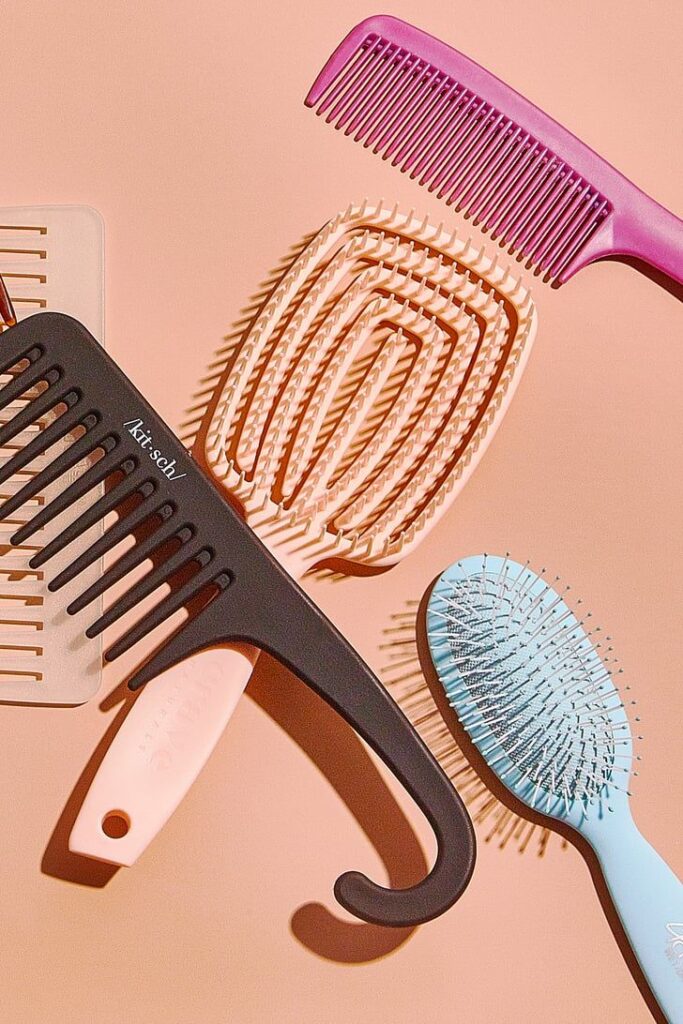
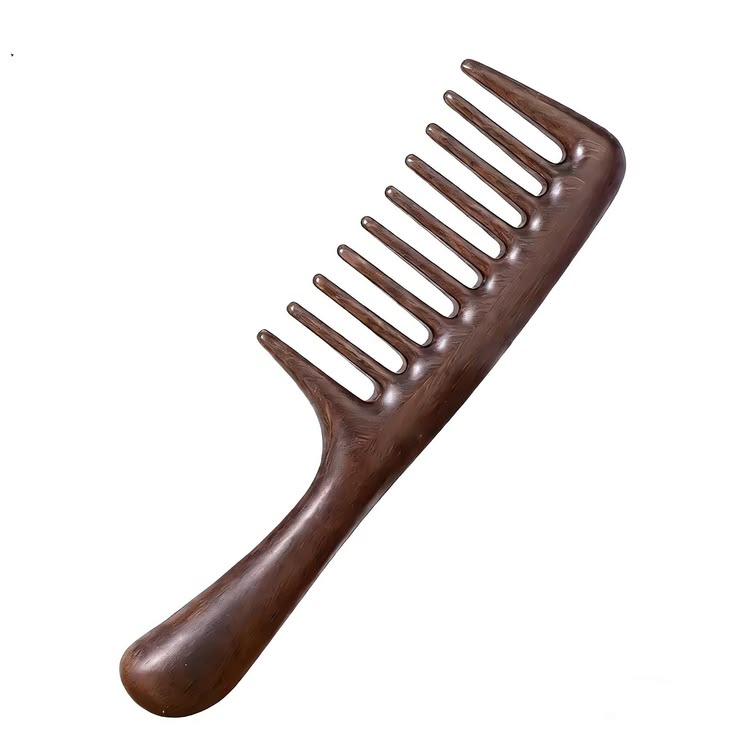
A wide-tooth comb has widely spaced teeth. The teeth slide through hair without snagging or pulling. The gaps are much larger than on a regular comb.
This lets curls and coils pass through with less resistance. Most wide-tooth combs use smooth plastic, wood, or seamless materials.
These materials reduce friction against the hair shaft. Kids with curly or coily textures tend to do well with this tool.
It works with the natural curl pattern instead of fighting it. A comb like this is often the first tool recommended in The Complete Beginner’s Guide to Kids Hair Care.
Seamless combs have no visible seam where the mold pieces meet. A rough seam can snag and split delicate strands, so smooth ones work best. Size matters too.
A smaller comb gives more control near the hairline. A larger one covers more hair with each pass.
How a Wide-Tooth Comb Works
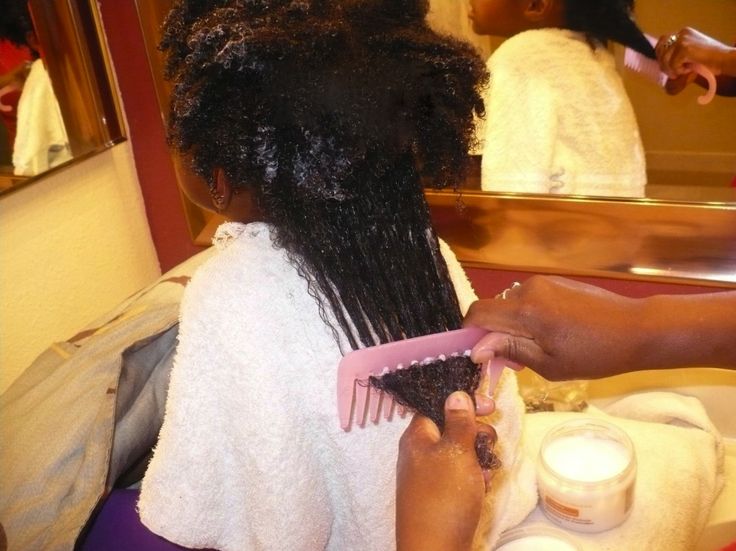
The comb separates hair into smaller sections as it moves through.
This helps loosen knots gradually instead of ripping through them all at once.
Start at the ends and work upward.
This clears small tangles before tackling bigger ones near the roots. This bottom-up method helps cut down on breakage.
See 15 Reasons Your Child’s Hair Keeps Breaking (and What to Do About It) for more on this.
When to Reach for a Comb
A wide-tooth comb shines during wash day. It works best right after you apply conditioner, when hair turns slippery and soft.
It also works well for sectioning hair before braiding or twisting.
This makes it a staple tool in The Best Wash Day Routine for Kids.
Many parents keep one comb in the shower and another at the styling station.
Having both on hand saves a scramble later.
What Is a Detangling Brush?
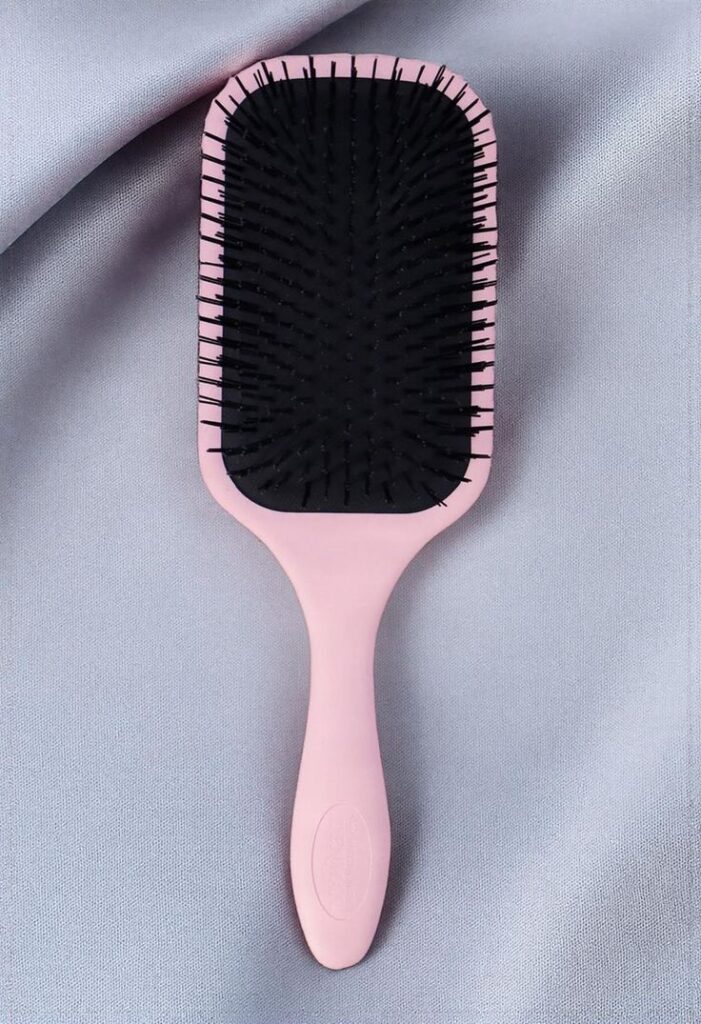
A detangling brush uses flexible bristles. The bristles often sit in a loose or spiral pattern.
They bend and flex as they move through hair instead of staying rigid.
This flexibility helps the bristles glide around knots instead of getting stuck. Detangling brushes usually have soft nylon or silicone bristles set in a cushioned base.
That base absorbs some of the tension that would otherwise hit the scalp. They’re a popular pick in The Best Hair Brushes for Kids, especially for busy households.
Some detangling brushes come with a rotating base, while others use a two-tier bristle design. Either design can add more flexibility when hair is especially knotted.
A smaller travel-size version can be handy for quick refreshes away from home. Think swim days or naps that leave curls squashed on one side.
How a Detangling Brush Works
Because the bristles flex on contact, a detangling brush moves through larger sections quickly.
It’s built to smooth the hair cuticle while working through knots.
This can leave curls looking a little more polished afterward. This speed makes it a favorite for busy school mornings.
33 Easy Hairstyles for Busy School Mornings can proof that there simply isn’t time for a slow approach.
When to Reach for a Brush
A hair brush is best for hair that’s already mostly smooth and only needs light detangling or styling.
Brush gently to keep hair neat and help spread natural oils from the scalp.
If you find a few knots, work through them slowly instead of pulling.
For tougher tangles, apply a leave-in conditioner or detangling spray before brushing.
Products That Make Either Tool Work Better
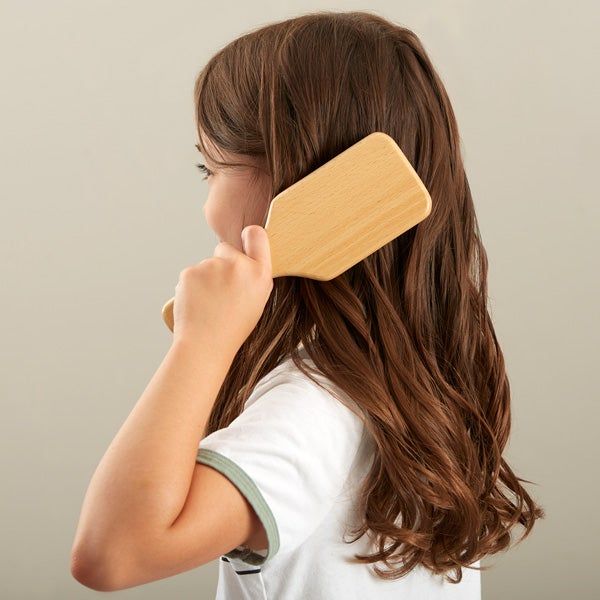
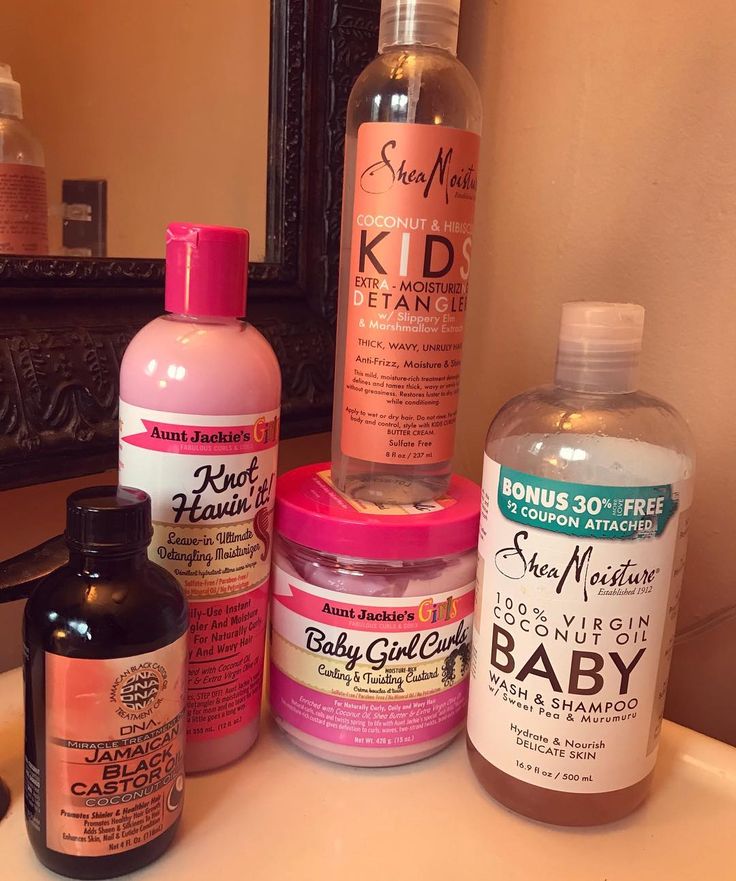
Neither tool works as well on dry hair. The right products matter just as much as the tool itself.
Well-moisturized strands have more slip, and that lets both tools glide through knots with far less tugging.
Following steps like the ones in How to Moisturize Kids Hair Properly sets up every session for success.
A light oil can help seal in that moisture. The options in The Best Hair Oils for Children’s Hair are worth exploring if tangles feel stubborn.
Even the shampoo used on wash day plays a role. Harsh formulas can strip moisture and make the next session harder.
Choosing gently, as covered in How to Choose the Right Shampoo for Kids, helps keep hair soft between washes.
If you’re still unsure which texture your child has, pause and figure that out first.
How to Identify Your Child’s Hair Type walks through the basics in a simple way. Knowing the answer makes every product and tool decision easier.
Many kids also have more than one texture pattern across their head. Curls near the crown often loosen while coils tighten at the nape.
The tool that works up top might not work everywhere. Keeping both a comb and a brush nearby covers these mixed-texture days easily.
Wide-Tooth Comb vs Detangling Brush: Key Differences
The wide-tooth comb vs detangling brush comparison really comes down to control versus speed.
A comb offers more precision, which helps with very tight coils or hair prone to breakage.
A brush covers more ground in less time, which suits a family running short on minutes before school. Combs tend to cause less tension on tighter textures, since the teeth separate hair rather than sweeping through it.
Brushes can be gentler on looser textures, where knots stay small. Cost and durability stay fairly similar between the two.
The real deciding factor is almost always hair type and how much time you have. Sensory comfort can factor in too.
Some kids find brush bristles ticklish or uncomfortable on the scalp.
Others find a comb’s slower pace frustrating when they’re eager to move on.
Testing both on a small section can help you figure out which one your child actually tolerates.
Breakage risk is another point worth weighing. Hair that’s already dry or damaged usually does better with a gentler comb.
See The Hidden Mistake That Could Be Drying Out Your Child’s Hair for common causes. A brush used on dry or fragile strands can pull at knots too soon. That adds unnecessary stress to hair that needs extra care.
Signs You Might Need to Switch Tools
Some signs point to a mismatch between tool and hair. Scalp tenderness after every session is one clear sign. How to Keep Kids’ Scalp Healthy covers gentler options worth trying.
Hair that still looks rough after detangling is another red flag.
Styles that fall apart within hours can also point to leftover tangles.
Why Your Child’s Hairstyles Never Last Until the End of the Day explains this link in more detail.
Switching tools, or alternating between both, often solves these problems fast.
Which Tool Is Best for Each Hair Type
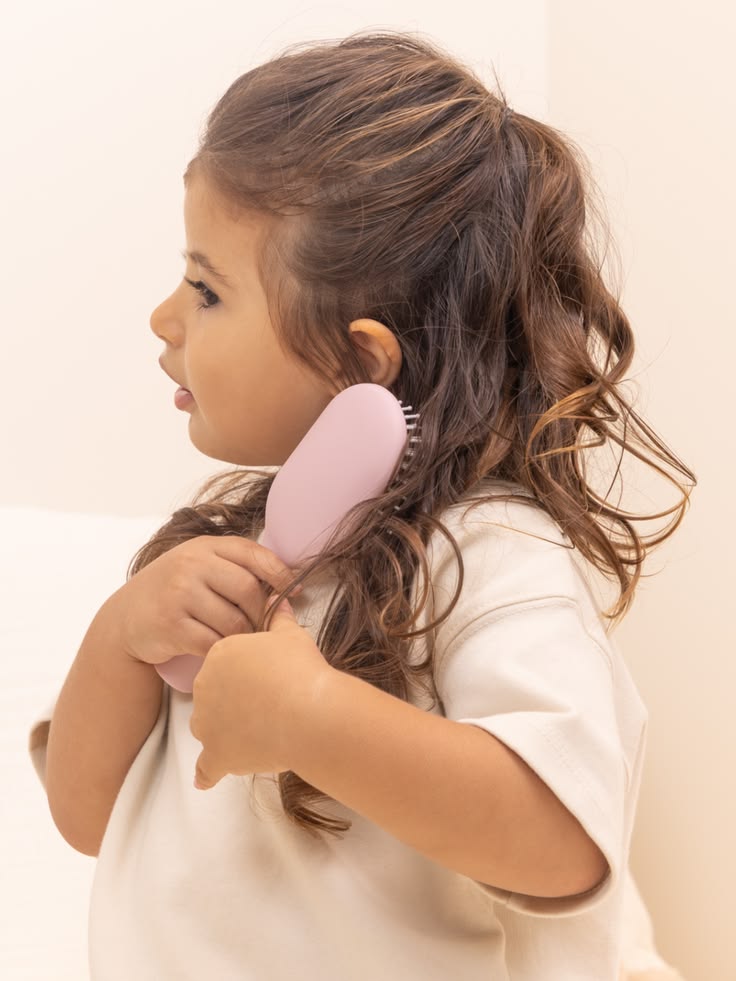
Type 2 Hair
Type 2 hair has a loose, wavy pattern with fewer knots overall.
A detangling brush usually works well here.
The bristles move through waves quickly, with little resistance, and the smoothing effect helps keep frizz down.
A quick brush pass after product is often enough. The Best Conditioners for Every Hair Type covers good options.
Type 3 Hair
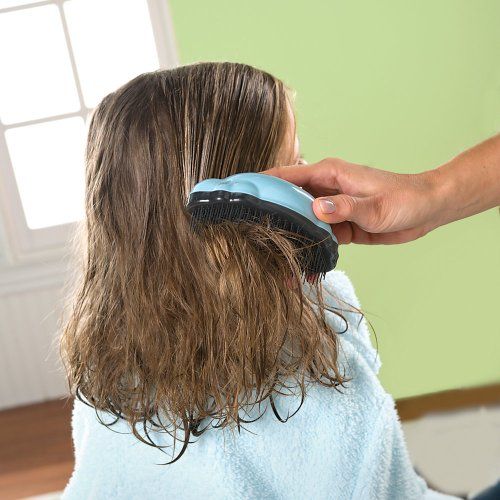
Type 3 curls are springy and prone to shrinkage, so gentle care is important.
A wide-tooth comb works best for detangling, especially on wash day.
A brush can help refresh curls or smooth hair for simple styles between washes.
Hair Type 3: Care Guide for Kids explains how to use both tools effectively.
Type 4 Hair
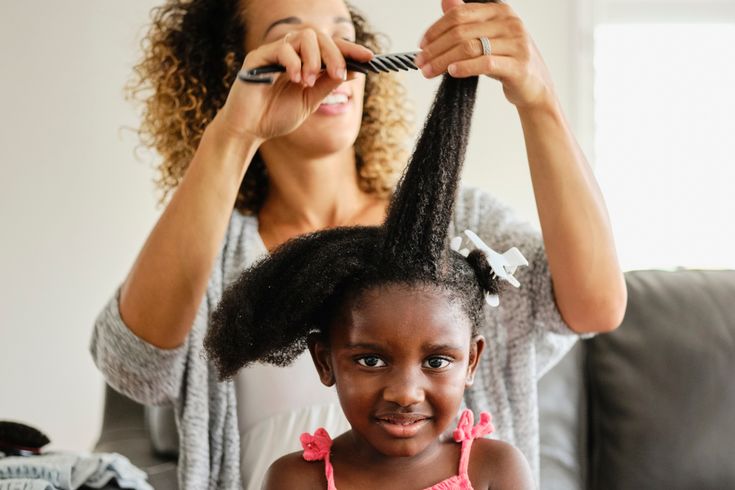
Type 4 coils are the tightest and most prone to knots. A wide-tooth comb is usually the safer choice here.
Work in small sections with plenty of slip from a leave-in.
The guidance in Leave-In Conditioner vs Hair Milk for Kids helps with this step.
That slip helps the comb glide through without snapping fragile strands.
Detangling Before Protective Styles
Getting detangling right matters even more before a protective style.
Trapped knots only tighten once you braid or twist the hair. Taking extra time with a wide-tooth comb helps separate each section fully.
That extra care helps avoid The Biggest Braiding Mistake That Can Lead to Hair Loss.
A detangling brush can speed up the first pass through looser sections.
Still, it’s worth switching to a comb for the final smoothing before any braid or twist goes in.
Rushing this step is one of the most common reasons protective styles cause damage instead of preventing it.
Slowing down for even a few extra minutes usually pays off in how long the style lasts.
Practical Tips for Detangling Your Childs Hair
Always start detangling from the ends of the hair. Slowly work your way up toward the roots, since this reduces pulling on the scalp.
Apply a generous amount of conditioner, leave-in, or detangling spray first.
Dry hair snaps far more easily during the wide-tooth comb vs detangling brush process.
Hold the hair section firmly just above where you’re working, since this keeps tension off the scalp itself. Take breaks if your child gets uncomfortable.
Consider turning detangling into a bonding activity with music or a favorite show playing.
A consistent routine makes each session shorter over time. How to Build a Healthy Hair Routine for Kids lays out one to try.
Sticking to a predictable wash day schedule also helps. Hair that goes too long without moisture tends to knot up faster.
Reviewing How Often Should You Wash Your Child’s Hair? can help you settle on a good rhythm. Working in smaller sections rather than the whole head also keeps things calmer.
Your child can see progress instead of facing one giant knot.
A wide-tooth comb vs detangling brush routine gets easier the more consistent it stays.
Doing a quick check each night, even without a full detangle, can catch small knots early.
Small catches like this prevent the bigger, more painful tangles from ever forming.
Common Mistakes to Avoid
Rushing through dry hair is one of the biggest mistakes parents make.
It dramatically increases breakage no matter which tool you use.
Skipping product is another common misstep. It ties closely to The One Hair Care Habit That Causes More Tangles Than You Think.
Detangling from the roots downward instead of the ends upward can backfire.
It can push knots into a tighter tangle. Using the wrong tool for the texture also causes problems, like a brush on very tight type 4 coils.
Finally, skipping regular trims lets damaged ends build up. It’s worth reviewing Should You Trim Your Child’s Hair Regularly?
Trying to detangle everything in one long session near bedtime rarely works well.
Both you and your child feel tired and low on patience by then.
Spreading the process across wash day in shorter, calmer stretches works better.
The Real Reason Wash Day Feels So Difficult covers this idea in more depth.
Small changes to timing and pacing often make the biggest difference of all.
Frequently Asked Questions
Can I use both a wide-tooth comb and a detangling brush?
Yes, many parents use both depending on the situation.
A comb often handles wash day, right after conditioner adds slip.
A brush works well for quick morning touch-ups between washes.
Which tool causes less breakage?
A wide-tooth comb generally causes less breakage on tighter textures, since it separates hair gently.
A brush can be just as gentle on looser waves and curls.
Either tool still needs slip from a leave-in or spray to work well.
Do I need product before detangling either way?
Yes, always add slip with a leave-in or detangling spray first.
Dry detangling with any tool raises the chance of snapping fragile strands.
A little extra product goes a long way on drier days.
Reapplying spray halfway through a session can help if hair starts feeling stiff again.
How often should detangling happen?
Most kids benefit from detangling on wash day, plus a touch-up once or twice between washes.
Protecting hair overnight with options like Satin Bonnets for Kids: Do They Help? can reduce tangles before they start.
Kids with looser waves may only need this once a week.
Tighter textures usually do better with nightly protection.
Why does my child dread detangling so much?
Rushed sessions or dry hair usually cause this reaction.
Both make the process feel far more painful than it needs to be.
Why Your Child Hates Hair Time (and How to Change It) covers gentler approaches worth trying.
Does the tool I choose matter before a protective style?
Yes, thorough detangling before braiding or twisting helps the style last longer and lie flatter.
17 Protective Hairstyles for Active Kids covers styles that hold up well once hair is properly detangled.
Rushed detangling often shows up as frizz within a day or two. Taking the extra time upfront saves rework later in the week.
What else can damage hair between detangling sessions?
Tight ponytails, rough towel drying, and skipped moisture all add up over time.
The Everyday Habit That Could Be Damaging Your Child’s Hair points out common culprits worth watching for.
Small changes to any one of these habits can ease the strain on fragile strands.

Final Thoughts
The wide-tooth comb vs detangling brush decision doesn’t have to be complicated.
Understanding your child’s texture and needs makes the choice much clearer.
Combs offer gentle, precise separation that suits tighter curls and fragile hair.
Brushes move quickly through looser waves and everyday touch-ups. Many households keep both tools on hand for every situation.
That covers deep wash-day detangling and quick morning fixes alike. Whichever tool you reach for, patience and the right products matter most.
There’s no need to feel locked into one option forever. A child’s hair can change texture and thickness as they grow.
The tool that worked at three years old might not fit at eight. Checking in every few months keeps detangling comfortable at every stage.
Pair your chosen tool with steady habits from Healthy Habits That Support Kids Hair Growth.
Detangling can become just another easy part of caring for your child’s hair. Small, steady steps add up to healthier hair over time.
That steady approach also builds trust between you and your child during hair time. Over the years, that trust often matters more than any single tool.



4 Comments