

The Secret to Tear-Free Detangling
Disclosure: Some of the links in this post are affiliate links. This means if you click on the link and purchase an item, I will receive an affiliate commission at no extra cost to you.
Detangling has a reputation for being the hardest part of hair care, and for a lot of families, it lives up to that reputation every single time.
Tears, squirming, and a comb that seems to catch on every single knot can make the whole process feel like a battle.
There is one small technique shift, though, that changes almost everything about how detangling feels, and most parents have never been shown it.
Most people start detangling from the roots and work down toward the ends. That approach actually works against how hair naturally holds tangles.
Switching direction, along with a few habits from How to Moisturize Kids Hair Properly, is the real secret to tear-free detangling that most parents have never been taught.
This shift works because it matches how knots actually form and release.
Tangles build up gradually from the ends inward, so working from the ends first clears the easiest knots before ever touching the tighter ones closer to the scalp.
Pairing this order with The Best Hair Brushes for Kids gives you the full picture of what makes detangling genuinely gentle.
Detangling does not have to be something either of you dreads.
Once you understand this one shift, it becomes one of the calmer, more manageable parts of hair care instead of the most stressful one.

The Real Secret to Tear-Free Detangling
Most of the pain during detangling comes from technique, not from the hair itself.
Working the wrong direction, using the wrong tool, or skipping preparation all add unnecessary resistance.
The actual secret to tear-free detangling is surprisingly simple once you see it laid out step by step.
It comes down to order, patience, and a few small habits repeated consistently.
Work From the Ends Up, Never From the Roots Down
Starting at the roots pushes every tangle below that point downward, compacting them into a tighter knot by the time you reach the ends.
Starting at the ends instead clears small tangles first, then gradually works upward as each section becomes smoother.
This single change in direction is often the biggest reason The Secret to Tear-Free Detangling actually works.
Once this becomes a habit, the difference in resistance is immediately noticeable.
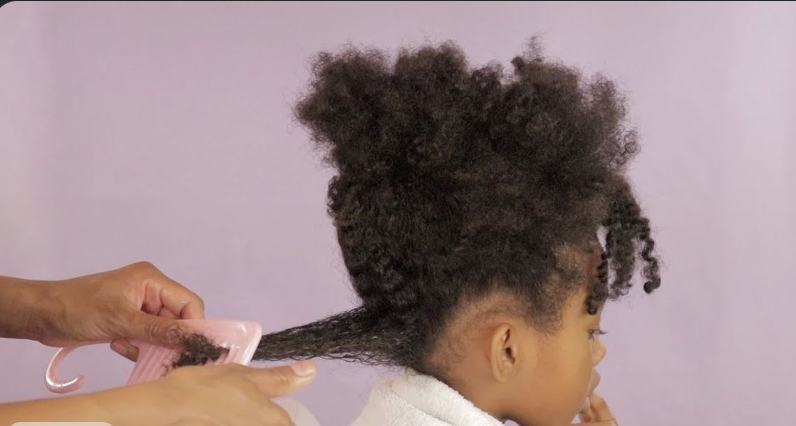
Detangle in Small Sections, Not the Whole Head at Once
Trying to detangle an entire head in one pass overwhelms both the comb and the child sitting through it.
Clipping hair into four to six sections keeps each area small enough to manage without feeling endless.
Reading through 31 Best Braided Hairstyles for Kids shows how sectioning is already a normal part of many styling routines, not an extra step.
Smaller sections mean shorter sitting times and fewer total tangles to fight through at once.
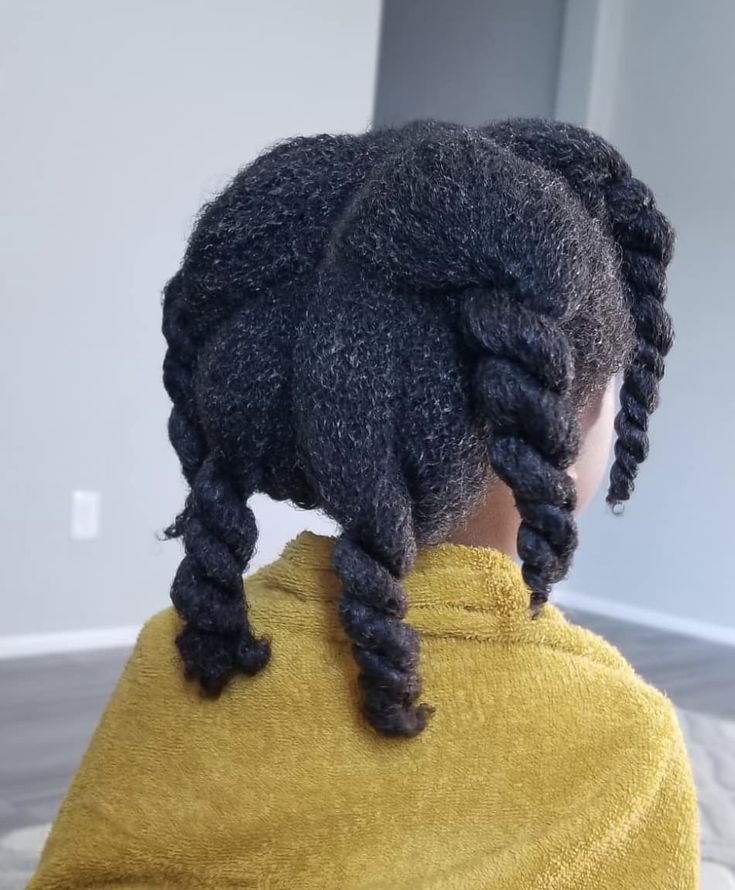
Use Enough Slip, Every Single Time
Dry hair, or hair without enough product, creates friction that turns every knot into a fight.
A generous amount of conditioner or detangling spray lets the comb glide instead of catching.
Following guidance from How to Choose the Right Shampoo for Kids and its companion conditioning steps sets up hair to detangle far more easily later.
Slip is not optional if the goal is genuinely tear-free detangling.
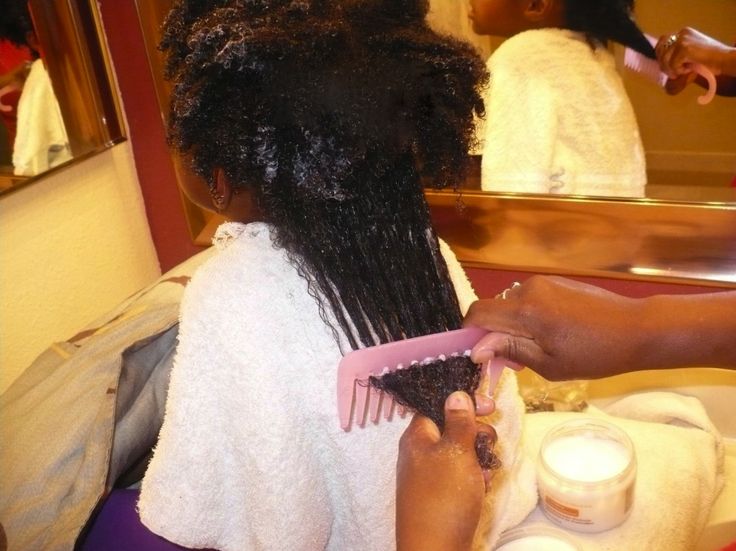
Signs You Are Detangling the Hard Way
Certain patterns show up again and again in households where detangling feels like a constant struggle.
Recognizing these signs helps you pinpoint exactly what to change first. None of these signs mean anything is wrong with your child’s hair itself.
They simply point to a technique adjustment that is overdue.
Frequent Tears or Flinching During the Process
If detangling regularly ends in tears, the current approach is likely adding more resistance than necessary.
This often points to root-first detangling, not enough product, or trying to work through too much hair at once.
Comparing your current routine to Signs Your Child’s Hair Is Healthy can help you separate normal sensitivity from an approach that genuinely needs adjusting.
Consistent distress during detangling is a clear signal, not something to push through.

Sessions That Take Much Longer Than Expected
A detangling session that regularly stretches past twenty or thirty minutes usually points to tangles that have compacted before the process even starts.
This often happens when hair goes too long between detangling sessions.
Building a more regular rhythm, guided by The Best Wash Day Routine for Kids, prevents tangles from building up to that point in the first place.
Shorter, more frequent sessions are almost always easier than long, infrequent ones.
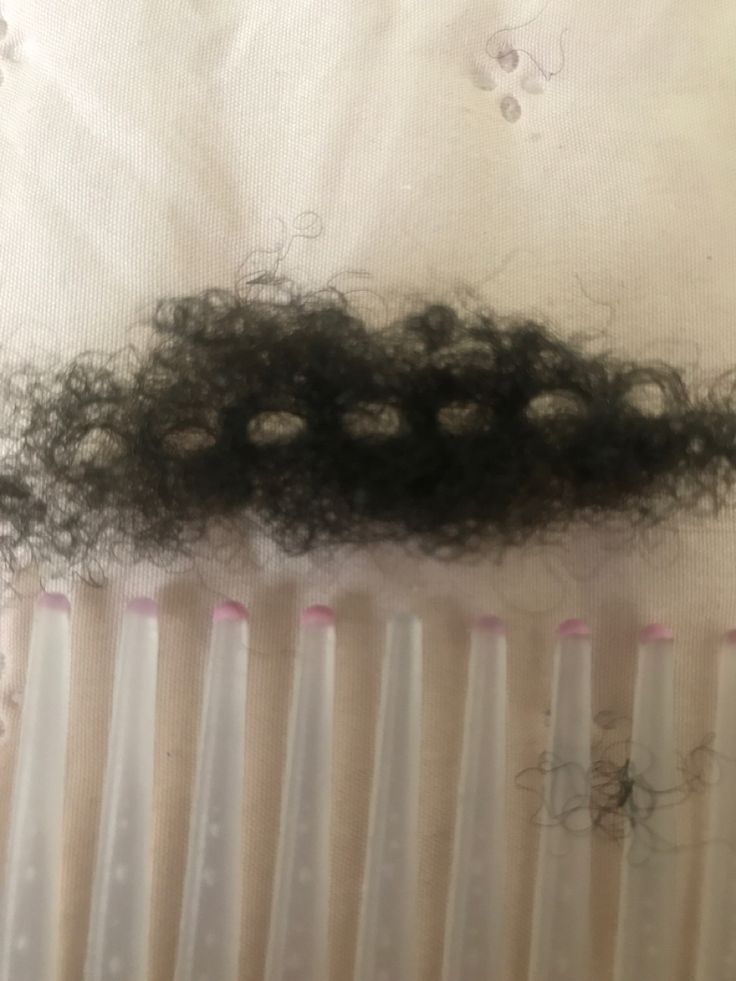
Visible Breakage on the Comb or Brush
Finding a noticeable amount of hair on the comb after every session is a sign that tension, not just tangling, is part of the problem.
Some shedding during detangling is completely normal.
A consistently large amount, though, often means the technique itself needs adjusting rather than the amount of hair being lost.
Tracking this over a few sessions gives a clearer picture than judging from just one, since hair shed count can vary quite a bit from day to day depending on styling and washing schedules.
Building a Tear-Free Detangling Routine Step by Step
Putting this secret into practice works best with a clear, repeatable process.
None of these steps require special training or expensive tools.
They simply need to happen in the right order, consistently, for the technique to click. Here is how to put the full routine together.
Start With Damp, Product-Coated Hair
Dry hair resists detangling far more than damp hair does.
Applying a leave-in product before starting, as covered in Leave-In Conditioner vs Hair Milk for Kids, gives strands the flexibility they need to separate without snapping.
Damp hair also allows knots to loosen more easily under gentle finger detangling before a comb is even introduced.
This starting point makes every step afterward noticeably easier.
Finger Detangle Before Reaching for a Comb
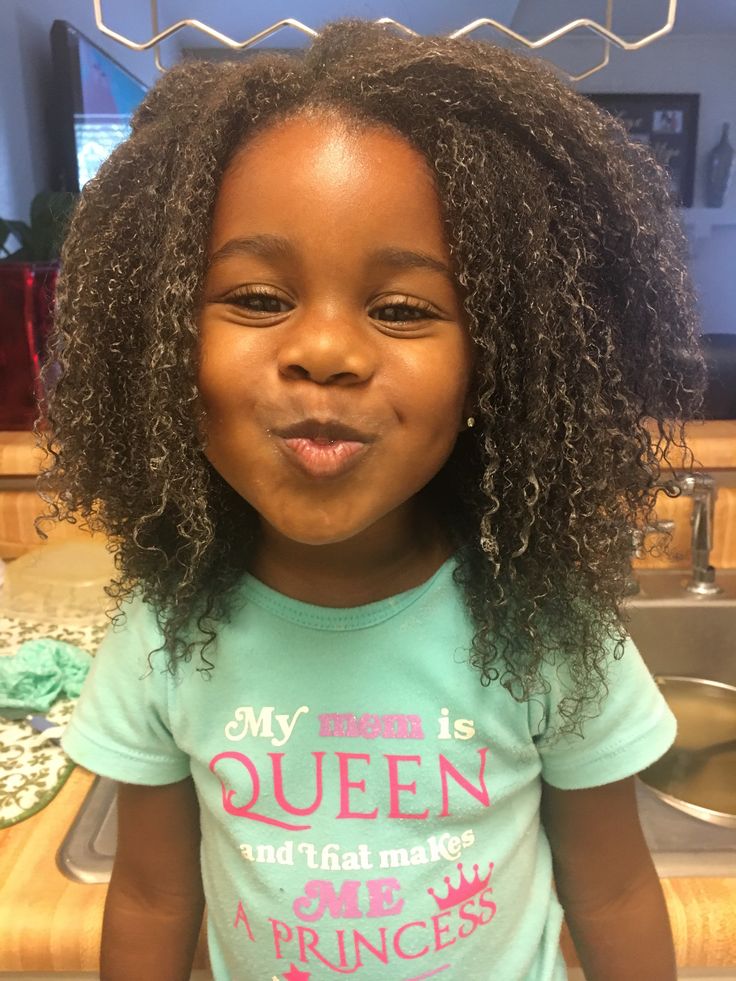
Fingers can feel out where the biggest knots are located before any tool touches the hair.
Gently working through larger tangles by hand first reduces how much resistance a comb encounters later.
This step also gives you a chance to add extra product exactly where it is needed most.
Skipping straight to a comb often means fighting through knots that fingers could have loosened first.

Choose the Right Tool for the Job
Not every comb or brush is designed for detangling work.
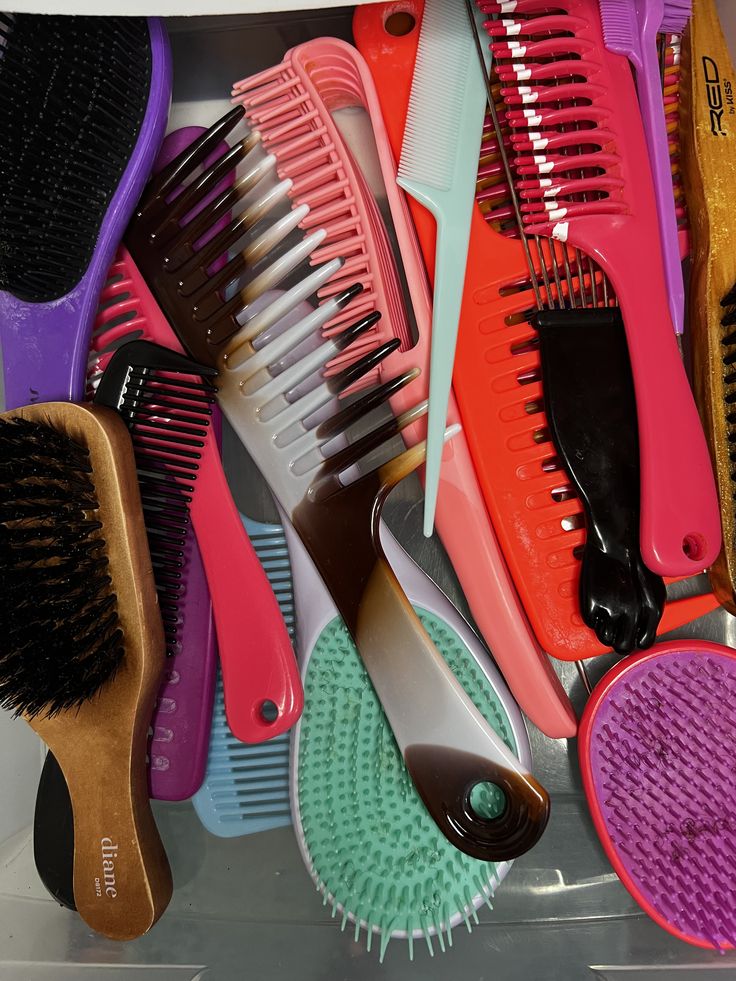
Comparing options in Wide-Tooth Comb vs Detangling Brush helps you choose a tool built specifically for gliding through knots rather than snagging them.
The right tool paired with the ends-up technique makes the biggest combined difference in how the whole session feels.
A mismatched tool can undo the benefit of every other step in this routine.
Hold Hair Above the Knot While Detangling
Holding the section firmly between the knot and the scalp absorbs the pulling force before it reaches the root.
This one habit is often overlooked, even though it prevents most of the sharp, sudden pain that leads to flinching.
Practicing this hand position takes a session or two to feel natural.
Once it does, it becomes one of the most important parts of the secret to tear-free detangling, and it works alongside every other technique in this routine rather than replacing any of them.
When to Detangle for the Best Results
Timing plays almost as big a role as technique in how detangling feels.
Some moments naturally make hair easier to work with, while others make the same hair feel far more resistant.
Choosing the right timing removes a lot of friction before detangling even starts.
A few adjustments here go a long way.
Right After a Bath or Wash
Warm water and a good conditioner leave hair at its most flexible right after washing.
Pairing detangling with bath time, similar to the approach in How One Small Routine Change Can Make Hair Time Easier, takes advantage of this natural window.
Waiting until hair has fully dried loses much of this benefit.
This timing alone solves a large part of the tear-free detangling puzzle for many families.
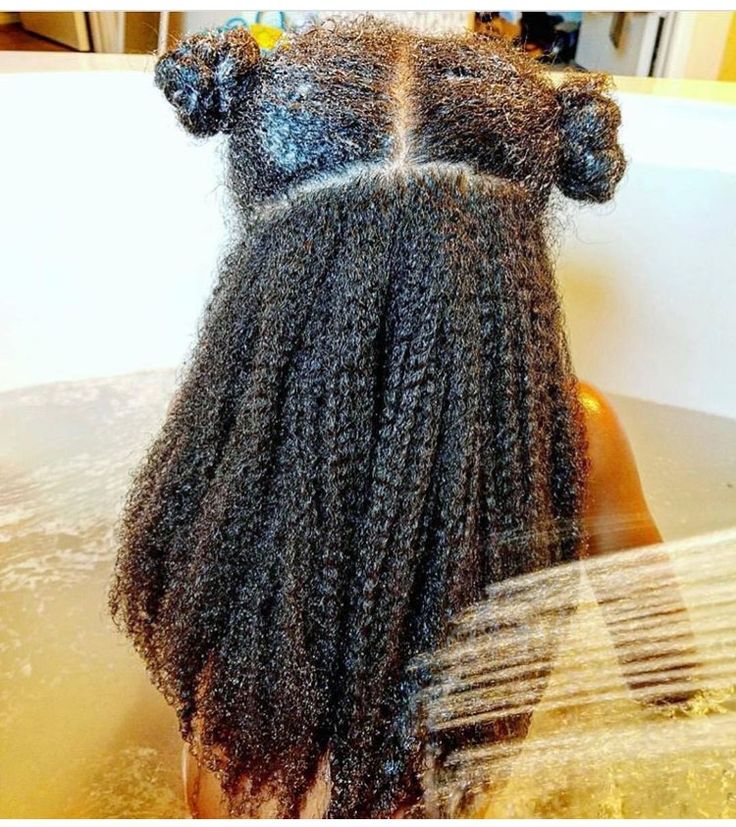
Image credit
Before Hair Gets Too Tangled to Manage Easily
Detangling on a regular schedule, rather than only when hair feels unmanageable, keeps knots from compacting into something much harder to work through.
A rhythm from How to Build a Healthy Hair Routine for Kids helps prevent the kind of buildup that makes any technique feel harder than it needs to be.
Regular maintenance beats occasional deep detangling sessions almost every time.
Waiting too long between sessions undoes a lot of the benefit of good technique.
Products That Make This Technique Easier
The right tools and technique go a long way, but the right products remove even more resistance.
A few well-chosen items work alongside the ends-up method to make every session smoother.
None of these need to be expensive or complicated.
They just need to match what your child’s hair actually needs.
Choosing a Detangling Spray That Actually Helps
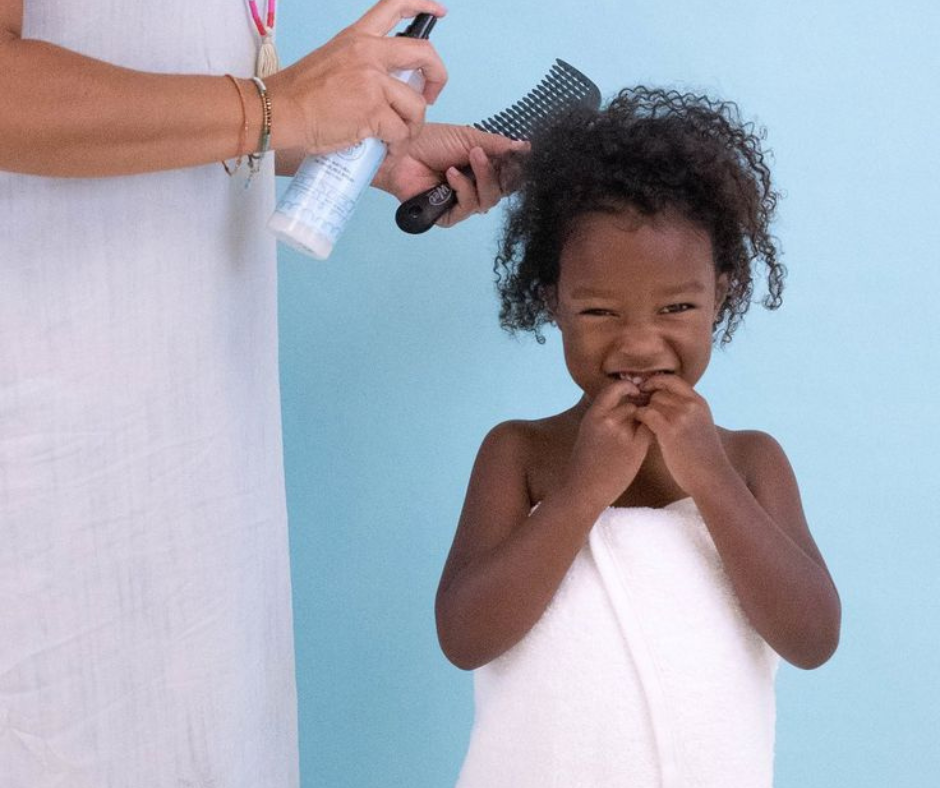
A dedicated detangling spray adds slip exactly where and when it is needed most.
Comparing options in The Best Detangling Sprays for Kids helps you find a formula that works well between full wash days.
Keeping one within easy reach makes it simple to refresh slip mid-session if hair starts to feel dry again.
A good spray often makes the difference between a smooth section and a frustrating one.
Adding Oil for Extra Glide
A light oil layered over a detangling spray can add another level of slip for especially stubborn areas.
Looking through The Best Hair Oils for Children’s Hair helps you choose something light enough to avoid weighing hair down.
Oil works especially well on drier ends, which are often where the toughest tangles form.
A small amount goes further than most people expect.
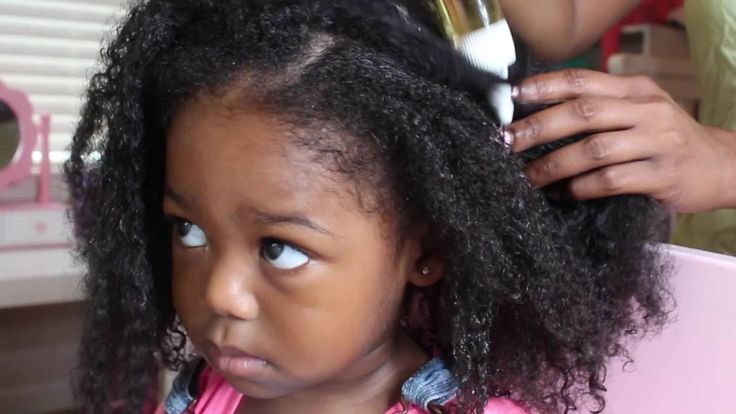
Matching Products to Hair Type
Not every product works the same way across different textures.
Spending time with Hair Type 3: Care Guide for Kids helps you understand which formulas tend to work best for your child’s specific pattern.
Coilier textures often need more product overall, while finer hair needs lighter formulas to avoid buildup.
Matching products to texture makes the whole tear-free detangling process more consistent.
Detangling and Overall Hair Health
Gentle detangling technique connects to more than just a single session.
It supports the health of the hair between sessions and shapes how easy future detangling will be.
A few habits outside of the detangling process itself make a real difference over time.
These fit naturally alongside everything already covered.
Protecting Progress Overnight
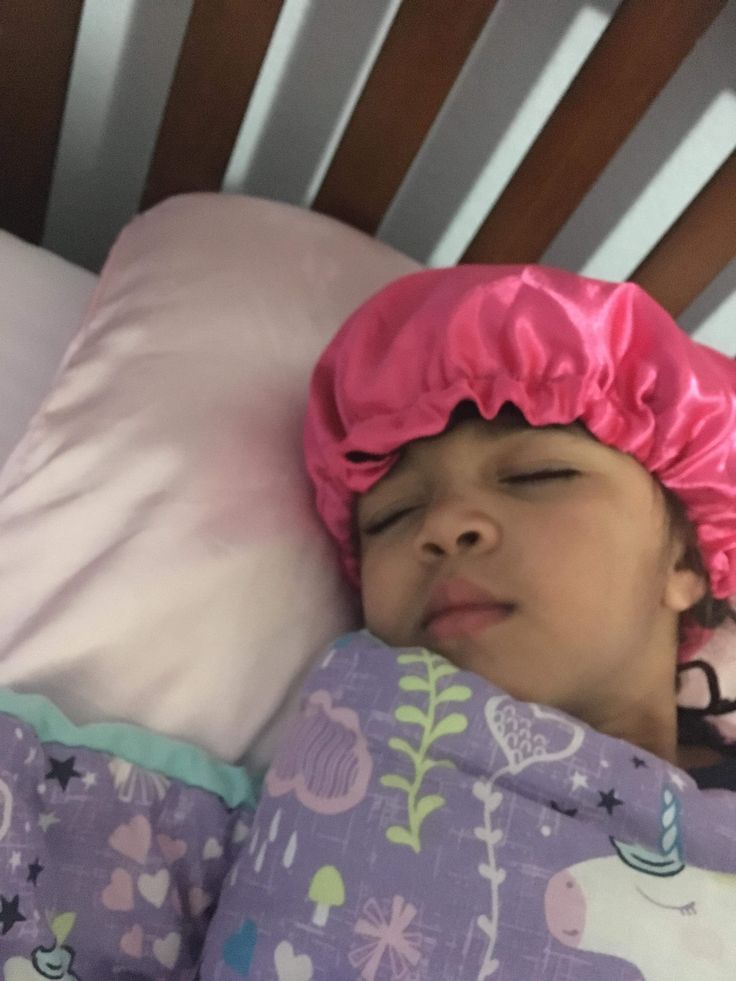
Friction from a regular pillowcase can undo a lot of the smoothness gained during detangling.
Switching to Satin Bonnets for Kids: Do They Help? helps hair stay smoother between sessions instead of tangling again overnight.
Less overnight tangling means less work the next time detangling happens.
This small addition protects the benefit of every session that came before it.
Supporting Growth Alongside Gentle Technique
Hair that breaks less during detangling retains more length and looks healthier over time.
Building in habits from Healthy Habits That Support Kids Hair Growth supports stronger strands that hold up better to regular detangling.
Gentle technique and growth support work together rather than as separate goals. Neither one fully replaces the other.
Choosing Styles That Stay Easier to Detangle Later
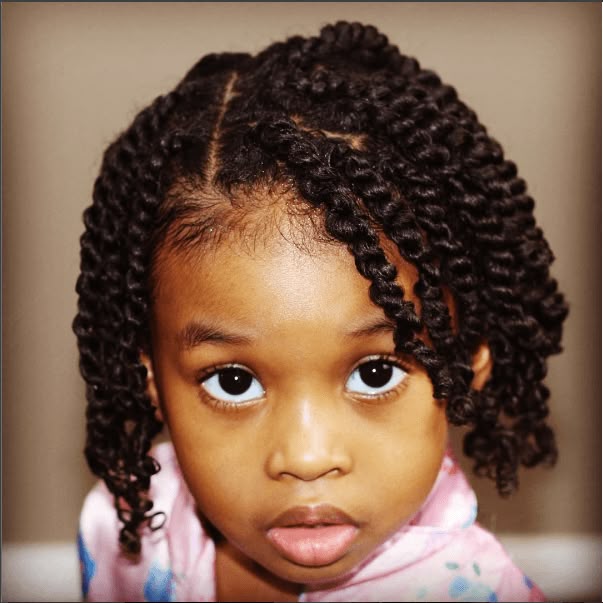
Some protective styles keep hair more organized between wash days, which makes detangling easier once the style comes down.
Rotating through options like 17 Protective Hairstyles for Active Kids can reduce how tangled hair gets in the time between sessions.
Less tangling between sessions means shorter, gentler detangling every time.
Style choice and detangling technique work hand in hand.
Common Mistakes That Undo Tear-Free Technique
Even a solid technique can fall apart if a few details slip.
Rushing through sections to save time usually backfires, since hurried detangling skips the careful, ends-up approach that actually prevents pain. Using too little product to save time or mess is another frequent misstep, since dry friction cancels out the benefit of good hand technique.
Some parents also skip finger detangling entirely and go straight to a comb, missing the chance to loosen the biggest knots gently first.
Ignoring a child’s feedback during the process, and pushing through complaints instead of pausing, tends to build long-term anxiety around hair time rather than reducing it.
Watching for The Hidden Reason Your Child’s Hair Looks Dull can also reveal dryness working against the detangling process at the same time as poor technique.
Reaching for whatever hair tie or clip is closest to hold sections out of the way can also add unnecessary tension mid-session.
Checking guidance in Could Your Child’s Hair Accessories Be Causing Breakage? helps you pick sectioning tools that hold hair without pulling on it.
Waiting too long between sessions is one of the most common mistakes of all.
Hair that goes weeks without proper detangling compacts into knots that resist even the best technique.
Building a consistent, more frequent rhythm solves this before it becomes a bigger problem.
Frequently Asked Questions
Why does detangling from the ends really work better?
Working from the ends clears small, loose tangles before they get pushed down and compacted by root-first combing.
This order means the comb encounters less resistance overall.
Most of the pain in traditional detangling comes from working in the opposite direction.
How much product is enough for tear-free detangling?
Hair should feel noticeably slippery, not just damp, before detangling begins.
If the comb catches or drags, more product is usually needed.
It is easier to add a little more than to fight through dry friction partway through.
How often should detangling happen to avoid painful sessions?
Detangling every few days, rather than waiting a full week or more, keeps knots from building up into something harder to manage.
The exact frequency depends on hair type and how often styles are changed.
Shorter, more frequent sessions are almost always gentler than occasional long ones.
Does the secret to tear-free detangling work for all hair textures?
Yes, though coilier textures often benefit the most from the ends-up approach and extra slip.
Straighter or finer hair may need less product but still benefits from the same gentle direction and sectioning.
The core technique applies across nearly every hair type.
What if my child still cries even with the right technique?
Some sensitivity is normal, especially with a scalp that has been through tension before.
Going slower, using more product, and taking short breaks between sections often helps.
Consistency with gentle technique over several sessions tends to reduce this response over time, and celebrating small wins along the way, like a slightly calmer session than the one before, helps build trust for the next one.

Final Thoughts
The secret to tear-free detangling comes down to a few small, consistent choices rather than any single product or trick.
Working from the ends up, using enough slip, and finger detangling before reaching for a comb address most of what makes this task painful in the first place.
None of these adjustments take extra time once they become habit.
Pairing this technique with steady care from How to Keep Kids’ Scalp Healthy turns one of the hardest parts of hair care into one of the calmest.
Give this shift a real try for a couple of weeks before deciding if it works. Most families notice a difference within the first two or three sessions, and the improvement tends to keep building from there.
A calmer detangling routine also tends to make the rest of hair time, from styling to daily maintenance, feel a little easier too.


5 Comments