
Healthy Habits That Support Kids Hair Growth
Disclosure: Some of the links in this post are affiliate links. This means if you click on the link and purchase an item, I will receive an affiliate commission at no extra cost to you.
Long, healthy hair usually comes down to a handful of small habits repeated consistently, rather than any single product or trick.
Building strong kids hair growth habits early sets your child up for fewer tangles, less breakage, and healthier hair overall.
Many parents assume hair growth is mostly out of their control, but daily habits actually play a bigger role than most people realize.
How to build a healthy hair growth routine for kids covers the step-by-step side of this, while this guide focuses on the everyday habits that support it.
The good news is that none of these habits require expensive products or major lifestyle changes to make a real difference.
Small, steady choices, practiced regularly, tend to add up to noticeably healthier hair within just a few months. Most of these kids hair growth habits take only a few extra minutes each day.
This guide walks through the daily and weekly habits that matter most, from sleep to gentle handling to scalp care. By the end, you will have a clear list of simple changes worth adding to your family’s routine.

Why Habits Matter More Than Products
Hair care products can help, but habits are what really determine if hair actually holds onto its length over time.
Breakage, not slow growth, is usually the real reason hair seems to stay the same length year after year.
Small daily choices, like how hair is brushed or how it is protected at night, add up very quickly.
Kids hair growth habits built early tend to stick around into the teenage years and even beyond.
A consistent approach, even an imperfect one, tends to outperform an expensive routine that is only followed occasionally.
This is good news for busy families, since the most effective habits are often the simplest ones. Focusing on habits first, and products second, is usually the fastest path to a real progress.
Habit 1: Protecting Hair at Night
Cotton pillowcases create friction that leads to tangles, frizz, and breakage while your child sleeps.
Switching to a satin bonnet, scarf, or pillowcase solves this problem almost instantly.
Satin bonnets for kids: do they help? explains exactly why this habit makes such a noticeable difference.
For kids who resist wearing a bonnet, a satin pillowcase works just as well with zero cooperation required.
This is one of the easiest kids hair growth habits to build into an existing bedtime routine.
Once it becomes automatic, most families barely think about it anymore, even on busy or unpredictable weeks.
Keeping a spare bonnet or pillowcase on hand for laundry day helps this habit stay consistent even on busy weeks.

Habit 2: Keeping Hair Moisturized
Dry hair snaps far more easily than hair that is properly hydrated, especially in curly and coily textures.
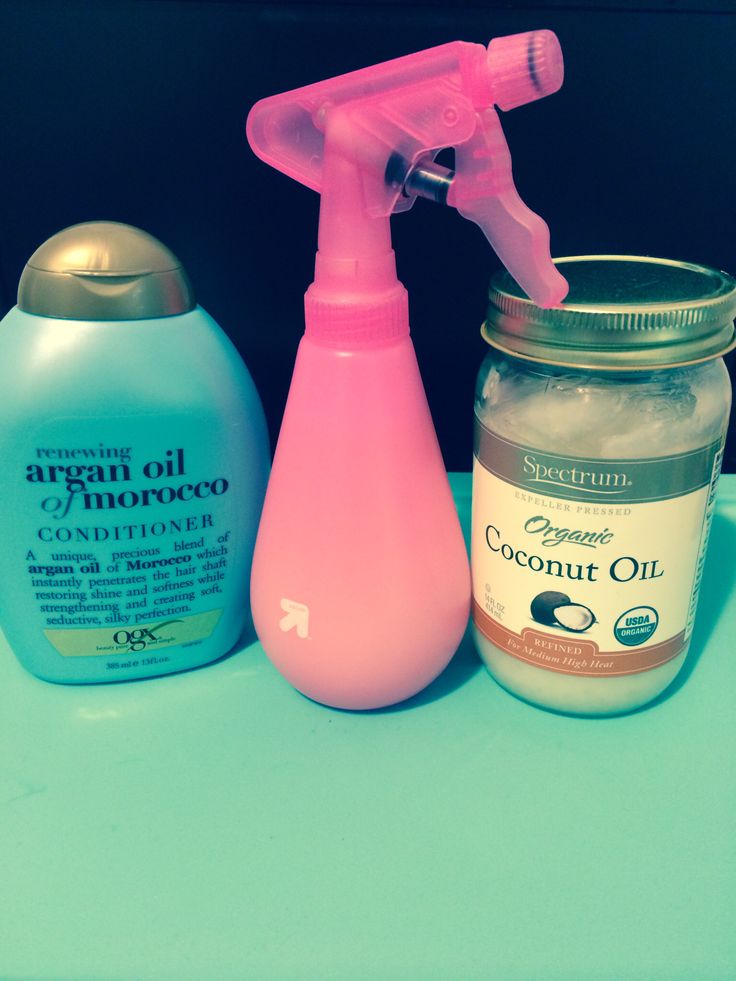
How to moisturize kids hair properly walks through the layering method that keeps moisture locked in between wash days.
A light daily or every-other-day spritz with water or a leave-in spray prevents strands from drying out.
The best hair oils for children’s hair can help you choose a light sealant to lock that moisture in place.
Skipping this habit is one of the fastest ways to see increased breakage within just a couple of weeks or even days. Even a quick, thirty-second refresh in the morning makes a real difference over time.
Leave-in conditioner vs hair milk for kids can help you decide which product fits best into this daily habit.
Habit 3: Gentle Detangling
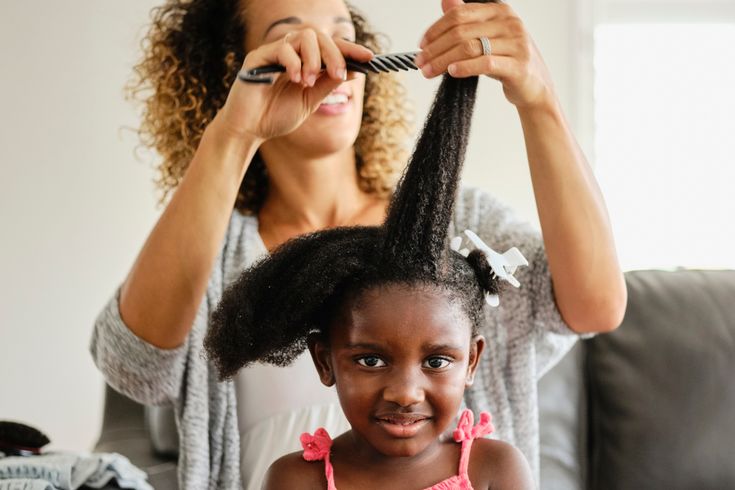
Rough detangling is one of the most common causes of unnecessary hair loss in kids.
The secret to tear-free detangling covers finger detangling and other techniques that reduce pulling and discomfort.
Wide-tooth comb vs detangling brush compares tools so you can choose the gentlest option for your child’s texture.
Detangling from the ends first, working slowly upward, causes far less stress on the hair shaft.
Rushing through this step under time pressure is when most avoidable breakage tends to happen.
Building in a few extra minutes for detangling protects both hair and your child’s patience.
Playing music or a favorite show during detangling time can also make the whole habit feel less like a chore and more like something to look forward to.
Habit 4: Choosing Protective Styles
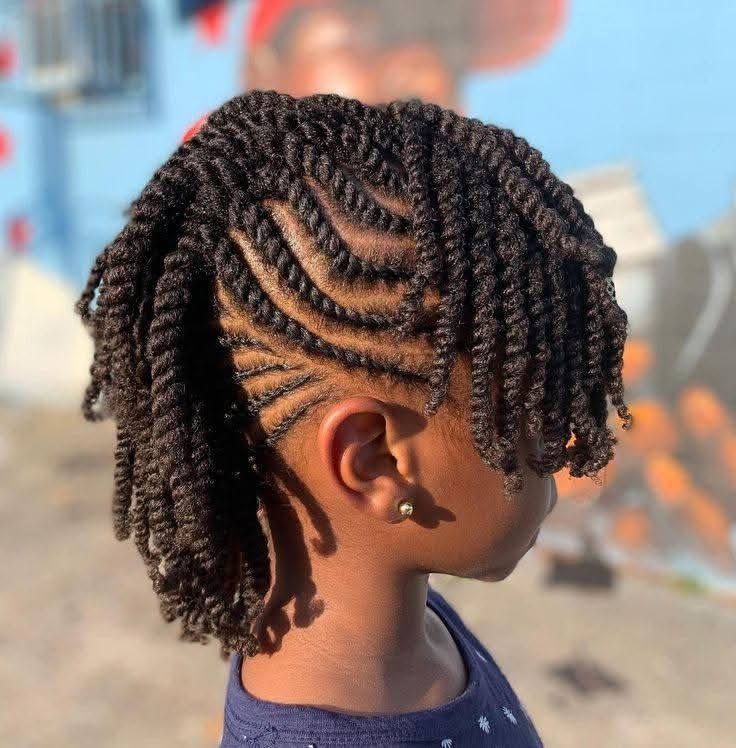
Protective styles reduce how often hair is touched, brushed, and restyled, which gives it more time to simply grow.
17 protective hairstyles for active kids offers a range of styles that hold up well through school and play.
Twists for boys: everything parents should know and 35 cornrow styles for kids both cover specific techniques worth trying.
Styles should always feel secure without pulling tightly at the hairline or scalp.
Rotating styles every few weeks also gives the scalp a chance to rest and breathe.
This habit works especially well paired with consistent moisture and nighttime protection.
25 braided hairstyles for boys and 23 natural hairstyles for boys are both great places to find fresh style ideas to rotate through, so the same look does not overstay its welcome.
Habit 5: Sticking to a Consistent Wash Day
An unpredictable wash schedule often leads to either buildup or excessive dryness, both of which harm hair over time.
The best wash day routine for kids breaks the process down into simple, repeatable steps.
How often should you wash your child’s hair? offers guidance based on hair type and activity level.
Using a gentle, sulfate-free shampoo keeps the scalp clean without stripping natural oils.
A predictable wash day also makes the entire week easier to plan around.
Kids tend to adjust well once a wash day becomes a familiar, expected part of the week.
How to choose the right shampoo for kids can help you find a formula that supports this habit rather than working against it, especially for kids with sensitive scalps.

Habit 6: Eating a Balanced Diet
Hair is built from protein, so a diet with enough protein supports stronger strands from the inside out.
Iron, zinc, and healthy fats also play a supporting role in scalp and hair health, along with a handful of other everyday nutrients.
Fruits and vegetables rich in vitamins A and C round out a diet that supports growth.
No single food works like a magic fix, but an overall balanced diet gives hair a strong foundation.
This habit works quietly in the background, supporting every other habit on this list.
Offering a variety of foods across the week tends to work better than focusing on one so-called superfood.
Involving kids in meal choices, even in small ways, can make healthy eating habits easier to stick with long term.
Simple swaps, like fruit instead of sugary snacks, add up without requiring a complete overhaul of family meals.

Habit 7: Staying Hydrated
Water supports healthy skin and scalp function, which in turn supports healthier hair growth.
Kids who do not drink enough water throughout the day may notice drier scalp and hair.
Keeping a water bottle handy during school and activities makes this habit easy to maintain.
Herbal, caffeine-free options can help on days when plain water feels boring to a child.
This is one of the simplest kids hair growth habits, since it requires no products or extra time.
Pairing good hydration with the moisture habits above supports hair from both the inside and outside.
Setting a simple reminder or using a marked water bottle can help younger kids build this habit without much extra effort from parents, especially during busier school weeks.

Habit 8: Getting Enough Sleep
Sleep supports the body’s own natural repair processes, including the systems that support healthy hair growth.
Kids who are consistently short on sleep may show more shedding or duller-looking hair over time, along with a shorter fuse during the day.
A regular bedtime, paired with nighttime hair protection, supports two healthy habits at once.
Reducing screen time before bed also tends to improve both sleep quality and overall mood the next day.
This habit ties closely into general overall health, not just hair, which makes it worth prioritizing anyway.
Small, steady sleep routines tend to matter more than occasional catch-up rest on weekends, especially for younger kids who thrive on predictable schedules.
A calm, consistent bedtime routine also makes it easier to fit in a bonnet or scarf without a nightly struggle, since both habits can happen back to back.

Habit 9: Trimming When Needed
Split ends can travel further up the hair shaft if left untrimmed for too long.
Should you trim your child’s hair regularly? explains how to judge timing based on the condition of the ends.
How often should kids get haircuts? offers general guidance, though every child’s hair wears differently.
A small trim every few months protects length rather than sacrificing it. Skipping trims entirely often backfires, since damaged ends make hair look thinner and shorter over time.
Checking the ends regularly helps you catch splitting early, before it spreads further.
15 reasons your child’s hair keeps breaking (and what to do about it) is a helpful resource if breakage seems to be an ongoing issue despite regular trims and a solid routine.

Habit 10: Caring for the Scalp
A healthy scalp is the foundation every strand of hair grows from, so scalp care deserves its own habit.
How to keep kids’ scalp healthy covers signs of a healthy scalp versus one that needs more attention.
Light scalp massages during moisturizing sessions can help distribute natural oils and ease tension.
Buildup from products or sweat should be cleared regularly during wash day to keep the scalp clear.
Watching for flaking, redness, or itching helps you catch scalp issues before they affect growth.
This habit pairs naturally with the wash day and moisturizing habits already covered above, tying the whole routine together.
Common Myths About Hair Growth Habits
A few popular beliefs about hair growth do not actually hold up once you look closer, even though they get repeated often enough to sound true.
Clearing up these myths helps families focus their time and money on habits that truly make a difference.
Some of these ideas get repeated so often that they start to feel like facts, even when the science does not support them.
Knowing which habits actually work makes it much easier to build a routine that gets real results.
These kids hair growth habits myths are worth clearing up before moving on to the most common questions.
Myth: Cutting Hair Makes It Grow Faster
Trimming hair does not speed up growth at the root, since hair grows from the scalp, not the ends.
What trimming does is remove damaged ends, which prevents breakage that would otherwise shorten the hair.
This makes trims a length-retention habit rather than a growth habit.
Skipping trims will not slow growth down, but it may make hair look shorter because of split ends traveling upward.
Myth: Expensive Products Work Better
Why expensive hair products aren’t always better explains how price rarely reflects how gentle or effective a product actually is.
Reading ingredient labels matters far more than the price tag on the bottle.
Many affordable products work just as well, or better, than pricier alternatives.
Focusing on ingredients like water, oils, and gentle cleansers tends to matter more than the brand name on the front.
Myth: Hair Needs to Be Brushed Every Day
Daily brushing can actually cause more breakage than it prevents, especially on curly and coily hair types.
Gentle detangling a few times a week, rather than daily brushing, is often the better habit.
The hidden reason your child’s hair looks dull covers how over-manipulation can affect both shine and health.
Finger detangling on non-wash days is often gentler than reaching for a brush out of habit.

Making These Habits Stick as a Family
Building new kids hair growth habits works best when they feel like a normal part of the week, not an extra chore.
Starting with just one or two habits, like nighttime protection and consistent moisture, makes the process feel manageable.
Once those feel automatic, adding in gentle detangling, better hydration, or a steadier bedtime becomes much easier.
Toddler hair care made simple offers extra guidance if you are building these habits with a younger child.
Involving your child in small parts of the process, like choosing a bonnet color or picking a water bottle, can boost cooperation and turn hair care into something they look forward to.
Consistency across weeks, not perfection on any single day, is what actually builds strong, lasting kids hair growth habits over time.
Frequently Asked Questions
What are the most important hair growth habits for kids?
Nighttime protection, regular moisture, and gentle detangling are three of the most impactful kids hair growth habits overall.
These three habits alone address most of the common causes of avoidable breakage.
Building on these with good nutrition and sleep rounds out a strong foundation.
Together, these habits cover nearly every major cause of preventable hair damage in kids.
How long does it take for new habits to show results?
Most families notice less breakage and shedding within four to six weeks of consistent kids hair growth habits.
Visible length changes usually take a few months longer to become noticeable.
Patience matters more than speed during this early stage.
Tracking progress with a monthly photo can help you notice small wins that daily glances tend to miss.
Can diet really affect a child’s hair growth?
Yes, a diet lacking protein, iron, or healthy fats can affect hair strength and shine over time.
A balanced diet supports the whole body, hair included, rather than targeting hair alone.
Extreme diet changes are rarely necessary to see a positive difference.
Do protective styles support these habits?
Protective styles support several kids hair growth habits at once by reducing daily manipulation and friction.
Signs your child’s hair is healthy covers what to look for once these habits start working together.
Styles should always stay comfortable and never feel painfully tight at the roots.
Choosing a style suited to your child’s activity level makes this habit easier to maintain long term.
What is the easiest habit to start with?
Nighttime hair protection is usually the easiest habit to start with, since it takes almost no daily effort.
A satin bonnet or pillowcase requires no change to your daytime routine at all.
Small, easy wins like this build momentum for adding more habits later.

Final Thoughts
Kids hair growth habits do not need to be complicated to make a real difference over time.
Nighttime protection, gentle detangling, consistent moisture, and a balanced diet all work together toward the same goal.
Small, steady choices tend to outperform occasional, more intense efforts in the long run.
How to encourage healthy hair growth in kids is a helpful next read if you want even more practical ideas.
Starting with just one or two habits this week is a great way to begin building a stronger routine.
Over the next few months, these small kids hair growth habits tend to add up into noticeably stronger, healthier hair.



3 Comments