
Signs Your Child’s Hair Is Healthy
Disclosure: Some of the links in this post are affiliate links. This means if you click on the link and purchase an item, I will receive an affiliate commission at no extra cost to you.
It is easy to focus on styling and forget to check in on how your child’s hair is actually doing underneath. Learning the real signs of healthy hair helps you catch small issues early, before they turn into bigger problems.
Healthy hair does not always mean long hair, and it does not require expensive products to maintain. The complete beginner’s guide to kids hair care covers the basics, while this guide focuses specifically on what healthy hair looks and feels like.
Once you know what to look for, checking in on your child’s hair becomes quick and almost automatic. Many parents find these little check-ins turn into simple, comfortable moments that both of you look forward to, rather than a stressful inspection.
This guide walks through the clearest signs of healthy hair, along with warning signs worth paying attention to.
By the end, you will know exactly what to check for and what steps to take next, without needing any special tools or training.
What “Healthy Hair” Actually Means for Kids
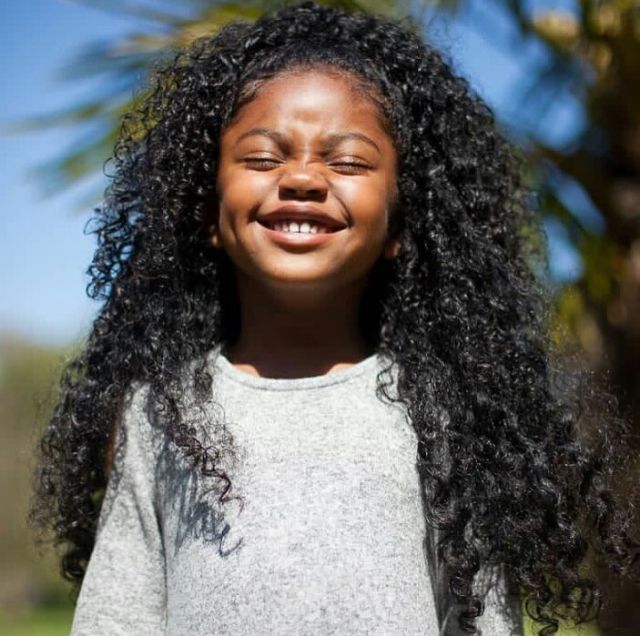
Healthy hair is not about a specific length, texture, or style, since every child’s hair is different.
Instead, healthy hair is about how the hair behaves, feels, and holds up over time, day after day.
Signs of healthy hair include minimal breakage, good elasticity, and a scalp that looks calm and balanced most of the time.
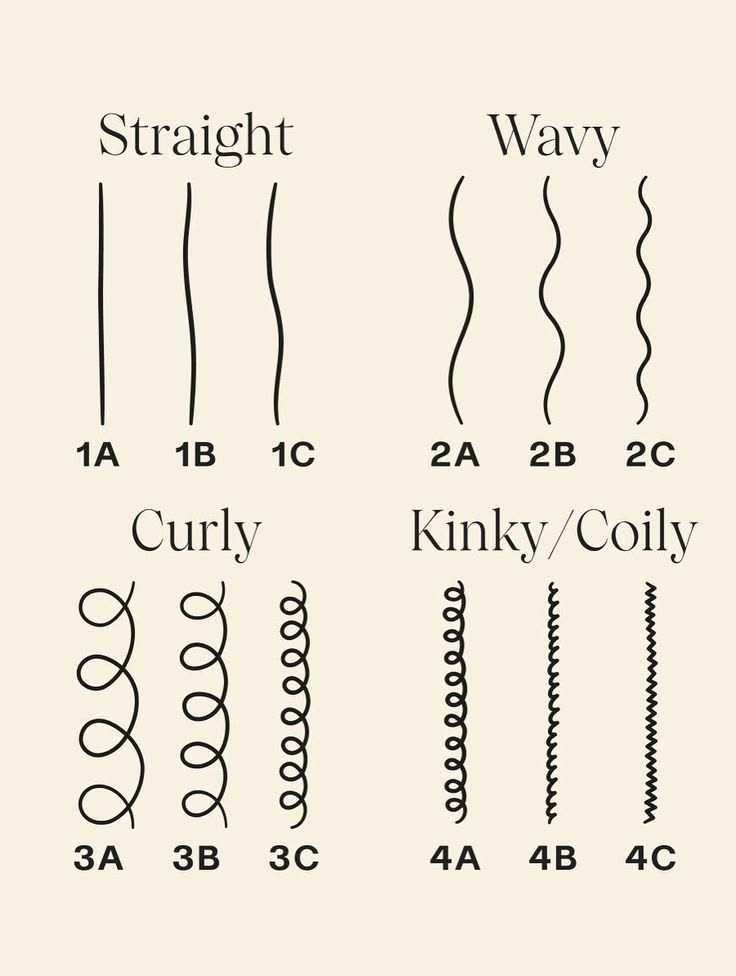
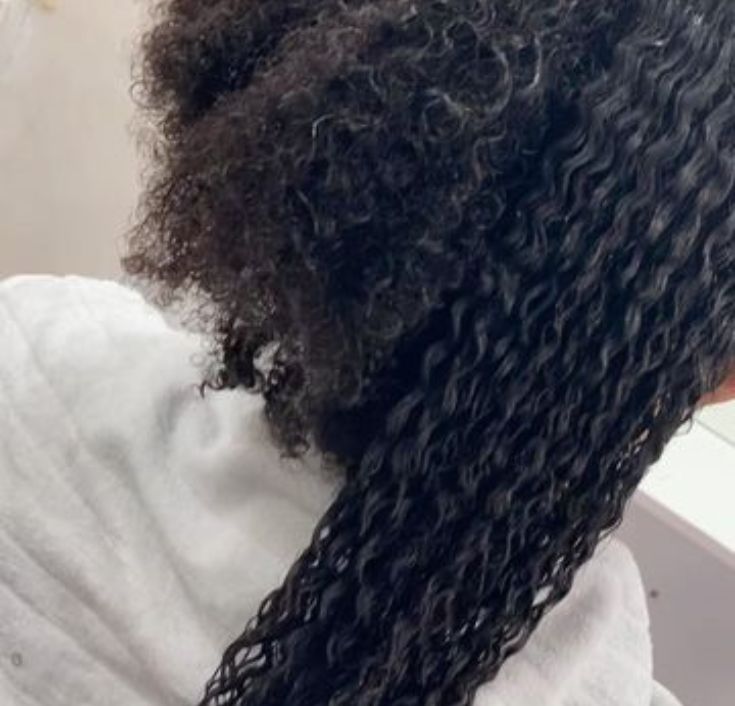
Curly, coily, straight, and wavy hair can all be equally healthy when cared for properly and consistently.
Comparing your child’s hair to someone else’s is rarely useful, since every hair type has its own normal baseline to work from.
The goal is simply noticing what is normal for your child so you can spot changes early.
Once you have a sense of that baseline, spotting the signs of healthy hair becomes much easier during everyday routines like washing or detangling.
How Healthy Hair Looks Different by Texture
Healthy hair does not look the same across every texture, so it helps to know what to expect for your child’s specific hair type.
How to identify your child’s hair type and the different kids hair textures explained both cover how texture affects everything from shine to shrinkage.
Curly and coily hair often appears shorter than it actually is due to natural shrinkage, which is completely normal.
Straighter hair types tend to show shine and breakage more obviously, simply because light reflects differently off the strand. Hair type 2/3/4: care guide for kids breaks down specific expectations for each major texture category.
Knowing your child’s texture type helps you judge the signs of healthy hair against the right baseline, rather than comparing to a different hair type entirely or a photo from social media.
How These Signs Change as Kids Get Older
The signs of healthy hair you check for in a toddler are not always identical to what you check for in an older child.
Toddler hair care made simple covers early hair care basics, when texture and pattern are often still developing.
As kids grow, hormonal changes, increased activity, and more independent styling choices can all affect hair health.
Texture, thickness, and even curl pattern can shift somewhat during childhood, which is a normal part of development.
Staying flexible with your expectations, rather than comparing current hair to what it looked like years earlier, helps avoid unnecessary worry.
Adjusting your routine gradually as your child grows keeps these signs of healthy hair realistic and easy to track over time, instead of chasing a standard that no longer fits.
Sign 1: Minimal Breakage
A small amount of breakage is normal, but hair that snaps constantly is usually a sign something needs attention.
Checking the floor, brush, or pillow for unusually short, broken strands can give you a quick read on breakage levels.
15 reasons your child’s hair keeps breaking (and what to do about it) covers common causes worth ruling out.
Healthy hair generally holds up well to gentle detangling without snapping at the same spots repeatedly.
If breakage seems to be increasing week over week, it is worth looking closely at recent routine changes.
This is one of the clearest signs of healthy hair, since breakage patterns tend to show up quickly.
Sign 2: Consistent Shine
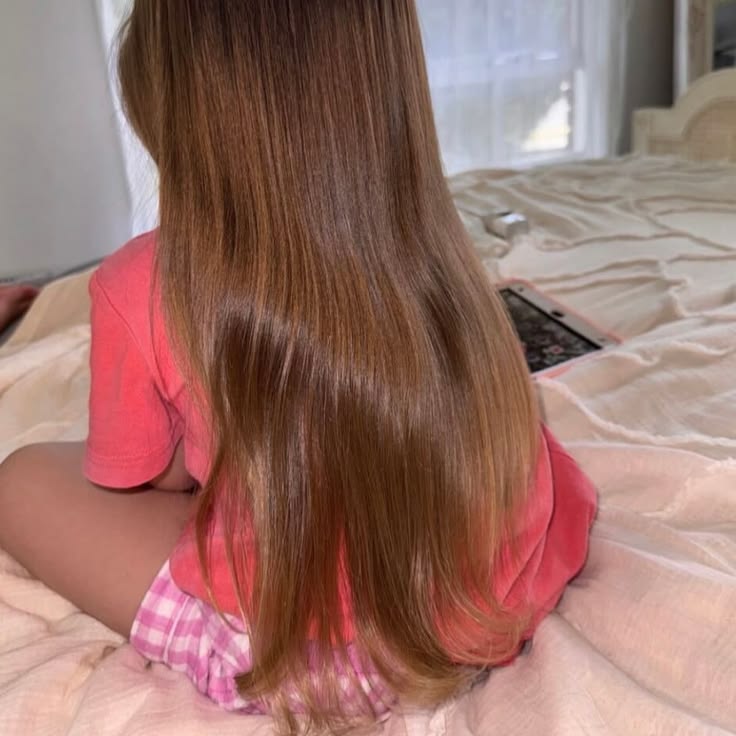
Hair with healthy shine reflects light evenly, giving it a soft, glossy look rather than a dull, flat appearance.
Shine comes from a smooth hair cuticle, which lies flat when hair is well moisturized and cared for.
How to moisturize kids hair properly explains how proper moisture supports this smooth cuticle layer.
Dull hair is not always a sign of a serious problem, but it often points to dryness or product buildup.
A quick clarifying wash can sometimes restore shine that has been dulled by residue.
Natural hair textures show shine differently than straight hair, so it helps to know your child’s normal baseline.
Sign 3: Good Elasticity and Stretch
Healthy hair stretches slightly when pulled gently and then springs back into its original shape.
This elasticity comes from the hair’s internal protein and moisture balance working together properly.
Hair that snaps immediately when stretched, without any give, often signals dryness or protein imbalance.
Testing a few strands gently, rather than yanking, gives you an honest read without causing damage.
The best hair oils for children’s hair and the best conditioners for every hair type can help restore elasticity if it seems low.
Good elasticity is one of the more reliable signs of healthy hair, especially for curly and coily textures.
Sign 4: A Calm, Balanced Scalp
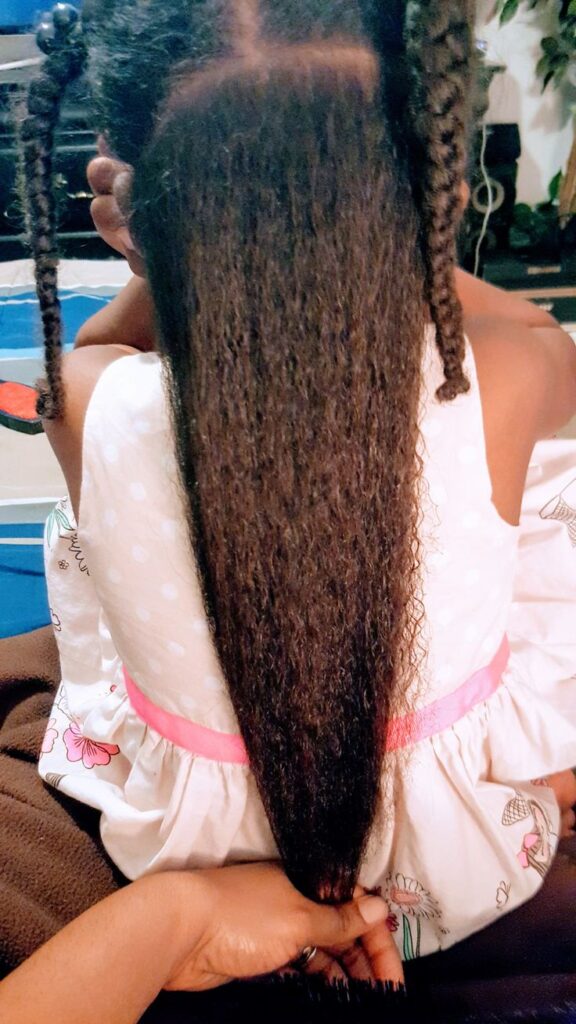
The scalp is the foundation everything else grows from, so its condition matters just as much as the hair itself.
How to keep kids’ scalp healthy covers what a balanced scalp should look and feel like day to day.
A healthy scalp is not overly oily, flaky, itchy, or red, and it holds up well between wash days.
Some natural oil production is completely normal and does not need to be scrubbed away constantly.
Persistent itching, flaking, or tenderness are worth mentioning to a pediatrician if they do not improve.
A calm scalp usually means the hair growing from it has the best possible foundation.

Sign 5: Manageable Tangles
Some tangling is completely normal, especially for curly and coily hair textures.
Healthy hair tends to detangle with some effort but without excessive pulling, snapping, or matting.
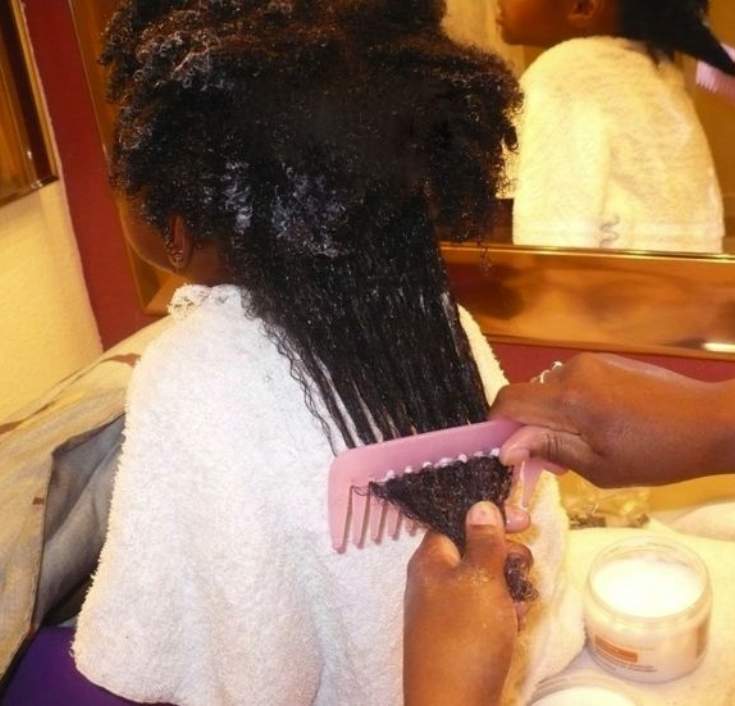
The secret to tear-free detangling covers techniques that make this process smoother for both parent and child.
Severe daily matting, especially at the nape or crown, can be a sign of dryness or product buildup.
Wide-tooth comb vs detangling brush can help you find gentler tools if tangling feels harder than it should.
Noticing how tangles feel, not just how long they take, is a useful way to track hair health over time.

Sign 6: Steady Length Retention
Healthy hair tends to hold onto length over time, rather than seeming to stay the same short length no matter how long it grows.
Slow but steady length gains are a good sign, even if progress feels invisible week to week.
How to build a healthy hair growth routine for kids and healthy habits that support kids hair growth both cover habits that support this kind of steady progress.
Hair that seems to break as fast as it grows is often dealing with an underlying moisture or handling issue.
Length retention is one of the signs of healthy hair that takes the longest to notice, so patience matters here.
Taking a photo every few months is an easy way to track subtle length changes over time.
Sign 7: Full, Even Density
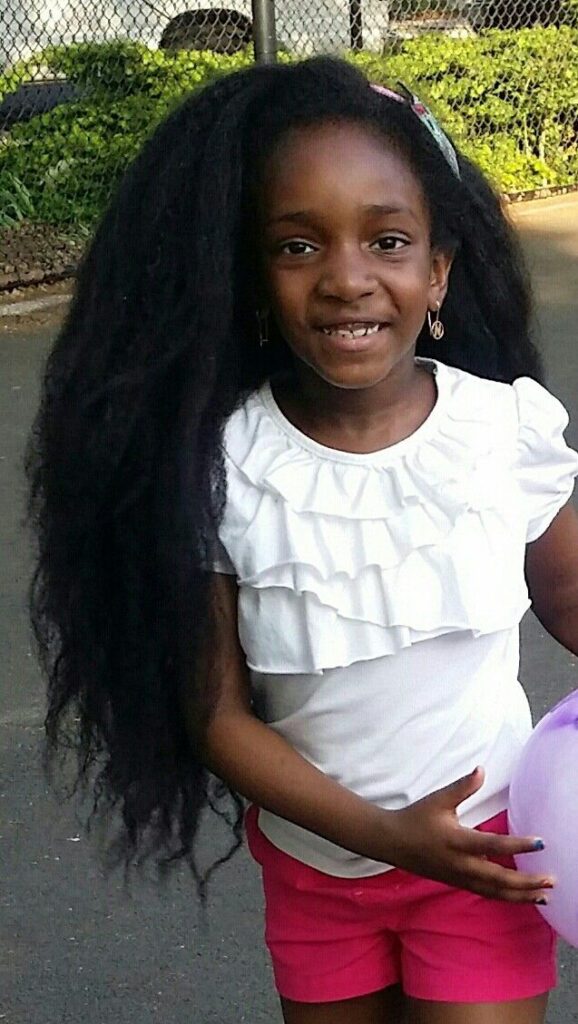
Healthy hair generally grows in evenly across the whole scalp, without noticeable bald patches or thinning spots.
Some natural variation in density is normal, especially around the hairline and temples. Sudden thinning, especially in a specific spot, is worth mentioning to a pediatrician for further evaluation.
The biggest braiding mistake that can lead to hair loss explains how tight styling can sometimes cause thinning near the edges.
Watching the hairline over time, especially if tight styles are used often, helps catch this issue early.
Even, consistent density across the scalp is one of the easier signs of healthy hair to check at a glance.
Sign 8: Hair Responds Well to Products
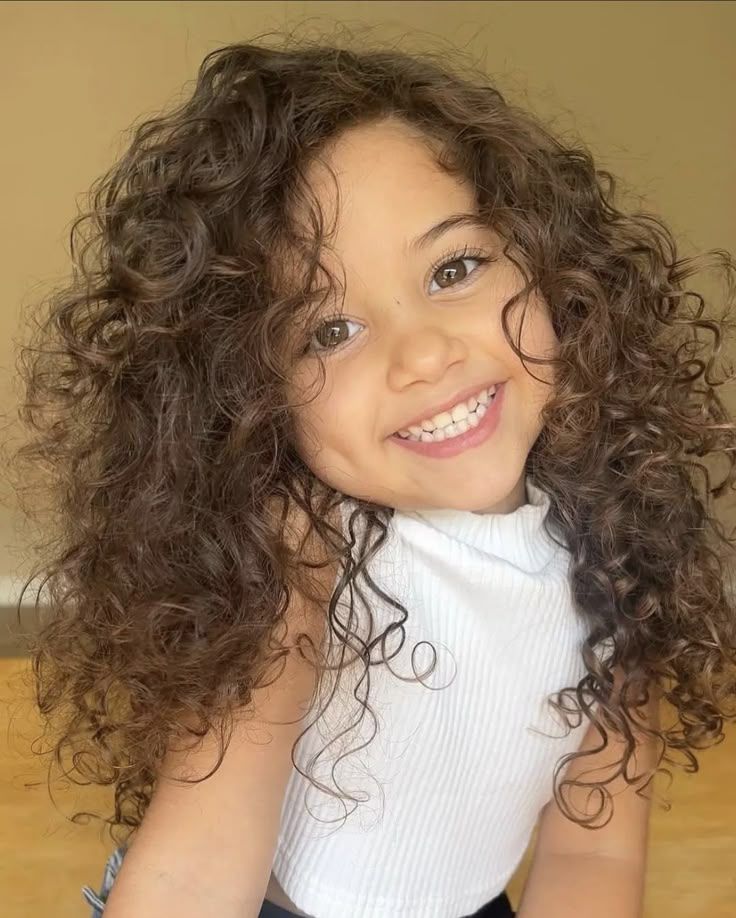
Healthy hair generally absorbs moisture and product well, without feeling greasy, weighed down, or coated.
Leave-in conditioner vs hair milk for kids and how to choose the right shampoo for kids can help you find products that work with your child’s hair rather than against it.
If products seem to sit on top of the hair without absorbing, buildup may be interfering with normal hair function.
A simple clarifying wash every few weeks can help reset this if buildup becomes a recurring issue.
Hair that responds well to a consistent routine is usually a good sign that the overall approach is working.
This responsiveness is one of the more overlooked signs of healthy hair, since it is easy to miss day to day.
Switching products too often can make it harder to tell what is actually working, so patience with one routine is worth it.

A Simple Monthly Hair Health Check-In
Building a quick monthly check-in makes it much easier to track the signs of healthy hair over time.
Pick a consistent day, like the first wash day of the month, to run through a short mental checklist.
Check for shine, gently test elasticity on a strand or two, and look closely at the scalp for redness or flaking.
Take a quick look at density around the hairline and crown, comparing it to what you remember from last month.
A photo taken under similar lighting each time makes it easier to spot subtle changes that daily glances might miss.
This simple habit takes only a few extra minutes but makes catching changes in the signs of healthy hair far easier over the months ahead, without adding real work to an already busy routine.
Common Questions Parents Ask About Hair Health
Many parents worry unnecessarily about normal hair changes simply because they are unsure what counts as typical.
Why your child’s hairstyles never last until the end of the day addresses a common frustration that is usually more about styling technique than hair health.
The real reason wash day feels so difficult covers another common concern that often has a simple, fixable cause.
Most day-to-day hair frustrations are not signs of an underlying health issue, even when they feel stressful in the moment.
Learning to separate a styling challenge from an actual health concern takes some of the pressure off busy parents.
Over time, these worries tend to fade as familiarity with your child’s specific hair grows, and small routine tweaks become second nature.
When to Be Concerned
Most hair changes are minor and easy to correct with small routine adjustments.
A few signs, however, are worth watching more closely and discussing with a pediatrician if they persist.
None of these signs mean something is seriously wrong on their own, but they are worth paying attention to.
Catching these changes early usually makes them easier and faster to resolve.
Knowing the difference between a normal fluctuation and a real warning sign takes some of the guesswork out of hair care.
Excessive Shedding
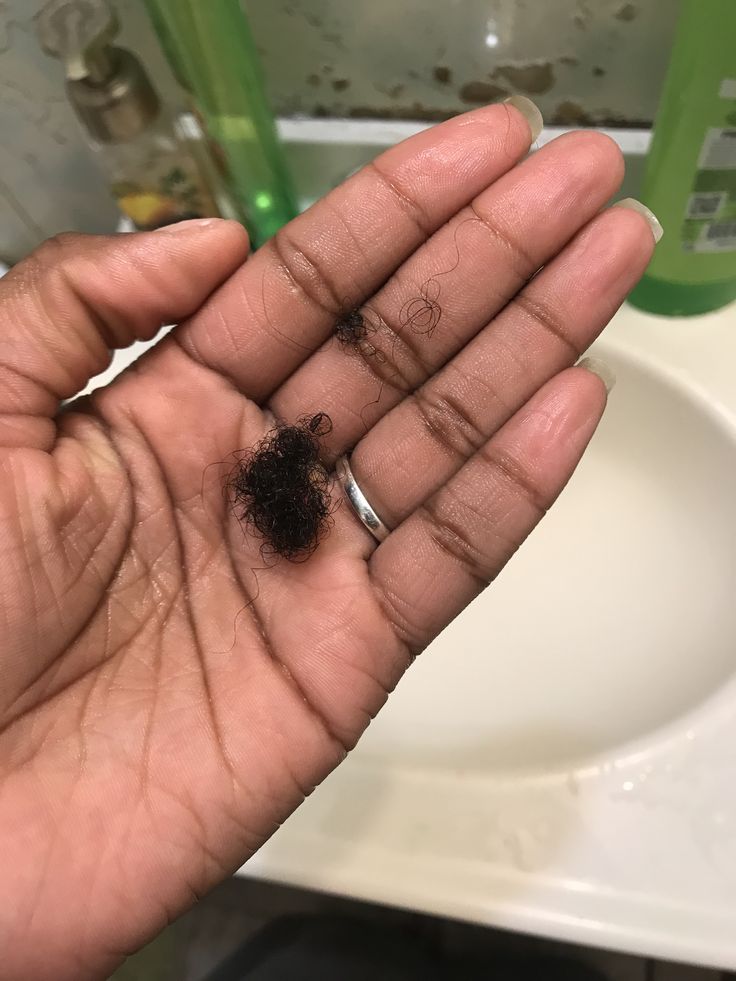
Losing some hair daily is completely normal, but sudden, heavy shedding is worth paying attention to.
Healthy shedding patterns usually involve gradual, steady loss rather than sudden clumps in the brush or drain.
Tracking when the shedding started can help identify if it lines up with an illness, stress, or a product change.
Keeping a rough mental note of what feels normal for your child makes changes much easier to spot right away.

Persistent Dryness Despite Moisture
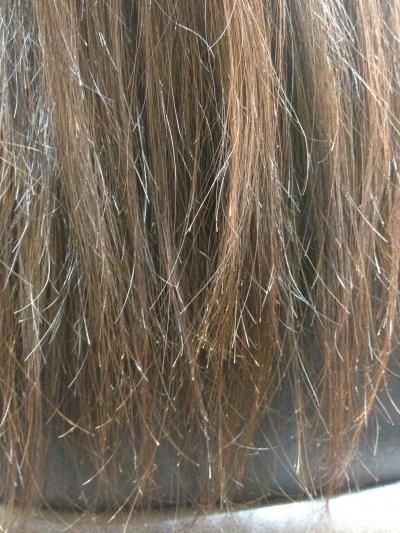
Hair that stays dry and brittle even with a consistent moisture routine may need a different approach entirely.
The hidden mistake that could be drying out your child’s hair covers common causes worth ruling out first.
Switching product types, rather than just adding more product, sometimes solves this issue faster.
A short break from heavier styling can also give dry, stressed hair a chance to recover before starting a new routine.
Bald or Thinning Patches
A distinct bald or thinning patch, especially one that appears suddenly, is worth mentioning to a doctor.
This can sometimes be related to tight hairstyles or repeated tension, though other causes are possible too and worth ruling out.
Could your child’s hair accessories be causing breakage? is worth a read if the thinning lines up with a specific accessory or style.
Loosening styles at the first sign of tension is a simple first step while you figure out the underlying cause.

Ongoing Scalp Irritation
Redness, itching, or flaking that does not improve with gentle care may point to an underlying scalp condition.
Persistent symptoms are best evaluated by a pediatrician or dermatologist rather than treated with more products at home.
Ruling out simple causes, like product buildup or dryness, is a good first step before assuming something more serious is going on.
Switching to a lighter, less occlusive product can sometimes resolve mild irritation entirely on its own within a week or two.
How to Keep Hair Healthy Long Term
Once you know the signs of healthy hair to look for, maintaining that health comes down to a few consistent habits.
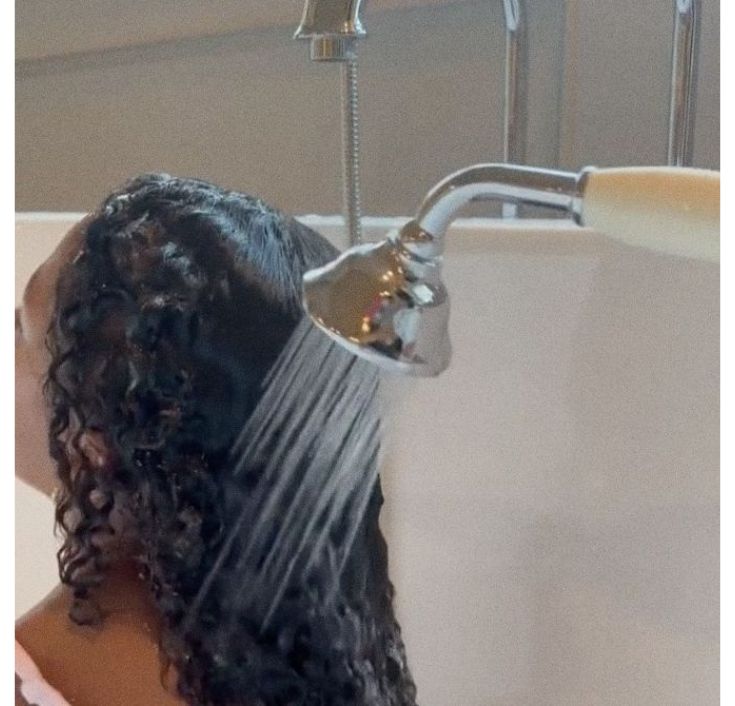
The best wash day routine for kids walks through a full step-by-step approach worth following.
Gentle detangling, regular moisture, and protective styling all support the signs covered throughout this guide.
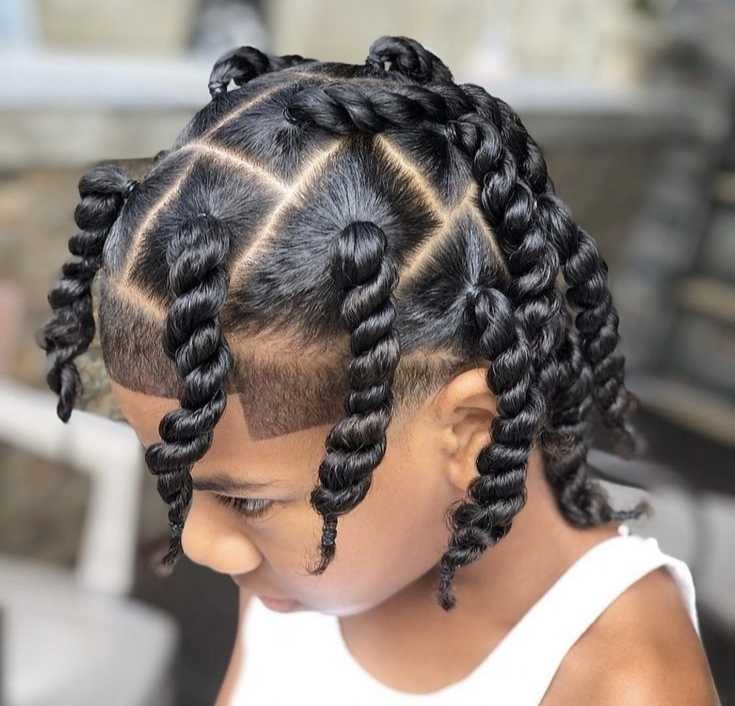
17 protective hairstyles for active kids offers style ideas that protect hair while still looking great.
Checking in on your child’s hair every few weeks, rather than only when something looks wrong, makes it much easier to catch small issues early.
Consistency, more than any single product, is what keeps these signs of healthy hair showing up week after week.
Frequently Asked Questions
How often should I check my child’s hair for these signs?
A quick check during wash day or detangling sessions is usually enough to stay on top of things and catch changes early.
This gives you a regular, low-effort way to notice changes before they become bigger, harder-to-fix problems.
There is no need for a separate, formal inspection routine.
Is curly or coily hair less healthy than straight hair?
No, hair texture has nothing to do with how healthy hair actually is.
Every texture can show strong signs of healthy hair when cared for with the right techniques and a bit of patience.
Curly and coily hair often just needs a slightly different moisture and detangling approach.
Can healthy hair still tangle a lot?
Yes, some tangling is completely normal, especially for curlier hair textures.
The key difference is how much breakage the tangles cause or how easily they resolve with gentle, patient detangling.
Manageable tangling is not a sign of unhealthy hair on its own.
What is the fastest way to tell if hair is dry?
Reduced shine, weaker elasticity, and rougher texture are usually the fastest signs to notice.
A quick stretch test on a single strand can also give you a rough read on moisture levels.
Persistent dryness despite regular moisturizing is worth addressing with a routine change.
Should I see a doctor if I notice one of these warning signs?
Sudden changes, like heavy shedding or a distinct bald patch, are worth mentioning to a pediatrician.
Gradual issues, like mild dryness or occasional breakage, can usually be addressed with routine adjustments first and monitored over a few weeks.
When in doubt, a quick conversation with a doctor can offer peace of mind either way.
Final Thoughts
Learning the signs of healthy hair gives you a simple way to check in on your child’s hair without guesswork.
Shine, elasticity, minimal breakage, and a calm scalp are some of the clearest indicators to watch for.
Most issues are minor and respond well to small routine adjustments made early.
How to encourage healthy hair growth in kids is a great next read if you want to build on what you have learned here.
With regular check-ins and a consistent routine, healthy hair becomes much easier to maintain over time.
4 Comments