
Hair Type 4: Care Guide for Kids
Disclosure: Some of the links in this post are affiliate links. This means if you click on the link and purchase an item, I will receive an affiliate commission at no extra cost to you.
Tight coils, springy zigzags, and cotton-soft curls all belong to one beautiful family of hair.
If your child has this hair type, you already know it has a personality all its own. It shrinks up small, dries out fast, and needs a little extra love to stay soft and strong.
Learning proper type 4 hair care changes everything for busy parents. Once you understand what this curl pattern actually needs, wash day stops feeling like a battle. You start noticing shinier coils, fewer tangles, and a happier kid sitting in your lap.
This guide walks you through everything you need to know. You will find tips on How to Identify Your Child’s Hair Type and daily habits that protect those coils.
You will learn moisturizing tricks, detangling shortcuts, and styles that actually hold up all week.
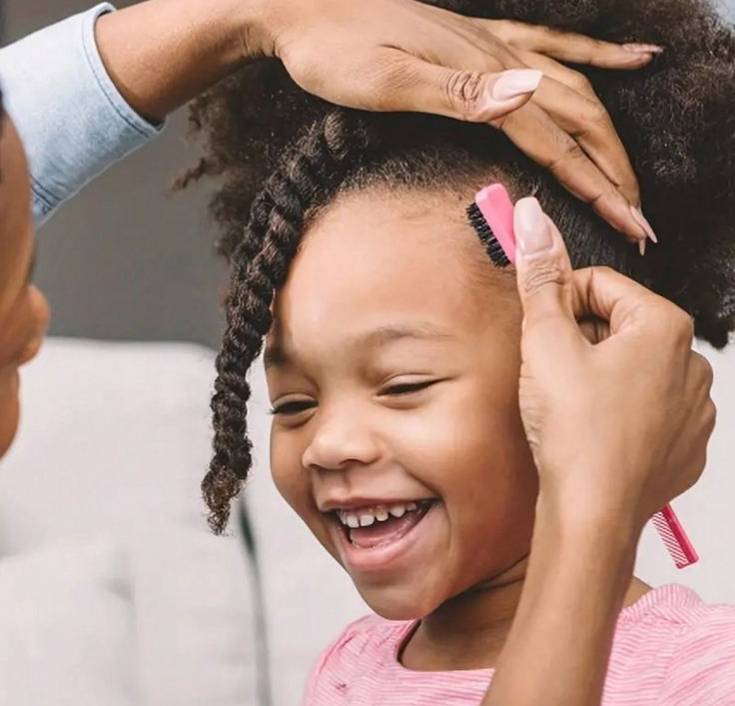
Good type 4 hair care is really just a rhythm you build together. These small daily moments, the gentle combing, the giggles during braiding, often become some of the sweetest memories of childhood.
So grab your supplies, get comfortable, and let’s get your child’s curls thriving.
What Makes Type 4 Hair Unique
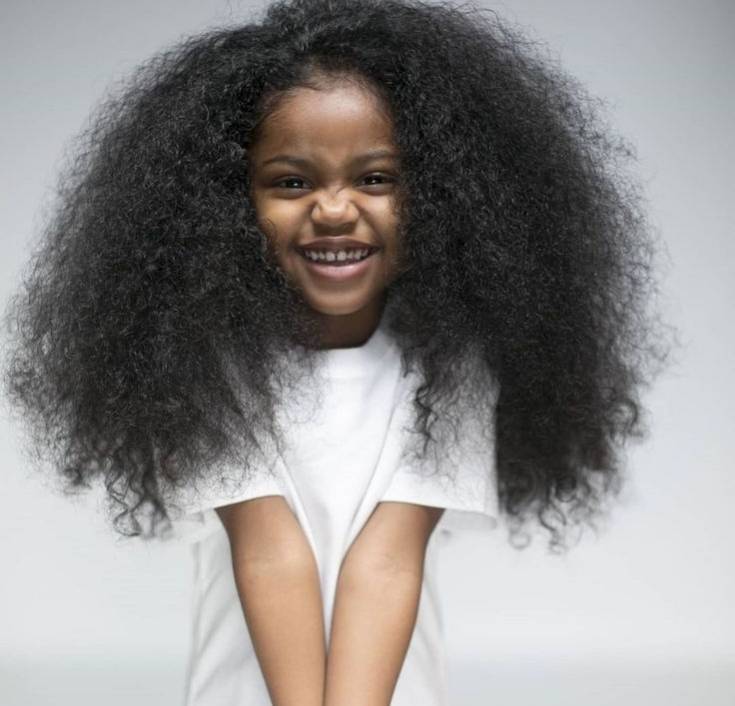
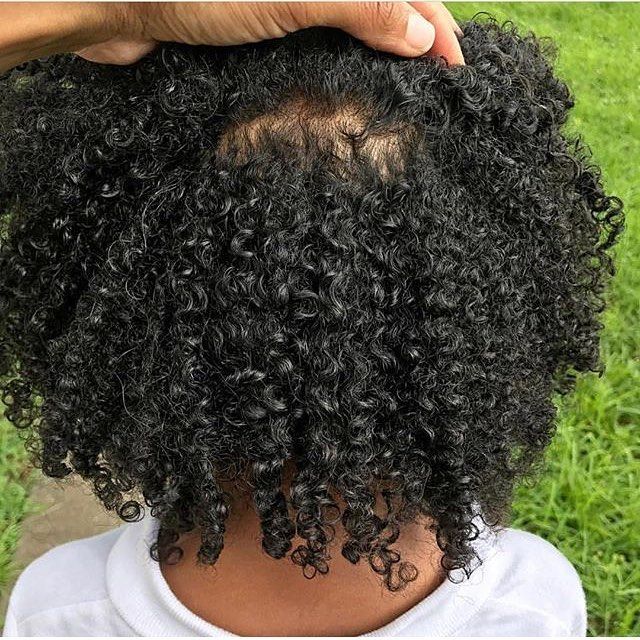
Type 4 hair grows in a tight coil or zigzag pattern, curling from the very root.
This shape is gorgeous, but it also makes the hair naturally drier than looser curl types.
Natural oils from the scalp struggle to travel down each twist and turn.
That structure also means the strands break more easily without proper care.
Kids with this hair type often have more shrinkage too, so hair looks shorter than it truly is. Understanding The Different Kids Hair Textures Explained helps you set realistic expectations for length and volume.
Many parents assume their child’s hair is unmanageable simply because it behaves differently than straighter textures.
That assumption usually fades once the right tools and products enter the routine. Coily strands respond beautifully to consistent care, even though they demand a bit more attention upfront.
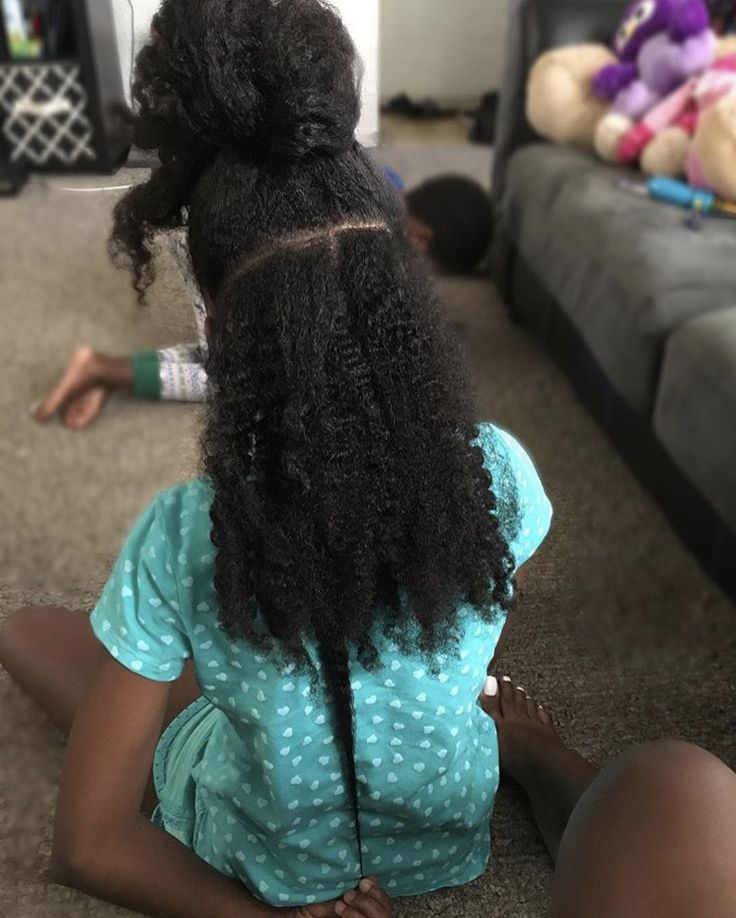
The Difference Between 4A, 4B, and 4C Curls
Type 4 hair actually includes three distinct patterns, each needing slightly different attention.
None of these patterns are better or worse than another.
They simply respond differently to products, so a little trial and error goes a long way.
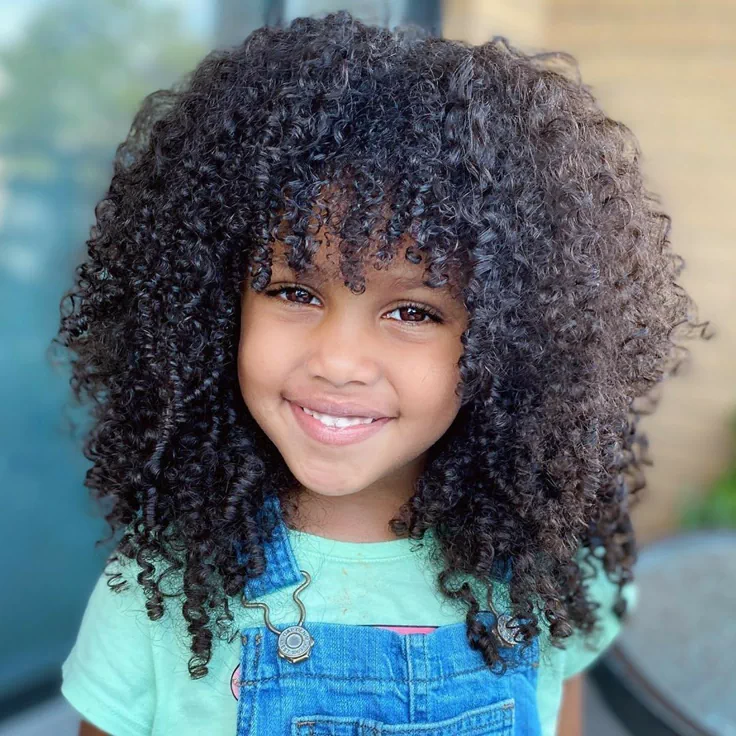
4A Curls
4A curls form a tight, defined coil about the width of a crochet needle.
This pattern often holds curl definition well with the right products.
Kids with 4A hair may notice more visible ringlets when hair is stretched or wet.
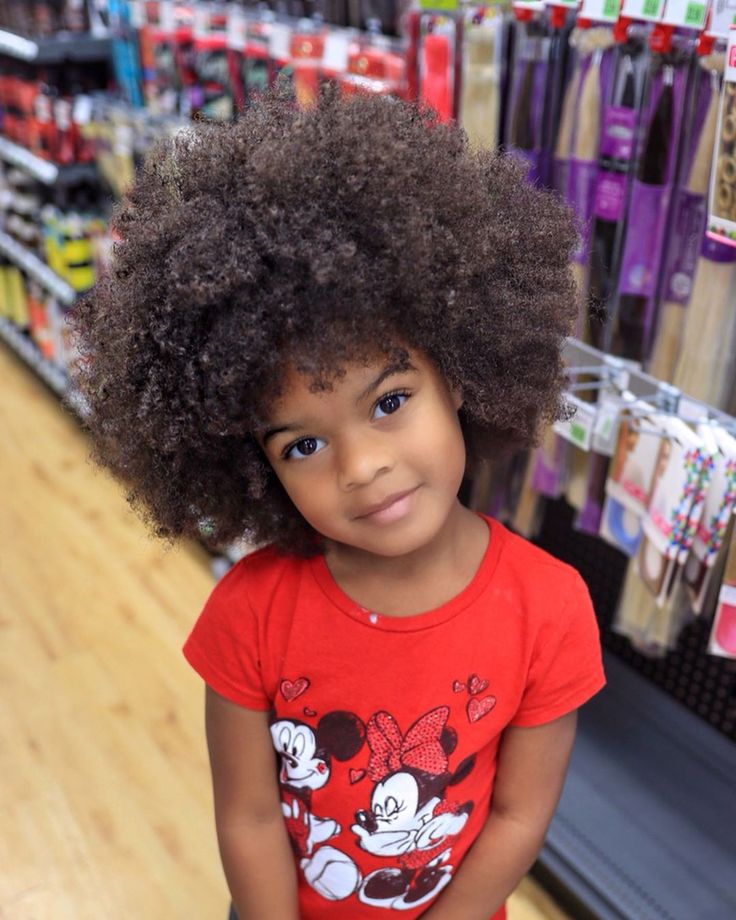
4B Curls
4B hair bends in sharp angles instead of smooth loops, creating a fluffier look.
This zigzag pattern tends to shrink more than 4A hair.
It also benefits from richer creams to maintain shape throughout the day.
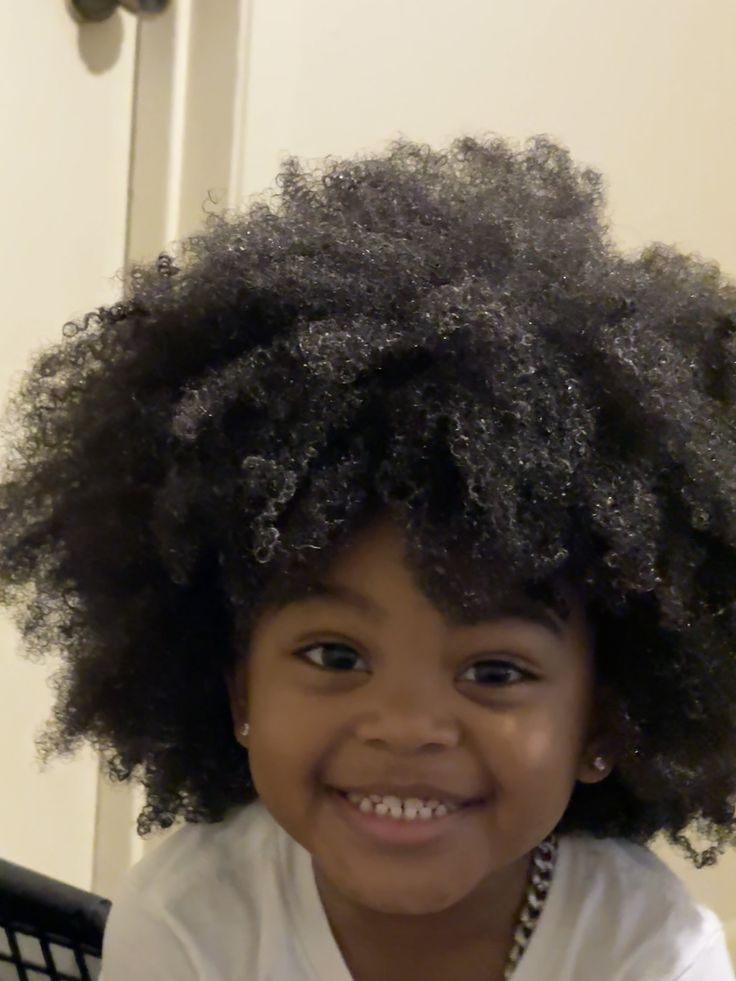
4C Curls
4C hair has the tightest coil pattern and often shows little visible curl definition when dry.
This texture is usually the most prone to shrinkage and dryness.
Extra moisture and gentle handling help this pattern thrive.
When One Child Has More Than One Pattern
Some kids even show more than one curl pattern across different sections of their head.
The crown often curls tighter than the nape, for example.
Treating each section according to its own needs, rather than the whole head identically, brings better results.
Why Type 4 Hair Needs Extra Moisture
Coily hair loses moisture faster than straighter hair types because of its shape.
Every bend and twist creates a spot where the hair shaft can dry out and weaken.
Without consistent moisture, strands become brittle and prone to snapping.
Dry hair also tangles more easily, making combing sessions frustrating for everyone involved.
That is why moisture stays at the center of any solid haircare plan for this texture.
Learning How to Moisturize Kids Hair Properly should be your very first step.
Signs Your Child’s Hair Is Dehydrated
Dry, coily hair often looks dull instead of shiny, even right after washing.
It may feel rough or straw-like between your fingers rather than soft and springy.
You might also notice more breakage on the bathroom floor or in the comb.
Frizz that will not settle down is another common clue.
If curls feel crunchy or fragile, your child’s hair is asking for more hydration right away.
Building a Wash Day Routine for Type 4 Hair
Wash day sets the tone for how hair behaves the rest of the week.
A rushed, rough wash session often leads to tangles and tears, literally.
Slowing down and following a few key steps makes a huge difference.
Consistency matters more than perfection here. Repeating similar steps every time helps your child know what to expect.
The Best Wash Day Routine for Kids works well once it becomes a habit.
Pre-Poo and Detangling Before Shampoo
Applying oil or conditioner before shampooing, known as a pre-poo, softens hair ahead of washing.
This step cuts down on tangling once water and shampoo hit the strands.
Gently finger-detangle first, then move to a comb for stubborn knots.
Always work in small sections rather than tackling the whole head at once.
Smaller sections mean less pulling and a calmer experience for your child.
Water Temperature and Rinsing Tips
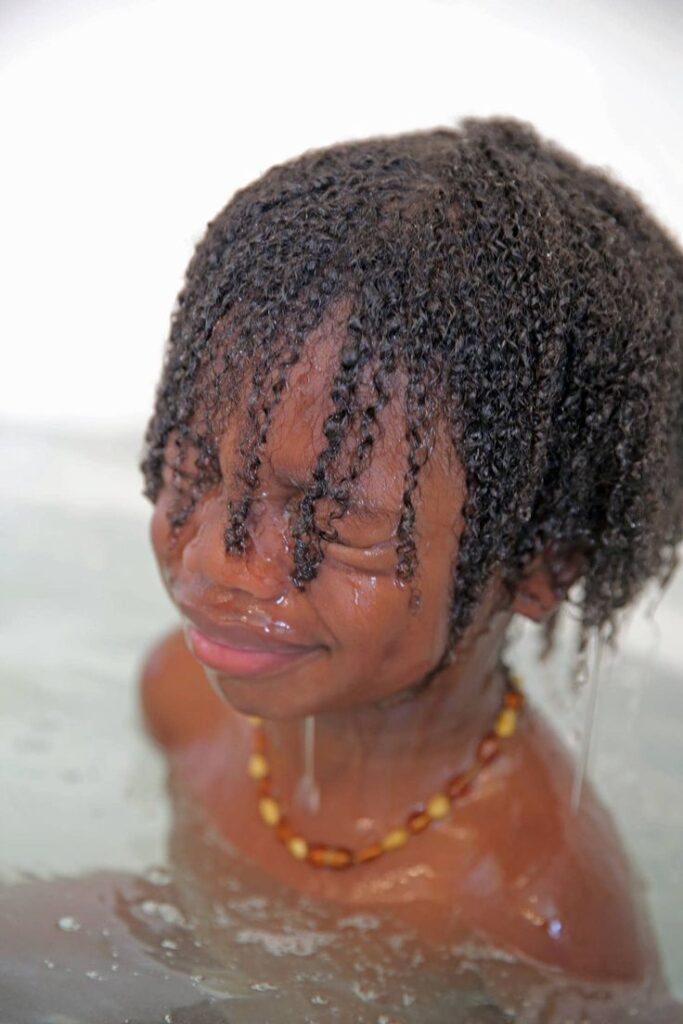
Warm water opens the hair cuticle and helps shampoo cleanse effectively without excess scrubbing.
Rinsing with cooler water at the end of the routine helps seal moisture inside each strand.
This small switch keeps curls smoother and noticeably shinier once dry.
Avoid scrubbing the hair itself with fingernails or rough motions during washing. Gentle, circular motions on the scalp clean effectively without creating friction on fragile strands lower down.
Choosing the Right Shampoo and Conditioner
Sulfate-free, moisturizing shampoos clean without stripping away the natural oils this hair type needs.
Look for ingredients like glycerin, shea butter, or natural oils near the top of the label.
How to Choose the Right Shampoo for Kids can help you compare popular options.
Conditioner matters just as much as shampoo, maybe more. A rich, slippery conditioner helps detangle while it hydrates each strand.
The Best Conditioners for Every Hair Type breaks down formulas suited to coily hair specifically.

The Best Moisturizing Techniques for Type 4 Hair
Moisture only sinks in and stays put when you layer products the right way.
Applying random products in random order often leaves hair feeling greasy on top and dry underneath.
A proper technique fixes that problem quickly.
The LOC and LCO Methods Explained
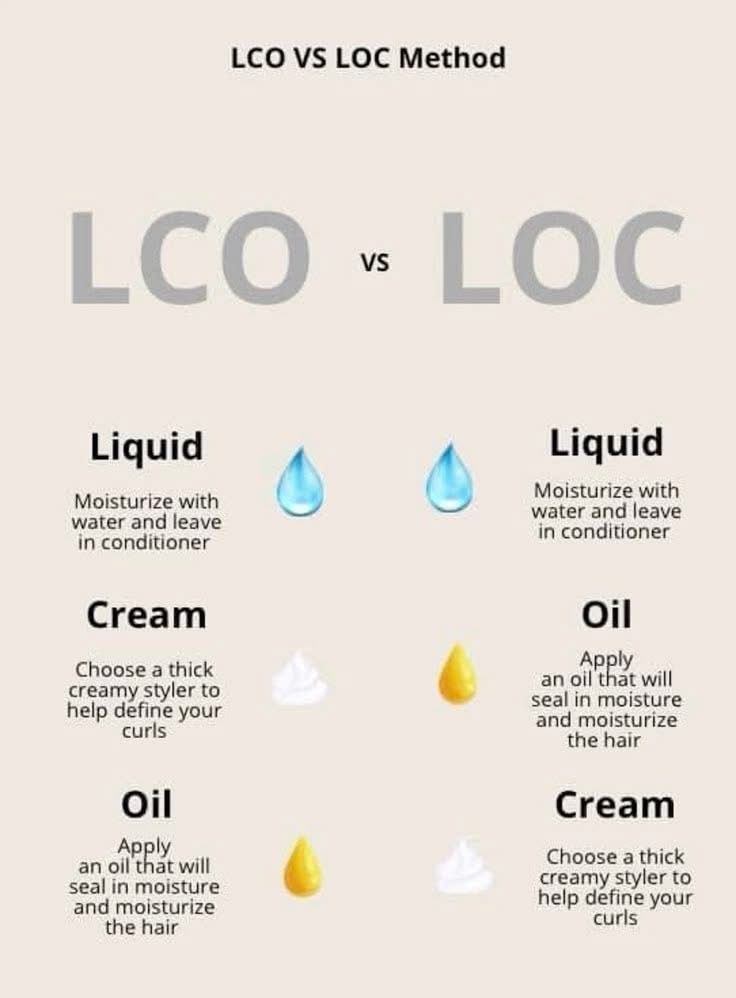
LOC stands for liquid, oil, cream, applied in that exact order after washing.
Water or a light spray goes on first. Oil follows to seal it in, then a cream defines the curls.
LCO simply swaps the last two steps for hair that prefers a lighter feel.
Leave-In Conditioner vs Hair Milk for Kids explains which liquid base works best for your child’s specific curl thickness.
Testing both methods over a few weeks helps you discover which one your child’s hair prefers.
Oil choice plays a huge role in how well moisture locks in.
The Best Hair Oils for Children’s Hair covers lightweight options that will not weigh down finer strands.
Seasonal Adjustments Worth Making
Cold, dry winter air pulls moisture from coily hair faster than usual.
Adding an extra layer of cream or butter during colder months helps combat that dryness.
Humid summer weather often calls for lighter products so curls do not feel weighed down.
Swimming introduces its own challenges, since chlorine and salt water strip moisture quickly.
Rinsing hair before and after a swim, then applying a leave-in conditioner, protects strands from that extra dryness.
Detangling Type 4 Hair Without Tears
Detangling causes more haircare stress than almost any other step, for parents and kids alike.
The good news is that a gentler approach truly does reduce pain and breakage.
Start every session with wet, conditioned hair rather than dry strands.
The Secret to Tear-Free Detangling often comes down to patience and the right tool for the job.
Hold each section near the roots while you comb through the ends first. This grip protects the scalp from unnecessary tugging.
Playing a favorite song or show during detangling can help distract younger kids from any discomfort.
Praising patience along the way builds positive associations with hair care over time.
A calm environment often matters just as much as the technique itself.
Picking Detangling Tools That Work
Not every comb or brush suits coily hair equally well.
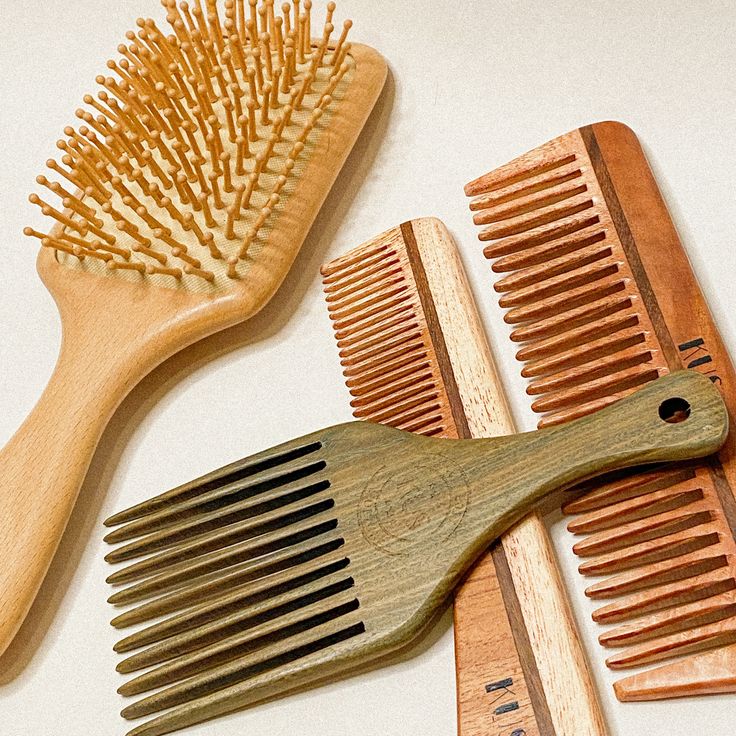
Wide-Tooth Comb vs Detangling Brush compares two popular tools parents reach for during wash day.
Many families find that a wide-tooth comb works best on soaking wet hair, while a detangling brush handles daily maintenance.
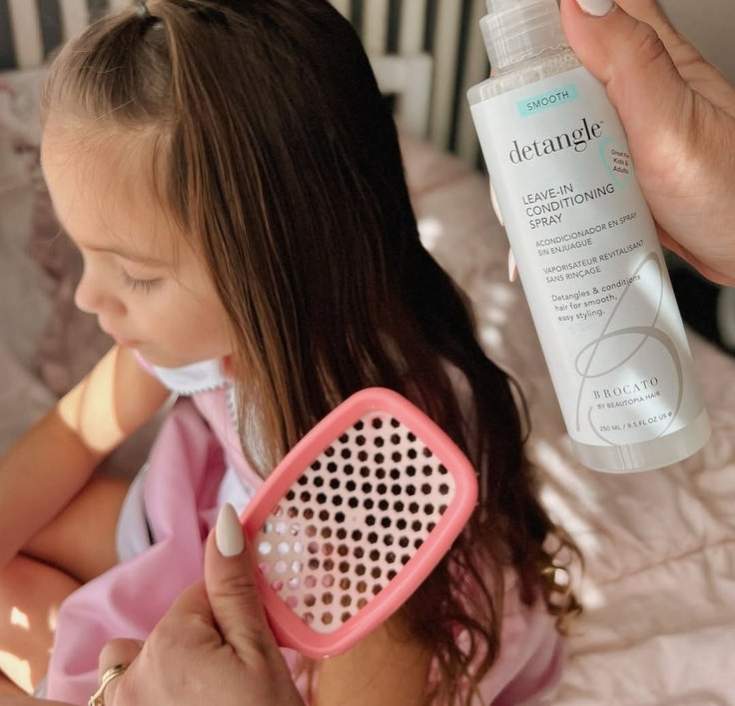
A good detangling spray also makes the whole process smoother.
The Best Detangling Sprays for Kids lists formulas that add slip without leaving residue behind.
Protective Styles That Work Best for Type 4 Hair
Protective styles shield fragile ends from daily friction, wind, and rough fabric contact.
They also stretch out the time between wash days, which many busy families appreciate.
The key lies in choosing styles that protect without pulling too tight.
60 Protective Styles That Last All Week offers plenty of ideas suited to different lengths and activity levels.
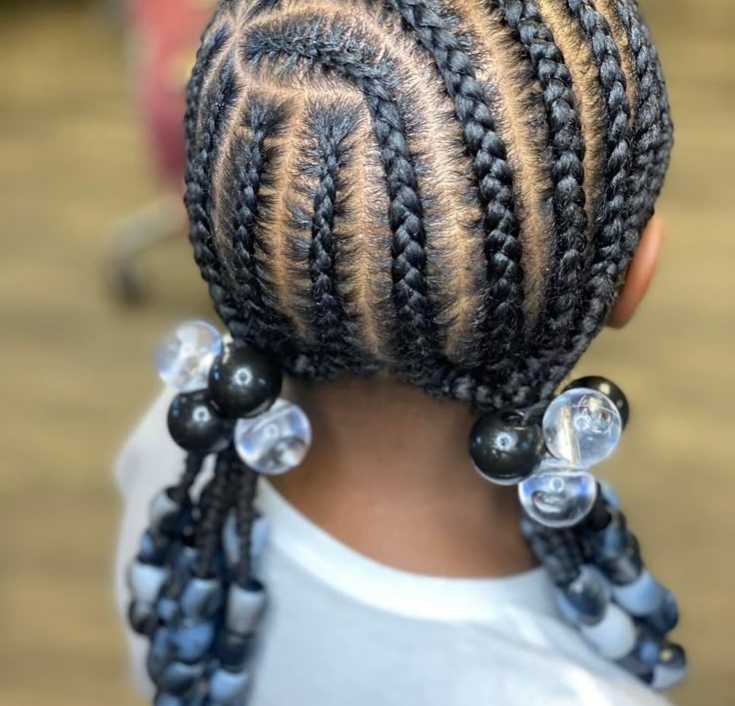
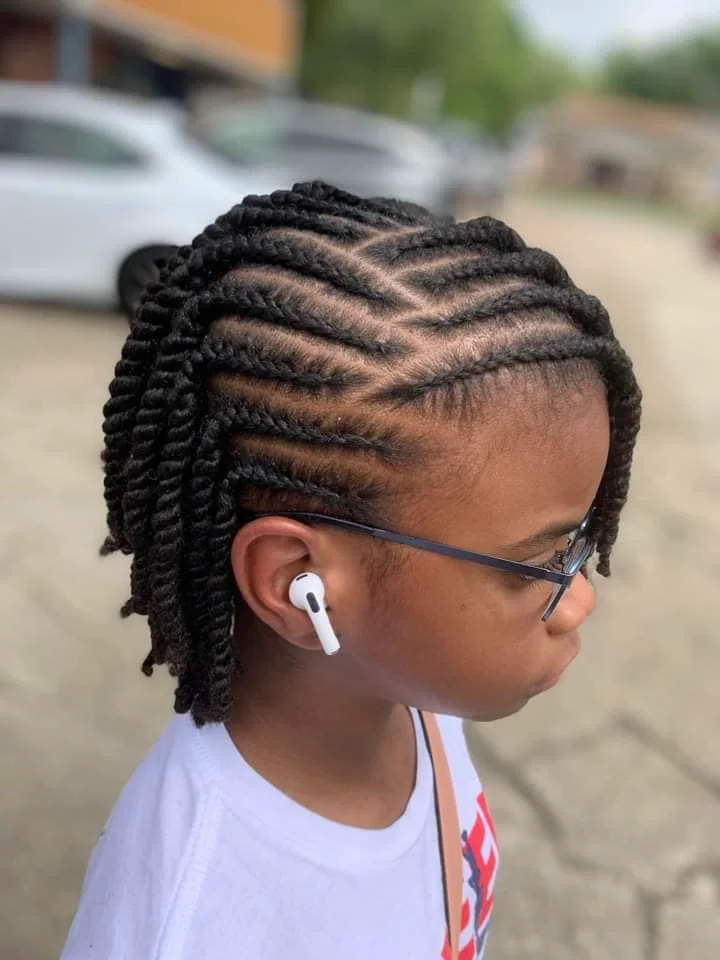
Braids, twists, and puffs all count as protective, as long as they are not installed too tightly at the root.
Braids and Twists for Long-Lasting Wear
Braided styles distribute tension evenly and keep ends tucked away from friction.
21 Cute Knotless Braids for Kids shows a gentler braiding method that reduces tension on the scalp.
This style tends to last well while still looking neat for school photos or everyday wear.
Common Mistakes Parents Make With Type 4 Hair
Many well-meaning parents accidentally slow down their child’s hair progress.
Combing hair while completely dry often causes unnecessary breakage.
Skipping deep conditioning sessions also leaves strands undernourished over time.
Over-washing strips away needed oils, leaving hair drier than before.
Under-moisturizing between washes causes the opposite problem, brittle and rough strands.
The Hidden Mistake That Could Be Drying Out Your Child’s Hair covers a habit that surprises many parents.
Tight styling near the hairline can also cause thinning over months of repeated tension.
Why Your Child’s Hairstyles Never Last Until the End of the Day explains how tension and moisture affect styles.
Using the Wrong Products for the Texture
Products made for looser curl patterns often fail to deliver enough moisture for tighter coils.
A lightweight lotion meant for wavy hair may barely make a difference on type 4 strands.
Choosing richer creams and butters formulated for coily textures solves this problem quickly.
Rushing through wash day is another common misstep parents make without realizing it.
Hurrying leads to rough handling, missed tangles, and uneven product application.
Slowing down, even by ten extra minutes, noticeably improves the end result.
Nighttime Care and Protecting Curls While Sleeping
Cotton pillowcases pull moisture from hair and create friction while your child sleeps.
Switching to a satin or silk pillowcase reduces that overnight damage significantly.
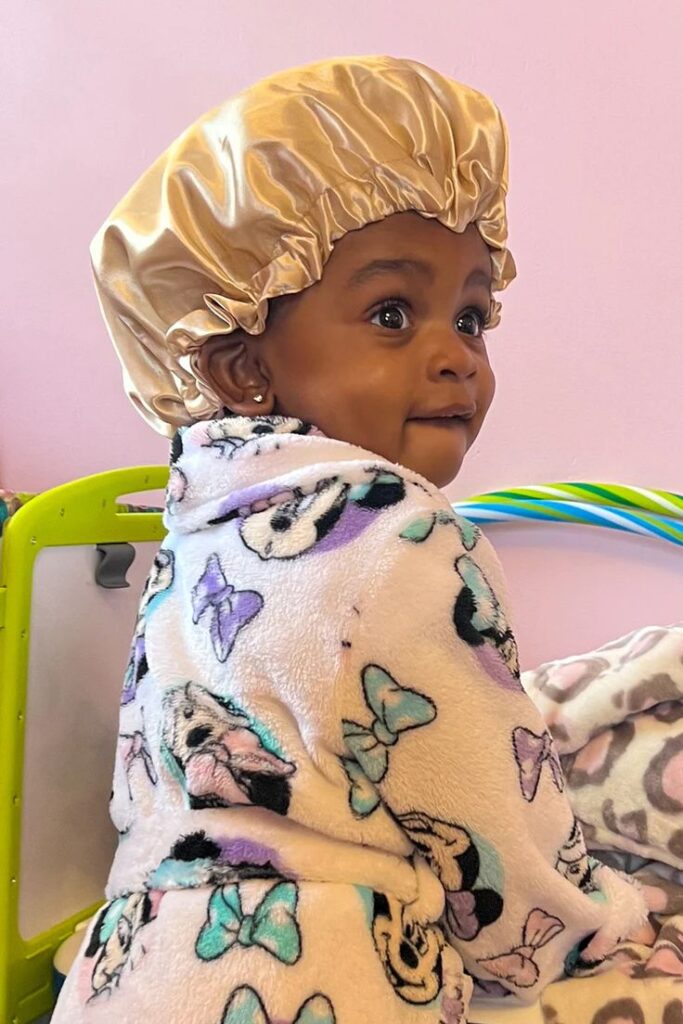
A satin bonnet or scarf offers even more protection for longer or more delicate styles.
Satin Bonnets for Kids: Do They Help? walks through how to introduce a bonnet without a nightly fight.
Loosely gathering hair into a pineapple style before bed also helps curls keep their shape until morning.
Supporting Healthy Growth for Type 4 Hair
Coily hair actually grows at a similar rate to other hair types.
Shrinkage and breakage simply make it seem like growth stalls out over time.
Preventing breakage matters just as much as encouraging new growth from the scalp.
15 Reasons Your Child’s Hair Keeps Breaking (and What to Do About It) highlights habits worth adjusting right away.
A trim every few months removes damaged ends before they travel further up the strand.
Scalp Health Supports Stronger Strands
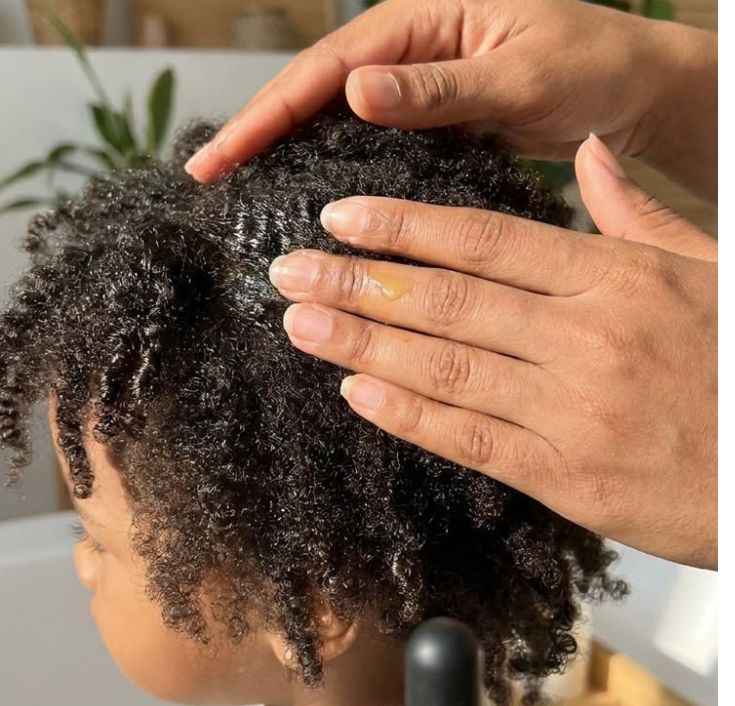
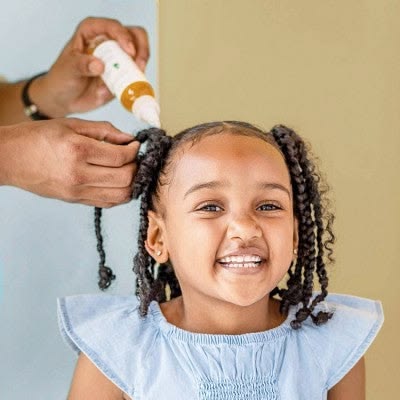
Healthy hair starts at the scalp, not at the ends. The Best Scalp Care Routine for Children covers gentle massage techniques that boost circulation.
A clean, balanced scalp gives each strand a stronger foundation to grow from.
How to Encourage Healthy Hair Growth in Kids ties together nutrition, gentle handling, and consistent moisture into one simple approach.
Small, steady habits beat any single miracle product over the long run.
Patience matters just as much as any product on the shelf. Coily hair often takes longer to show visible length because of natural shrinkage patterns.
Measuring progress by stretched length, rather than shrunken length, gives a more accurate picture over time.
When to See a Professional Stylist for Type 4 Hair
Most day-to-day care for type 4 hair works fine at home with the right routine.
Some situations, though, benefit from a trained set of hands.
Knowing when to book an appointment saves both time and frustration.
Signs It’s Time to Call a Stylist
Persistent breakage that does not improve with moisture changes often points to a bigger issue.
Uneven growth, scalp irritation, or stubborn tangles that never fully loosen are also worth a professional look.
A stylist can spot early damage that is easy to miss at home.
What a Stylist Offers That Home Care Cannot
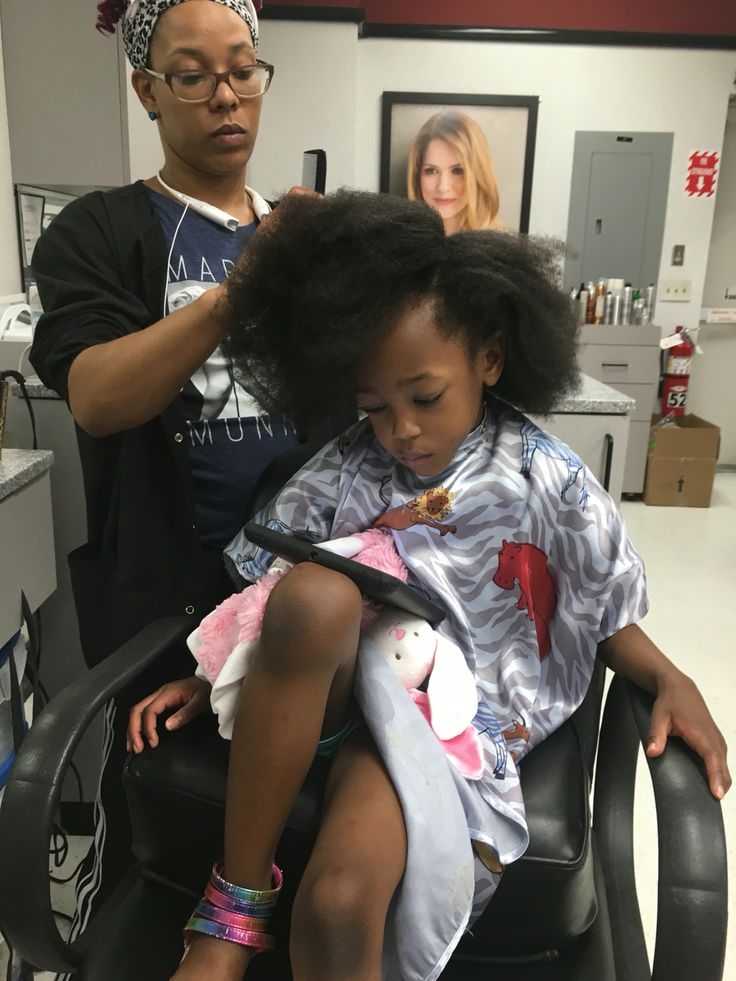
A trained stylist trims split ends precisely, without risking extra length loss.
They can also recommend products suited to your child’s exact curl pattern and scalp needs.
For tricky protective styles like intricate feed-ins, a stylist’s steady hand reduces tension on the scalp.
Building a Simple Weekly Rhythm
Most families find success following a predictable weekly pattern for type 4 hair care.
Wash and deep condition once a week, moisturize daily, and refresh protective styles as needed.
How to Build a Healthy Hair Routine for Kids offers a template you can adjust to fit your schedule.
Sticking to a rhythm removes the guesswork and reduces daily stress around hair time. Kids also thrive on predictability, so a set routine often leads to smoother sessions overall.
Frequently Asked Questions
How often should I wash type 4 hair?
Most kids with this curl pattern do well washing once a week or every ten days.
Washing too often can strip natural oils and leave hair drier than before.
Sticking to a set schedule helps keep the scalp balanced and healthy.
Why does my child’s hair shrink so much after washing?
Shrinkage happens because the tight coil pattern pulls hair upward as it dries.
This is completely normal and actually signals healthy curl elasticity, not damage.
In fact, more shrinkage often means stronger, healthier curls.
What products work best for type 4 hair?
Look for moisturizing, sulfate-free shampoos, rich conditioners, and lightweight oils.
Every child’s hair responds a little differently, so testing a few options helps.
Patch testing a new product for a few days can help you spot any reactions early.
Should I brush or comb type 4 hair?
Wide-tooth combs work best on wet, conditioned hair, while soft brushes suit daily styling.
Avoid brushing dry hair, since this often leads to breakage.
Always start at the ends and work upward to prevent unnecessary pulling.
How can I make wash day faster?
Detangling before shampooing, working in sections, and staying consistent each week all save time.
A predictable routine also helps kids feel calmer during the process.
Having supplies ready beforehand also keeps the whole session moving smoothly.
Does type 4 hair need a protein treatment?
Occasional protein treatments can strengthen weak or heavily styled strands.
Overusing protein without balancing moisture afterward can leave hair feeling stiff, so moderation matters.
A good moisturizing deep conditioner afterward helps restore softness and balance.
At what age can I start using heat tools on type 4 hair?
Most experts recommend avoiding regular heat styling until hair is fully mature and healthy.
When heat becomes necessary for a special occasion, always apply a heat protectant first.
Keeping heat use rare helps protect natural curl pattern over time.

Final Thoughts
Caring for type 4 hair takes patience, but the results are always worth the effort.
Once you find a rhythm that fits your child’s specific curls, wash day becomes far less stressful.
Moisture, gentle detangling, and protective styling form the backbone of any strong routine.
Every coil is different, so give yourself grace while you learn what works best.
With time, these small daily moments of care become second nature for both of you.