

How to Moisturize Kids Hair Properly
Disclosure: Some of the links in this post are affiliate links. This means if you click on the link and purchase an item, I will receive an affiliate commission at no extra cost to you.
Dry, frizzy strands by 10 a.m. Does that sound familiar? A lot of kids wake up with soft, hydrated curls or coils, then lose that moisture within hours.
It happens to almost every parent and caregiver at some point, and it usually comes down to a few small habits that are easy to fix once you know what to look for.
Learning how to moisturize kids hair properly starts with understanding that hair care isn’t just about adding product. It’s about locking moisture in so it actually stays there.
Once you get the order and the ingredients right, hair holds hydration for days instead of hours. A good place to start is How to Identify Your Child’s Hair Type, since curl pattern changes how much moisture hair needs and how often.
Getting this right does more than keep hair looking good. Soft, well moisturized hair is easier to detangle, style, and manage, which means fewer tears during wash day.
Check out The Secret to Tear-Free Detangling for extra tips on making that part of the routine smoother.
Small routines like this often turn into some of the sweetest memories between you and your child, long after the tangles are gone.
Ready to build a routine that actually works? Here’s everything you need to know.
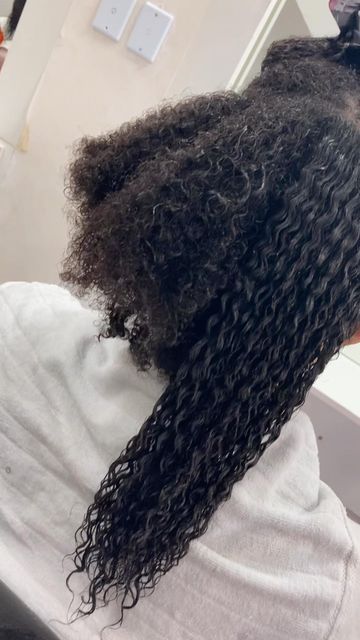
Why Kids Hair Dries Out So Fast
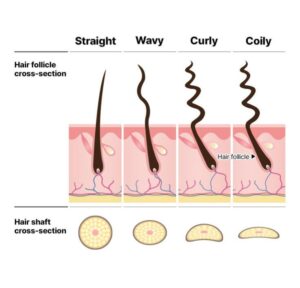
Kids hair, especially curly and coily hair types, loses moisture faster than straight hair. The natural curl pattern makes it harder for scalp oils to travel down each strand.
That means the ends of the hair often dry out first, even when the roots look fine.
Weather plays a big role too. Dry air pulls moisture right out of hair strands, leaving them brittle and prone to breakage.
How Humidity Affects Kids Hair breaks down exactly how the seasons change what your child’s hair needs. Winter months tend to be the hardest on moisture levels, since indoor heating dries out the air even more than outdoor cold does.
Overwashing or using the wrong shampoo can strip natural oils just as fast. Picking a gentle, sulfate-free formula matters more than people think.
How to Choose the Right Shampoo for Kids walks through what ingredients to avoid and which ones actually help. Sulfates strip both dirt and natural oils, leaving strands with nothing left to hold onto.
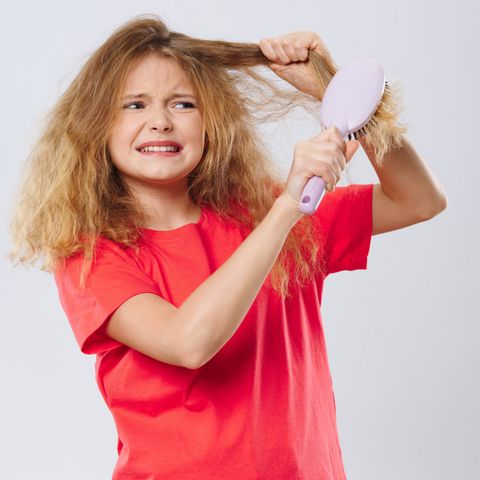
Kids also touch their hair, play outside, and sweat more than adults do, all of which speeds up moisture loss.
This is normal, but it means their hair care routine has to work a little harder to keep up. Frequent ponytails, hats, and helmets can add friction too, pulling moisture out along the hairline over time.
Chlorine from swimming pools is another sneaky culprit, since it strips oils fast and leaves hair feeling rough within just one swim session.
Understanding Your Child’s Hair Type First
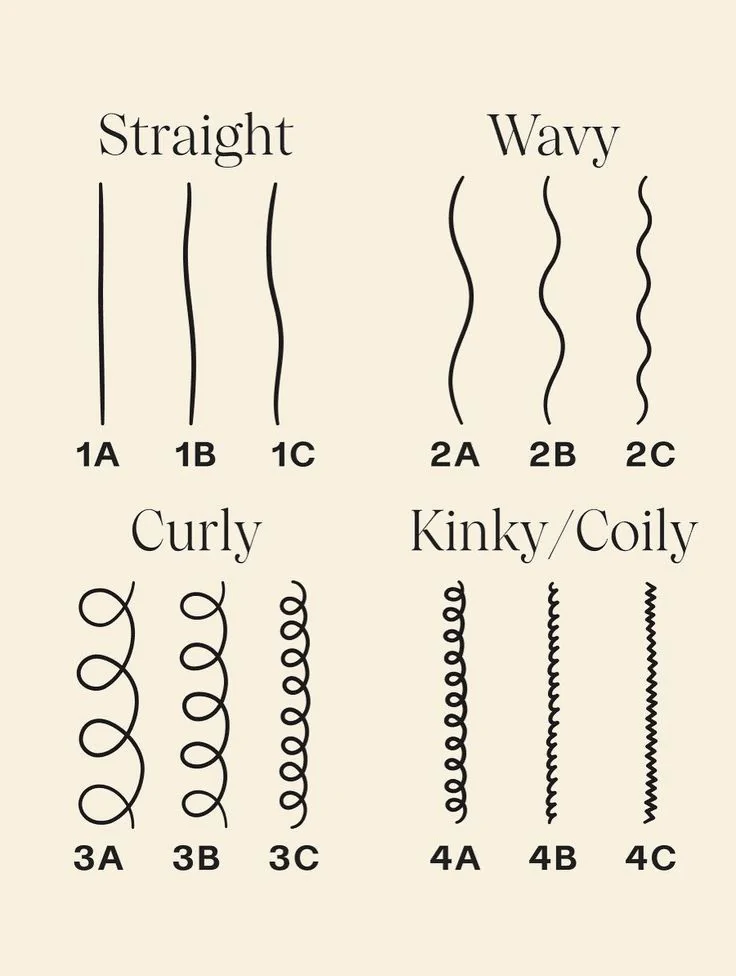
Every hair type holds and loses moisture differently, so a one-size routine rarely works. Type 4 hair, for example, needs richer products and more frequent moisture than looser curl patterns.
Hair Type 2/3/4: Care Guide for Kids explains exactly what each texture needs. Tighter curl patterns have more bends along each strand, and every bend is a spot where moisture can escape faster.
Finer or looser curls can get weighed down by heavy creams and butters, so a lighter touch works better. Thicker, coarser strands usually need more oil and cream to stay soft all week.
Testing a few products on a small section first helps you figure out what your child’s hair actually responds to.
Porosity matters too, though it gets overlooked a lot. High porosity hair soaks up moisture fast but loses it just as quickly, while low porosity hair takes longer to absorb product in the first place.
Once you understand this about your child’s hair, the rest of the routine gets a lot easier to plan.
A simple way to check porosity at home is dropping a clean strand of hair into a cup of water.
Hair that sinks quickly usually has high porosity, while hair that floats for a while often has low porosity. Knowing this ahead of time saves a lot of trial and error with products down the road.
Density and strand thickness play a role too, separate from curl pattern or porosity. Densely packed hair often holds onto product longer, so a little goes a long way.
Thinner strands, on the other hand, absorb moisture quickly but can look weighed down if too much product gets applied at once.
The Right Order to Apply Moisture
Layering products in the correct order makes a bigger difference than most people expect.
A lot of parents assume more product means more moisture, but the order actually matters more than the amount.
Getting each layer wrong, or skipping one entirely, is often why hair feels dry again within hours.
The right sequence follows a simple logic: add moisture first, then soften, then seal it all in.
Once this order becomes second nature, the whole routine takes just a few extra minutes but makes a noticeable difference by the next day.
Start With Water First
Start with water or a leave-in spray, water is the true source of moisture, not oil.
Oil and cream only help lock that moisture in, they don’t create it.
Skipping the water step is one of the biggest reasons kids hair still feels dry even after using plenty of product.
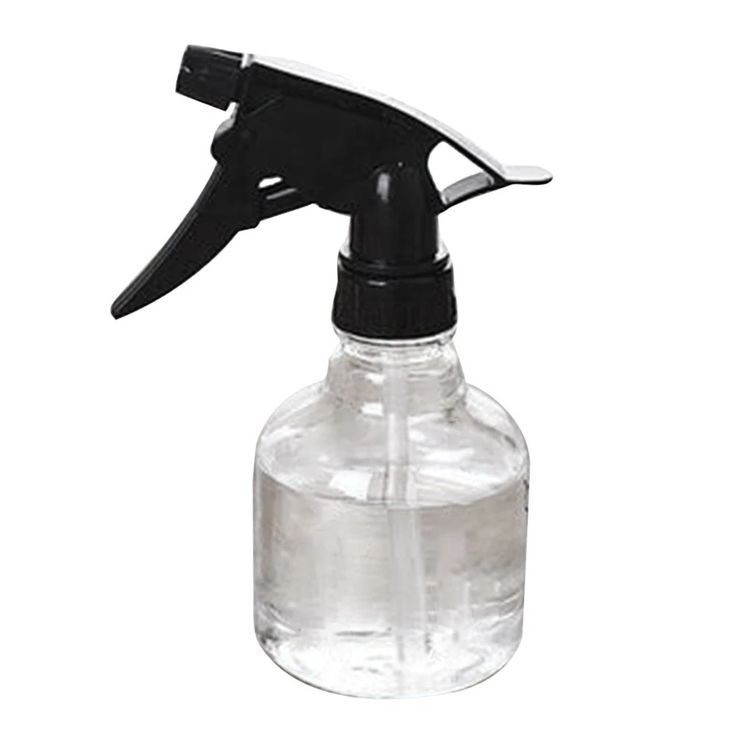
A small spray bottle filled with water and a few drops of leave-in conditioner makes this step quick and mess-free, even on busy mornings.
Add a Cream or Hair Milk Next
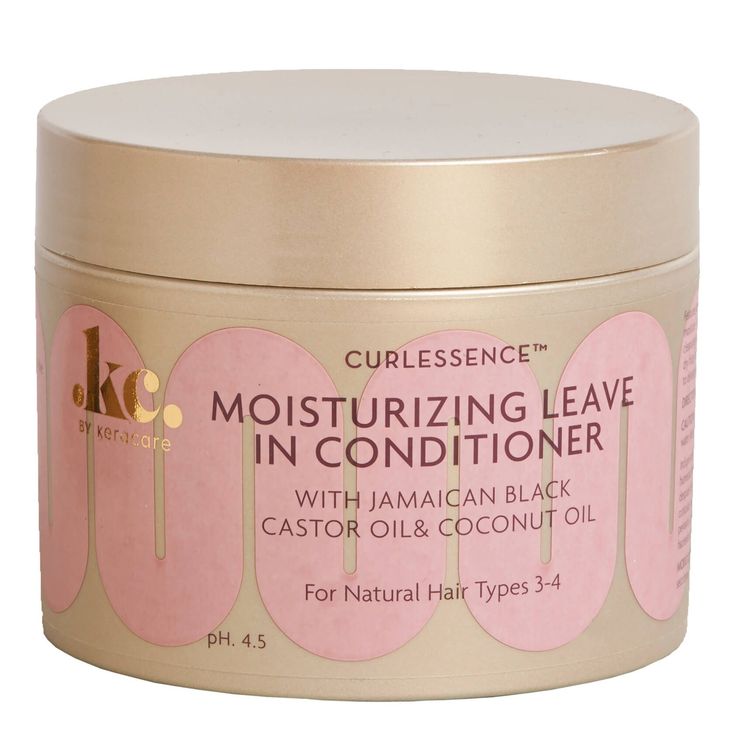
After the leave-in, add a cream or hair milk to soften the strands further.
Leave-In Conditioner vs Hair Milk for Kids compares both options so you can pick the one that suits your child’s texture best.
Some kids do better with a lighter hair milk, while others need the extra hold a leave-in cream provides.
Testing both on different sections of hair over a couple weeks makes the choice much easier.
Seal It All In With Oil
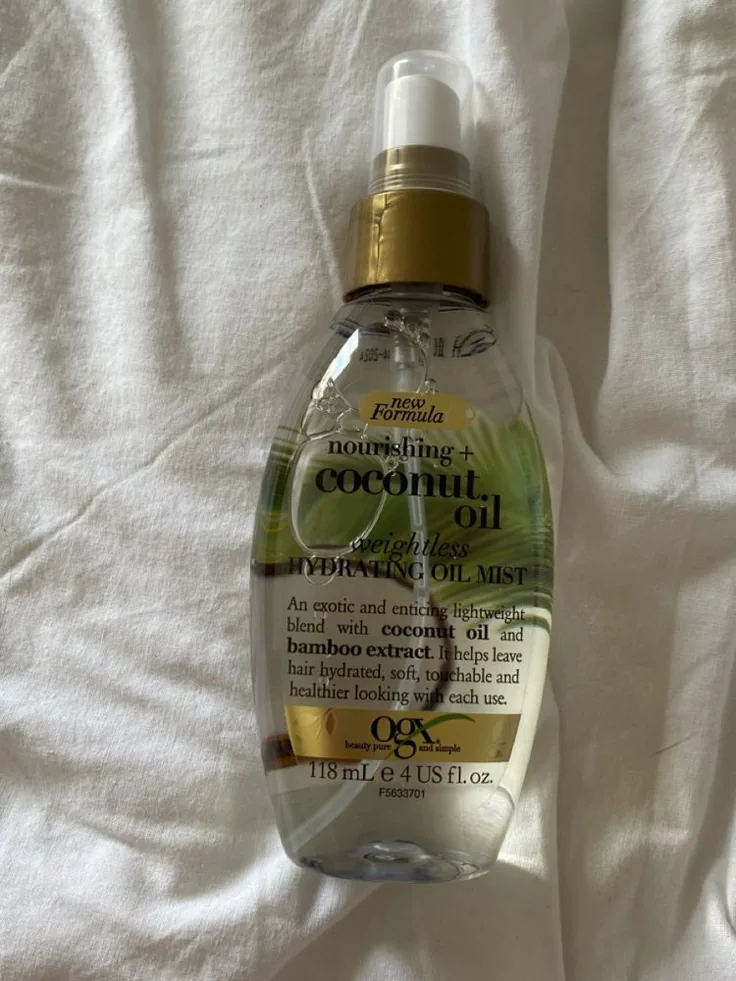
Finish with a light oil to seal everything in and add shine.
The Best Hair Oils for Children’s Hair lists which oils work well for sealing without leaving hair greasy.
This step, often called the LOC method (liquid, oil, cream) or LCO ( liquid, cream, oil) depending on hair type, keeps moisture locked in for days rather than hours.
Skipping this final layer often means the moisture from the first two steps evaporates faster than it should.
Apply Section by Section
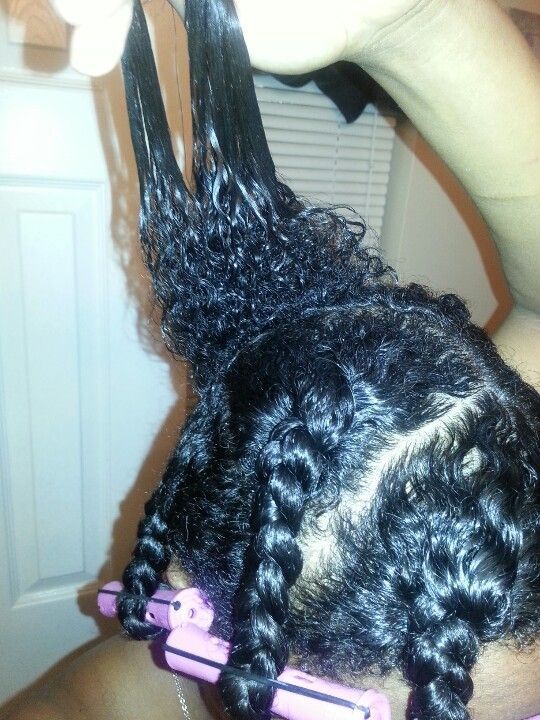
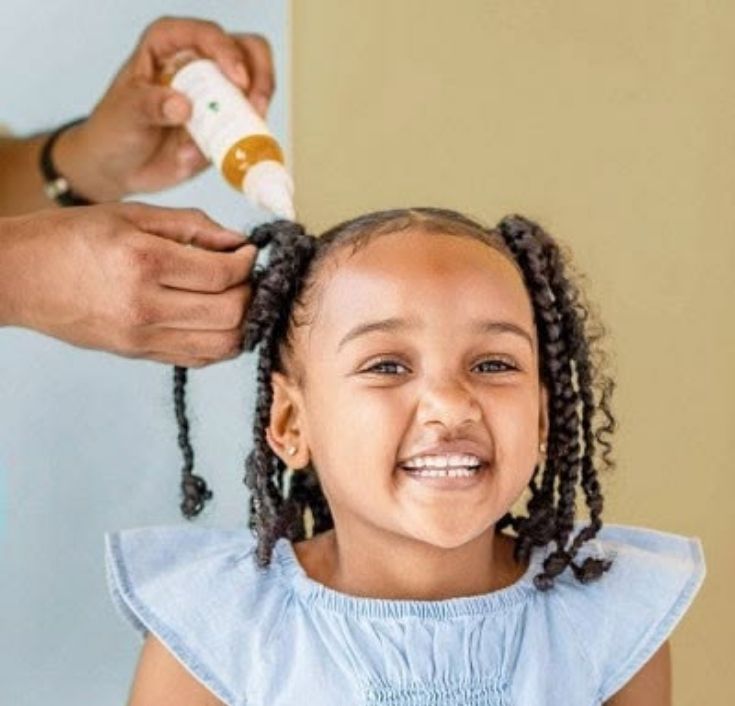
Applying products section by section, rather than all over at once, also helps every strand get coated evenly.
Rushing through this step tends to leave patches of hair underserved, especially near the nape and hairline where texture often changes.
Working with slightly damp hair, rather than fully dry hair, also helps products spread more evenly through each section.
Taking a few extra minutes here saves a lot of frustration later in the week.
Building Moisture Into Wash Day
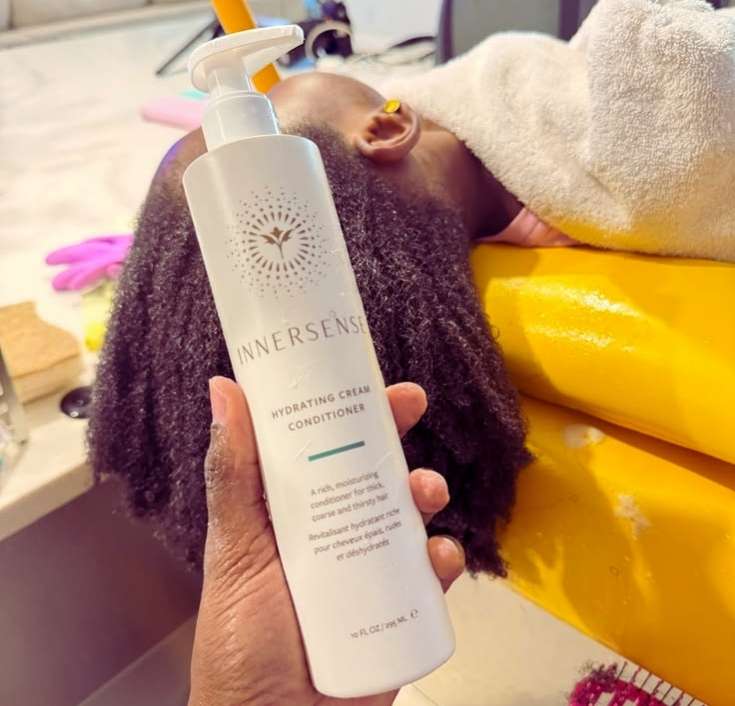
Wash day sets the tone for how hydrated hair stays all week. Using a moisturizing conditioner instead of just any conditioner makes a real difference here.
The Best Conditioners for Every Hair Type breaks down which formulas actually add moisture versus which ones just detangle.
Deep conditioning once a week helps too, especially for drier hair types. This step gives strands time to really soak up hydration before styling.
How Often Should You Wash Your Child’s Hair? covers how washing frequency ties directly into how moisturized hair stays overall.
Washing too often can undo a week’s worth of careful moisturizing, so finding the right rhythm matters just as much as product choice.
Detangling while hair is still wet and coated in conditioner also helps seal moisture in before it has a chance to escape.
The Best Detangling Sprays for Kids can make this step gentler and less stressful for younger kids especially.
Working in small sections with fingers first, before reaching for a comb, usually reduces breakage during this part of wash day.
Water temperature plays a huge role too, though it rarely gets mentioned. Hot water can feel really nice but strips moisture and irritates the scalp over time.
Lukewarm or cool water during the rinse helps seal the hair cuticle, which actually holds moisture in better than a hot rinse would.
The towel you use afterward matters just as much as the products.
Regular cotton towels rough up the hair cuticle and pull moisture straight out of the strand.
A soft microfiber towel or an old t-shirt works much better for gently squeezing out excess water without disturbing the curl pattern.
Applying leave-in products right after rinsing, while hair is still soaking wet, locks in far more moisture than waiting until hair partially dries.
This one small timing shift often makes the biggest difference in how soft hair feels by the next morning.
Letting hair air dry under a bonnet, rather than a regular towel, also helps hold that moisture in place for longer.
Combining these small steps into one smooth wash day routine keeps hair soft well past the weekend. For a full walkthrough, The Best Wash Day Routine for Kids ties every step together in order.
Sticking to the same order each week also helps kids know what to expect, which tends to make wash day feel a lot less overwhelming for everyone involved.

Protecting Moisture Between Wash Days
Moisture doesn’t stop mattering once wash day ends. Refreshing hair with a light water and leave-in spray every few days helps keep curls soft between full wash sessions.
This small habit prevents the dry, brittle feeling that builds up as the week goes on.
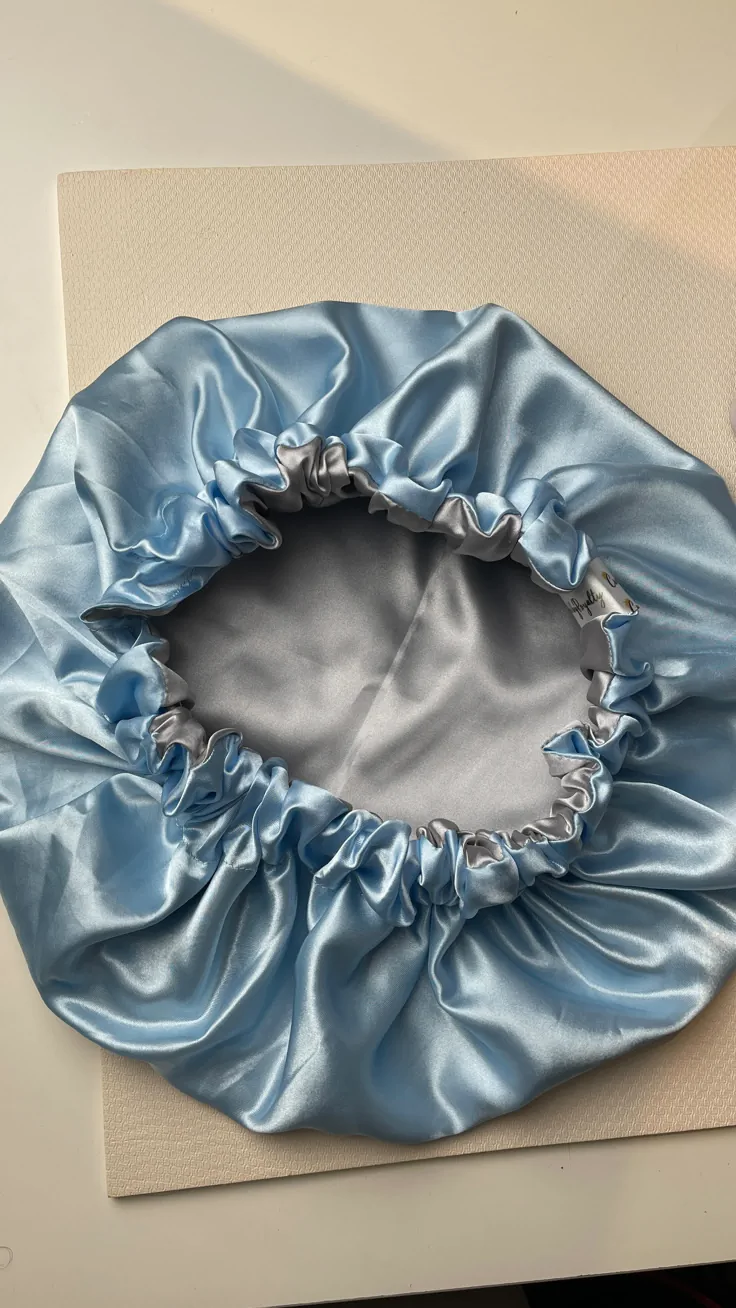
Nighttime routines matter just as much as daytime ones. Cotton pillowcases and bonnets pull moisture out of hair while a child sleeps, undoing a lot of the week’s hard work.
Satin Bonnets for Kids: Do They Help? explains why switching to satin makes such a noticeable difference.
A satin or silk pillowcase works as a backup option too, for kids who resist wearing a bonnet.
Brushing style matters here too. Rough detangling with the wrong tool can break hair and disrupt the moisture you just worked to lock in.
Wide-Tooth Comb vs Detangling Brush helps you pick the gentler option for daily use.
Starting from the ends and working upward, rather than pulling from the root down, also protects moisture and prevents unnecessary snapping.
Protective styles can help stretch moisture between wash days too, since they reduce daily manipulation.
Loose braids or twists keep ends tucked away and shielded from friction, which helps hair stay soft for longer stretches at a time.
Styles that pull too tight, though, can actually cause more breakage near the hairline, so a loose, comfortable fit always works best for kids.
Weather changes throughout the week can throw off even a solid routine, so it helps to stay flexible.
A humid afternoon might call for an extra spray of leave-in, while a dry, windy day might need a bit more oil to seal things down.
Checking in on hair texture daily, rather than sticking to a rigid schedule, keeps moisture levels more consistent overall.
Outdoor play adds its own challenges too, especially during summer months.
Sun exposure alone can fade moisture from hair fast, much like it does with skin.
A light hat or scarf during long stretches outside helps protect both moisture and color from fading too quickly.
Common Mistakes That Dry Hair Out
A lot of dryness comes down to a few repeat habits rather than bad luck.
Using too much protein-based product without balancing it with moisture is one of the biggest culprits. The Hidden Mistake That Could Be Drying Out Your Child’s Hair covers this exact issue in more depth.
Too much protein can leave hair feeling stiff and straw-like, even when it looks shiny at first.
Skipping the water step, as mentioned earlier, is another common one.
Products applied straight onto dry hair simply can’t hydrate the way they’re supposed to.
Adding a spray bottle to your routine solves this problem almost instantly.
Overusing heat tools without a heat protectant also strips moisture fast, even on thicker hair types.
If breakage keeps showing up alongside dryness, 15 Reasons Your Child’s Hair Keeps Breaking (and What to Do About It) dives into the connection between the two.
Heat pulls moisture out of the strand itself, not just the surface, so damage from styling tools can take weeks to fully recover from.
Using too many products at once, or layering the wrong combination, can also weigh hair down without actually improving hydration.
Simplifying the routine to just a few reliable products often gets better results than adding more steps.
Ignoring the scalp is another mistake that quietly dries hair out over time.
A dry, flaky scalp affects the moisture of every strand growing out of it, not just the surface.
Massaging in a lightweight oil once or twice a week helps keep the scalp balanced and supports healthier growth overall.
Letting products sit unused for months, then applying them again without checking freshness, can also cause issues.
Natural oils and creams lose potency over time, especially once opened.
lacing key products every few months keeps the routine working the way it should.
Rushing through the whole routine on busy mornings tends to backfire too.
Products applied too fast, or unevenly, leave some sections coated while others get skipped entirely.
Slowing down, even by just a few extra minutes, usually leads to noticeably softer, more even results across the whole head.
Fixing these small habits usually brings noticeably better results within a week or two.
Signs Your Routine Is Working
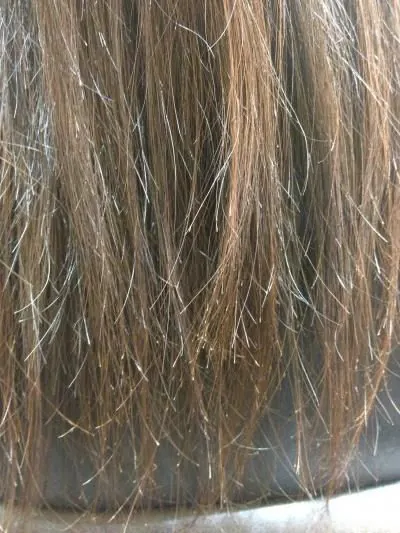
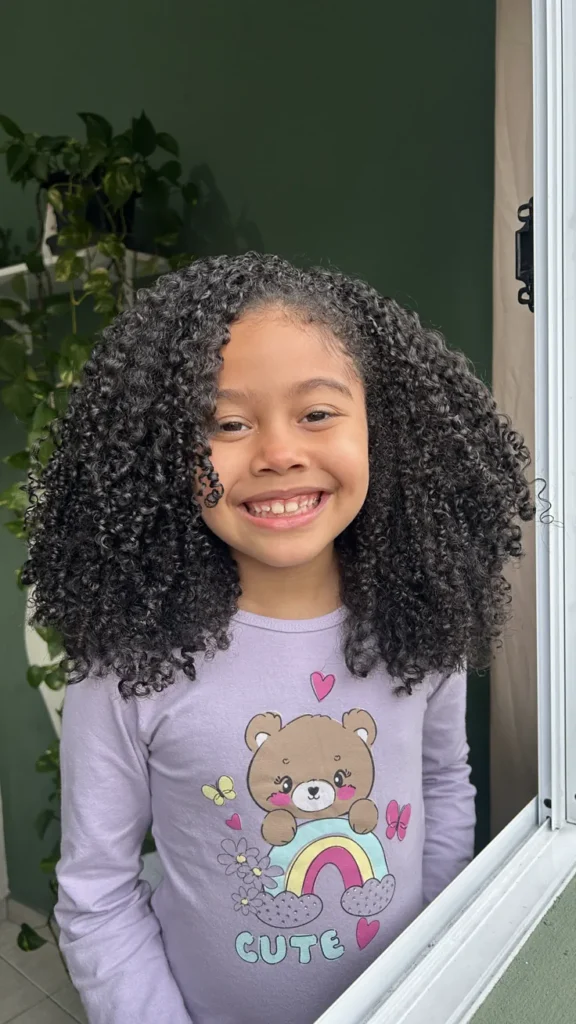
Soft, bouncy curls that don’t feel crunchy or stiff are one of the clearest signs moisture is staying locked in.
Hair should feel pliable when you touch it, not straw-like or brittle. Signs Your Child’s Hair Is Healthy lists a few more markers worth watching for.
Less breakage during detangling is another good sign. If your child’s hair used to snap easily and now stretches or bends instead, that’s real progress.
Shine is a good indicator too, since well moisturized hair naturally reflects more light than dry, dull strands.
Consistency, more than any single product, is usually what gets a routine to this point.
Give any new routine at least two to three weeks before deciding whether it’s working, since hair often needs time to adjust to new products and habits.
Hair that holds a style longer without frizzing back out is another strong sign that moisture levels are finally balanced.
Frequently Asked Questions
How often should I moisturize my child’s hair? Most kids benefit from a light refresh every 2 to 3 days, with deeper moisture added on wash day.
Curlier and coilier hair types often need moisture more frequently than looser textures.
Can I use adult moisturizing products on my child’s hair? Some adult products work fine, but many contain stronger ingredients or fragrances meant for adult scalps.
Choosing gentler, kid-specific formulas is usually the safer option.
Why does my child’s hair feel dry again the next day? This usually means a step is missing, most often the water step before oil and cream. Revisiting the LOC or LCO method often solves this quickly.
Is oil enough to moisturize hair on its own? No. Oil seals moisture in but doesn’t add it, so water or a water-based leave-in always needs to come first.
Does diet affect how moisturized my child’s hair stays? Yes, to some extent. Staying hydrated and eating foods with healthy fats can support hair health from the inside, though topical care still does most of the work.
What if my child’s hair still feels dry after trying everything? A trim might help, since dry, damaged ends can make the whole head feel drier than it actually is.
Checking in on product buildup and washing frequency is also worth doing at this point.

Final Thoughts
Moisturizing kids hair properly comes down to a few simple habits done consistently, not a long list of expensive products.
Starting with water, layering the right products in order, and protecting that moisture overnight makes the biggest difference.
How to Build a Healthy Hair Routine for Kids is a great next step if you want to build this into a full daily and weekly plan.
Small changes add up fast, and soft, healthy hair usually follows within just a week or two of sticking to the basics.
Once the routine becomes second nature, moisture stops feeling like a daily chore and turns into just another easy part of your child’s week.

11 Comments