60 Protective Styles That Last All Week
Disclosure: Some of the links in this post are affiliate links. This means if you click on the link and purchase an item, I will receive an affiliate commission at no extra cost to you.
Some hairstyles survive gym class, nap time, and a rainy walk to the bus stop without losing their shape. Others fall apart by Tuesday morning.
That is the real test of good protective styles for kids. It is why so many parents keep a running list of the ones that actually hold up.
Protective styles for kids do more than look neat. They tuck away the ends and cut down on daily manipulation.
They also give growing hair a break from constant brushing and heat. The 17 Protective Hairstyles for Active Kids roundup covers a smaller set of these favorites. It makes a good quick starting point.
Sitting down together for a styling session often becomes a cherished part of the week. Many parents look back on those hours of parting and braiding fondly.
They remember the chatting as some of their favorite memories with their child. A good playlist and a comfy cushion help a lot.
Following The Best Wash Day Routine for Kids beforehand can turn the whole process into something to look forward to.
Below you will find 60 real, searched, and pinned styles sorted into braids, cornrows, twists, and other protective options.
Grab a comb and some clips, because there is a style here for every hair type, length, and schedule.
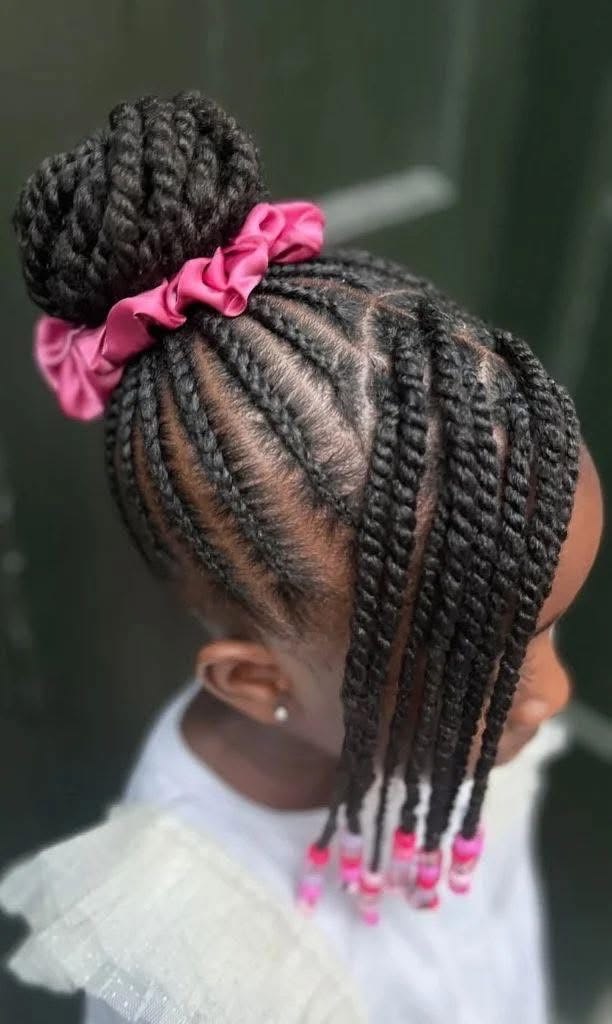
Braided Protective Styles for Kids
Braids are the classic protective style for good reason.
They come in dozens of shapes and sizes and work on almost every hair type.
They hold up for a week or longer with the right care.
Below are fifteen braided protective styles for kids, from everyday classics to styles with a little more flair.
1. Box Braids
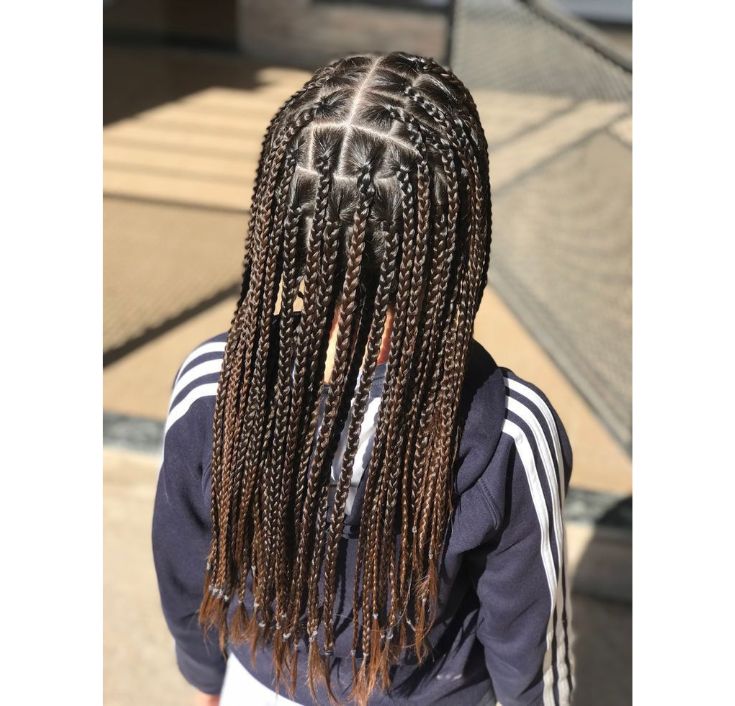
Box braids are square-parted braids that work well on medium to long hair.
They give a clean look and can last two to four weeks with proper care.
Add beaded ends for fun, and check the Box Braids for Kids: Everything Parents Should Know guide for sizing tips.
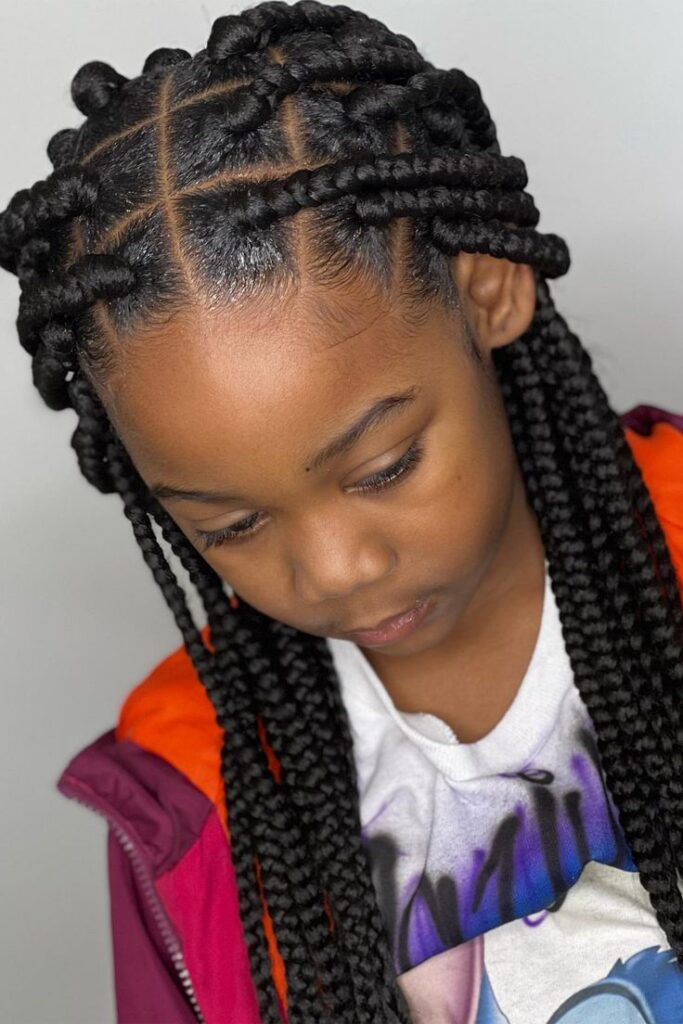
2.Knotless Braids
Knotless braids start flat against the scalp instead of with a tight knot, which makes them gentler on tender hairlines.
They suit toddlers through teens and look natural as they grow out.
The 21 Cute Knotless Braids for Kids guide has extra styling ideas if this becomes a favorite.
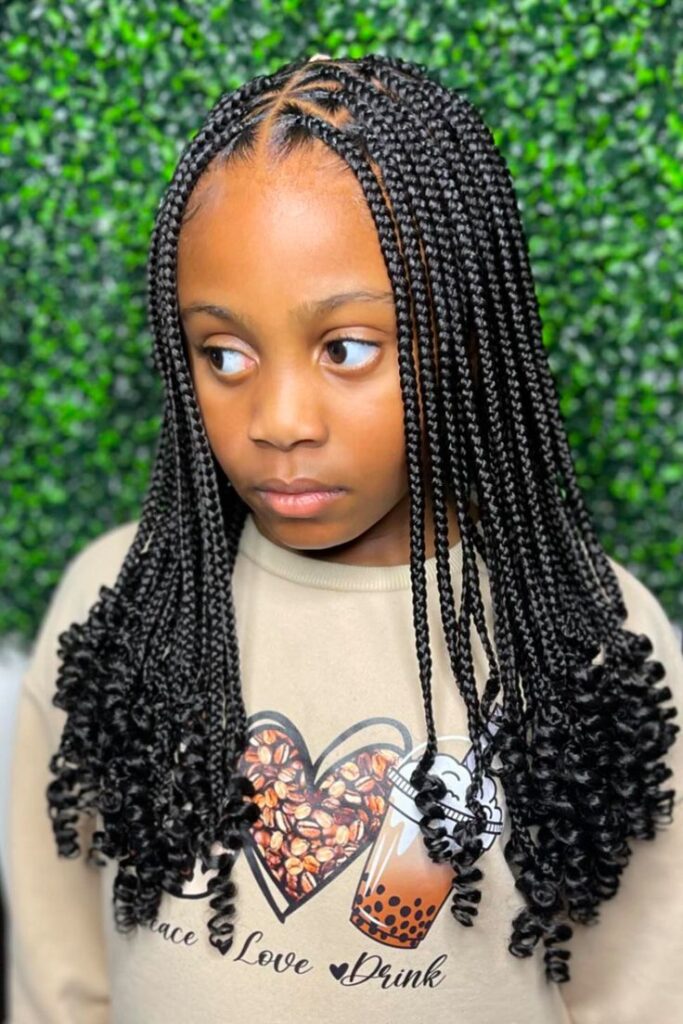
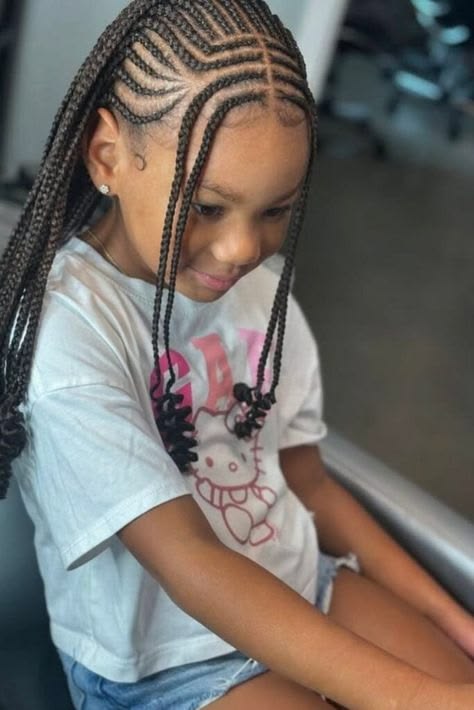
3. Fulani Braids
Fulani braids combine cornrows down the middle with braids on the sides, often finished with beads.
They work best on medium length hair and suit school, parties, or family photos equally well.
Keep the center row a little looser so the style stays comfortable through the week.
4. Lemonade Braids
Lemonade braids sweep to one side in long, flowing rows, usually ending past the shoulder.
They flatter most face shapes and photograph beautifully for picture day.
A side clip or ribbon at the part keeps the sweep from shifting during active play.
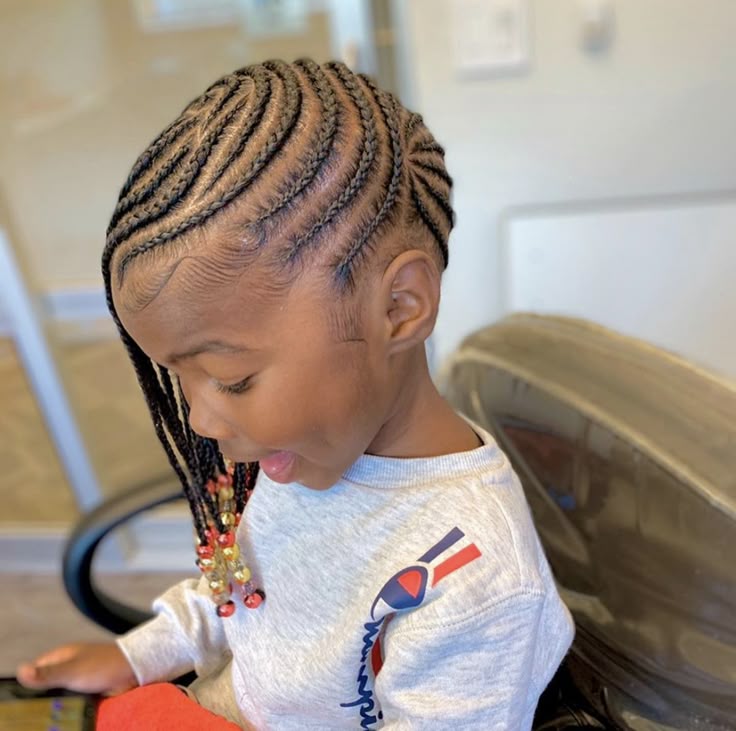
5. Feed-In Braids
Feed-in braids gradually add in extra hair as they go, which keeps the base flat and comfortable.
They work on fine or thick hair and reduce tension compared to braids with a heavy starting knot.
Check the 30 Feed-In Braids for Little Girls roundup for more parting patterns to try.

6. Stitch Braids
Stitch braids use a very fine, straight part that creates a raised, stitched look along the scalp.
They need patience to install but hold their sharp lines for over a week.
This style suits older kids who can sit still for a longer session.

7. Tribal Braids
Tribal braids use thick, curved parts inspired by traditional African braiding patterns.
They stand out for special occasions and work on natural or added hair alike.
The How to Identify Your Child’s Hair Type guide can help a stylist plan the parting sizes ahead of time.
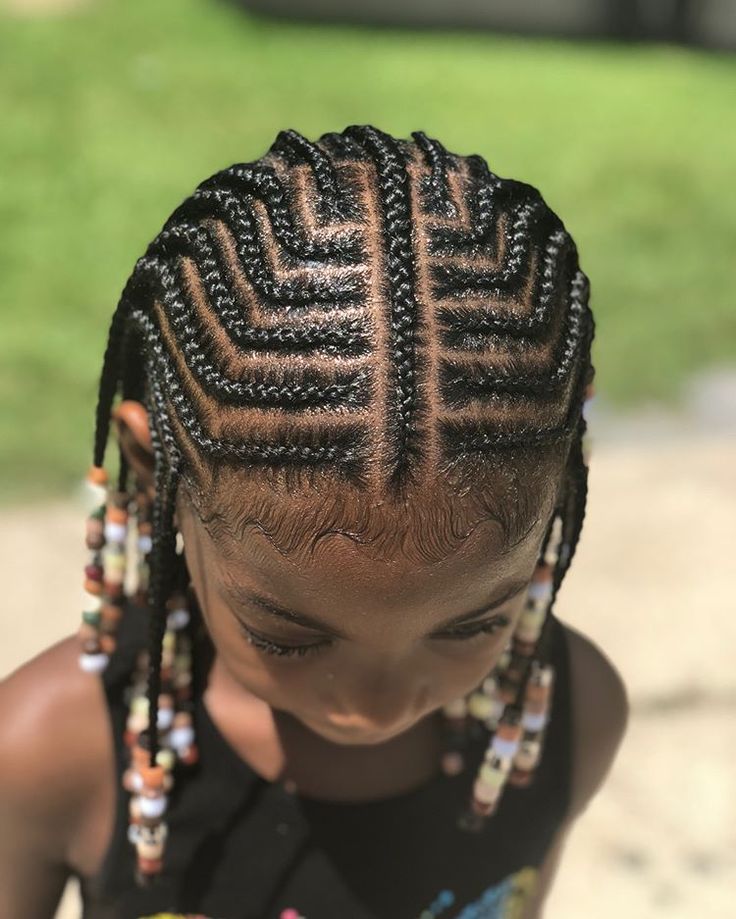
8. Goddess Braids
Goddess braids are sectioned braids blended with big, loose curls running through the full length, not just the ends.
They give a soft, glamorous look similar to boho braids, but with larger, bouncier curls throughout.
This style suits recitals, weddings, or any occasion that calls for a dressed-up finish.

9. Boho Braids
Boho braids leave loose, curly pieces pulled out along the part for a soft, undone look.
They work well on textured hair and give a relaxed, playful feel.
This style needs a bit more upkeep since the loose curls can frizz with active play.

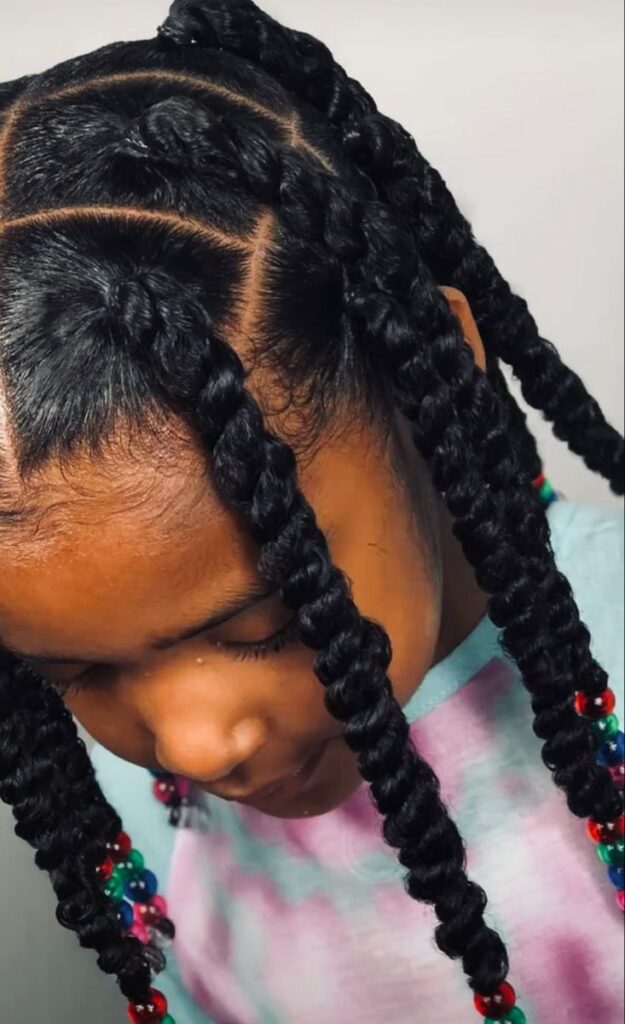
10. Jumbo Braids
Jumbo braids use extra-large sections, which means fewer braids and a shorter install time.
They suit kids who get restless during long styling sessions.
The bold size also makes them easy to spot on a busy playground.
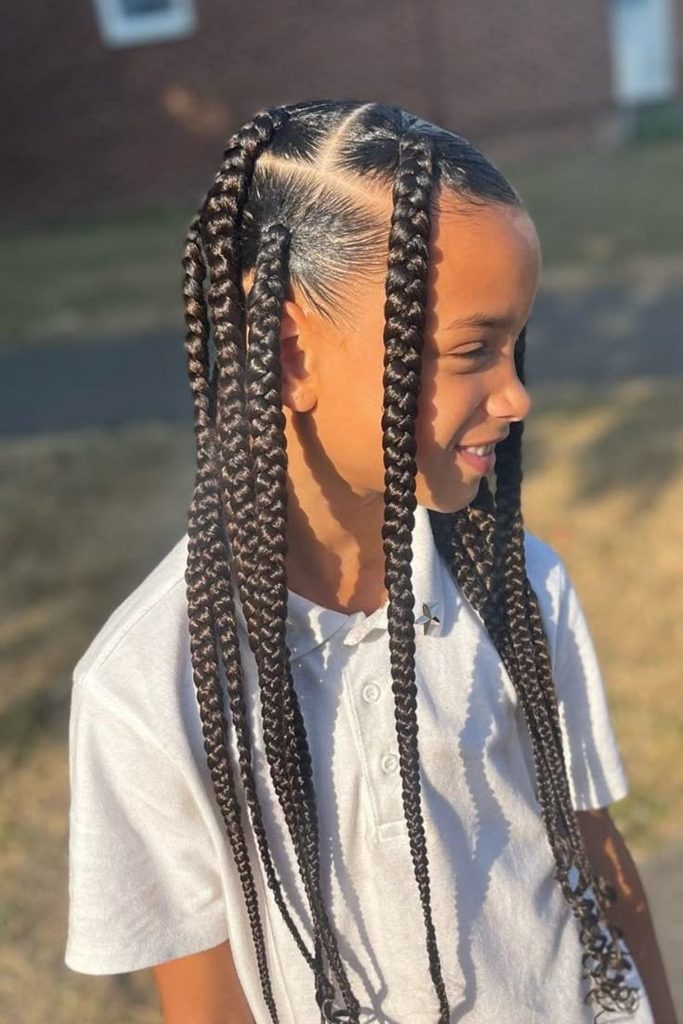
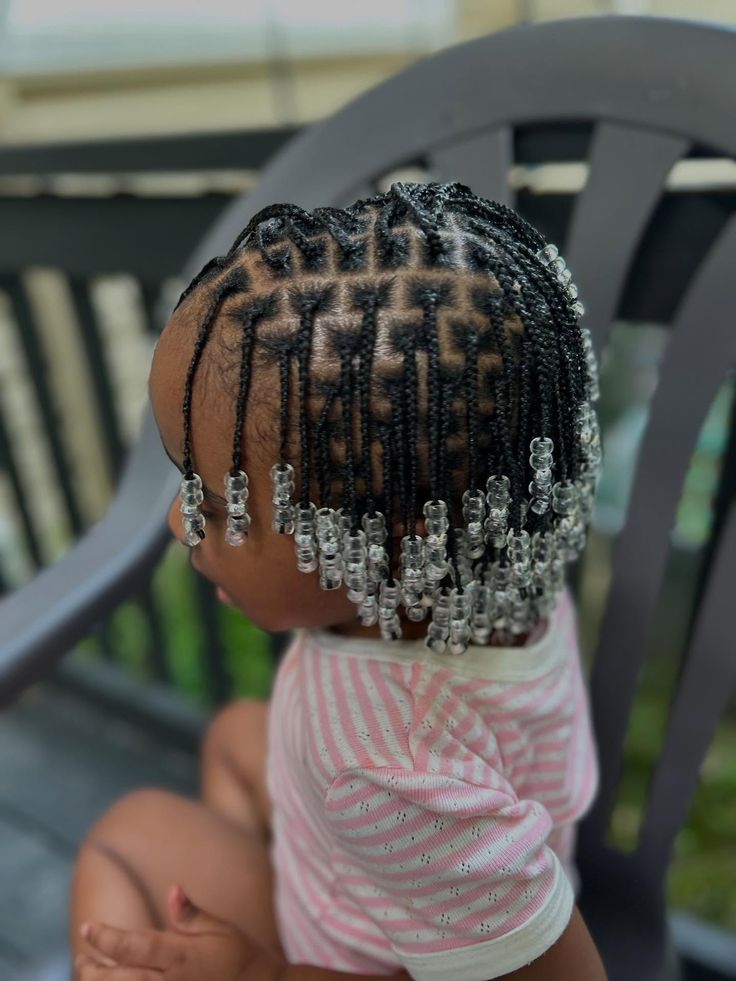
11. Mini Braids
Mini braids use very small, square-parted sections for a fuller, more detailed look that can last three to four weeks.
Clear or colored beads at the ends add a fun finishing touch and a bit of movement.
They take longer to install, and How to Moisturize Kids Hair Properly between washes helps them stay neat that long.
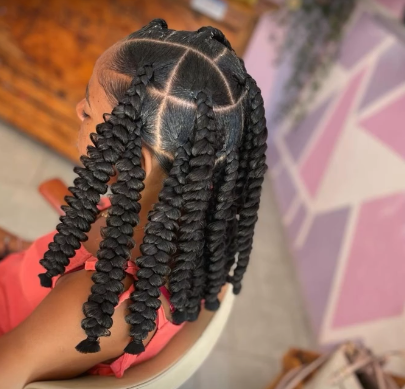
12. Butterfly Braids
Butterfly braids are loosely woven and slightly undone, giving a soft, textured finish rather than tight, sleek rows.
They suit kids who want a protective style with a more relaxed vibe.
This look works especially well on second or third day hair.
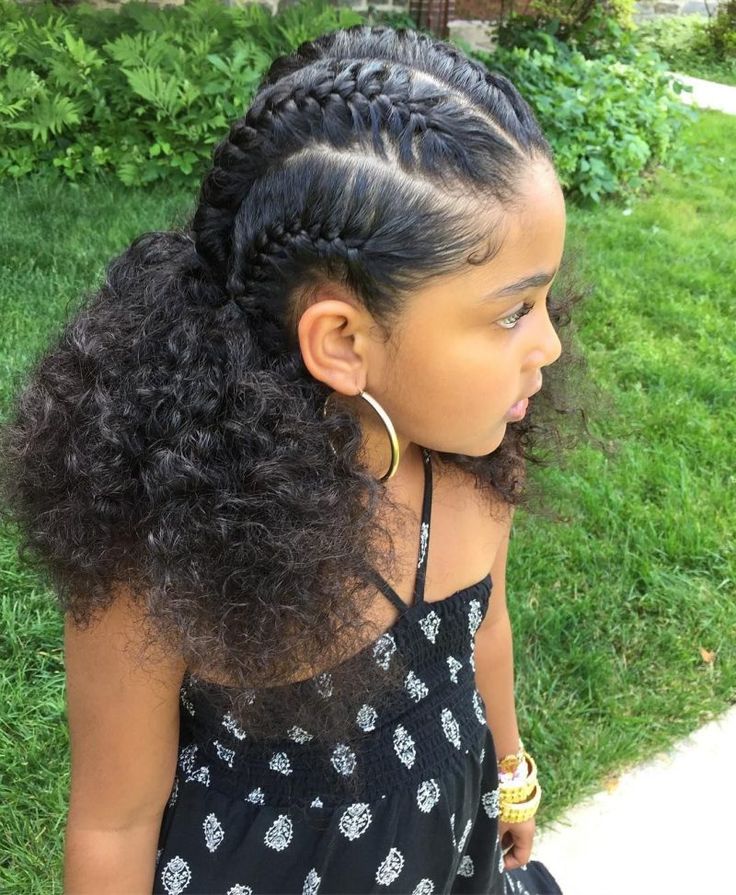
13. French Braids
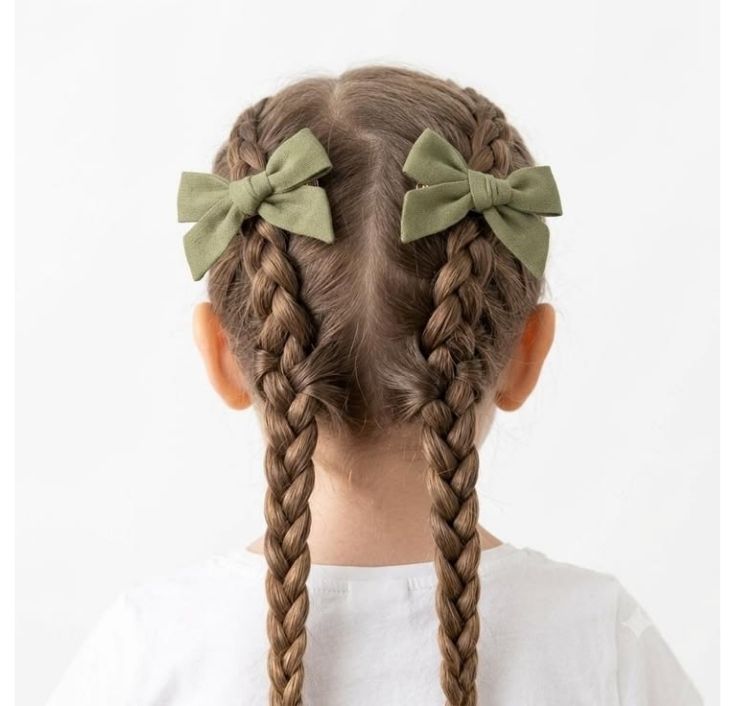
French braids weave hair from the scalp outward in three-strand sections that lie flat against the head.
A Wide-Tooth Comb vs Detangling Brush comparison helps, since smooth sections make this style easier to weave.
Two French braids down the back make a simple, sturdy option for gym days.
14. Dutch Braids
Dutch braids use the same technique as French braids but cross strands underneath instead of over.
The braid sits raised on top of the head.
They hold up well through sports practice and sleep.

15. Micro Cornrow Braids
Micro cornrow braids use very thin rows finished with small braided ends, blending two techniques into one detailed style.
They take a full session to complete but last several weeks with care.
This option suits older kids ready for a longer sitting time.

Cornrow Protective Styles for Kids
Cornrows are one of the most versatile protective styles for kids.
The same basic technique can be arranged into dozens of patterns.
They lie flat against the scalp, which makes them ideal for sports and active play.
The sixteen cornrow styles below range from simple straight rows to detailed designs with beads and shapes.
16. Cornrows
Classic cornrows are straight, raised rows braided close to the scalp from front to back.
They suit every hair type and length, making them a reliable go-to style.
The 35 Cornrow Styles for Kids roundup has more pattern ideas once the basics feel easy.
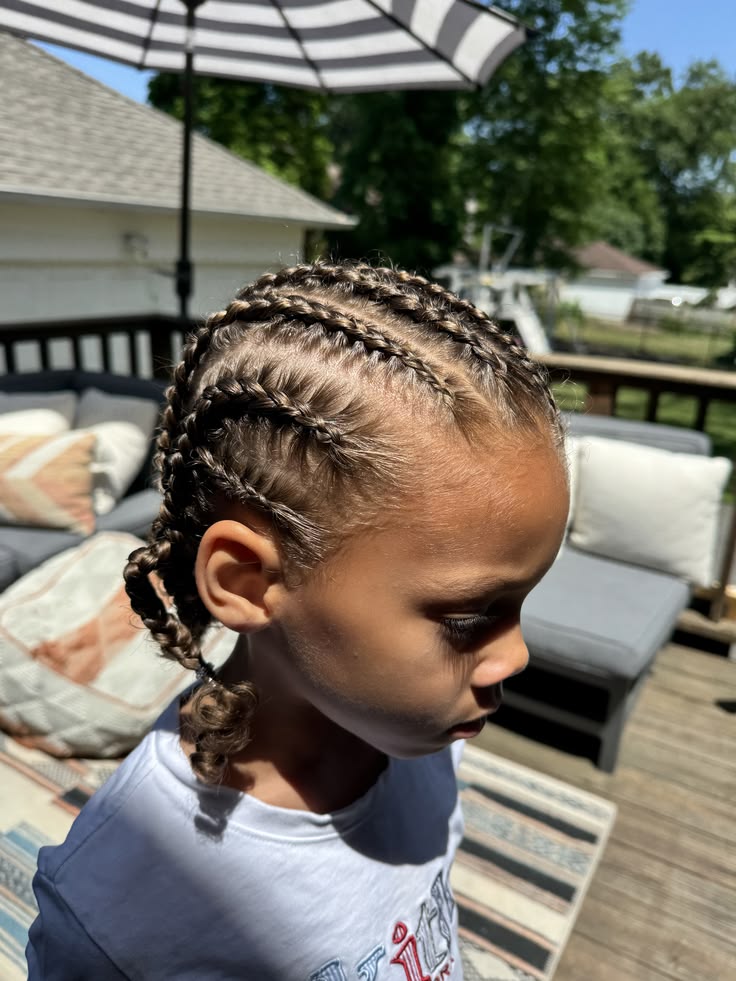
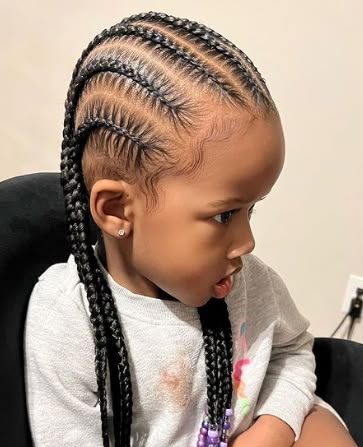
17. Straight-Back Cornrows
Straight-back cornrows run in parallel lines from the hairline to the nape without any curves.
They are quick to install and easy to maintain for a full week.
This simple pattern works well for everyday school mornings.
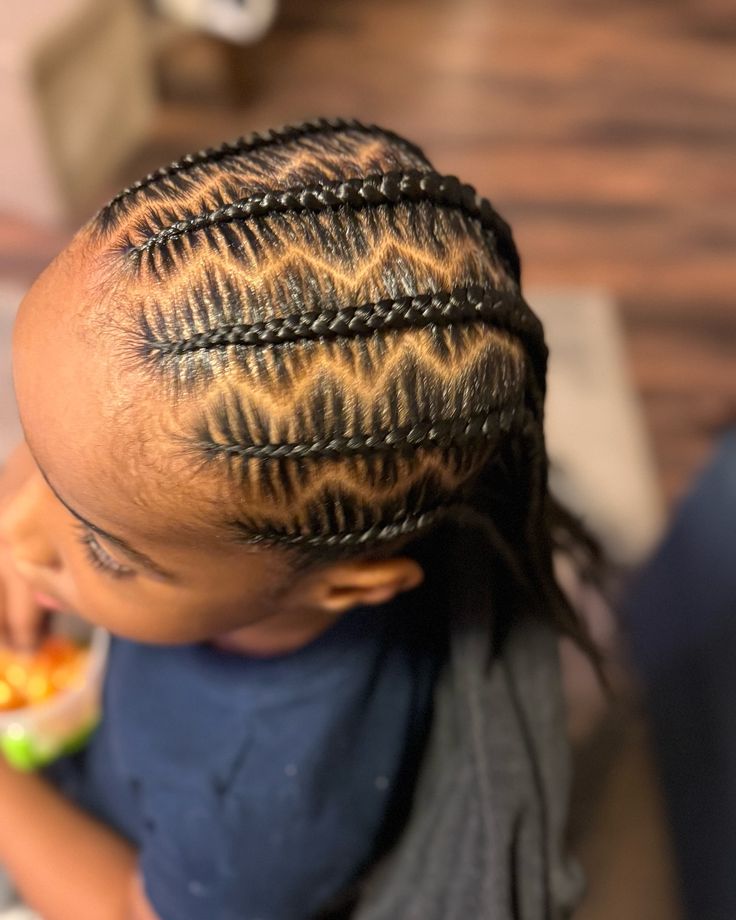
18. Zigzag Cornrows
Zigzag cornrows use a wavy, jagged parting pattern instead of straight lines.
They add visual interest without much extra styling time.
Kids often enjoy watching the zigzag pattern take shape in the mirror.
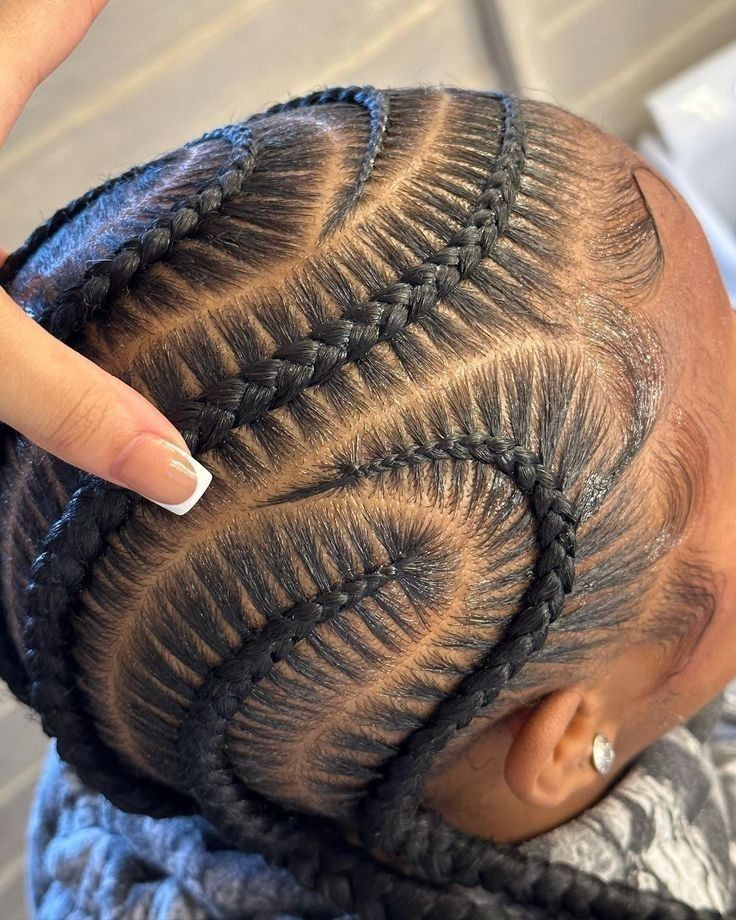
19. Curved Cornrows
Curved cornrows follow gentle, sweeping lines around the head rather than straight paths.
They flatter round and oval face shapes especially well.
This pattern pairs nicely with a side part for a softer finish.
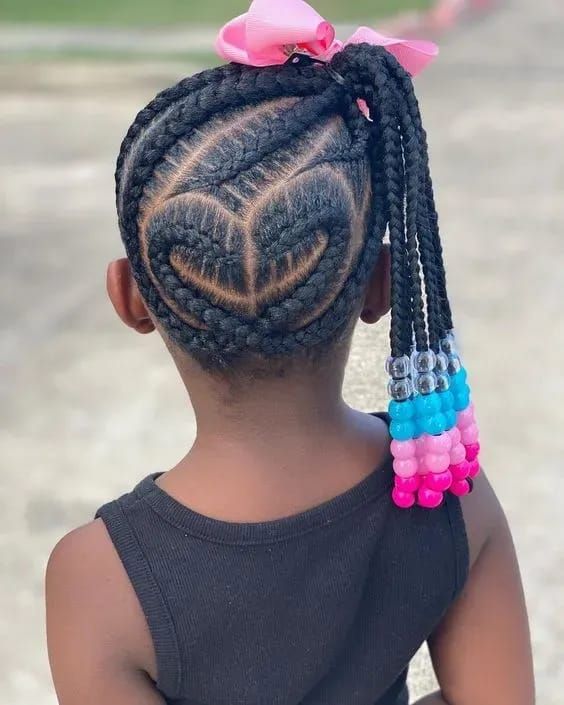
20. Heart-Shaped Cornrows
Heart-shaped cornrows use curved parts that meet to form a heart somewhere on the scalp, often near the crown.
They make a sweet choice for Valentine’s Day or a birthday photo.
Keep the heart shape simple so it stays recognizable as hair grows.
21.Cornrow Ponytail
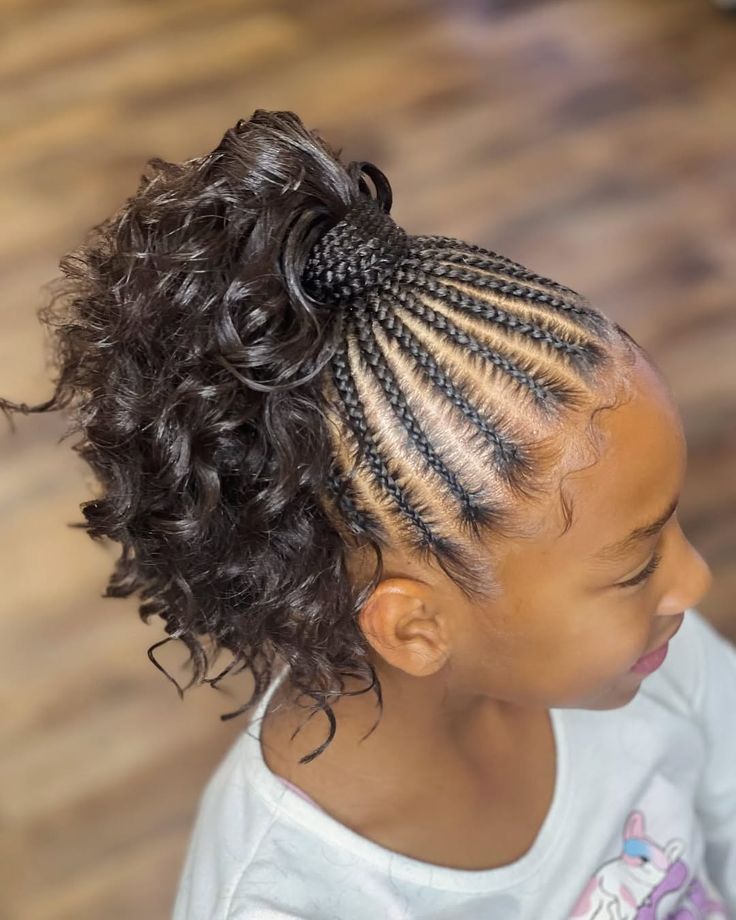
A cornrow ponytail gathers several rows into one high or low tail at the back or side.
It keeps hair fully off the face for gym class or hot weather.
Wrap the base with a small section of hair to hide the elastic.
22. Cornrow Mohawk
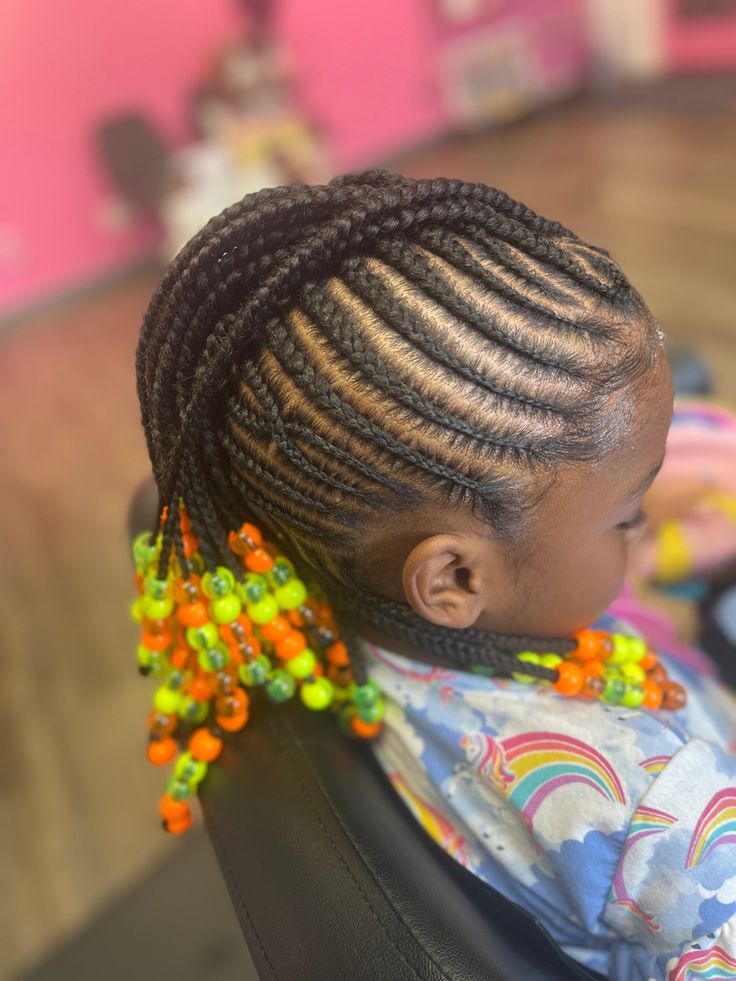
A cornrow mohawk leaves a raised center strip of rows while the sides are cornrowed flat .
It gives a bold, fun look for kids who like to stand out.
This style photographs especially well from the side.
23. Cornrow Bun
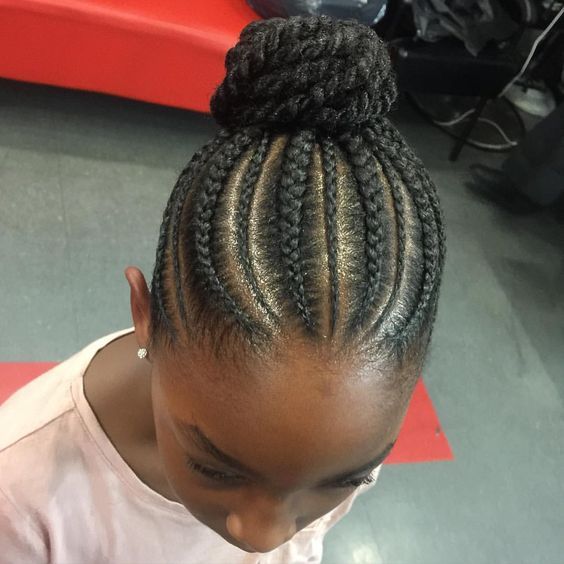
A cornrow bun braids the sides down into a neat bun or knot at the crown or nape.
It is one of the tidiest options for school, since there is nothing left loose to unravel.
This style also works well tucked under a hat.
24. Cornrow Pigtails
Cornrow pigtails split the rows into two even sections finished as twin ponytails.
They suit toddlers and preschoolers especially well since the two-section style is easy to manage.
Add small bows for a classic finishing touch, following ideas from Hair Bows for Kids That Stay in Place.

25. Two-Row Cornrows
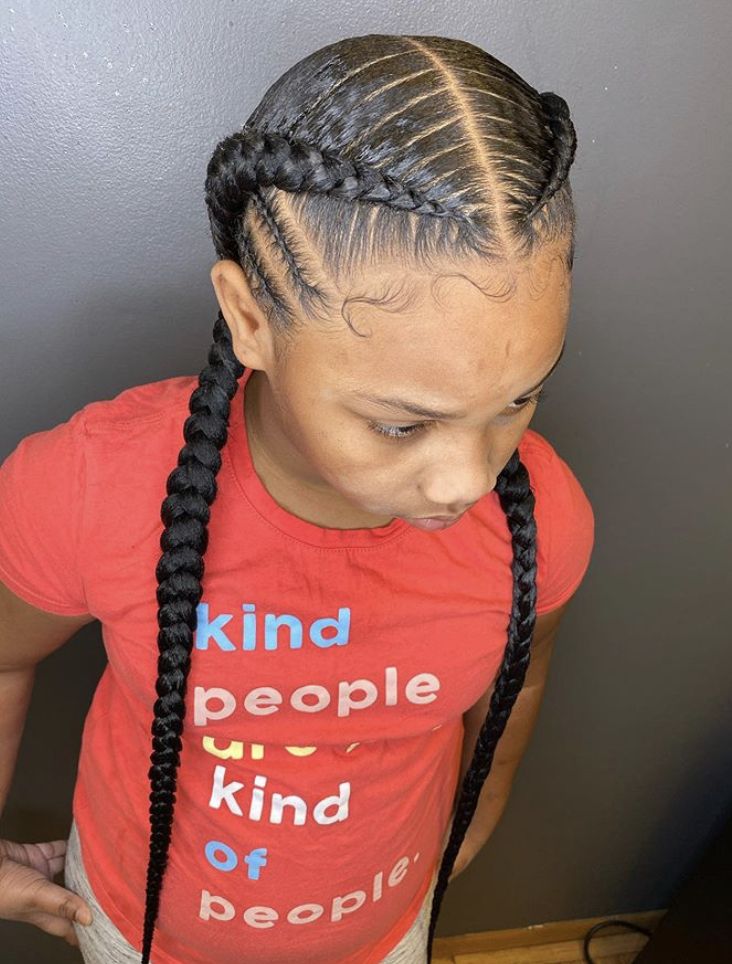
Two-row cornrows use just two thick braids running front to back, making this one of the fastest styles to install.
They work well for a quick refresh between fuller styles.
This simple option also travels well for vacations.
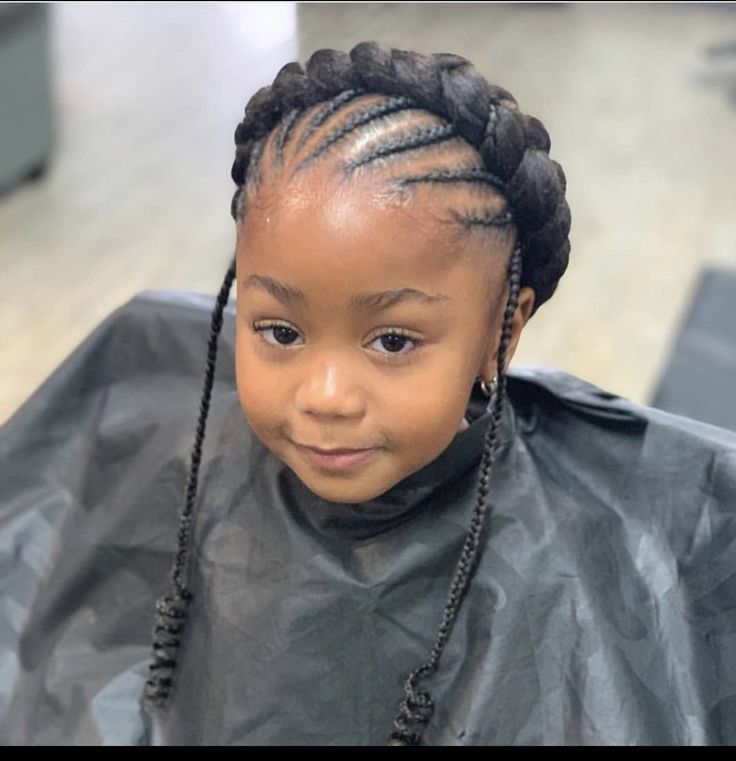
26. Halo Cornrows
Halo cornrows circle the head in a ring, meeting at one point like a crown.
They keep hair off the face for hot days and expose the scalp for easy checks.
The The Best Scalp Care Routine for Children guide covers what to look for.
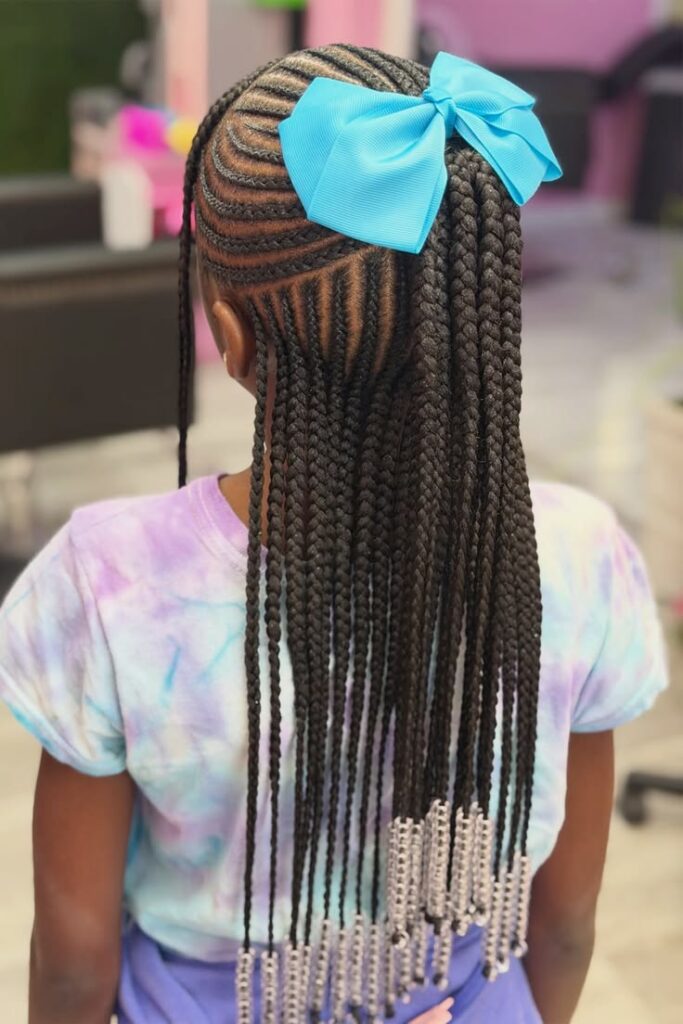
27. Half-Up Braided Ponytail
Cornrows are braided at the crown and gathered into a half-up ponytail, with the rest of the hair left down in loose braids.
The style keeps hair off the face while still showing off length.
Beads or a bow at the ponytail base add a finishing touch.
28. Stitch Cornrows
Stitch cornrows use a very fine, precise part that gives each row a sharp, stitched appearance.
They take extra time to install but hold their crisp lines the longest.
This detailed style suits special occasions or older kids with patience to spare.

29. Side-Part Cornrows
Side-part cornrows start from a deep side part instead of a center part, giving an asymmetrical look.
They work well paired with a small design near the part.
This style also flatters kids who prefer hair swept away from one eye.

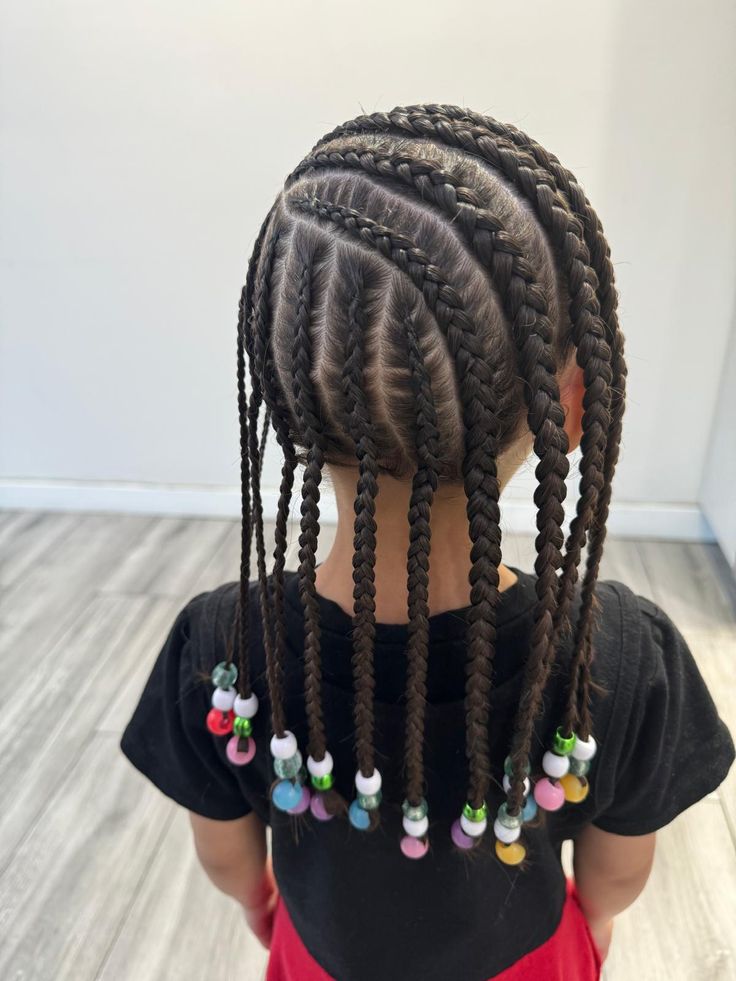
30. Cornrows With Beads
Cornrows with beads finish each row, or just the ends, with colorful or clear beads for extra flair.
They add movement and sound that many younger kids love.
The The Best Hair Accessories for Kids guide has tips on choosing beads light enough to stay comfortable.
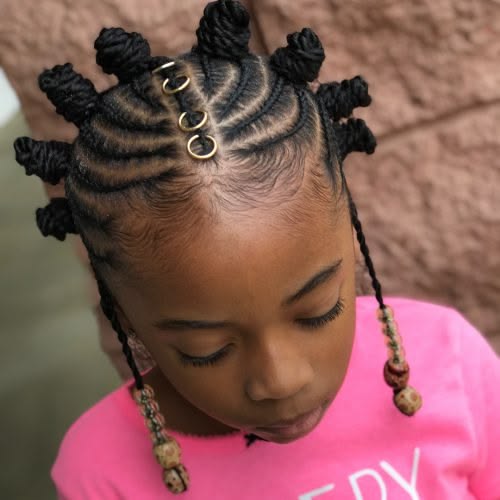
31. Cornrow Bantu Knots
Cornrow Bantu knots braid the scalp into rows, then twist and coil the ends into small knots.
They combine two protective techniques into one detailed style.
This look suits kids who want something different from straight cornrows alone.
Twist Protective Styles for Kids
Twists use two strands wrapped around each other instead of three-strand braiding, which usually makes them faster to install.
They work beautifully with added hair or natural curls.
They give a soft, defined look that suits almost any occasion.
The ten twist styles below range from simple two-strand sets to styles made with extensions for extra length.
32. Two-Strand Twists
Two-strand twists wrap two sections of hair around each other from root to tip.
They are one of the simplest protective styles for kids and a great pick for families just starting out.
The The Complete Beginner’s Guide to Kids Hair Care has more on this one.
This style also doubles as a heatless curl method once unraveled.
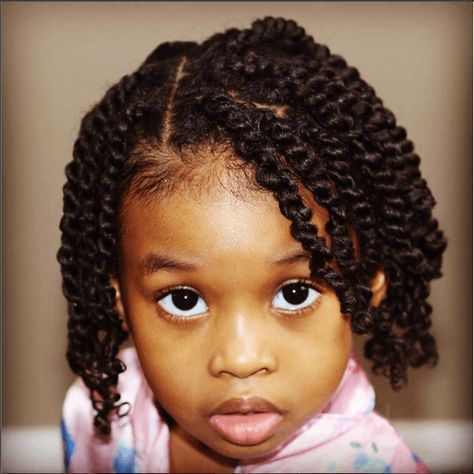
33. Flat Twists
Flat twists lie close to the scalp like cornrows but use a twisting motion instead of braiding.
They give a smooth, rope-like texture and suit shorter styling sessions.
Combine them with a puff at the back for a quick, cute finish.
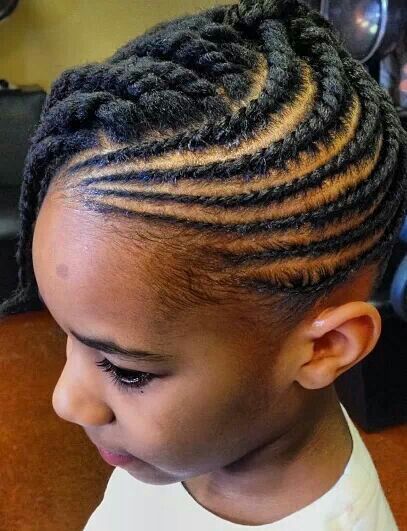
34. Senegalese Twists
Senegalese twists use added hair for a sleek, rope-like finish that can reach any length the parent chooses.
They suit school-age kids and older who can handle a longer install time.
A light Leave-In Conditioner vs Hair Milk for Kids comparison is worth reading before installing to prep the hair properly.
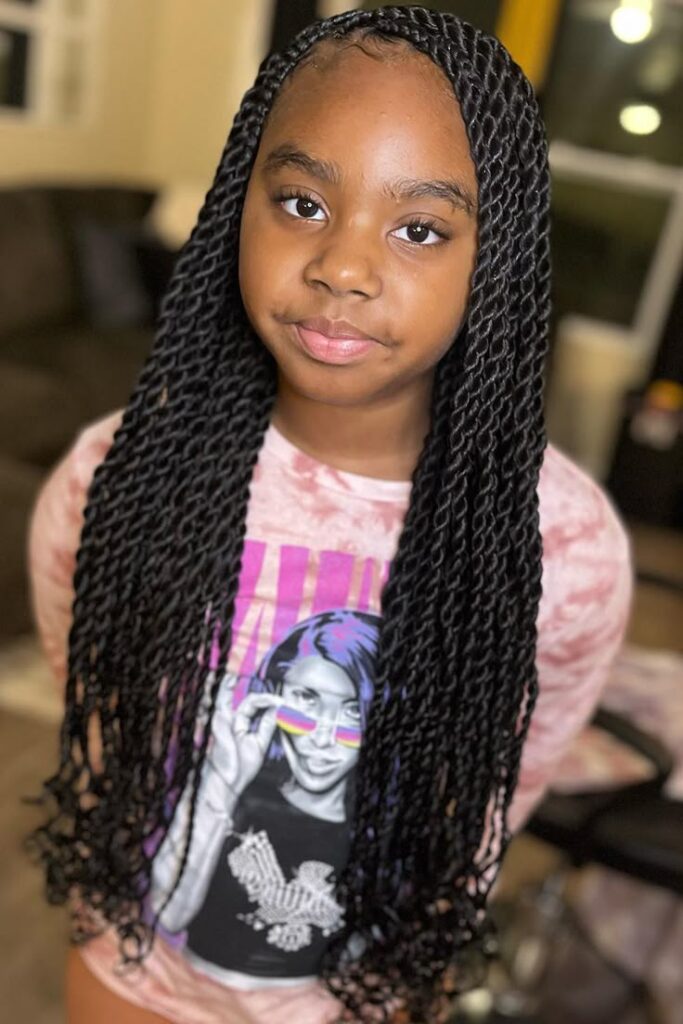
35. Marley Twists
Marley twists use a textured, kinky hair extension that blends naturally with coilier hair types.
They give a fuller, more voluminous look than smoother twist styles.
This option works especially well for kids with looser curl patterns underneath.

36. Havana Twists
Havana twists use a thicker, softer extension hair for a bouncier, less structured look than Senegalese twists.
They install faster since fewer, thicker twists are needed.
This style suits kids who want length without a heavy braid count.
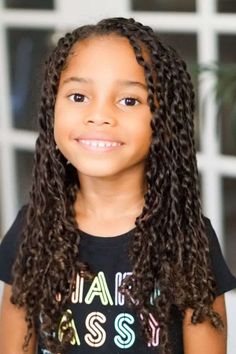
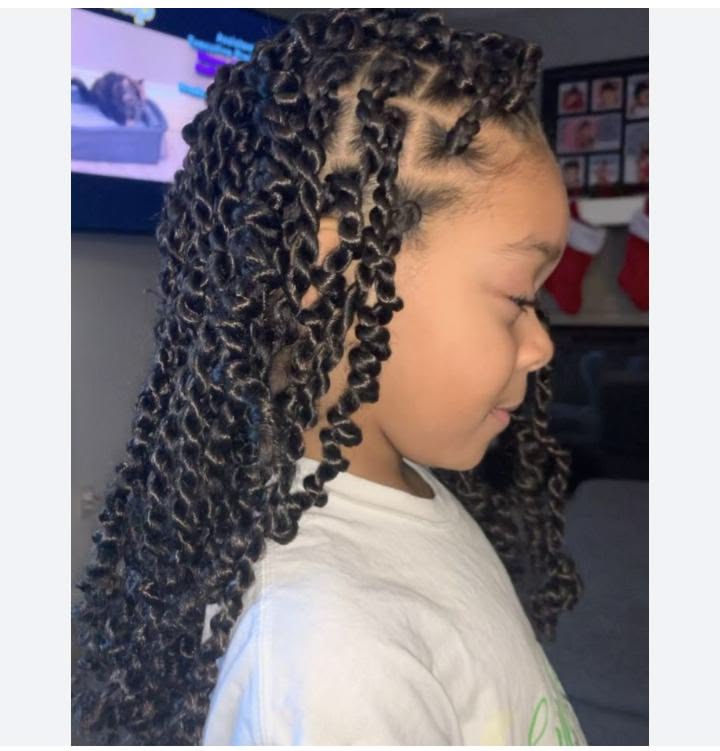
37. Passion Twists
Passion twists use a wavy, pre-curled extension that gives a naturally textured finish right out of the install.
They need very little extra styling once complete.
This low-fuss quality makes them popular for busy family schedules.

38. Spring Twists
Spring twists use a tightly coiled extension hair that keeps its bounce without any curling needed.
They give instant volume and hold their shape through active weeks.
This style also shrinks less over time than some looser twist options.
39. Rope Twists
Rope twists use a tighter twisting technique that creates a defined, cord-like texture.
They photograph well and hold their shape especially long.
This detailed style suits older kids ready for a bigger styling session.

40. Mini Twists
Mini twists use small sections for a fuller, more natural look that can last several weeks with care.
They take longer to install but blend seamlessly with natural hair.
Nighttime pineappling, gathering hair loosely on top, helps them stay neat.
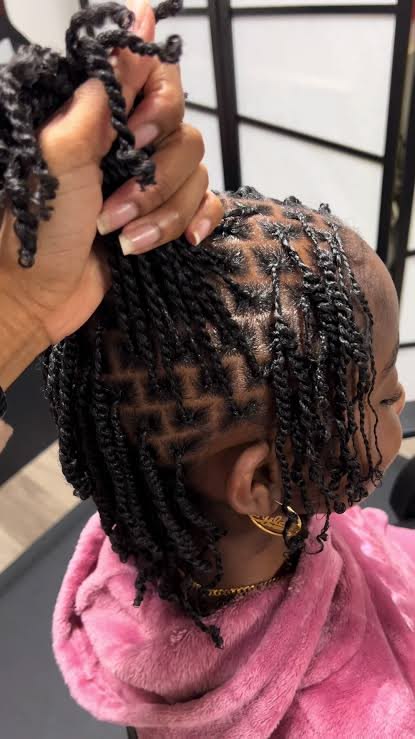
41. Jumbo Twists
Jumbo twists use large sections for a quicker install and a bold, chunky look.
They suit kids who cannot sit for long styling sessions.
This size also makes take-down day faster when the style is ready to come out.
Other Protective Styles Worth Trying
Beyond braids, cornrows, and twists, there are several other protective styles for kids worth having in the rotation.
Crochet methods, locs, and knot styles each offer a different balance of install time and wear time.
Upkeep varies quite a bit across these options too.
The nineteen styles below round out a well-stocked list for any season.
42. Bantu Knots
Bantu knots coil small sections of hair into tight, round knots close to the scalp.
They protect the ends completely and can be worn as-is or unraveled for curls.
This low-manipulation option supports the Signs Your Child’s Hair Is Healthy checklist between bigger, longer-lasting styles.

43. Bantu Knot Mohawk
A Bantu knot mohawk lines a row of knots down the center of the head.
The sides braided flat while the middle is lined up with bantu knots.
It gives a bold, playful look for kids who enjoy standing out and photographs well from above.
44. Bantu Knots With Cornrows
This style combines flat cornrows on part of the head with Bantu knots finishing the rest.
It offers variety within a single install and works well for kids who get bored of one texture.
The mix also helps the style last a bit longer overall.
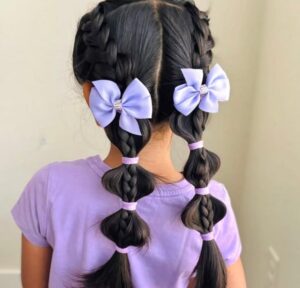
45. Bubble Braids
Bubble braids use small elastics along a ponytail or braid to create rounded, bubble-like sections.
They add a playful shape without needing added hair.
This style works especially well on hair that is mostly out and needs a shorter-term protective option.

46. Braided Bantu Knots
Braided Bantu knots start each section with a small braid before coiling it into a knot.
This adds extra hold compared to knots made from loose hair alone.
The style suits kids with looser curl patterns who need a bit more grip.

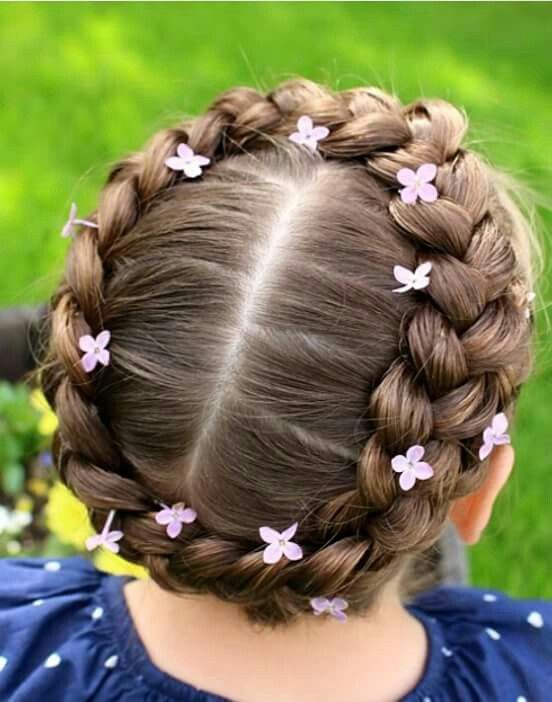
47. Halo Braid
A halo braid wraps a single thick braid around the head like a crown, tucking in the ends.
It keeps hair fully off the face and neck.
This elegant option suits recitals, weddings, and events like those in 35 Recital Hairstyles That Stay Perfect.
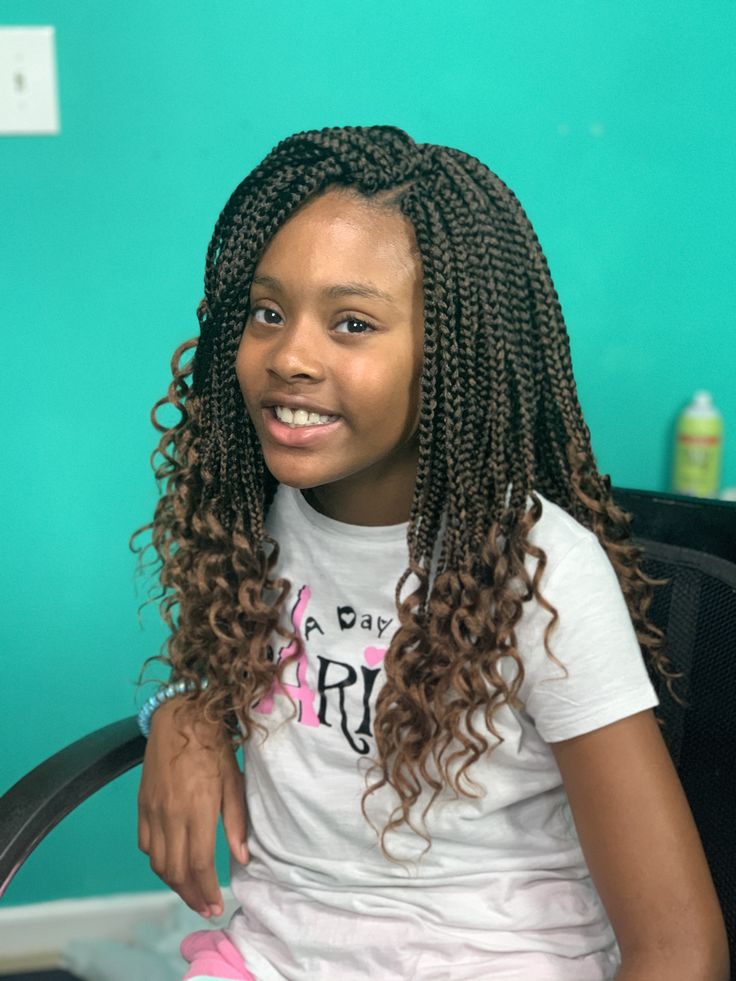
48. Crochet Braids
Crochet braids attach pre-made braided extensions to small cornrow bases using a crochet hook.
They install much faster than traditional braiding methods.
This technique works well for parents short on time who still want a fuller protective look.
49. Crochet Box Braids
Crochet box braids use pre-made box braid extensions attached with the crochet method.
This gives the same square-parted look in a fraction of the install time.
It suits busy weeks when a full braiding session is not possible.
50. Crochet Twists
Crochet twists attach pre-twisted extension pieces to a cornrow base for a faster twist install.
They offer the look of Senegalese or Marley twists without the longer hand-twisting process.
This method also tends to be gentler on tired little arms and shoulders.

51. Crochet Passion Twists
Crochet passion twists use the same wavy, textured extension as regular passion twists, attached with a crochet hook for speed.
They give a naturally curly finish right away.
This combination suits families who love the look but need a shorter session.

52. Crochet Locs
Crochet locs attach faux loc extensions to a cornrow base, giving the loc look without any permanent commitment.
They can be removed at the end of the style’s life with no impact on natural hair.
This makes them a popular choice for a first loc-style experiment.
53. Crochet Curly Hair
Crochet curly hair uses loose, curly extension pieces attached at the root for a full, natural-looking style.
It gives volume and movement while still protecting the hair underneath.
This option works well for special events that call for a fuller look.

54. Butterfly Locs
Butterfly locs use a distressed, textured wrapping technique that leaves a soft, wavy finish along each loc.
They give a bohemian look that suits older kids and teens.
This detailed style needs a longer install session but lasts several weeks.

55. Bohemian Locs
Bohemian locs mix in curly extension pieces along the length of each loc for extra texture and movement.
They give a fuller, more romantic look than smoother loc styles.
This option pairs well with a center or deep side part.

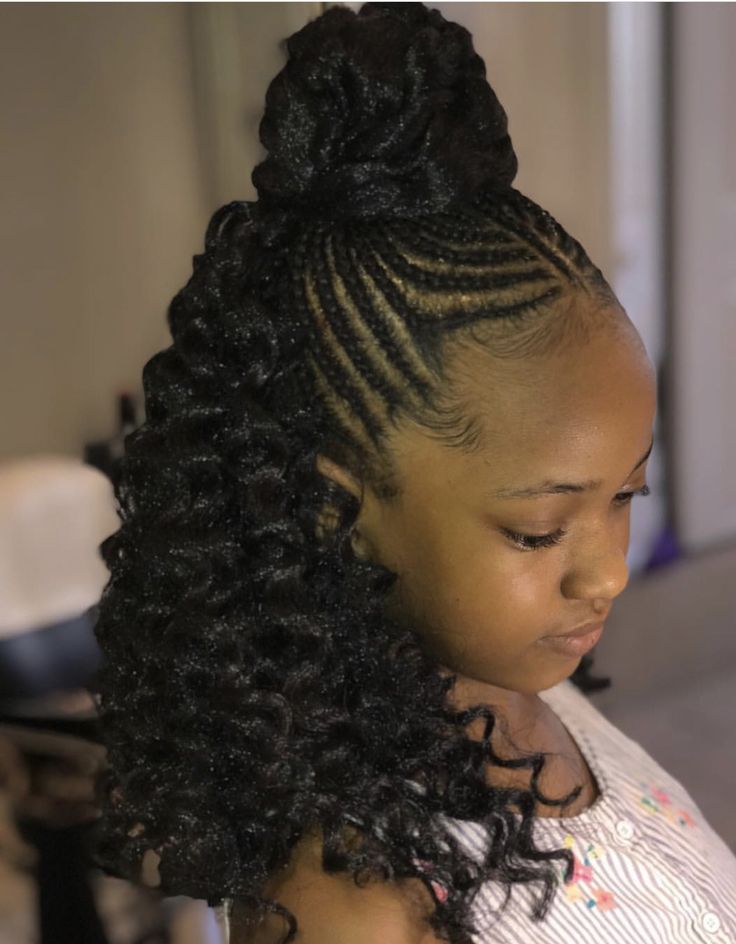
56.Crochet Curly High Bun
Fine cornrows braid the front section, gathering into a bun at the crown.
The rest of the curly crochet hair is left down for a full, glamorous look.
It suits recitals, family photos, or any dressed-up occasion.
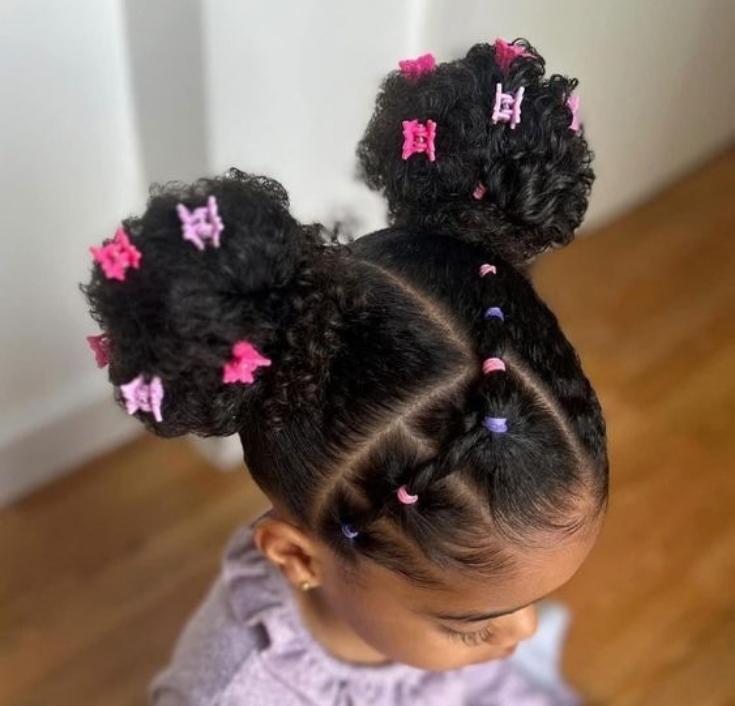
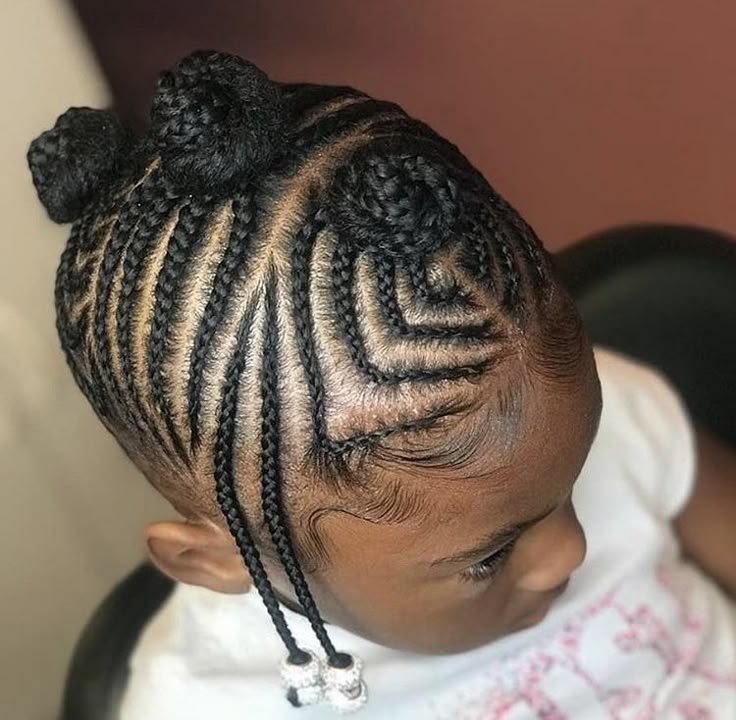
57. Cornrow Space Buns
Curved cornrows sweep up from the front and sides, gathering into two buns at the crown.
A few loose pieces left out at the front can be finished with beads or cuffs for extra detail.
This style keeps hair fully secured for active play while still looking polished for photos

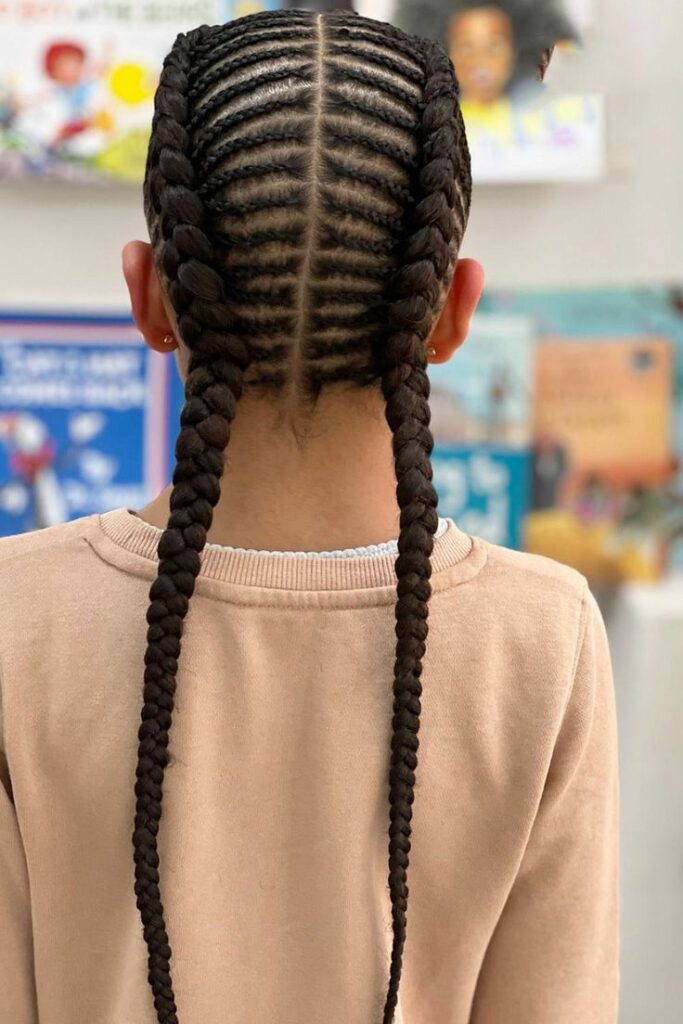
58.Fishbone Braids
Smaller cornrows angle in from the crown in a herringbone pattern, interlacing into two thick braids on either side.
This detailed technique gives more texture and dimension than a plain flat cornrow.
It stays neat up top while still giving two full, jumbo braided tails.
59.Cornrows with Twist-Out Pigtails
This style gathers rows of cornrows into two even pigtails on each side.
The ends are finished with a twist-out for a soft, springy texture instead of straight braided tips.
Ribbon bows and beads at the base dress it up for photos or special occasions.

60. Braided Ponytail
A braided ponytail gathers hair into a base ponytail, then finishes the tail itself as one long braid.
It keeps hair secure and off the face for sports or hot days.
The 45 Braided Ponytail Ideas for Kids roundup has more ways to dress up this simple style.

Braided Bun
A braided bun gathers hair into a base ponytail, braids the length, then coils it into a bun.
It is one of the neatest options for school photos or performances.
This style also works well as a quick refresh mid-week.

How to Choose the Right Protective Style
With sixty options to pick from, narrowing down the right choice does not have to feel overwhelming.
Start with how much time is available for the sitting.
Quicker styles like jumbo braids or two-strand twists suit busy weekends better than detailed options like stitch braids.
Next, think about the week ahead.
A child headed into a week of swim practice needs something flatter and more secure.
That holds up better than a style meant mostly for photos.
Hair length and texture matter too.
Some styles need extra length to look full, while others work beautifully on shorter hair. Occasion plays a role as well.
Halo braids and goddess braids suit dressier events, while everyday cornrows are built for regular school mornings.
Taking a few minutes to match the style to the week ahead pays off.
It makes the style far more likely to hold up until the next wash day.
Budgeting the right amount of sitting time matters just as much as picking the style itself.
Younger children often do better with a style split across two shorter sessions rather than one long sitting.
Keeping favorite snacks, a tablet, or a good show on hand helps a lot.
It makes even a longer install feel much shorter for everyone involved.
Ask your child for input when possible. A style they helped pick tends to get more careful treatment at home.
Even young kids can point to a picture they like from a list like this one.
That small bit of ownership often means fewer complaints about sitting still and more excitement about the finished look.
Tips for Making Protective Styles Last All Week
Getting the most wear out of protective styles for kids comes down to a few simple habits.
A silky bonnet or scarf at bedtime cuts down on frizz and friction overnight.
The Satin Bonnets for Kids: Do They Help? guide covers the details.
Light moisturizing along the scalp keeps the style from looking greasy too soon.
Save heavy product for the scalp, not the braids or twists themselves.
Protect the Style at Night
Cotton pillowcases pull moisture from hair and cause frizz by morning.
A satin or silk bonnet, scarf, or pillowcase solves this problem without adding any extra styling time.
This one small swap often makes the biggest difference in how long a style lasts.
Moisturize the Scalp, Not the Braids
A light oil or leave-in spray applied directly to the scalp keeps the skin comfortable without weighing down the style.
The The Best Hair Oils for Children’s Hair guide has options gentle enough for daily use.
Avoid heavy butters directly on braids or twists, since they attract dust and buildup.
Refresh the Edges
Baby hair and edges tend to frizz first, even when the rest of the style holds up well.
A small amount of gel or edge control, applied with a soft brush, smooths them back down in seconds.
This quick fix can add days to a style’s fresh appearance.
Keep Up With Gentle Cleansing
A dirty scalp itches faster and tempts little hands to scratch and tug at the style.
A diluted shampoo applied only to the scalp keeps things fresh.
Using a squeeze bottle avoids disturbing the braids or twists themselves.
This small step protects both comfort and the overall lifespan of the style.
Plan Around Water Activities
Pool days, beach trips, and sudden rainstorms are all part of a normal week.
It helps to plan styles with water exposure in mind.
Wrapping the ends loosely with a plastic cap during swimming cuts down on chlorine buildup and drying time afterward.
A quick rinse helps right after swimming.
A light oil applied once hair is dry keeps the style looking fresh even after a splashy afternoon.
Common Mistakes to Avoid With Protective Styles
Even a well-installed style can wear out early if a few common habits creep in.
The The Biggest Mistake Parents Make With Protective Styles post covers one of the most frequent issues in detail.
A handful of others are worth watching for too.
Leaving a Style in Too Long
Every protective style has a reasonable wear window, usually two to six weeks depending on the technique.
Leaving one in past that point raises the risk of matting, tangling, and unwanted tension near the roots.
Set a calendar reminder so take-down day does not sneak up unexpectedly.
Styling Too Tightly
A style pulled too tight at installation can cause headaches, soreness, and even hairline thinning over time.
The scalp should move freely under the braids or twists rather than feeling stretched.
If a child complains of pain right after styling, that tension needs to be addressed quickly.
Skipping Detangling Beforehand
Braiding or twisting over tangled, matted hair traps the knots underneath the style for weeks.
A gentle detangling session before styling, guided by tips from The Secret to Tear-Free Detangling, makes the whole process smoother.
It also protects hair health once the style eventually comes down.
Reusing Worn-Out Hair Ties
An old, stretched-out elastic can snag and pull at delicate ends, especially on braided or twisted ponytails.
Fresh, snag-free hair ties cost little.
They make a noticeable difference in how gently a style comes apart at wash time.
Keeping a small stash on hand means there is never a reason to reach for a worn-out one.
Frequently Asked Questions
How long do protective styles for kids usually last?
Most protective styles for kids last between one and six weeks, depending on the technique and hair type.
Braids and twists with added hair tend to last longer than styles using only natural hair.
Checking the scalp weekly helps decide when it is time for a refresh or take-down.
Are protective styles safe for very young children?
Protective styles can be safe for toddlers and preschoolers when the styling stays gentle and loose.
Choosing quicker options like two-strand twists or simple cornrows keeps sitting time short for little ones.
Watching for signs of discomfort during and after styling is always a good habit.
How often should hair be washed while in a protective style?
Hair in a protective style can typically be washed every one to two weeks.
A diluted shampoo or a scalp-focused rinse works well.
The How Often Should You Wash Your Child’s Hair? guide has more specifics on timing for different styles.
A gentle approach protects both the style and the scalp underneath.
What is the best way to choose a protective style for school?
Flatter styles like cornrows, flat twists, or a neat braided bun tend to hold up best through active school days.
Styles with fewer loose pieces are also less likely to unravel during recess or gym class.
Comfort matters too, since a child who is fidgeting with an uncomfortable style all day will not enjoy wearing it.
Do protective styles damage natural hair?
Protective styles support healthy hair growth when installed correctly and not left in too long.
Damage tends to come from styling too tightly or skipping moisture.
Leaving a style in well past its recommended wear time causes damage too.
Following the tips above helps keep both the style and the hair underneath in good shape.
Can protective styles get wet?
Braids, twists, and cornrows can handle light water exposure like swimming or a quick rinse without unraveling.
Fully saturating the style too often, though, can slow drying time and lead to a musty smell underneath.
Rinsing with clean water after chlorine or salt water exposure helps protect both the hair and the style.
Can boys wear protective styles too?
Protective styles work just as well for boys as they do for girls, especially cornrows, twists, and braided patterns.
The Twists for Boys: Everything Parents Should Know guide covers styles suited to shorter or fading haircuts.
Choosing a style based on comfort and activity level matters more than gender.
How do I know when it is time to take a style down?
Visible new growth at the roots is one sign a style is done.
Matting near the base or a noticeable itch are other signs it has reached the end of its wear time.
Most styles are ready to come down somewhere between two and six weeks depending on the technique used.
Taking a style down on schedule protects the hair underneath and makes the next install much easier.
Which protective styles work best for fine or thin hair?
Lighter styles like two-strand twists, flat twists, and smaller cornrow patterns tend to suit fine or thinning hair best.
Heavier styles with a lot of added hair can pull on delicate strands and cause unnecessary stress near the roots.
Choosing a gentler installation technique helps protect finer hair. Keeping the sections a bit larger still gets the protective benefit.
Do protective styles work on curly, coily, and wavy hair alike?
Protective styles for kids work across nearly every texture, though the technique used may need small adjustments.
Wavier hair often holds cornrows and twists a bit looser. Coilier hair tends to grip tighter and hold styles longer.
A stylist familiar with your child’s specific texture can suggest which of the sixty options above will hold up best.
Final Thoughts
With sixty protective styles for kids to choose from, there really is a match for every schedule.
Every hair type and occasion is covered too. Some weeks call for a quick two-strand twist set.
Others are perfect for a more detailed style like stitch cornrows or Senegalese twists. Whichever option gets picked, a little care at bedtime goes a long way.
A gentle hand at installation helps the style last too. Save this list for the next styling session.
Enjoy watching your child show off a fresh new look all week long.
Trying a new category each month keeps things fresh for both of you.
Moving between braids, cornrows, twists, and the other options above adds variety and keeps hair healthy in the process.
Over time, these styling sessions tend to become part of a family’s routine.
They are remembered fondly long after the braids have grown out.
Keep this guide bookmarked for the next time you are standing in front of the mirror, comb in hand.
It will help you decide what to do next.