
The Best Scalp Care Routine for Children
Disclosure: Some of the links in this post are affiliate links. This means if you click on the link and purchase an item, I will receive an affiliate commission at no extra cost to you.
A child’s hair routine often focuses on keeping the hair clean, moisturized, detangled, and styled.
However, the scalp deserves just as much attention because it is where the hair grows.
A comfortable scalp can make hair care easier, while dryness, buildup, irritation, or excessive tension can make everyday routines harder.
Children also have different scalp needs as they grow. A toddler may need very little scalp care, while an active school-age child may need more regular cleansing.
Thick, curly, or coily hair may also need a different approach to moisture.
The good news is that a scalp care routine for children does not need to be complicated.
Parents can build healthy habits around regular washing, gentle handling, appropriate moisture, comfortable hairstyles, and simple scalp checks.
These habits can fit naturally into the hair routine the child already follows.
This guide covers the most important parts of children’s scalp care, including washing, moisture, buildup, styling, different hair textures, seasonal changes, common concerns, and signs that may need professional attention.
Why Scalp Care Matters for Children
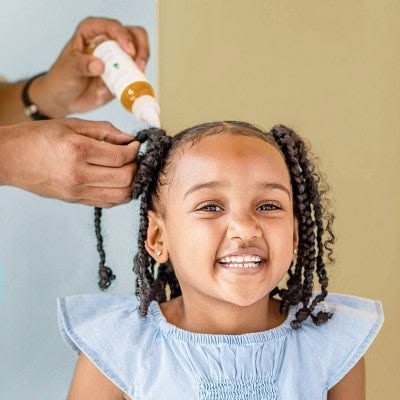
The scalp is the foundation of the hair growing from it, so keeping it comfortable matters.
Sweat, oil, dead skin, dirt, and styling products can collect around the scalp over time.
A routine that keeps these things under control can make the scalp easier to manage.
Good scalp care also helps parents notice changes early. A quick look during wash day can reveal redness, flakes, bumps, tenderness, or unusual areas that need attention.
Small checks during normal hair care are usually enough.
Scalp care also works closely with the rest of a child’s hair routine.
The Complete Beginner’s Guide to Kids Hair Care covers wider basics, while scalp care focuses on the skin underneath the hair.
Children with different textures may also need different routines.
Hair type can affect how often the scalp gets washed, how products are applied, and how easily the hair becomes tangled during cleansing.
The scalp still needs gentle treatment, regardless of texture.
Building a Scalp Care Routine
Regular cleansing is one of the main parts of a scalp care routine for children. Shampoo helps remove sweat, oil, dead skin, dirt, and styling residue.
Still, children do not all need to wash their hair on the same schedule.
Hair texture, scalp condition, age, activity level, and hairstyle can all affect the right frequency.
An active child who plays outside or participates in sports may need more frequent cleansing than a child who spends most days indoors.
How Often Should You Wash Your Child’s Hair? can help parents decide how washing frequency may change based on the child’s hair and lifestyle.
The goal is to keep the scalp clean without repeatedly stripping away moisture.
Washing Without Irritating the Scalp
A child’s scalp does not need aggressive scrubbing to get clean.
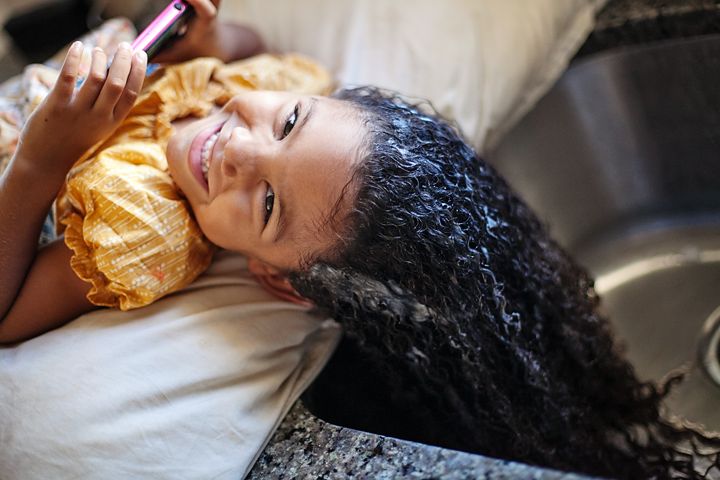
Wet the hair thoroughly, apply a suitable shampoo, and use the pads of your fingers to massage the scalp gently.
Avoid digging into the scalp with fingernails. Scratching can irritate the skin and make an uncomfortable scalp feel worse
A gentle massage can loosen dirt and residue.
Rinsing also matters, shampoo left behind can make the scalp uncomfortable, so take enough time to rinse the roots thoroughly.
Children with thick hair may need extra time because water and shampoo can take longer to move through the hair.
Choosing the Right Shampoo
A child’s shampoo should clean without making the scalp excessively dry or irritated. A simple formula that suits the child’s scalp can work well.
How to Choose the Right Shampoo for Kids can help parents compare qualities to consider before adding a shampoo to a child’s routine.
If the scalp becomes dry or irritated after a product, stop and observe the change. Introducing several new products at once makes reactions harder to trace.
Moisturizing the Scalp and Hair
Moisture can help children with dry scalps, but the scalp and hair do not always need the same products.
Hair strands may need conditioner or leave-in moisture, while the scalp may need very little additional product.
How to Moisturize Kids Hair Properly explains how moisture can be added without covering hair in unnecessary layers.
The same idea applies to scalp care. Use enough product to address dryness without creating a thick coating.
A comfortable scalp does not need constant oiling.
Applying more product every day can create buildup, especially when the scalp does not need it.
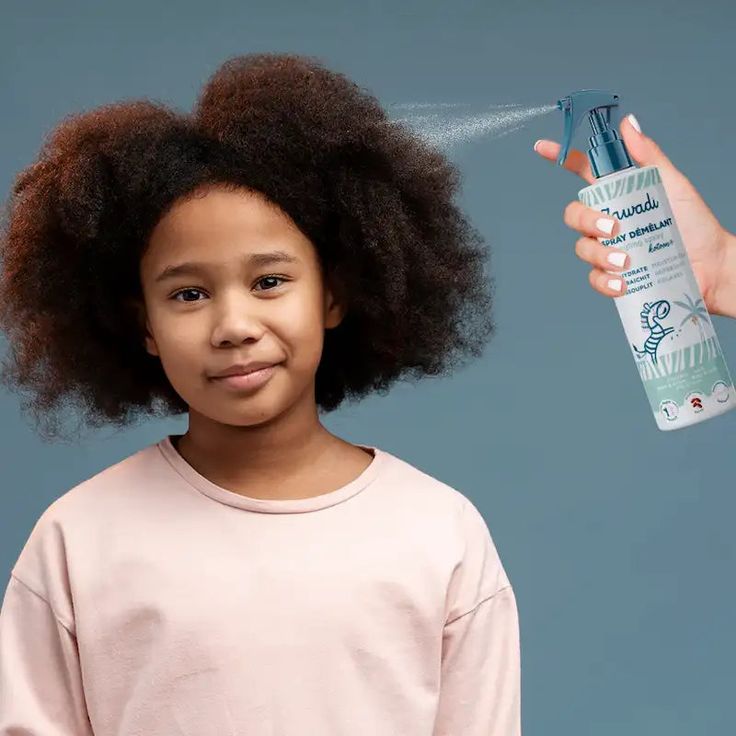
Lightweight products may be easier to manage than thick layers of grease or heavy oils.
When Scalp Oil May Help
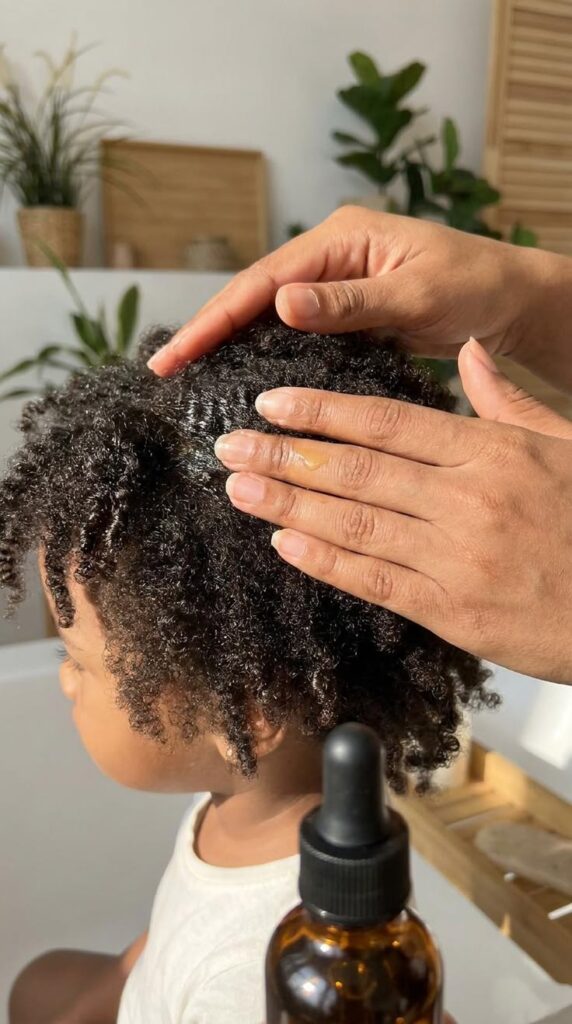
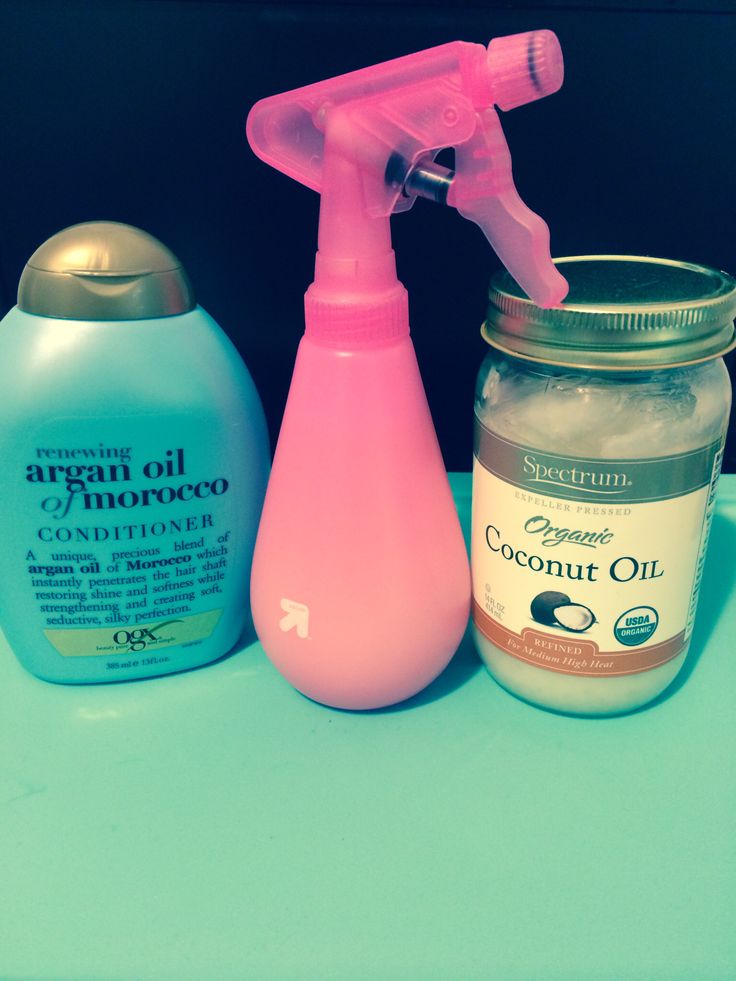
Some children with dry scalps may benefit from a small amount of suitable oil.
Apply it gently rather than pouring heavily over the scalp.
The Best Hair Oils for Children’s Hair can help parents understand common oils used in children’s hair care.
Oil may reduce dryness and improve the feel of the skin, but it does not replace cleansing.
If the scalp already feels greasy, coated, or itchy after using oil, adding more is unlikely to solve the problem.
A suitable cleansing routine may be more useful.
Keeping Product Buildup Under Control
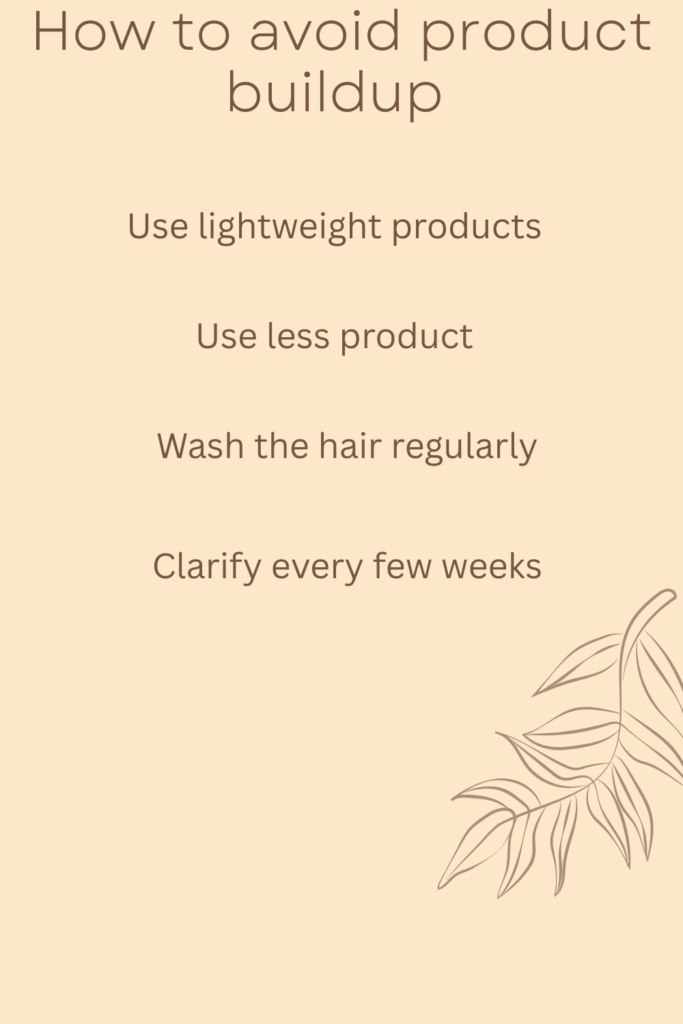
Styling products can make children’s hair easier to manage, but using too much can leave residue around the scalp.
Oils, gels, creams, edge products, and leave-ins can all contribute to buildup when several layers collect between wash days.
A scalp with buildup may feel coated, greasy, sticky, or unusually heavy. Hair near the roots may also look dull.
The Hidden Reason Your Child’s Hair Looks Dull covers how product habits can affect the appearance of children’s hair.
A clarifying shampoo may help when buildup becomes stubborn, but parents should avoid using strong cleansing products too often.
Start by reducing heavy product use and maintaining a suitable washing routine.
Caring for Dry or Flaky Scalps
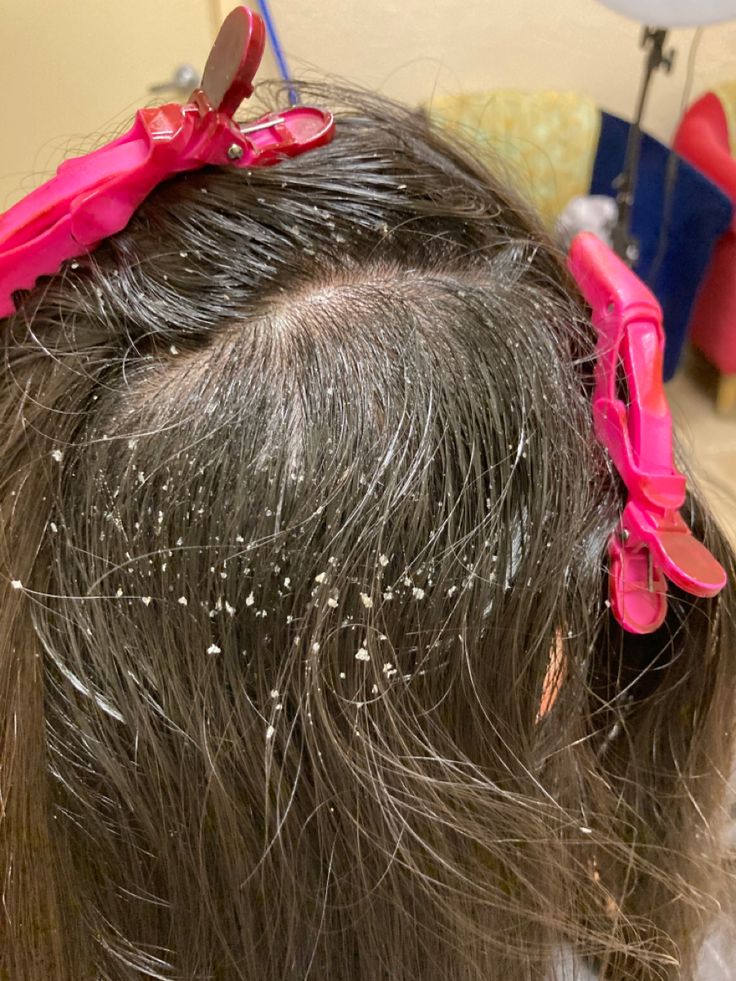
Dryness and flaking can have several causes, so parents should avoid assuming every flake means the scalp needs more oil.
Dry skin can produce flakes, while dandruff and other scalp conditions can create similar symptoms.
A gentle routine can help when ordinary dryness causes the problem. Use a suitable shampoo, avoid very hot water, and avoid scratching.
Moisture may also help if the skin feels tight and dry.
Persistent flaking needs closer attention, especially if the child also has redness, intense itching, swelling, or soreness.
The Hair Washing Mistake Many Parents Don’t Realize They’re Making can help parents review cleansing habits that may contribute to dryness or irritation.
Protecting the Scalp During Hairstyles
A child’s hairstyle should look neat while still feeling comfortable.
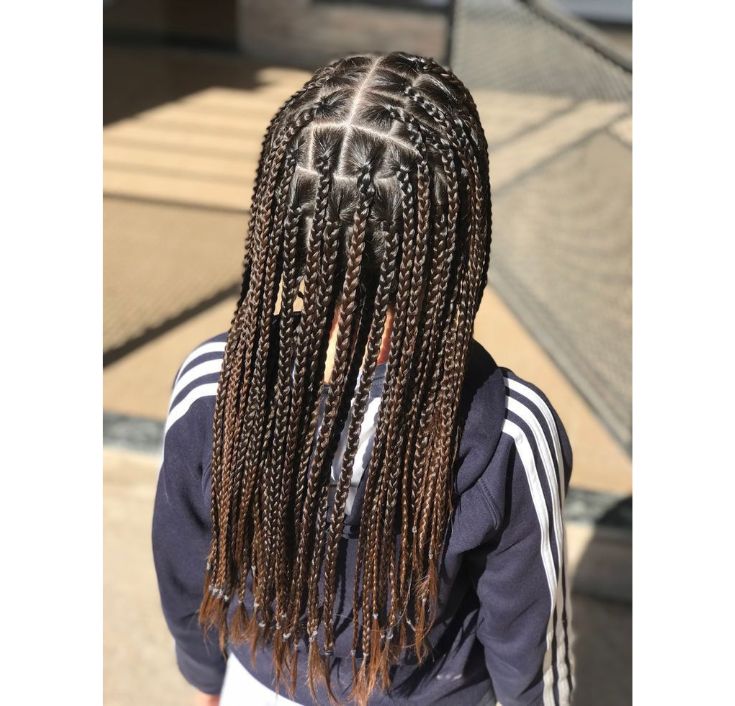
Tight braids, cornrows, ponytails, buns, and extensions can place repeated tension on the scalp and hairline.
Pain during styling is not something a child should tolerate for the sake of a hairstyle.
Headaches, tenderness, bumps, or strong pulling around the edges can signal excessive tension.
The Biggest Braiding Mistake That Can Lead to Hair Loss covers an important styling concern parents should understand.
Rotating hairstyles can reduce stress on the same areas, especially around the hairline and temples.
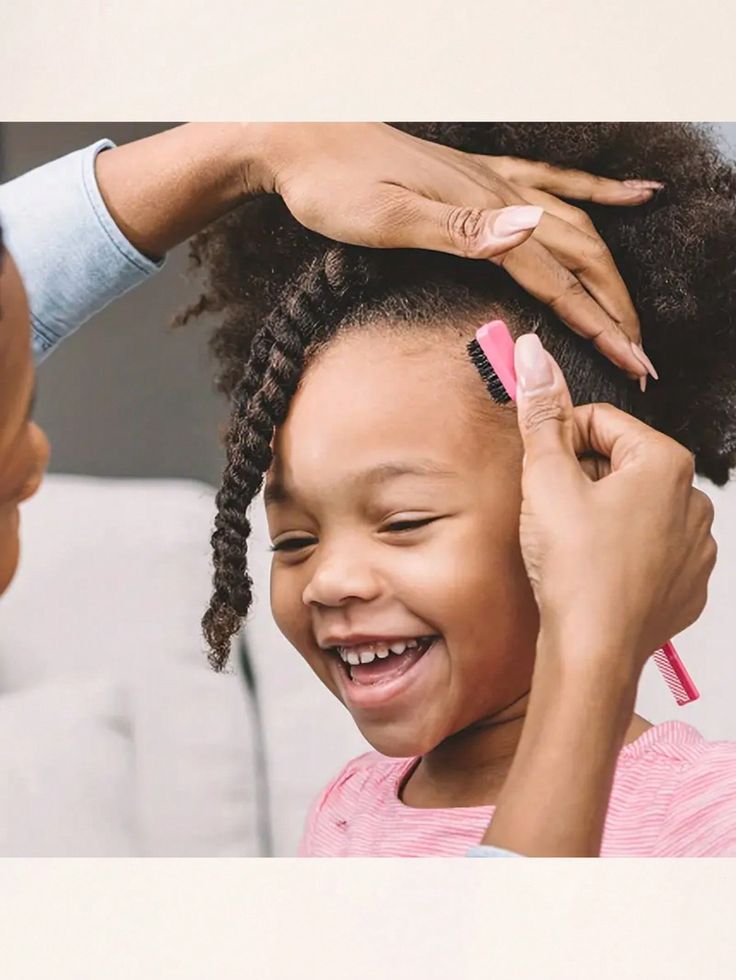
Keeping Protective Styles Comfortable
Protective styles can make children’s routines easier during school weeks and active periods.
They still need regular attention while installed.
Parents should check visible parts and the hairline for irritation. If a child complains that a style hurts, do not assume they simply need time to adjust.
Pain can mean the style needs to be loosened or removed.
17 Protective Hairstyles for Active Kids offers ideas for styles that can work well for busy children while keeping comfort in mind.
Gentle installation and careful takedown matter as much as the finished look.
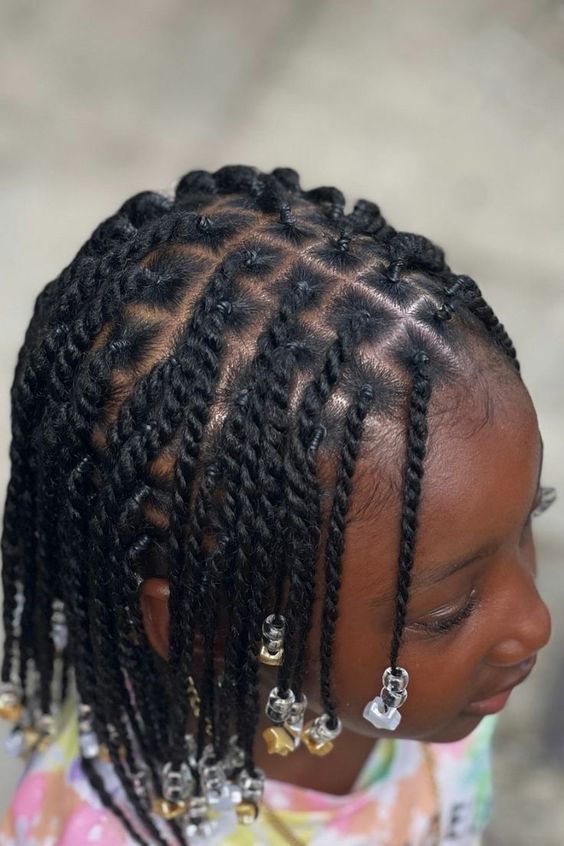
Scalp Care for Different Hair Textures
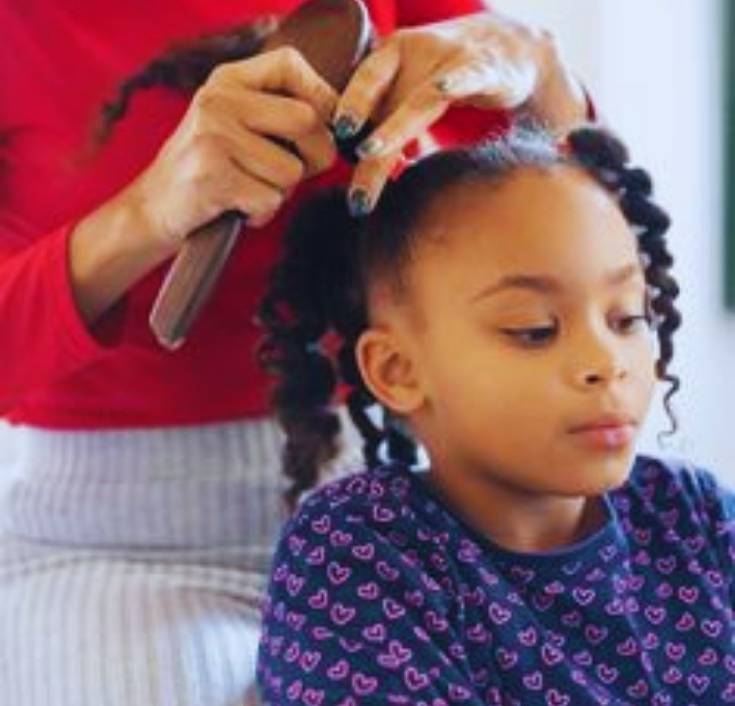
Children with curly and coily hair often need thoughtful moisture management.
The shape of the hair can make it harder for natural scalp oils to move down the strands.
This does not mean the scalp needs heavy oil every day.
Regular cleansing, suitable conditioning, gentle detangling, and careful styling provide a better foundation.
The Different Kids Hair Textures Explained can help parents understand how texture affects general hair-care needs.
You can also explore Hair Type 2: Care Guide for Kids, Hair Type 3: Care Guide for Kids, and Hair Type 4: Care Guide for Kids for more specific guidance.
Straight and fine hair can show oil and buildup more quickly.
Natural scalp oils move along straight strands more easily, making roots appear greasy sooner.
Heavy oils can also weigh down fine hair.
Hair type provides a starting point, but daily activity and scalp condition matter too.
Adjusting Scalp Care for the Seasons
Hot weather can change a child’s scalp routine because sweating may increase.
Children who spend time outside may notice more moisture, oil, or product residue around the roots.
Summer Hair Care Tips for Kids covers broader seasonal care, while How Humidity Affects Kids Hair can help parents understand humid weather.
A sweaty scalp does not automatically need harsh cleansing. Consider activity level and how the scalp feels after outdoor play.
Cold and dry weather can create a different challenge. Some children may notice more scalp tightness or flaking.
Winter Hair Care Routine for Children can help parents adjust the wider routine.
Avoid very hot water during wash day. Warm water is more comfortable and can help prevent unnecessary dryness.
If flaking becomes persistent or severe, do not assume weather is the only cause.
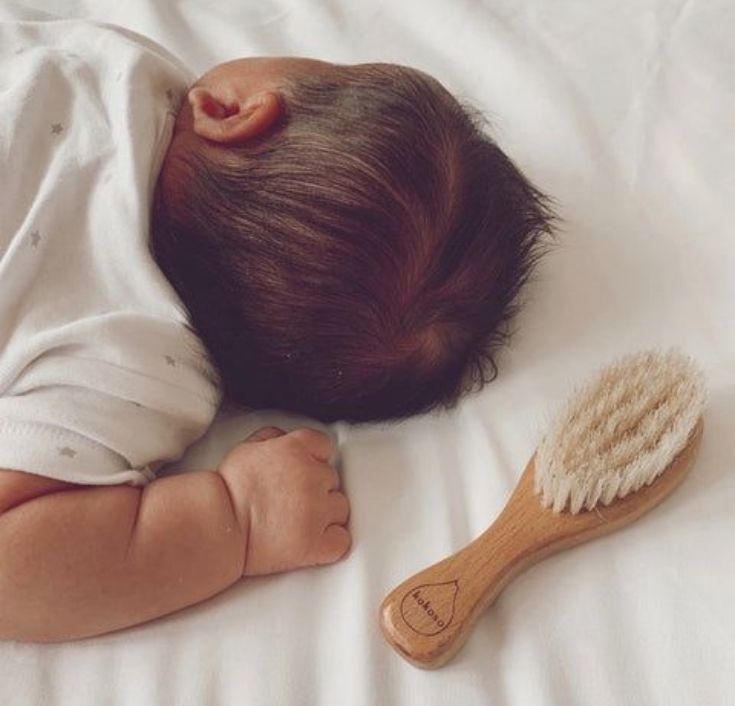
Scalp Care for Babies and Toddlers
Babies and toddlers need a simpler routine than older children.
Their scalp care should focus on gentle cleansing and careful handling rather than complicated product combinations.
Toddler Hair Care Made Simple can help families transition into routines for growing children.
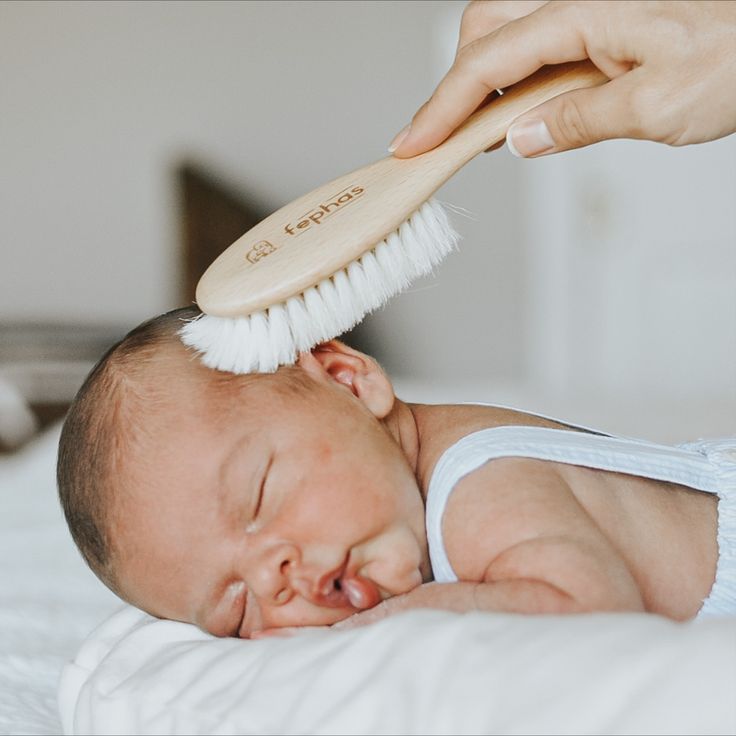
Cradle cap is common during infancy and often improves with time. Parents should avoid picking at thick flakes or aggressively scraping the scalp.
Young children also do not need strong styling products simply to make their hair look neat.
Choosing Scalp Products for Children
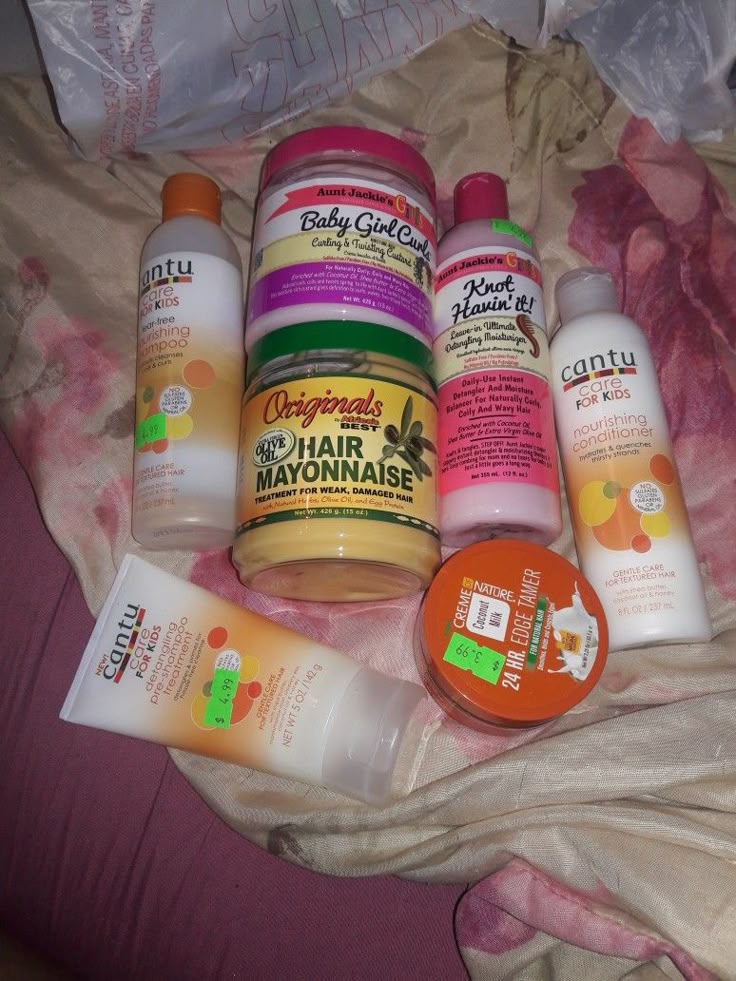
Children’s scalp products do not need to be complicated. A gentle shampoo, suitable conditioner, and carefully chosen moisturizer may cover the basic needs of many children.
Parents should read labels and consider skin sensitivity. Strong fragrances and complicated formulas may not suit every child, especially if the scalp becomes irritated easily.
Why Expensive Hair Products Aren’t Always Better is useful for parents who feel pressured to spend more on children’s hair products. A higher price does not automatically mean a product will suit your child’s scalp.
Introduce one new product at a time when possible. If irritation appears, having fewer new products makes it easier to identify what may have caused the reaction.
Making Scalp Care Part of Wash Day
Scalp care does not need to become another separate chore. Wash day already creates an opportunity to check the scalp, cleanse it, and notice changes.
The Best Wash Day Routine for Kids can help parents build the full routine around cleansing, conditioning, detangling, and styling.
Before applying products, look at the scalp and notice flakes, redness, bumps, or tender areas. After cleansing, rinse thoroughly and condition the hair according to its texture and needs.
After wash day, avoid rushing into a tight hairstyle while the scalp still feels tender. A consistent routine makes changes easier to notice.
Signs Your Child May Need Professional Help
Many small scalp concerns can improve after simple changes to hair care. However, some symptoms deserve professional attention.
Persistent redness, swelling, sores, severe itching, tenderness, or unusual scaling should not be ignored. Sudden bald spots or unexplained thinning also deserve an evaluation.
A child’s scalp may need professional attention if a problem continues despite gentle washing and appropriate care.
Repeated scratching can make irritation worse, so persistent itching should not simply be covered with more products.
Parents can start by speaking with a pediatrician. A dermatologist may also help with ongoing scalp or hair concerns. Early attention can make it easier to identify the cause and choose the right treatment.
Simple Habits for a Healthy Scalp
The strongest scalp routine usually comes from small habits repeated consistently. Children do not need a complicated schedule filled with treatments.
Keep the scalp clean according to the child’s needs. Use suitable products in reasonable amounts. Handle the scalp gently during washing and styling. Pay attention to tension from hairstyles.
How to Build a Healthy Hair Growth Routine for Kids can help connect these habits with a broader routine focused on healthy hair growth.
Parents can also teach children to speak up when something feels wrong.
If a hairstyle hurts, the scalp burns after a product, or itching becomes difficult to ignore, the child should feel comfortable saying so.
Frequently Asked Questions
How often should I check my child’s scalp?
You can check your child’s scalp during regular wash days, detangling sessions, or styling.
You do not need to inspect it several times a day. These moments give you opportunities to notice changes.
Pay attention to anything that looks different from your child’s usual scalp.
Redness, swelling, heavy flakes, sores, tenderness, or sudden thinning deserve closer attention.
Should I oil my child’s scalp every day?
Daily oiling is not necessary for every child. Some children may need occasional moisture, while others may develop buildup if oil gets applied too frequently.
Look at how the scalp feels before adding more product.
A comfortable scalp does not need extra oil simply because it is part of someone else’s routine.
Can scalp massage make children’s hair grow faster?
Gentle scalp massage can make hair care relaxing and gives parents a chance to check the scalp.
However, massage should not be treated as a guaranteed hair-growth method.
Healthy hair growth depends on several factors.
Gentle styling, suitable nutrition, good general health, and proper hair care all matter more than relying on one scalp-care technique.
What should I do if my child’s scalp is flaky?
Start by considering the child’s washing routine and the products being used.
Mild dryness may improve with gentler cleansing and appropriate moisture.
Persistent flakes need more attention, especially if they appear with redness, severe itching, swelling, or soreness.
A pediatrician or dermatologist can help identify the cause when ordinary care does not improve the problem.
Can tight hairstyles damage my child’s scalp?
Yes. Hairstyles that repeatedly pull on the scalp can contribute to hair breakage and hair loss.
Children should not have to tolerate pain, headaches, or strong pulling for a hairstyle to stay neat.
Check the hairline after styling and pay attention to complaints from the child.
Comfortable styling is more important than creating an extremely tight finish.
What is the best shampoo for children?
The best shampoo depends on the child’s scalp and hair needs. A gentle formula that cleans effectively without leaving the scalp excessively dry or irritated can be a good starting point.
How to Choose the Right Shampoo for Kids can help you compare the factors that matter before choosing one.
Does my child need a special scalp moisturizer?
Not every child needs a dedicated scalp moisturizer.
If the scalp feels comfortable and balanced, adding another product may only create unnecessary buildup.
Children with dry scalps may benefit from suitable moisture, but persistent dryness should be investigated if it does not improve with gentle care.
How can I care for my baby’s scalp?
Keep the routine simple. Use gentle, age-appropriate cleansing and avoid scratching, picking, or aggressively removing flakes.
Baby Hair Care Routine for New Parents can help you build a broader routine for your baby’s hair.
If the scalp becomes very irritated or a concern continues, speak with your child’s healthcare professional.
Should children use adult scalp treatments?
Children should not automatically use adult scalp treatments.
Some products contain stronger ingredients that may not suit a child’s age or skin.
Use products according to their directions and seek professional advice for persistent scalp conditions.
A simple routine is often a better starting point than adding several treatment products.

Final Thoughts
The best scalp care routine for children does not need to be complicated.
Cleanse the scalp according to the child’s needs, use suitable moisture, limit unnecessary buildup, and handle the scalp gently during washing and styling.
The routine should also fit the child’s age, hair texture, activity level, and hairstyle.
A toddler may need a very simple routine, while an older child may need more attention because of sports, school activities, or protective styles.
Scalp care is about comfort, not perfection. A child’s scalp does not need to look completely oil-free or receive a new treatment every week.
Consistent, gentle habits usually provide a stronger foundation.
Most importantly, pay attention when something changes.
Persistent itching, pain, redness, swelling, sores, heavy flaking, or sudden hair loss deserves proper attention.
With regular care and simple observation, parents can help children maintain a comfortable scalp and build healthy hair habits that can stay with them as they grow.

4 Comments