
Hair Type 3 Care Guide for Kids
Disclosure: Some of the links in this post are affiliate links. This means if you click on the link and purchase an item, I will receive an affiliate commission at no extra cost to you.
Curls that spring back the second you let go of a strand are a good sign of type 3 hair. This hair type loves to spiral, coil, and soak up moisture like a sponge.
It can also tangle fast if a few key steps get skipped. Getting type 3 hair care right from the start makes styling so much easier.
This type 3 hair care guide breaks down everything you need for curly kids in one place. You will learn how to spot the difference between 3A, 3B, and 3C curls.
We also cover wash day, moisture, and protective styles that hold up all week. If your child’s curl pattern still feels like a mystery, our guide on How to Identify Your Child’s Hair Type is a great place to start.
Type 3 curls thrive on consistency more than fancy products. A steady routine beats an expensive shelf of creams every time. The goal here is simple, practical steps you can actually stick with.
Pair this guide with The Complete Beginner’s Guide to Kids Hair Care for a full picture of healthy hair habits.
Grab a comb, a spray bottle, and a little patience. Your child’s curls are about to get so much easier to manage.
What Is Type 3 Hair?
Type 3 hair falls in the middle of the curl spectrum. It sits between the looser waves of type 2 and the tighter coils of type 4.
Curls in this category form clear spirals that look like a corkscrew or a spring.
They often shrink up quite a bit when they dry compared to when they are wet. This hair type tends to be shiny, bouncy, and full of natural volume.
It can also get dry fast since oil from the scalp has trouble traveling down each spiral. Knowing this helps explain why moisture stays such a big focus in this guide.
Type 3 hair also tends to be more porous than straighter hair types.
This means it absorbs product quickly but can lose moisture just as fast. Curls in this category usually respond well to creams, gels, and light oils used together.
The Three Curl Patterns Inside Type 3 Hair
Type 3 hair actually covers three different curl patterns. Each one behaves a little differently on wash day and during styling.
Some curls stay loose and stretchy, while others coil up tight and compact.
A few kids even have two patterns mixed together on the same head. Knowing which pattern shows up most helps you pick the right products and techniques.
Here is a simple breakdown of each pattern, so you can spot them with confidence.
3A Curls
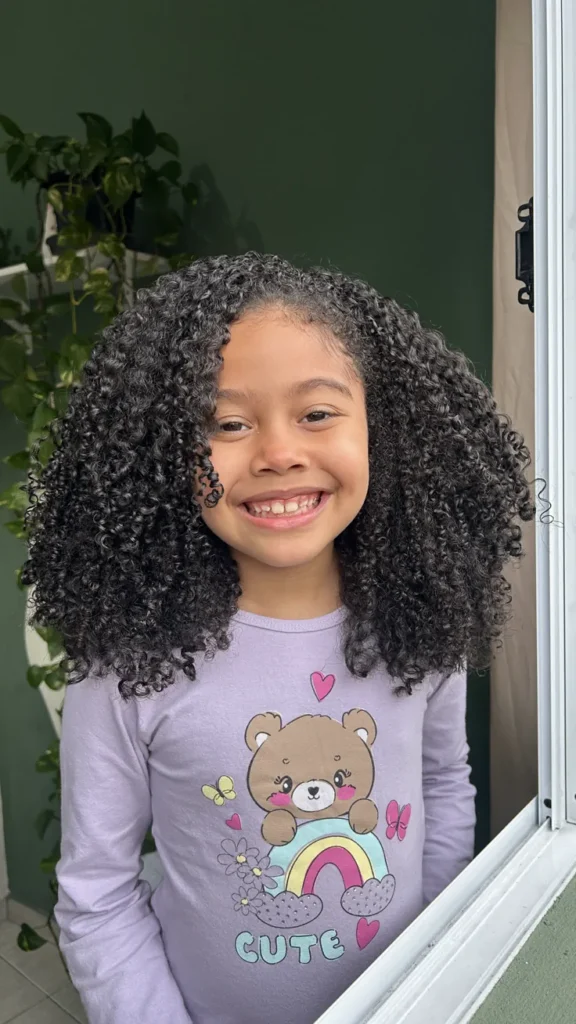
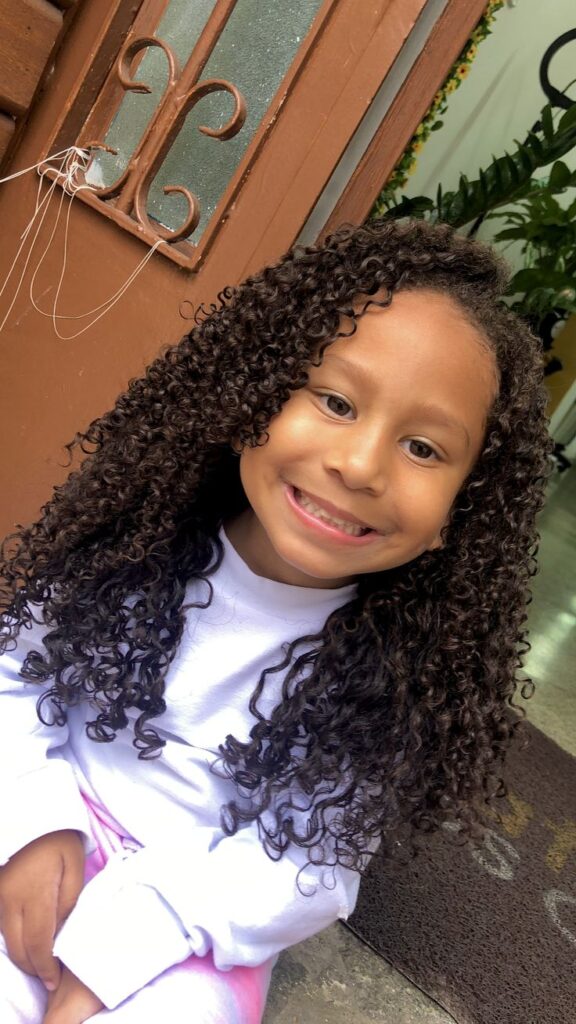
3A curls form loose, wide spirals about the size of a piece of sidewalk chalk.
Out of the three type 3 patterns, this one usually has the most shine and the least shrinkage.
It holds styles like twist-outs beautifully, with soft, bouncy definition.
3B Curls
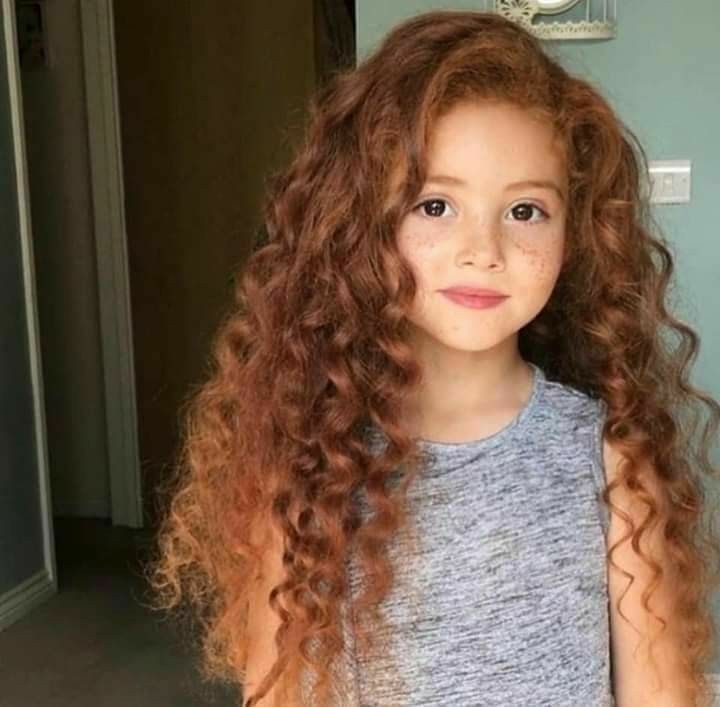
3B curls form tighter, springier ringlets similar in size to a marker.
This pattern usually has more volume and can shrink up a noticeable amount when dry.
It also tends to need a bit more moisture than 3A curls.
3C Curls
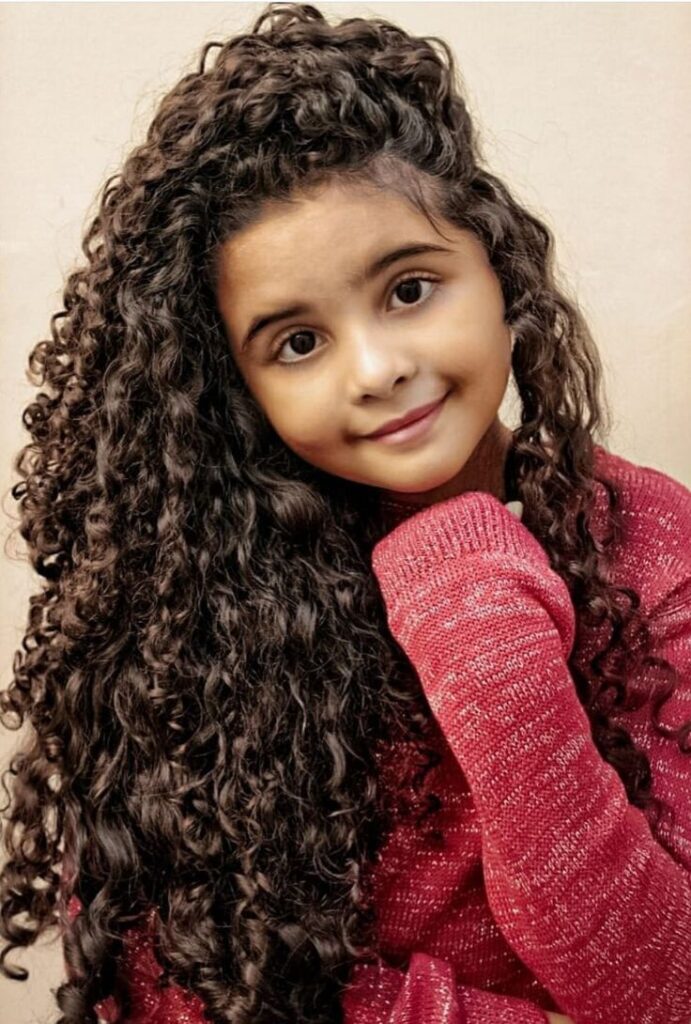
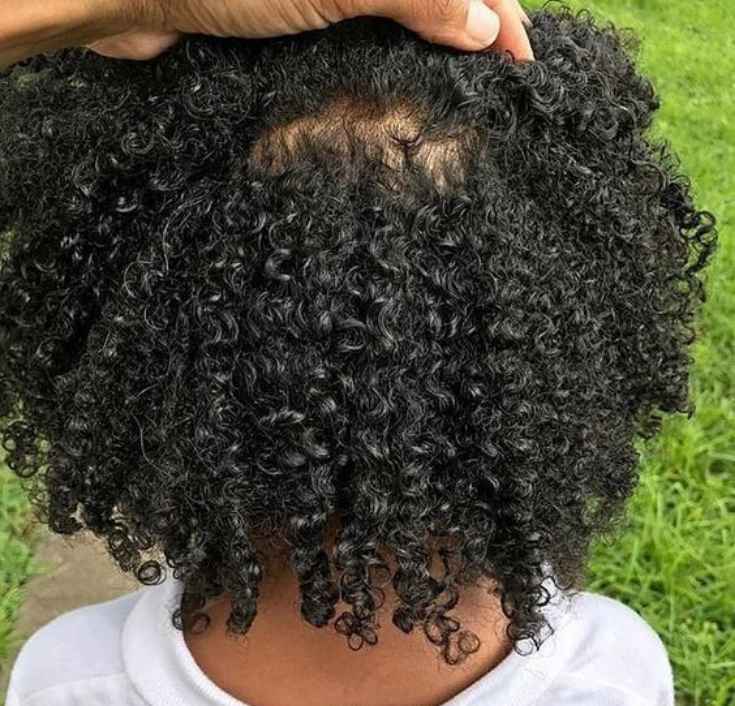
3C curls form tight, corkscrew coils about the width of a pencil or a straw.
This pattern often shrinks the most out of the three and can look much shorter dry than wet.
It also tangles more easily, so gentle detangling matters here.
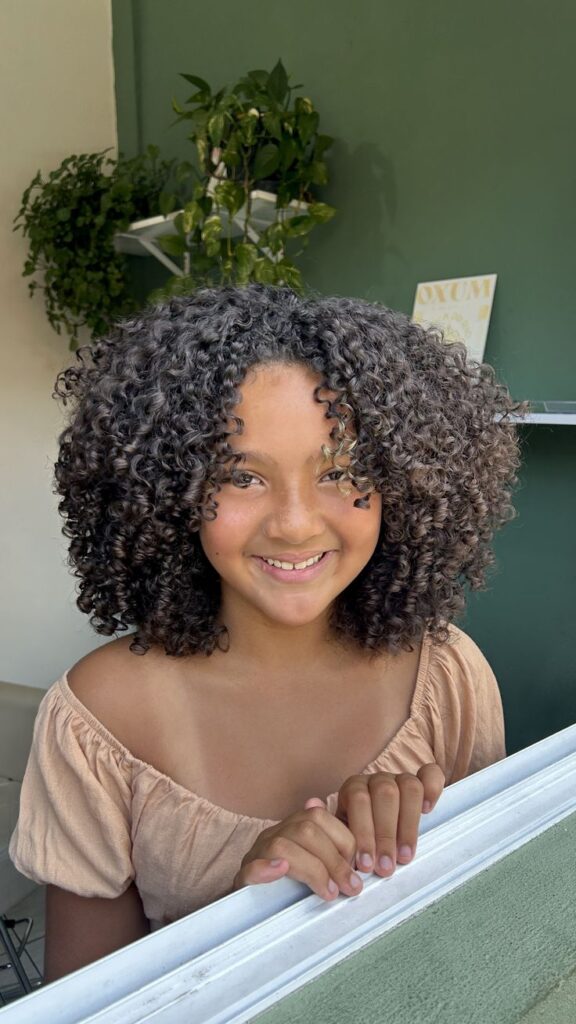
How to Know Which Curl Pattern Your Child Has
A quick wash test can help reveal your child’s exact curl pattern.
Wet a small section of hair and let it air dry without touching it. Watch how tightly it coils and how much it shrinks once dry.
Loose spirals point to 3A, while tighter ringlets suggest 3B.
Very tight, thin coils usually mean 3C. Many kids actually have a mix of two patterns in different spots.
For a deeper breakdown of textures and where type 3 fits, check out The Different Kids Hair Textures Explained.
Building a Wash Day Routine for Type 3 Curls
Wash day sets the tone for how curls behave all week.
A rushed or harsh routine can leave curls frizzy, tangled, and dry before the week even starts.
Type 3 hair does best with a routine that focuses on gentle cleansing and deep moisture.
Taking a little extra time on wash day pays off with softer, more manageable curls later.
Pre-Wash Prep
Start by detangling dry hair with fingers or a wide-tooth comb before adding water.
This step cuts down on extra tangling once the hair gets wet and saves time later.
A light oil can help the comb glide through easier without pulling on the curls.
Cleansing
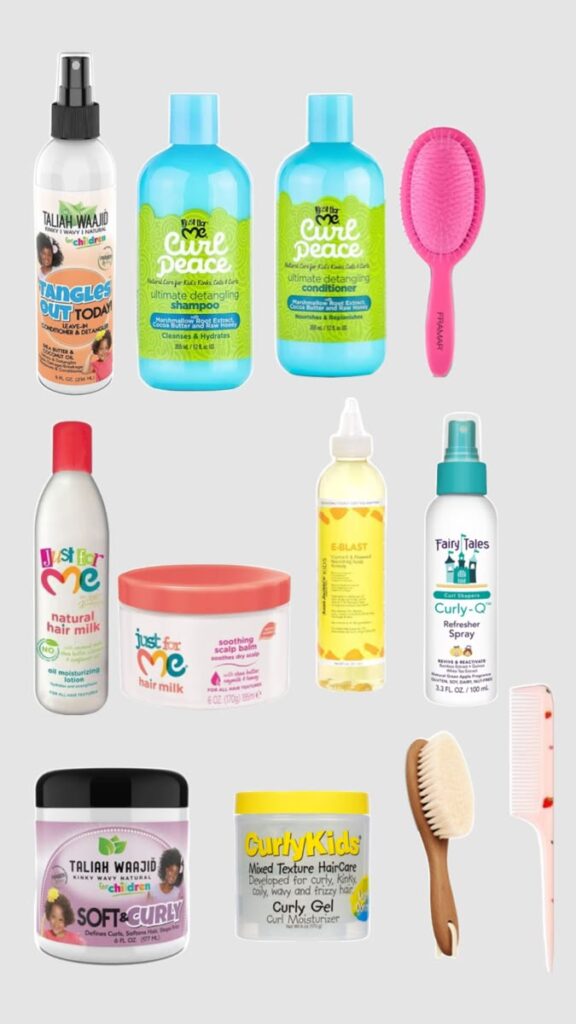
Use a sulfate-free shampoo to avoid stripping natural oils from the curls.
Focus the shampoo mostly on the scalp instead of scrubbing the full length.
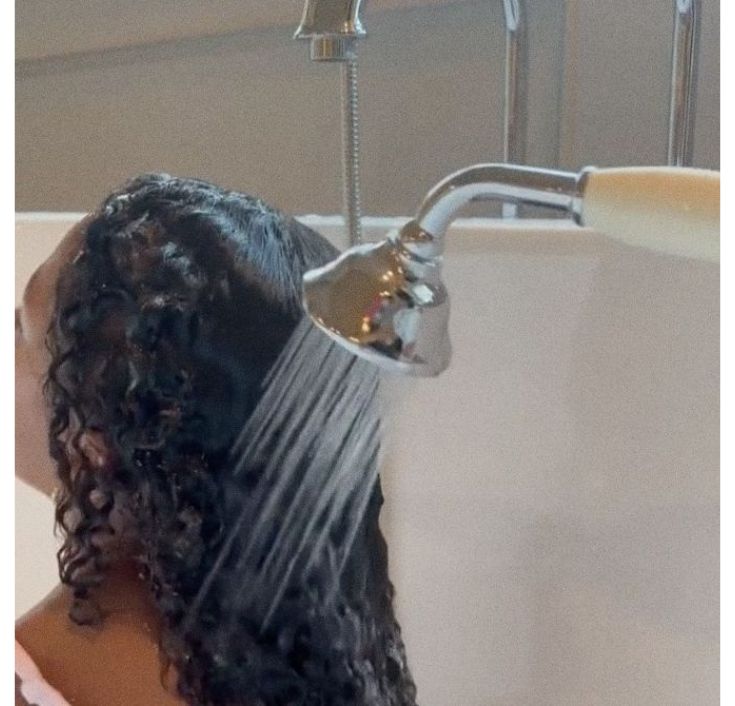
Rinse with lukewarm water to help keep the curl pattern soft.
For help picking a formula, see How to Choose the Right Shampoo for Kids.
Conditioning
Apply a moisturizing conditioner section by section for even coverage.
Let it sit for a few minutes so the curls can drink it in.
Detangle again gently while the conditioner is still in the hair.
A full step-by-step routine lives in The Best Wash Day Routine for Kids.
How Often Should Type 3 Curls Be Washed?
Type 3 hair usually does best with a wash every one to two weeks.
Washing too often can strip the curls of the oil they need to stay soft.
Some kids with looser 3A curls may need more frequent washing, while drier 3C coils often do better stretching washes out further.
Watching for dryness, buildup, or itching can help guide the right timing. For more guidance on finding the right schedule, read How Often Should You Wash Your Child’s Hair?
How to Moisturize Type 3 Hair Properly
Moisture is the single biggest factor in keeping type 3 curls healthy.
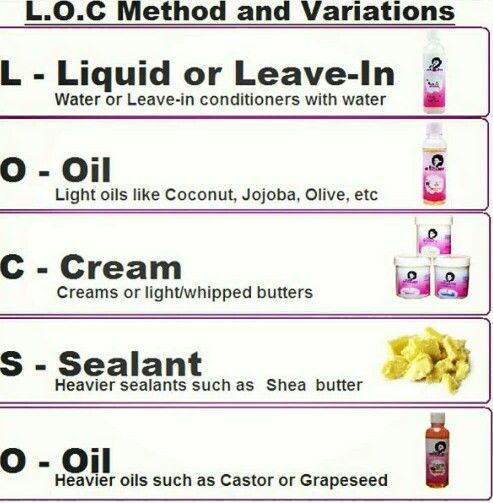
The LOC method, layering liquid, oil, and cream, works especially well for this hair type. Start with water or a leave-in conditioner to hydrate each strand.
Follow with a lightweight oil to help lock that moisture in. Finish with a cream or curl butter to seal everything in place.
Curls that feel dry or look dull often just need more consistent moisture. Applying products to soaking wet hair helps them absorb better than on dry strands.
A few extra minutes each morning can make a noticeable difference by the end of the week. For a full walkthrough of this process, see How to Moisturize Kids Hair Properly.
Building a Full Hair Care Routine for Type 3 Hair
A great routine ties wash day, moisture, and styling together into one simple rhythm.
Type 3 hair does best when each step supports the next instead of standing alone.
Cleansing sets the stage, moisture keeps curls soft, and protective styles help lock progress in. Skipping steps or rushing through them tends to show up as dryness or breakage later.
Consistency matters far more than any single miracle product. A simple weekly plan can take the guesswork out of busy weeknights.
For a full framework to build from, check out How to Build a Healthy Hair Routine for Kids.
Picking the Right Products for Type 3 Hair
The right products make a real difference for type 3 curls. A good leave-in conditioner adds daily moisture without weighing curls down.
For help comparing options, check out Leave-In Conditioner vs Hair Milk for Kids.
Lightweight oils like jojoba or grapeseed work well for sealing in moisture. Heavier butters can be saved for drier ends or colder months.
To find the best pick for your child’s curls, see The Best Hair Oils for Children’s Hair.
Detangling Type 3 Curls Without Tears
Detangling can feel like the hardest part of curly hair care.
Type 3 curls tangle easily, especially the tighter 3B and 3C patterns.
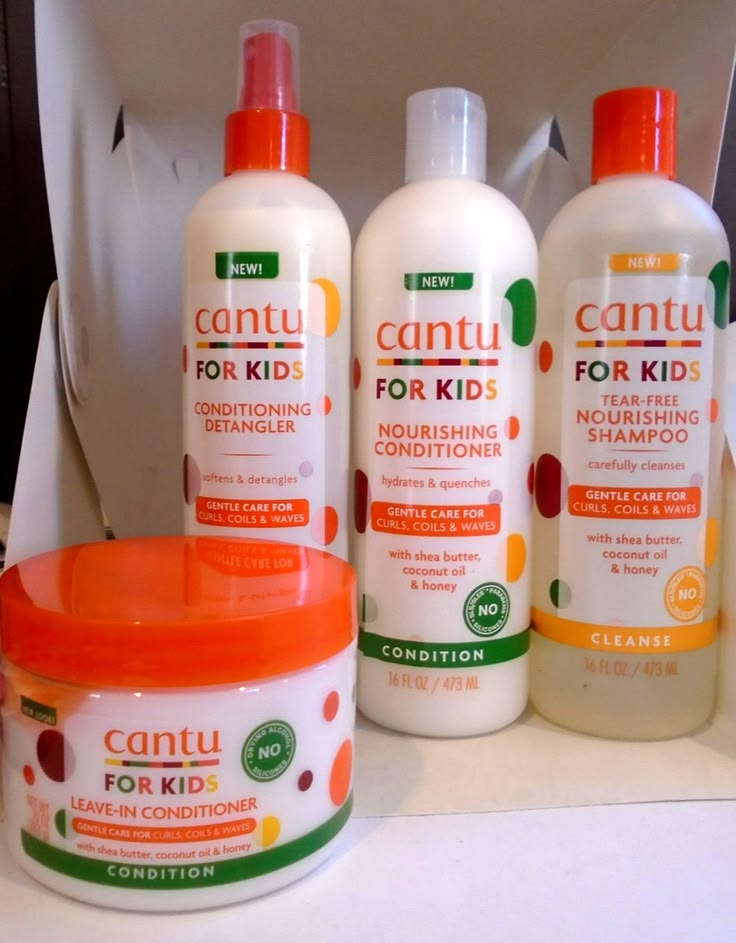
Always detangle on wet or damp hair with plenty of conditioner or detangling spray.
Work in small sections starting at the ends and moving up toward the roots.
Patience here prevents breakage and tears during the process. For extra help with tricky knots, see The Secret to Tear-Free Detangling.
The right tool matters just as much as the technique. A wide-tooth comb or a detangling brush both work well on type 3 hair.
Some parents prefer one over the other depending on their child’s curl pattern.
To compare the two, check out Wide-Tooth Comb vs Detangling Brush.
A good detangling spray can also make the whole process smoother. Look for one with slip that helps the comb glide through easily.
For product recommendations, see The Best Detangling Sprays for Kids.
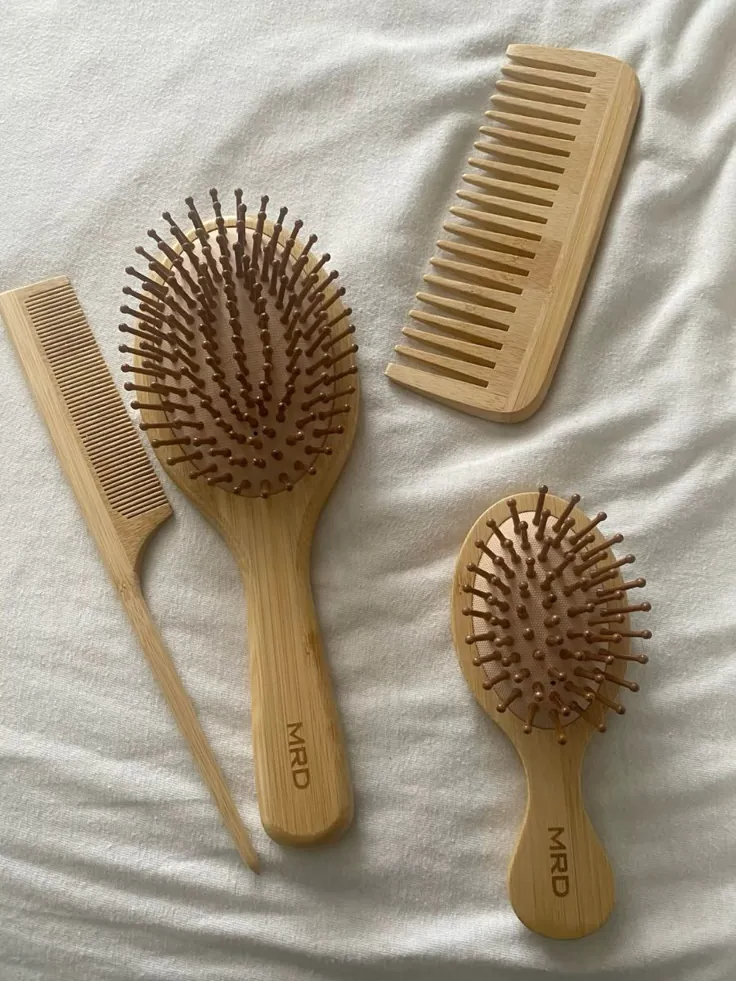
Best Tools for Type 3 Hair
The right tools make styling day feel a lot less stressful.
A good brush should smooth curls without pulling or causing frizz.
Some brushes work better for defining curls, while others focus on smoothing edges. Having a couple of reliable tools on hand saves time on busy mornings.
For a full roundup of options worth trying, check out The Best Hair Brushes for Kids.
Protective Styles for Type 3 Hair
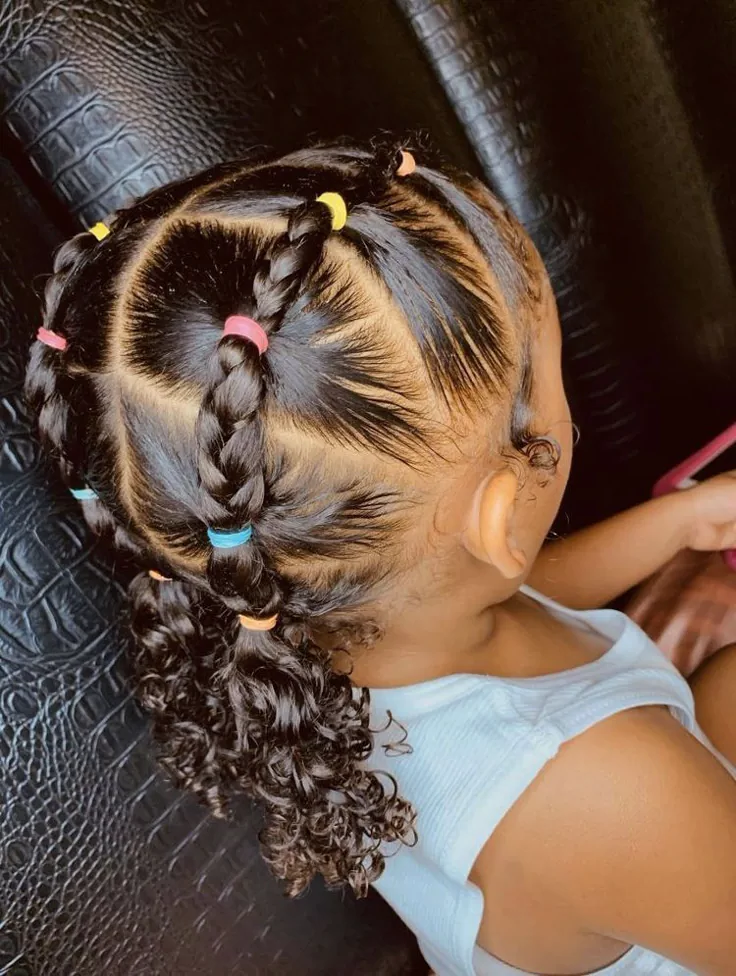
Protective styles help type 3 curls retain length and stay moisturized longer.
Styles like braids, twists, and puffs keep curls from rubbing against clothes and pillows.
They also cut down on daily manipulation, which means less breakage over time. For style ideas that hold up during active days, check out 17 Protective Hairstyles for Active Kids.
Knotless braids are another great option for type 3 hair.
They put less tension on the scalp compared to traditional braiding methods. They can also last a week or two with the right care. For styling inspiration, see 21 Cute Knotless Braids for Kids.
Fun Styling Ideas for Type 3 Hair
Type 3 curls look amazing in styles that let the natural spiral shine.
Wash-and-go looks work great for showing off curl definition on lazy mornings.
Twist-outs and braid-outs add extra volume and stretch for special occasions.
High puffs and half-up styles keep hair out of the face during active play.
Rotating through a few go-to looks keeps styling simple without feeling repetitive.
For more routine ideas to try, check out 60 Curly Hair Routines for Kids.
Nighttime Care for Type 3 Curls
What happens at night matters just as much as the daytime routine.
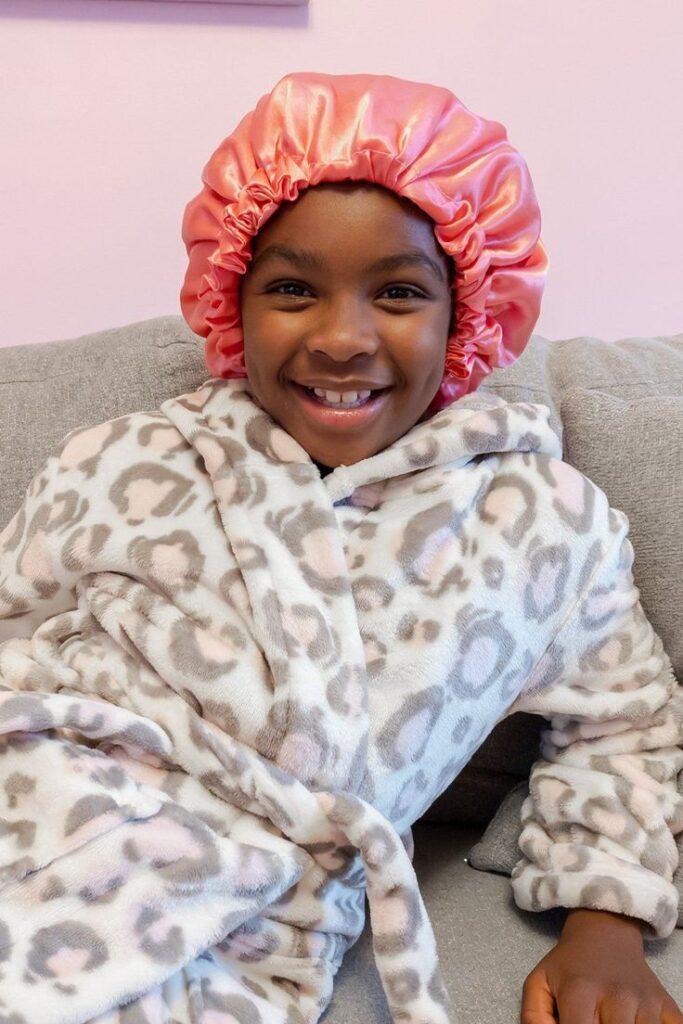
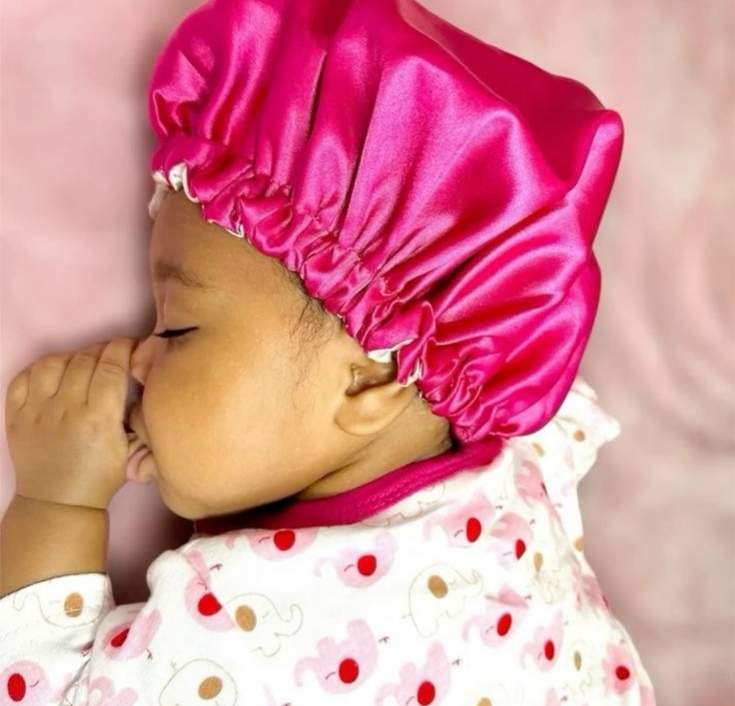
Cotton pillowcases and bonnets can pull moisture right out of curls.
A satin or silk bonnet helps curls stay soft and frizz-free overnight.
It also protects styles so they last longer between wash days.
For more on whether bonnets are worth it, read Satin Bonnets for Kids: Do They Help?
How Humidity Affects Type 3 Curls
Humid days can turn smooth curls into a frizzy cloud within minutes.
Type 3 hair tends to swell and frizz when it pulls in extra moisture from the air.
Dry winter air causes the opposite problem, leaving curls brittle and prone to static.
Sealing with a light oil or cream helps curls hold their shape in either season.
Anti-humectant products can also help on especially sticky, humid days.
For a deeper look at seasonal changes, see How Humidity Affects Kids Hair.
Common Mistakes That Damage Type 3 Hair
A few small habits can quietly damage type 3 curls over time.
Over-washing strips natural oils that curls depend on to stay soft. Skipping regular moisture leaves curls dry, brittle, and prone to breakage.
Rough towel-drying can also cause frizz and weaken the hair shaft. Using a microfiber towel or an old cotton t-shirt helps cut down on friction.
Rubbing curls dry with a regular towel roughs up the outer layer of each strand.
For a closer look at habits that dry hair out, see The Hidden Mistake That Could Be Drying Out Your Child’s Hair.
Breakage is another common concern for parents of curly kids.
It often comes from tight styles, harsh brushing, or not enough protein in the routine.
Spotting the cause early makes it much easier to fix.
For a full breakdown of causes and fixes, check out 15 Reasons Your Child’s Hair Keeps Breaking (and What to Do About It).
Signs Your Child’s Type 3 Hair Is Thriving
Healthy type 3 curls have a certain look and feel to them.
Curls should spring back easily after being stretched and released. Hair should feel soft rather than straw-like or rough to the touch.
Shine is another good sign, since dry curls often look dull. A healthy scalp also plays a big role in overall curl health.
Kids with thriving curls also tend to have less itching and flaking day to day.
Regular scalp checks can catch dryness or buildup before it becomes a bigger issue.
For signs to watch for, see Signs Your Child’s Hair Is Healthy.
Scalp care deserves just as much attention as the curls themselves.
A clean, balanced scalp supports stronger growth from the root. For a full scalp care routine, check out The Best Scalp Care Routine for Children.
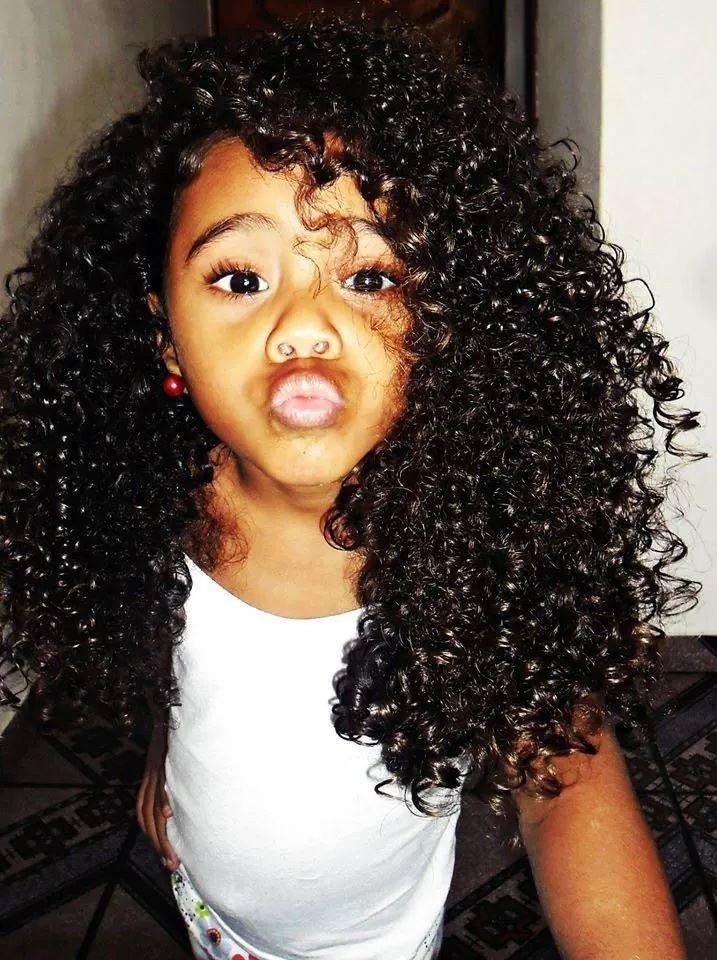
When to Trim Type 3 Hair
Regular trims help type 3 curls stay healthy from root to tip.
Split ends can travel up the hair shaft and cause more damage over time.
A trim every few months keeps curls looking fuller and bouncier.
Curls with fresh ends also tend to hold styles better and tangle less. Trimming does not slow down growth, even though it can feel that way.
For guidance on timing and technique, see Should You Trim Your Child’s Hair Regularly?
Frequently Asked Questions
What is the difference between type 3 and type 4 hair?
Type 3 hair forms clear spiral curls, while type 4 hair forms tighter coils or zigzag patterns.
Type 3 curls usually have more defined loops, even in their tightest form.
Type 4 hair tends to shrink even more and needs extra moisture.
Can type 3 hair be curly and straight in different spots?
Yes, many kids have more than one curl pattern on their head.
It is common to see looser curls at the crown and tighter curls near the nape.
This mix is completely normal and just needs a routine flexible enough to handle both.
How often should type 3 hair be moisturized?
Most type 3 hair benefits from a light moisture refresh every day or two.
Deeper conditioning can happen once a week during wash day.
Watching how the curls respond helps fine-tune the exact schedule.
Does type 3 hair need protein treatments?
Some type 3 hair benefits from an occasional protein treatment, especially if breakage is an issue.
Protein should never replace moisture, since both work together.
A good balance of both keeps curls strong and bouncy.
What products should be avoided for type 3 hair?
Heavy silicones and sulfates can weigh curls down and dry them out over time.
Alcohol-based sprays and gels often leave curls feeling crunchy and brittle.
Simple, moisture-rich formulas usually work better than a long ingredient list.

Final Thoughts
Type 3 hair is bouncy, spirited, and full of personality once it gets the right care.
A steady routine built around moisture and gentle handling goes a long way.
Small daily habits add up to strong, healthy curls over time. Trims, protective styles, and the right products all work together to support growth.
With a little patience, wash day and styling both get so much easier.
Celebrating the wins, even small ones, keeps hair time feeling positive for everyone. Your child’s curls have everything they need to thrive with this guide in hand.
One Comment