
How to Choose the Right Shampoo for Kids
Disclosure: Some of the links in this post are affiliate links. This means if you click on the link and purchase an item, I will receive an affiliate commission at no extra cost to you.
Grabbing any bottle off the shelf might work for a quick wash. It is not always the best move for your child’s hair. Shampoo does more than clean. It sets the tone for how the rest of the wash day routine goes.
Finding the right shampoo for kids starts with understanding what their hair actually needs. A shampoo that works beautifully for one child can leave another feeling dry or tangled.
Matching the formula to how to identify your child’s hair type makes the whole process much less like guesswork.
Once you know what to look for, choosing the right shampoo for kids gets a lot faster. Reading labels becomes second nature over time. The different kids hair textures explained can help you translate what those labels actually mean.
Wash day can turn into a peaceful little ritual once the right shampoo is in the mix. Let’s go through exactly what to look for and what to skip.
Why Shampoo Choice Matters So Much
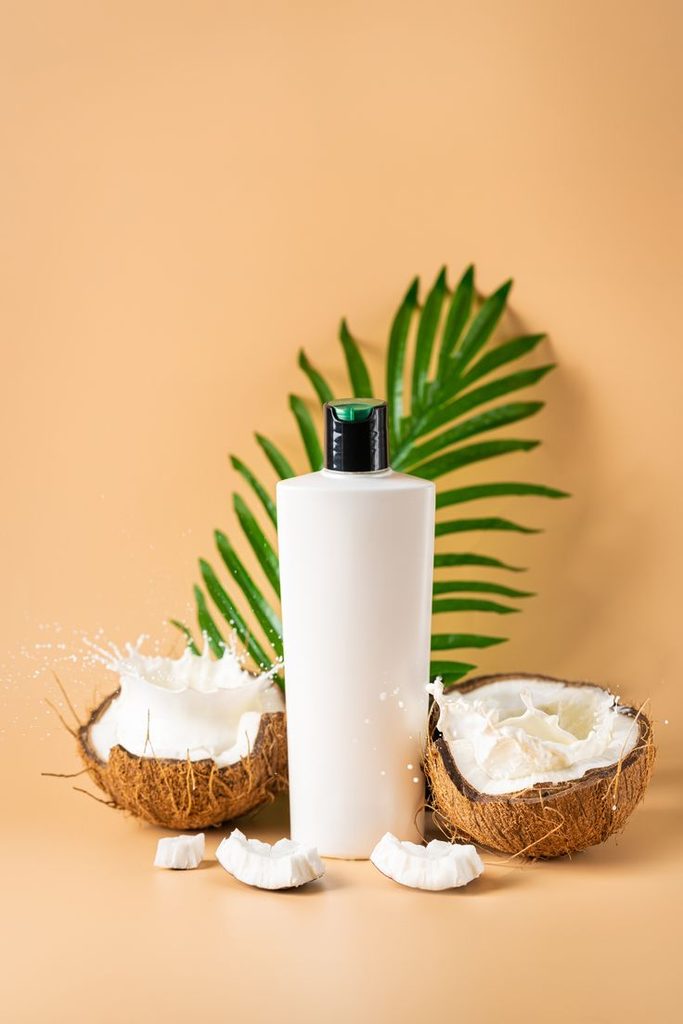
The wrong shampoo can strip natural oils that curly and coily hair need to stay soft.
Finding the right shampoo for kids means avoiding that outcome from the start.
It can also leave a filmy residue that weighs hair down over time.
A well-matched shampoo cleanses the scalp without disrupting the hair’s natural moisture balance.
This sets up every other step, from conditioning to styling, for better results.
Getting this first step right makes the best wash day routine for kids far easier to follow through on.
Understanding Your Child’s Hair Type First
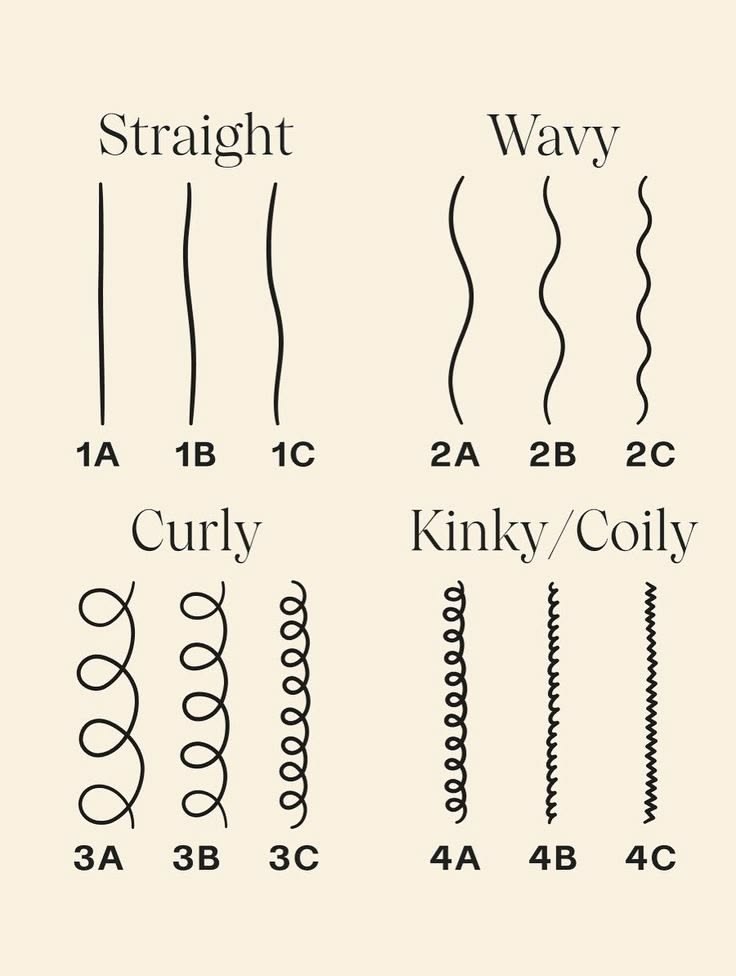
Straight hair usually needs a lighter shampoo that will not weigh it down.
Wavy hair does well with a gentle, slightly more hydrating formula.
Curly hair typically needs extra moisture and slip to fight dryness.
Coily hair often needs the richest, most hydrating shampoo of the bunch.
Reviewing hair type 2, hair type 3 , hair type 4: care guide for kids can help you narrow down exactly where your child falls.
Ingredients to Look For
Gentle Cleansers
Look for shampoos built around mild, plant-based surfactants instead of harsh detergents.
These cleanse just as effectively without stripping the scalp.
Coconut-derived cleansers are common and tend to be gentle on sensitive skin.
A gentle base is the foundation of a good kids’ shampoo.
Moisturizing Ingredients
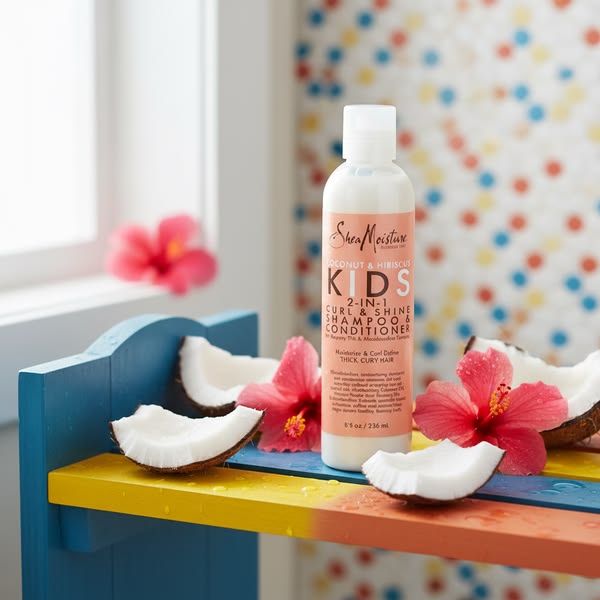
Shea butter, coconut oil, and aloe vera all show up in quality kids’ shampoos.
These ingredients help offset the drying effect of any cleanser.
Glycerin and panthenol also draw moisture into the hair shaft.
A shampoo with a few of these ingredients tends to leave curls softer after rinsing.

Slip-Boosting Ingredients
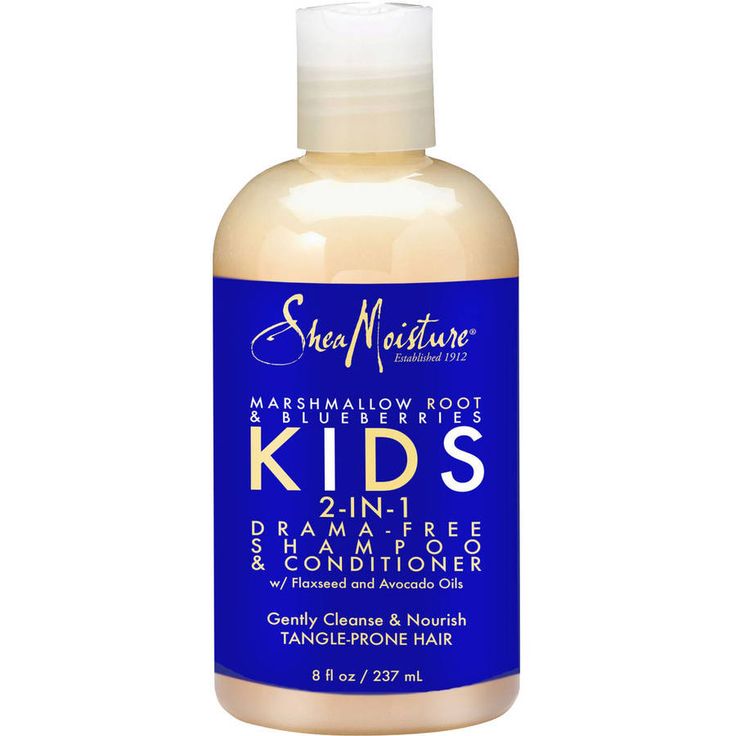
Marshmallow root and similar botanical extracts add slip to a shampoo.
This makes detangling easier, even before conditioner enters the picture.
Hair that already feels smoother in the shower means less tugging later.
This pairs well with the secret to tear-free detangling once you move to the next step.
pH-Balanced Formulas
A shampoo close to the hair’s natural pH keeps the cuticle smooth and closed.
This helps reduce frizz and locks in shine after rinsing.
Many gentle kids’ shampoos are formulated with this balance in mind.
Choosing the right shampoo for kids often comes down to small details like this one.

Ingredients to Avoid
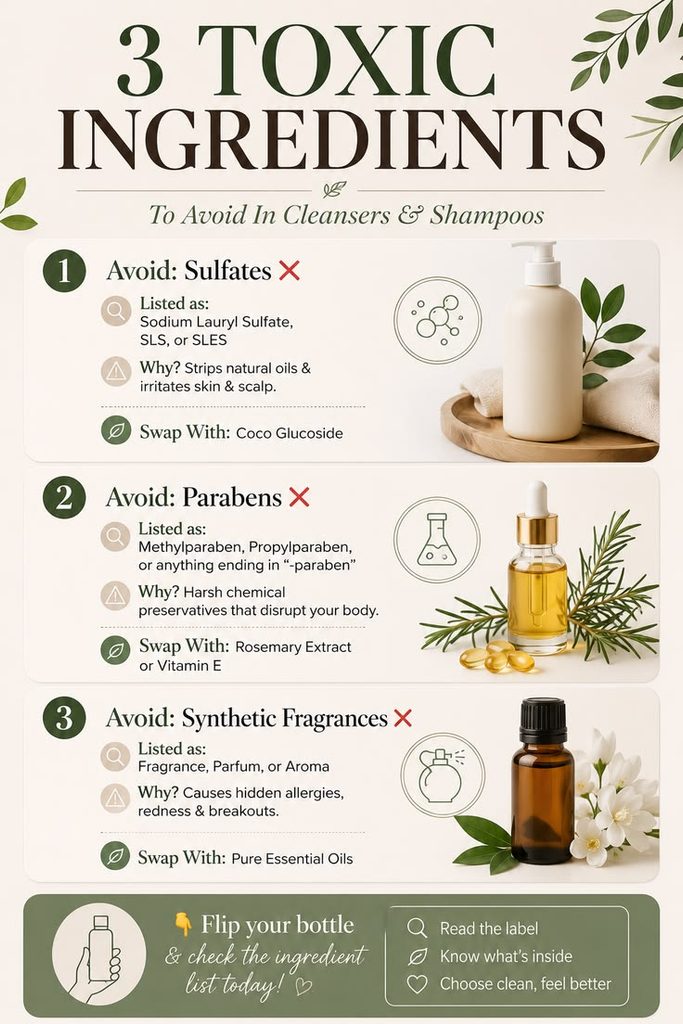
Sulfates like sodium lauryl sulfate strip more oil than curly hair can afford to lose.
Parabens are preservatives some parents prefer to avoid, especially for sensitive skin.
Artificial dyes add no real benefit and can occasionally irritate the scalp.
Heavy alcohols near the top of an ingredient list often mean a drying formula.
Checking labels for these is one of the simplest ways to protect how to keep kids’ scalp healthy.
2-in-1 Shampoo and Conditioner: Worth It?
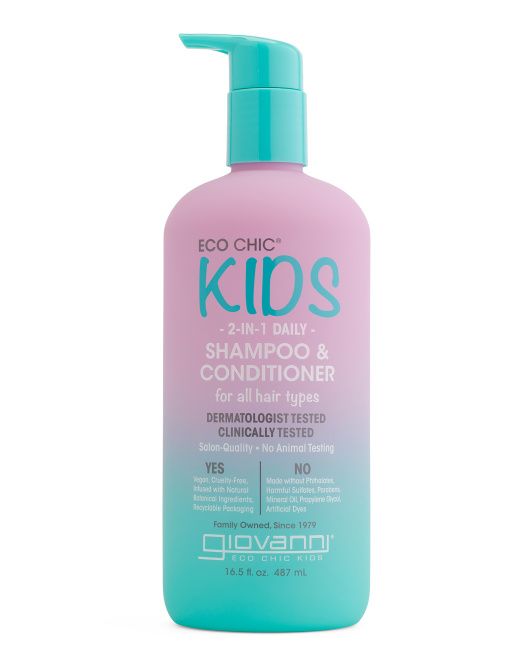
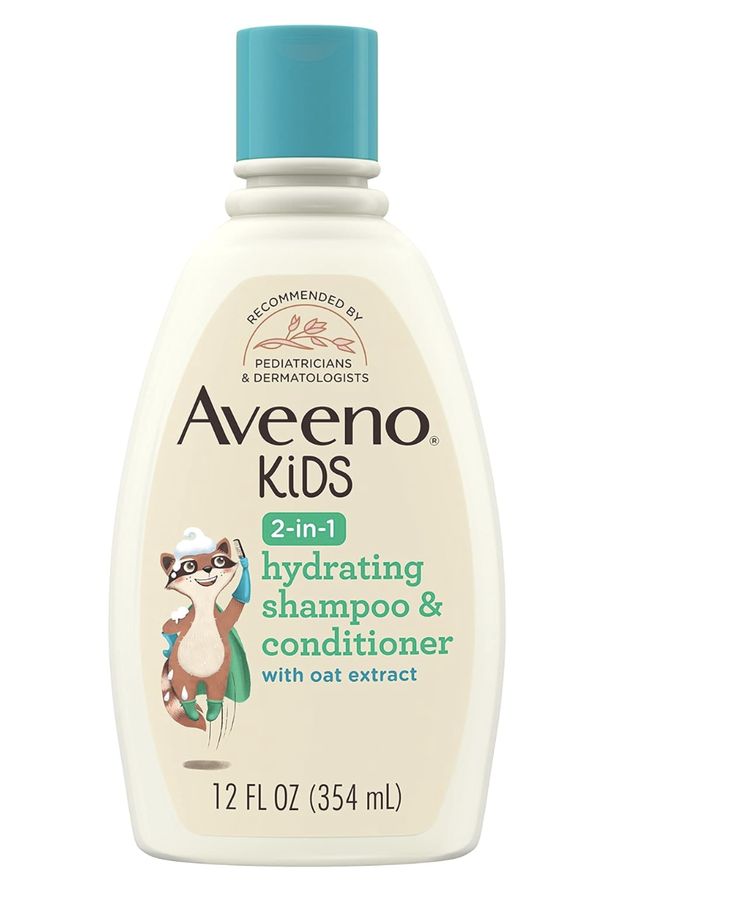
A 2-in-1 formula saves time during a rushed bath routine.
It rarely conditions as thoroughly as using two separate products.
Straight or fine hair tends to do fine with a 2-in-1 formula.
Curly and coily hair usually benefits more from a dedicated shampoo and conditioner.
Weighing convenience against results helps you decide if a 2-in-1 fits your routine.
Tear-Free Formulas: What They Really Mean
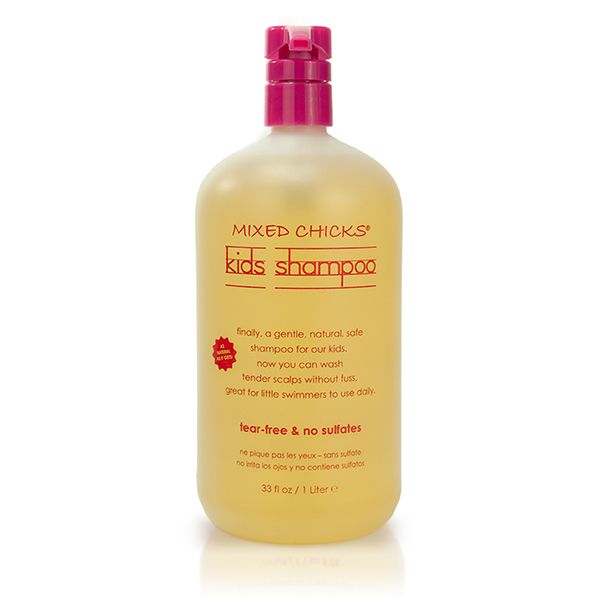
Tear-free shampoos use a milder blend of cleansers that will not sting the eyes.
This does not always mean the formula is gentler on hair overall.
Some tear-free shampoos still contain sulfates or drying ingredients.
Reading the full ingredient list matters even when a bottle says tear-free on the front.
Choosing Shampoo for a Sensitive or Eczema-Prone Scalp
Fragrance-free formulas are usually the gentlest choice for eczema-prone skin.
Oat-based ingredients can help soothe irritation while cleansing gently.
Avoiding sulfates and dyes lowers the chance of triggering a flare-up.
Testing a small patch on the scalp before a full wash is always a smart precaution.
A pediatrician or dermatologist can offer guidance for hair care in more stubborn cases.
Matching Shampoo to Scalp Sensitivity
A sensitive scalp can react to fragrance, dyes, or certain preservatives.
Fragrance-free or lightly scented formulas are usually the safer starting point.
Redness, flaking, or itching after washing can be a sign to switch products.
A patch test on a small section of scalp can catch a reaction early.
Watching for these signs supports signs your child’s hair is healthy in the long run.
How Often to Shampoo Curly and Coily Hair
Curly and coily hair usually does not need washing every day.
Two to three times a week is often enough to keep the scalp clean.
Washing too often can strip moisture that curls depend on.
Following how often should you wash your child’s hair? helps you settle on the right rhythm for your family.
Co-Washing as an Alternative
Co-washing means cleansing with a conditioner instead of a traditional shampoo.
This works well for very dry or coily hair that gets stripped easily by frequent shampooing.
A true shampoo is still needed occasionally to clear product buildup.
Alternating between co-washing and the right shampoo for kids can balance cleanliness with moisture retention.
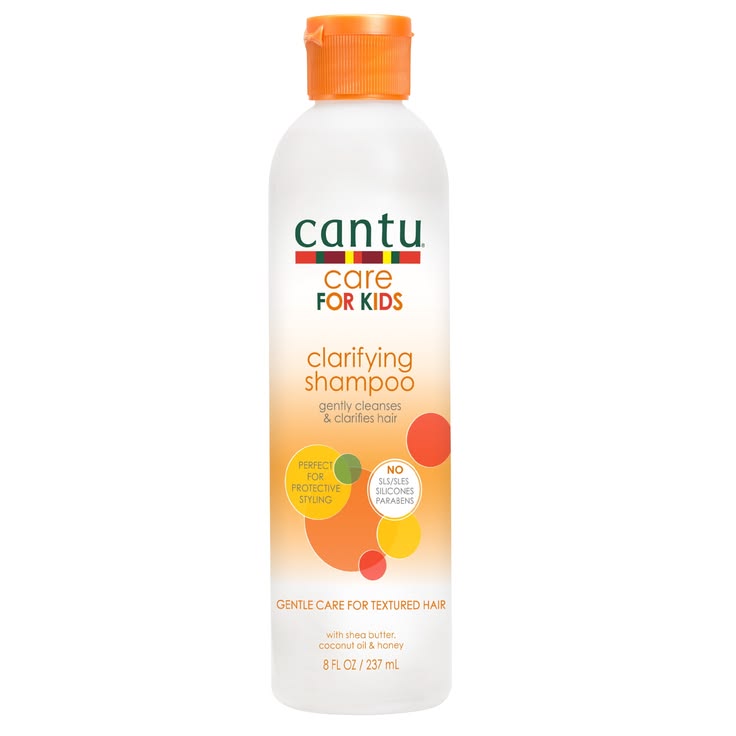
Clarifying Shampoo: When and Why to Use One
Product buildup can accumulate on curls after weeks of styling and oiling.
A clarifying shampoo deep-cleans the scalp and strands more thoroughly than a regular formula.
This step usually only needs to happen once every few weeks.
Overusing a clarifying shampoo can strip curls of the moisture they need.
Following it up with a rich conditioner helps restore softness afterward.
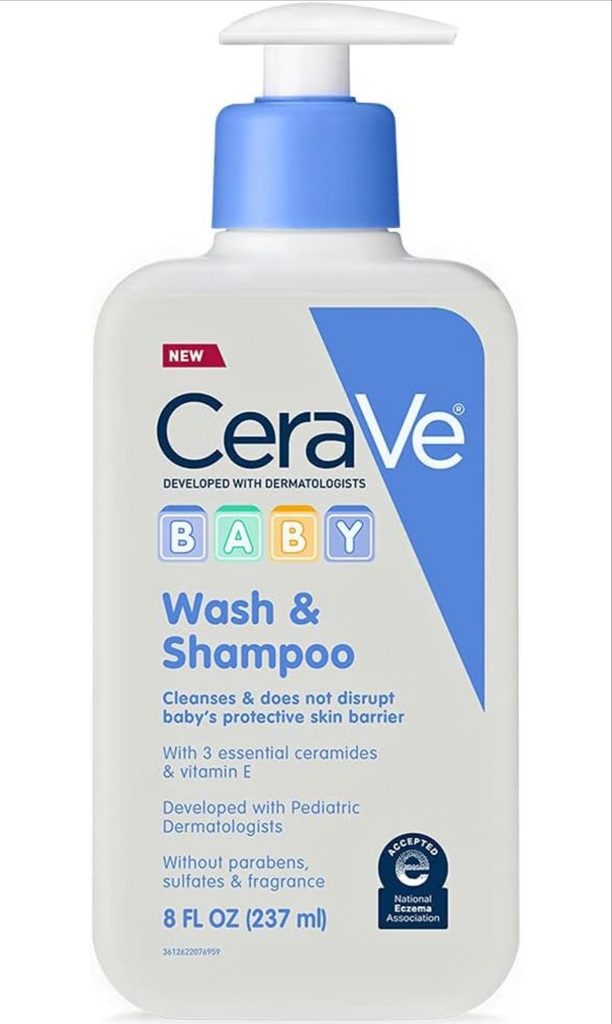
Shampoo for Babies and Toddlers
Baby shampoo formulas are usually the gentlest option on the shelf.
Fragrance-free versions are a smart choice for very sensitive newborn skin.
Toddlers with thicker curls coming in may need a slightly richer formula sooner.
A small patch test is worth doing the first time you try a new bottle.
Involving Your Child in the Process
Letting a child help pick a shampoo scent or bottle can make wash day feel less like a chore.
Giving them a small role, like squeezing out the shampoo themselves, builds independence over time.
Explaining why a rinse matters, in simple terms, helps them understand the routine.
A little involvement often turns resistance into cooperation at bath time.
Volume and Bottle Size Considerations
Larger bottles usually offer better value once you know a formula works well.
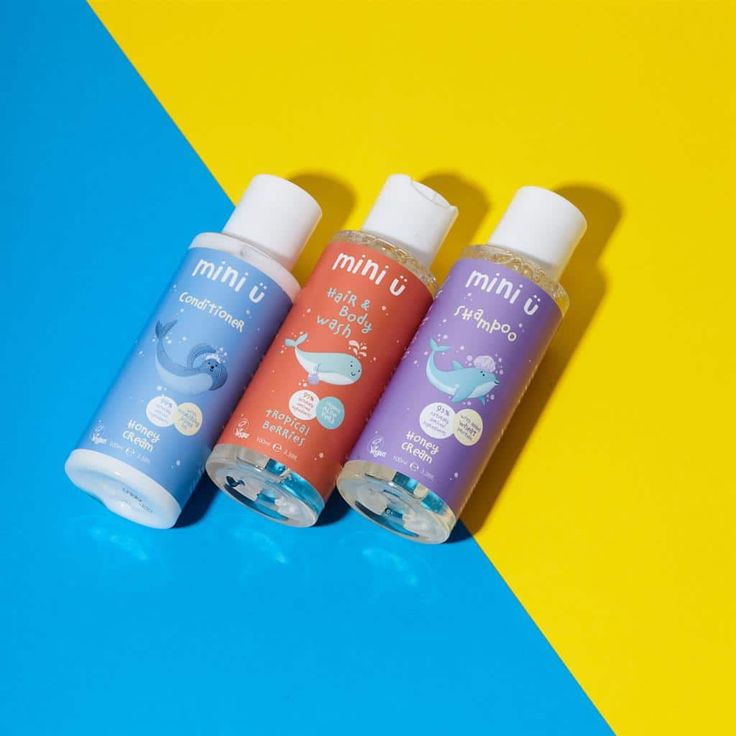
Travel-size bottles are handy for testing a new shampoo without committing to a full size.
Pump dispensers can help control how much product comes out per wash.
Squeeze bottles work fine too, though it takes a bit more practice to avoid using too much.
Buying based on how often your family washes hair helps avoid waste.
Wide-tooth comb vs detangling brush covers another tool worth budgeting for.
Shampoo Bars vs Liquid Shampoo
Shampoo bars have become a popular, low-waste alternative to liquid bottles.
They can work well for kids, though the transition sometimes takes a few washes to adjust to.
Liquid shampoo is usually easier to control in terms of how much product is used.
Bars can last longer per use, which appeals to budget-conscious families.
Either format can work well as long as the ingredient list checks out.

How Water Temperature Affects Shampoo Performance
Warm water helps shampoo lather and cleanse more effectively than cold water.
Very hot water can strip more natural oil than necessary, leaving curls drier.
A lukewarm rinse at the end helps smooth the hair cuticle.
This small adjustment can make a noticeable difference in how curls feel afterward.
Pairing the right water temperature with how to encourage healthy hair growth in kids rounds out a gentler washing experience.
Shampoo and Curl Pattern Compatibility
Type 2 waves usually do best with a lightweight, low-lather shampoo.
Hair type 3 curls often need a bit more moisture built into the formula.
Type 4 coils typically benefit from the richest, most hydrating shampoos available.
Matching shampoo thickness to curl pattern helps avoid both buildup and dryness.
Following up with the best hair brushes for kids helps keep curls smooth after each wash.
Traveling With Shampoo
Packing shampoo for a trip usually means downsizing into a travel bottle.
TSA-friendly sizes make it easy to bring a favorite formula along on flights. A small, spill-proof bottle prevents messy surprises in a suitcase.
Chlorine and salt water on vacation can dry hair out faster than usual, so packing a gentle, moisturizing shampoo helps.
Keeping a light detangling spray nearby rounds out a simple travel kit.
The best detangling sprays for kids covers a few good options.
Reading Reviews Before You Buy
Reviews from other parents can offer useful, real-world context beyond the label.
Look for comments about how a shampoo performs on similar hair types.
Mentions of tangling, dryness, or buildup are worth paying attention to.
Ratings alone do not tell the whole story, so reading a few detailed reviews helps.

Signs a Shampoo Is Working Well
Curls that feel soft and bouncy after washing are a good sign.
Reduced tangling during detangling also points to a good match.
A scalp that feels clean without any tightness or irritation is another positive sign.
Watching for these signs over a few washes confirms if a shampoo is truly the right fit.
Healthy habits that support kids hair growth covers a few more signs to watch for.

Common Shampoo Mistakes to Avoid
Using too much shampoo at once can strip more oil than necessary.
Applying shampoo directly to the ends instead of the scalp is another common misstep.
Skipping a second rinse can leave residue that dulls curls over time.
Sticking with one product out of habit, even when it stops working, is a mistake too.
Reading up on why expensive hair products aren’t always better can help you shop with more confidence.
How to Read a Shampoo Label
Ingredients are listed from highest to lowest concentration.
Water usually comes first, followed by the main cleansing agents.
Anything listed near the end typically appears in tiny amounts.
A short, recognizable ingredient list is often a good sign.
Comparing labels side by side gets easier with practice.

Building Shampoo Into a Full Routine
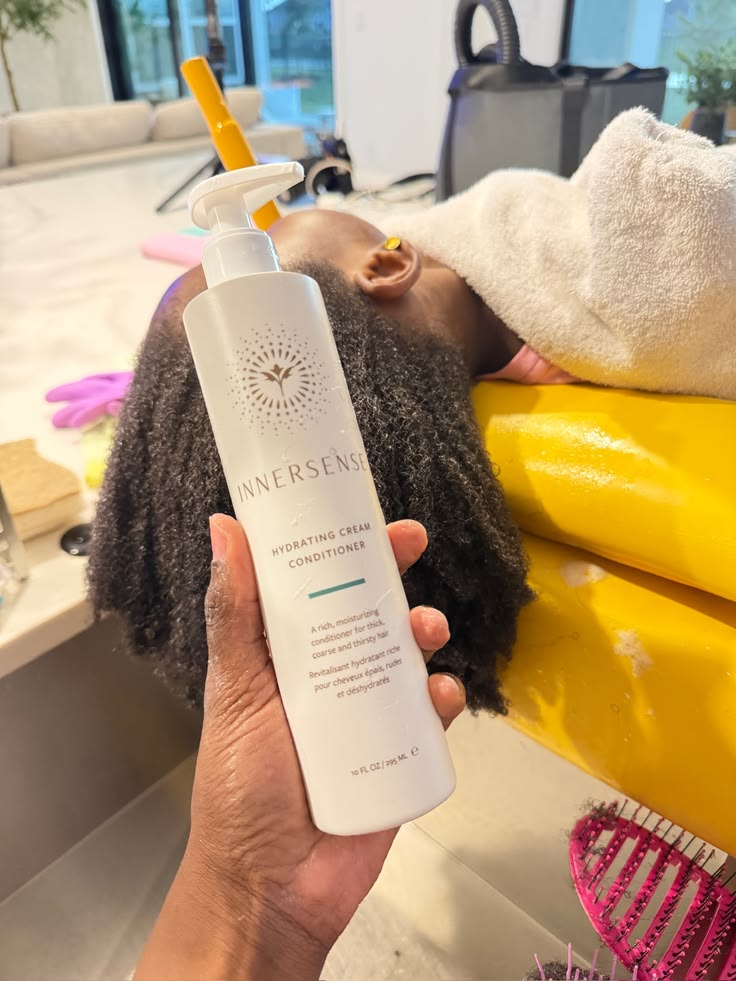
Shampoo is just the first step in a full hair care routine.
Following it with a good conditioner replenishes moisture the cleanser removed.
Adding a leave-in product afterward locks in that moisture even longer.
This layered approach pairs naturally with leave-in conditioner vs hair milk for kids once hair is clean and detangled.

Seasonal Shampoo Adjustments
Winter air can dry hair out faster, calling for a more hydrating shampoo.
Summer humidity and swimming often mean hair needs more frequent clarifying washes.
Chlorine and salt water both strip natural oils quickly.
Adjusting shampoo frequency and richness with the seasons keeps curls balanced year-round.
Shampoo Frequency for Different Activity Levels
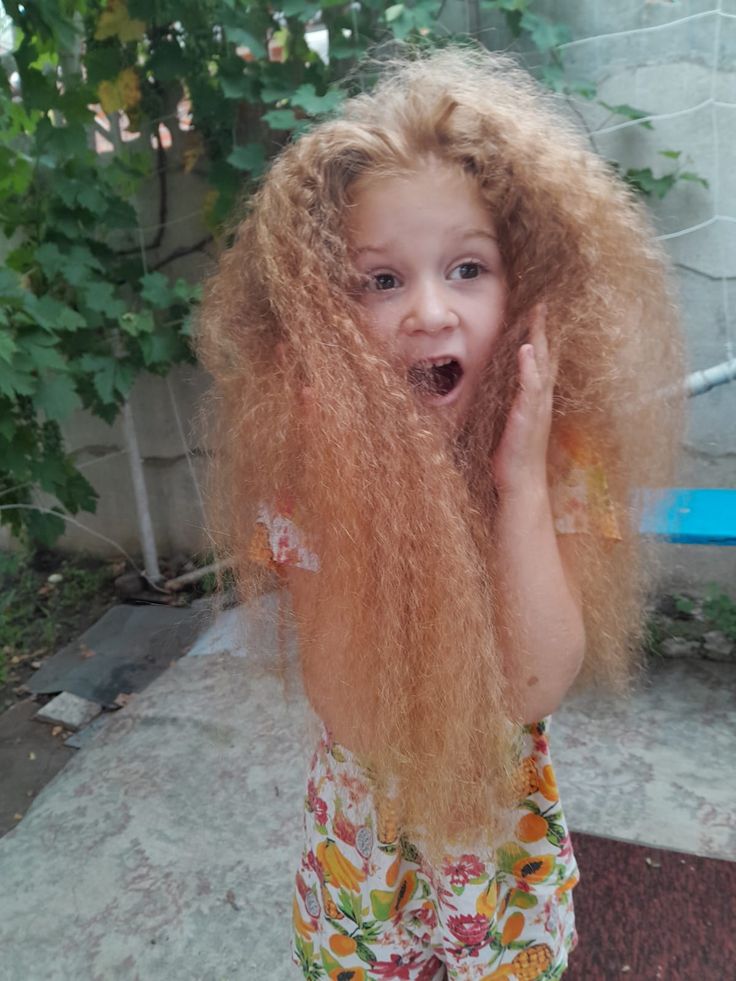
An active child who swims or plays sports often needs more frequent washing.
Chlorine and sweat can both build up and irritate the scalp over time.
A less active child may only need a wash once or twice a week.
Adjusting frequency based on activity, alongside how to build a healthy hair routine for kids, keeps hair balanced without overwashing.
Shampoo for Multiple Kids With Different Hair Types
Families with more than one child often want a single shampoo that works for everyone.
This is possible, but it usually means compromising on richness for one hair type or another.
A gentle, moderately hydrating formula tends to work reasonably well across textures.
Keeping a second, richer shampoo on hand for a curlier sibling can fill the gap.
This flexible approach saves cabinet space while still meeting each child’s needs.
The best conditioners for every hair type helps when picking a matching conditioner.
Choosing a Shampoo Brand You Can Trust
Established kids’ hair care brands often publish full ingredient lists and safety information.
Checking for third-party safety certifications can offer extra peace of mind.
Brands built specifically for curly and textured hair tend to understand those needs best.
Reading a brand’s story or mission can also reveal how seriously they take formulation choices.
Frequently Asked Questions
How do I know if a shampoo is too harsh for my child’s hair?
Hair that feels dry, straw-like, or squeaky after rinsing is often a sign the shampoo is too harsh.
Frizz that seems worse than usual can also point to stripped moisture.
Scalp irritation or flaking is another red flag worth watching for.
Switching to a gentler, sulfate-free formula usually resolves the issue.
Can I use adult shampoo on my child’s hair?
Adult shampoo can work in a pinch, but it is not ideal for regular use.
Many adult formulas contain stronger cleansers than a child’s scalp needs.
Kids’ shampoos are usually milder and less likely to irritate sensitive skin.
Sticking with a formula made for children is the safer long-term choice.
How long does a bottle of kids’ shampoo usually last?
This depends on hair length, thickness, and how often your child washes.
A single bottle can last anywhere from one to three months for most families.
Using less product per wash can stretch a bottle even further.
Buying a larger size often makes sense once you find a favorite.
Is it okay to switch shampoos often?
Switching shampoos occasionally is completely fine and sometimes helpful.
Hair can adjust to a single formula over time, which is sometimes called buildup.
Rotating between two gentle shampoos can help prevent that adjustment.
Just avoid switching so often that you cannot tell what is actually working.
Should I choose a shampoo based on scent or ingredients?
Ingredients should always come before scent when choosing a shampoo.
A pleasant smell is a nice bonus, not a sign of quality.
Some fragrances can irritate sensitive scalps, even in gentle-seeming products.
Reading the ingredient list first keeps the search for the right shampoo for kids focused on what matters most.
Should I choose shampoo for a boy differently than for a girl?
Hair care needs come down to texture and length, not gender.
A child with short, curly hair and a child with long, curly hair may need similar formulas.
Focusing on curl pattern and scalp needs matters more than marketing aimed at boys or girls.
The same shampoo can usually work well for any child with a matching hair type.

Final Thoughts
Choosing the right shampoo for kids gets easier once you know which ingredients to look for and which to skip.
Pay attention to how your child’s scalp and curls respond after each wash.
A little trial and error is normal before you land on a favorite.
Pairing a good shampoo with the best scalp care routine for children rounds out a gentle, effective wash day routine.



3 Comments