
How to Build a Healthy Hair Routine for Kids
Disclosure: Some of the links in this post are affiliate links. This means if you click on the link and purchase an item, I will receive an affiliate commission at no extra cost to you.
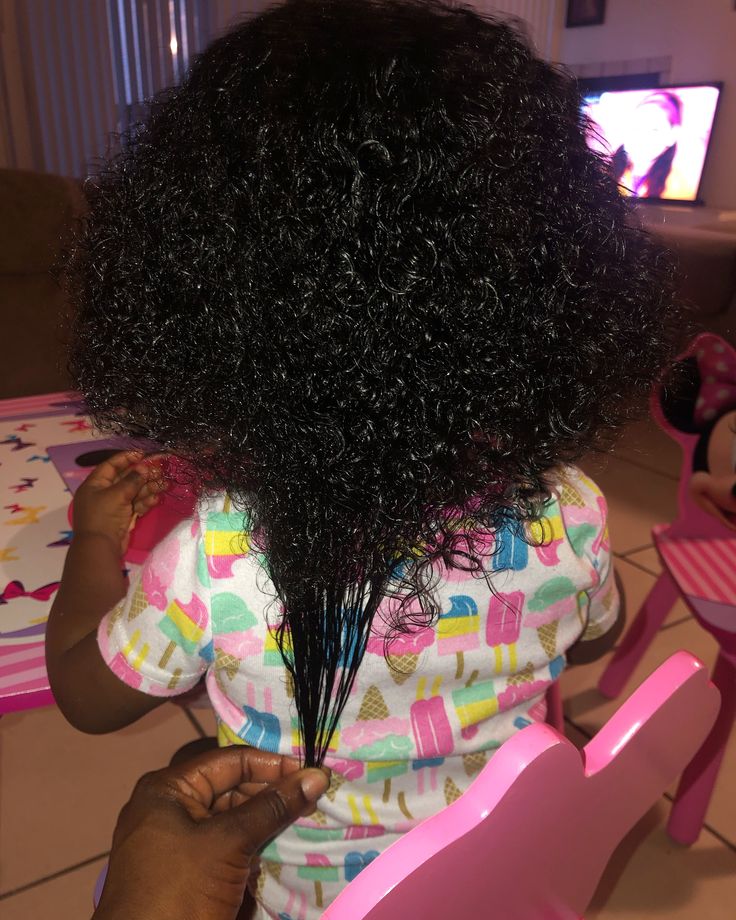
Taking care of your child’s hair doesn’t have to feel like a chore. With a few simple steps done regularly, you can build a healthy hair routine for kids that actually works, and one that both of you enjoy.
It’s not about being perfect, it’s about showing up for it consistently.The secret is consistency, not complicated steps.Once you find a rhythm that works, taking care of your child’s hair becomes second nature.
It’s less about perfect results and more about building small habits that protect their hair over time. If you’re not sure where to begin, our The Complete Beginner’s Guide to Kids Hair Care breaks down the basics in a simple way.
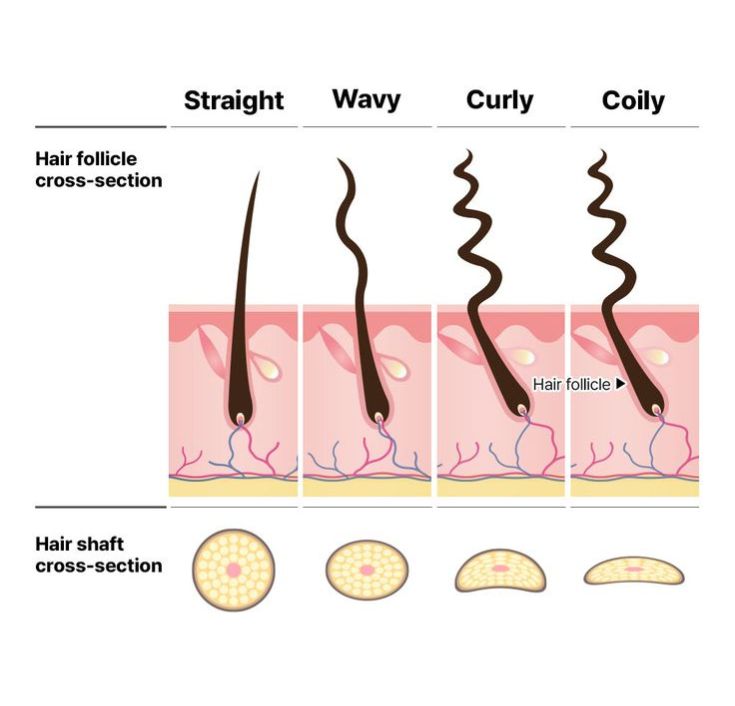
A good healthy hair routine for kids also depends on knowing what their hair actually needs.Curly, coily, and straight hair all respond differently to washing, moisturizing, and styling.
Learning your child’s hair type makes every step easier, so you’re not guessing what products or techniques to reach for. Our How to Identify Your Child’s Hair Type can help you figure that out quickly.
These little routines add up to something bigger than clean, neat hair. They become quiet moments of connection, the kind kids treasure long after they’ve grown.
So relax, grab your supplies, and let’s make hair care one of the easiest and most rewarding parts of caring for your child, one small session at a time.
Why a Routine Matters More Than a Single Product
Parents often search for the one perfect product that will fix everything.
The truth is simpler than that. A healthy hair routine for kids works because it’s repeated, not because of any single item.
Consistency builds strong strands over weeks and months, not overnight.
Hair grows in cycles, and it responds to steady care. Washing, moisturizing, and protecting hair on a regular schedule gives it the best chance to thrive.
Skipping steps here and there, or switching products constantly, actually slows progress down.
Our Healthy Habits That Support Kids Hair Growth goes deeper into why steady care beats quick fixes every time.
Kids also benefit from predictability. When hair care happens on the same days each week, it stops feeling like a surprise chore.
They know what to expect, and that alone reduces a lot of the fussing.
Over time, kids even start to look forward to their hair days, especially once they see how good their styles turn out and start getting compliments from friends and family.
The Four Pillars of a Healthy Hair Routine
Every solid routine rests on four basic pillars. Miss one, and the others struggle to do their job properly.
Cleansing removes buildup from sweat, products, and everyday play.
Left too long, buildup can weigh hair down and block moisture from soaking in properly.
Moisturizing replaces the hydration that washing can strip away, keeping strands soft and flexible instead of brittle.
Protecting shields hair from friction, weather, and daily wear, especially during rough play or windy days outside.
Trimming removes damaged ends before they travel further up the strand and cause bigger problems later.
None of these steps work alone. A perfectly washed head of hair still gets dry and brittle without moisture.
A well-moisturized style still snaps and breaks without occasional trims.
A protected style still suffers if the hair underneath was never properly cleansed to begin with.
Building all four into your rhythm creates lasting results that compound over time, and skipping even one pillar for too long slowly undoes the progress made by the others.

Step One: Get Washing Right
Washing sits at the center of any healthy hair routine for kids, yet it’s the step most parents get wrong.
Too much washing strips natural oils.
Too little washing lets buildup sit on the scalp and clog follicles, which can slow healthy growth over time.
How Often Should You Wash
Most kids don’t need daily washing. Depending on hair type and activity level, once a week or every two weeks often works best.
Active kids who sweat frequently might need more frequent washes, while kids with drier hair types can stretch longer between sessions.
Curlier and coilier hair textures usually need less frequent washing than straighter hair types, since natural oils travel more slowly down the hair shaft.
Our How Often Should You Wash Your Child’s Hair? walks through exactly how to figure out your child’s ideal schedule.
Building a Wash Day That Doesn’t Feel Like a Battle
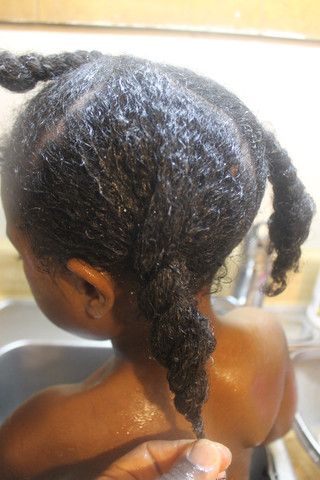
Wash day gets a bad reputation, but it doesn’t need tears or tantrums.
Prepping ahead of time makes a huge difference.
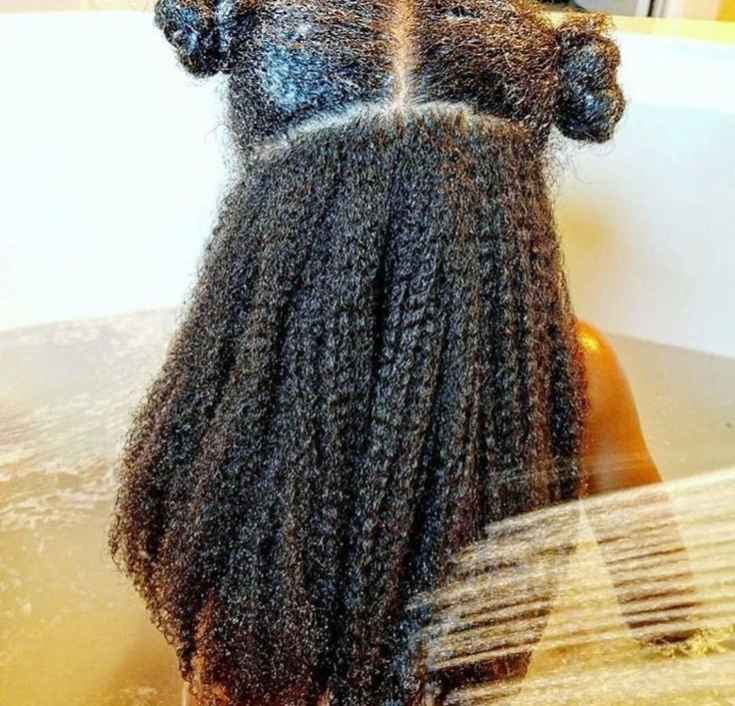
Detangle before wetting hair, use lukewarm water, and let your child hold the showerhead if that gives them a sense of control.
Break the process into smaller stages instead of rushing through everything at once.
Shampoo the scalp gently, rinse thoroughly, then follow with conditioner focused on the ends.
Our The Best Wash Day Routine for Kids offers a full step-by-step breakdown you can follow every time.
Choosing the Right Shampoo
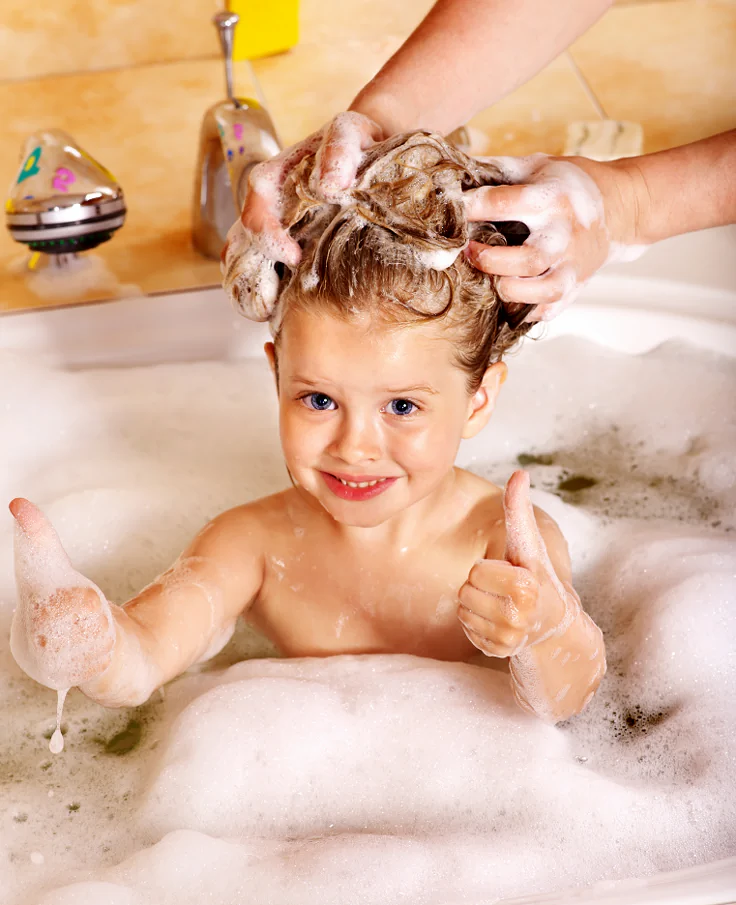
Not every shampoo suits every child. Sulfate-heavy formulas can dry out curly and coily hair especially fast.
Look for gentle, moisturizing cleansers instead, ideally ones free from heavy alcohols and harsh fragrances.
Reading labels becomes second nature after a few tries, and it saves you from products that promise a lot but deliver very little.
Our How to Choose the Right Shampoo for Kids covers what ingredients to look for and which ones to avoid.

Step Two: Moisture Is Non-Negotiable
Dry hair breaks. Moisturized hair bends and stretches without snapping.
This single fact explains why moisture sits at the heart of every strong routine.
Kids’ hair, especially curly and coily textures, loses moisture faster than adult hair does.
That means missing even a day or two of moisturizing can leave strands feeling rough and prone to snapping.
Every other step in your routine, from washing to styling, works better once moisture is handled first.
Think of moisture as the foundation everything else gets built on top of.
The Layering Method
Kids hair, especially curly and coily types, benefits from layering moisture rather than applying just one product.
Start with water or a light leave-in spray, follow with a cream or hair milk, then seal everything in with a light oil.
This layering approach, often called the LOC (Liquid-Oil -cream) or LCO ( Liquid-Cream-Oil) method depending on the order used, helps moisture actually stay locked inside the hair shaft.
Skipping the sealing step is one of the most common reasons hair dries out again within hours.
Our How to Moisturize Kids Hair Properly explains this layering method in more detail.
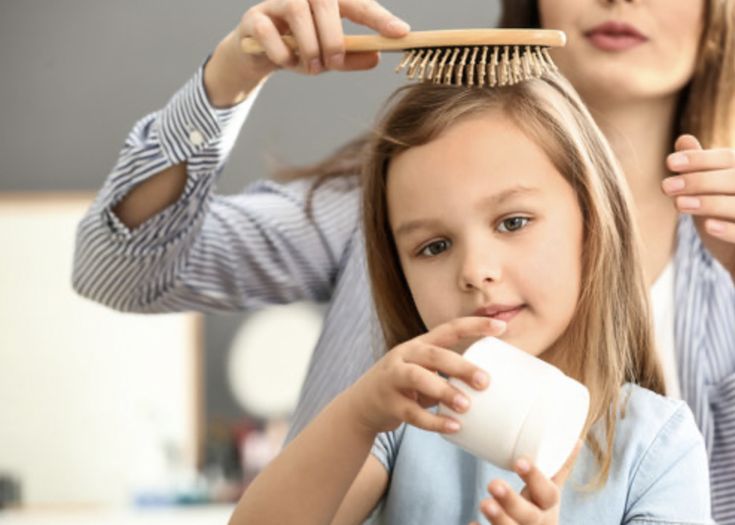
Leave-In Conditioners vs Hair Milk
Parents often wonder which product actually works better for daily moisture between wash days.
Leave-in conditioners tend to be lighter and absorb quickly, making them great for finer or shorter hair.
Hair milk offers a bit more slip, which helps with detangling thicker or curlier textures.
Our Leave-In Conditioner vs Hair Milk for Kids compares both in detail so you can pick what actually suits your child’s hair.
Oils That Actually Help
Oils don’t moisturize hair directly, but they play a key role in sealing moisture in once it’s already there.
Jojoba, coconut, and grapeseed oils work well across most hair types without weighing strands down.
Applying oil as the final step locks in everything you added before it.
A little goes a long way with oils, so start small and add more only if hair still feels dry to the touch.
Our The Best Hair Oils for Children’s Hair lists options based on texture and specific need.

Step Three: Detangling Without the Drama
Detangling causes more hair-time tears than almost anything else.
Doing it correctly changes everything.
Most of the pain comes from rushing or using the wrong tool for the job.
A slower, gentler approach turns this dreaded step into one of the calmest parts of hair time.
Start From the Ends
Always detangle starting at the ends and work upward toward the scalp, never the other way around.
Trying to pull through knots from the root down causes pain, tears, and unnecessary breakage.
Use your fingers first to gently loosen the biggest knots before ever reaching for a comb.
This simple order alone prevents most of the tugging kids complain about.
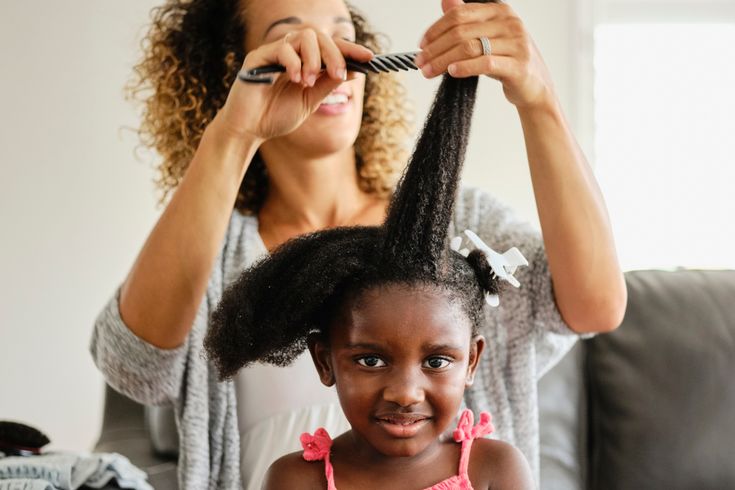
The Right Tools Make a Difference
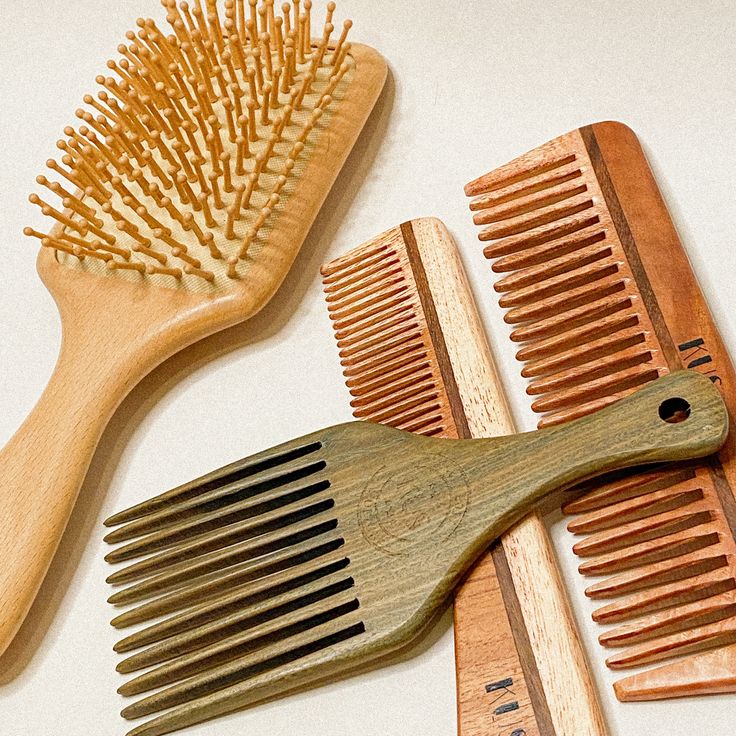
A wide-tooth comb glides through wet, conditioned hair far more gently than a standard brush. O
ur Wide-Tooth Comb vs Detangling Brush breaks down which tool works best depending on your child’s hair texture and length.
Detangling sprays also help reduce friction and speed the process along.
A good detangling spray can turn a ten-minute struggle into a two-minute task on a busy afternoon.
Our The Best Detangling Sprays for Kids rounds up options that won’t weigh hair down or leave residue.
Step Four: Protective Styling Between Wash Days
What happens at night matters just as much as what happens during the day.
Cotton pillowcases pull moisture from hair and create friction that leads to breakage.
Hours of tossing and turning against rough fabric slowly wear down the hair cuticle.
A few small nighttime swaps protect everything you worked on during the day.
Choosing Styles That Actually Protect
Not every style marketed as protective truly protects hair.
Styles that are too tight at the edges or worn for too long can cause more harm than good.
Our The Biggest Mistake Parents Make With Protective Styles covers what to watch for.
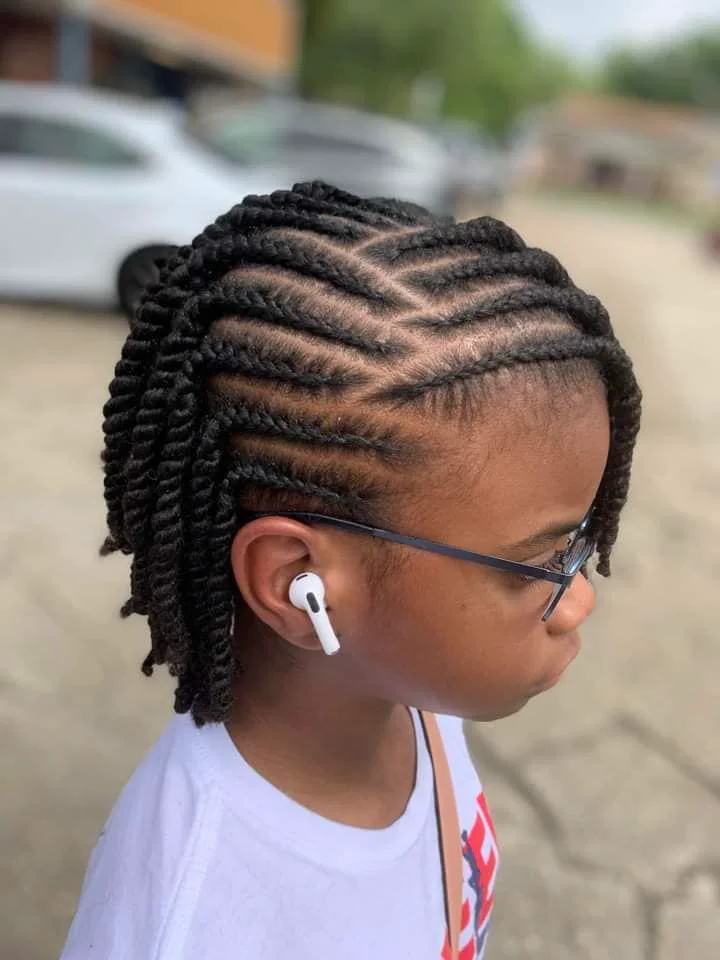
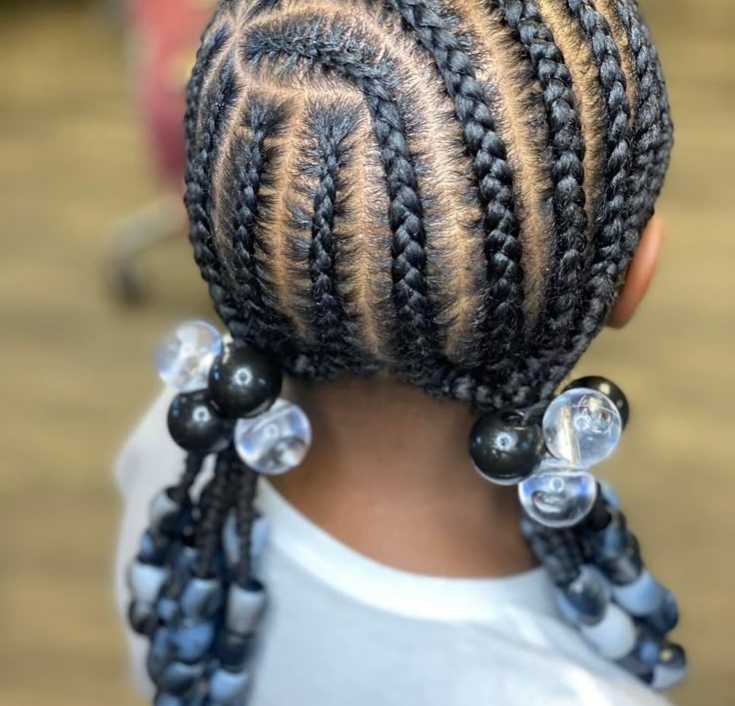
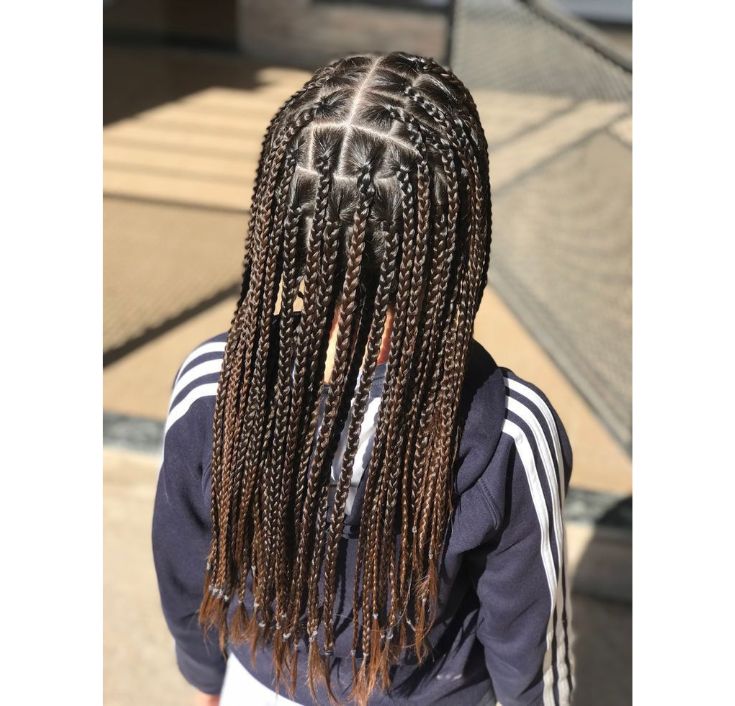
Braids, twists, and buns all work well between wash days.
Our 31 Best Braided Hairstyles for Kids offers plenty of options if you’re looking for fresh ideas to rotate through.
How Long Is Too Long?
Protective styles shouldn’t stay in for more than two to three weeks at a time, even when they still look neat.
Beyond that window, buildup and tangling at the new growth become much harder to manage safely.
Leaving styles in too long also puts steady tension on the same spots along the scalp.
Our 60 Protective Styles That Last All Week includes options built for shorter, more manageable wear times.
Step Five: Nighttime Habits Protect Daytime Progress
What happens at night matters just as much as what happens during the day.
Cotton pillowcases pull moisture from hair and create friction that leads to breakage.
Hours of tossing and turning against rough fabric slowly wear down the hair cuticle.
A few small nighttime swaps protect everything you worked on during the day.
Satin and Silk Make a Real Difference
Switching to a satin bonnet or pillowcase reduces friction dramatically compared to regular cotton.
Cotton pulls moisture out of hair overnight and roughs up the hair cuticle with every movement.
Satin lets hair glide instead, keeping both moisture and style intact until morning.
Our Satin Bonnets for Kids: Do They Help? breaks down exactly how this small swap protects hair overnight.

Signs Your Routine Is Working
It really helps to know what progress actually looks like along the way.
Shine returns gradually as moisture and oil balance improve, especially near the crown and ends.
Fewer strands land in the comb or on the pillow each week as breakage slows down.
Styles hold their shape longer between wash days instead of frizzing or slipping within hours.
Your child also starts sitting through hair time with less fuss, since their scalp and hair feel more comfortable overall.
Growth itself takes longer to notice than these smaller signs, so don’t judge progress by length alone in the early weeks.
Retained length, meaning less breakage rather than faster growth, is usually the first real win you’ll see, and it’s often the most satisfying one too.
Common Mistakes That Slow Down Progress
Even well-meaning parents fall into a few common traps.
Over-washing or under-washing throws off your child’s natural oil balance.
Skipping trims lets split ends travel further up the hair shaft over time.
Our Should You Trim Your Child’s Hair Regularly? explains why trims matter more than most people realize.
Using too many products at once can leave hair greasy and weighed down instead of moisturized.
Styling hair too tightly puts stress on the scalp and edges, leading to breakage near the hairline.
Our Could Your Child’s Hair Accessories Be Causing Breakage? covers how even small accessories can cause big problems over time.
Ignoring the scalp is another common oversight.
A healthy scalp supports healthy growth, and neglecting it slows everything down.
Rushing through hair time also teaches kids to dread it, which makes every future session harder than it needs to be.
Our How to Keep Kids’ Scalp Healthy offers simple scalp care tips you can add to your existing routine.

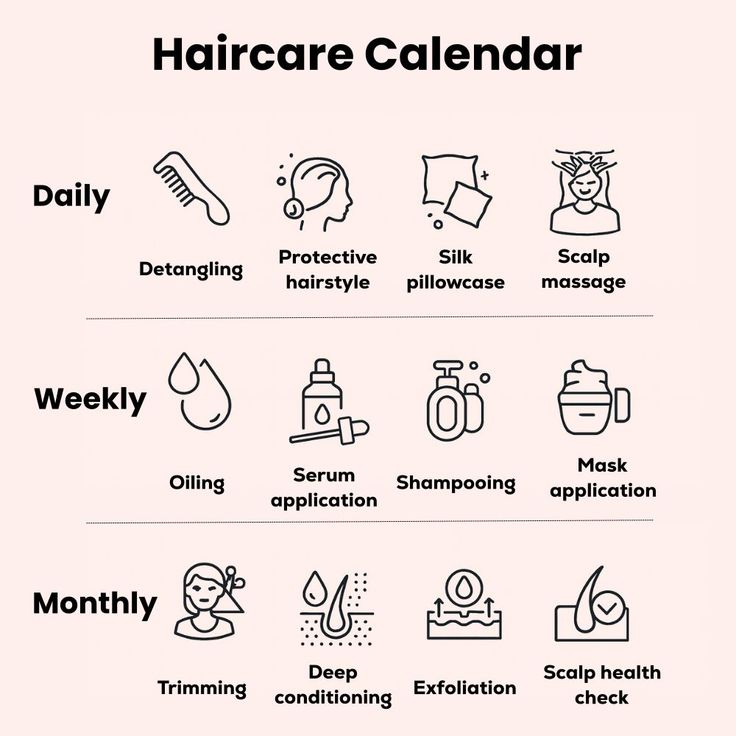
Building a Weekly Schedule That Actually Works
A realistic schedule makes the biggest difference in how well a routine actually sticks over time.
Try something like this as a starting point, then adjust it once you learn how your child’s hair responds.
Wash and deep condition once a week or every two weeks, depending on your child’s hair type and activity level.
Moisturize and seal every two to three days to keep strands soft between wash sessions.
Check protective styles regularly for buildup around the edges and new growth.
Detangle gently before each wash to prevent extra shedding during the process.
Trim every eight to twelve weeks to keep ends healthy and prevent split ends from spreading.
Write the schedule down somewhere visible, like a calendar or the fridge, so it becomes a shared routine instead of something only you track.
Letting your child check off each step also gives them a sense of ownership over their own hair care.
Adjust this schedule based on your child’s activity level, hair length, and texture.
Our The Best Scalp Care Routine for Children can help you fine-tune scalp care specifically within this weekly rhythm.
Frequently Asked Questions
How long does it take to see results from a healthy hair routine for kids? Most parents notice less breakage and more shine within four to six weeks of consistent care.
Full results, especially around retained length and overall thickness, usually take a few months to show clearly.
Can I skip conditioner if I’m short on time? Conditioner replaces moisture that shampoo removes, so skipping it regularly leads to dryness and breakage over time.
Even a quick rinse-out conditioner is better than none at all.
Should boys follow the same routine as girls? Yes, the same core principles apply, though styling techniques sometimes differ for shorter or textured hair.
Our Twists for Boys: Everything Parents Should Know covers styling specifics in more detail.
What if my child hates having their hair done? Keep sessions short, offer choices where possible, and build in small rewards.
Our Why Your Child Hates Hair Time (and How to Change It) offers practical ways to ease the resistance.
Do expensive products work better than drugstore options? Not always, since ingredients matter far more than price for real results.
Our Why Expensive Hair Products Aren’t Always Better breaks down exactly what to look for on labels.
Final Thoughts
A healthy hair routine for kids doesn’t require perfection or hours of your day. It requires small, steady habits repeated with care.
Washing at the right frequency, moisturizing consistently, protecting hair between washes, and trimming regularly all work together to build strong, resilient hair over time.
More than that, these routines become something bigger than hair care.
They turn into quiet, connected moments between you and your child, the kind that stick around in memory long after the tangles are gone.

6 Comments