
The Best Hair Brushes for Kids
Disclosure: Some of the links in this post are affiliate links. This means if you click on the link and purchase an item, I will receive an affiliate commission at no extra cost to you.
Hair time doesn’t have to end in tears every morning. A lot of the tugging and complaining comes down to one thing.
The tool you’re using might not be right for your child’s hair. Every strand type responds differently to bristles, teeth, and pressure, and small mismatches add up fast.
Once you understand your child’s texture, choosing the best hair brushes for kids gets a lot simpler. Curly and coily strands need something gentle that glides through knots.
Straight and fine hair often does better with a different bristle altogether. It helps to start with How to Identify Your Child’s Hair Type, since brush choice depends heavily on curl pattern and thickness.
The best hair brushes for kids also work hand in hand with a good routine. A great brush can’t fix dry, tangled strands on its own.
Pairing the right tool with The Best Wash Day Routine for Kids makes detangling faster and gentler on little scalps. Together, they turn a stressful morning into a smooth one.
Hair time can become one of those small daily moments kids remember fondly. A few quiet minutes of brushing and chatting build connection before the day even starts.
Grab a comfy spot and get ready, because you’re about to find the brush that finally makes hair time easy for both of you.
Why the Right Hairbrush Matters for Kids’ Hair
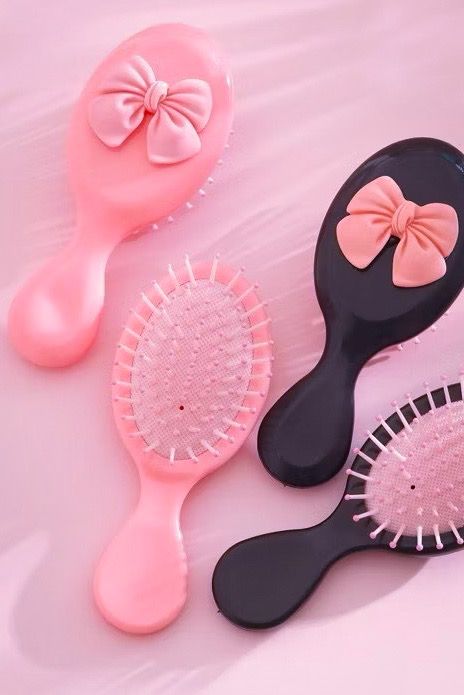
A hairbrush does more than smooth strands into place. It can protect hair or slowly damage it, depending on the bristles and how they’re used. Kids’ hair is often thinner and more fragile than adult hair.
That means the wrong brush causes more harm, faster, and the damage isn’t always obvious right away.
Stiff plastic bristles can snag curls and rip through knots. That kind of pulling leads to soreness, tears, and dread around brushing time.
It’s one of the biggest reasons behind 15 Reasons Your Child’s Hair Keeps Breaking (and What to Do About It). Choosing gentler tools protects the hair shaft and keeps strands intact longer.
A good brush also saves you time. Instead of fighting through tangles for twenty minutes, the right bristles glide through in a few gentle strokes.
Kids notice the difference too. When brushing feels comfortable, they stop associating hair time with pain, and mornings get calmer for everyone.
Over months and years, that comfort shapes how a child feels about their own hair.
Price tags don’t always tell the whole story either. A cheap brush with soft, flexible bristles can outperform an expensive one with stiff, tightly packed teeth.
The material and shape matter far more than the brand name on the handle.
That’s why families searching for the best hair brushes for kids often end up switching tools once they understand what their child’s texture actually needs.
Best Hair Brushes for Kids by Hair Type
Not every child’s hair behaves the same way, so one brush rarely works for the whole family.
Matching the brush to the texture makes the biggest difference in comfort and results, and it’s worth testing a couple of options before settling on a favorite.
Even siblings with similar curl patterns can need different bristles depending on thickness and length.
Straight or Fine Hair
Straight, fine strands tangle less but can look flat or greasy if brushed too roughly.
A soft, natural bristle brush works best here, since it distributes scalp oils evenly without pulling.
Brush from the ends first, then move upward toward the roots.
This style pairs well with The Best Hair Oils for Children’s Hair, since fine hair benefits from lightweight shine without heaviness.
A light touch matters more than firm pressure with this texture.
Wavy Hair (Type 2)
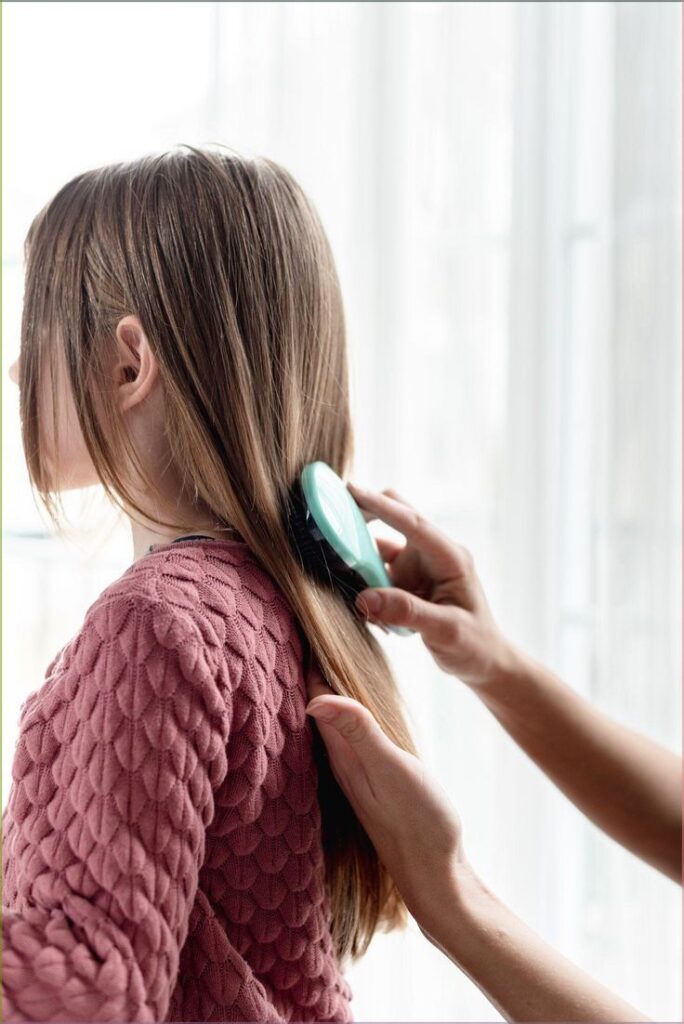
Wavy hair needs a brush that defines the natural bend without stretching it out into frizz.
A wide-tooth comb or a flexible paddle brush both work well for everyday detangling.
Brushing dry can create frizz, so it helps to dampen hair slightly first.
Many parents find success following Hair Type 2: Care Guide for Kids for texture-specific tips.
A light mist of water before brushing keeps waves defined instead of fluffy.
Curly Hair (Type 3)
Curly strands are more prone to shrinkage, dryness, and knots, so gentleness matters most here.
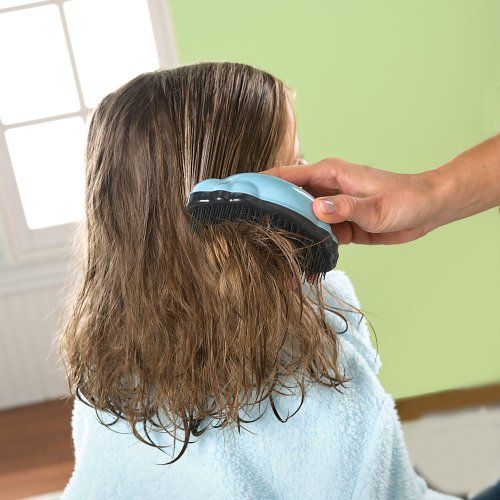
A detangling brush with flexible, widely spaced bristles works better than a fine-tooth comb.
Always detangle on wet, conditioned hair rather than dry curls.
Pairing your brush with The Best Detangling Sprays for Kids softens knots before you even start brushing, so the brush has far less resistance to fight through.
Coily Hair (Type 4)
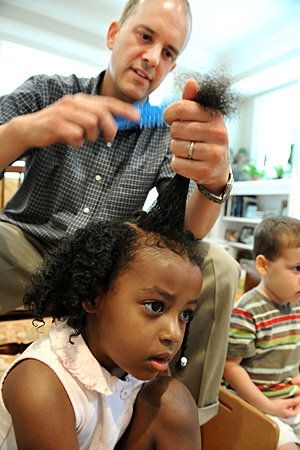
Coily hair is the most fragile texture and tangles the easiest.
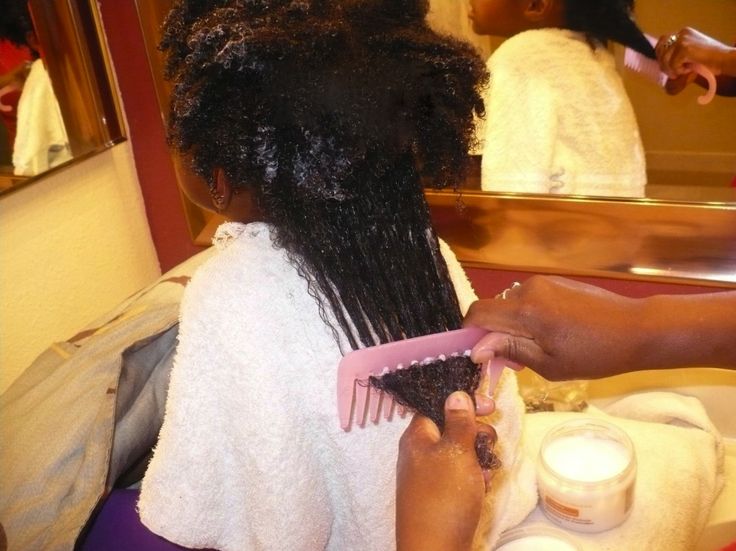
A wide-tooth comb or a specialized detangling brush with soft, bendable teeth prevents unnecessary breakage.
Finger detangling first, then following up with a brush, often works better than jumping straight to bristles.
This routine fits naturally into The Different Kids Hair Textures Explained for a deeper understanding of coily care. Patience matters more than speed with this texture.
Brushes for Babies and Toddlers
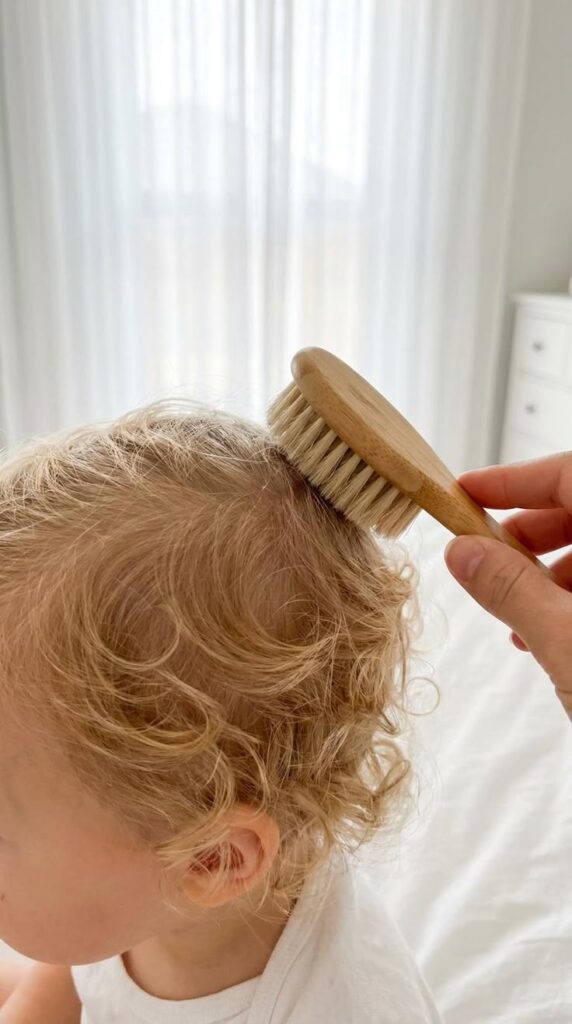
Very young kids need the softest bristles you can find, since their scalp and strands are still developing.
A baby-safe brush with rounded, gentle bristles works well for scalp massage and light smoothing rather than real detangling.
Toddlers with thicker hair can usually move up to a small detangling brush once curls or waves start forming.
Keeping sessions short and playful at this age builds good habits that carry into later years.
Best Hair Brush Types for Kids
Beyond texture, the type of brush itself changes how hair time feels.
Here’s a rundown of the main options and what each one does best.
Some brushes work double duty, while others are built for one job alone.
Knowing the difference saves you from buying tools you won’t actually use.
Detangling Brush
Detangling brushes have flexible bristles designed to bend around knots instead of ripping through them.
They’re a favorite for curly and coily hair because they reduce pain and breakage.
Most work well on wet hair with conditioner still in it.
For a full breakdown of when to reach for one, Wide-Tooth Comb vs Detangling Brush compares both tools side by side.
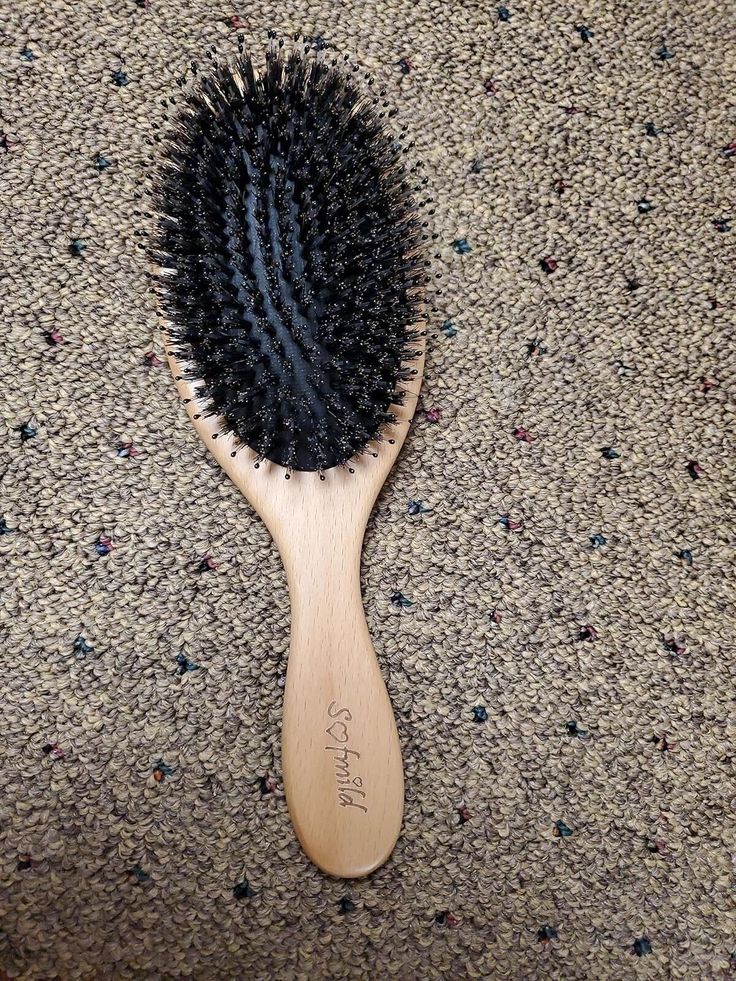
Boar Bristle Brush
Boar bristle brushes are best suited for straight or fine hair that needs shine and smoothness.
The natural bristles help spread oils from the scalp down the strand.
They aren’t ideal for curly or coily textures, since the bristles are too stiff for tight curl patterns.
Used correctly, this brush supports How to Encourage Healthy Hair Growth in Kids by keeping the scalp stimulated and strands smooth.
Paddle Brush
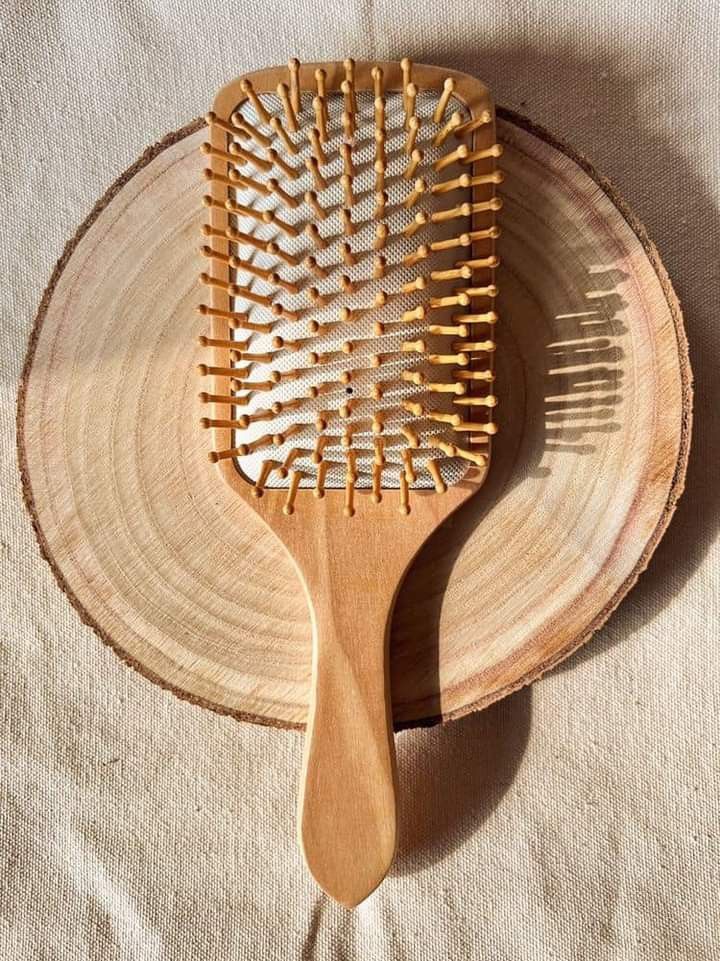
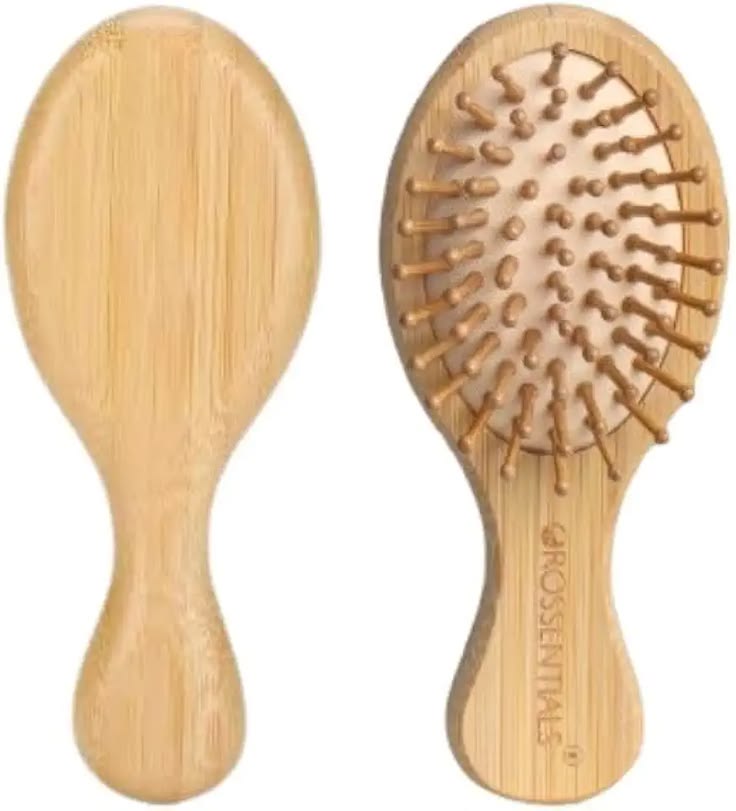
A paddle brush has a wide, flat surface that covers more hair per stroke.
It works well for longer, straighter hair that needs quick, even brushing.
Paddle brushes are less suited to tight curls, where the flat surface can cause more snagging.
For longer styles, this brush pairs nicely with 31 Best Braided Hairstyles for Kids, since smooth sections braid more neatly and hold their shape longer.
Scalp Massage Brush
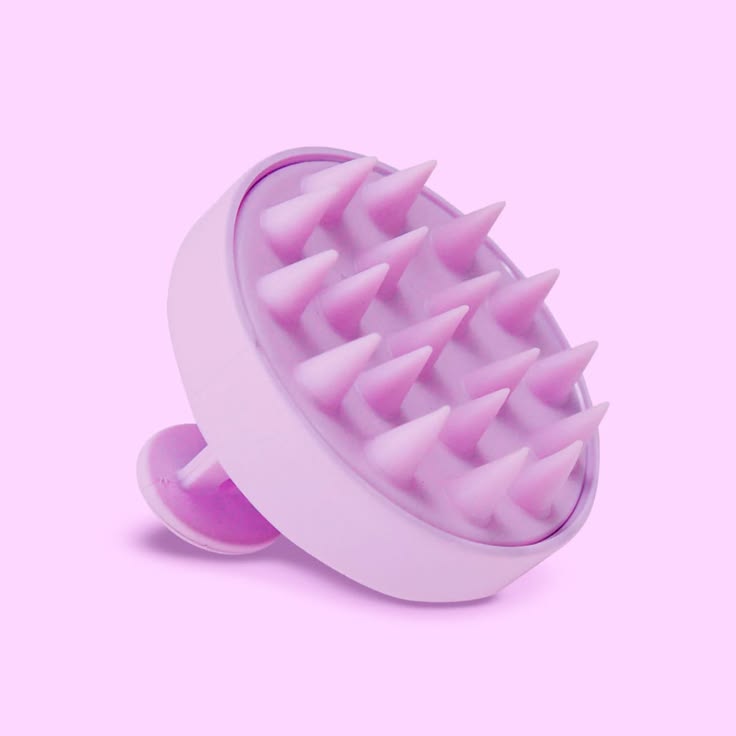
Scalp massage brushes have soft, rounded silicone bristles designed to stimulate the scalp rather than detangle strands.
They’re often used during shampooing to loosen buildup and improve circulation.
Kids tend to enjoy the gentle massage feeling, which makes wash day less of a fight.
This tool supports How to Keep Kids’ Scalp Healthy by keeping the scalp clean and stimulated between washes.
What to Look for When Buying a Hairbrush for Kids
Picking from so many options can feel overwhelming, so it helps to focus on a few key features rather than getting distracted by packaging or price.
First, look at the bristle material. Flexible, rounded tips are gentler than stiff plastic ones, especially for curly and coily hair.
Cheap, sharp bristles are usually the first sign a brush should stay on the shelf.
Size matters too. A brush that’s too big can be hard for smaller hands to hold if your child likes to help with brushing.
A comfortable, non-slip handle also makes the process easier for you, especially during squirmy mornings.
Younger kids often do better with a smaller, lighter option, which is one reason Toddler Hair Care Made Simple recommends starting with simpler tools.
Consider how the brush handles wet versus dry hair. Some tools are designed specifically for wet detangling and shouldn’t be used on dry strands, since that can cause more breakage.
Checking How to Moisturize Kids Hair Properly alongside your brush choice helps you build a routine where the tool and the products work together instead of against each other.
The right conditioner also makes a real difference here, which is worth exploring through The Best Conditioners for Every Hair Type.
Finally, think about durability. Kids’ brushes get dropped, chewed on, and tossed around, so a sturdy build matters more than fancy extras.
A simple, well-made brush usually outperforms one with too many bells and whistles.
It also helps to keep more than one brush on hand. A soft detangling brush for wash day and a smaller comb for quick touch-ups cover most situations without cluttering the bathroom counter.
Letting your child pick their own brush, within a few good options, can even make them more willing to sit still for it.
How Brushes Fit Into a Full Hair Care Routine
A great brush works best as one part of a bigger system, not a standalone fix.
Products, protection, and timing all shape how easy that brush glides through hair each day.
Adding a leave-in product before brushing gives strands extra slip, which means less pulling and fewer snapped hairs.
Comparing Leave-In Conditioner vs Hair Milk for Kids can help you decide which texture works best for your child’s hair before it meets the brush.
Protecting hair overnight matters just as much as the brushing itself.
A satin or silk covering keeps strands smooth so there’s less to detangle come morning.
Satin Bonnets for Kids: Do They Help? breaks down if that extra step is worth adding to your nightly routine.
Wash frequency plays a role too. Hair that’s washed too often can dry out and tangle more, while hair washed too rarely can build up product and feel heavier under the brush.
How Often Should You Wash Your Child’s Hair? offers a helpful starting point for finding the right rhythm for your family.
None of these steps need to happen all at once. Adding one new habit at a time, and giving it a few weeks, usually works better than overhauling the whole routine overnight.
Kids adjust to gradual changes far more easily than sudden ones.
Practical Tips for Brushing Kids’ Hair
A few small habits make brushing time smoother for everyone involved.
None of these take extra time, but together they change the whole experience.
Most of them come down to slowing down just slightly and working with the hair instead of against it.
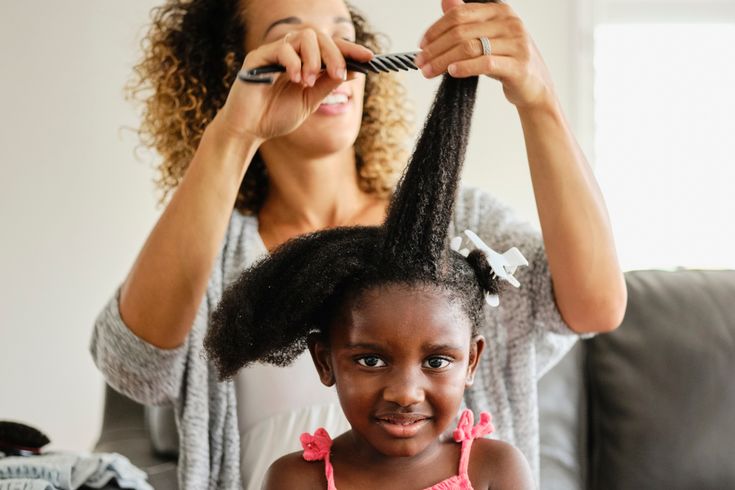
Always start detangling from the ends and work upward, never top to bottom.
Hold hair sections just above where you’re brushing to reduce pulling on the scalp.
Brush curly or coily hair while it’s wet and coated in conditioner, not dry.
Use a leave-in product before brushing to add slip and reduce friction between strands.
Break hair into smaller sections rather than brushing the whole head at once.
Keep brushing sessions short and calm, especially for younger kids who get restless.
Let your child hold a small toy or watch a short video during longer sessions to ease restlessness.
Following How to Build a Healthy Hair Routine for Kids alongside these habits helps brushing become one small, easy part of a bigger routine instead of the whole battle.
Common Mistakes to Avoid
Even with the right brush, a few habits can undo the benefits. Most of these mistakes are easy fixes once you notice them, and they make a bigger difference than buying yet another new tool.
Brushing dry, unmoisturized hair increases friction and snapping. Starting at the roots instead of the ends pulls through every knot at once.
Using the same brush for every hair type in the household ignores how differently textures behave.
Skipping detangling sprays or leave-ins removes a smoother path for the brush to follow.
Rushing through brushing sessions makes kids tense up and pull away.
Waiting too long between trims lets split ends tangle and snag the brush more easily.
Avoiding these missteps ties directly into The One Hair Care Habit That Causes More Tangles Than You Think, since most tangle problems start well before the brush ever touches the hair.
Regular trims matter here too, and Should You Trim Your Child’s Hair Regularly? explains how split ends make every brushing session harder than it needs to be.
If mornings still feel like a struggle, Why Your Child Hates Hair Time (and How to Change It) digs deeper into shifting that mindset for good.
Frequently Asked Questions
What is the best hairbrush for curly-haired kids?
A flexible detangling brush works best for curly hair, since the bendable bristles glide through knots.
Pairing it with a good leave-in keeps curls soft and easier to manage.
It also cuts down on the frizz that stiffer bristles tend to stir up.
Should I brush my child’s hair wet or dry?
Curly and coily hair should be brushed wet with conditioner still in it.
Straight and fine hair can usually be brushed dry without much trouble.
Brushing curls dry tends to break the pattern and stir up frizz..
How often should kids’ hair be brushed?
Most kids only need brushing once a day, or during wash day for curlier textures.
Over-brushing can actually cause more frizz and breakage over time.
Curly and coily hair especially benefits from fewer, gentler sessions rather than constant brushing.
Can one brush work for the whole family?
Different textures usually need different tools, so one brush rarely fits everyone.
Looking at Signs Your Child’s Hair Is Healthy can help you spot if your current tool is actually working.
A brush that suited your child last year might not be the right fit today.
Do scalp brushes help with hair growth?
Scalp brushes stimulate circulation, which can support a healthy scalp environment.
They work best alongside The Best Scalp Care Routine for Children rather than as a standalone fix.
Even a couple minutes with one during shampooing can make a real difference over time.
Does shampoo choice affect how easy hair is to brush?
Yes, the wrong shampoo can leave hair dry and harder to detangle.
How to Choose the Right Shampoo for Kids covers options that keep strands soft enough for gentle brushing.
Getting the shampoo right often solves half the tangling problem before a brush even gets involved.
What accessories pair well with brushing?
Soft hair ties and bows reduce tension after brushing is done.
The Best Hair Accessories for Kids covers gentle options that won’t undo your hard work.
Even simple accessories can protect strands if they’re gentle on the hairline.

Final Thoughts
Finding the best hair brushes for kids comes down to knowing your child’s texture and matching the tool to it.
A flexible detangling brush suits curls and coils, while a boar bristle or paddle brush works better for straighter hair.
Getting the basics right early makes every future brushing session that much easier.
The right brush, paired with The Secret to Tear-Free Detangling, turns hair time from a dreaded chore into a calm daily habit.
Small changes add up quickly. A softer bristle, a gentler grip, and a little more patience can transform how your child feels about brushing.
Over time, those few quiet minutes together might become one of the parts of the day they look forward to most.

4 Comments