Hair Type 2: The Complete Care Guide for Kids
Disclosure: Some of the links in this post are affiliate links. This means if you click on the link and purchase an item, I will receive an affiliate commission at no extra cost to you.
Every curl pattern tells its own story, and type 2 hair is one of the most common textures you will see on little heads.
It moves in loose waves and soft bends instead of tight coils, which means it needs a slightly different approach than curlier or coilier hair types.
Parents and caregivers often assume wavy hair takes care of itself, but that is not quite true. Getting type 2 hair care for kids right takes a bit of know-how, especially since this texture can look totally different from one child to the next.
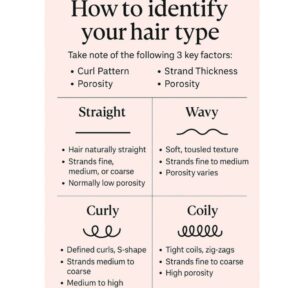
The good news is that once you understand what makes type 2 hair unique, the daily routine becomes second nature. If you are still figuring out your child’s exact texture, How to Identify Your Child’s Hair Type is a great place to start before diving into product choices and styling tips.
Learning type 2 hair care for kids is one of those small skills that ends up meaning so much more over time.
A few simple tweaks to your routine, paired with How to Build a Healthy Hair Routine for Kids, can make wash day feel calm instead of chaotic.
Grab a comb, a spray bottle, and a little patience, because this guide walks through everything you need to know about caring for wavy hair on kids, from washing to styling to picking the right products for those in-between curls.
What Is Type 2 Hair?
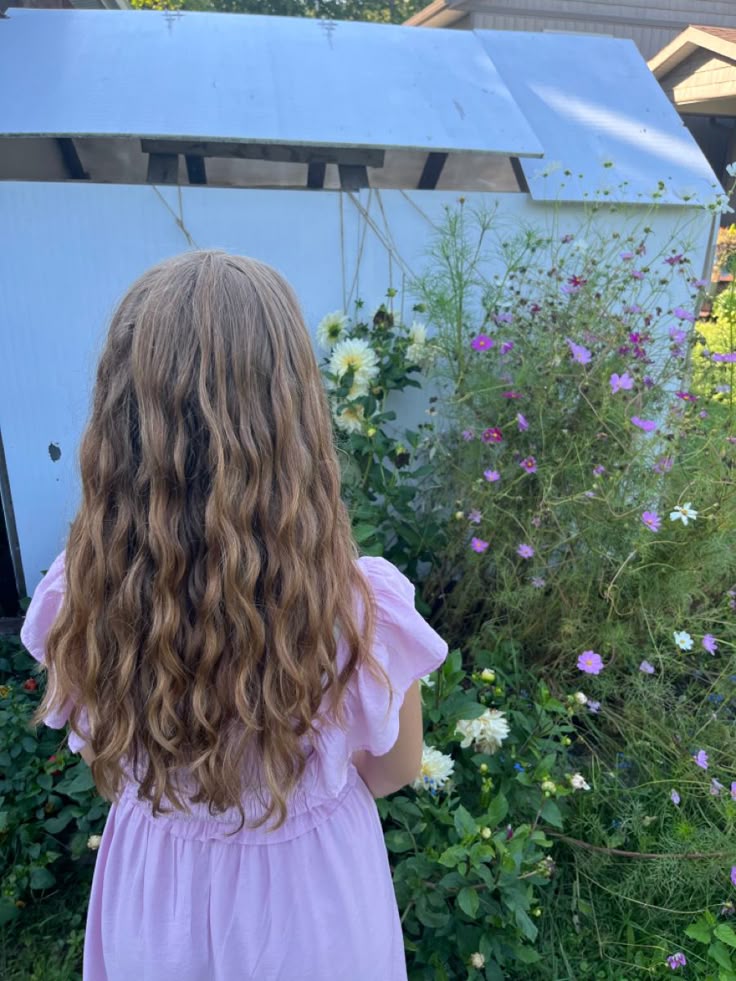
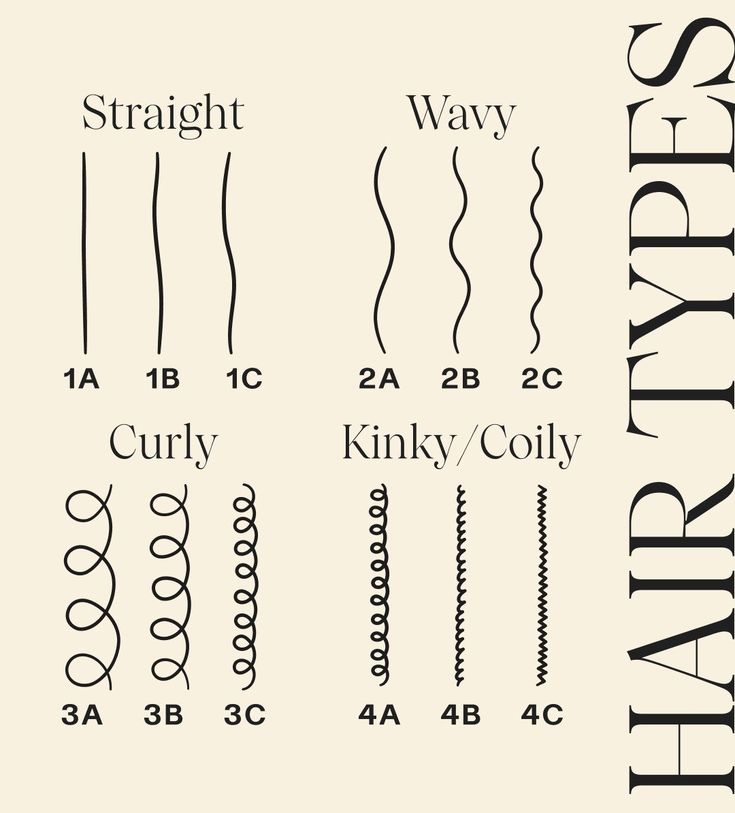
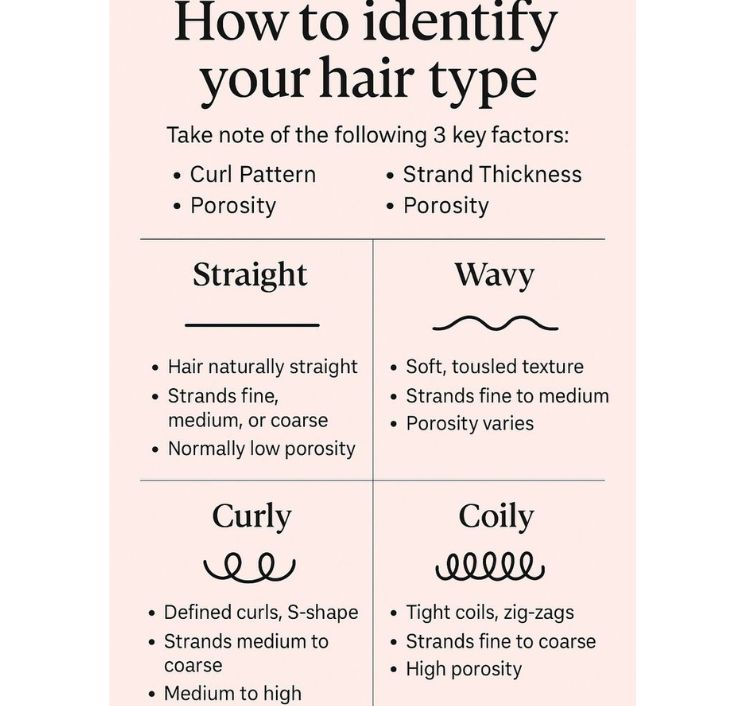
Type 2 hair sits between straight and curly on the hair typing chart. It forms loose S-shaped waves that usually start a few inches from the root.
This texture ranges from barely-there beach waves to more defined waves that almost look curly by the ends.
Kids with this hair type often have a mix of textures on one head, with looser waves at the crown and slightly tighter ones near the nape.
This texture is broken into three subtypes, and each one behaves a little differently.
Type 2A
Type 2A is the loosest of the three subtypes, with soft, barely noticeable waves that lie close to the head.
These waves often show up more at the ends of the hair than at the roots, giving a gentle, tousled look.
Kids with 2A hair usually have the finest strands of the three subtypes, so heavy products tend to flatten the waves fast.
A light mist of water or a small amount of mousse is often all this texture needs to hold its shape.
Because the waves are so subtle, 2A hair can sometimes look almost straight until it air dries completely.
2B
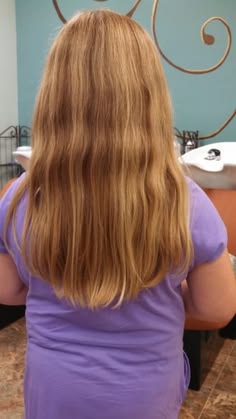
2B has more defined waves that start closer to the mid-shaft and add noticeable volume.
This subtype often shows a clear S-shape, especially through the middle and ends of each strand.
Kids with 2B hair tend to deal with more frizz than those with 2A, particularly around the crown and hairline.
A lightweight cream or gel scrunched in while the hair is still damp helps keep the wave pattern smooth and defined.
This texture also holds styles like braids or buns fairly well without much extra product.
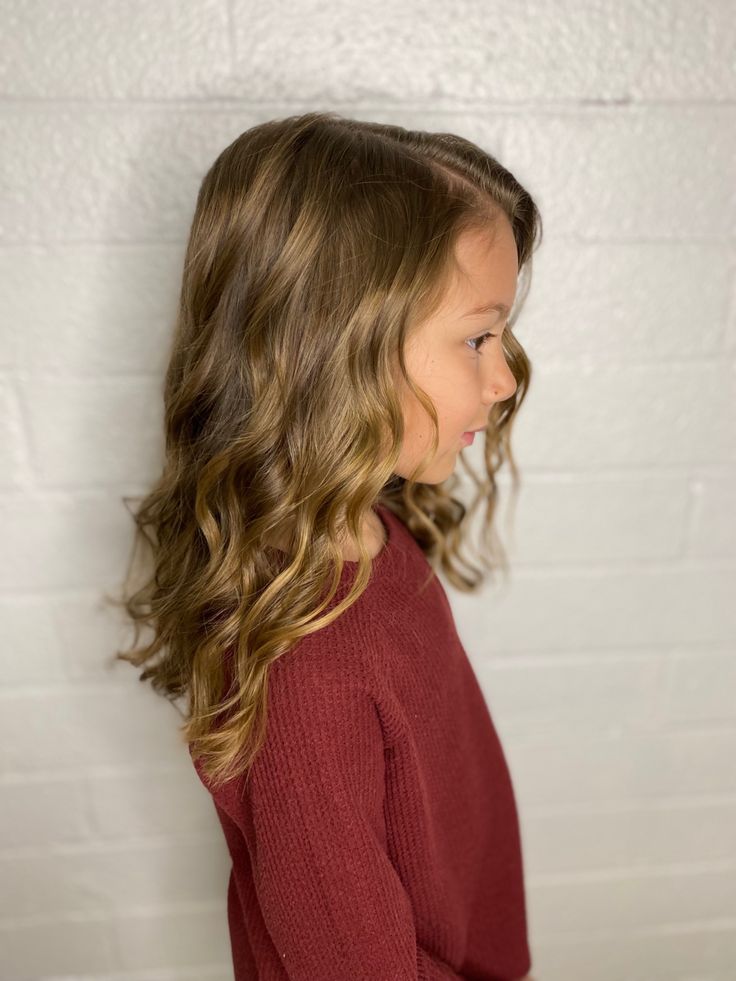
2C
2C is the most textured of the three, forming waves that are tighter and sometimes mix with a few soft curls.
This subtype often has the most volume and can look thicker than it actually is once it dries.
Kids with 2C hair usually need a bit more moisture than 2A or 2B, since the wave pattern makes it easier for dryness to sneak in.
Detangling works best on damp hair with a wide-tooth comb, since dry brushing can pull the curls apart and create frizz.
Because this texture sits right on the edge of curly, some kids with 2C hair will notice it behaves differently depending on humidity and season.
Knowing which subtype your child has can help you choose the right products and avoid weighing the hair down.
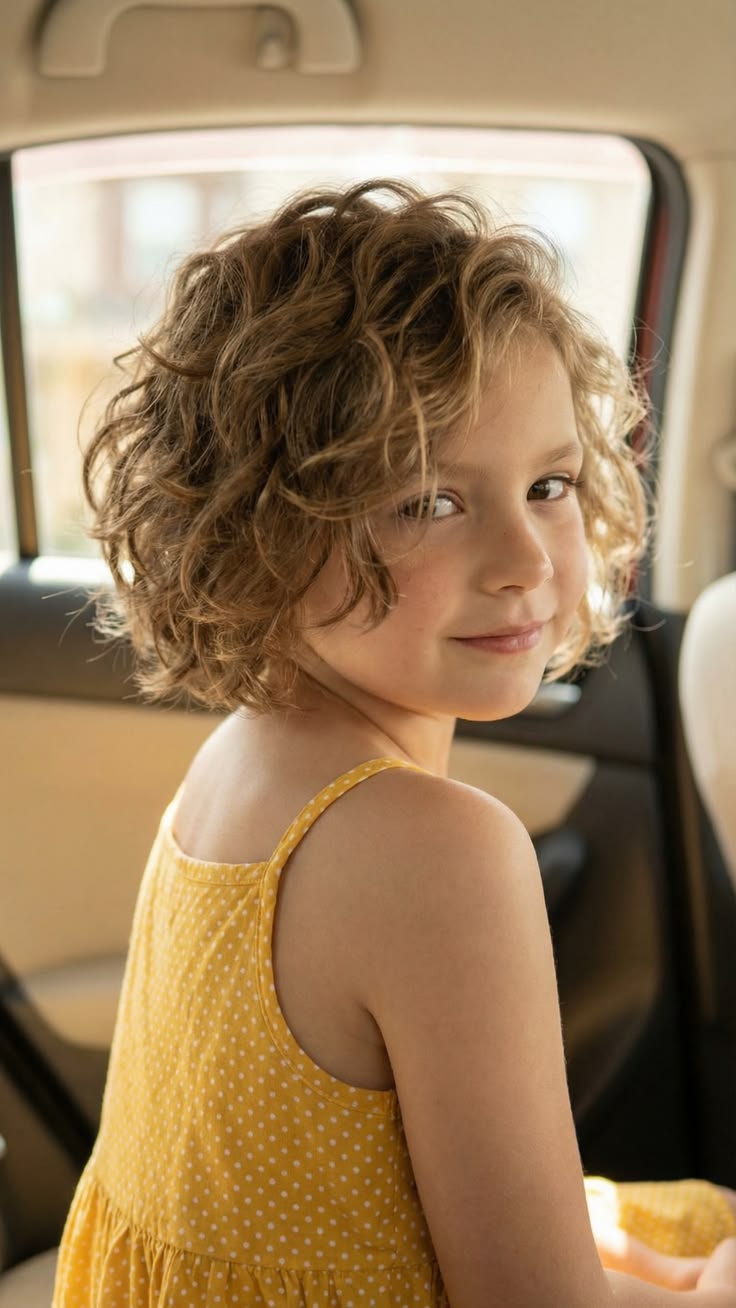
How Type 2 Hair Compares to Other Textures
Understanding where type 2 hair fits among the four main hair typing categories helps explain why certain products and routines work better than others.
Straight hair, labeled type 1, has no bend at all and rarely needs the same moisture routine that wavy hair does.
Curly hair, labeled type 3, forms tighter spirals and usually needs richer products to stay defined.
Coily hair, labeled type 4, has the tightest curl pattern and needs the most moisture of all four types.
The Different Kids Hair Textures Explained breaks down each category in more detail if you want the full picture.
Because type 2 hair sits closer to the straight end of the spectrum, it often gets treated like straight hair by mistake.
This can lead to over-brushing, over-washing, or skipping moisture altogether, which leaves waves looking frizzy and undefined.
Recognizing that type 2 hair still needs its own gentle care routine, even though it is lighter than curlier textures, makes a real difference in how healthy and defined it looks day to day.
Type 2 Hair by Age: Toddlers vs Older Kids
Toddlers with type 2 hair usually have finer strands and looser waves than older kids, since hair density tends to increase with age.
This means toddler hair often needs even lighter products and gentler handling to avoid weighing down those delicate waves.
A tiny amount of leave-in conditioner is often enough for toddlers, compared to what an older child might need.
Older kids, especially once they start elementary school, often see their waves become more defined and their hair grow thicker overall.
This is a good time to introduce a slightly more structured routine, including regular trims and a consistent wash schedule.
Toddler Hair Care Made Simple offers extra tips if your little one is still in the early stages of growing out their texture.
As kids get older and more involved in sports or outdoor play, sweat and friction from helmets or hats can also affect how often hair needs washing.
Characteristics of Type 2 Hair in Kids
Wavy hair on kids tends to be finer and more prone to oiliness at the roots than curlier textures.
Because the natural oils travel more easily down the hair shaft, this hair type often looks shinier without much effort.
That same fine texture also means it can get weighed down quickly by heavy creams or butters meant for thicker curl patterns.
Kids with type 2 hair often deal with frizz, especially in humid weather or after a rough night of sleep.
The waves can also flatten out during the day from hats, backpacks, or simply sitting in a chair at school.
Many parents notice their child’s waves look different depending on the season, which is completely normal for this texture.
How Humidity Affects Kids Hair breaks down why moisture in the air changes the way waves behave.
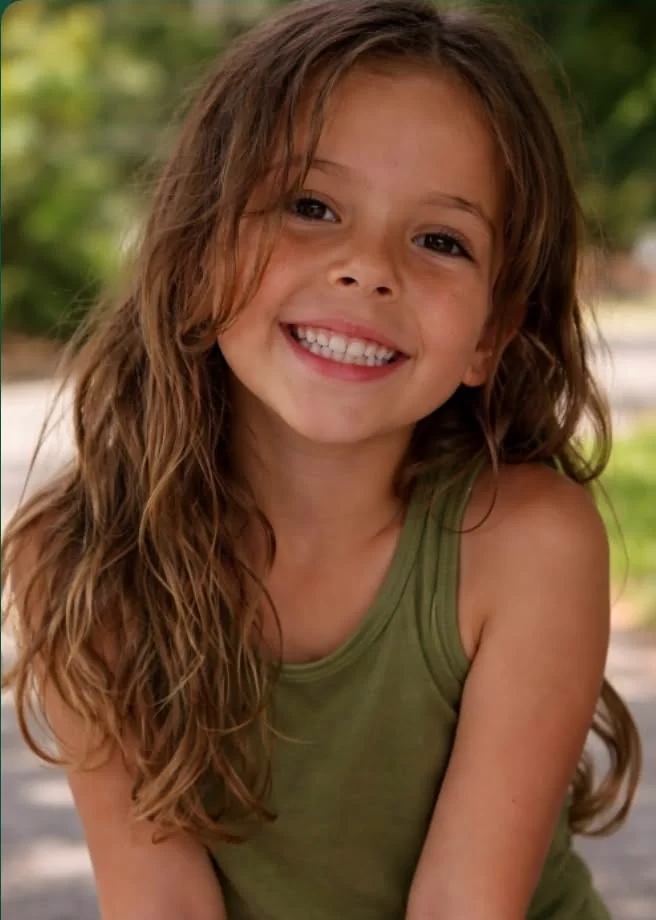
Daily Care Routine for Type 2 Hair
A solid daily routine keeps type 2 hair looking bouncy without stripping away its natural shine.
This texture does best with a light touch, since too much product or too much manipulation can flatten the waves.
Building a rhythm your child recognizes each day also makes hair time feel more like a habit than a chore.
A few consistent steps in the morning and at night go a long way toward reducing tangles and frizz throughout the week.
Washing
Type 2 hair does not need washing every single day, since that can strip away the natural oils that keep waves defined.
Most kids with this texture do well with washing every two to three days, though this can shift based on activity level and scalp oiliness.
How Often Should You Wash Your Child’s Hair? offers a helpful breakdown based on texture and lifestyle.
Choosing a gentle, sulfate-free formula matters here, since harsh cleansers can leave fine, wavy strands feeling dry and rough.
A shampoo that is too strong can also fade the natural shine that makes type 2 hair look so healthy.
How to Choose the Right Shampoo for Kids walks through ingredients to look for and ones to avoid.
Conditioning
Conditioner is where type 2 hair really gets to shine, since this texture loves lightweight hydration.
A rinse-out conditioner after every wash helps smooth the hair shaft and cuts down on tangles before they start.
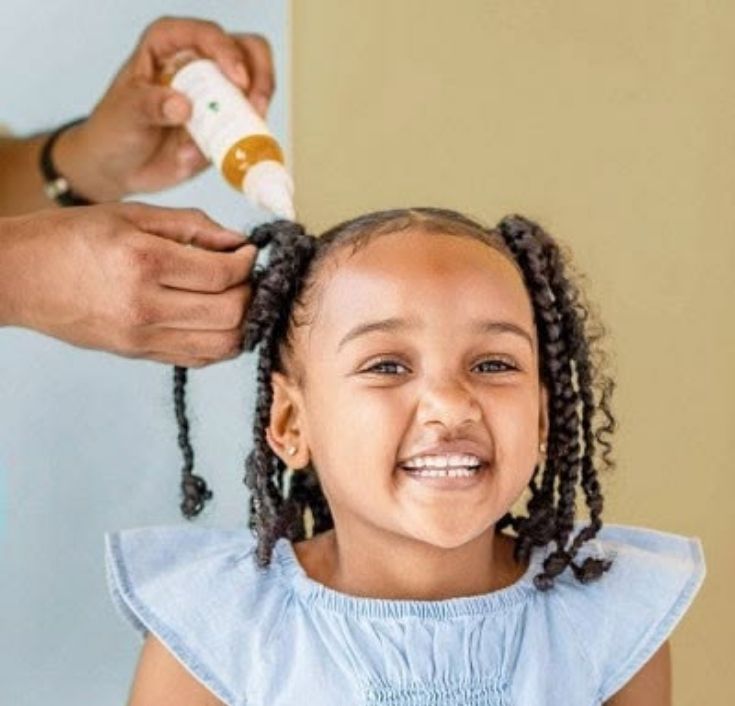
Some kids also benefit from a small amount of leave-in conditioner or hair milk applied to damp hair.
Leave-In Conditioner vs Hair Milk for Kids compares the two so you can pick the one that suits your child’s waves best.
Styling
Styling type 2 hair works best while the hair is still damp, since this texture tends to hold shape better before it fully dries.
Scrunching a small amount of product upward into the ends helps encourage the natural wave pattern instead of flattening it.
Diffusing on a low, cool setting can also enhance waves without adding frizz for kids who dislike air drying.
If your child loves trying new looks, 30 Quick Kids Hairstyles That Take Less Than 10 Minutes has plenty of quick options that work well on wavy hair.
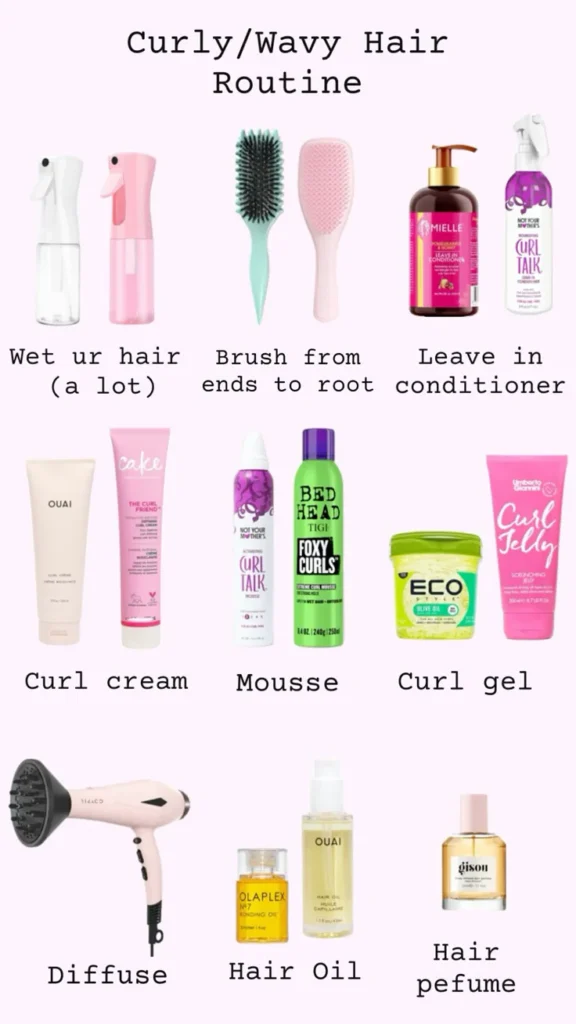
Best Products for Type 2 Hair
Choosing the right products makes a noticeable difference for type 2 hair, since this texture is easy to overload.
Lightweight formulas work best, so look for mousses, gels, and creams labeled for fine or wavy hair rather than thick curl creams meant for coilier textures.
Heavy oils and butters can weigh the waves down and leave hair looking greasy by the end of the day.
A light leave-in spray or lightweight cream is usually enough for daily moisture without flattening the waves. The Best Hair Oils for Children’s Hair covers lighter oil options that add shine without buildup.
For deeper hydration once a week, a lightweight conditioner works better than a heavy mask, since type 2 hair rarely needs intense moisture treatments.
Overdoing it with rich products is one of the fastest ways to leave waves looking limp. The Best Conditioners for Every Hair Type breaks down which formulas match which texture.
A wide-tooth comb or a soft brush designed for wet hair helps detangle without disrupting the wave pattern.
Wide-Tooth Comb vs Detangling Brush compares both tools so you can figure out which one your child’s hair responds to best.
Detangling spray also helps on days when hair feels extra knotted, especially after swimming or a long day at school.
The Best Detangling Sprays for Kids lists a few gentle options worth trying.

Common Mistakes to Avoid
One of the biggest mistakes with type 2 hair is using products meant for thicker, curlier textures.
Heavy curl creams and rich butters can leave wavy hair looking flat and greasy instead of bouncy. Another common issue is over-washing, which strips the scalp of oils and leaves hair looking dry and dull.
Brushing hair while it is completely dry can also break up the wave pattern and create frizz that lasts all day.
Skipping protective styles at night is another mistake that leads to frizzy mornings.
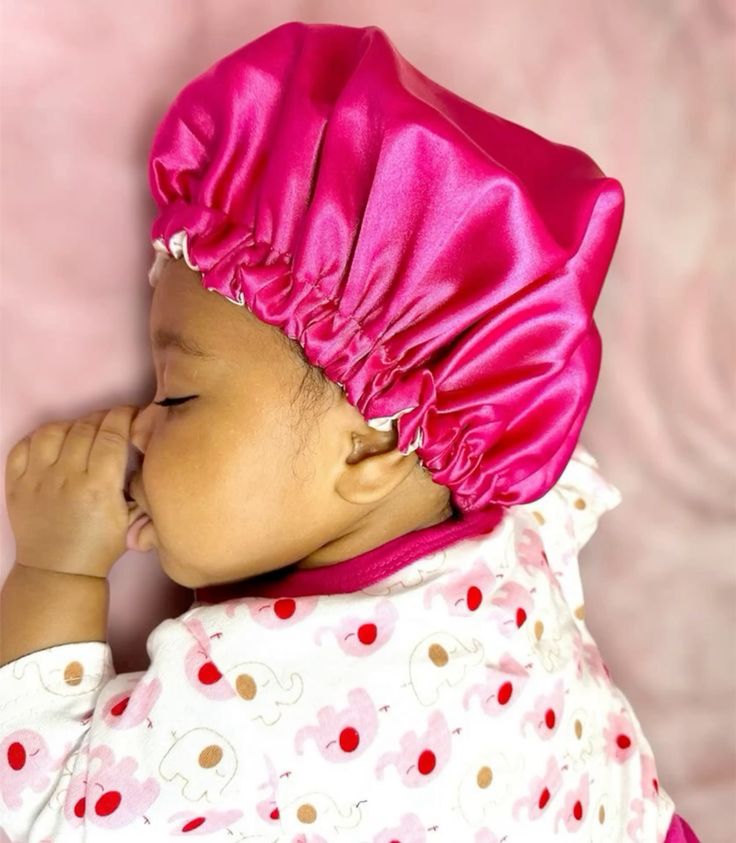
A silk or satin bonnet, or even a satin pillowcase, helps waves stay smooth while your child sleeps.
Satin Bonnets for Kids: Do They Help? explains how this small step can make a big difference in the morning.
Ignoring the scalp is another common slip, since healthy waves start with a healthy scalp underneath.
A flaky or irritated scalp can slow growth and make waves look dull no matter how many products you use.
How to Keep Kids’ Scalp Healthy offers simple habits that support growth and reduce buildup.
Building Long-Term Healthy Habits
Type 2 hair benefits from routines that focus on balance rather than heavy manipulation.
Trimming split ends every few months keeps waves looking fresh and prevents breakage from traveling up the hair shaft.
Should You Trim Your Child’s Hair Regularly? covers how often this texture typically needs a trim.
Pairing trims with a consistent moisture routine keeps the hair strong from root to tip.
Scalp massages during wash day can also support healthy growth over time, since they boost circulation and help loosen buildup.
The Best Scalp Care Routine for Children offers a simple massage routine you can add to bath time.
Kids with wavy hair also benefit from gentle detangling sessions that feel more like play than a chore.
The Secret to Tear-Free Detangling keeps hair time calm instead of stressful, even on days when tangles feel impossible to manage.
Signs Your Child’s Type 2 Hair Is Healthy
Healthy type 2 hair usually has a soft, smooth texture with waves that spring back after being stretched gently.
Shine is another good indicator, since this texture naturally reflects light more than curlier hair types when it is properly moisturized.
Signs Your Child’s Hair Is Healthy goes into more detail on what to look for across every texture, including type 2.
Minimal breakage is another sign things are going well, so check the bathroom sink or brush for excess shedding after washing or detangling.
A healthy scalp, free from flaking or redness, also points to a routine that is working.
If waves start looking dull, rough, or prone to tangling, it may be time to adjust products or washing frequency rather than waiting for the problem to fix itself.
Frequently Asked Question
How often should type 2 hair be washed? Most kids with type 2 hair do well washing every two to three days, though oilier scalps may need more frequent washing.
Does type 2 hair need heavy products? No, this texture usually looks best with lightweight creams, mousses, and sprays rather than thick butters or oils.
Why does my child’s wavy hair look different every day? Humidity, sleep position, and activity level all affect how waves fall, so day-to-day changes are completely normal.
Can type 2 hair handle protective styles? Yes, gentle styles like braids or twists work well, though they should be loose enough to avoid tension on fine strands.
Should type 2 hair be brushed dry or wet? Wet or damp hair responds best to detangling, since dry brushing tends to break up the wave pattern and cause frizz.

Final Thoughts
Caring for type 2 hair on kids comes down to a light touch, the right products, and a routine that fits your child’s texture.
Once you understand the subtype your child falls into, choosing products and styles becomes much easier.
Simple habits like washing on the right schedule, using lightweight conditioner, and protecting hair at night keep waves looking their best.
Every child’s waves are a little different, so do not worry if your routine takes some trial and error before it clicks.
What works for one type 2A toddler might not work the same way for a type 2C seven-year-old down the street, and that is perfectly normal.
Pay attention to how your child’s hair responds to each product and adjust as needed, since this texture tends to shift with the seasons and with age.
With a little consistency, hair time can turn into one of those small daily rituals you both look forward to.
From working through a wash day routine to picking out a fun style for picture day, these moments add up over the years into something your child will remember fondly long after they have outgrown the hairstyles themselves.
2 Comments