
Baby Hair Milestones Every Parent Should Know
Disclosure: Some of the links in this post are affiliate links. This means if you click on the link and purchase an item, I will receive an affiliate commission at no extra cost to you.
Watching a baby’s hair change over the first few years is one of the small joys of early parenthood. One month it might be soft and wispy, and a year later it could be thick, curly, and completely different.
Tracking baby hair milestones helps you know what is typical and what might be worth asking your pediatrician about. This guide walks through what usually happens and roughly when.
Every baby follows their own timeline, so these milestones are more of a general map than a strict schedule.
Everything You Need to Know About Baby Hair Growth goes deeper into the biology behind these changes if you want the full picture.
Knowing what is coming can turn a surprising change, like sudden shedding, into something you expected all along.
Even experienced parents are often surprised by how much hair can change between one birthday and the next.
These baby hair milestones stretch from the newborn stage through the toddler years, since hair keeps changing well past the first birthday.
Genetics, hormones, and simple time all play a role in how and when these changes happen. No two siblings usually follow the exact same path, even in the same family.
Keeping expectations loose tends to make this whole stretch more enjoyable to watch unfold.
Watching these small changes unfold is one of those quiet parts of parenting that tends to stick with you.
A wisp of first hair kept in a baby book or a photo of that first real curl often becomes a treasured keepsake later on.Keep this guide handy as a reference for the stages ahead.
How Genetics Shape Baby Hair Milestones
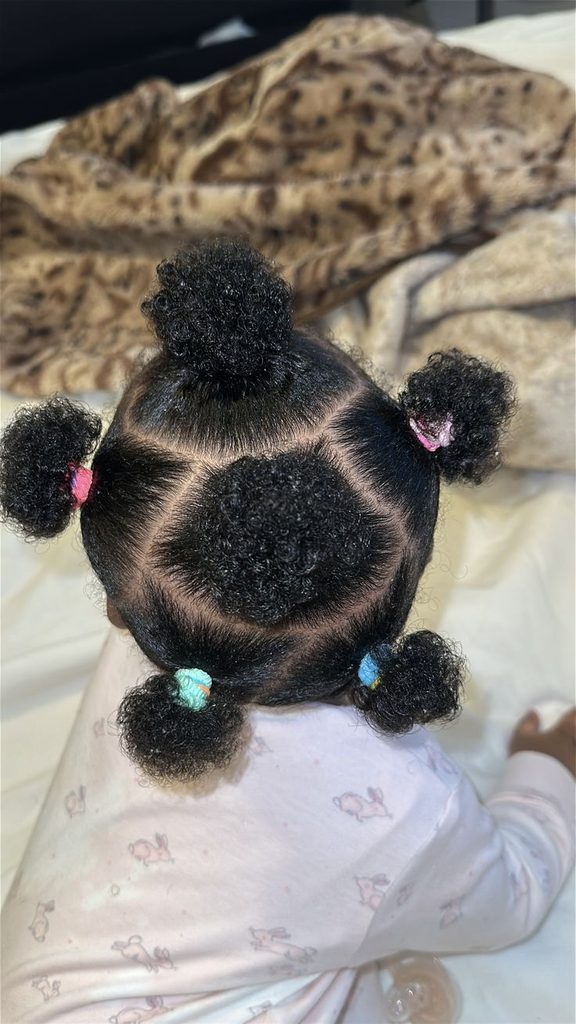
Genetics play a bigger role in baby hair milestones than most new parents expect, often more than diet, products, or anything else.
The Different Kids Hair Textures Explained breaks down the range of textures a baby might eventually grow into, from loose waves to tight coils.
Both sides of the family contribute to final texture, thickness, and even growth speed, which is part of why siblings can look so different.
This makes it hard to predict exactly what is coming, but it also means most variation is simply normal.
Trying to guess a final texture too early from a newborn’s wispy hair rarely gives an accurate picture anyway.
Environmental factors like humidity and season can influence how hair looks day to day, even though they rarely change the underlying pattern.
A baby’s hair might appear curlier in humid summer months and straighter in dry winter air, without any real change happening underneath.
Keeping this in mind helps prevent reading too much into short term changes that are really just weather related.
Even sleeping position can temporarily flatten or shift hair in ways that have nothing to do with actual growth.

Hair Milestones in the First Three Months
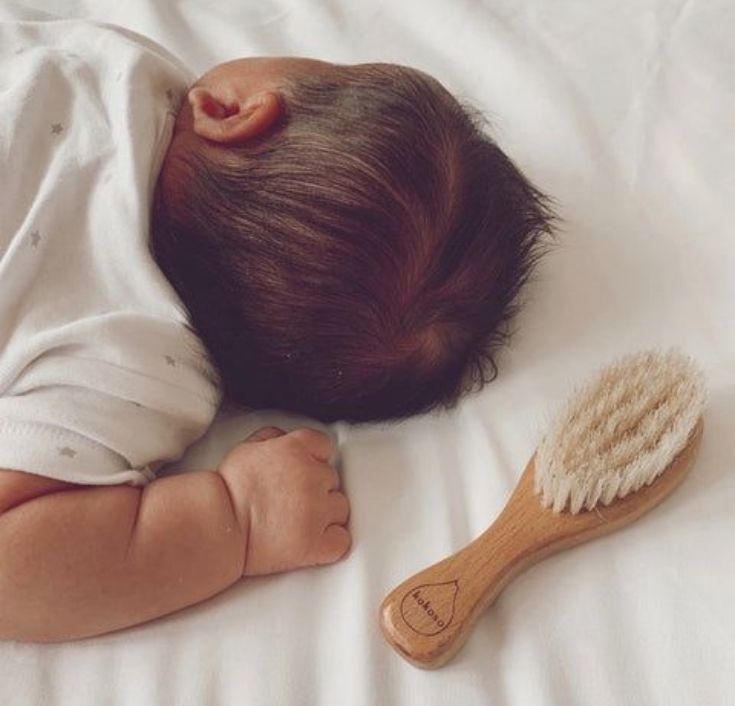
Newborn hair varies enormously, from a full head of hair to almost none at all, and both are completely normal starting points.
When Do Babies Start Growing Hair? covers the biology behind this early variation in more detail.
Hormones carried over from pregnancy often shape a baby’s hair at birth, and those levels drop quickly in the weeks after delivery.
This early stage sets up several of the baby hair milestones that follow in the next few months.
Texture at birth rarely predicts final texture, so a baby born with straight hair may grow curls later, and the reverse happens just as often.
Color can shift too, sometimes noticeably lightening or darkening within these first weeks.
Most of these early changes are simply part of a baby’s hair settling into its actual pattern.
Patience is really the only tool needed at this stage.
Growth during these first months tends to be slow and steady rather than dramatic, so do not expect much visible length change yet.
Scalp care matters more than styling at this point, since most newborns have too little hair to style anyway.
How to Keep Kids’ Scalp Healthy covers gentle scalp habits that support healthy growth from the very start. A calm, simple routine now sets a good foundation for the stages that follow.
Hair Milestones From Three to Six Months
Around three months, many babies experience noticeable hair loss, often in the spot where their head rests most against the crib or car seat.
This is one of the most talked about baby hair milestones, and it catches a lot of new parents off guard the first time.
Newborn Hair Loss Is Usually Normal is worth revisiting if this stage feels concerning, since it almost always resolves on its own.
New hair typically starts filling back in within a few months of this shedding phase.
Some babies also start showing early signs of their eventual texture around this stage, with slight waves or curls appearing at the roots.
Growth rate can pick up noticeably during this window, especially compared to the slower pace right after birth.
Healthy Habits That Support Kids Hair Growth covers simple habits worth starting even this early. Consistency matters more than any single product during this stretch.
This shedding phase often coincides with a baby spending more time upright and moving around, which can also affect how hair looks and lies.
How to Moisturize Kids Hair Properly is worth a look if the regrowing hair seems drier or more brittle than before.
A gentle, consistent routine through this stage usually smooths out on its own within a few weeks.
Most parents find this window passes faster than it feels in the moment.

Hair Milestones From Six to Twelve Months
By six months, many babies have regrown much of the hair lost earlier, sometimes with a texture that looks different from their birth hair.
This is often when parents first notice real curl pattern or waviness emerging, rather than just soft, straight wisps.
Watching for these early hints of texture is one of the more exciting baby hair milestones for a lot of parents.
Hair thickness also tends to increase steadily through this window for most babies.
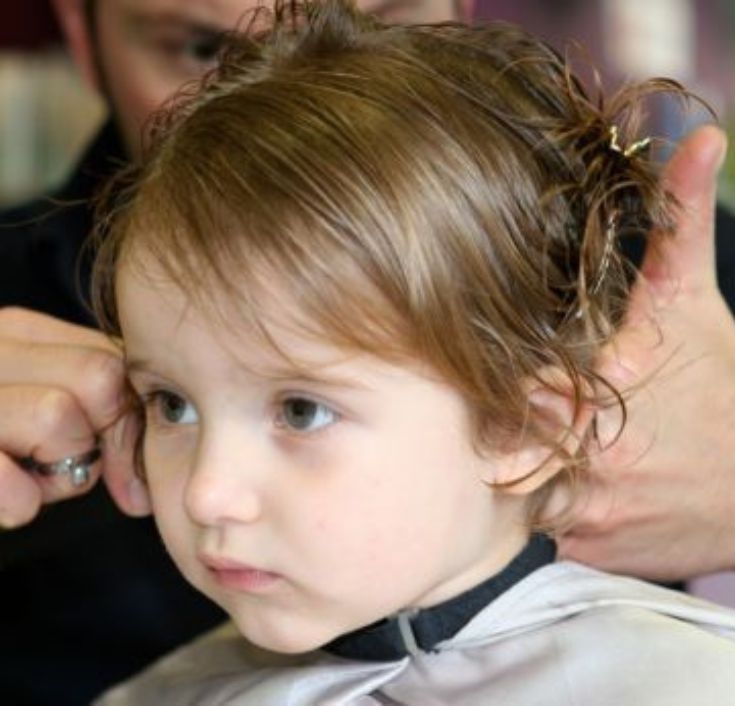
Some babies reach a length by their first birthday where a small trim becomes worth considering, especially around the eyes or neckline.
The Best First Haircut Tips for your child covers what to expect if this milestone is coming up for your baby.
Not every baby needs a haircut this early, and that is completely normal too. Following your baby’s actual hair growth matters more than any set age or timeline.
Sleep patterns and increased mobility during this window can also affect hair, since more time spent sitting and crawling changes the friction points on a baby’s head.
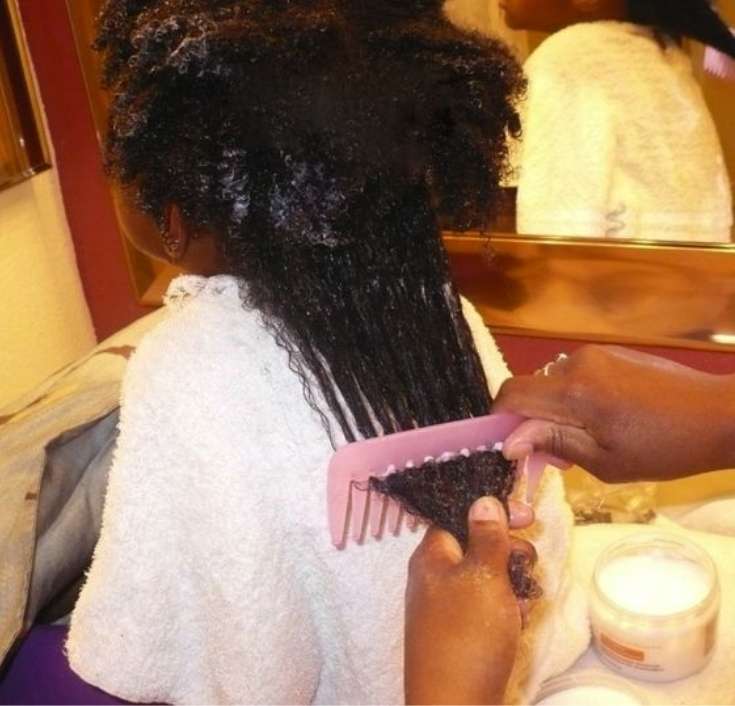
The Secret to Tear-Free Detangling becomes more relevant once hair reaches enough length to tangle during play.
Gentle handling continues to matter just as much now as it did in the newborn stage.
Hair Milestones in the Toddler Years
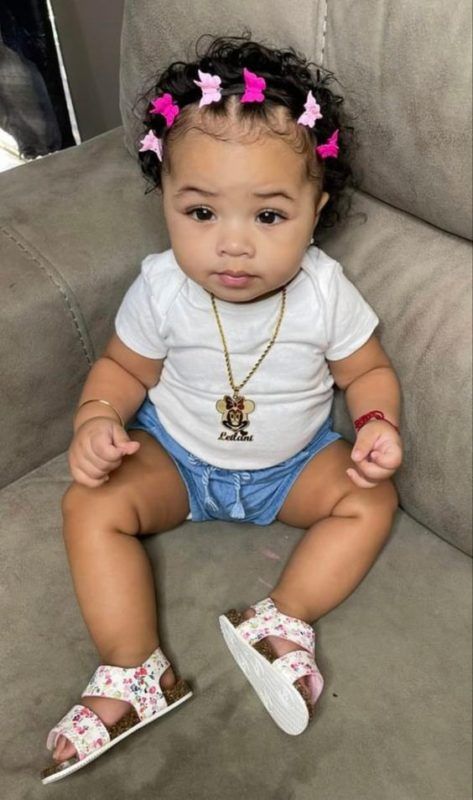
Between one and three years old, curl pattern and texture usually become much more consistent and easier to predict.
Hair Type 2, Hair type 3, Hair type 4: Care Guide for Kids is a helpful reference once your toddler’s pattern has settled into something more stable.
Hair color can also shift during this window, sometimes darkening from a lighter baby shade into a more permanent color.
Thickness generally continues increasing steadily through this stage as well.
This is also when many toddlers start needing a slightly more involved hair routine than the simple newborn approach.
Toddler Hair Care Made Simple walks through what changes once your child moves past these earliest baby hair milestones.
Detangling becomes more of a regular task, and styling options open up as length increases.
What worked for a newborn rarely covers everything a toddler’s hair now needs, and that shift is one of the more practical baby hair milestones to plan around.
Growth spurts can also become more noticeable during this stage, sometimes adding visible length within just a few months.
How to Identify Your Child’s Hair Type is worth revisiting around this age, since earlier guesses about texture often need updating.
A toddler’s hair at eighteen months can look quite different from what it looked like at their first birthday.
Signs Your Baby’s Hair Care Routine Should Change
As these baby hair milestones unfold, your care routine usually needs small adjustments along the way rather than one big overhaul.
How to Build a Healthy Hair Routine for Kids offers a framework that grows with your child instead of needing to be reinvented at each stage.
Watch for signs like increased tangling, more visible curl pattern, or noticeably faster growth as cues that it is time to adjust.
Product needs often shift too, since a newborn’s minimal routine rarely covers a toddler’s thicker, more textured hair.
How to Choose the Right Shampoo for Kids can help you find a formula that matches your child’s current stage rather than their newborn one.
Reassessing every few months keeps the routine matched to where your child actually is.
Even small swaps, like moving from a rinse-only routine to a gentle conditioner, can make a noticeable difference as hair changes.

Practical Tips for Tracking Hair Milestones
Keeping a simple record, like photos or a few short notes, makes it easier to look back and notice patterns over time.
Baby Hair Care Routine for New Parents offers a simple structure if you want a routine that grows alongside these milestones.
A quick monthly photo from the same angle can reveal changes that are easy to miss day to day.
Talking with your pediatrician at regular visits is also a good way to track milestones alongside your baby’s overall growth.
Signs Your Child’s Hair Is Healthy covers general markers worth watching for at any stage.
Bringing questions to a scheduled visit is usually more useful than searching for answers late at night.
Comparing notes with other parents can be reassuring, but remember that every baby’s baby hair milestones unfold on a different schedule.
What looks unusual in one family might be completely typical in another, simply due to genetics.
Trusting your own observations, alongside your pediatrician’s guidance, usually works better than chasing an average.
Online forums can be helpful for general reassurance, but they are never a substitute for a professional opinion when something feels genuinely off.

Common Mistakes to Avoid
Comparing your baby’s timeline too closely to another child’s is one of the easiest mistakes to fall into, since genetics vary so much between babies.
Why Your Child Hates Hair Time (and How to Change It) shows how pushing routines that do not fit a child’s stage can backfire.
Every baby moves through these baby hair milestones at their own pace, and that is completely normal.
Overreacting to normal shedding or slow growth is another common misstep, especially during the three to six month window.
The Hidden Reason Your Child’s Hair Looks Dull explains one factor that sometimes gets mistaken for a growth problem when it is really just buildup.
Most changes during this period sort themselves out without any need for intervention.
Switching products too often in search of faster results can also backfire, since hair needs time to respond to any new routine.
Why Expensive Hair Products Aren’t Always Better explains why a simple, consistent approach usually beats constantly trying something new.
Giving any routine at least a few weeks before judging it tends to give a much clearer picture.
Patience with products matters just as much as patience with the hair itself.
Frequently Asked Questions
At what age do babies usually get their first curls?
Curl pattern can start showing as early as three to six months, though many babies do not show real texture until closer to their first birthday.
Some children’s final pattern does not fully settle until age two or three.
There is no single correct timeline, since genetics play the biggest role here.
Waiting and watching is usually the best approach at this stage.
Is slow hair growth something to worry about?
Slow growth is common and rarely a sign of a problem, especially in the first year.
How to Encourage Healthy Hair Growth in Kids covers simple habits that support growth without forcing an unrealistic timeline.
If growth seems unusually slow alongside other health concerns, mention it at a pediatrician visit.
Most babies catch up on their own pace over time.
When does baby hair usually change color?
Hair color can shift gradually throughout the first few years, often settling closer to its more permanent shade between ages one and three.
Sun exposure and simple genetics both play a role in these gradual color changes.
Sudden or drastic changes are less common and worth mentioning to your pediatrician if they seem unusual.
Most color changes are simply a normal part of these baby hair milestones.
Should I worry if my baby has very little hair by their first birthday?
Some babies simply grow hair more slowly than others, and very little hair by one year is not automatically a cause for concern.
Simple Hairstyles for Babies With Fine Hair has ideas for working with what your baby has in the meantime.
Genetics usually explain this variation more than anything else.
If hair seems patchy in an unusual pattern rather than just sparse, it is worth a mention at your next visit.
Do boys and girls follow different hair milestone timelines?
Hair milestones follow largely the same biological timeline regardless of gender, since the same hormonal and genetic factors are at play for every baby.
23 Natural Hairstyles for Boys shows that texture and growth patterns vary just as widely among boys as they do among girls.
Any differences in appearance usually come down to styling and length choices rather than the underlying hair itself.
Growth rate and texture depend far more on genetics than on gender.
What can I do if my toddler’s hair seems to have stalled?
Hair growth naturally slows down at certain stages, and a temporary plateau is rarely a sign of a real problem.
How to Build a Healthy Hair Growth Routine for Kids covers gentle habits that support steady growth without forcing unrealistic expectations.
Nutrition, gentle handling, and regular moisture all play a supporting role here.
If a stall lasts many months alongside other health concerns, mention it to your pediatrician.
Do baby hair milestones look the same across different hair textures?
The general timeline of shedding, regrowth, and texture emergence applies across hair types, though the details can look quite different from one texture to another.
Tighter curl patterns often show shrinkage that makes length harder to judge by eye alone.
Looser waves and straighter textures tend to show visible length changes more easily.
Understanding your child’s specific texture makes it easier to interpret what you are actually seeing at each stage.

Final Thoughts
Baby hair milestones unfold at a different pace for every child, and there is rarely a single right timeline to compare against.
Expect shedding, texture shifts, and color changes along the way, and try to enjoy each stage rather than rushing toward the next one.
When Should You Start Styling Your Baby’s Hair? is a natural next read once your baby’s hair reaches a length worth experimenting with.
These early changes pass quickly, so it is worth pausing to notice them while they last.
Every stage from newborn wisps to toddler curls tells part of your child’s story, even the parts that feel uneventful at the time.
41 Cute Hairstyles for One-Year-Old Girls is a good next stop once your baby’s curls or waves are ready for their first real styles.
Looking back later, these small, ordinary milestones often turn out to be the ones worth remembering most.

One Comment