
Everything You Need To Know About Baby Hair Growth.
Disclosure: Some of the links in this post are affiliate links. This means if you click on the link and purchase an item, I will receive an affiliate commission at no extra cost to you.
Few things spark as much conversation among new parents as a baby’s hair, or the lack of it. Some babies arrive with a full head of curls, while others stay bald well past their first birthday.
If you find yourself checking your baby’s scalp every morning, you are far from alone. Plenty of parents wonder when the hair will finally show up.
Baby hair growth follows its own timeline, and that timeline can look completely different from one baby to the next.
Genetics, hormones, and even the hair your baby was born with all play a part in what happens next. Understanding these pieces takes a lot of the guesswork and worry out of the process.
Watching a baby’s hair change over the first year is one of those small joys. It sneaks up on even the most tired parents.
It often becomes a tiny milestone you find yourself photographing without even meaning to. Right alongside it sits when do babies start growing hair?, which pairs nicely with the timeline ahead.
Settle in, because we are covering what happens before birth and what to expect during that first year. We will also cover how to care for baby hair at every stage.
If you want a broader daily routine to pair with this, check out baby hair care routine for new parents once you finish here.
When Do Babies Start Growing Hair?
Hair growth actually begins long before a baby takes their first breath.
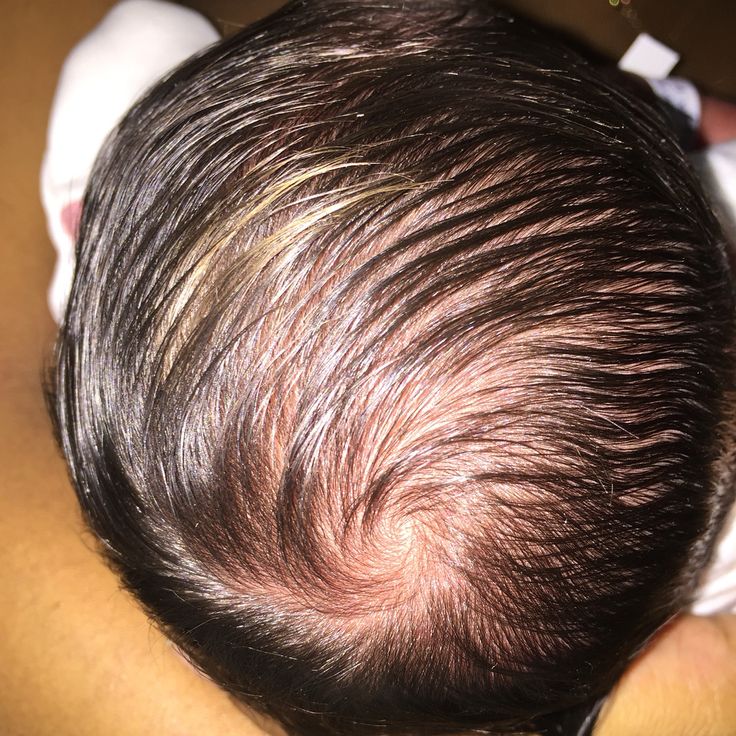
By around 14 to 16 weeks of pregnancy, tiny hair follicles start forming across the scalp.
From there, growth continues steadily through the rest of the pregnancy.
Hair Growth Before Birth
Most babies grow a fine, soft layer of hair called lanugo while still in the womb.
This early hair usually sheds before birth, though some babies arrive with a bit of it still present.
It is completely normal and tends to disappear within the first few weeks of life.
By the third trimester, real scalp hair starts forming underneath that lanugo layer.
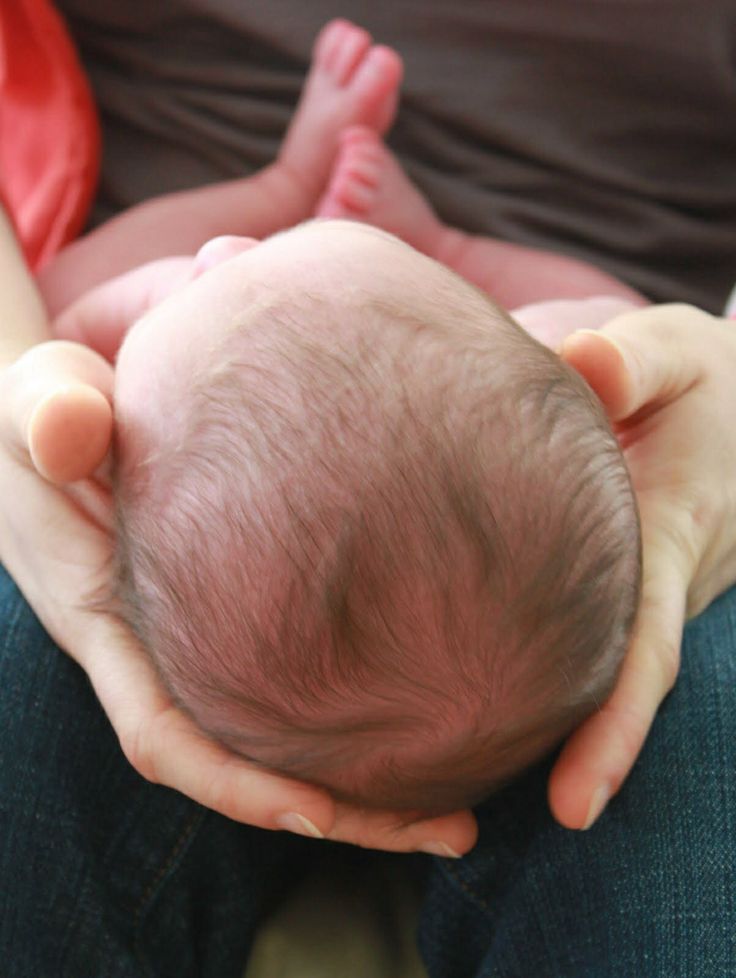
Some babies are born with a full head of this hair, while others have very little.
Both outcomes are equally normal and mostly come down to genetics and timing.
What Happens After Birth
Once a baby is born, hair growth often pauses for a stretch before picking back up.
Many babies also lose some or all of their birth hair in the first few months.
This shedding phase surprises a lot of parents but is a completely typical part of infant hair growth.
New hair usually grows back in in a different texture or color than the original birth hair.
It might come in straighter, curlier, thicker, or thinner than what you started with.
The different kids hair textures explained is worth reading once you notice this shift starting.
Why Some Babies Are Born With Lots of Hair and Others Aren’t
Hormones play a much bigger role in this than most parents expect.
High hormone levels near the end of pregnancy can trigger extra hair growth in some babies.
That is part of the reason some newborns arrive looking like they already need a trim.
These maternal hormones cross the placenta and can temporarily boost a baby’s hair growth before birth.
Once a baby is born and that hormone supply drops off, growth patterns often shift again.
This is part of why a baby’s hair at one month can look so different from their hair at birth.
Genetics also carries plenty of weight in how much hair a baby has at birth.
Parents with thick hair themselves are more likely to have babies with fuller birth hair, though it is not guaranteed. A bald baby today can absolutely grow into a thick head of hair within a year or two.
There is no real way to predict how much hair a baby will end up with long term. Birth hair alone does not tell the full story.
Plenty of babies who arrive completely bald end up with thick hair by their second birthday. Patience tends to matter more than any product during this early stage.
Understanding Newborn Hair Loss (Is It Normal?)
Seeing clumps of hair on a pillow or car seat can be alarming for a new parent. The good news is that this kind of shedding is almost always completely normal.
It usually happens because hormone levels shift dramatically after birth.
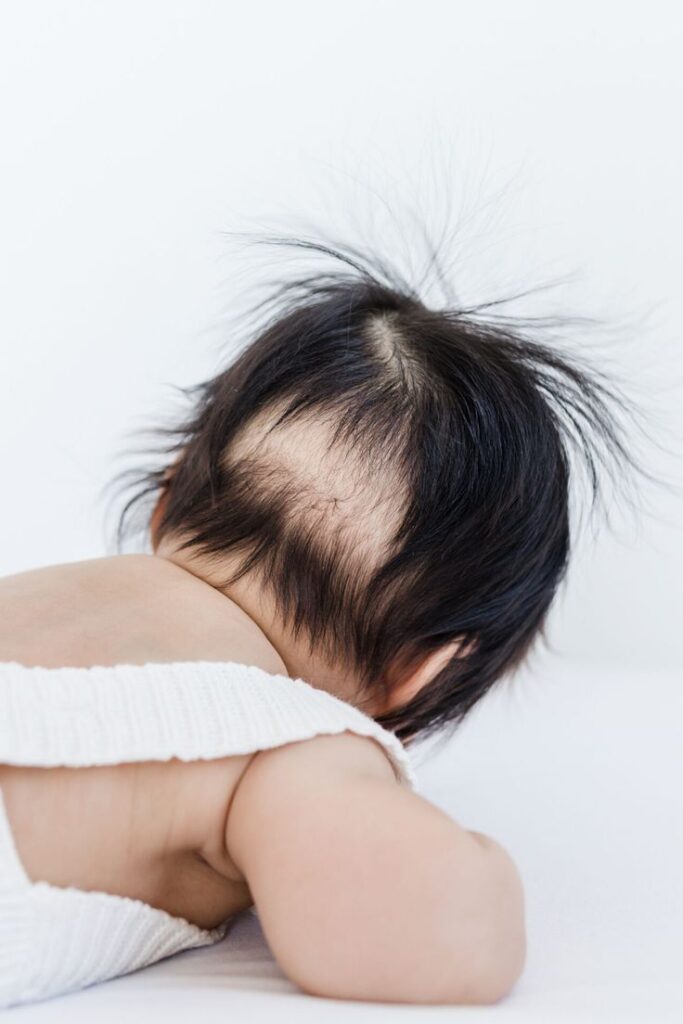
This shedding phase, sometimes called telogen effluvium, tends to show up around three months of age.
It can look patchy, especially at the back of the head where a baby rests most often.
That specific pattern often comes from friction against a crib mattress or car seat rather than an actual health issue.
Most babies see new hair growth begin again within a few months of this shedding phase.
If hair loss seems excessive, or bald patches show redness or irritation, check with a pediatrician. Signs your child’s hair is healthy offers a helpful way to track what normal looks like as your baby grows.
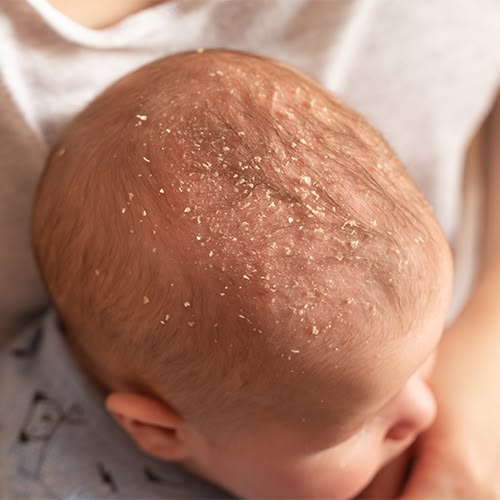
Cradle Cap and Baby Hair Growth
Many parents worry that cradle cap will interfere with hair growth, but the two are not connected.
Cradle cap is a common scalp condition that causes flaky, sometimes yellowish patches on a baby’s scalp.
It looks concerning, but it is harmless and usually clears up on its own within the first year.
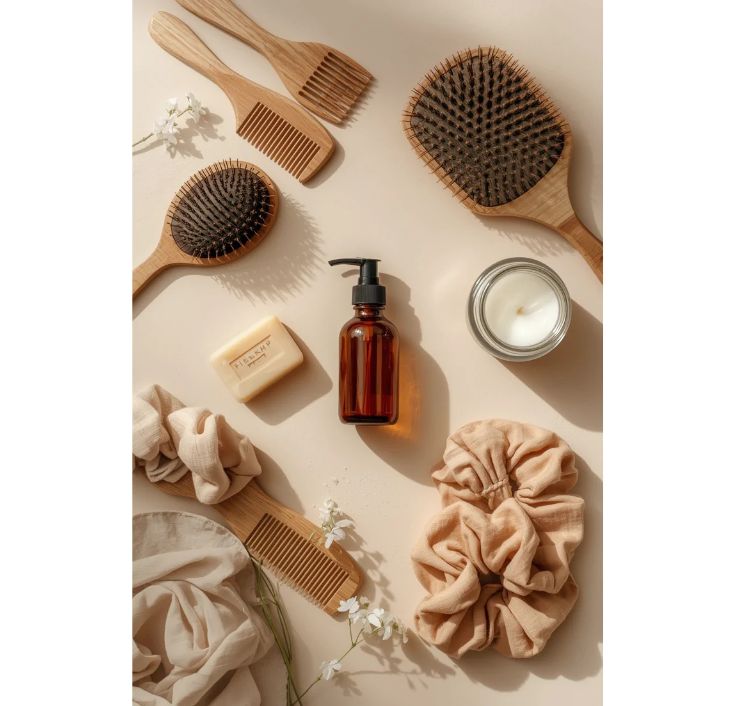
Gentle brushing with a soft baby brush can help loosen flakes without irritating the scalp underneath.
A small amount of baby-safe oil applied before a wash can also help soften stubborn patches.
Scrubbing hard or picking at flakes tends to cause more irritation and should be avoided.
If cradle cap spreads beyond the scalp, or looks red and inflamed, a pediatrician visit is worth considering.
Most cases resolve without any treatment at all as a baby’s skin and scalp mature. Hair growth underneath continues completely normally the entire time, regardless of how the surface looks.
How Baby Hair Differs From Toddler and Kid Hair
Baby hair is often finer and softer than the hair that grows in later during toddlerhood.
This is because hair follicles are still maturing and have not yet reached their full size.
As follicles develop, hair strands typically grow thicker and more textured over time.
Color can shift during this process too, sometimes dramatically. A baby born with dark hair might see it lighten considerably by their first birthday.
The reverse can happen just as easily. These changes are driven by pigment-producing cells that are still developing during infancy.
Texture changes are just as common as color changes during this stretch.
Straight baby hair can develop waves or curls as a toddler, and curly baby hair can loosen slightly with age. None of these shifts indicate anything is wrong.
They simply reflect a scalp and hair system that is still settling into its long-term pattern.
Density tends to change during this window too, alongside texture and color.
A baby with wispy, sparse hair at one year can easily have a full head of hair by age three.
This is one more reason it rarely makes sense to judge long-term hair growth based on how things look during infancy alone.
The Stages of Baby Hair Growth
Baby hair growth tends to move through a few recognizable stages during the first couple of years.
Knowing what to expect at each stage takes a lot of the mystery out of the process.
It also makes it easier to recognize what counts as normal versus what might be worth a closer look.
0 to 6 Months
This stage often includes the shedding of birth hair mentioned earlier.
Growth can feel painfully slow during these months, and some babies stay nearly bald the entire time.
Others grow noticeably during this window, especially if they were born with very little hair.
Whatever pattern shows up, the scalp is still developing and adjusting during this period.
Gentle care matters more than any specific product during these early months.
How to care for newborn hair during the first year goes deeper into exactly what that gentle care looks like.
Parents sometimes compare notes with other families and worry when their baby seems behind.
It helps to remember that this stage varies enormously from baby to baby.
A slow start now says very little about how thick or full a baby’s hair will eventually become.
6 to 12 Months
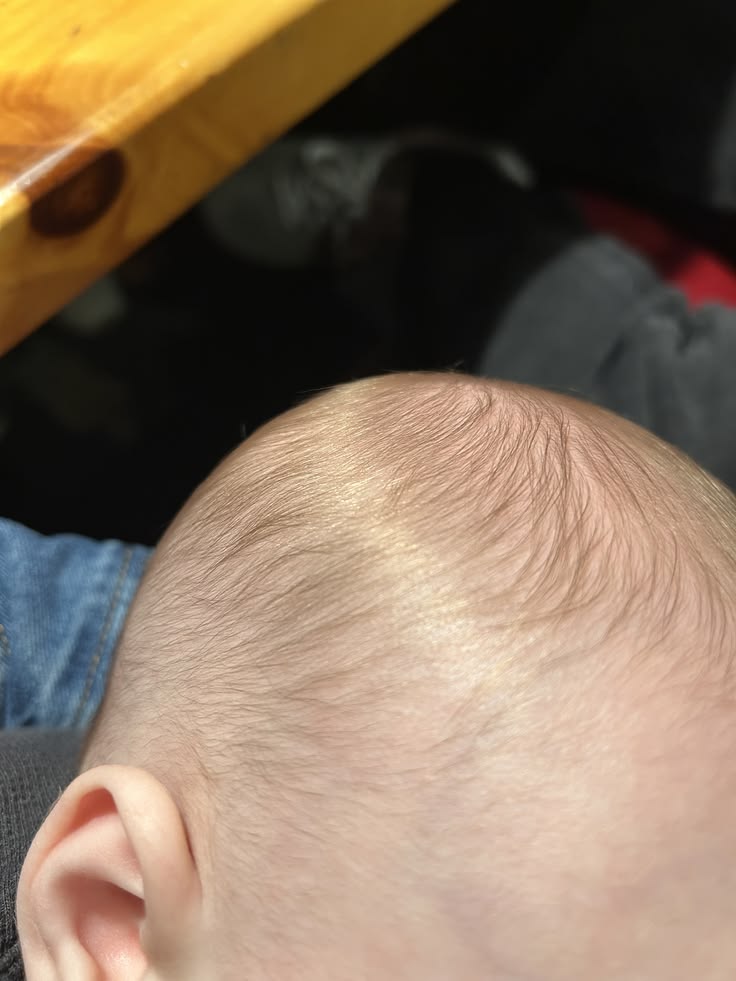
Growth tends to pick up noticeably for a lot of babies during the second half of the first year.
Hair might start coming in with a different texture than what showed up at birth.
Some babies develop curls or waves for the first time during this stretch.
This is also when many parents start noticing distinct patterns, like a swirl or a stubborn cowlick.
Baby hair milestones every parent should know covers what tends to show up during this window in more detail.
1 to 2 Years
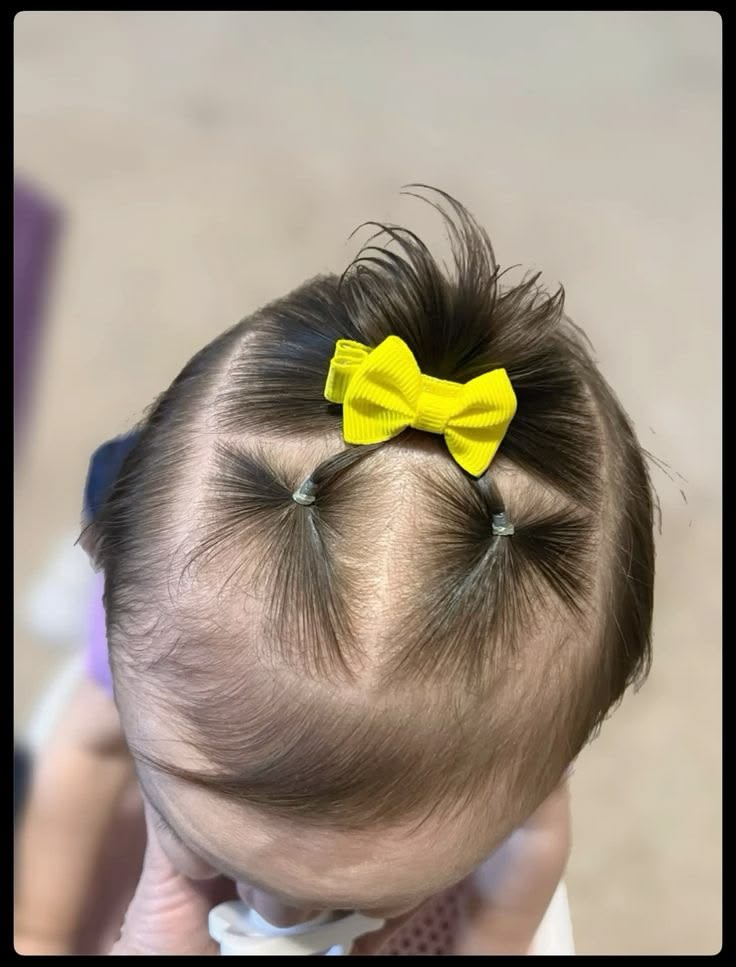
By this stage, most toddlers have a fuller, more established head of hair.
Texture usually starts settling into what will likely stick around for years to come.
This is often the point where parents start thinking seriously about styling.
When should you start styling your baby’s hair? answers that question if you are wondering if now is the time.
For simple looks that suit this stage, simple hairstyles for babies with fine hair offers a gentle place to start.
Once a bit more hair fills in, 41 cute hairstyles for one-year-old girls has plenty of easy options worth trying.
What Affects How Fast Baby Hair Grows?
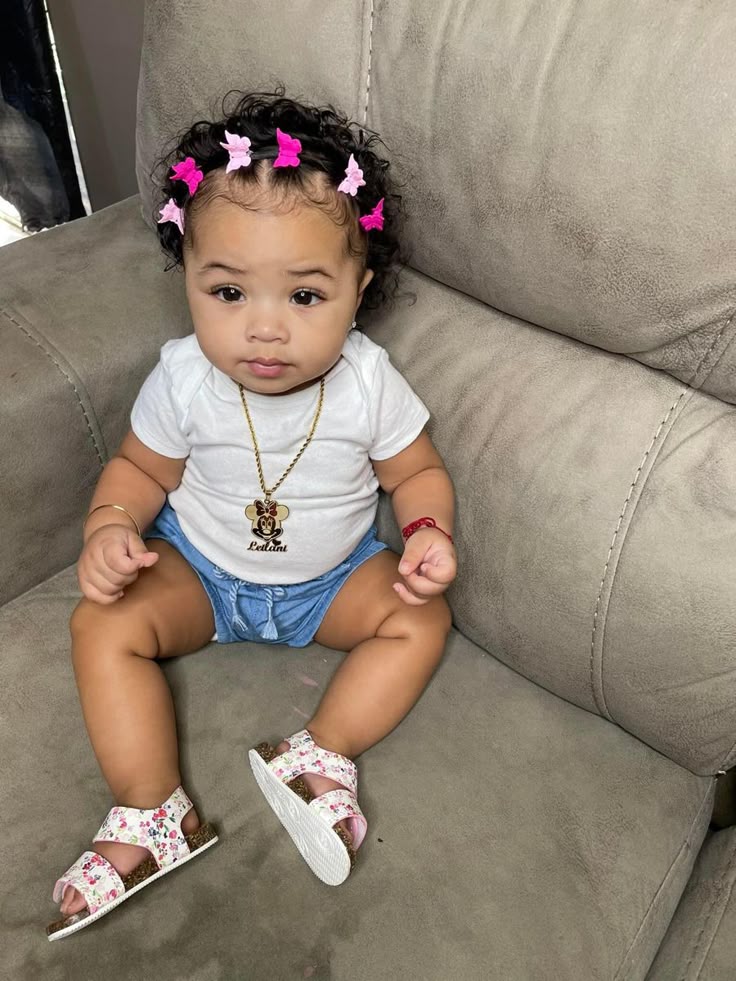
A handful of factors influence how quickly a baby’s hair grows in and fills out.
Genetics sits at the top of the list, since hair growth speed tends to run in families.
A baby born to parents with fast-growing hair is more likely to see quicker growth themselves.
Nutrition plays a role too, particularly once a baby moves onto solid foods.
A balanced diet supports healthy growth at the root level. No food will dramatically speed things up on its own.
Overall health matters as well, since illness or nutritional gaps can slow hair growth temporarily.
Gentle handling also protects whatever hair is already growing in.
Rough brushing, tight hair accessories, or harsh products can cause breakage that makes growth look slower than it actually is.
How to encourage healthy hair growth in kids expands on these ideas well beyond the baby stage.
Underlying health conditions can occasionally slow growth as well, though this is far less common than the factors above.
Thyroid issues, certain nutritional deficiencies, and some skin conditions can all play a role in slower hair growth.
These cases are usually accompanied by other noticeable symptoms beyond just slow-growing hair.
A pediatrician can help rule these out quickly if there is ever a concern.
How to Care for Baby Hair as It Grows
Caring for baby hair does not need to be complicated, especially in these early years.
A few simple habits go a long way toward supporting healthy growth.
Most of it comes down to gentle handling, the right products, and a bit of consistency rather than anything elaborate.
Getting these basics right early makes every stage that follows, from wash day to first styles, much easier to manage.
Washing Baby Hair the Right Way
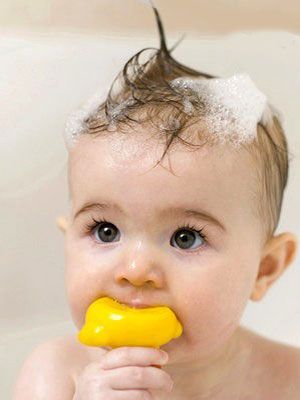
Baby hair and scalp do not need frequent washing, even once real hair starts coming in.
Overwashing can strip natural oils that the scalp needs to stay healthy.
How often should you wash your child’s hair? offers guidance that applies to babies too.
The best wash day routine for kids can be scaled down easily for a baby’s shorter, simpler routine.
Protecting Baby Hair While Sleeping
Friction from sleeping can affect baby hair just as much as it affects older kids’ hair.
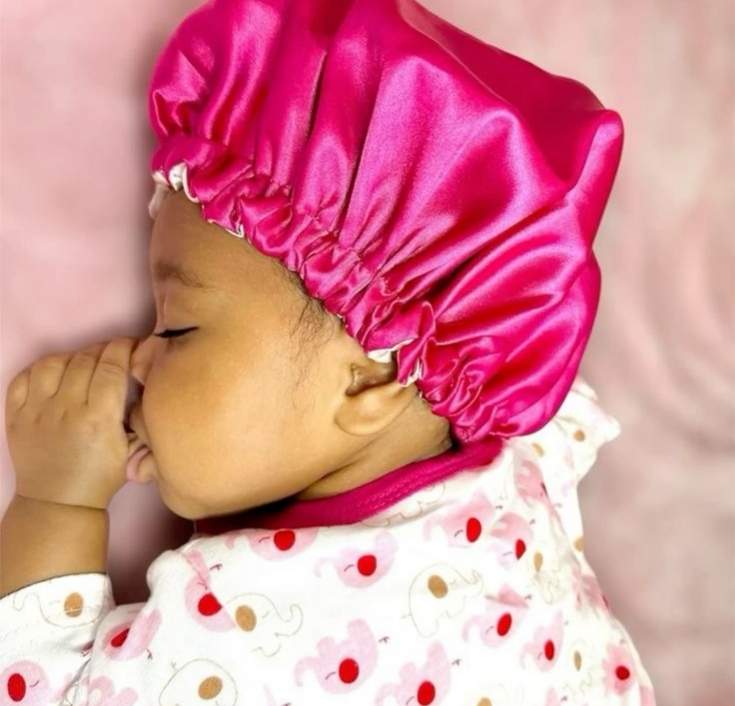
A soft, breathable cap or a satin-lined sleep surface can help reduce this friction.
Satin bonnets for kids: do they help? covers how this works for babies old enough to wear one comfortably.
For babies too young for a bonnet, a satin or silk crib sheet offers a gentler alternative.
It reduces friction without needing anything worn directly on a baby’s head.
Common Baby Hair Growth Myths
A lot of hair growth advice for babies is based on tradition rather than evidence.
Shaving a baby’s head to make hair grow back thicker is one of the most persistent myths out there.
Hair thickness is determined by genetics and follicle structure, not by cutting hair short.
Brushing a baby’s scalp constantly to stimulate growth is another idea without much real backing.
Gentle care matters far more than aggressive brushing or scalp massage routines.
Certain oils claiming to speed up growth dramatically also tend to overpromise what they can actually deliver.
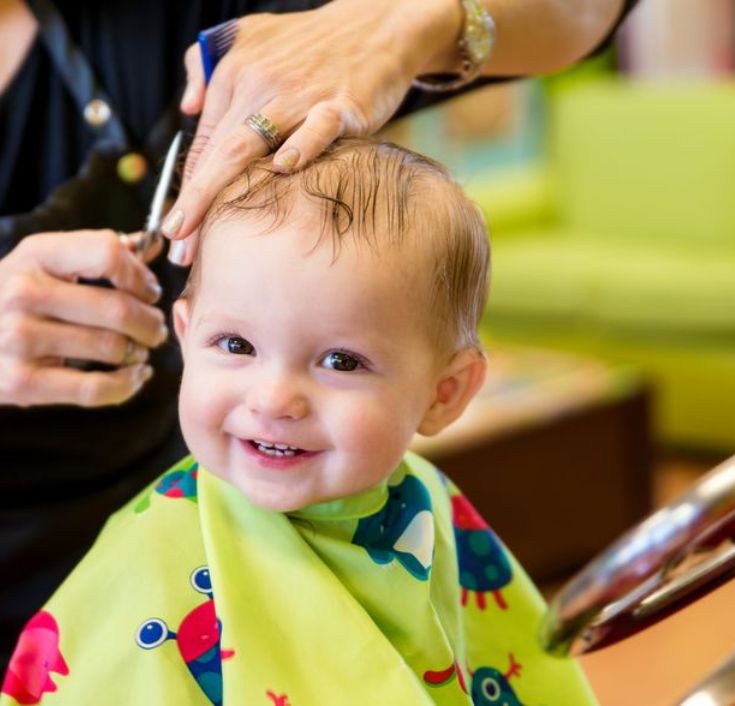
The idea that a baby’s first haircut ruins their natural hair pattern is another myth worth setting aside.
A first trim simply removes length and does not change how new hair grows in afterward.
Texture and pattern are determined at the follicle level, well below anything scissors can reach.
Why expensive hair products aren’t always better is a good read if a pricey miracle product is being pitched for your baby’s hair.
Most babies simply need time, gentle care, and patience rather than special treatments.
When to Talk to a Doctor About Baby Hair Growth
Most hair growth patterns in babies, even unusual ones, turn out to be completely normal.
A few signs are worth mentioning to a pediatrician just to be safe. Bald patches with redness, scaling, or irritation are worth a quick look.
Hair loss that seems severe, sudden, or paired with other symptoms also deserves a conversation with a doctor.
So does a complete lack of any hair growth well past the first birthday.
In most cases, these checks rule out anything serious and offer real peace of mind.
It is always reasonable to ask a pediatrician about hair growth during a regular checkup, even without a specific concern.
Doctors see a huge range of normal variation and can offer quick reassurance either way.
There is no such thing as a silly question about a baby’s health and development.
The best scalp care routine for children is a helpful resource if scalp health seems like the root of a concern.
Trusting your instincts as a parent is always reasonable when something feels off.
Frequently Asked Questions
When do babies usually start growing more hair?
Most babies see noticeable growth pick up between six and twelve months of age.
Some start earlier, and others take closer to two years to show real progress.
Both timelines are considered completely normal for healthy babies.
Is it normal for a baby to lose their hair?
Yes, hair loss in the first few months is extremely common and expected.
It usually happens due to hormone shifts after birth combined with friction from sleeping.
New hair almost always grows back within a few months of this shedding phase.
Does shaving a baby’s head make hair grow back thicker?
No, this is one of the most common myths about baby hair growth.
Hair thickness comes down to genetics and follicle structure, not how it is cut.
Shaving simply removes existing hair without changing how new hair grows in.
What can I do to help my baby’s hair grow faster?
Gentle care, proper nutrition, and patience are the most reliable tools available.
Avoiding tight accessories and harsh products protects whatever hair is already growing.
Beyond that, genetics plays the biggest role in determining overall growth speed.
When should I get my baby’s first haircut?
There is no strict rule, and it depends entirely on hair length and family preference.
Many parents wait until closer to the first birthday for a first trim.
The best first haircut tips for your child walks through how to make that first cut a smooth experience.
Why did my baby’s hair change color or texture?
This happens because hair follicles and pigment cells are still maturing during infancy.
Straight hair can turn wavy, and dark hair can lighten as a baby grows.
These shifts are completely normal and usually settle into a more lasting pattern by the toddler years.

Final Thoughts
Baby hair growth is unpredictable, deeply personal, and rarely something to worry about.
Bald babies often catch up quickly, and early shedding almost always resolves within months.
Genetics plays the biggest role, and patience matters far more than any product on the shelf.
It helps to remember that every stage described here has a wide range of what counts as normal.
A baby who seems behind a friend’s baby in hair growth is very likely still right on track.
Comparing timelines too closely tends to cause more worry than the situation actually calls for.
Focusing on gentle care now sets a strong foundation for years to come. Toddler hair care made simple is a natural next step once your baby moves past these earliest stages.
Building good habits early tends to make later stages, like wash day and detangling, far less stressful for everyone involved.
If you are curious what hair type your baby is developing, how to identify your child’s hair type helps you get ahead of styling and care decisions.
For daily moisture needs as hair fills in, how to moisturize kids hair properly rounds out a solid, simple routine.
And if scalp health has been on your mind, how to keep kids’ scalp healthy ties the whole picture together nicely.


One Comment