
Toddler Haircare Made Simple
Disclosure: Some of the links in this post are affiliate links. This means if you click on the link and purchase an item, I will receive an affiliate commission at no extra cost to you.
Somewhere between the baby stage and school age, hair care starts to feel like a whole new challenge.
Toddlers have opinions now, and those opinions often show up right at wash time. If a simple toddler hair care routine feels out of reach some days, you are far from the only parent feeling that way.
The good news is that toddler hair care does not need to be complicated to work well. A few consistent steps, repeated calmly, go a long way toward smoother mornings and fewer tears.
Toddler hair care becomes so much easier once you find a rhythm that fits your child.
These early years of hair care often turn into some of the sweetest little routines a family builds together. Even a squirmy five minutes at the sink can become a cherished memory years down the road.
Small daily rituals like this tend to stick with kids long after they have outgrown the routine itself. Right alongside this topic sits how to build a healthy hair routine for kids, which rounds out the bigger picture nicely.
Settle in for a few minutes, because we are walking through washing, detangling, styling, and the mistakes worth avoiding along the way.
If your toddler still fights bath time, why your child hates hair time (and how to change it) is worth a look.
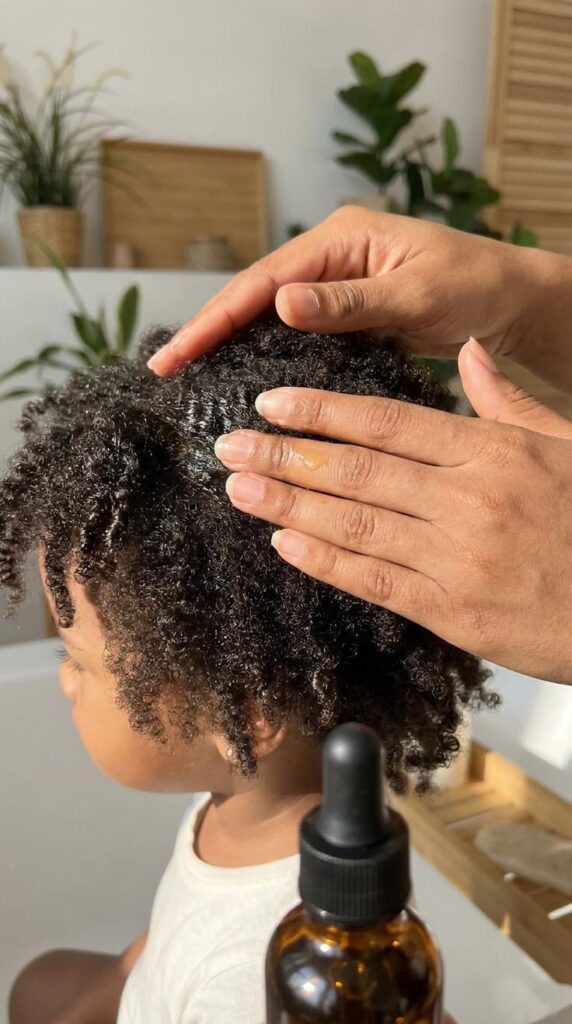
Why Toddler Hair Care Feels Different From Baby Hair Care
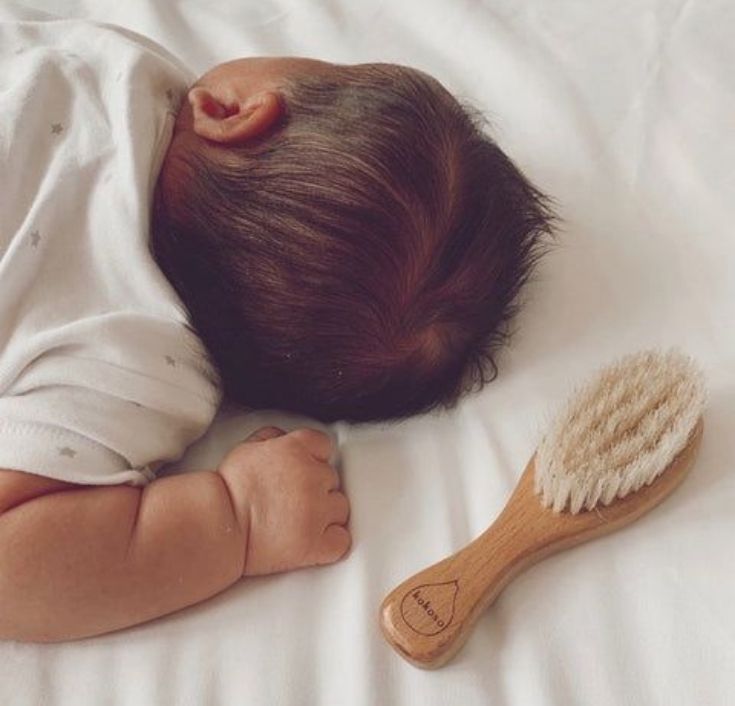
Babies mostly stay still, which makes hair care fairly simple during that stage.
Toddlers, on the other hand, move constantly and have strong opinions about almost everything.
That shift alone explains why routines that worked at six months can suddenly stop working at two years old.
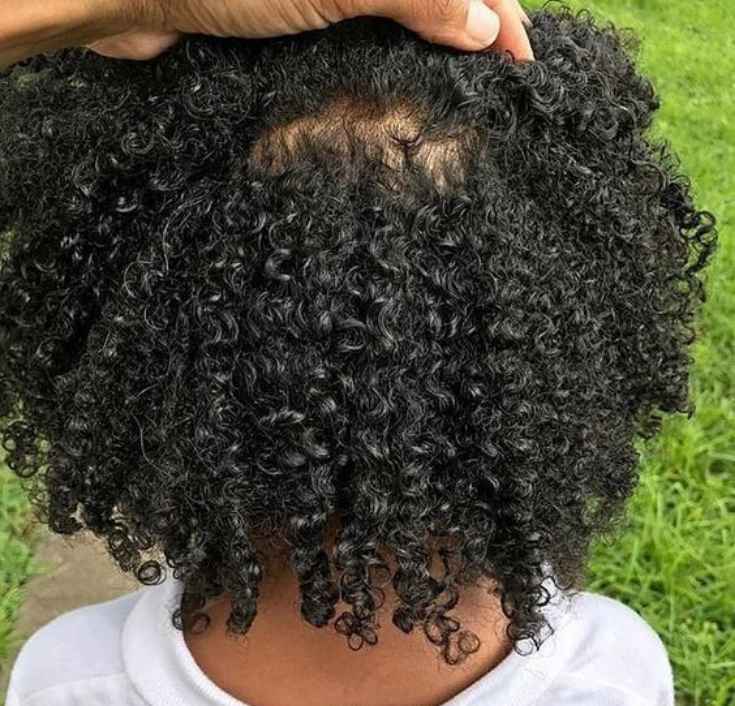
Hair itself is changing too during this window. Texture often shifts, growth speeds up, and toddlers start needing real detangling for the first time.
The different kids hair textures explained is a helpful read if your toddler’s hair feels different than it did a year ago.
What Toddler Hair Actually Needs at This Age
Toddler hair is growing faster than it did as a baby, but it is also more exposed to daily wear and tear.
Playgrounds, naps, and constant movement all add friction that baby hair rarely experienced.
This means protection and moisture matter more now than they did during the first year.
Scalp health also becomes more important as hair gets longer and thicker.
A healthy scalp supports steady growth and helps prevent the dryness that leads to breakage.
The best scalp care routine for children is worth reading if you want to understand this connection better.
Toddlers also start forming their own hair-related habits during this stage, like pulling at clips or rubbing their head when tired.
These small behaviors are normal, but they do mean hair accessories and styles need to hold up to more activity than before.
Choosing sturdier accessories now can save a lot of frustration down the road.
Building a Simple Toddler Hair Routine
A good toddler routine does not need many steps to work well. Three basics cover most of what growing hair actually needs.
Getting these three right consistently matters far more than adding extra products or steps on top.
Washing
Toddler hair does not need daily washing, even if it looks a little messy by bedtime.
Washing once or twice a week is usually plenty for most hair types at this age.
How often should you wash your child’s hair? breaks this down further if you are still working out a schedule.
A gentle, tear-free shampoo made for kids helps keep bath time calmer.
The best wash day routine for kids can be adjusted easily for a toddler’s shorter attention span and wiggly nature.

Detangling
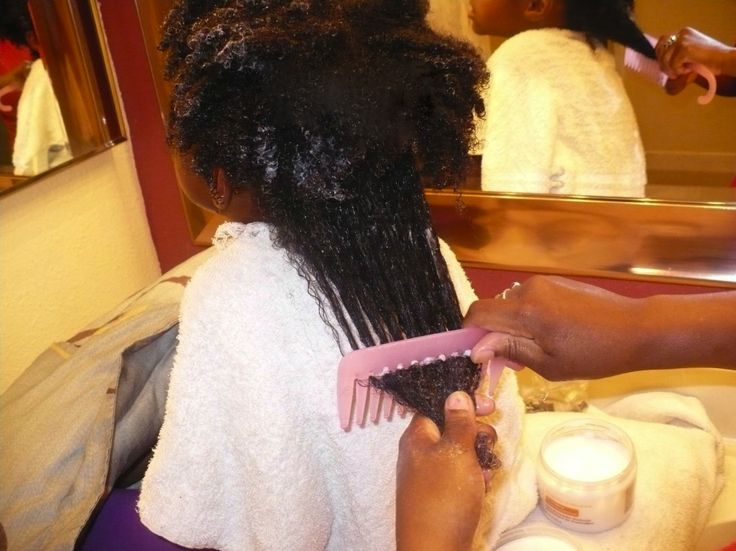
Detangling tends to become the trickiest part of toddler hair care once hair gets longer.
Starting from the ends and working upward reduces pulling and discomfort.
The secret to tear-free detangling walks through this method step by step.
The right tool matters just as much as the technique itself. Wide-tooth comb vs detangling brush compares the two so you can pick what suits your toddler’s hair type best.
Working in small sections, rather than tackling the whole head at once, also tends to reduce resistance significantly.
A detangling spray or a bit of leave-in conditioner applied beforehand can make the whole process noticeably smoother.
The best detangling sprays for kids covers a few gentle options worth keeping on hand for particularly stubborn tangles.
Moisturizing
Toddler hair loses moisture quickly, especially with all the running, playing, and outdoor time toddlers pack into a day.
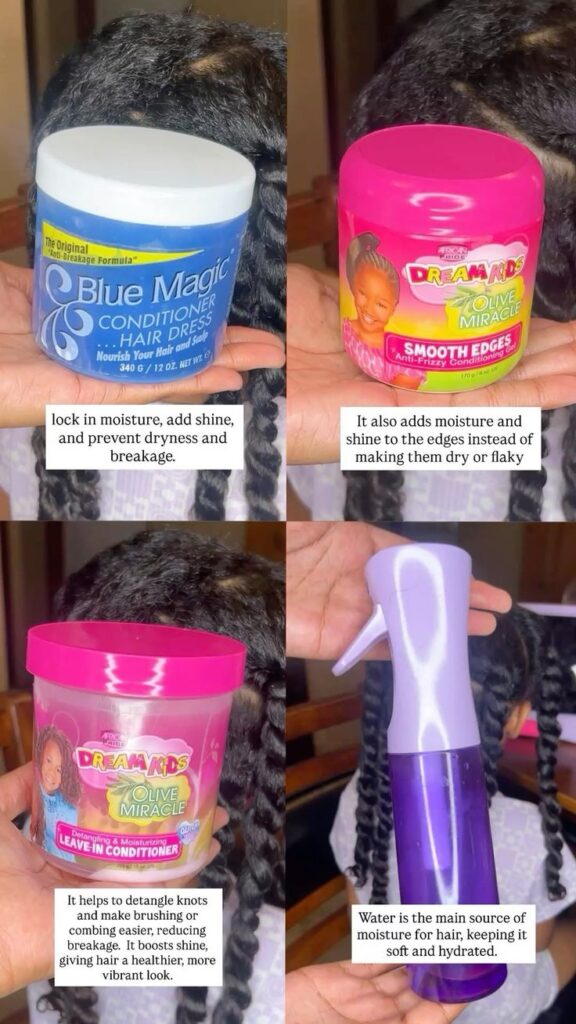
A light leave-in product after washing helps hair stay soft between wash days.
How to moisturize kids hair properly goes deeper into building this step into your routine.
Oils can help seal in that moisture once it is applied. The best hair oils for children’s hair covers a few gentle options that work well for toddlers specifically.

Choosing the Right Products for Toddler Hair
Picking the right products can feel overwhelming with so many options marketed for kids.
A few basics narrow the choice down quickly. Sticking with fewer, simpler products tends to work better than layering on too many at once.
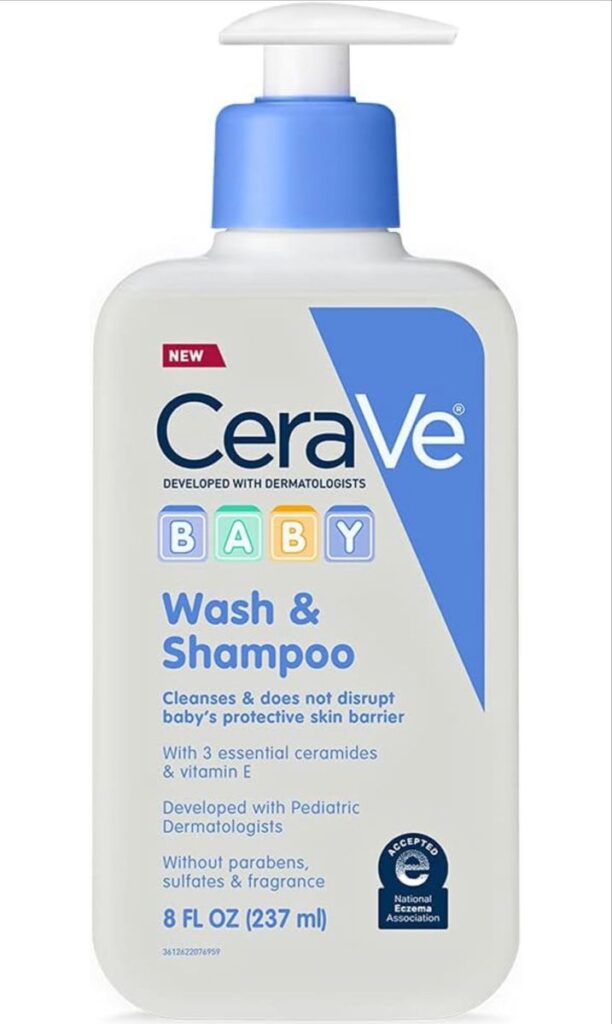
Shampoo
A gentle, sulfate-free shampoo tends to work best for toddler hair and scalps.
How to choose the right shampoo for kids breaks down what ingredients to look for and which to avoid.
Sticking with one shampoo for a few weeks makes it easier to notice how hair responds.
Conditioner
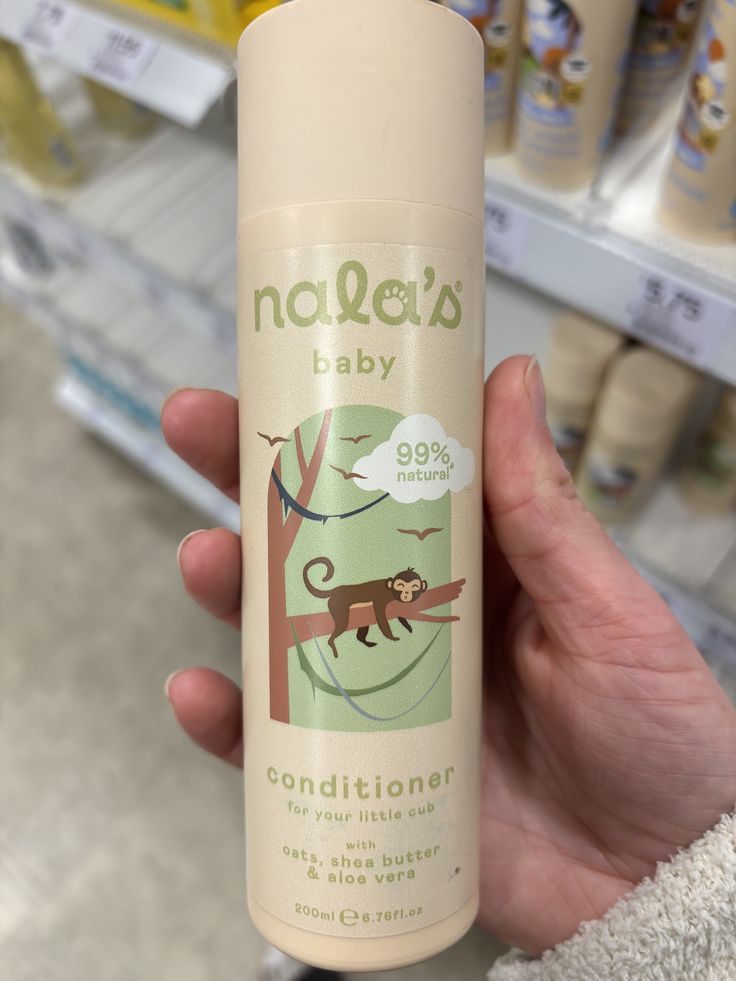
Conditioner helps replace moisture lost during washing, especially for thicker or curlier hair types.
The best conditioners for every hair type covers options suited to different textures toddlers commonly have.
A light conditioner used every wash day is usually enough for most toddlers.
Leave-In Products
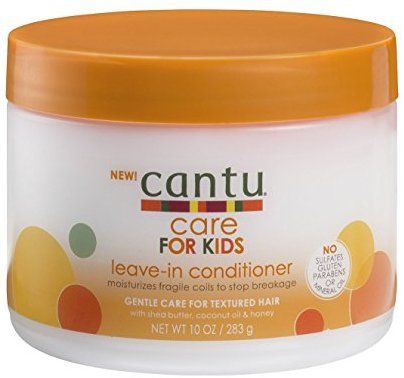
Leave-in products help hair stay soft and manageable between washes.
Parents can compare two popular options in Leave-in Conditioner vs Hair Milk for Kids to find the best match for their toddler’s hair.
For the best results, apply a small amount after washing while the hair is still damp.
Common Toddler Hair Care Mistakes
Rushing through hair care is one of the most common mistakes parents make with a squirmy toddler.
Moving too fast often means more pulling, which then makes a toddler resist the next session even more.
Slowing down, even by just a minute or two, tends to pay off quickly.
Skipping regular moisture is another frequent slip. Toddler hair dries out faster than most parents expect, especially textured hair types.
Signs your child’s hair is healthy offers a helpful checklist for spotting dryness before it becomes a bigger issue.
Using adult hair products on toddler hair is also worth avoiding. Many adult formulas contain ingredients that are too harsh for a toddler’s more delicate scalp.
How to keep kids’ scalp healthy explains why gentler products matter so much at this stage.
Styling too tightly is another common misstep, especially with ponytails, puffs, or small braids.
Tight styles can pull at the hairline and cause breakage over time, even if they look neat at first.
The biggest braiding mistake that can lead to hair loss covers this if tight styles are a regular part of your routine.
Forgetting to protect hair overnight is another gap worth closing. A day of gentle care can be undone quickly by friction against a regular pillowcase.
Could your child’s hair accessories be causing breakage? is worth a read too, since clips and ties left in overnight can cause similar damage.
Most of these mistakes are easy to fix once identified, and none of them mean a parent is doing anything fundamentally wrong.
Toddler hair care is a learning process for both sides. Small adjustments tend to add up to noticeably better results within just a few weeks.
Easy Toddler Hairstyles for Everyday Wear
Simple styles work best for toddlers who will not sit still for long.
Quick, low-effort looks reduce stress for everyone involved on busy mornings.
30 quick kids hairstyles that take less than 10 minutes offers a solid starting list to pull from.
For styles that take even less time, 40 toddler hairstyles that take under 5 minutes is worth bookmarking for particularly rushed days.
Ponytails and puffs remain reliable go-to options for toddlers with shorter attention spans.
19 cute ponytail hairstyles for kids rounds out a few easy variations worth trying.
Rotating through a small handful of go-to styles tends to work better than trying something new every single day.
Familiarity helps a toddler know what to expect, which can reduce fidgeting during the process.
Keeping a mental list of two or three reliable looks takes a lot of pressure off busy mornings.
Handling Meltdowns During Hair Time
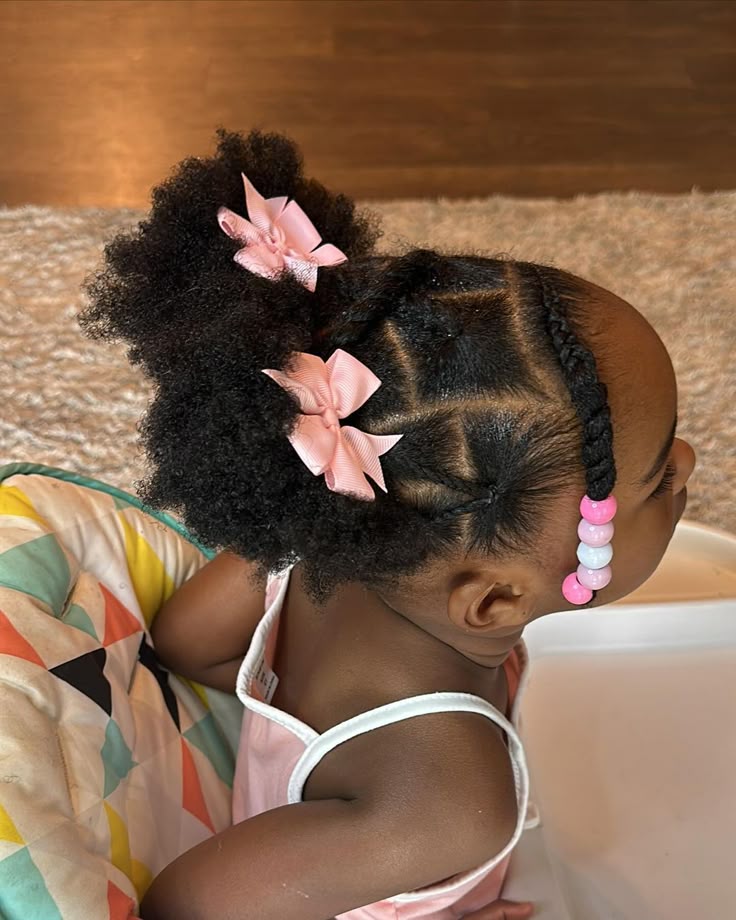
Meltdowns during hair care are extremely common at this age and do not mean anything is wrong.
Toddlers are still learning to sit still and handle new sensations like combing or washing.
Patience, distraction, and short sessions tend to work better than pushing through tears.
Breaking hair care into smaller chunks throughout the day can help too.
Detangling in the morning and styling later, rather than doing everything at once, reduces overall resistance.
The real reason wash day feels so difficult digs into why this stage feels so hard and what tends to help.
Giving a toddler some control over small decisions, like which clip to wear, can ease resistance significantly.
Choice, even a small one, often turns a dreaded task into something a toddler feels part of.
Consistency matters too, since toddlers tend to respond better to routines that feel familiar.
A calm parent tends to produce a calmer toddler during hair time, even when things do not go perfectly.
Taking a short break if frustration builds on either side is always better than pushing through a tense session.
When to Start Adding More Structure
As toddlers grow, many parents start introducing more structured routines, like regular trims or simple protective styles.
There is no strict age for this, and it depends entirely on your child’s hair and comfort level.
Should you trim your child’s hair regularly? helps answer that question if split ends or uneven growth have become noticeable.
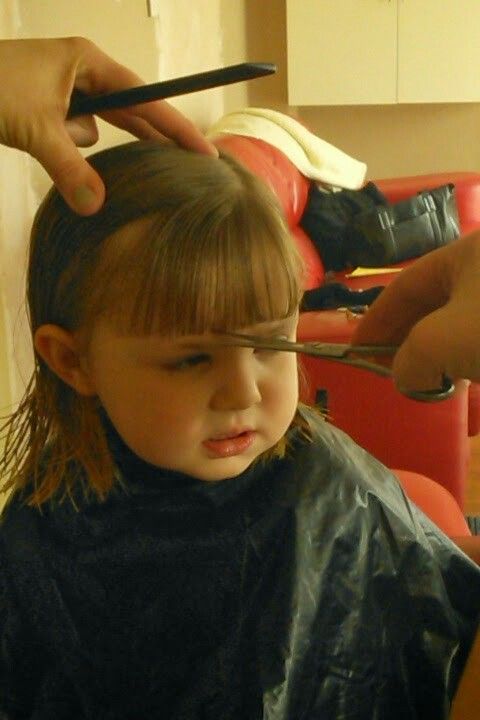
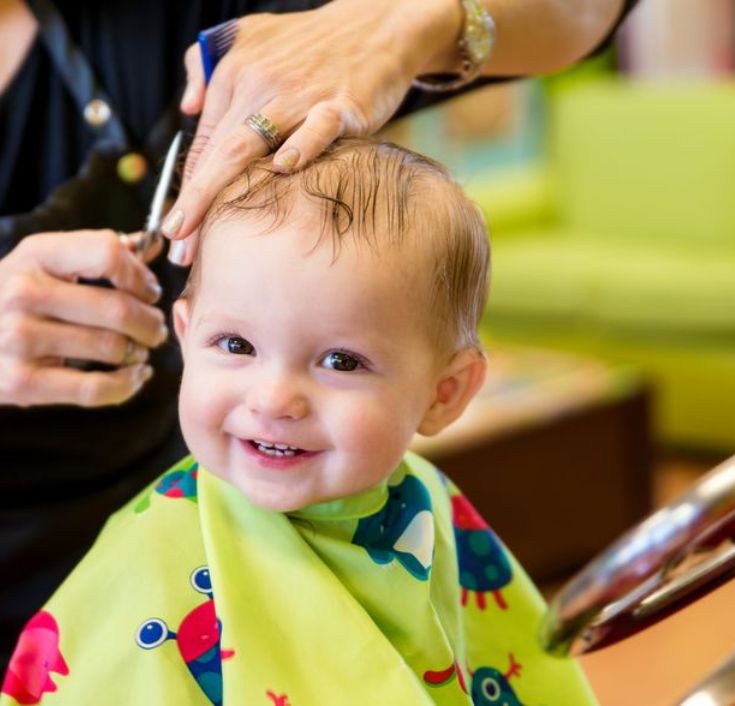
A first proper haircut also tends to happen somewhere during the toddler years for many families.
The best first haircut tips for your child walks through how to make that experience as smooth as possible.
Structured hair care does not need to happen all at once. Introducing one new habit at a time, like a weekly deep condition or a slightly more involved style, gives a toddler time to adjust.
Watching for signs of readiness, like sitting still longer than before, is a better guide than any specific age milestone.
Every family moves at their own pace here, and there is no reward for rushing toward a more complicated routine.
A simple, well-maintained approach often serves toddler hair just as well as anything more elaborate.
Protective Styles Worth Trying for Toddlers
Protective styles can reduce daily manipulation and cut down on tangles between wash days.
They are not required, but many parents find they save time during the busiest weeks.
A simple style that lasts several days can make mornings noticeably easier to manage.
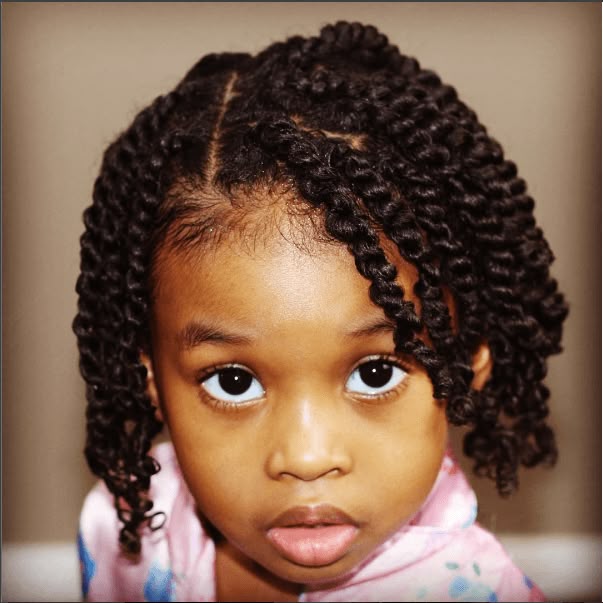
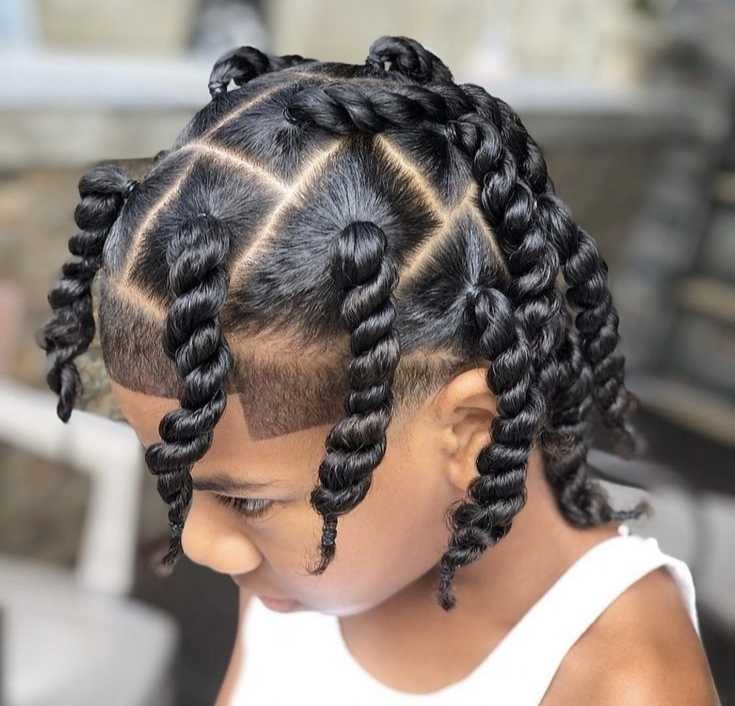
Braids and twists work well for toddlers with enough length to hold a style. 31 best braided hairstyles for kids includes several simple options that suit shorter attention spans.
Puffs and simple twists tend to hold up especially well through naps and active play.
For families who like variety, 60 protective styles that last all week offers a range of looks that stretch across several days.
Rotating between a few go-to styles tends to work better than trying something brand new every single day.
Signs Your Toddler’s Hair Routine Is Working
A good routine shows results within a few weeks, even if progress feels slow day to day.
Softer, less tangled hair by the end of the week is one clear sign things are on track.
Fewer tears during hair time is another good indicator that the routine is working.
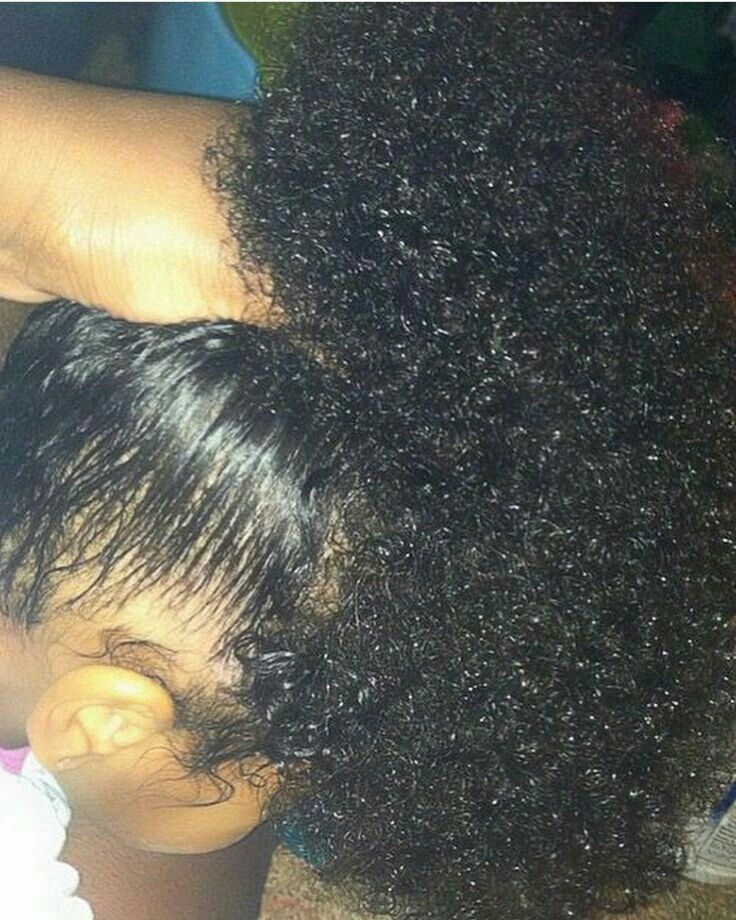
Hair that holds moisture between wash days, rather than feeling dry by the next morning, points to a routine that fits your toddler’s needs.
If tangles, dryness, or meltdowns are still constant after a few weeks, it may be worth adjusting products or timing.
The one hair care habit that causes more tangles than you think is worth checking if progress still feels stuck.
It also helps to check in occasionally rather than assuming a routine will work forever without changes.
Toddler hair needs shift as length, texture, and activity levels change, so revisiting the basics every few months keeps things on track.
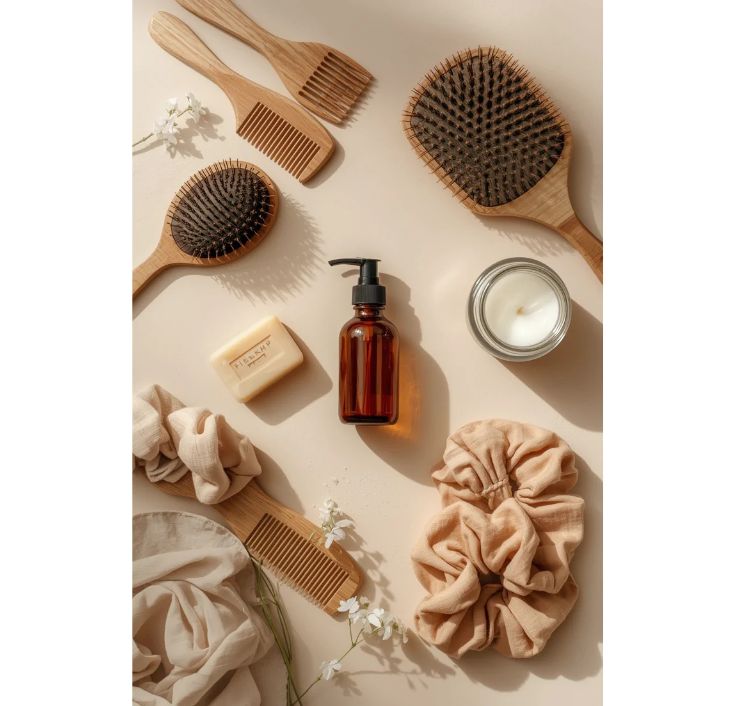
The Right Tools Make a Real Difference
Good tools do a lot of the heavy lifting in a toddler hair routine, often more than any specific product.
A well-chosen brush or comb can turn a stressful session into a calm one within just a few uses.
Investing a bit more in the right tool upfront tends to save time and frustration later.
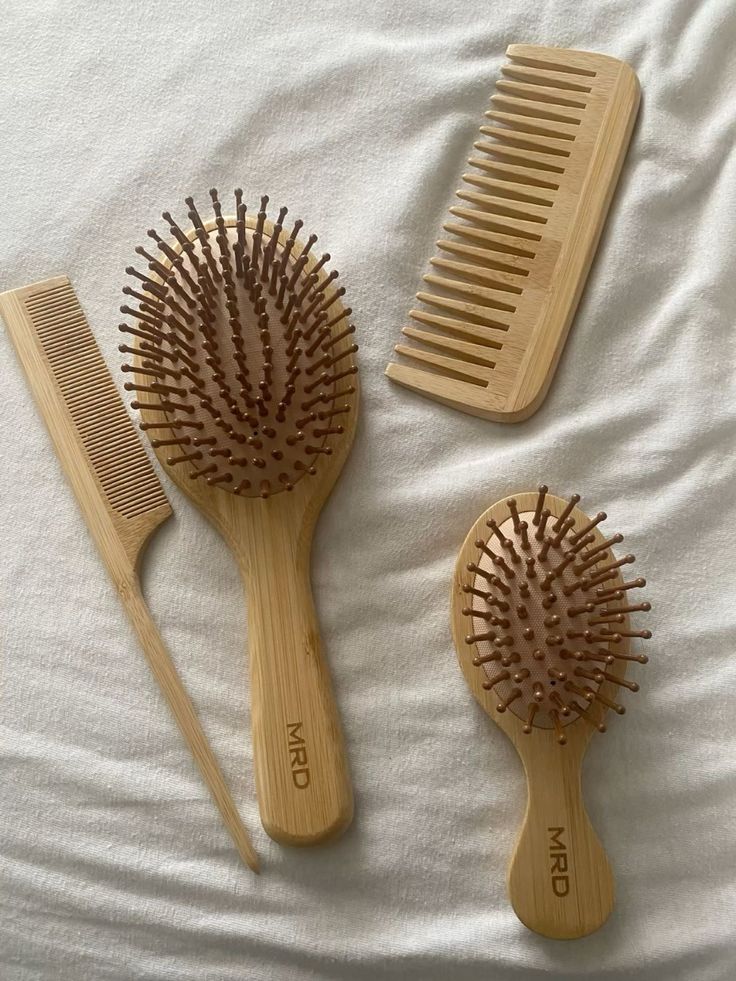
Soft-bristle brushes tend to work better for toddlers than firm ones, since they glide through hair with less pulling.
The best hair brushes for kids compares a few options suited to different hair types and lengths.
Choosing a brush your toddler can eventually hold themselves also helps build independence over time.
Accessories matter too, especially ones that stay put without pinching or pulling.
Hair bows for kids that stay in place covers styles that hold up through a full day of play without needing constant readjustment.
Loose, poorly fitted clips tend to fall out quickly and can even snag hair on the way.
Keeping a small, dedicated hair care kit on hand makes it easier to handle hair on the go.
A brush, a few clips, and a travel-sized leave-in product cover most needs.
This is especially helpful for outings, daycare drop-offs, or any moment when a quick touch-up is needed.
A well-stocked kit takes a lot of the stress out of last-minute fixes before heading out the door.
Frequently Asked Questions
How often should I wash my toddler’s hair?
Once or twice a week is usually enough for most toddler hair types.
Overwashing can dry out the scalp and strip natural oils too quickly.
Adjust slightly based on activity level, since more active toddlers may need washing a bit more often.
Why does my toddler cry during hair time?
This is extremely common and usually comes down to sensitivity, impatience, or discomfort from tangles.
Slowing down and using gentler tools often reduces this reaction significantly.
Building a predictable routine also helps toddlers feel less caught off guard.
What is the best detangling method for toddlers?
Starting at the ends and working upward in small sections works best for most hair types.
A leave-in conditioner or detangling spray makes the process noticeably smoother.
Patience matters more than speed for reducing tears and resistance.
Do toddlers need special hair products?
Yes, toddler scalps are more sensitive than adult scalps and need gentler formulas.
Products made specifically for kids tend to avoid harsh sulfates and strong fragrances.
Reading labels carefully helps avoid ingredients that could irritate delicate skin.
When should my toddler get their first haircut?
There is no fixed age, and it depends on hair length, texture, and family preference.
Many parents wait until hair starts getting in a toddler’s eyes or becomes hard to manage.
A calm, quick trim usually works better than a full styling session for a first cut.
How can I make hair time less stressful?
Short sessions, a predictable routine, and a bit of distraction go a long way.
Letting a toddler hold a toy or watch a short show during hair time often helps.
Consistency over time tends to reduce resistance more than any single trick.
Is it normal for toddler hair to change texture?
Yes, texture shifts are extremely common during the toddler years as follicles continue developing.
Straight baby hair can develop waves or curls, and the reverse can happen too.
These changes usually settle into a more lasting pattern by preschool age.

Final Thoughts
Toddler hair care made simple really does come down to a few consistent basics done with patience.
Washing less often, detangling gently, and moisturizing regularly cover most of what growing hair needs.
The rest is mostly about finding a rhythm that works for your specific child.
Every toddler responds a little differently, so it is worth adjusting the details over time rather than expecting one routine to work forever.
What feels impossible at two years old often becomes second nature by three, as both parent and child settle into the process together.
How to encourage healthy hair growth in kids is a great next read if you want to think beyond the basics.
For families with a younger sibling still in the baby stage, baby hair care routine for new parents rounds out the picture.
And if bedtime protection has not made it into your routine yet, satin bonnets for kids: do they help? is worth a look.


One Comment