
Should You Trim Your Child’s Hair Regularly?
Disclosure: Some of the links in this post are affiliate links. This means if you click on the link and purchase an item, I will receive an affiliate commission at no extra cost to you.
Every family ends up asking this question sooner or later. Your child’s hair is growing, the ends are starting to look a little rough, and you’re not sure if it’s time to reach for the scissors yet.
How often should you trim your child’s hair to keep it healthy without cutting off length you don’t need to lose?
The honest answer is that there’s no single number that fits every kid. Hair texture, styling habits, and how well the hair is cared for between cuts all play a part.
A curly-haired toddler and a straight-haired eight-year-old are going to need very different timelines.
If you’re still learning the basics of your child’s hair, How to Identify Your Child’s Hair Type is worth reading first. Knowing what you’re working with makes every other decision easier.
Once you understand the texture you’re dealing with, The Best Wash Day Routine for Kids helps you build the kind of routine that stretches out the time between trims in the first place.
The good news is that once you know the general range for your child’s hair type, this becomes one less thing to worry about. A few minutes of checking every couple of months is really all it takes.

Why Trim Frequency Depends on Hair Type
Hair texture affects how quickly damage shows up at the ends. Straighter hair has less natural bend, so split ends are visible almost right away.
Curlier and coilier hair hides minor damage inside its own texture, which buys a little more time between trims.
Porosity plays a role too. Hair that struggles to hold moisture tends to dry out and split faster, which shortens the gap between healthy trims.
Hair that retains moisture well can often go longer before the ends start showing wear.
Styling also changes the math. Hair kept in protective styles like braids or twists faces less daily friction, so the ends stay in better shape longer.
Hair worn loose and brushed out every day deals with more rubbing against clothes and pillows, which speeds up damage.
Activity level matters as well. Kids who swim often, play outside for hours, or spend a lot of time in the sun tend to deal with drier, more brittle ends.
That dryness can shorten the gap between trims even for a hair type that would otherwise stretch longer.
None of this means you need to guess blindly. Once you know your child’s texture and styling habits, you can settle into a range that actually fits instead of trimming on a generic schedule that doesn’t match their hair.
Age plays a smaller but noticeable role too. Younger kids tend to have finer, thinner strands that show wear faster than the thicker hair that often develops later in childhood.
As hair matures and thickens, some kids can naturally stretch a bit longer between trims without any change in routine.
Family hair patterns can shift again during growth spurts, so it’s worth rechecking your child’s texture and thickness every so often rather than assuming it stays the same forever.
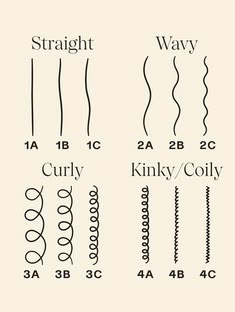
Recommended Trim Schedule by Hair Type
Below is a general breakdown of how often should you trim your child’s hair based on texture alone, before factoring in individual habits like styling and activity level.
These ranges work well as a starting point for most kids, even though every head of hair behaves a little differently.
Use them to set a rough calendar, then adjust based on what you actually notice at the ends over time.
Pairing this schedule with the moisture and detangling habits covered later in this post will help you stay closer to the longer end of each range.
Straight and Wavy Hair
Straight and wavy hair usually needs a trim every 8 to 10 weeks.
Split ends show up fast on smoother strands since there’s no curl pattern to hide them.
Checking in around the two-month mark keeps things looking neat.
Fine, straight hair especially tends to look stringy at the ends once damage sets in, so shorter gaps between trims tend to work best.
Curly Hair
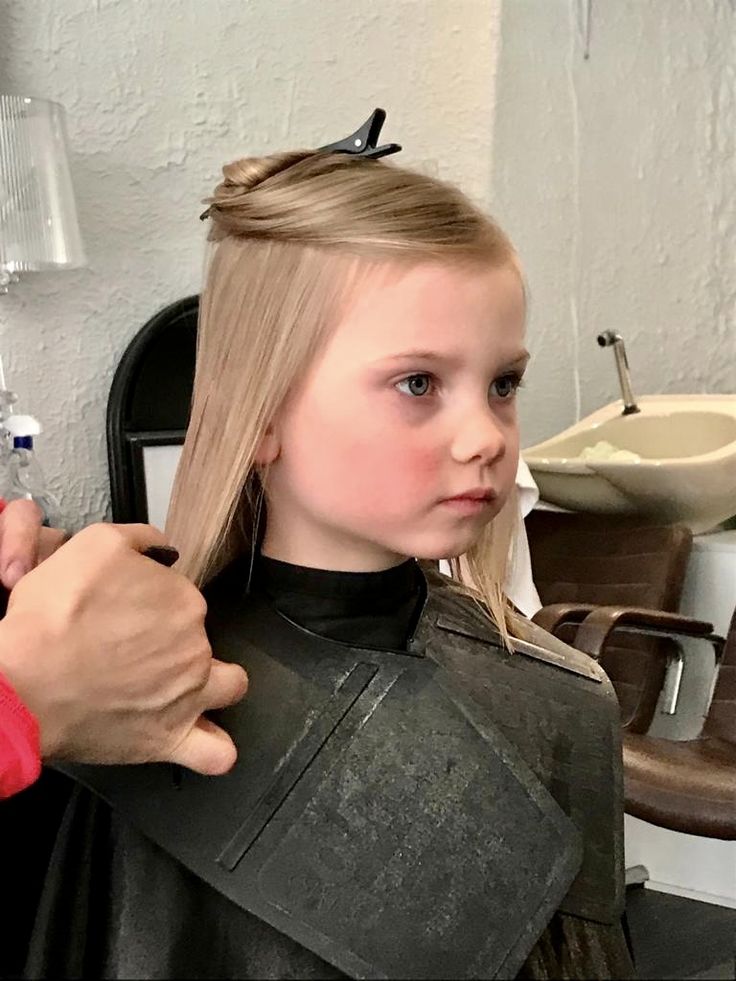
Curly hair can typically stretch to every 10 to 12 weeks between trims.
The curl pattern does a decent job of masking small split ends, so a light dusting trim at this interval is usually enough to stay ahead of damage.
Checking the hair while slightly damp or stretched gives a clearer picture of true length before deciding how much to cut.

Coily and Kinky Hair
Coily and kinky hair often goes the longest between trims, somewhere around every 12 to 16 weeks.
This texture is more prone to dryness, so pairing a longer trim schedule with consistent moisture matters more than the schedule itself.
Hair Type 4: Care Guide for Kids breaks down care by texture in more detail.
Since shrinkage can make this hair look shorter than it is, stretching it out before trimming helps avoid cutting off more length than planned.
Baby and Toddler Hair
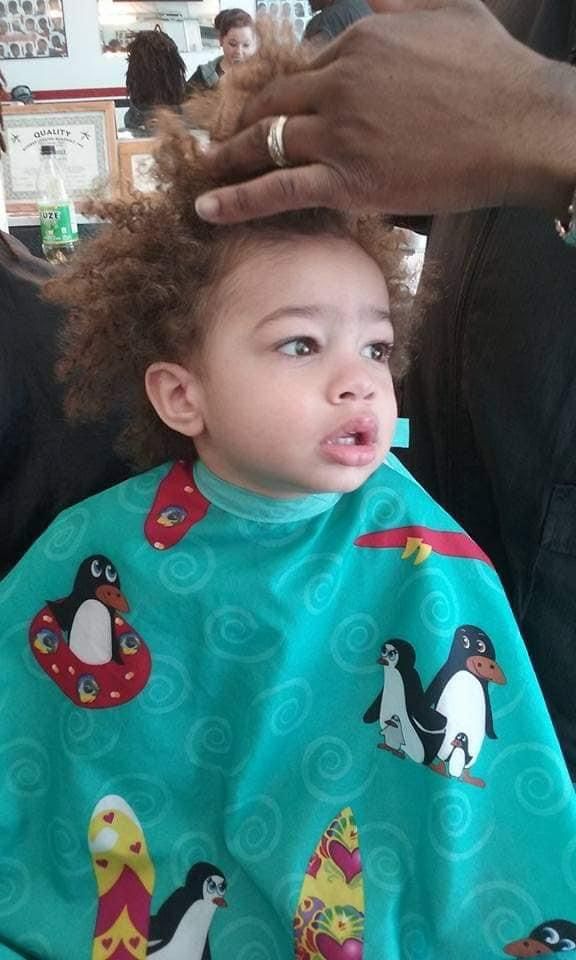
Baby and toddler hair often doesn’t need trims on any fixed schedule at all.
Many young kids don’t have enough length or damage to justify cutting anything for the first year or two.
Waiting until tangling or uneven ends show up is usually the better approach at this age.
The Complete Beginner’s Guide to Kids Hair Care is a helpful starting point if you’re navigating this early stage for the first time.

Signs It’s Time for a Trim, Regardless of Schedule
Schedules are a helpful starting point for how often should you trim your child’s hair.
But your child’s actual hair should always have the final say on when it’s time.
No calendar beats what you can actually see and feel at the ends.
Rough or Thinning Ends
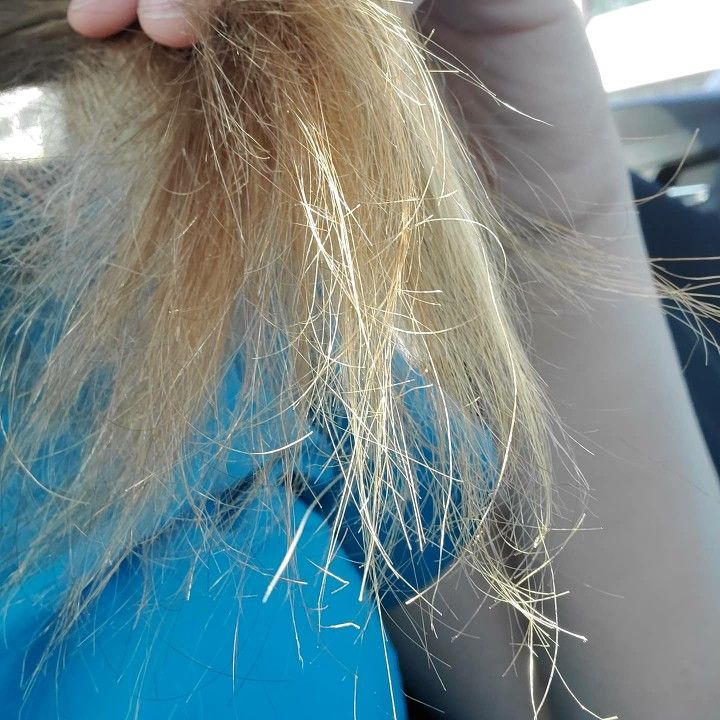
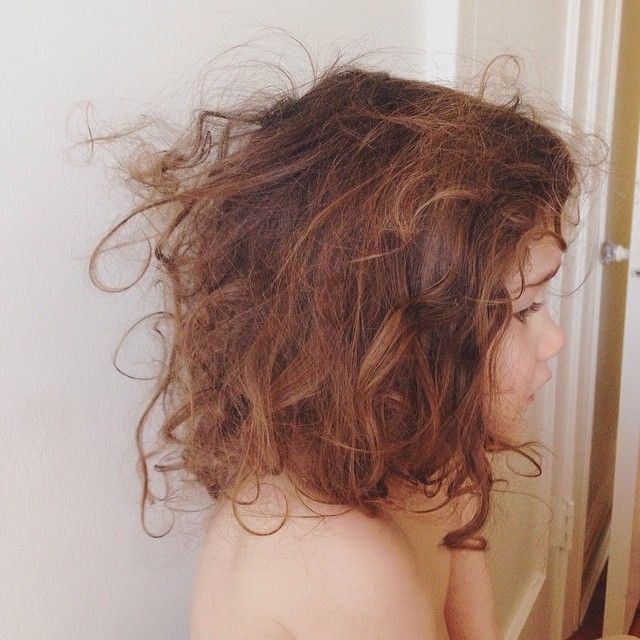
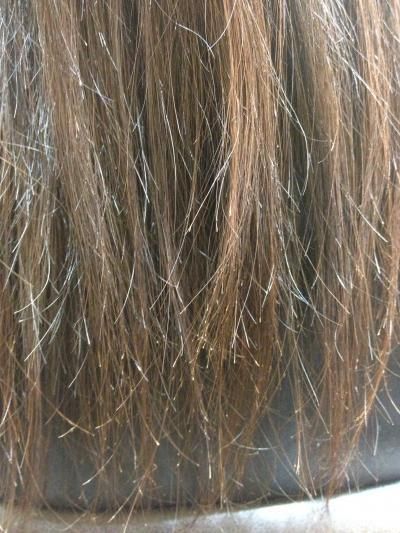
Watch for ends that feel rough or look thin compared to the rest of the strand.
This is often the clearest sign that damage has built up past the point a schedule alone would catch.
15 Reasons Your Child’s Hair Keeps Breaking (and What to Do About It) goes deeper into what damaged ends look like.
Tangling and Snagging
Tangling that happens even right after washing is another signal.
Smooth, healthy ends glide past each other more easily, while frayed ends catch and snag no matter how gentle the detangling process is.
Wide-Tooth Comb vs Detangling Brush can help you figure out which tool handles this best for your child’s texture.
Stalled Length or Dullness
Length that seems stuck in place for months, despite consistent care, often points to ends breaking off as fast as new hair grows in.
A trim in this case isn’t cutting off progress. It’s removing the damage that was quietly canceling it out.
Dullness is worth watching for too, even on hair that’s freshly washed and well moisturized.
Damaged ends scatter light unevenly, which can make otherwise healthy-looking hair appear flat.
If this shows up well before your expected trim window, it may be time to move the schedule up slightly.
How to Stretch the Time Between Trims
A longer gap between trims isn’t just about hair type. A few habits can genuinely extend how long healthy ends last.
Moisture is the biggest factor by far. Dry hair breaks far more easily than well-moisturized hair, which shortens the runway between cuts no matter what texture you’re working with.
How to Moisturize Kids Hair Properly covers a routine that fits easily into most weeks.
Gentle detangling also matters more than people expect. Rough brushing or combing through dry hair causes breakage that has nothing to do with split ends at all.
The Secret to Tear-Free Detangling walks through a gentler approach that protects length over time.
Protective styling can add real time to the schedule as well. Braids, twists, and buns shield the ends from daily friction, which means less wear and tear between trims.
17 Protective Hairstyles for Active Kids has ideas that work well for busy schedules.
Using the right tools day to day helps too. A quality brush reduces the snapping and tugging that leads to premature breakage.
The Best Hair Brushes for Kids covers a few options worth trying.
Sleep habits play a small but real part as well. Cotton pillowcases pull moisture from hair and create friction overnight, which can quietly speed up damage.
A satin pillowcase or bonnet protects the ends while your child sleeps, stretching the time before the next trim is needed.
Product buildup is another factor that’s easy to overlook.
Heavy styling products left on too long can coat the strand and hide early signs of damage, which sometimes leads to trims happening later than they should.
A regular clarifying wash keeps this from masking problems that need attention sooner.

Common Mistakes That Throw Off a Trim Schedule
A few habits quietly push trims closer together than they need to be, even after you’ve settled on an answer to how often should you trim your child’s hair.
Skipping moisture and relying only on a trimming schedule is one of the most common issues.
No trim frequency can fully make up for hair that’s dry between cuts.
Consistency with moisture matters just as much as the calendar.
The Hidden Mistake That Could Be Drying Out Your Child’s Hair covers one habit that catches a lot of parents off guard.
Using dull or improper tools is another mistake. Scissors that crush rather than cut cleanly create the very split ends a trim is meant to prevent, which means more frequent trims just to keep up.
Trimming curly or coily hair while it’s shrunken and dry can also throw things off.
Cutting hair in its curled-up state often means removing more length than intended, which can make it seem like trims are needed more often than they actually are.
Ignoring styling habits is a smaller but real factor too.
Switching between loose, brushed-out styles and protective styles without adjusting expectations can make a trim schedule feel inconsistent when it’s really the styling that changed.
Comparing your child’s schedule to another child’s is a subtle mistake as well.
Two kids with the same general texture can still need different timelines based on porosity, styling, and daily habits.
Sticking to what your own child’s hair shows you works better than matching someone else’s routine.
Waiting for a special occasion to justify a trim is another habit worth reconsidering.
Some parents hold off on trims until a holiday, photo, or event, even after noticing damage.
Small, regular trims tend to keep hair looking better overall than one bigger catch-up cut later on.
Building a Routine You’ll Actually Remember
Working out how often should you trim your child’s hair only helps if you actually keep track of it.
It’s easy to lose track without some kind of system in place.
A simple one is far easier to stick with than trying to remember from memory alone.
Set a Recurring Reminder
A note on your phone calendar, set to repeat at your child’s recommended interval, works well for most families.
Some parents prefer tying trims to another regular event instead of tracking it separately.
A common choice is the start of a new school term.
Another is a seasonal wardrobe swap, since it naturally comes with a mindset of refreshing things.
Do Quick Hands-On Checks
It also helps to do a quick hands-on check every few weeks, even outside your set trim date.
Running your fingers through a few sections of hair takes less than a minute and often shows if you’re on track or need to move things up sooner.
This habit matters more than the exact schedule itself, since it catches early damage before it spreads.
Track Each Child Separately
For families juggling more than one child, keeping separate notes for each kid can prevent mix-ups.
Different hair types and styling habits mean each child may need trims at a different pace, even within the same household.
Over time, this kind of light tracking becomes second nature.
You’ll start to notice your child’s hair telling you what it needs before the calendar even reminds you, which is really the goal of any trim schedule in the first place.

Frequently Asked Questions
Is there a general rule for how often to trim kids’ hair?
Most kids fall somewhere between 8 and 16 weeks, depending on hair type.
Straighter hair sits closer to the shorter end, while coily and kinky hair usually stretches toward the longer end.
Babies and young toddlers often fall outside this range entirely, since many don’t need a first trim until much later.
Does a longer trim schedule mean healthier hair?
A longer schedule doesn’t automatically mean healthier hair.
It’s often the result of good moisture and gentle handling, not the cause on its own
.The schedule reflects the routine behind it, rather than replacing that routine.
Can I stretch trims longer if I don’t see any damage?
Yes, that’s fine to do.
If ends look smooth, detangle easily, and aren’t catching on clothing or brushes, it’s fine to wait longer.
Signs Your Child’s Hair Is Healthy lists what to check for during that wait.
Should trim frequency change with the seasons?
Sometimes. Dry winter air or heavy summer swimming can both speed up dryness and breakage, which may call for slightly more frequent trims during those stretches.
Adjusting moisture first is usually a better fix than adjusting the schedule alone.
What happens if I trim too often?
Trimming more than needed can slow down visible length progress, especially for curlier textures where growth already looks slower due to shrinkage.
Sticking to a light dusting trim keeps this from becoming an issue.
At what age should trim schedules actually start?
Most toddlers don’t need a set trim schedule until hair reaches enough length to tangle, catch on clothing, or fall into their eyes.
Toddler Hair Care Made Simple covers what to expect once that stage arrives.
Should I trim more often if my child swims a lot?
Chlorine and saltwater both dry out hair quickly, which can speed up split ends for kids who swim regularly.
Rinsing hair before and after swimming and adding extra moisture on those days can help stretch the schedule back closer to normal, even for very active kids.

Final Thoughts
There’s no single trim schedule that works for every child, but hair type gives you a solid starting point when you’re deciding how often should you trim your child’s hair.
Straighter hair tends to need attention every 8 to 10 weeks, curly hair every 10 to 12, and coily or kinky hair every 12 to 16, with babies and toddlers often needing no fixed schedule at all.
Beyond the calendar, moisture, gentle detangling, and protective styling all stretch out healthy time between cuts.
How to Build a Healthy Hair Routine for Kids ties these habits together if you want one place to check your full routine against.
Building a few of these habits into your week makes the biggest long-term difference.
Healthy Habits That Support Kids Hair Growth covers a handful of small changes worth adding alongside your trim schedule.
Pay attention to what your child’s hair is actually telling you. Rough ends, constant tangling, and stalled length all mean it’s time, no matter what the calendar says.
With a little attention, a trim schedule becomes one small, easy part of caring for your child’s hair instead of one more thing to stress over.
Once the routine settles in, most families find it takes only a few minutes every couple of months to keep on top of it.
A quick check, a light trim when needed, and a steady moisture routine in between are usually enough to keep your child’s hair looking and feeling its best all year round.