

15 Reasons Your Child’s Hair Keeps Breaking (and What to Do About It)
Disclosure: Some of the links in this post are affiliate links. This means if you click on the link and purchase an item, I will receive an affiliate commission at no extra cost to you.
You have tried everything. You buy new products. You switch up the routine. You are careful at wash day, gentle when detangling, and still, your child’s hair keeps breaking and it feels like nothing is working. You are not alone in this.
Hair breakage is one of the most common concerns for parents and caregivers, and the good news is that it is almost always fixable once you know what is actually causing it.
The tricky part is that breakage rarely has just one cause. Most of the time, a few small habits are quietly working against your child’s hair health without you even realizing it.
A little too much friction here, not enough moisture there, and before long you are noticing split ends, thinning edges, or hair that never seems to grow past a certain length. It can feel discouraging, especially when you are genuinely trying.
The even trickier part is that the cause of breakage is not always obvious. Some of the biggest culprits are everyday habits that seem totally fine, like how you dry the hair after washing or what pillowcase your child sleeps on.
These things fly under the radar for years while silently doing damage.
If your child’s hair keeps breaking no matter what you try, this post is going to help you figure out exactly why. You will find 15 real, common reasons hair breaks, plus simple changes you can make right away.
Some of these might surprise you. Others might be things you have already suspected but were not sure how to fix. Either way, help is here.
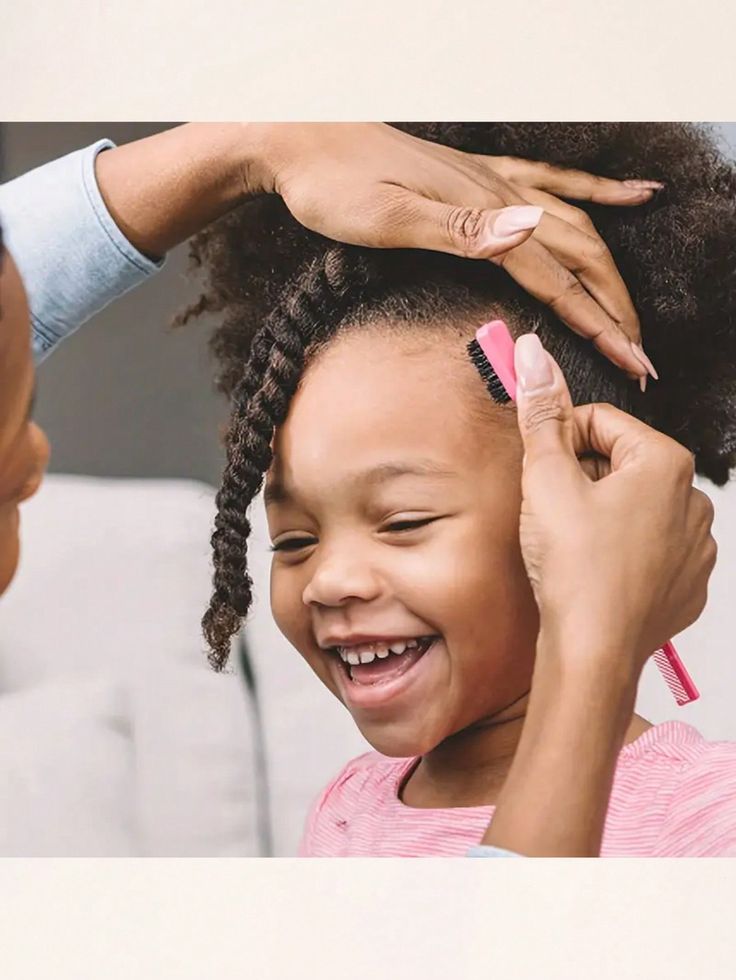
Moisture and Dryness Issues
Dry hair is fragile hair. When strands do not have enough moisture, they become stiff and brittle.
Even a little tension can cause them to snap.
Most breakage problems trace back to moisture in one way or another, so this is always the first place to look.
It is also one of the easiest problems to fix once you understand what the hair actually needs.
1. The Hair Is Not Getting Enough Moisture
This is the most common reason child’s hair keeps breaking.
Dry hair has no elasticity. It cannot bend or stretch without snapping.
Curly and coily hair textures are especially prone to dryness because the curl pattern makes it harder for natural oils to travel down the hair shaft.
The fix is simple but it has to be consistent. Moisturize your child’s hair at least two to three times a week.
Use a water-based leave-in conditioner first, then seal with a light oil or butter.
Check out How to Moisturize Kids Hair Properly to make sure your technique is actually working.
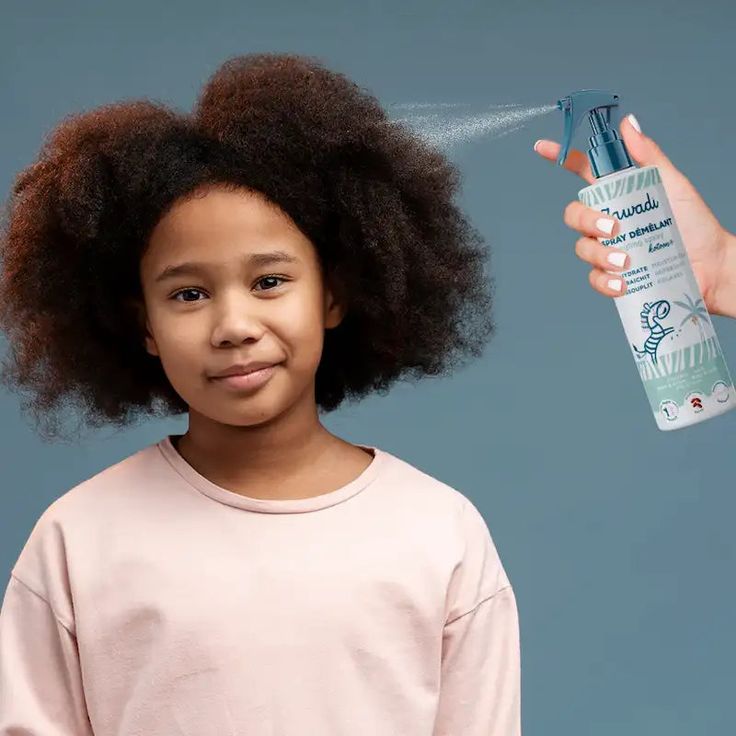
2. You Are Skipping the Conditioner at Wash Day
Shampoo cleans the hair, but it also strips out moisture.
If you are not following up with conditioner every single wash day, you are leaving the hair more dry than when you started.
Over time, that dryness builds up and breakage follows.
Deep conditioning once a week or every two weeks makes a big difference.
Let the conditioner sit for at least ten to fifteen minutes before rinsing.
The Best Wash Day Routine for Kids walks you through the whole process from start to finish.
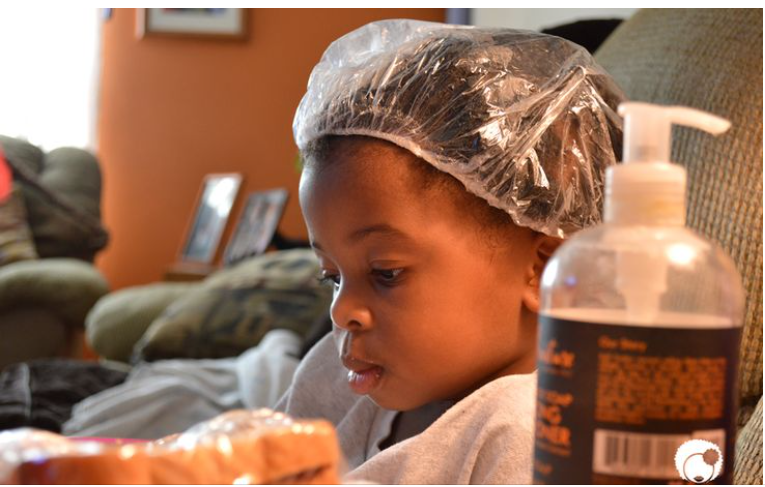
3. Hard Water Is Drying Out the Hair
This one surprises a lot of people.
If your tap water is high in minerals like calcium and magnesium, it can leave a film on the hair that blocks moisture from getting in.
Over time, hard water makes hair feel rough, look dull, and break more easily.
You do not always notice hard water because it builds up gradually. Try a clarifying wash once a month to remove mineral buildup.
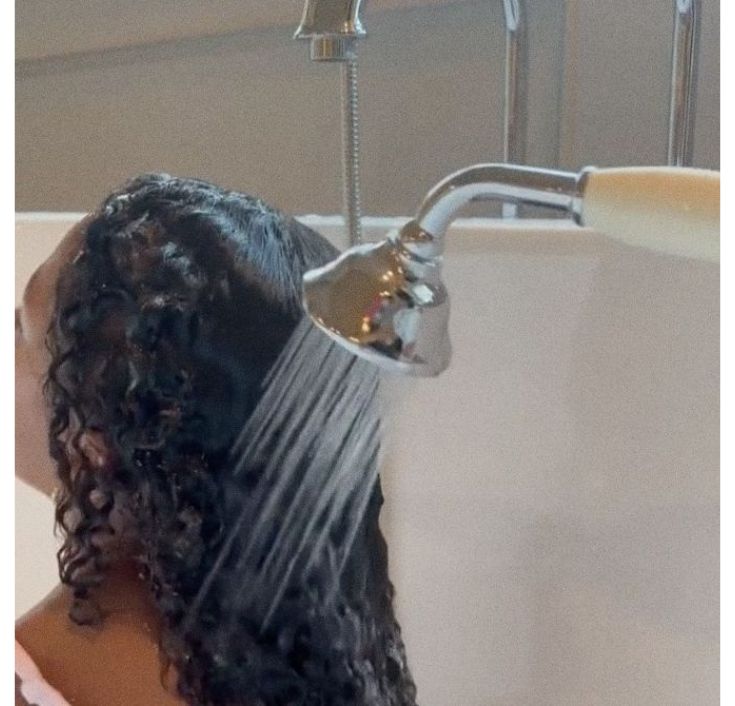
A shower filter can also help reduce the minerals hitting your child’s hair during wash time.
Check out The Hidden Mistake That Could Be Drying Out Your Child’s Hair for a deeper look at this problem.

Damage From Everyday Habits
Sometimes the thing causing the most damage is something you do every single day without thinking twice.
These habits feel harmless but they add up fast.
The good news is that once you identify them, they are usually very easy to change.
4. Brushing or Combing Dry Hair
Detangling dry hair is one of the fastest ways to cause breakage.
Dry strands have no give. When you pull a comb through them, they snap instead of stretch.
This is especially true for curly and coily textures.
Always detangle on damp or wet hair. Apply a detangling spray or conditioner first to give the comb something to glide through.
Start from the ends and work your way up to the roots.
The Best Detangling Sprays for Kids has great options to make this step easier.
The tool you use also matters a lot.
A wide-tooth comb or a detangling brush with flexible bristles causes far less breakage than a fine-tooth comb or paddle brush.
Wide-Tooth Comb vs Detangling Brush can help you figure out which one is right for your child’s hair texture.
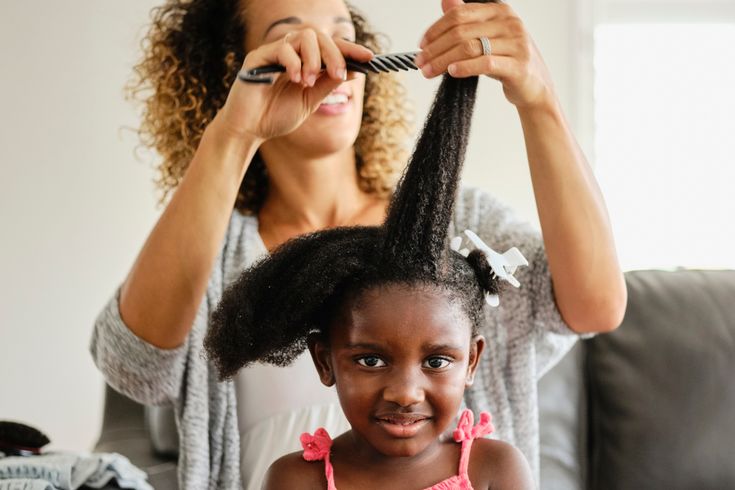
5. Rubbing Hair With a Towel
After washing, most people reach for a regular towel and rub the hair dry.
That rough rubbing motion causes a lot of friction on the hair shaft.
It roughs up the cuticle and leads to frizz and breakage, especially at the ends.
Switch to a microfiber towel or an old cotton t-shirt instead.
These are much gentler on the hair. Pat or scrunch the hair dry instead of rubbing.
This one small change can noticeably reduce breakage over time.
If wash day always feels like a struggle, The Real Reason Wash Day Feels So Difficult is worth a read.

6. Using Too Much Heat
Heat styling is tough on kids’ hair, especially curly or coily textures.
Flat irons, blow dryers on high heat, and curling wands can weaken the hair shaft when used too often.
Hair that is heat damaged loses its curl pattern and becomes very prone to breakage.
Try to air dry as much as possible. If you use a blow dryer, use a diffuser on a low heat setting.
When you do use heat tools, always apply a heat protectant first.
Better yet, explore 35 No-Heat Hairstyles for Kids for styles that keep the hair protected without any heat at all.

7. Tight Hairstyles Worn Too Often
Ponytails, buns, and braids are convenient and cute.
But when they are too tight or worn the same way every day, they put constant tension on the hair follicles.
Over time, this causes a type of breakage and even hair loss called traction alopecia.
Pay attention to the edges and nape of the neck. These are the most vulnerable spots.
If your child’s hair keeps breaking along the edges or nape, tight styles are usually the first thing to address.
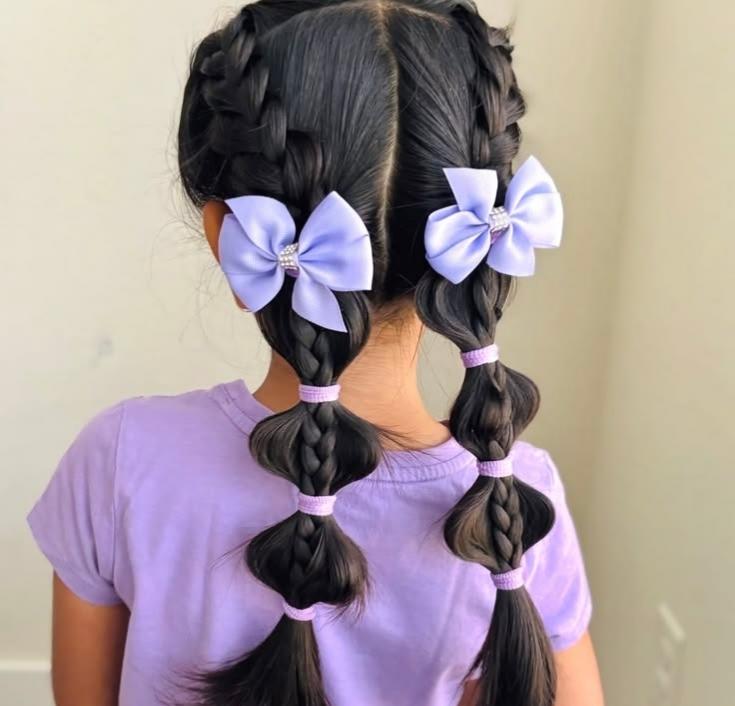
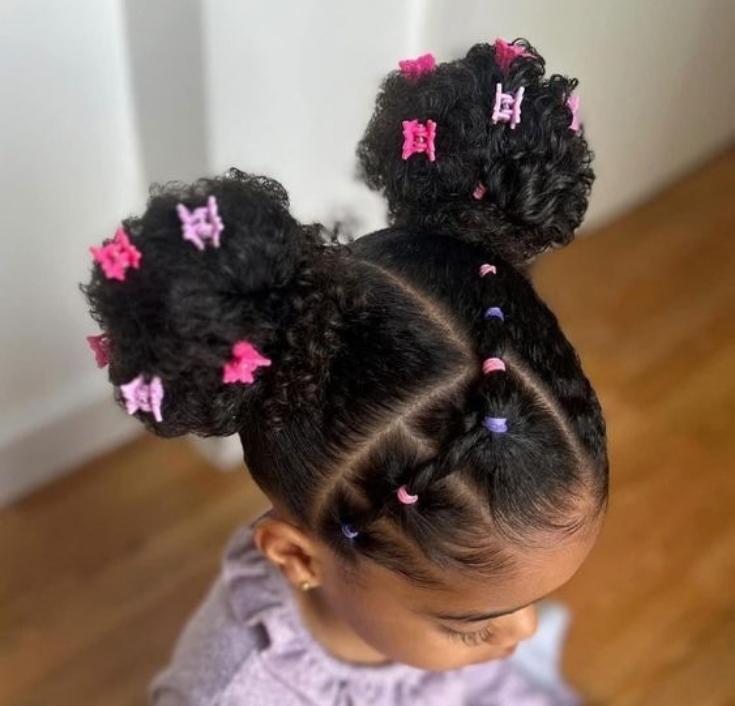
17 Protective Hairstyles for Active Kids has great low-tension options that are still cute and practical.
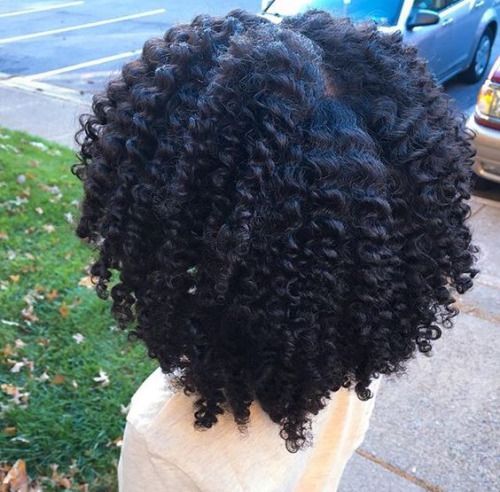
Loose styles like twist out, half up styles or even leaving the hair down can be better sometimes and give your child’s hair breathing space.
Product and Routine Problems
What you put on the hair matters just as much as how you handle it.
The wrong products or an inconsistent routine can quietly cause breakage even when everything else seems fine.
This is one of those categories where small swaps make a real difference.
8. Using Products With Drying Ingredients
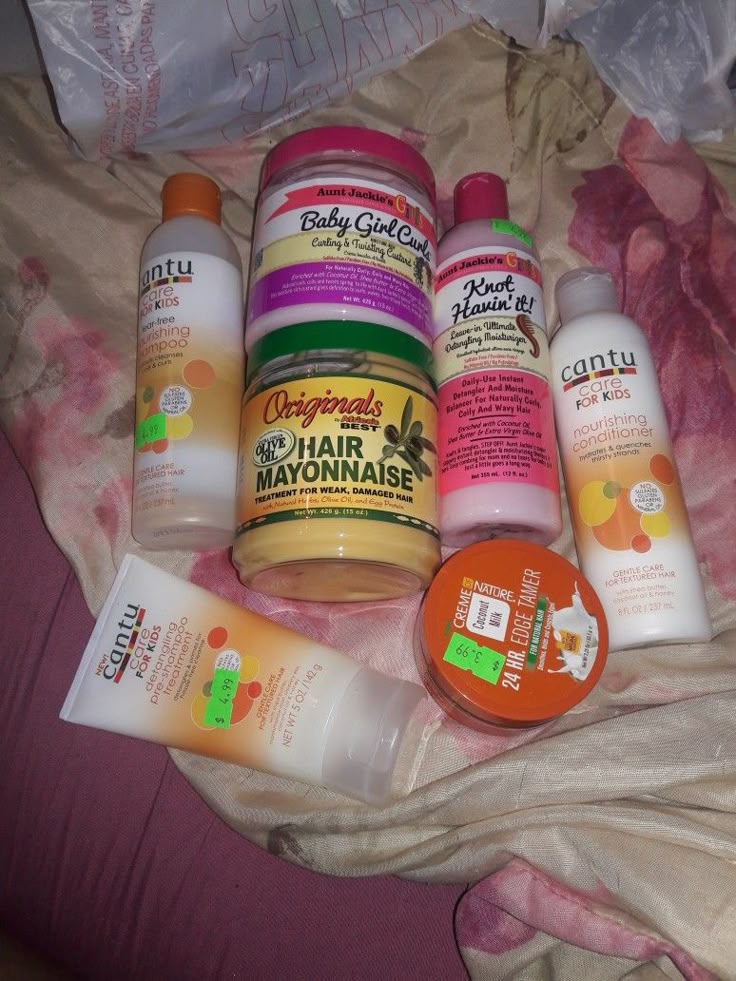
Not all hair products are created equal. Some shampoos, gels, and styling products contain ingredients like sulfates, alcohol, and synthetic fragrance that strip moisture from the hair.
If you are using products with these ingredients regularly, they could be contributing to dryness and breakage.
Flip your products over and check the ingredient list. Look for moisture-rich ingredients like aloe vera, glycerin, shea butter, and natural oils.
9. Product Buildup on the Scalp and Strands
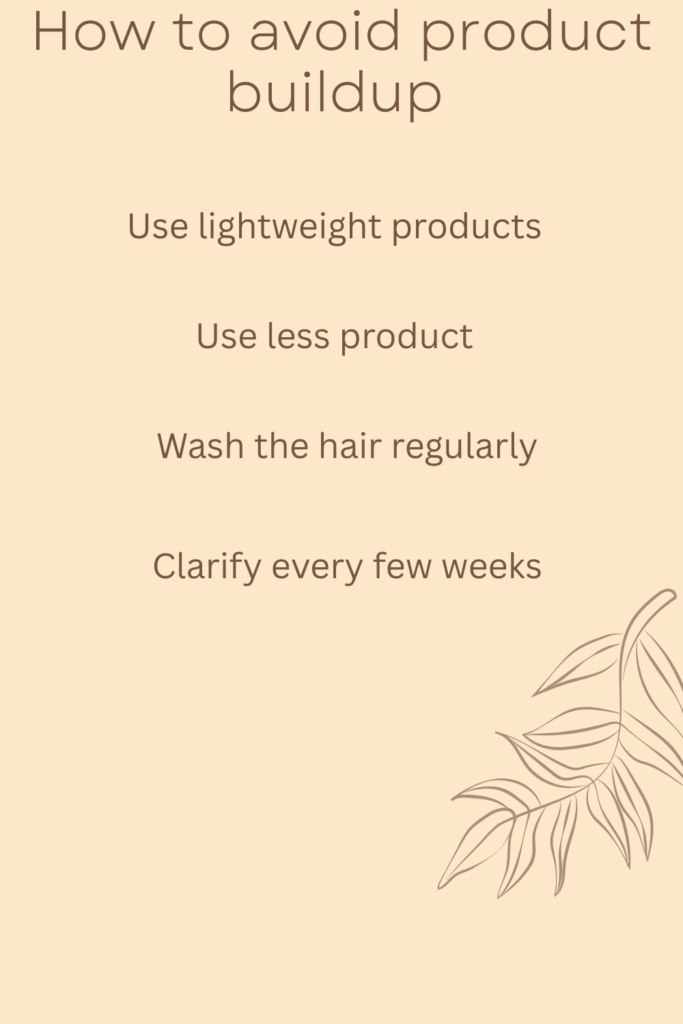
Using too many products without clarifying regularly leads to buildup.
That buildup coats the hair and blocks moisture from getting in.
Hair with buildup feels heavy, looks dull, and breaks more easily because it cannot absorb what it needs.
Add a clarifying to your routine once or twice a month.
After clarifying, always deep condition to restore moisture.
How Often Should You Wash Your Child’s Hair? can help you figure out the right wash schedule.
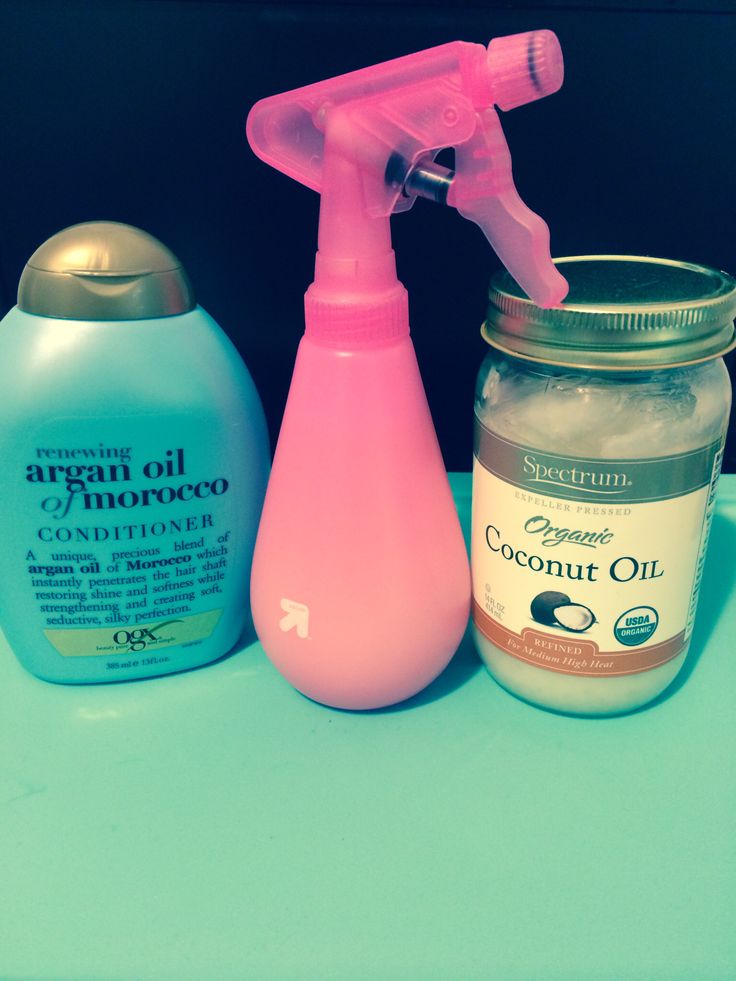
Sealing with a light oil after clarifying also helps lock in moisture and keeps the hair soft between washes.
The Best Hair Oils for Children’s Hair breaks down which oils work best for different hair textures.
10. No Consistent Hair Routine
Hair health is built over time. One great wash day cannot undo weeks of neglect.
If your child’s hair routine is inconsistent, the hair never gets the steady supply of moisture and care it needs to stay strong.
You do not need a complicated routine. Keep it simple and stick to it. Moisturize a few times a week. Deep condition regularly.
Protect the hair at night. Consistency matters more than using the perfect products.
How to Build a Healthy Hair Routine for Kids breaks down exactly how to set one up without feeling overwhelmed.
Protective Style and Nighttime Care Issues
How you care for the hair between wash days and while your child sleeps makes a bigger difference than most people realize.
These are the hours when breakage can happen quietly or get prevented before it ever starts.
Simple habits like gentle handling and protecting the hair at night can help keep it stronger and easier to manage.
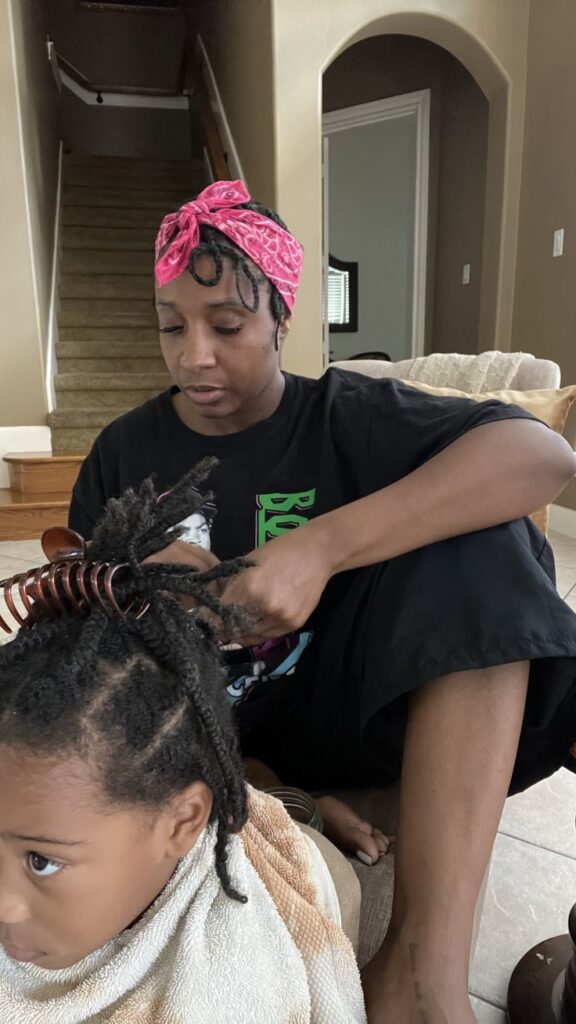
11. Protective Styles Left in Too Long
Protective styles like braids, twists, and cornrows are great for reducing daily manipulation. But leaving them in for too long causes a different kind of damage.
The hair continues to shed naturally while in the style. When you finally take it down, all that shed hair is tangled up together and very prone to matting and breakage.
Most protective styles should come down after four to six weeks maximum.
When you take them out, be patient and gentle. Detangle in sections and use plenty of conditioner or detangling spray.
The Biggest Mistake Parents Make With Protective Styles covers this in more detail.
12. No Nighttime Hair Protection
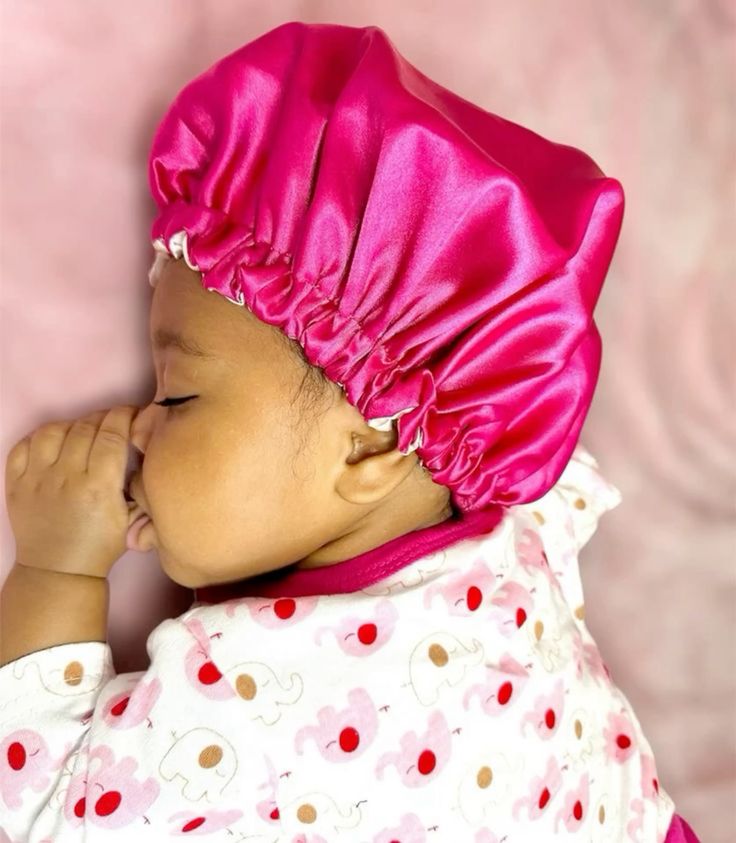
Cotton pillowcases absorb moisture from the hair as your child sleeps.
They also create friction that roughens the hair cuticle and causes breakage, especially at the ends.
If your child wakes up with dry, tangled hair every morning, the pillowcase could be part of the reason.
A satin or silk bonnet is the easiest fix. If your child will not keep a bonnet on, switch to a satin pillowcase instead.
It keeps moisture in the hair and reduces friction overnight. Satin Bonnets for Kids: Do They Help? answers all the common questions about this.
It is one of the simplest fixes when your child’s hair keeps breaking overnight.
Hair Growth and Scalp Health Issues
Healthy hair starts at the scalp, so keeping it clean and comfortable matters.
When the scalp is not in good shape, the hair growing from it can also struggle.
Good scalp care can be an important step toward reducing breakage and supporting healthier hair.
13. A Dry or Unhealthy Scalp
A flaky, itchy, or dry scalp is a sign that something is off. When the scalp is not healthy, the hair that grows from it starts out weak.
Weak hair breaks more easily, especially as it grows longer and faces more daily stress.
Keep the scalp clean and moisturized. You do not need to apply heavy products directly to the scalp.
A light oil like jojoba or sweet almond oil works well. Massage it in gently to boost circulation.
How to Keep Kids’ Scalp Healthy is a great resource for building a scalp care habit into your routine.
A healthy scalp shows up in the hair over time. Stronger strands, less shedding, and better growth are all signs things are working.
Signs Your Child’s Hair Is Healthy is a helpful guide if you are not sure what healthy hair should actually look and feel like.

14. Not Trimming Split Ends
Split ends do not just stay at the tip. If left untrimmed, they travel up the hair shaft and cause more and more breakage over time.
Many parents avoid trimming because they want to grow the hair longer.
But skipping trims actually slows growth down by causing more damage.
You do not have to trim often. Once every two to three months is enough for most kids. A small dusting of the ends removes splits before they travel.
Should You Trim Your Child’s Hair Regularly? explains exactly how and when to trim without losing length.
If you are not sure how often to schedule trims, How Often Should Kids Get Haircuts? gives a clear breakdown based on hair texture and growth rate.

15. Not Enough Protein in the Hair Care Routine
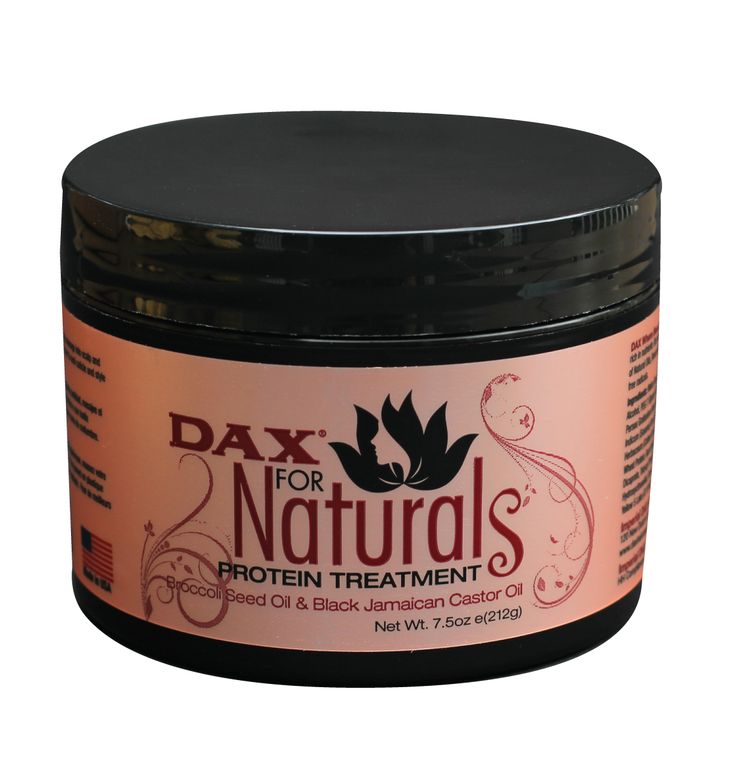
Hair is made of protein. When hair is damaged, over-moisturized, or feels limp and stretchy instead of snapping back, it usually needs a protein treatment.
Skipping protein in the routine leaves the hair unable to maintain its structure and it breaks easily.
Try a protein treatment once a month or every six weeks. Look for products with hydrolyzed keratin, wheat protein, or silk amino acids or you can DIY if you want to go completely natural.
After a protein treatment, always follow up with a moisturizing deep conditioner to keep balance. If the hair feels hard or stiff after protein, it needs more moisture next time.
Common Mistakes to Avoid
When your child’s hair keeps breaking, these are the habits worth checking first.
Rough detangling, skipping conditioner, tight hairstyles, cotton pillowcases, and no consistent routine are the biggest culprits.
Fix these before adding new products or trying new techniques. Most of the time, the solution is simpler than you think.
A lot of people assume that if a product is not working, they need a better product. That is not always true.
Sometimes the product is fine but the technique or routine around it is the problem. Changing how you handle the hair is often more powerful than changing what you put on it.
Start simple. Nail down moisture first. Then look at your tools, your protective styles, and your nighttime routine.
Layer in the changes one at a time so you can actually tell what is making a difference.
The One Hair Care Habit That Causes More Tangles Than You Think is a great read if detangling is a constant battle in your house.
Frequently Asked Questions
Why does my child’s hair break so easily?
The most common reasons child’s hair keeps breaking are dryness, rough handling, and tight hairstyles.
Curly and coily hair textures are naturally more prone to breakage because of their structure.
A consistent moisture routine and gentle handling go a long way toward fixing the problem.
Check your products and daily habits first before looking for a more complicated cause.
How do I know if it is breakage or shedding?
Shedding is normal. Everyone loses between fifty and one hundred hairs a day.
Shed hairs have a small white bulb at the root.
Breakage hairs are shorter, uneven, and have no bulb. If you are seeing lots of short hairs all over, that is breakage.
If the hairs are long with a bulb, that is normal shedding.
Can kids’ hair grow back after breakage?
Yes. As long as the hair follicle is not permanently damaged, the hair will grow back.
The key is to stop the cause of the breakage and give the scalp and strands what they need to recover.
Consistent moisture, gentle handling, and a healthy scalp routine all support healthy regrowth.
Results take time, so be patient and stay consistent.
At what age should I start a hair care routine for my child?
You can start as early as infancy.
Baby Hair Care Routine for New Parents is a great place to start if your little one is still very young.
Even a simple routine of gentle washing and moisturizing sets a strong foundation for healthy hair as they grow.
How long does it take to see results after fixing breakage?
Hair growth is slow, so results take time.
Most people start to notice less breakage within two to four weeks of making consistent changes. Visible length retention takes a few months.
The most important thing is to stay consistent even when progress feels slow.

Final Thoughts
When your child’s hair keeps breaking, it can feel really frustrating. But breakage almost always has a fixable cause.
Dryness, rough handling, the wrong products, tight styles, skipping nighttime protection, every single reason on this list can be addressed with simple, consistent changes.
Start with moisture. Check your routine for rough habits. Protect the hair at night. Trim the ends regularly.
Build a routine and stick to it. You do not have to fix everything at once.
Pick two or three things on this list that sound most like your situation and start there.
Small changes add up faster than you think.
Healthy hair is a journey, not an overnight fix. But with the right habits in place, you will start to see your child’s hair thrive.
And those little wins, longer hair, stronger strands, easier wash days, make the whole process worth it. You have got this.


4 Comments