
Satin Bonnets For Kids: Do They Help?
Disclosure: Some of the links in this post are affiliate links. This means if you click on the link and purchase an item, I will receive an affiliate commission at no extra cost to you.
Bedtime in our house always ends the same way. Teeth brushed, pajamas on, and one last stop at the bonnet drawer before lights out.
You may wonder if satin bonnets for kids actually make a difference or maybe they just look cute in photos. Either way, you are asking the right question.
A lot of parents pick one up because it seems trendy. Many do not know if it truly helps protect their child’s hair.
The short answer is yes, a good bonnet can make a real difference overnight. But satin bonnets for kids only work well with a proper fit and consistent use.
It helps to understand what they actually do while your child sleeps.
Getting a child to sit still for hair care can already feel like a small miracle some nights. Adding one gentle habit, like a bonnet before bed, often becomes a small routine kids remember fondly years later.
It sits right alongside how to build a healthy hair routine for kids as a simple habit that pays off over time.
Grab a warm drink and get comfortable. We will walk through how bonnets work and which one might suit your child best.
If wash day is already part of your evening plans, check out the best wash day routine for kids once you finish here.
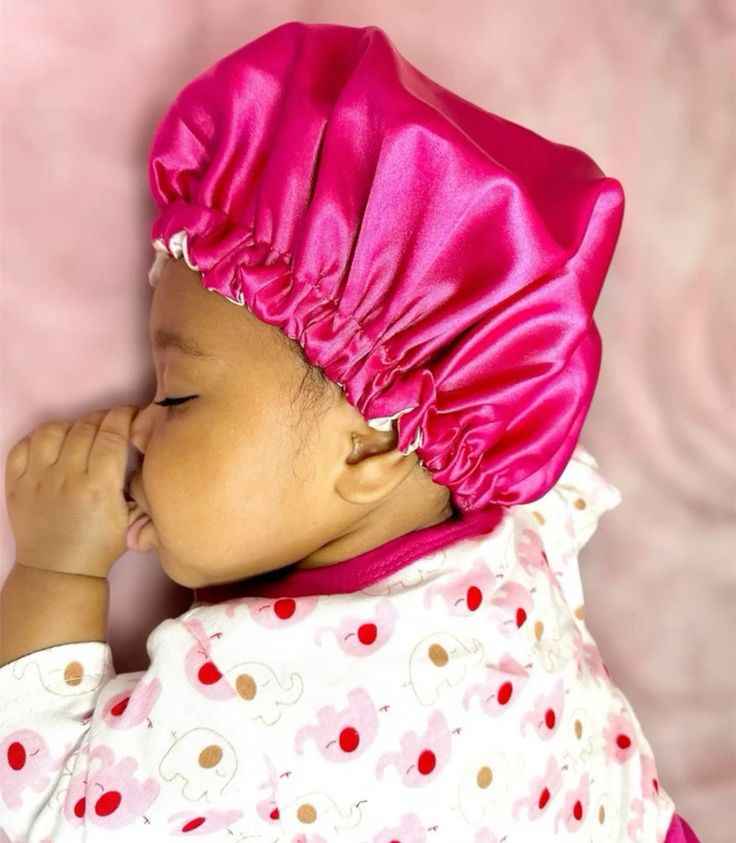
What Is a Satin Bonnet and Why Do Kids Need One?
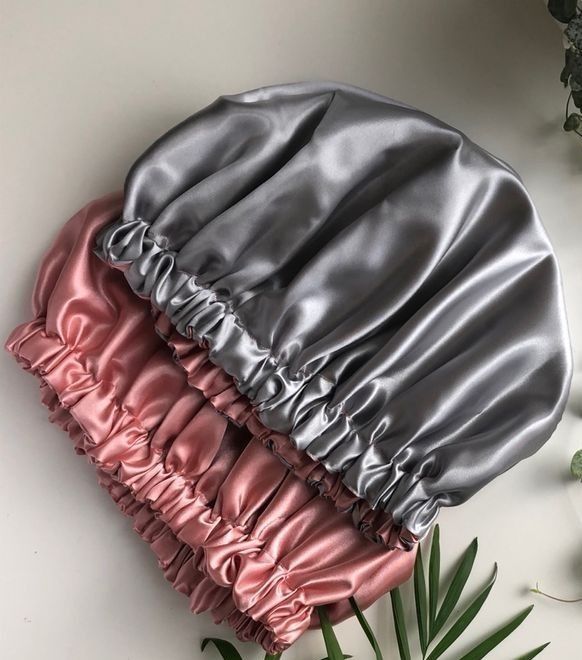
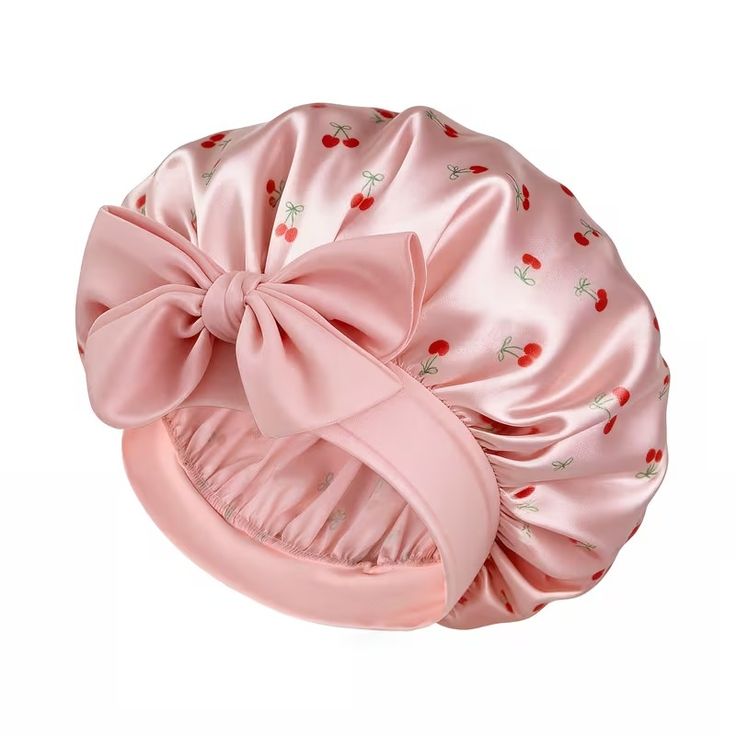
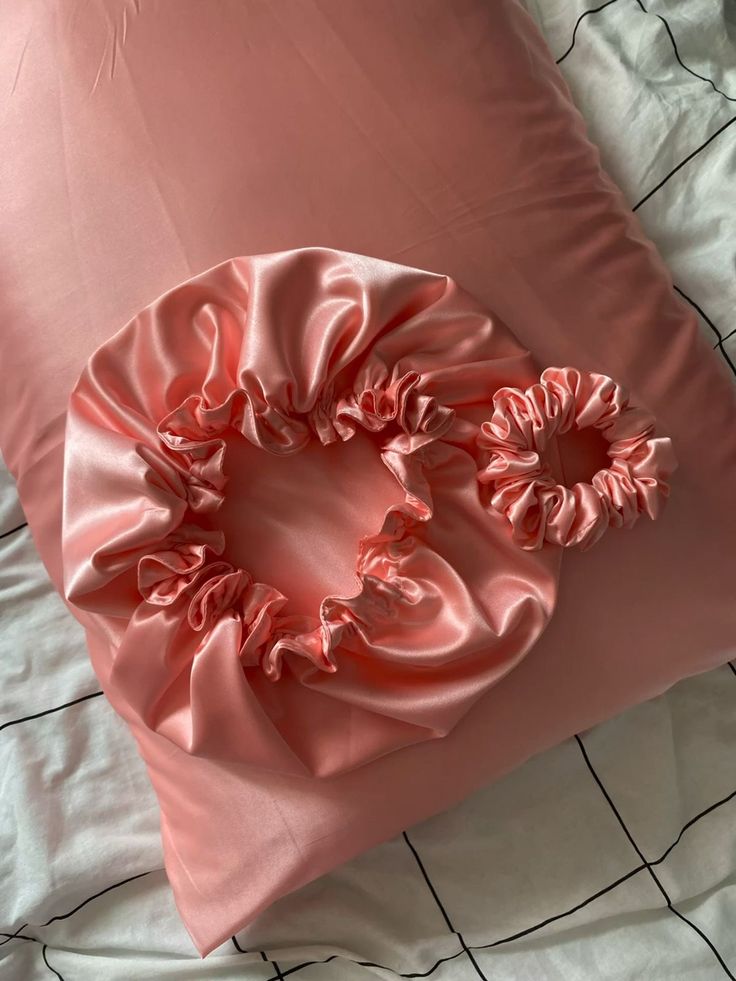
A satin bonnet is a soft, smooth sleep cap made to sit snug around the head.
It covers the hair completely while a child sleeps, keeping it away from rough fabric all night long.
Unlike cotton pillowcases, satin has a slick surface that lets hair glide instead of catching.
That gliding motion matters more than most parents realize at first.
Cotton fibers grab onto hair strands and pull at them every time a child shifts positions in bed.
Over weeks and months, that friction adds up and shows up as dryness, tangles, and breakage near the hairline.
Kids do not need a special reason to start wearing one. Almost any hair type benefits from less friction overnight.
Younger kids with short, fine hair still lose moisture the same way older kids with longer, thicker hair do. Starting the habit early means fewer tangles down the road.
There is less to fight through once hair gets longer and harder to manage.
How Satin Bonnets Protect Hair While Kids Sleep
Kids move a lot in their sleep, tossing, turning, and burying their faces in pillows.
Every one of those movements rubs hair against fabric, and rough fabric strips away natural oils.
A satin bonnet acts like a barrier, keeping moisture locked in instead of soaked up by the pillow.
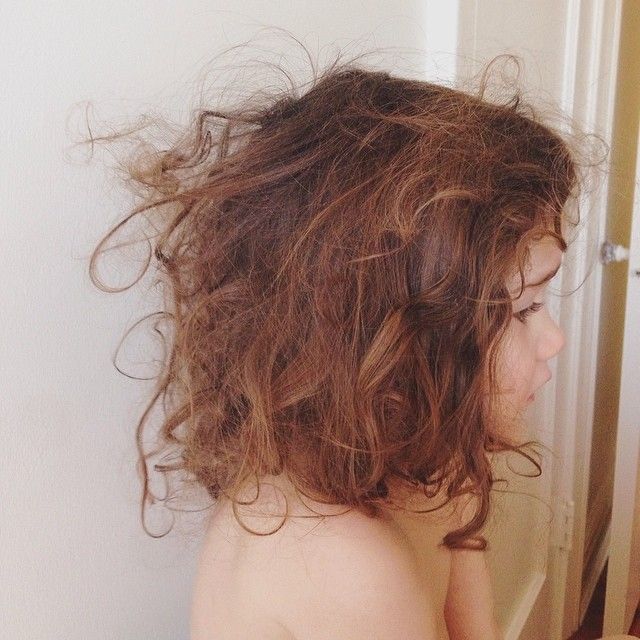
This is especially helpful for textured and curly hair, which tends to dry out faster than straighter hair types.
If you are still working out your child’s texture, start with how to identify your child’s hair type. It helps before choosing hair products or bonnets.
Satin vs Silk vs Cotton: What’s the Difference?
Satin is a weave, not a fiber, and it can be made from polyester or a silk blend.
Silk is a natural fiber known for being extra soft and slightly cooler against the scalp.
Both fabrics offer a smooth, low-friction surface that helps protect hair overnight.
For most families, satin offers the better value since it costs less and holds up well through regular washing.
Silk bonnets tend to be more delicate and often need gentler care, like hand washing instead of a machine cycle.
Either option works well on nights when hair is freshly styled or moisturized.

Do Satin Bonnets for Kids Actually Help?
Parents often ask if this is just a trend or something backed by real results.
Based on how hair actually behaves, the answer leans strongly toward yes for most kids.
Satin bonnets for kids help in a few clear, practical ways every single night.
These are not vague claims, either, since each one comes down to a simple reduction in friction and moisture loss.
First, they reduce friction, which means less breakage around the edges and ends of hair.
Second, they help hair retain the moisture applied during a wash day or styling session.
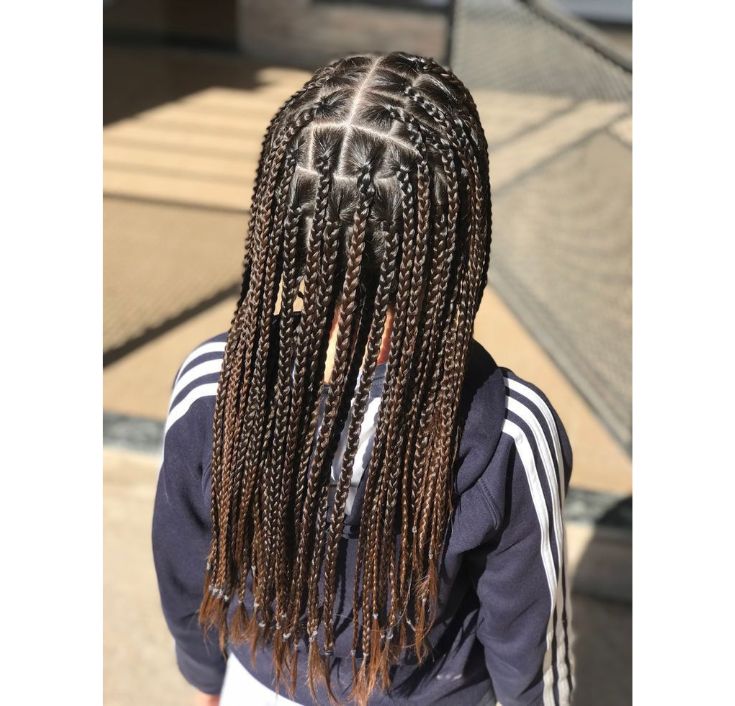
Third, they keep braids, twists, and other protective styles neater for longer, saving time on busy mornings.
Fourth, they protect against frizz caused by rubbing against cotton sheets or pillowcases.
Fifth, they can make styles last a few extra days. That cuts down on how often hair needs to be redone.
Sixth, mornings tend to run smoother once tangles stop building up overnight.
A child who wakes up with manageable hair is far less likely to fight through brushing before school. That small shift alone can turn a stressful morning routine into a calm one.
None of this means a bonnet fixes every hair issue on its own. It works best as one part of a bigger routine that includes gentle detangling and regular moisture.
Pairing it with how to moisturize kids hair properly rounds out a full day and night hair care picture.
Signs Your Child Could Benefit from a Satin Bonnet
Not sure if your child actually needs one added to the nightly routine? A few signs make the answer pretty clear.
If your child wakes up with tangled, frizzy hair despite a smooth style, a bonnet likely will help.
Kids with braids, twists, or puffs that unravel by morning are also strong candidates.
Dry or brittle ends that seem to worsen week after week point to friction damage. So does hair that feels rougher near the hairline compared to the rest of the head.
If any of that sounds familiar, it is worth a deeper look. 15 reasons your child’s hair keeps breaking (and what to do about it) covers what else might be going on.
How to Get Kids to Actually Wear a Bonnet
Owning a bonnet and actually getting it worn every night are two very different challenges.
Kids can be stubborn about anything new, especially something that touches their head at bedtime.
A few small strategies make a bigger difference than most parents expect.
Making Bonnet Time Part of the Bedtime Routine
Attach the bonnet step to something your child already enjoys, like a favorite bedtime story.
Doing it at the exact same point every night, right after brushing teeth, builds it into muscle memory fast.
Kids tend to resist new steps far less once they become boring, expected parts of the routine.
Letting your child put the bonnet on themselves, even if it takes a few tries, builds ownership.
Praise the effort rather than focusing on a perfect fit right away. Within a week or two, most kids stop fighting it and start reaching for it on their own.
Choosing a Bonnet Kids Will Want to Wear
Fun patterns and favorite colors go a long way toward winning kids over.
A plain, boring bonnet is an easy thing for a child to resist wearing.
Letting your child pick their own from a few options gives them a sense of control over the routine.
Comfort matters just as much as style for nightly wear.
A bonnet that feels tight or itchy will end up tossed on the floor by morning.
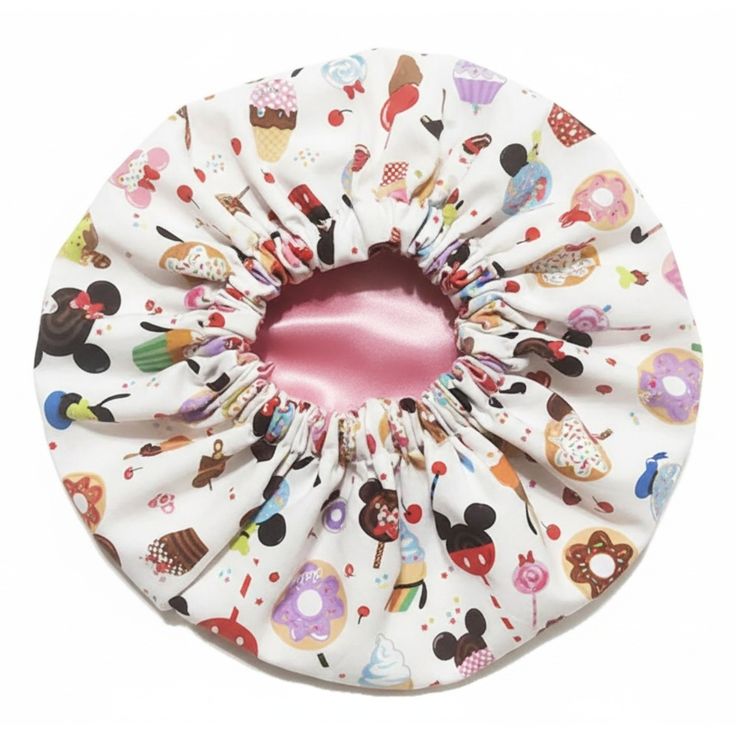
Common Mistakes Parents Make With Satin Bonnets
Even with the best intentions, a few habits can quietly cancel out the benefits of a bonnet.
Buying one that is too loose is probably the most common mistake of all.
A bonnet that slips off within an hour offers zero protection for the rest of the night.
Most of these mistakes are easy fixes once a parent knows what to look for.
None of them mean a bonnet is not worth trying, only that a small adjustment is needed.
A quick check of fit, timing, and cleanliness usually solves the problem within a night or two.
Skipping moisture before bed is another frequent slip up worth avoiding. A bonnet locks in whatever is already on the hair, so dry strands stay dry all night long.
Washing the bonnet too rarely also causes buildup that can transfer oils and dirt back onto clean hair.
Forcing a bonnet on a child who is genuinely uncomfortable often backfires and creates resistance to hair care overall.
It helps to stay patient and adjust the approach rather than pushing through tears every night.
If bedtime battles feel constant, why your child hates hair time (and how to change it) offers some gentler ways forward.
Accessories left in overnight can also undo a bonnet’s good work in a hurry.
Hair ties, clips, and small elastics can dig into the scalp and snag strands while a child tosses and turns.
Could your child’s hair accessories be causing breakage? covers which items are safe overnight and which should come out before bed.
Skipping a leave-in product before bed is another gap worth closing. Hair that goes under a bonnet completely dry will not gain much extra moisture overnight.
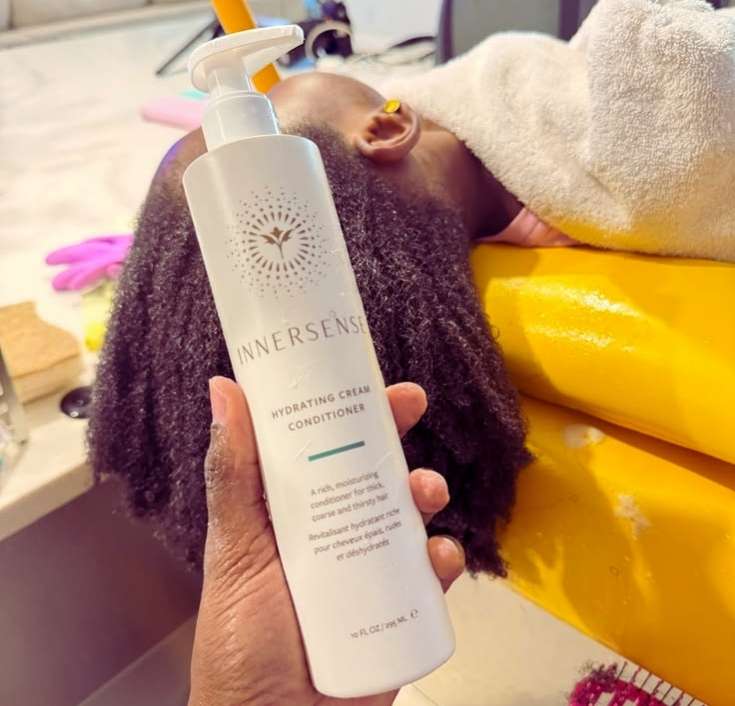
Leave-in conditioner vs hair milk for kids breaks down which option suits different hair types best before bonnet time.
How to Choose the Right Satin Bonnet for Your Child
Picking the right bonnet comes down to a few practical details rather than guesswork.
Size and fit matter first, since even the nicest bonnet fails if it slips off overnight or presses too tight around the ears.
Once the fit feels right, the next decision is which style suits your child’s hair and habits best.
Here is a closer look at the main options worth considering.
Standard Bonnets
Standard bonnets cover the whole head in one smooth, snug layer.
They work well for shorter hair or simple styles that do not need much extra room.
This style tends to be the most affordable option and the easiest to find in stores.
It is often the best starting point for a family trying a bonnet for the first time.
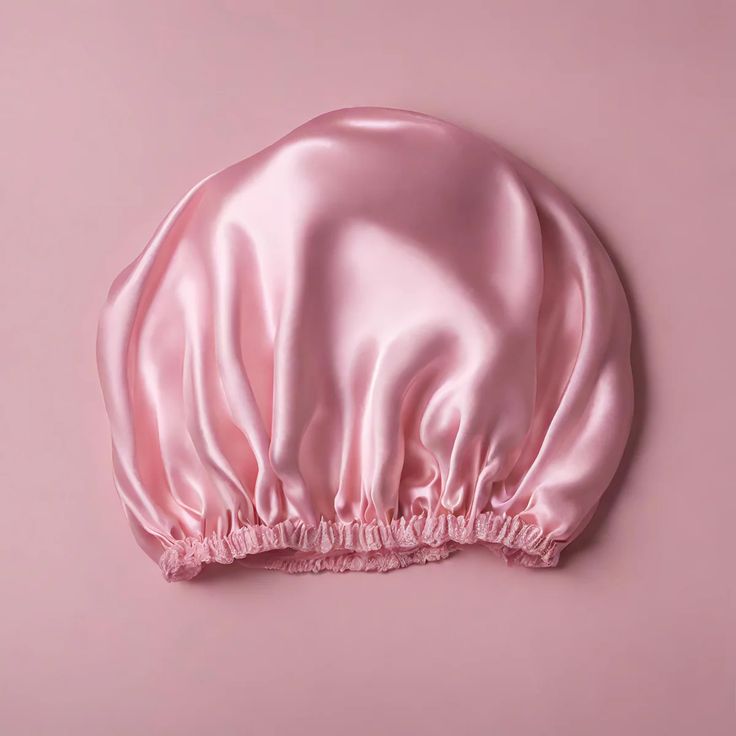
Bouffant Bonnets
Bouffant bonnets have extra room built into the crown to fit over bigger hair without flattening it.
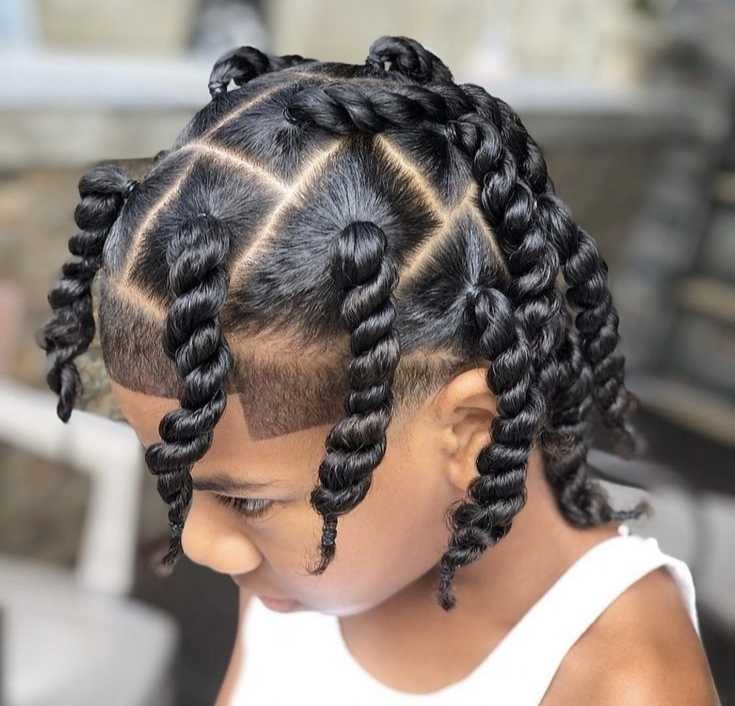
They suit kids with braids, twists, or thicker hair that needs space to breathe overnight.
The looser fit still uses an elastic or drawstring band to stay snug around the edges.
This makes them a strong pick for kids with fuller protective styles or a lot of volume.
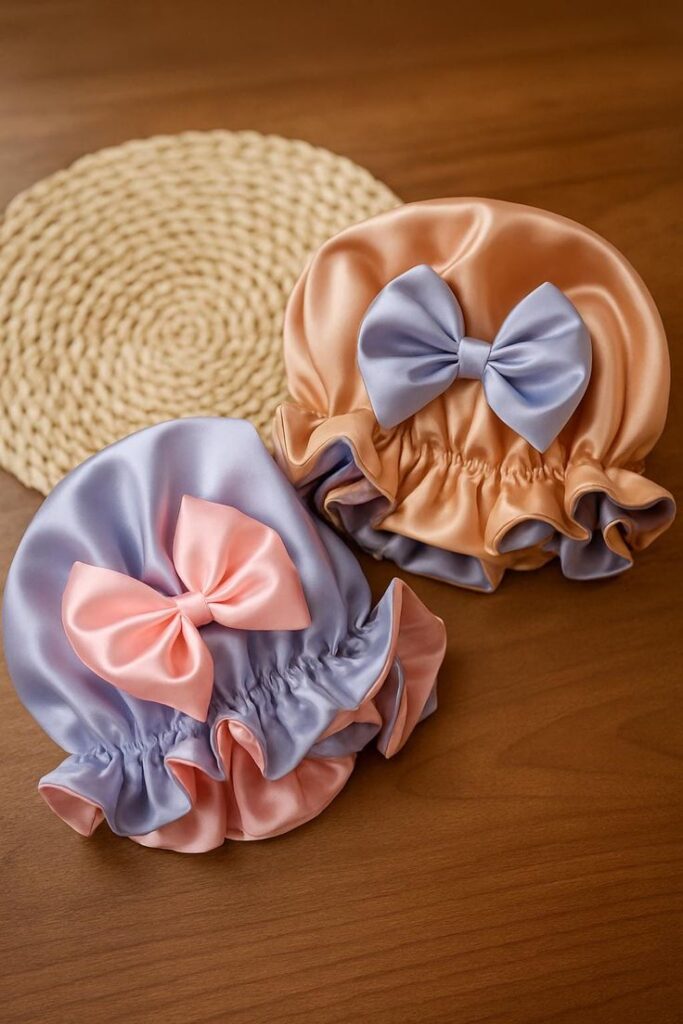
Double-Layer Bonnets
Double-layer bonnets add a second layer of fabric for extra durability and a more secure fit.
They hold up well for kids who tend to be rough on their belongings or sleep restlessly.
The added layer also does a slightly better job trapping moisture against the hair overnight.
Some parents find these last longer than single-layer styles, even with frequent washing.

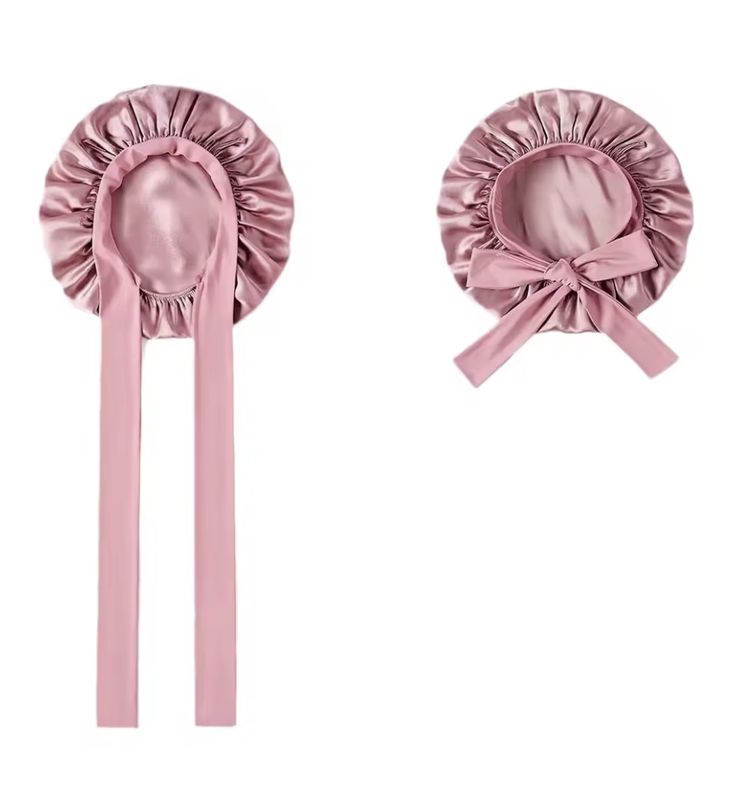
Tie-Back and Drawstring Bonnets
Tie-back or drawstring closures give a more secure, adjustable fit for active sleepers who move around a lot.
The drawstring can be tightened or loosened depending on how a child’s hair is styled that night.
This style tends to stay put better than a plain elastic band through a full night of movement.
It works especially well for kids who have kicked off looser bonnets in the past.
Slip-On Bonnets
Slip-on styles skip closures entirely and rely on stretchy fabric to hold their shape.
They are easier for younger kids to manage without help, since there is nothing to tie or adjust.
The tradeoff is a slightly less secure fit compared to drawstring or tie-back styles.
Trying a couple of styles early on helps you figure out what actually works before committing to a full collection.
How Bonnets Support Long-Term Hair Growth
A bonnet on its own will not make hair grow faster. Growth mostly comes down to genetics and scalp health. What it does is protect length already grown.
It cuts the breakage that makes hair seem stuck at one length. Less breakage over months and years adds up to noticeably longer, healthier looking hair.
This matters just as much for babies and toddlers as it does for older kids.
Everything you need to know about baby hair growth explains how early hair develops. Gentle handling matters from the very beginning.
From there, healthy habits that support kids hair growth rounds out a routine for every age and stage.
How Often Should Kids Wear a Bonnet?
Every night is the honest answer, though a few nights a week still beats skipping it entirely.
Consistency is what makes the biggest difference over time, not perfection.
A child who wears a bonnet five nights out of seven will still see real benefits.
Wash day nights are when a bonnet matters most.
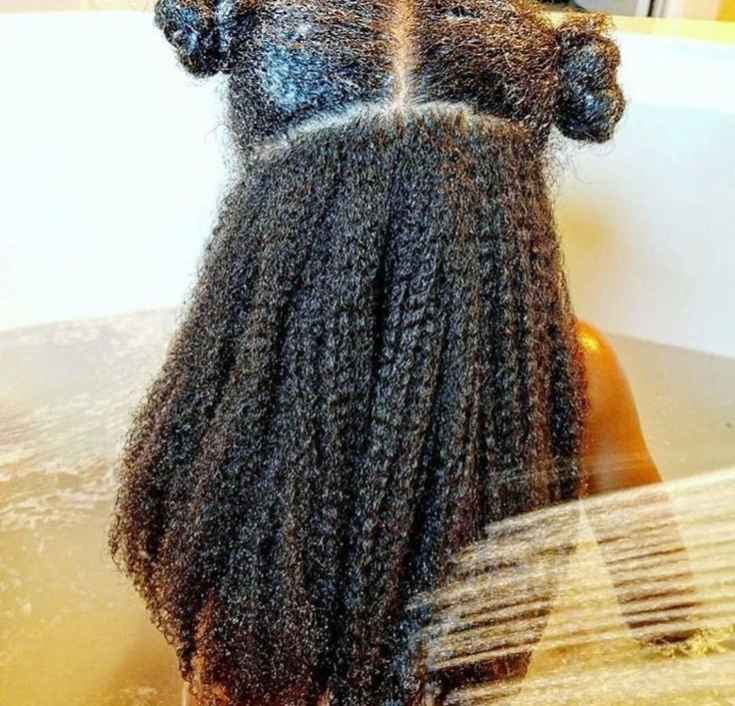
Hair is at its most moisturized right after washing. How often should you wash your child’s hair? helps if wash day timing still feels like guesswork.
For families where wash day feels like a struggle, help is available. The real reason wash day feels so difficult might explain what is slowing things down.
Alternatives to Satin Bonnets
Some kids simply will not tolerate a bonnet no matter how many strategies get tried.
A satin or silk pillowcase offers a solid backup option that requires zero cooperation from a wiggly sleeper.
It will not lock in moisture quite as well as a bonnet, but it beats plain cotton every time.
A silk or satin-lined hood built into pajamas is another option some families find easier to manage.
Loosely wrapping hair in a satin scarf can also work, though it tends to slip more than a fitted bonnet.
Whatever the choice, the goal stays the same: reducing friction and protecting moisture through the night.
It is worth trying a couple of options before settling on one long term.
Some kids tolerate a pillowcase swap far better than anything worn on their head.
Others do fine with a bonnet as long as it fits well and feels soft against the skin.
There is no single right answer, only the option that actually gets used every night without a fight.
Frequently Asked Questions
Do satin bonnets really protect kids’ hair?
Yes, they genuinely help by cutting down on friction against rough pillowcases.
Less friction means less breakage, less frizz, and better moisture retention over time.
Most parents notice smoother mornings within just a couple of weeks of consistent use.
What age can a child start wearing a satin bonnet?
Most kids can start once they have enough hair to style, often around age two or three.
Younger toddlers may need a supervised trial run since they can be prone to pulling it off.
There is no strict age cutoff, so it really depends on your child’s comfort and cooperation.
Can satin bonnets cause hair loss?
A properly fitted bonnet should not cause any hair loss at all.
Problems only happen when a bonnet is too tight around the hairline or worn incorrectly for long stretches.
Choosing the right size and checking the fit regularly keeps this risk close to zero.
How do I stop my child’s bonnet from slipping off at night?
Look for an adjustable band or a drawstring closure for a more secure fit.
Sizing correctly matters more than any other single factor in keeping a bonnet in place.
A double-layer style also tends to grip better than a thin, single-layer option.
Silk or satin, which is better for kids?
Both materials protect hair far better than cotton or other rough fabrics.
Satin is usually more affordable and holds up better to frequent washing.
Silk feels softer and slightly cooler, though it often needs gentler care to last.
Can boys wear satin bonnets too?
Absolutely, since friction and moisture loss affect all hair types regardless of gender.
Boys with curls, coils, or waves benefit from the same protection as girls do overnight.
Plenty of brands now make bonnets in styles and colors made with boys in mind.
Final Thoughts
Satin bonnets for kids are a small addition to a bedtime routine that can make a genuinely big difference.
They protect moisture, reduce breakage, and help styles last longer between wash days. The real key is consistency, a proper fit, and a bit of patience while your child adjusts to wearing one.
Give the habit a few weeks before judging if it is working.
Results build up gradually rather than overnight. Most families notice softer, less tangled hair by the second or third week of steady use.
Pairing a bonnet with good daytime habits rounds out the picture nicely. How to encourage healthy hair growth in kids covers more ways to support strong hair beyond nighttime care.
If moisture retention still feels like a struggle, the best hair oils for children’s hair is worth a look next. The right oil paired with a bonnet can make a real difference within a few weeks.
Just starting out with a routine for a younger child? Toddler hair care made simple breaks the basics down step by step.
For families with even littler ones, baby hair care routine for new parents is another gentle starting point.
Families managing braids or twists should also read the biggest mistake parents make with protective styles next. It rounds out the bonnet basics with a few extra pointers.
Finally, remember that everything ties back to a healthy scalp underneath it all. How to keep kids’ scalp healthy explains the foundation good hair actually grows from.

2 Comments