Hair Bows For Kids That Stay In Place
Disclosure: Some of the links in this post are affiliate links. This means if you click on the link and purchase an item, I will receive an affiliate commission at no extra cost to you.
Bows never seem to stay where you put them, especially once your child starts running around or climbing on the playground.
One minute a bow sits perfectly at the crown, and ten minutes later it is dangling by a single strand or missing altogether.
Finding bows that stay in place all day is less about luck and more about matching the right bow, clip, and placement to your child’s hair type. A satin ribbon bow that holds beautifully on straight hair might slide right off curly strands within an hour.
If you are not sure yet what accessories work best overall, The Best Hair Accessories for Kids is a helpful starting point before you focus specifically on bows.
Getting a bow to stay put through a full school day or a busy birthday party takes a little practice, but it is worth it. These small styling wins often turn into some of the sweetest memories of your child’s early years.
For quick style ideas that pair naturally with bows, 33 Easy Hairstyles for Busy School Mornings has plenty of options worth trying.
This guide covers the best bow types, placement tricks, and simple habits that help bows stay in place from morning drop-off to the final bell.
Why Bows Slip Out in the First Place
Bows usually fall out for one of three reasons: the wrong clip type, too little hair to anchor them, or too much movement during the day.
Fixing all three is the fastest path to bows that stay in place.
Fine, thin hair struggles to hold heavier bows in place, since there simply is not enough hair to grip the clip.
Curly and coily hair textures can also push clips loose, since the natural bounce and volume shift throughout the day.
Active play adds another layer of challenge. Running, jumping, and tumbling all put extra strain on any accessory sitting near the surface of the hair.
Understanding the cause behind a slipping bow makes it much easier to fix.
Could Your Child’s Hair Accessories Be Causing Breakage? explains how a poor fit can also affect hair health, not just style.
Sweat is another overlooked factor. Warm weather or physical activity can make hair slightly damp, which loosens the grip of most clips within an hour or two.
Types of Bows and How Well They Hold
Not every bow style holds the same way, so it helps to know the strengths of each one before you buy.
Clip-on bows work fast but need enough hair to grip. Tie-on ribbon bows hug the hair itself, which helps them last longer.
Knowing these differences upfront saves you from buying bows that fall out within an hour
Clip-On Bows
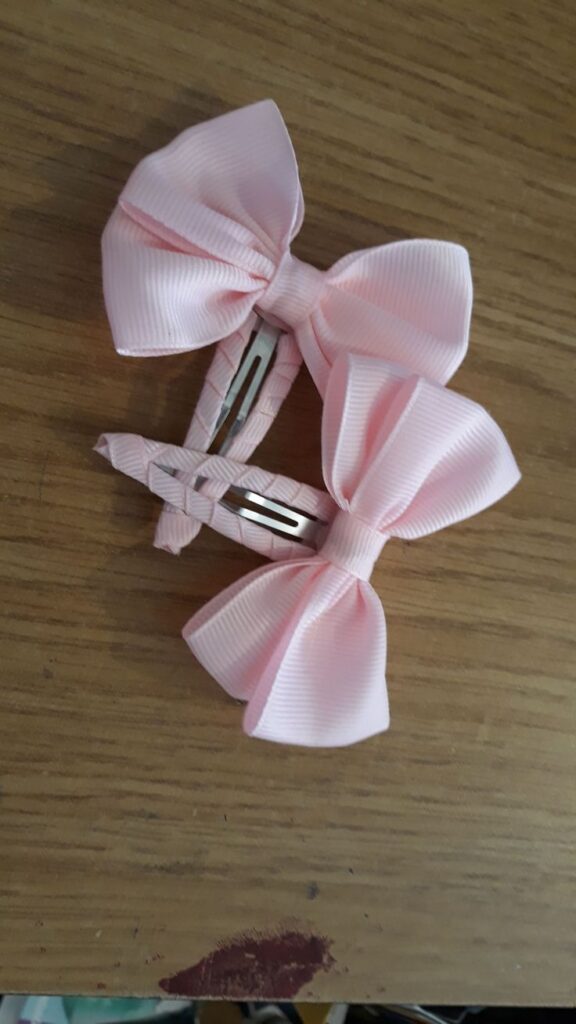
Clip-on bows attach with a small alligator clip or snap clip sewn to the back of the bow.
They work well on hair with enough length to clip into, usually from the front hairline back through a small section.
Clips with teeth or a rubber grip lining hold more securely than smooth metal clips.
Tie-On Ribbon Bows
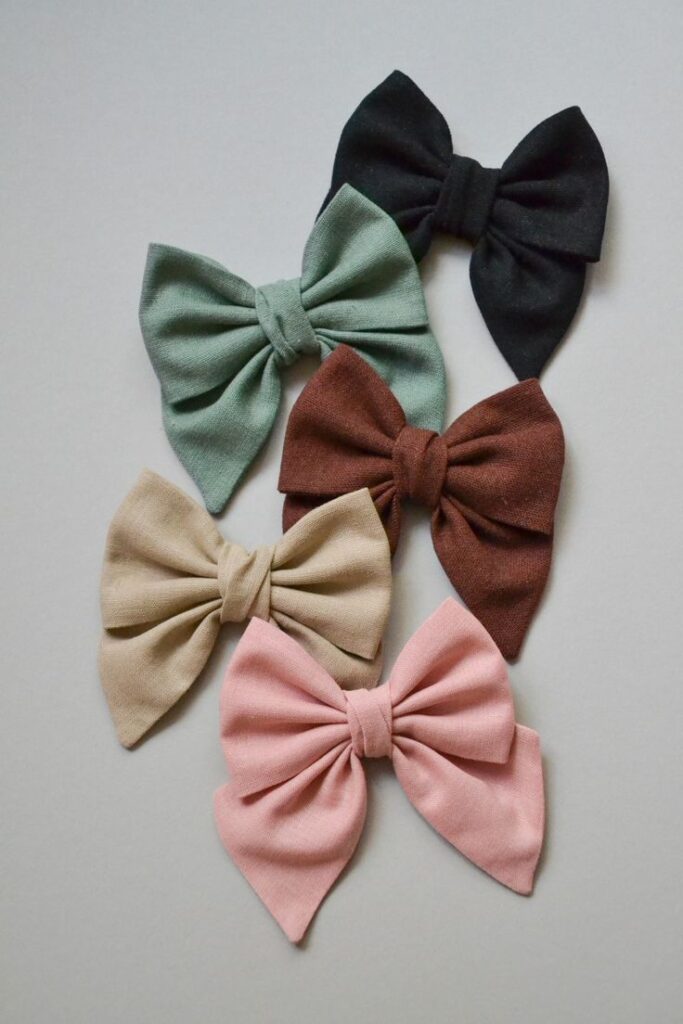
Ribbon bows tied directly onto a ponytail or braid tend to stay put longer than clip-on versions.
Since the ribbon wraps around the hair itself instead of clipping to the surface, there is less chance of it sliding loose.
50 Cute Hair Bow Styling Ideas shows several ways to tie ribbon bows onto different styles.
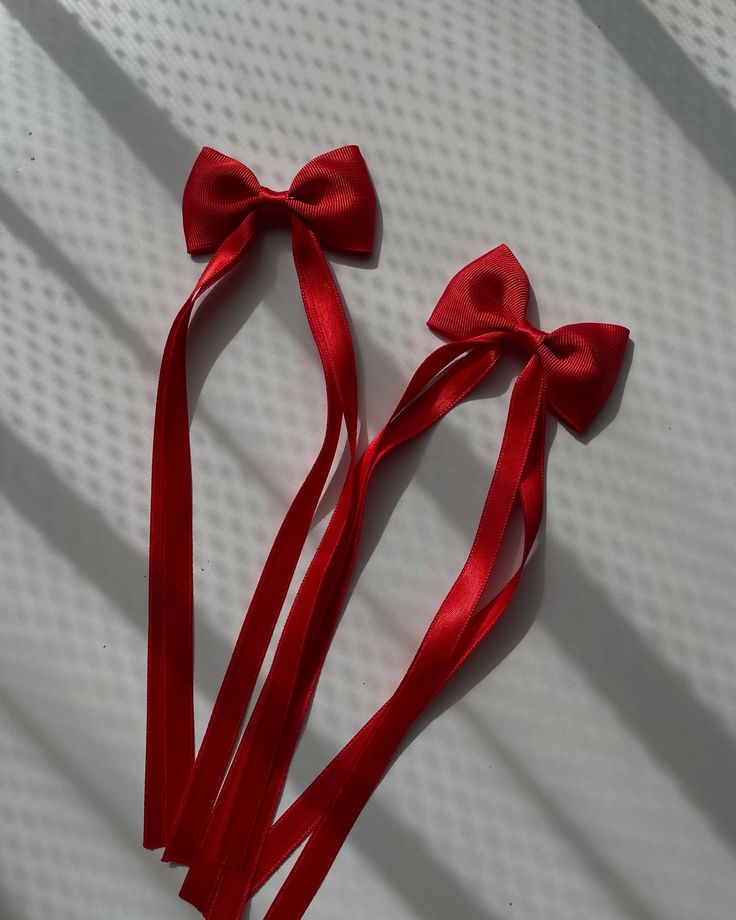
Image credit
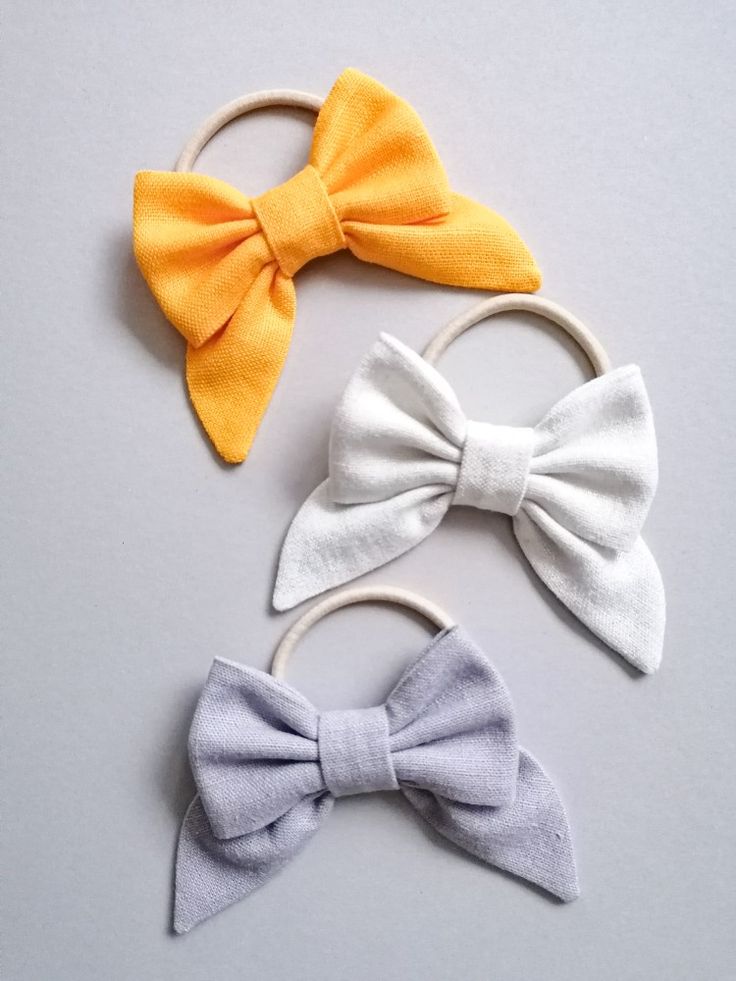
Bow Hair Ties
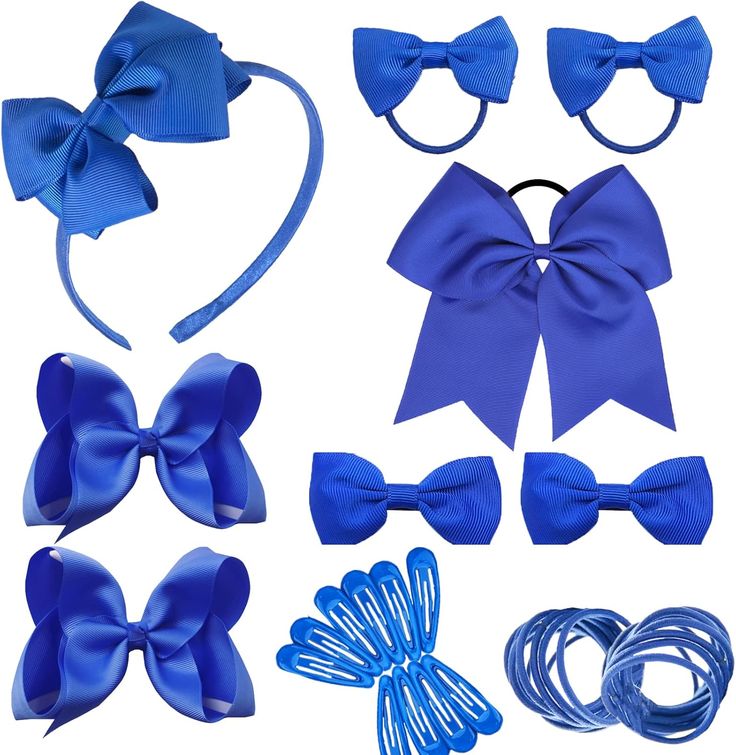
Bow hair ties combine an elastic band with an attached bow.
This design removes the need for a separate clip.
The elastic holds the bow’s weight, making it a solid choice for ponytails and pigtails.
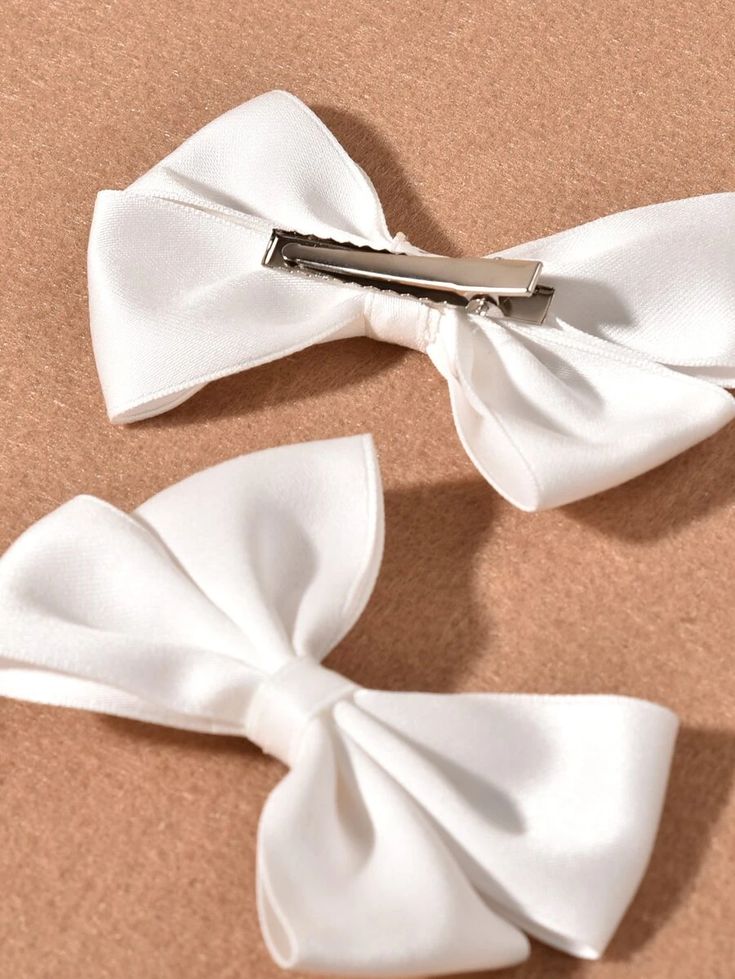
Alligator Clip Bows
Alligator clips with a strong spring grip hold heavier or larger bows better than smaller snap clips.
They work best on sections with a bit of thickness, since thin, wispy strands can slip right through the teeth.
This makes them a solid pick for kids with fuller or coarser hair.
Bow Barrettes
Barrette-style bows use a sliding clasp instead of a spring clip.
This spreads pressure more evenly across the hair.
They hold well on straight or wavy hair, though curly textures may need a firmer grip style instead.
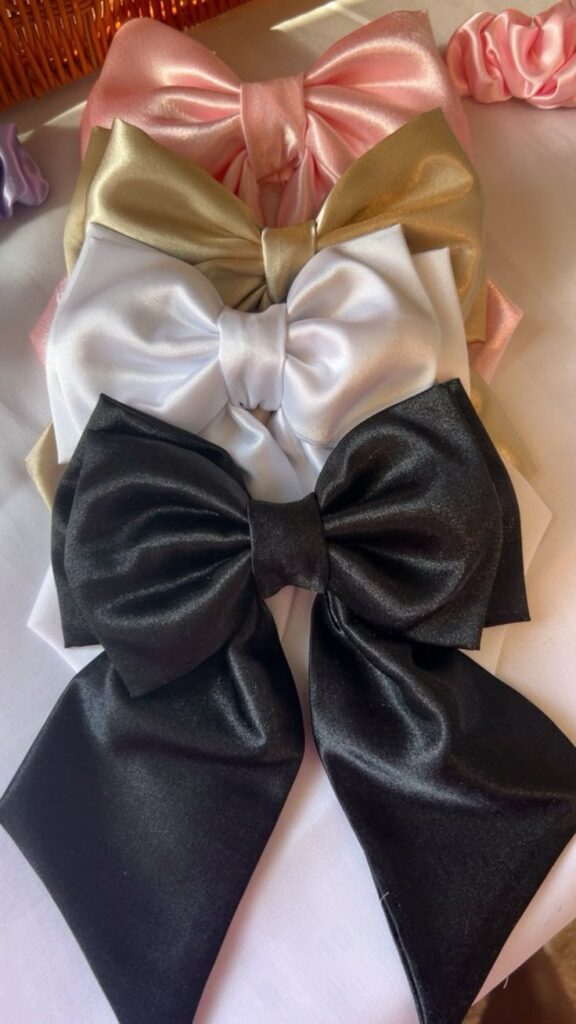
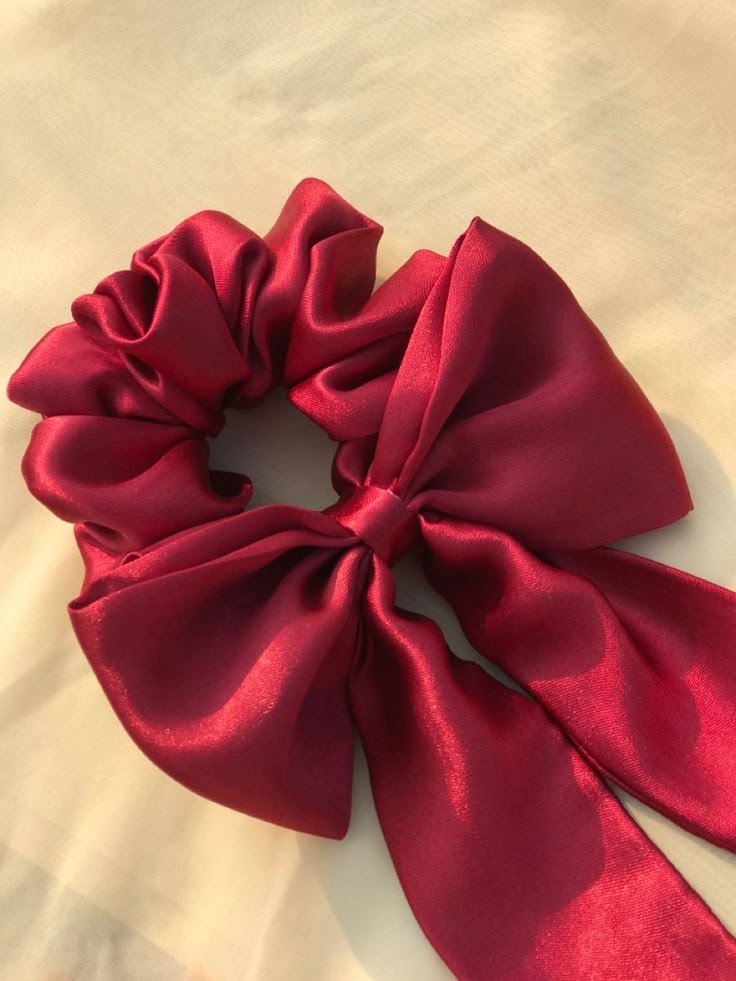
Fabric Scrunchie Bows
Scrunchie bows combine a soft fabric hair tie with a bow shape sewn onto the front.
They hold especially well on ponytails and buns.
The elastic itself does the heavy lifting instead of a small clip.
Layered and Double Bows
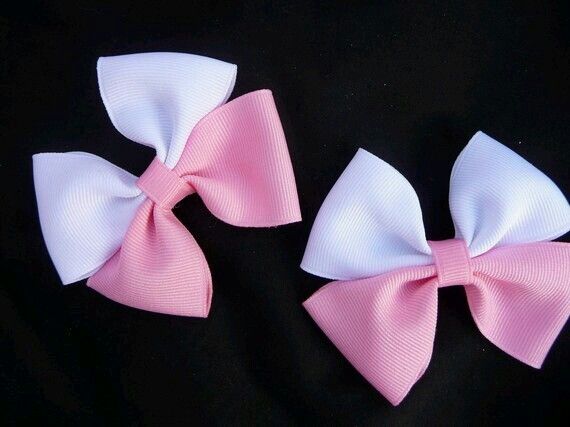
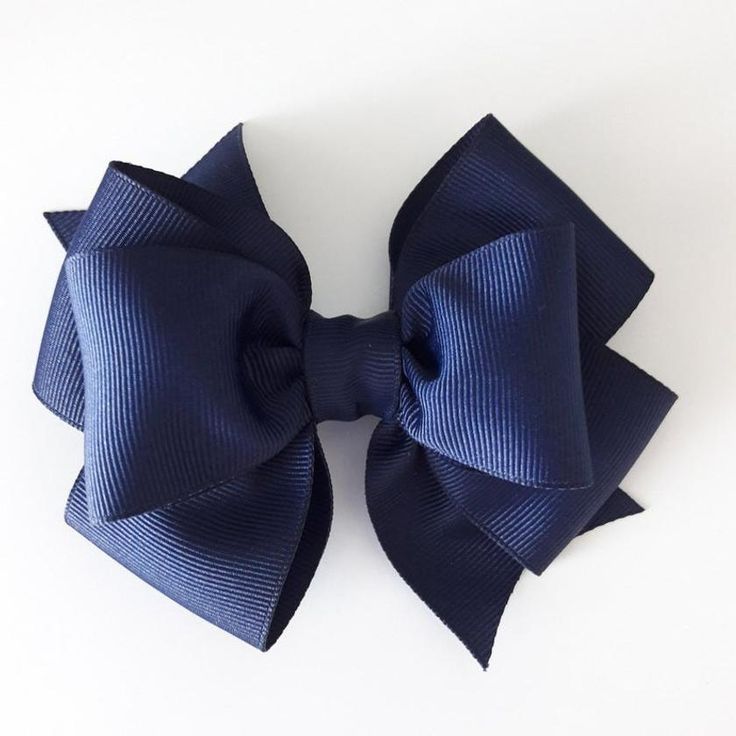
Layered bows stack two or more bow shapes together for a fuller look.
This usually means a slightly heavier accessory.
They work best on thicker hair or when clipped onto a braid, since a single thin section may not support the extra weight well.
How to Choose Bows That Stay in Place by Hair Type
Straight hair holds smooth clips fairly well, though very fine straight hair sometimes needs a textured clip to grip properly.
Wavy hair does well with alligator clips or ribbon ties, since the slight texture helps bows stay anchored without much slipping.
Curly hair benefits most from tie-on ribbon bows or bows attached to hair ties, since clips can slide out of curl patterns easily.
How to Identify Your Child’s Hair Type helps narrow down exactly which category your child falls into.
Coily hair often holds bows best when they are tied directly onto twists or braids rather than clipped onto loose sections.
The Different Kids Hair Textures Explained goes further into why texture changes grip so much.
Mixed textures across one head are common, so it is worth testing a bow in a couple of different spots before settling on one placement for the whole style.
Hair Type 2/3/4: Care Guide for Kids breaks down care and styling by texture in more detail.
Choosing Bows by Age
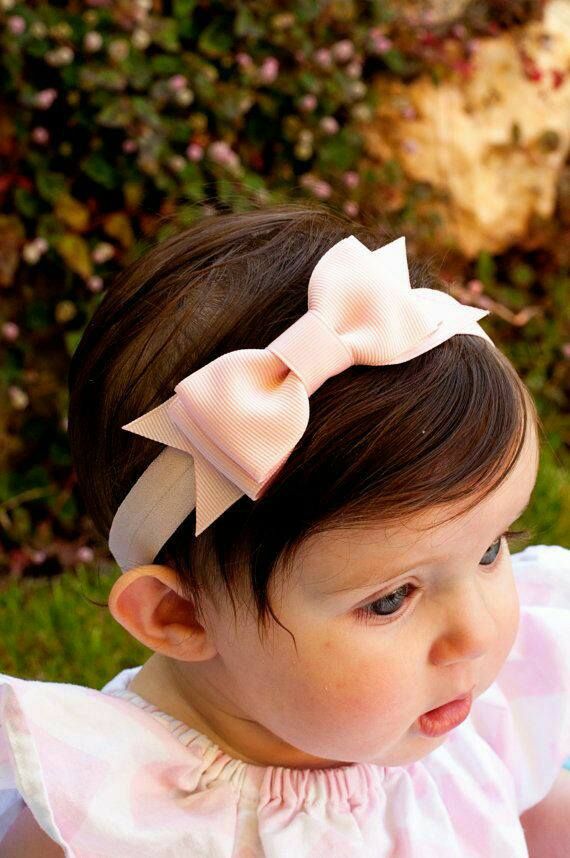
Babies with very little hair usually do best with a soft bow attached to a stretchy headband instead of a clip. There is often not enough hair for a clip to grip anyway.
Toddlers with slightly more length can start wearing small snap clip bows, though soft fabric versions still work better than stiff plastic ones at this stage.
40 Toddler Hairstyles That Take Under 5 Minutes pairs well with simple bow placements that will not overwhelm a wiggly toddler.
One-year-olds with their first wisps of hair often do best with a single small bow placed at the crown rather than anywhere near the edges.
41 Cute Hairstyles for One-Year-Old Girls has gentle style ideas that work with minimal hair.
Preschool and school-age kids can usually handle a wider range of bow types and sizes, since their hair has more length and thickness to anchor a clip properly.
Tweens often prefer smaller, more subtle bows over larger statement pieces, and letting them choose their own style tends to make hair time go more smoothly at this age.
Placement Techniques That Help Bows Stay Put
Where you place a bow matters just as much as the bow itself. Clipping into a small, tightly gathered section holds better than clipping into loose, scattered strands.
Crossing two small sections before clipping a bow adds extra grip, since the crossed strands create natural tension.
Placing bows on top of a braid or twist instead of loose hair almost always holds longer, since the braid itself acts as an anchor.
For ponytails, tying the bow directly around the base of the elastic keeps it secure without adding a separate clip. 19 Cute Ponytail Hairstyles for Kids pairs well with this simple trick.
Angling a clip slightly instead of clipping it flat against the head often improves grip, since the angle works with the natural direction of hair growth instead of against it.
Double-checking that a clip has fully snapped shut before letting your child run off saves a lot of frustration later in the day.
Seasonal and Activity Considerations
Weather changes how well a bow holds throughout the year. Humid summer days often loosen clips faster than cool, dry weather does.
How Humidity Affects Kids Hair explains why bows sometimes slip more in certain seasons.
Sports and active play call for smaller, lighter bows that will not bounce loose during running or jumping.
17 Protective Hairstyles for Active Kids pairs well with securely tied ribbon bows rather than clip-on versions.
Swim days call for waterproof or rubber-coated bow ties instead of fabric versions, since fabric bows soak up water and lose their shape quickly.
Best Bows for Different Occasions
Everyday school bows should be simple, lightweight, and easy to clip in quickly during a busy morning.
75 Easy School Hairstyles That Stay Neat All Day offers styles that hold up well with small bows attached.
Picture day calls for bows that photograph well and stay neat for hours without needing adjustment.
29 Picture Day Hairstyles Every Parent Should Save pairs nicely with a single statement bow rather than several smaller ones.
Birthday parties and playdates are a good time for bold, colorful bows, since kids tend to be more active and forgiving of a slightly less polished look.
43 Birthday Photo Hairstyles for kids shows how bows can add a festive touch without slowing down play.
Recitals and school concerts often call for a neater, more polished look that holds through a full performance.
35 Recital Hairstyles That Stay Perfect works nicely with a firmly secured ribbon bow.
31 School Concert Hairstyles offers similar polished looks for kids performing on stage, where a bow slipping mid-song is the last thing anyone wants to deal with.
Graduation ceremonies and other milestone events are worth a slightly dressier bow, since these photos tend to be kept for years.
51 Graduation Hairstyles for Kids pairs well with a classic ribbon bow in a color that matches the outfit.
How to Introduce Bows to a Reluctant Toddler
Some toddlers pull at anything new clipped into their hair, bows included.
A slow, patient approach usually works better than pushing through resistance.
Start with a soft fabric bow on a headband instead of a clip, since headbands feel less unfamiliar to most toddlers.
Let your child watch you place a bow in a stuffed animal or doll’s hair first. Familiarity through play often reduces resistance during actual styling time.
Keep early sessions short. A bow worn for ten minutes before it comes off is still progress, even if it does not last the whole day yet.
Avoid making a big deal out of a bow coming out.
Staying calm and simply reattaching it, or trying again another day, keeps hair time from becoming a stressful routine.
Practical Tips for Keeping Bows in Place All Day
Detangle hair fully before adding any bow. Snags and knots underneath a clip make it much easier for the bow to slip loose.
The Best Hair Brushes for Kids can help you find a brush that detangles gently.
Choosing the right detangling tool also matters here.
Wide-Tooth Comb vs Detangling Brush compares both options so you can smooth hair fully before clipping in a bow.
Use a small amount of styling gel or edge control around the base of a bow to smooth flyaways and add extra grip.
Test the bow with a gentle tug before sending your child out the door. If it moves easily, it will likely fall out within the hour.
Add a small bobby pin underneath a clip-on bow for extra security on days with heavy activity, like field day or a birthday party.
Reapply or reposition bows partway through long days when possible, especially after naps or gym class.
Choose a clip size that matches the section of hair you are working with.
A clip too large for the section will not close tightly enough to hold.
Keep a spare bow or two in your bag for school pickup or after-school activities, in case the first one does not survive the day.
Common Mistakes That Make Bows Fall Out
Clipping a bow onto too little hair is one of the most common mistakes. A clip needs enough hair to grip firmly, not just a few loose strands.
Choosing a bow that is too heavy for a small clip often leads to slipping, since the clip cannot support the extra weight.
Skipping detangling before styling leaves knots that prevent a clip from sitting flat against the head.
Why Your Child’s Hairstyles Never Last Until the End of the Day covers more reasons styles come undone early.
Placing bows in the same spot every day can also weaken hair at that point over time, leading to thinner strands that hold accessories less securely.
Ignoring your child’s hair texture and using a one-size-fits-all bow style often means constant readjusting throughout the day.
Rushing through placement during a busy morning often means a bow gets clipped onto the surface of the hair instead of anchored into a proper section, which makes it far more likely to slip.
Forgetting to check a clip’s spring tension over time is another overlooked issue.
Clips loosen with repeated use, and an older clip may need replacing even if it still looks fine.
Trying to reuse a bow that already has a bent or damaged clip almost always ends in frustration.
A quick check before styling saves a redo later in the day.
Building a Reliable Hair Bow Kit
A small, well-organized collection of bows that stay in place makes busy mornings much easier.
You do not need dozens of bows, just a few reliable options in different styles.
Keep at least one clip-on bow, one tie-on ribbon bow, and one bow attached to a hair tie in your regular rotation. Each holds differently, so having options covers more situations.
Store bows somewhere your child can see and reach, if they are old enough to help choose.
This small bit of independence often makes styling time go faster.
Check your bow collection every few months and remove any with weak clips, frayed ribbon, or loose stitching.
A worn-out bow is far more likely to fall out no matter how well you place it.
Match bow colors to your child’s everyday wardrobe so mornings do not turn into a search for the one bow that goes with a specific outfit.
A neutral set covers most days without extra effort.
Frequently Asked Questions
Why do bows keep falling out of my child’s hair?
Bows usually fall out due to too little hair in the clip, the wrong clip type for the hair texture, or heavy activity throughout the day.
Each of these causes has its own simple fix.
Matching all three to your child’s needs is the easiest way to get bows that stay in place.
What type of bow holds best on curly hair?
Tie-on ribbon bows or bows attached to hair ties usually hold best on curly hair.
Clips can slip out of curl patterns easily, which makes them less reliable.
Tying the bow directly onto the hair keeps it secure through the day.
Should I use gel to help a bow stay in place?
A small amount of gel or edge control around the base of a bow can smooth flyaways and stray strands.
It also adds extra grip, which helps the bow stay clipped in through active play.
This works especially well around the hairline and edges, where loose hairs tend to escape first.
How do I keep bows in place for babies with very little hair?
Soft headbands with an attached bow usually work better than clips for babies with minimal hair.
There simply isn’t enough hair for a clip to grip onto securely.
A headband stays put on its own, without needing hair as an anchor.
Can I sleep in hair bows?
Bows should come out before bedtime to avoid discomfort while sleeping.
Clips pressing against the scalp overnight can dig in and cause damage to the hair over time.
This is especially true for kids who move around a lot in their sleep.
Removing bows at night keeps sleep comfortable and protects hair health in the long run.
How many bows should a child wear at once?
One or two bows are usually enough for most styles and looks plenty polished.
Adding too many bows can weigh hair down unnecessarily.
This extra weight can also pull on strands and make hair feel heavy by the end of the day.
Do bigger bows fall out more easily than small ones?
Larger bows are often heavier than they look, especially the layered or fabric-covered styles.
This extra weight means they need a stronger clip, since a flimsy snap clip won’t hold for long.
The section of hair they’re clipped to also needs enough thickness behind it, or the bow will slowly droop and slip loose.
What is the best way to store hair bows so they do not lose their shape?
A small bin or hanging organizer keeps bows from getting crushed between other accessories.
Flattened bows tend to sit oddly once they lose their shape.
They also become harder to clip in securely, since the bent fabric doesn’t sit flat against the hair.
Can I add a bow to a hairstyle my child already has in?
Yes, a bow can usually be added on top of an existing braid, ponytail, or bun without any extra work.
You don’t need to redo the whole style just to add one in.
It just needs a small section of hair left over to clip or tie onto.
Are fabric bows better than plastic ones?
Fabric bows are usually softer against the scalp than hard plastic versions.
This makes them gentler for kids who are sensitive to tighter clips.
They also tend to blend more naturally into different hair textures, from straight to curly.
Final Thoughts
Bows that stay in place come down to matching the right bow type, clip, and placement to your child’s hair texture.
A little testing goes a long way toward finding what actually holds.
Simple habits, like detangling first and choosing the right clip for the activity ahead, make a noticeable difference by the end of the day.
Your child gets to enjoy a cute style without constant readjusting.
Once you find a bow and placement method that works, hair time becomes a lot less stressful for both of you.
For more everyday styling ideas, 30 Quick Kids Hairstyles That Take Less Than 10 Minutes rounds out this guide nicely.
Keep a small variety of bow types on hand, since what works for school might not work for a birthday party or a swim day.
A little preparation now means fewer lost bows and fewer mid-day fixes later.
With a bit of practice, choosing and placing the right bow becomes second nature.
Before long, you will know exactly which bow to reach for on any given morning.
One Comment