The Best Hair Accessories For Kids
Disclosure: Some of the links in this post are affiliate links. This means if you click on the link and purchase an item, I will receive an affiliate commission at no extra cost to you.
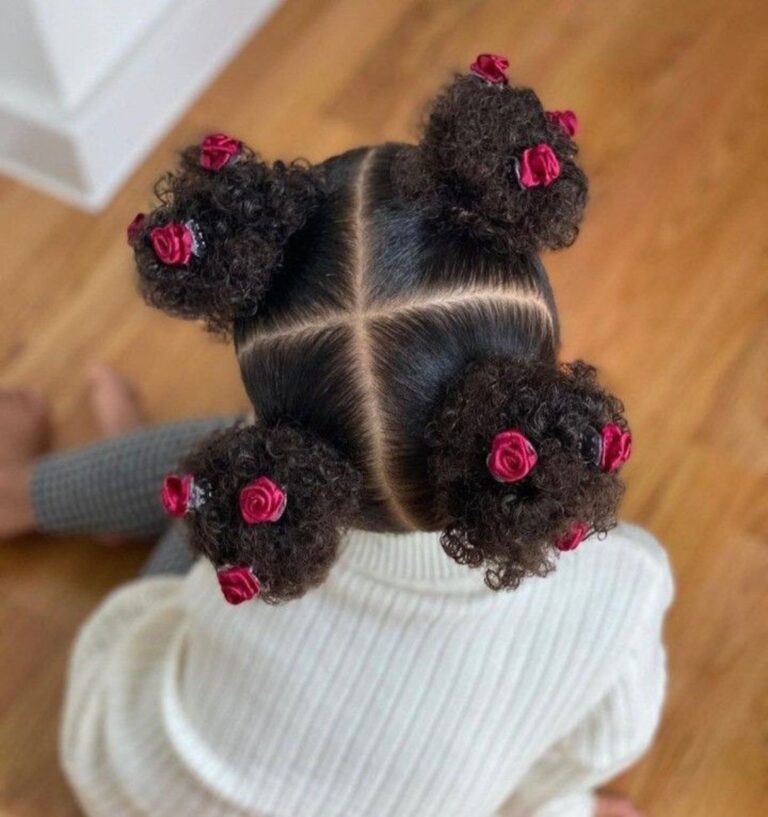
Picking out clips and bows for your child’s hair can turn into one of the sweetest parts of the morning routine. Some mornings it takes two minutes.
Other mornings your little one wants to try three different styles before school. Either way, having the right pieces on hand makes the whole process smoother and more fun.
Choosing the best hair accessories for kids is not just about looks. The right pieces protect delicate strands, keep styles neat all day, and match your child’s personality.
A soft satin scrunchie feels different on curly hair than a plastic snap clip does, and knowing the difference saves you time and frustration.
If you are still working out what your child’s curls or coils need day to day, The Complete Beginner’s Guide to Kids Hair Care is a great place to start before you shop for accessories.
Little moments like brushing hair before school or clipping in a bow for a birthday party add up over the years. These small routines often become treasured memories long after your child has grown taller than you.
For more style ideas that pair well with accessories, 75 Cute Kids Hairstyles You’ll Want to Save offers plenty of inspiration.
This guide walks through the best hair accessories for kids, how to pick them by age and hair type, and simple ways to avoid common mistakes parents make when shopping.
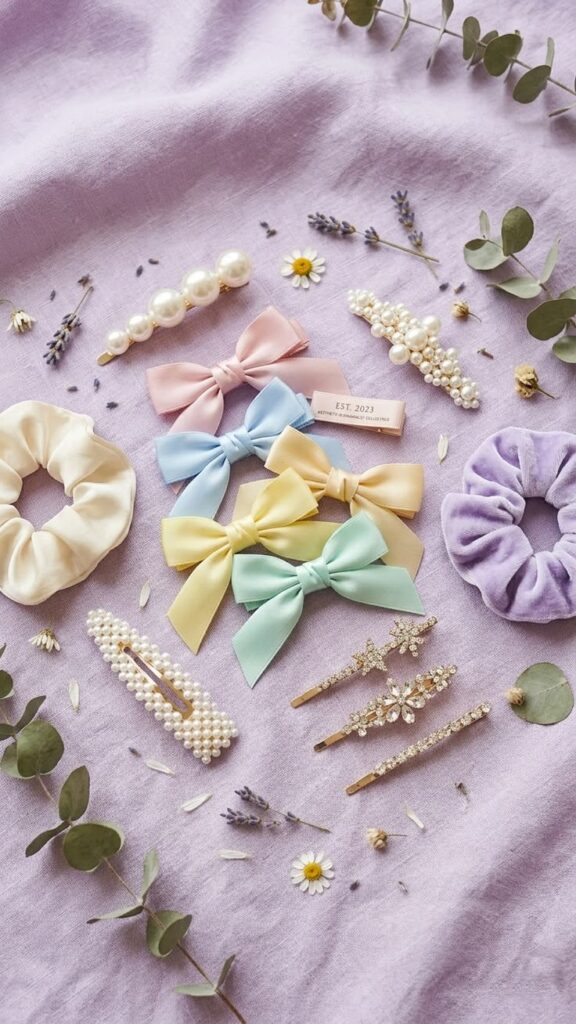
Why the Best Hair Accessories for Kids Actually Matter
Choosing the best hair accessories for kids does more than add color and personality.
The right pieces protect hair while holding styles in place all day long.
Cheap or rough materials can snag strands and cause breakage over time. Soft, well-made pieces glide through hair instead of pulling at it.
The right accessory also depends on activity level. A child running around the playground needs sturdier holds than one sitting quietly for a photo.
Comfort matters too. A headband that pinches or a clip that digs into the scalp gets pulled out within minutes, no matter how cute it looks.
Parents who choose smart accessories often see fewer tangles and less hair damage over time.
Could Your Child’s Hair Accessories Be Causing Breakage? explains this connection in more detail.
Good accessories also save money over time. A sturdy clip or well-made bow can last through years of wear, while flimsy versions often break within weeks and need constant replacing.
Confidence plays a role too. Kids who feel good about how their hair looks often carry themselves differently at school and on the playground.
Types of Hair Accessories for Kids
When you shop for the best hair accessories for kids, not every option works for every hair type.
Activity level matters just as much as texture when choosing the right piece.
A style that holds up for a calm afternoon might not survive recess or sports practice. Here are the main categories worth knowing before you buy.
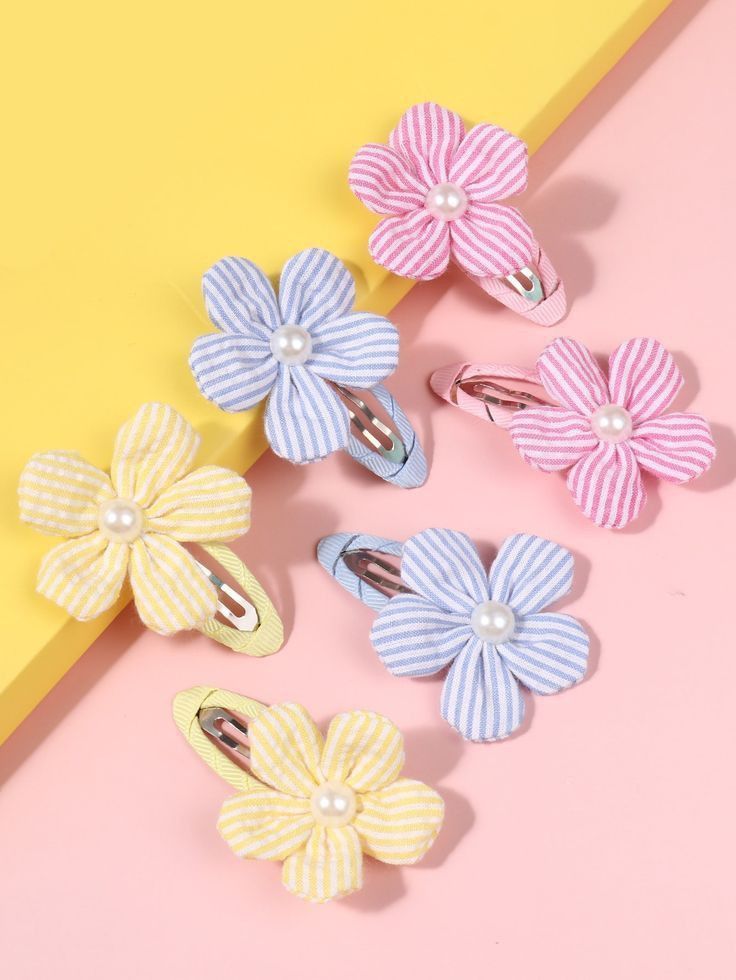
Hair Clips and Snap Clips
Snap clips hold small sections in place without much pressure on the scalp, which makes them great for fine hair and thin edges.
Look for rounded teeth so they don’t pull on strands. Sharp metal edges can scratch a tender scalp.
Pair them with 33 Easy Hairstyles for Busy School Mornings for quick styling ideas.
Butterfly Clips
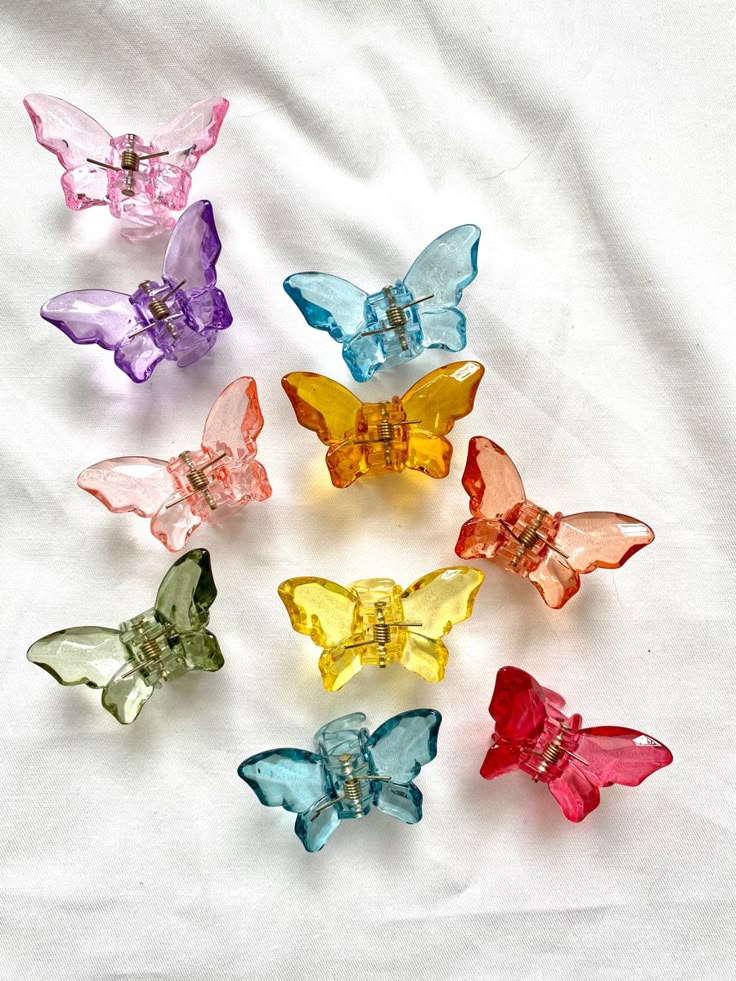
Butterfly clips grip hair between two hinged sides instead of a single spring clip, which spreads pressure more evenly across the section.
They work well for half-up styles and small buns, since they hold a gathered section without needing an elastic underneath.
Smaller butterfly clips suit fine or thin hair, while larger ones hold up better on thicker sections without slipping open.
Hair Bows
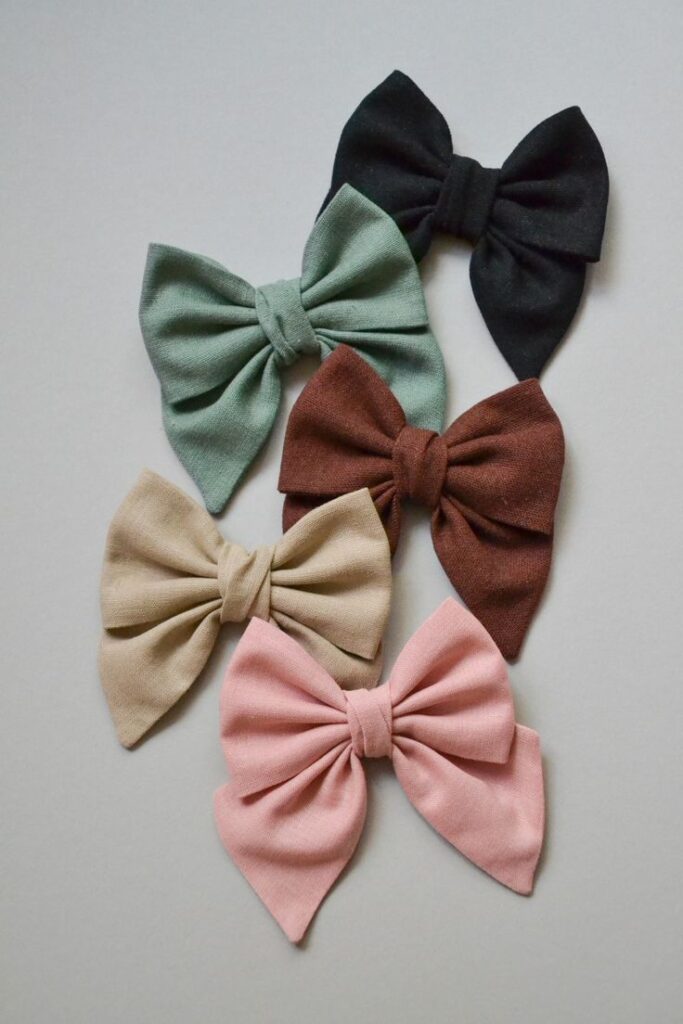
Bows add a fun pop of color and personality to almost any style, since they can clip on, tie on, or attach directly to a hair tie.
Finding bows that stay in place takes some testing, because fabric weight and clip type both affect how long a bow actually lasts through the day.
Hair Bows for Kids That Stay in Place breaks down exactly what to look for when you’re shopping.
Headbands
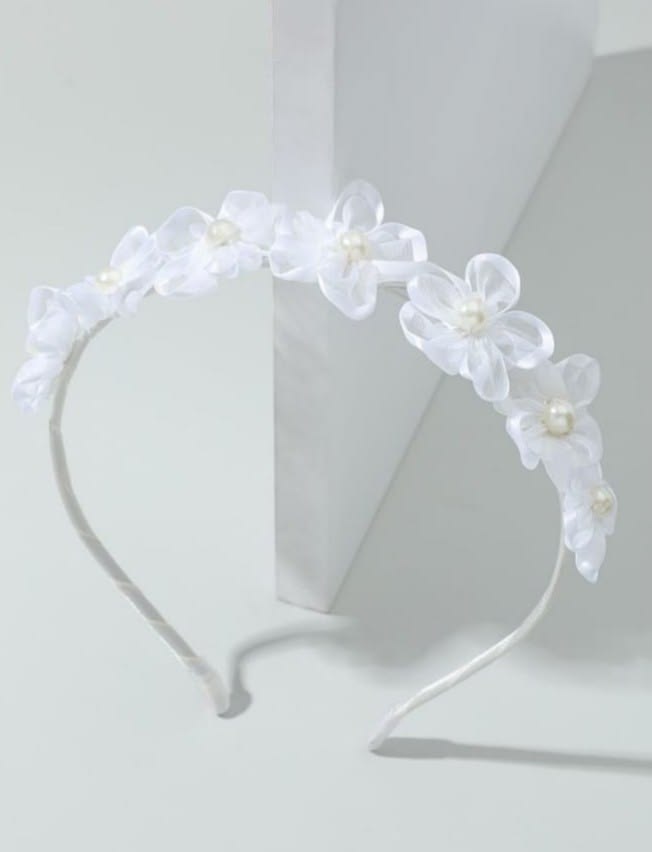
Headbands work well for keeping hair away from the face without any braiding or parting needed.
Soft, stretchy fabric headbands are gentler than hard plastic ones, especially for kids with sensitive scalps.
They also work well over freshly styled hair, since they do not require pulling hair back tightly.
Hair Ties and Scrunchies
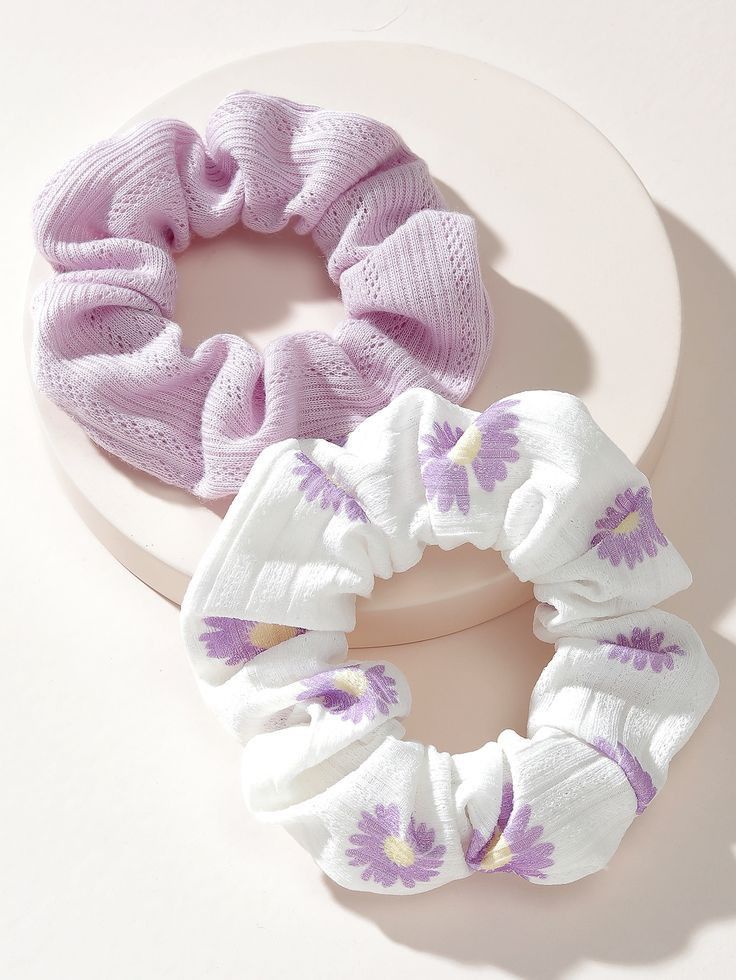
Satin and silk scrunchies cause less friction than thin elastic bands.
This matters most for curly and coily hair types.
Traditional rubber bands can snag and break hair, so many parents skip them entirely for kids.
Fabric-covered ties also tend to hold curls and coils without leaving a harsh crease behind.
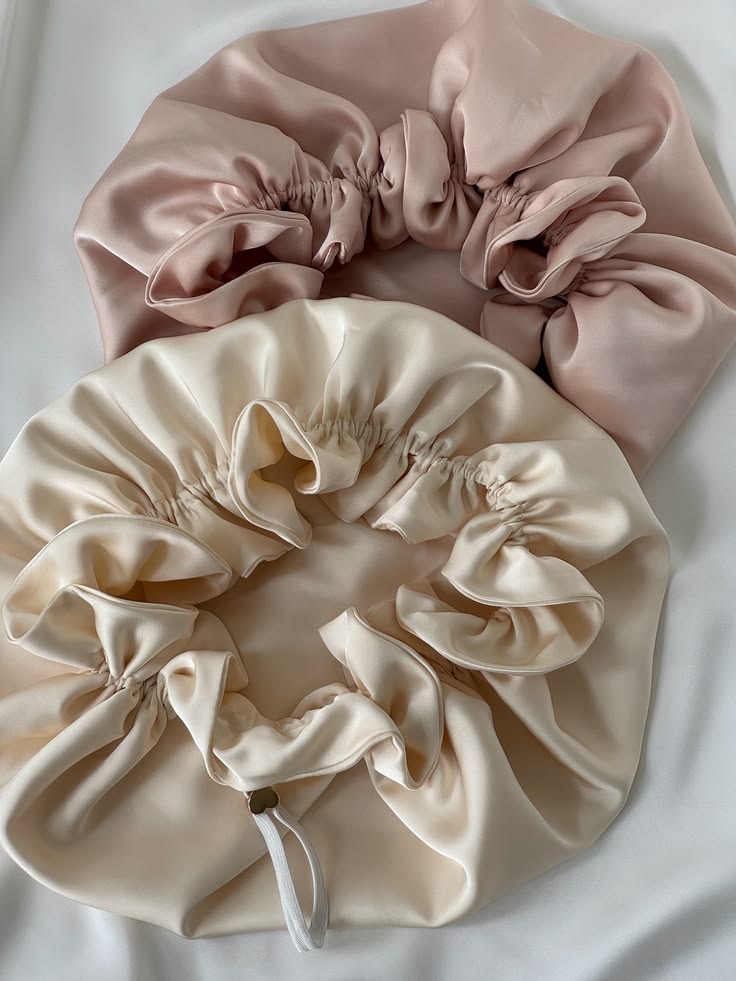
Hair Wraps and Bonnets
Silk or satin wraps protect finished styles overnight.
They cut down on frizz and keep braids or twists looking neat for longer.
Satin Bonnets for Kids: Do They Help? covers how these compare to wraps for different hair types.
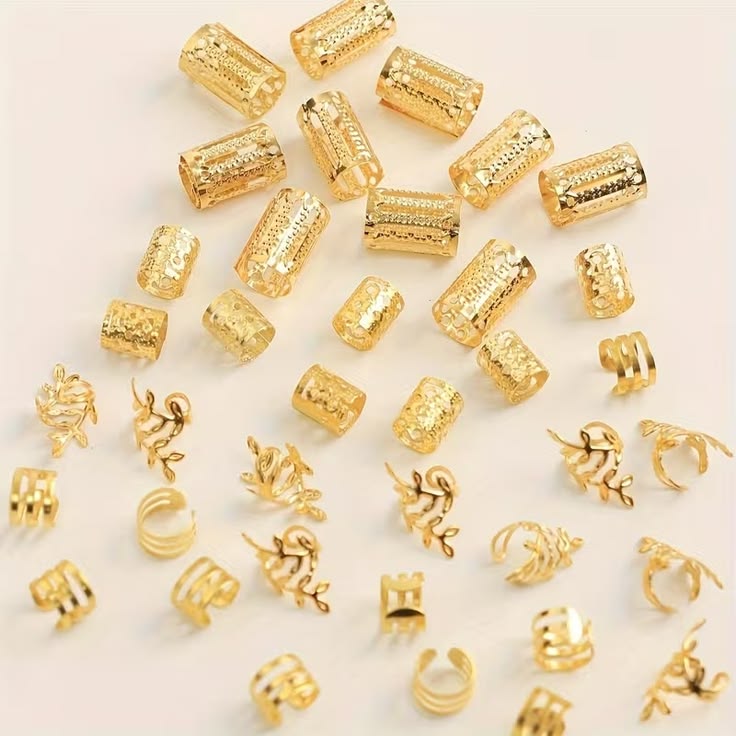
Beads and Hair Cuffs
Beads and cuffs add flair to braids and twists.
They come in plastic, wood, or metal, each with a different weight and feel.
Lighter materials work better for babies and toddlers, since heavy beads can pull on new hair growth.
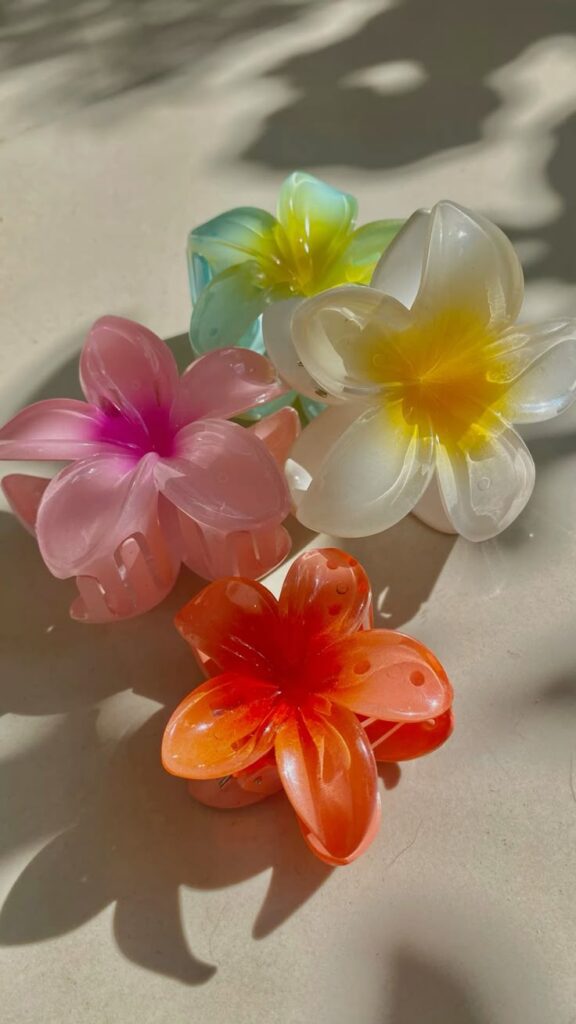
Claw Clips and Hair Clamps
Claw clips gather larger sections of hair quickly, which makes them handy for thicker or longer hair.
Mini claw clips designed for kids apply less tension than adult-sized versions, so they are gentler on smaller heads.
They work best on hair that has enough length to gather into a bun or half-up style without pulling at the roots.
How to Choose the Best Hair Accessories for Kids by Age
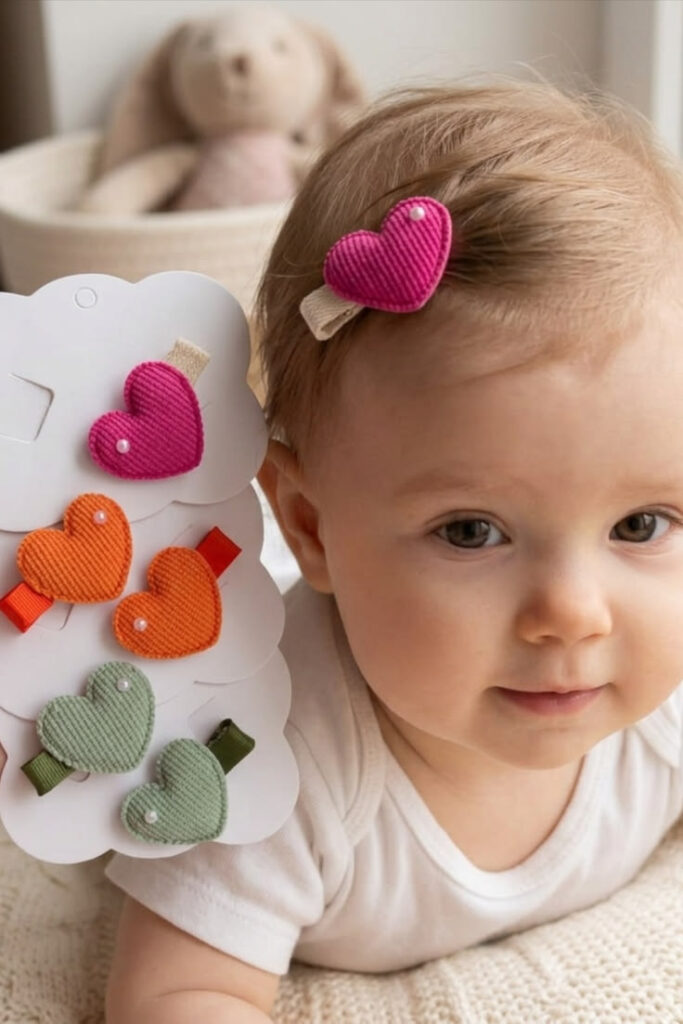
Babies and toddlers need the simplest, softest accessories available.
Fabric headbands and small soft clips work best for this age group.
Avoid anything with small parts that could come loose, since babies explore the world with their mouths.
Newborns with very fine, sparse hair usually do not need accessories at all yet.
A simple soft headband is often enough once there is a bit of length to work with.
Preschoolers can handle slightly more variety, including snap clips, small bows, and soft hair ties. Their hair is often getting longer and thicker at this stage.
School-age kids benefit from a wider mix of accessories since they deal with more activity and longer school days.
Sturdier clips, headbands, and bows that hold through recess and gym class work well here.
Older kids and tweens often want more say in their choices.
Letting them pick colors and styles builds confidence and makes hair time something they look forward to.
For toddler-specific ideas that pair naturally with these accessories, 40 Toddler Hairstyles That Take Under 5 Minutes has simple options that will not overwhelm a wiggly toddler.
Best Hair Accessories for Different Hair Types
Hair type changes which accessories work best and which ones cause damage over time.
Fine, straight hair often needs gentler grips to avoid slipping without adding stress on the strands.
Curly and coily textures usually hold accessories better with softer, padded materials instead of hard plastic or metal.
How to Identify Your Child’s Hair Type can help you pin down exactly what you’re working with.
Straight and Wavy Hair
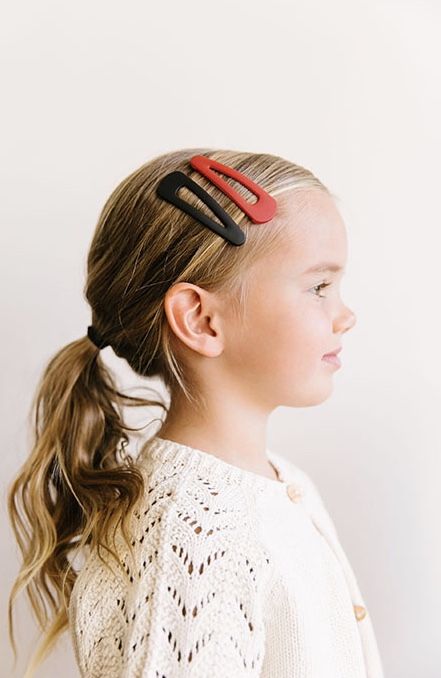
Straight hair often slips out of clips easily, so textured or gripping clips hold better than smooth plastic ones.
Silk scrunchies work well here too, since they hold styles without leaving a crease behind.
This makes them a solid everyday option for straight hair that needs a gentle hold.
Curly Hair
Curly hair needs a gentle grip that will not flatten or pull apart the curl pattern.
Butterfly clips work well here, since their hinged sides spread pressure evenly instead of pinching from one spot.
Soft fabric ties make a good backup option for busier days.
How to Identify Your Child’s Hair Type can help you figure out exactly what pattern you are working with.
Coily and Kinky Hair
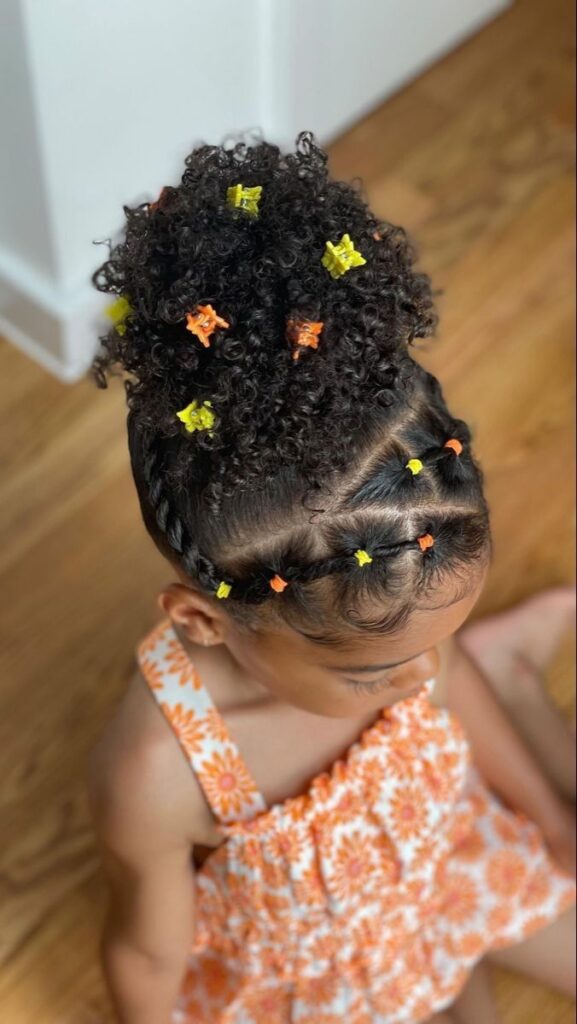
Coily hair is more prone to breakage, so satin-lined accessories are worth the investment.
Beads, cuffs, and thicker hair ties tend to hold well on this texture without slipping loose.
Hair Type 4: Care Guide for Kids goes deeper into styling tips for each texture.
Matching the accessory to the texture is one of the simplest ways to protect hair while still having fun with style choices.

Best Hair Accessories for Special Occasions
Everyday accessories are not always the right fit for a big event.
Special days call for pieces that photograph well and hold up under pressure.
Picture day calls for accessories that stay neat for hours without needing a touch-up between classes.
29 Picture Day Hairstyles Every Parent Should Save pairs well with simple, sturdy clips or bows in colors that match an outfit.
Birthday parties and playdates are a good time for bolder accessories, since kids tend to be more active and want styles that feel fun.
43 Birthday Photo Hairstyles for kids shows how a few well-placed bows can complete a look without slowing your child down on the bounce house.
Recitals and school concerts often call for a neater, more polished look that holds through a full performance.
35 Recital Hairstyles That Stay Perfect works nicely with satin ribbons or small jeweled clips.
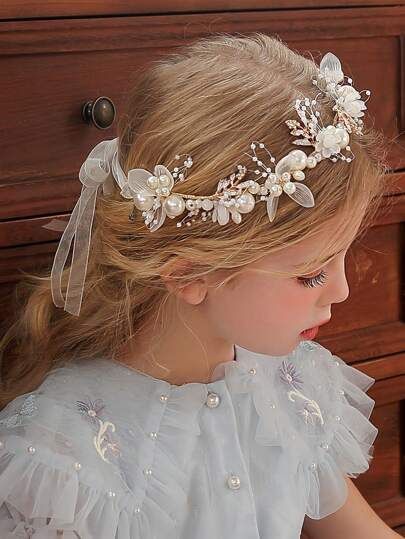
Graduation days are worth dressing up a little more, since these photos tend to stick around for years.
51 Graduation Hairstyles for Kids offers styling ideas that pair naturally with dressier accessories.
Family reunions call for a similar approach, since group photos often mean everyone wants hair to look its best. 41 Family Reunion Hairstyle Ideas for kids has more ideas worth saving.
Seasonal Considerations for Hair Accessories
Weather changes affect which accessories work best throughout the year. What holds up in spring might not survive a humid summer afternoon.
Warm, humid months often call for lighter accessories, since heavy clips and thick headbands can feel uncomfortable in the heat.
How Humidity Affects Kids Hair explains why some styles hold better than others once the weather turns muggy.
Cold, dry months bring their own challenges, since static and dryness can make hair harder to manage.
Satin-lined accessories help reduce friction during these drier stretches. Summer/Winter/Spring/Fall Hair Care Tips for Kids covers seasonal changes in more depth.
Swimming season calls for accessories that can handle chlorine and pool water without falling apart. Rubber-coated ties or dedicated swim clips tend to hold up better than everyday fabric pieces.
Practical Tips for Using Hair Accessories
A few small habits make a big difference in how long accessories last and how well they protect hair.
Rotate where you place ponytails and clips each day. Wearing the same spot repeatedly can weaken hair at that point.
Check clips and bows regularly for rust, loose threads, or sharp edges. Small kids are hard on accessories, and wear adds up fast.
Store accessories in a bin or drawer organizer so mornings do not turn into a scavenger hunt. 19 Cute Ponytail Hairstyles for Kids pairs nicely with a well-organized accessory drawer.
Wash fabric accessories like scrunchies and headbands regularly, since they pick up oil and product residue over time.
Keep a small backup kit in your bag for school pickups, sports practice, or sleepovers. A spare hair tie has saved many parents from a stressful afternoon.
Let your child help choose their accessories when possible. Kids who pick their own bows and clips tend to sit still longer during styling.
Test new accessories on a normal day before saving them for something important. This way you already know how long they hold before a big event.
Keep a small mesh bag or pouch just for accessories in the wash, so scrunchies and headbands do not get tangled with the rest of the laundry.
Label a small section of a drawer for each accessory type. Kids can learn to put their own bows and clips away once everything has a clear spot.
Pack a mini styling kit for travel, including a brush, a few ties, and a couple of clips. This saves you from digging through luggage during a family trip.
How to Introduce New Accessories Without a Fuss
Some kids resist anything new touching their hair, even a soft clip or a favorite color bow. A slow introduction usually works better than forcing a change all at once.
Try a new accessory during a calm moment at home instead of right before school. This gives your child time to get used to how it feels without added pressure.
Let your child hold or examine the accessory first. Familiarity often reduces resistance more than any styling trick.
Praise your child for trying something new, even if they only wear it for a short time. Small wins build confidence for the next attempt.
If a clip or tie causes discomfort, switch it out right away instead of pushing through. Comfort matters more than sticking to a plan, and forcing an uncomfortable accessory can create lasting resistance to hair time in general.
Common Mistakes to Avoid
Many parents grab whatever accessory is closest without thinking about hair type or activity level. This often leads to pieces that slip out within an hour.
Using accessories that are too tight is another common issue. Tight elastics and clips can cause headaches and breakage at the root.
Skipping bonnets or wraps at bedtime lets styles unravel overnight, which means starting over the next morning. Why Your Child’s Hairstyles Never Last Until the End of the Day covers more reasons styles fall apart too soon.
Buying based on looks alone instead of material quality often means replacing accessories more often than needed.
Forgetting to remove accessories before bath time or swimming can damage both the accessory and the hair underneath.
Overloading fine hair with too many clips or heavy accessories can also cause unnecessary strain on delicate strands.
Ignoring your child’s comfort in favor of a specific look often backfires.
A child who is uncomfortable will tug and pull, undoing a style faster than any accessory issue would.
Buying a single style in bulk instead of a small variety can leave you without the right option when hair type, activity, or occasion changes. A mixed collection covers more situations.
Rushing through mornings can lead to accessories being placed carelessly, which often means they fall out faster. Taking an extra minute to secure a clip properly saves time later in the day.
Mixing metal and fabric pieces without checking for snags is another small but common error. A quick check before placing an accessory near delicate ends prevents unnecessary tangling.
Frequently Asked Questions
What are the safest hair accessories for babies?
Soft fabric headbands and small snap clips without sharp edges are safest.
Avoid tiny parts that could come loose and become a choking hazard.
Always check accessories regularly for wear, since loose threads or cracked pieces can pose the same risk over time.
How often should hair accessories be replaced?
Replace clips and ties as soon as you notice rust, cracks, or fraying.
Most fabric accessories last several months with regular washing.
Checking them every so often helps you catch wear before it becomes a safety issue.
Do hair accessories cause hair loss?
Poorly fitted or overly tight accessories can pull on strands and weaken hair at the root over time.
Choosing gentle, well-fitted pieces prevents this problem.
Checking the fit every so often is worth it, especially as your child’s hair grows and changes.
What hair accessories work best for active kids?
Sturdy clips, headbands, and satin scrunchies with a firm grip hold up best through sports and recess.
17 Protective Hairstyles for Active Kids pairs well with these picks.
Choosing pieces built for movement means fewer mid-day fixes.
Can bows damage curly hair?
Bows attached with soft fabric ties or padded clips are safe for curly hair.
Metal clips with sharp teeth can snag and cause breakage.
Sticking with softer materials helps protect curl patterns from unnecessary strain.
How many hair accessories does a child really need?
A small rotating collection of five to ten pieces covers most needs without overwhelming a drawer or a morning routine.
This keeps mornings simple while still giving your child a few fun options to choose from.
It also makes it easier to spot when something needs replacing.
What material is best for hair ties?
Satin and silk-covered ties are gentlest on all hair types.
They reduce friction and hold styles without leaving a dent or crease.
This makes them a good default choice when you’re not sure what else to try.
Should toddlers sleep in hair accessories?
Most clips, ties, and bows should come out before bedtime.
A soft satin bonnet or wrap is a better choice for overnight protection.
This keeps hair safe from breakage while your child sleeps.
How do I stop my child from pulling out their hair accessories?
Letting your child pick their own accessories often reduces pulling.
A comfortable, well-fitted piece is also far less tempting to tug at than a tight one.
Giving them a say in the process often makes hair time go more smoothly overall.
Are silicone hair ties safe for kids?
Silicone-free spiral or fabric ties are generally gentler on hair than thin silicone bands.
They grip without pulling, which reduces strand breakage over time.
This makes them a smart everyday swap for hair that tangles or breaks easily.
Final Thoughts
Finding the best hair accessories for kids comes down to matching material and fit to your child’s hair type and daily activities.
Soft, well-made pieces protect hair while still looking cute.
Building a small collection of reliable clips, bows, ties, and wraps saves time and stress during busy mornings.
Your child gets to enjoy fun styles without dealing with breakage or discomfort.
Take time to test a few options and see what actually holds up through a full day of play.
Once you find your favorites, hair time becomes one less thing to worry about.
For more everyday style ideas, 30 Quick Kids Hairstyles That Take Less Than 10 Minutes rounds out this guide nicely.
Every child is different, and what works for one kid might not work for another, even in the same family.
Stay patient, keep a small variety on hand, and let your child’s comfort guide the final choice.
Over time, you will build a small kit that makes every school morning and special event just a little easier.
A little trial and error now saves a lot of frustration later. Before long, picking the right clip or bow becomes second nature for both of you.


3 Comments