
Leave-In Conditioner vs Hair Milk for Kids
Disclosure: Some of the links in this post are affiliate links. This means if you click on the link and purchase an item, I will receive an affiliate commission at no extra cost to you.
Standing in the hair care aisle with two bottles in your hand is a familiar moment for a lot of parents. One label says leave-in conditioner.
The other says hair milk. Both promise soft, moisturized curls, so choosing between leave-in conditioner vs hair milk can feel confusing at first.
Shelves full of similar-looking bottles do not make it any easier. Your child’s curls can also change their needs from week to week.
The good news is that both products support how to moisturize kids hair properly, just in slightly different ways. They share some ingredients, but they behave differently once they’re in your child’s hair.
Once you understand the leave-in conditioner vs hair milk difference, picking a product gets much easier. It also helps to know how to identify your child’s hair type first. Texture changes what works best for your little one.
Caring for your child’s curls often becomes one of those small routines you both look back on fondly. That includes picking the right product and detangling gently.
A few quiet minutes with a comb and a good product can turn into a treasured memory. Let’s walk through what each product does and how to choose the right one for your family.
What Is a Leave-In Conditioner?
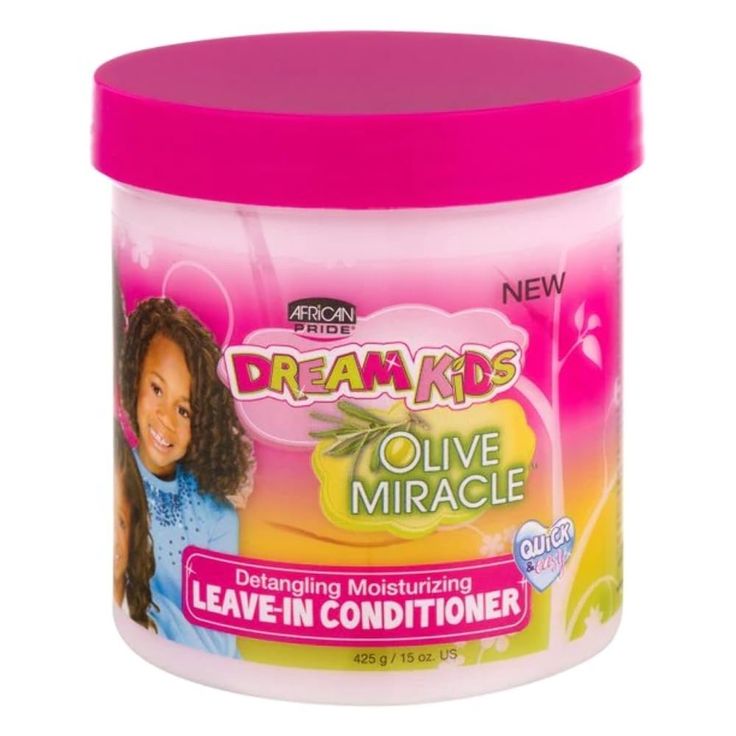
A leave-in conditioner is a lightweight product you apply after washing and skip rinsing out.
It sits in the hair all day, adding moisture and slip. Most formulas list water as the first ingredient, plus a mix of conditioning agents.
This makes leave-in conditioner easy to spread through curls without weighing them down.
It works especially well before detangling, since it softens strands and cuts down on friction.
Many parents reach for it right after the best wash day routine for kids, while hair is still damp.
Understanding this side of leave-in conditioner vs hair milk makes the next product much easier to compare.
What Is Hair Milk?
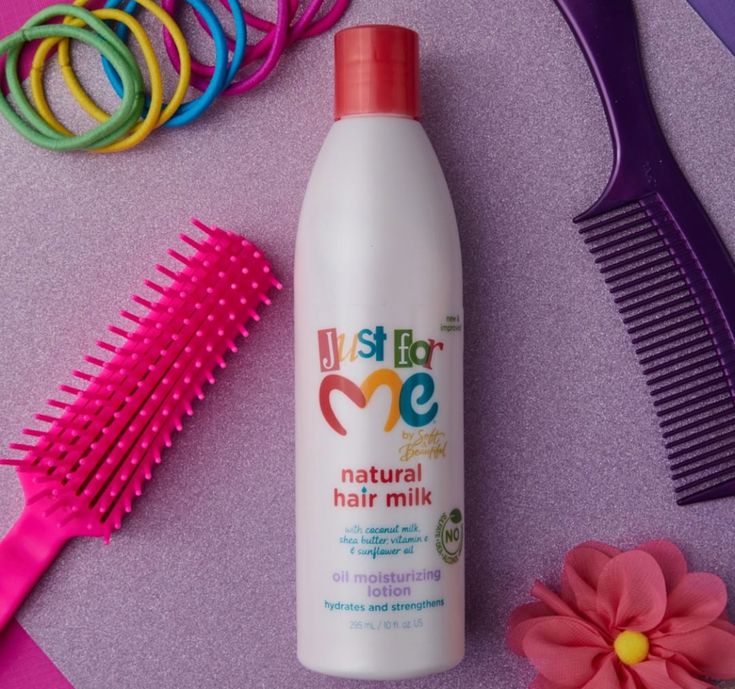
Hair milk looks and feels like a lotion, thinner than a cream but thicker than water. It usually blends natural oils, butters, and proteins into one formula.
Hair milk absorbs quickly, so it rarely leaves a greasy residue behind.
It works especially well for children with fine to medium curls who don’t need heavy products.
Some parents like using it between wash days to refresh dry curls.
Pairing hair milk with the best hair oils for children’s hair can boost shine even more.
This is the second half of the leave-in conditioner vs hair milk comparison. It’s just as useful to understand.
Key Differences Between Leave-In Conditioner and Hair Milk
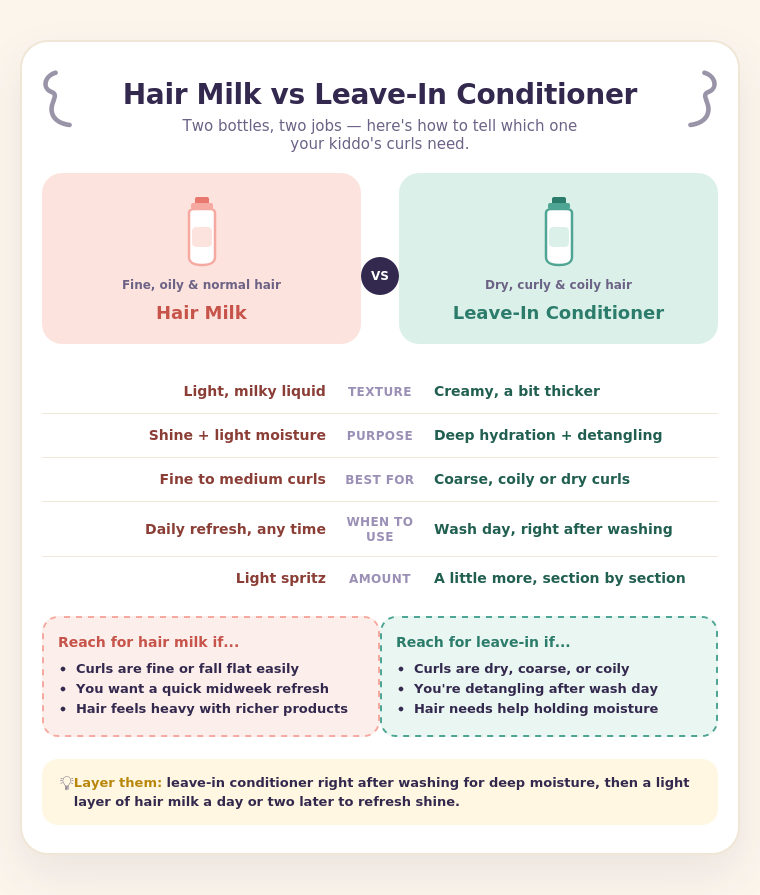
Leave-in conditioner and hair milk share the same goal of adding moisture.
Still, they behave differently once they’re in your child’s hair.
The leave-in conditioner vs hair milk choice usually comes down to texture, moisture level, and hair type.
Looking at each factor separately makes the decision much clearer.
Texture and Weight
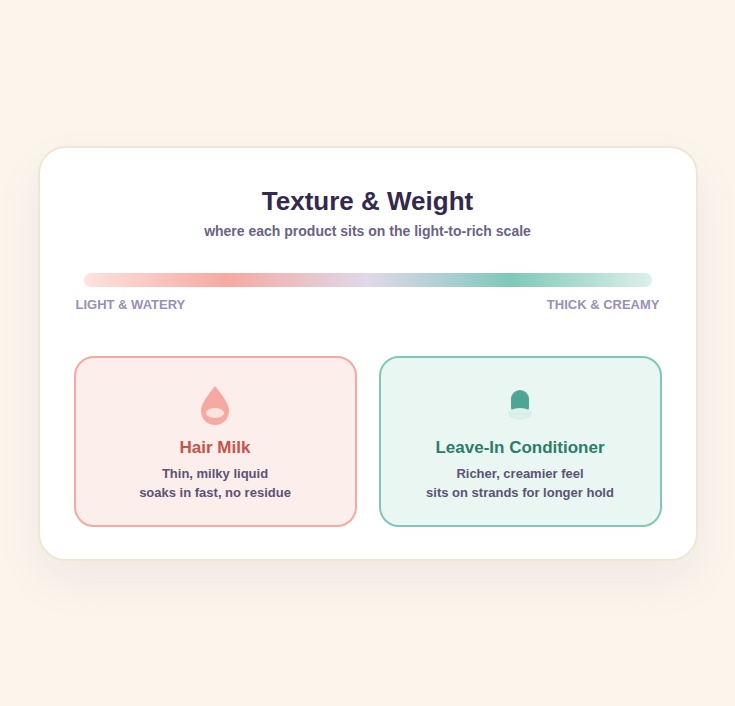
Leave-in conditioner tends to feel richer and creamier on the strands.
Hair milk feels lighter and soaks in faster.
Thicker, coarser curls often need the extra richness that leave-in conditioner provides.
Finer curls usually do better with the lighter feel of hair milk.
Moisture Level
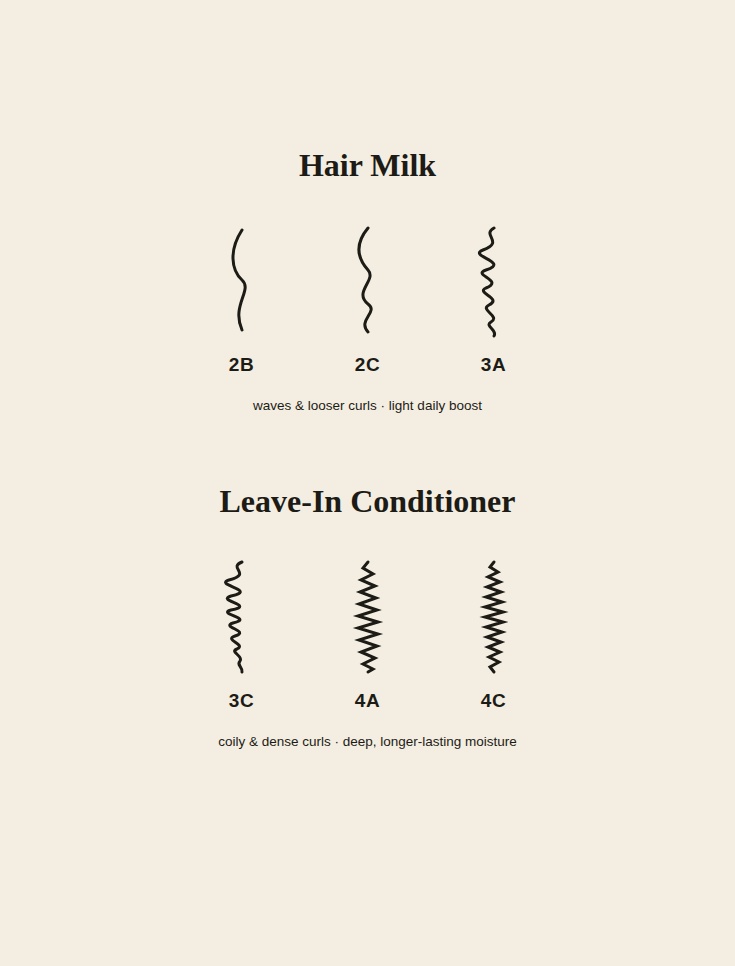
Leave-in conditioner usually delivers a deeper, longer-lasting dose of moisture.
Hair milk offers a lighter boost that works well for daily refreshing.
Dry, coily hair often needs the stronger moisture that leave-in conditioner supplies.
Wavy or loosely curled hair can thrive with the smaller dose hair milk provides.
Checking the different kids hair textures explained can help you figure out which moisture level your child needs.
Best Hair Types for Each
Type 3 and type 4 curls generally respond well to leave-in conditioner because of its richer formula.
Type 2 waves and finer type 3 curls often prefer hair milk instead.
Every child’s hair is different, so testing both products is a smart approach.
Reading hair type 4: care guide for kids makes it easier to match the product to the texture.
Ease of Application
Leave-in conditioner usually needs a little more work to spread evenly through thick curls.
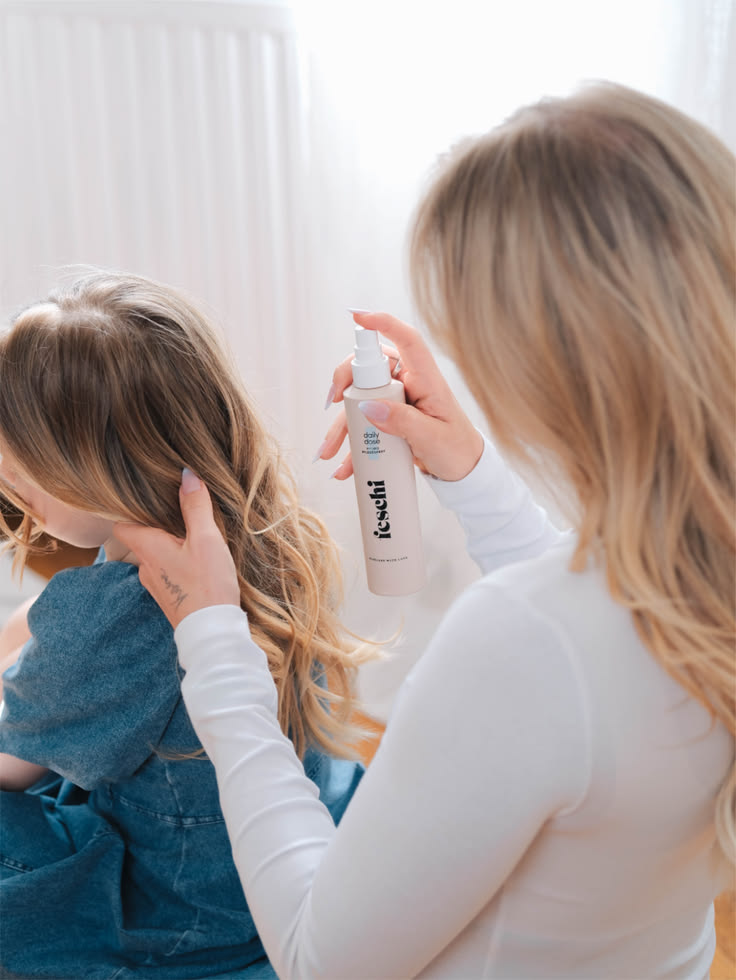
Hair milk pours or sprays on quickly, which makes it a good option for busy mornings.
Parents juggling multiple kids often reach for hair milk simply because it saves time.
Thicker curls may still need leave-in conditioner worked in section by section for full coverage.
When to Use Leave-In Conditioner
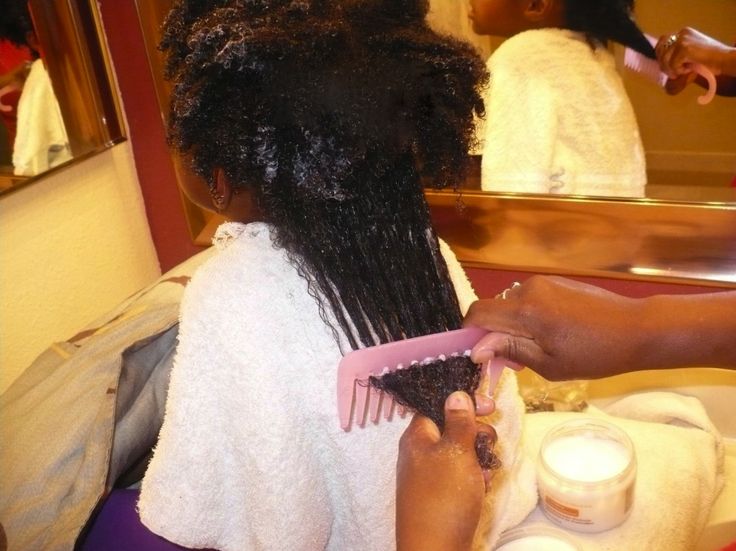
Leave-in conditioner works best right after washing, while hair is still wet.
It also helps before the secret to tear-free detangling methods, since it softens tangles first.
Parents with children who have dry or coarse curls often use it daily.
It’s also useful before styling protective looks that need extra hold and moisture.
When to Use Hair Milk
Hair milk shines as a refresher between wash days.
A light spritz can revive curls that look dry or flat by midweek.
It’s also gentle enough for babies and toddlers with delicate strands.
Many parents keep a bottle handy for quick touch-ups before 43 birthday photo hairstyles for kids and other special days.

Special Considerations for Babies and Toddlers
Very young children often have soft, fine strands that need only a small amount of product.
Hair milk is usually the gentler starting point for babies with little hair to work with.
Toddlers with thicker curls coming in may need leave-in conditioner sooner than expected.
Watching for scalp sensitivity matters more with babies, since their skin is still developing.
A tiny patch test on the arm can catch a reaction before it spreads to the scalp.
Sticking to fragrance-light formulas also lowers the chance of irritation for the youngest members of the family.

Can You Use Both Together?
Yes, plenty of parents layer both products in the same routine.
Start with leave-in conditioner right after washing for deep moisture.
Follow with hair milk a day or two later to refresh curls without overloading them.
Layering this way avoids buildup while still keeping curls soft.
This combination pairs well with how to build a healthy hair routine for kids.
How to Layer These Products With Other Styling Products
Building a full routine usually means adding more than just one moisturizing step.
Leave-in conditioner or hair milk typically comes first, right after washing or spritzing hair with water.
A curl cream or gel can go on top to help hold a style in place.
Applying products from lightest to heaviest keeps curls from feeling weighed down or crunchy.
Skipping the moisture step is a common reason curls end up dry by the afternoon.
Building the routine in the right order makes a noticeable difference in how long a style lasts.

Signs You Chose the Wrong Product
Hair that feels stiff or crunchy soon after applying hair milk may need something richer instead.
Curls that look greasy within an hour of using leave-in conditioner may be getting too much product.
Flat, weighed-down curls often mean the formula is too heavy for that hair type.
Constant frizz despite regular use can be a sign the product is not moisturizing enough.
Switching brands or formulas is normal. It often takes a few tries to land on the right fit.
Storage and Shelf Life Tips
Both products last longer when kept away from direct sunlight and heat.
A steamy bathroom shelf can shorten shelf life faster than a cool cabinet.
Tightly closing caps after each use also helps prevent the formula from drying out.
Most natural formulas last several months once opened, though scent and texture can shift near the end.
Tossing a product that smells off or has separated is always the safer choice.

Common Mistakes to Avoid
One common mistake is using too much product at once, which leads to buildup.
Another is skipping leave-in conditioner on wash day and going straight to styling.
Some parents also apply hair milk to bone-dry hair, which limits how well it absorbs.
Ignoring your child’s specific texture is another misstep.
As why expensive hair products aren’t always better explains, fit matters more than price.
Skipping regular scalp checks can also let residue build up unnoticed.
Practical Tips for Choosing the Right Product
Start by watching how your child’s hair responds after one week of consistent use.
Curls that feel soft and bouncy are a good sign the product is working.
Curls that feel stiff, dry, or greasy may need a switch. Keeping a simple routine, guided by how to keep kids’ scalp healthy, makes it easier to spot what’s working.
Testing a small amount before committing to a full-size bottle can save time and hassle.
Asking other parents with similarly textured hair for recommendations can also help.
Online reviews often mention scent, how fast a bottle runs out, and how well it holds up in humidity.
Signs Your Child’s Curls Need More Moisture
Some signs are easy to spot once you know what to look for.
Dry, brittle ends often mean hair needs a richer product like leave-in conditioner.
Frizz that shows up within hours of styling can point to the same issue.
Dullness, according to signs your child’s hair is healthy, is another clue that moisture levels need attention.
Watching for these signs helps you adjust the leave-in conditioner vs hair milk balance before hair starts feeling rough.

How Often to Use Each Product
Leave-in conditioner works well every wash day, since it replenishes moisture lost during shampooing.
Hair milk can be used daily or every other day, depending on how dry your child’s curls tend to get.
Overusing either product can weigh curls down over time.
Following the best scalp care routine for children alongside these products keeps the scalp balanced too.
Balancing leave-in conditioner vs hair milk this way keeps curls consistently moisturized without buildup.
Ingredients to Look For
Both products work best when they include real moisturizing ingredients.
Shea butter, coconut oil, and aloe vera show up often in quality formulas.
Glycerin and natural proteins also help strengthen and hydrate the hair shaft.
Steering clear of heavy silicones keeps curls from feeling coated. The hidden reason your child’s hair looks dull covers this in more depth.
Checking ingredients matters just as much in the leave-in conditioner vs hair milk decision as texture does.

Building a Simple Weekly Routine
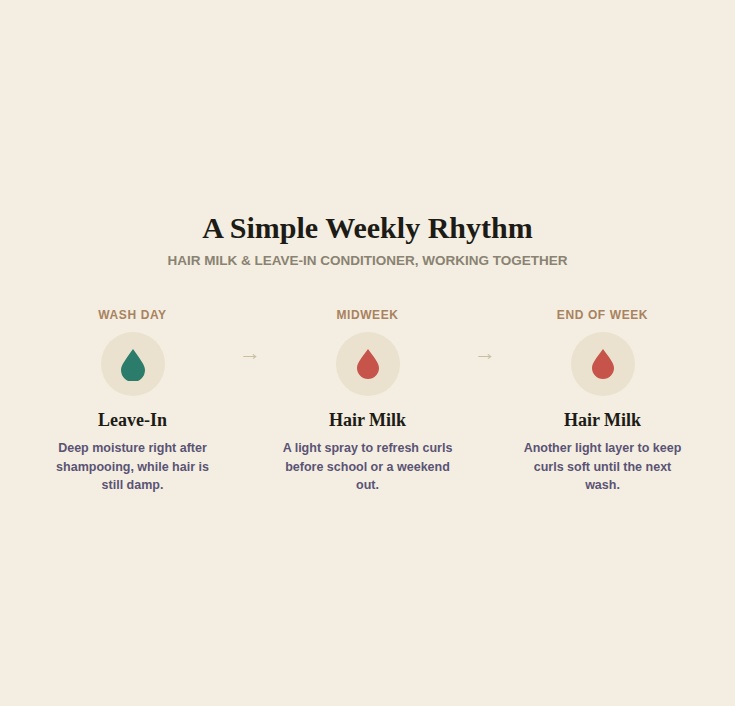
A simple weekly rhythm takes the guesswork out of choosing between these two products.
Wash day usually calls for leave-in conditioner, since hair needs the deepest moisture right after shampooing.
A few days later, a light spray of hair milk can refresh curls before school or a weekend outing.
Toward the end of the week, another light layer of hair milk keeps curls soft until the next wash.
This kind of rhythm cuts down on decision fatigue and keeps curls consistently moisturized.
Adjusting the exact timing based on activity level and weather is completely normal.
Ingredients to Avoid
Sulfates and heavy mineral oils can weigh down fine curls fast.
Alcohol-based ingredients near the top of an ingredient list often dry hair out.
Artificial fragrances can also irritate a sensitive scalp.
Checking labels before buying either product protects your child’s hair long term.
Good habits also help, as shown in healthy habits that support kids hair growth.
How Weather and Season Affect Your Choice
Humid summer days often call for a richer product like leave-in conditioner to fight frizz.
Dry winter air can pull moisture out of curls fast, which also favors the heavier formula.
Hair milk tends to work well in milder weather, when curls need only light upkeep.
Switching between products as the seasons change is a normal part of caring for curly hair.
Paying attention to how curls behave outdoors or on windy days can guide which product to reach for.
Keeping both on hand year-round makes it easy to adjust without a special shopping trip.
Reading Product Labels the Right Way
Ingredient lists are ordered by amount, with the largest ingredients listed first.
A product with water near the top and real oils and butters close behind is usually a solid choice.
Long lists of ingredients you cannot pronounce are worth a second look before buying.
Comparing two labels side by side often reveals more about a product than the front-of-bottle marketing claims.
Taking an extra minute in the aisle to check ingredients can save weeks of trial and error later.

Travel and On-the-Go Tips
Packing hair care for a trip usually means picking the product that takes up less space.
Hair milk often comes in smaller, travel-friendly bottles that fit easily into a carry-on or diaper bag.
Leave-in conditioner can be decanted into a small travel container if the full-size bottle is too bulky.
Sunscreen, chlorine, and salt water can all dry curls out faster than usual. Packing a little extra moisture is smart.
A quick refresh with hair milk after a beach day can undo some of that dryness.
Keeping a small comb and hair tie alongside either product rounds out a simple travel kit.
Frequently Asked Questions
Can I use leave-in conditioner and hair milk on the same day?
Yes, you can use both in the same routine without any issues.
Many parents apply leave-in conditioner right after washing, then use hair milk a day or two later.
This is one of the easiest ways to use leave-in conditioner vs hair milk together without conflict.
Just watch for greasy strands, which is a sign to space out applications.
Which product works better for type 4 hair?
Type 4 hair usually does better with leave-in conditioner because of its richer formula.
Hair milk can still work well as a light refresher between wash days.
Every child’s hair reacts differently, so testing both products is worth it.
Pairing either one with how often should you wash your child’s hair? keeps the whole routine balanced.
Is hair milk safe for babies?
Yes, hair milk is generally gentle enough for babies with soft, fine curls.
Choose a formula made for children, since adult products can be too heavy.
A small patch test is smart the first time you try anything new.
Reading the complete beginner’s guide to kids hair care offers more guidance for very young hair.
How do I stop my child’s hair from feeling greasy?
Greasy hair usually means too much product has built up over several days.
Cut back to a smaller amount of leave-in conditioner or hair milk per use.
Clarifying occasionally with a gentle shampoo also helps remove leftover residue.
Brushing gently with the best hair brushes for kids can help distribute natural oils more evenly too.
Can hair milk replace a deep conditioner?
No, hair milk is not a substitute for a deep conditioning treatment.
Deep conditioners penetrate the hair shaft for longer, more intense repair.
Hair milk works best as a daily or weekly moisture boost instead.
Keeping both steps in your routine, alongside the best conditioners for every hair type, gives curls complete care.
Do I need both products, or can I pick just one?
Plenty of families get by with just one product, especially if hair stays fairly easy to manage.
Leave-in conditioner alone works fine for children with drier, coarser curls.
Hair milk alone can cover the needs of a child with finer, lower-maintenance hair.
Starting with one product and adding the second only if needed keeps the routine simple.

Final Thoughts
Choosing between leave-in conditioner vs hair milk doesn’t have to feel complicated once you know what each product does.
Pay attention to how your child’s curls respond, and adjust from there. A little trial and error goes a long way toward soft, healthy hair.
Hair needs can shift with age, weather, and growth spurts. A product that works today might need a swap in a few months.
Staying flexible and willing to experiment keeps wash day from turning into a battle.
Revisiting satin bonnets for kids: do they help? can also help protect all that progress overnight.
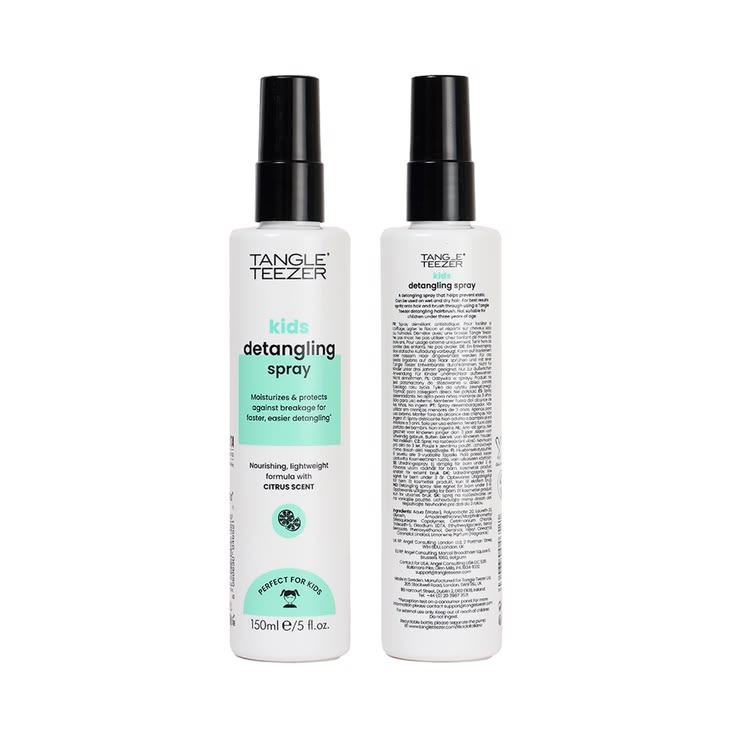
Keeping an eye on the best detangling sprays for kids rounds out a gentle, complete routine.
With the right products on hand, moisture stays consistent and styling gets a little easier every week.




2 Comments