
The Everyday Habit That Could Be Damaging Your Child’s Hair
Disclosure: Some of the links in this post are affiliate links. This means if you click on the link and purchase an item, I will receive an affiliate commission at no extra cost to you.
There is one small habit that shows up in almost every household with kids, and most parents never think twice about it.
It happens fast, right before school, right before pictures, right when everyone is trying to get out the door.
This habit can end up damaging your child’s hair over time, even though it feels harmless in the moment.
Think about the last time you pulled your child’s hair into a ponytail or puff. Did you pull it tight so it would stay put all day?
That single choice, repeated day after day, is often the real reason behind thinning edges and breakage that seems to appear out of nowhere.
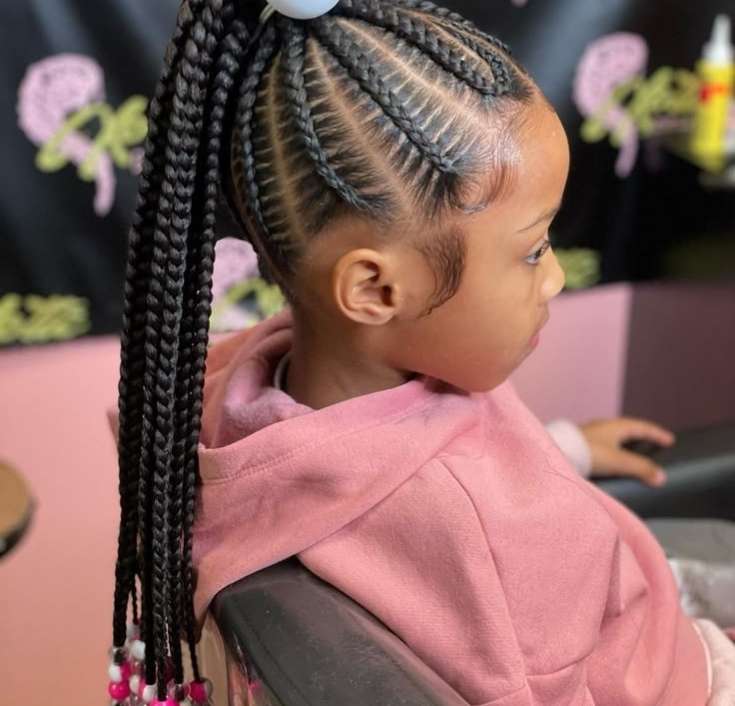
Many parents lean on 19 Cute Ponytail Hairstyles for Kids without realizing that a slightly firmer pull each morning adds up.
The good news is that this habit is easy to spot once you know what to look for, and even easier to fix. You do not need to give up ponytails, buns, or braids.
A few small adjustments protect the hairline while still giving your child a style that holds all day, and pairing those adjustments with The Best Hair Accessories for Kids makes the fix even simpler.
Caring for your child’s hair, even on a rushed morning, is one of those small routines that turns into a real memory later. Once you know what to watch for, hair time can stay simple and still be gentle on those delicate strands.

The Habit You Might Not Even Notice
Most parents are not trying to hurt their child’s hair.
They are trying to get a style that lasts through recess, gym class, and a full day of movement.
Pulling hair tight feels like the only way to make that happen, and it works in the short term.
Understanding how this daily habit starts is the first step toward protecting those delicate strands.
How Tight Styles Sneak Into Everyday Routines
Busy mornings do not leave much room for careful styling.
A quick, tight ponytail or bun feels like the fastest way to get hair under control before the school bus arrives.
Over weeks and months, that quick fix becomes the default, and nobody stops to question it.
Choosing from 75 Cute Kids Hairstyles You’ll Want to Save can help, but the real fix is in how the style gets secured, not just which style is chosen.

Why This Habit Feels So Normal
Tight ponytails and buns are often praised for looking neat and staying in place all day.
Teachers, coaches, and other parents notice when a style holds up, so tighter can start to feel like better.
This praise quietly reinforces the habit without anyone realizing the hidden cost.
Over time, damaging your child’s hair becomes an invisible side effect of chasing a polished look, especially when compliments keep coming in on picture day or at a family gathering.
What Happens to Hair Under Constant Tension
Hair follicles are surprisingly sensitive to repeated pulling in the same spot.
When the same section gets tugged tight day after day, the follicle can weaken at the root.
This gradual weakening is called traction, and it builds slowly enough that parents rarely connect it to styling choices.
Left unchecked, this kind of daily tension is one of the quieter 15 Reasons Your Child’s Hair Keeps Breaking (and What to Do About It).
Signs Your Child’s Hair Is Already Under Stress
Not every child will show obvious pain right away, so it helps to know the early warning signs.
Some signs are easy to spot, while others take a closer look at the hairline and scalp.
Catching these clues early can prevent months of unnecessary breakage.
Here is what to watch for during and after styling.
Look Out for These Warning Signs
Small red flags often show up before real damage sets in.
A sore scalp at the end of the day is one of the clearest signs that a style was pulled too tight.
Tiny bumps along the hairline, sometimes called stress bumps, are another common warning sign.
Comparing your child’s hair to Signs Your Child’s Hair Is Healthy can help you spot the difference between normal wear and real tension.
Where Damage Shows Up First
The hairline and the edges usually take the brunt of daily tension.
Hair around the temples and nape is thinner and more fragile than hair elsewhere on the scalp.
Parents often notice a wispy or patchy look along the front hairline before spotting any other changes.
The nape, right at the back of the neck, is another spot that quietly takes on extra pull from low ponytails and buns.
Catching these early signs matters, because reversing thinning edges takes far longer than preventing them in the first place.
How This Habit Connects to Bigger Hair Health Issues
Tight styling rarely causes damage all on its own.
It usually teams up with other everyday habits that make hair more vulnerable to breaking.
Dryness, scalp buildup, and hair type all play a role in how much tension a strand can handle.
Looking at the full picture makes it easier to protect your child’s hair for good.
Dry Hair Breaks Faster Under Tension
Hair that lacks moisture has less flexibility, so it snaps more easily when pulled tight.
A consistent routine for how to moisturize kids hair properly keeps strands soft enough to bend instead of break, and following How to Moisturize Kids Hair Properly step by step makes a noticeable difference within a few weeks.
Well moisturized hair simply tolerates styling better.
Hair Type Changes How Much Tension Is Safe
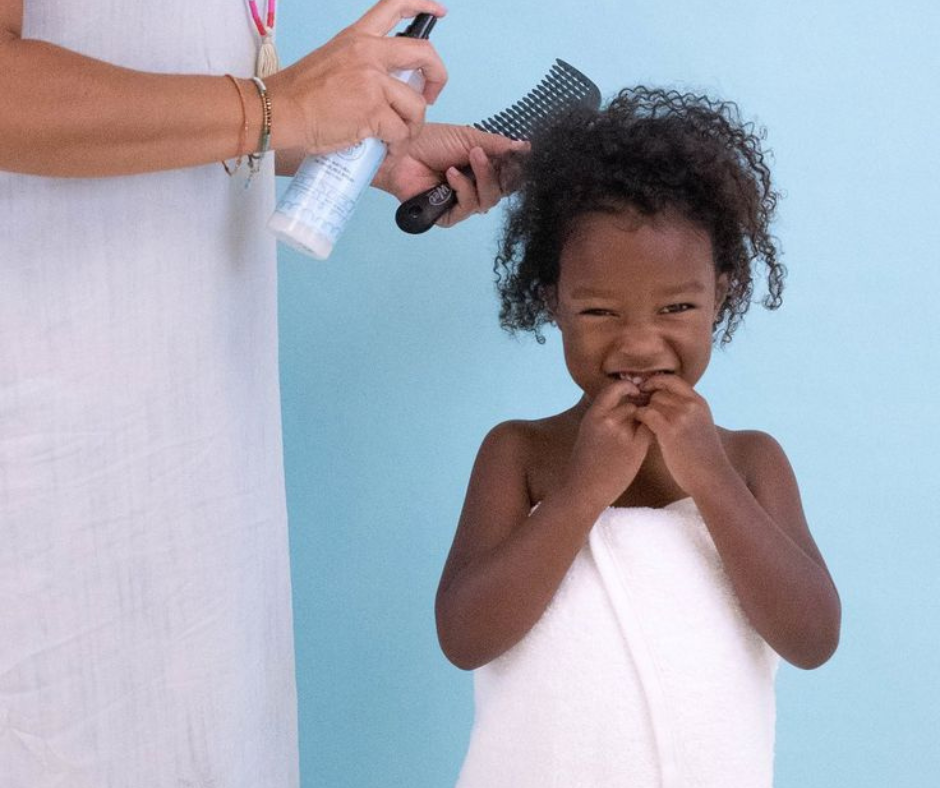
Curlier, coilier textures are often more fragile at the root than straighter hair types.
Knowing your child’s specific pattern helps you judge how much pull is too much.
A quick read through Hair Type 2: Care Guide for Kids can clear up which textures need the gentlest touch.
Matching your styling approach to hair type is one of the simplest ways to avoid damaging your child’s hair.
A Stressed Scalp Recovers More Slowly
A scalp that is already irritated or dry has a harder time bouncing back from tight styling.
Healthy circulation and a clean scalp support faster recovery between styles.
Building in regular care from How to Keep Kids’ Scalp Healthy gives the roots a better foundation to handle everyday wear.
A healthy scalp is the quiet partner behind every strong hairline.
Practical Ways to Protect Your Child’s Hair Starting Today
Small changes can make a big difference without giving up favorite hairstyles.
None of these adjustments require extra time in the morning, just a slightly different approach.
Each tip below targets the exact tension points that lead to thinning and breakage.
Start with one or two changes and build from there.
Loosen the Pull Without Losing the Style
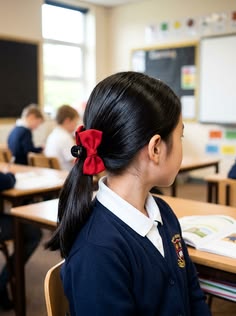
A style can still look neat without being pulled tight against the scalp.
Try securing the ponytail or puff with slightly less tension, especially near the hairline.
Many families find that a looser base still holds up through a full school day of movement.
A little slack at the root goes a long way toward damaging your child’s hair less over time.
Choose Gentler Accessories
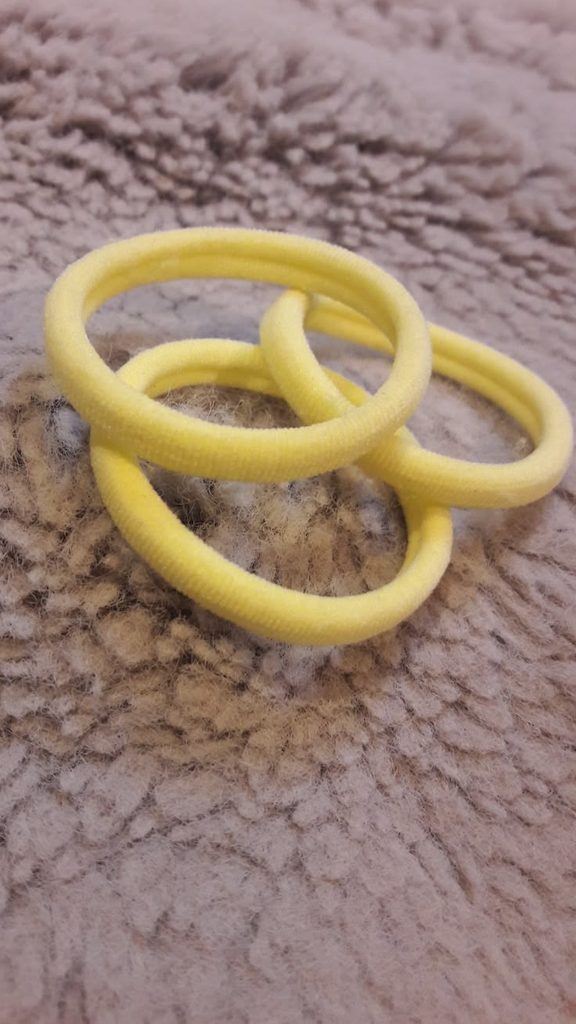
Certain hair ties and clips create more friction and pressure than others.
Soft, seamless hair ties tend to grip less aggressively than thin elastic bands.
Reading through Could Your Child’s Hair Accessories Be Causing Breakage? walks through specific swaps worth making this week.
Metal clips and clasps can also snag strands during removal, adding extra tension at the end of the day.
Small changes like this reduce daily strain without changing the overall style at all.
Give the Hairline a Break
Rotating styles gives stressed areas time to recover between wears.
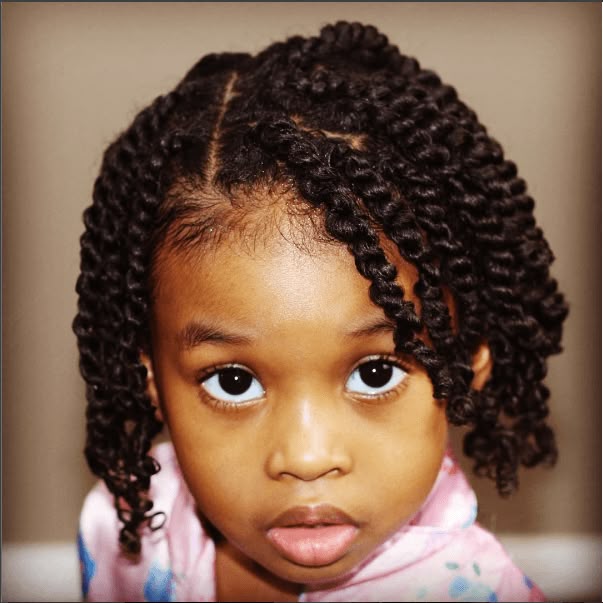
Alternating between buns, twists, and looser styles spreads tension across different sections of hair instead of repeating it in the same spot.
Protective options such as 17 Protective Hairstyles for Active Kids work well for this kind of rotation.
Giving the hairline regular breaks is one of the simplest ways to prevent long term damage.
Protect the Style Overnight
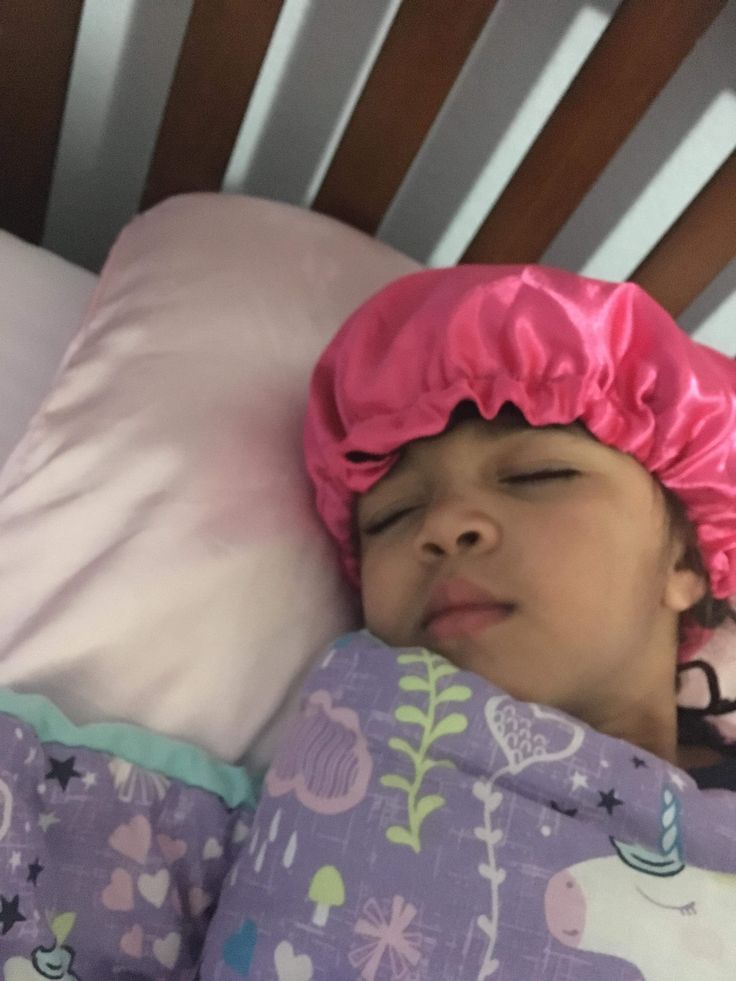
What happens after styling matters just as much as the style itself. Cotton pillowcases pull moisture from hair and add extra friction while a child sleeps.
Switching to Satin Bonnets for Kids: Do They Help? answers a question many parents ask once they notice morning frizz and tangles.
Protecting hair overnight helps a gentler style last longer without needing to redo it as often.
Protective Styles That Work With This Fix, Not Against It
Choosing the right style makes it easier to keep tension low without sacrificing how long a look lasts.
Some styles are naturally more forgiving on the hairline than others.
Picking from styles designed to distribute tension evenly protects hair while still looking polished.
Here are a few worth trying first.
Braided Styles Spread Out the Tension
Braids distribute pulling force across many small sections instead of one tight point.
Choosing from 31 Best Braided Hairstyles for Kids gives you options that look put together while being gentler on the roots.
Even braided styles should still be checked for tightness at the base.
Spreading tension out is always better than concentrating it in one spot.

Knotless Braids Reduce Root Pressure
Traditional braiding methods can pull hard right at the scalp from the very first knot.
Knotless techniques ease tension in gradually instead of starting tight, which feels noticeably more comfortable during the actual braiding process.
Trying a style from 21 Cute Knotless Braids for Kids is a simple way to lower daily strain on the hairline.
This small technique difference can matter a lot over weeks of wear.
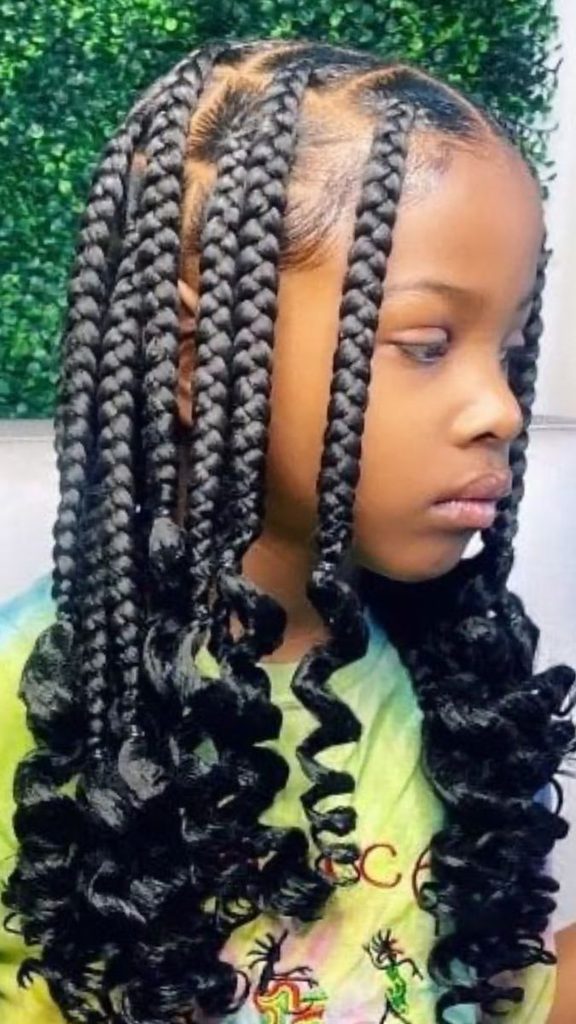
Cornrows Done Correctly Stay Comfortable
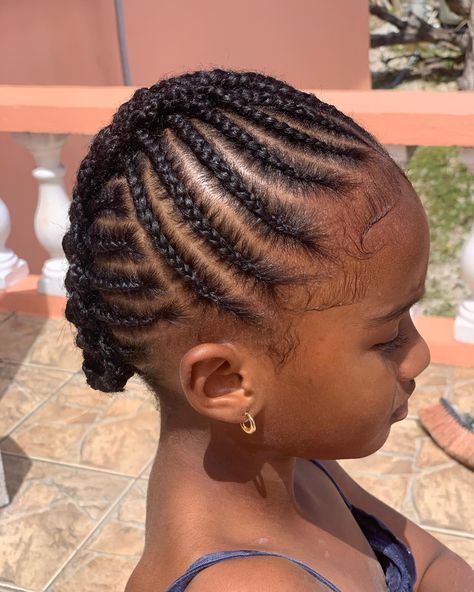
Cornrows get an unfair reputation for being painful, but done correctly they should not hurt.
Discomfort usually means the rows were braided too tight at the part lines.
Looking through 35 Cornrow Styles for Kids can help you find versions with wider, gentler parts.
A cornrow style should feel snug, never sharp or sore.
Making This Part of a Bigger Hair Care Routine
Fixing one habit works best when it fits into a routine that supports the whole head, not just the hairline.
Wash day, texture knowledge, and growth support all play a part in how well hair holds up to daily styling.
None of these steps need to be complicated or time consuming.
Together they make damaging your child’s hair far less likely.
Start With a Clean, Well-Prepped Foundation
Hair that starts styling day dirty or under-conditioned is already working against you.
A consistent routine from The Best Wash Day Routine for Kids leaves strands cleaner and more manageable before any tension is added.
Clean hair also tangles less, which means less pulling during styling itself.
A strong foundation makes every style easier on the hairline, and it can even cut down on how often styles need to be redone mid-week.
Know Your Child’s Texture First
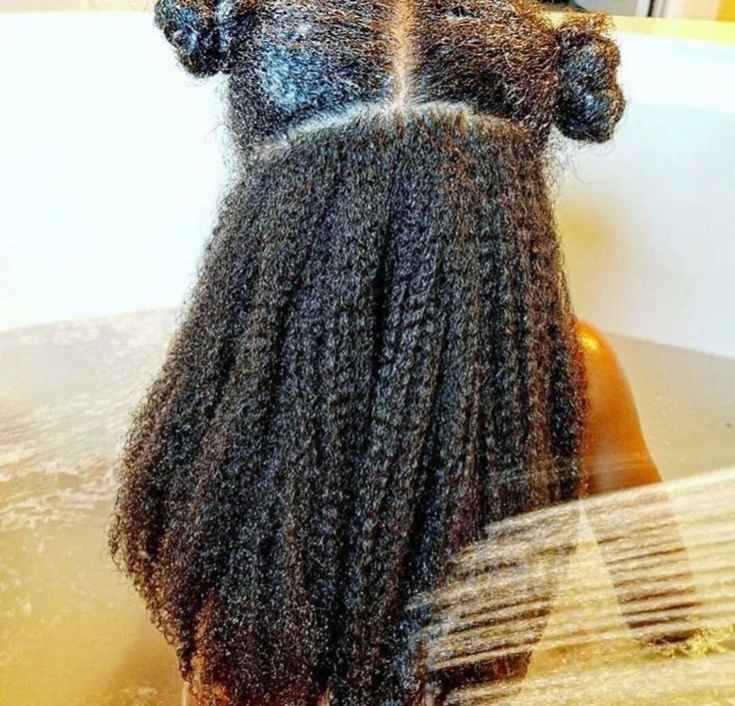
Every child’s hair reacts a little differently to pulling, moisture, and product.
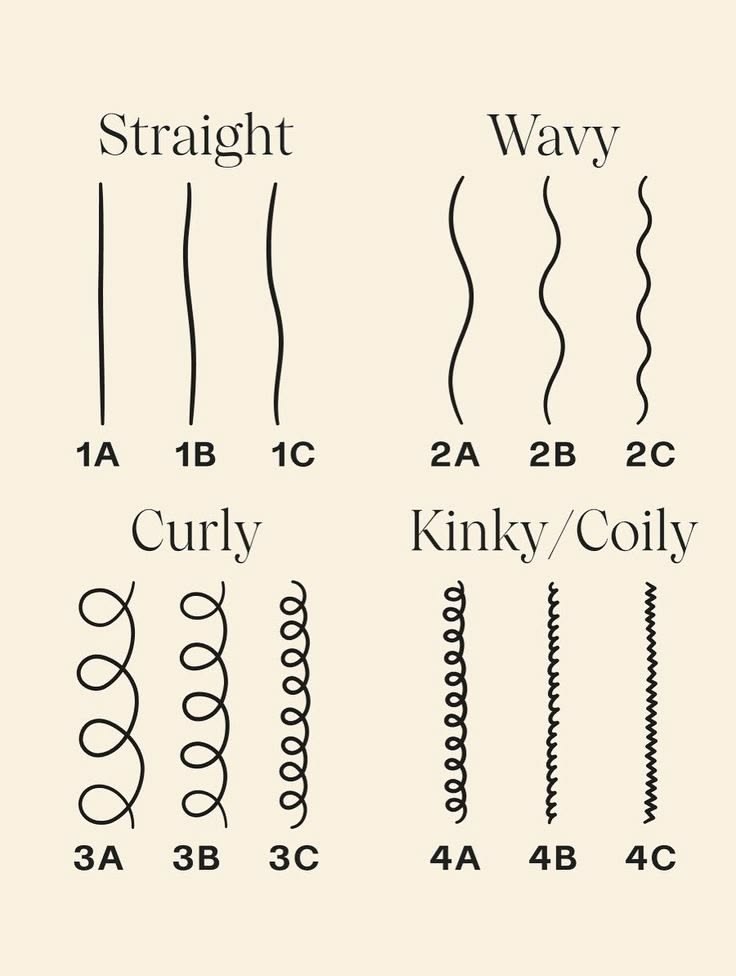
Spending a few minutes with How to Identify Your Child’s Hair Type helps you understand exactly what your child’s strands need.
This knowledge shapes everything from how tight is too tight to which styles suit them best.
Guessing at texture often leads right back to damaging your child’s hair without meaning to.
Support Growth From the Root Up
Protecting existing hair matters, but supporting new growth matters just as much.
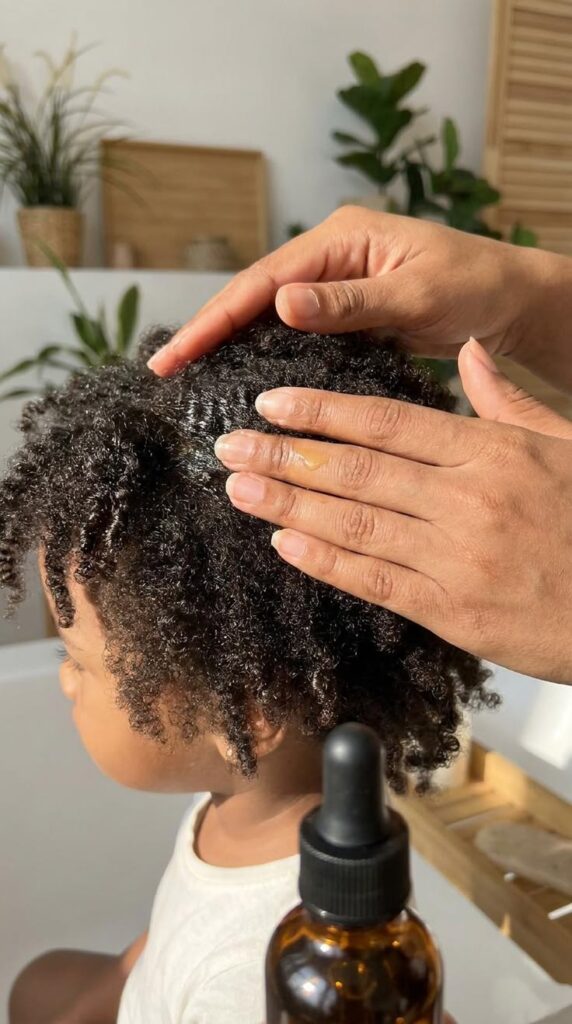
Simple habits like regular scalp massages and lightly oiling the scalp help stimulate circulation and strengthen hair from the root, and habits like these are covered in more depth in Healthy Habits That Support Kids Hair Growth.
Stronger new growth means fewer breakages even on days when styling isn’t perfect.
Growth support and damage prevention work best as a team, especially through busy school terms when styling happens almost every single day.
Common Mistakes Parents Make When Trying to Fix This
Even well-meaning changes can backfire if they are not done carefully.
Switching styles without addressing the actual tension does not solve the underlying problem.
Some parents swap one tight style for another, assuming a different hairstyle automatically means less stress on the hair.
The fixes below help you avoid the most common missteps.
Some parents skip detangling before styling, which forces extra pulling once the style begins.
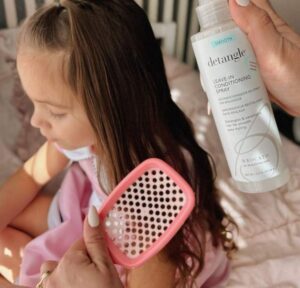
Detangling gently first, using guidance from The Secret to Tear-Free Detangling, removes resistance before any tension is added at all.
Others reach for whatever brush is closest instead of a tool suited to their child’s texture.
The wrong brush adds friction on top of tension that is already there, so comparing options in The Best Hair Brushes for Kids is worth the extra few minutes.
A brush that snags or pulls during smoothing can undo the benefit of a looser style before it even gets secured.
Another common misstep is ignoring dullness or dryness that shows up alongside tight styling.
Dull strands are often more brittle, and understanding The Hidden Reason Your Child’s Hair Looks Dull can reveal a second issue working against the hairline at the same time.
Fixing tension alone will not solve everything if dryness is left untreated.
Waiting too long before adjusting a routine only makes damaging your child’s hair harder to reverse. The fix is rarely about avoiding ponytails and buns completely.
It is about being more mindful of tension, accessories, and recovery time between styles.
Patience matters here more than people expect.
Hair that has been under tension for months does not bounce back after a single gentler style.
Progress usually shows up gradually, first as less soreness, then as fewer flyaways along the hairline.
Sticking with small, consistent changes works far better than searching for one dramatic fix.
Frequently Asked Questions
Is it normal for a tight ponytail to hurt a little?
A little tightness is common, but real pain is not something to ignore.
Soreness that lasts for hours points to too much tension at the root.
If this happens often, it is worth loosening the style right away.
How can I tell if hair ties are too tight?
Check for visible dents, redness, or bumps right after removing the tie.
A hair tie that leaves a deep groove is likely gripping too hard.
Switching to a softer, wider tie usually solves this quickly.
Will thinning edges grow back?
Mild thinning often improves once tension is reduced and the scalp gets time to heal.
More significant thinning can take several months to show real regrowth.
Consistency with gentler styles makes the biggest difference.
Should I stop using ponytails and buns completely?
No, these styles are not the problem on their own.
The issue is almost always how tightly they are pulled and how often the same spot is used.
Rotating styles and easing up on tension solves most cases.
How often should styles be changed to protect the hairline?
Changing the parting or style every one to two weeks gives stressed areas time to recover.
This does not mean redoing the whole head that often, just shifting where the tension lands.
Small rotations make a noticeable difference over a school year.
Is damaging your child’s hair through tight styles reversible?
In most cases, yes, as long as the tension is caught and reduced early.
Hair that has not been damaged at the root usually recovers within a few months of gentler styling.
Ongoing patience and consistency matter more than any single product or trick.

Final Thoughts
Damaging your child’s hair usually happens quietly, through small habits that seem harmless at first.
A slightly looser ponytail, a gentler hair tie, or an extra day of rest between tight styles can protect the hairline for years to come.
None of these changes take more time in the morning, just a little more attention to how the style feels.
Building a routine around How to Build a Healthy Hair Routine for Kids gives every style, from puffs to protective braids, a better chance to stay healthy and strong.
Hair time does not need to feel like a project to get this right. A quick check of tension, a gentler tie, and a little variety in styles cover most of what matters.
Small, steady attention now saves a lot of frustration later, and it keeps hair time feeling calm instead of rushed.
Those few extra seconds each morning end up protecting years of healthy growth.