
How to Build a Healthy Hair Growth Routine for Kids
Disclosure: Some of the links in this post are affiliate links. This means if you click on the link and purchase an item, I will receive an affiliate commission at no extra cost to you.
Every parent wants to see their child’s hair grow long, strong, and healthy, but it is easy to feel unsure where to start.
Building a healthy hair growth routine does not need to be complicated or expensive to work well.
The truth is, most hair growth comes down to a handful of small, repeated habits rather than any single product or trick.
Once you understand the basics of the complete beginner’s guide to kids hair care, the rest of the routine falls into place naturally.
A steady healthy hair growth routine also protects the hair your child already has, which matters just as much as encouraging new growth.
Over time, these little routines often turn into some of the most relaxed, connected moments of your week together, long after the hair itself is done.
This guide walks through each step you need, from wash day basics to nighttime protection and everything in between.
By the end, you will have a full routine ready to start using this week, without needing to buy a single new product first.
Why a Hair Growth Routine Matters for Kids
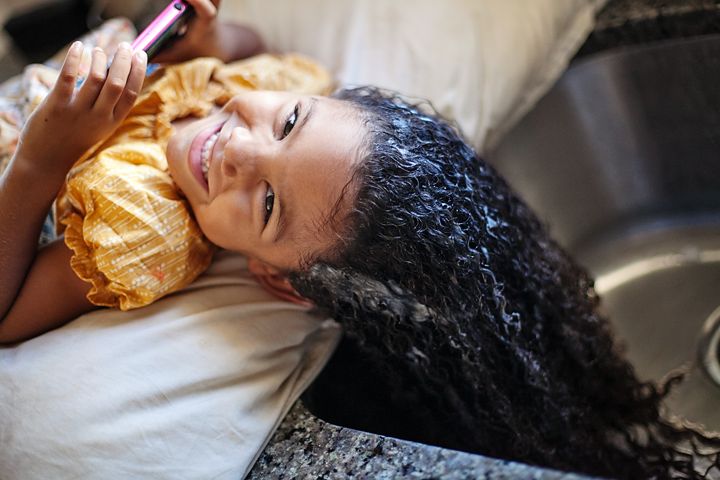
Hair naturally grows at its own pace, but breakage is what usually keeps hair from looking longer over time.
A steady healthy hair growth routine focuses on protecting the length already there while supporting new growth at the scalp.
Kids’ hair is often more delicate than adult hair, which makes gentle, consistent care even more important.
Skipping steps or switching routines constantly can leave hair dry, tangled, and more prone to snapping.
A predictable routine also helps kids feel more comfortable during hair time, since they know exactly what to expect each time.
Consistency, more than any single product, is what makes the biggest difference over several months.
Many parents notice that once a routine becomes familiar, hair time turns from a struggle into something both parent and child actually look forward to.
Step 1: Start With a Consistent Wash Day Routine
Wash day sets the tone for how healthy your child’s hair looks and feels all week.
The best wash day routine for kids walks through each stage, from pre-detangling to the final rinse.
Washing too often can strip natural oils, while washing too rarely can lead to buildup and odor.
How often should you wash your child’s hair? breaks down a schedule based on hair type and activity level.
Using a gentle, sulfate-free shampoo helps clean the scalp without drying out the strands.
A consistent wash day, done on the same rough schedule each week, keeps hair easier to manage overall.
Picking a day that fits your family’s schedule, like a Sunday evening or a Friday afternoon, makes it far easier to stick with over time.

Step 2: Moisturize the Right Way
Moisture is one of the biggest factors in preventing breakage, especially for curly and coily hair types.
How to moisturize kids hair properly covers the layering method that keeps hair soft between wash days.
Water is always the best first step, followed by a leave-in conditioner to lock moisture in.
Leave-in conditioner vs hair milk for kids compares two popular options so you can pick the right one for your child’s hair.
A light oil or butter sealed on top helps hold that moisture in for longer stretches of time.
Dry, brittle hair breaks far more easily than hair that is properly moisturized, so this step should never be skipped.
A quick daily spritz with water or a light leave-in spray, even on busy mornings, keeps thirsty strands from drying out between full moisture sessions.
Step 3: Protect Hair While Sleeping
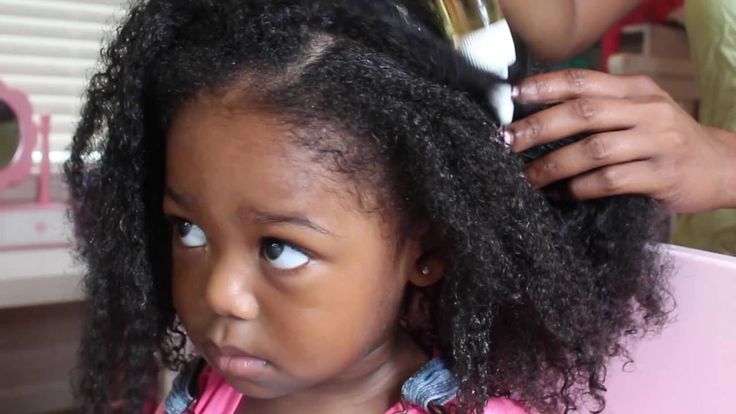
Cotton pillowcases pull moisture from hair and create friction that leads to tangles and breakage overnight.
A satin bonnet, scarf, or pillowcase solves this problem with almost no extra effort required.
Leave-in conditioner vs hair milk for kids explains exactly how much of a difference this small switch can make.
For younger kids who resist wearing a bonnet, a satin pillowcase is an easy alternative that requires no cooperation at all.
This single habit protects hours of overnight friction that would otherwise undo a lot of daytime care.
Building this into the bedtime routine makes it far more likely to stick long term.
Keeping a spare bonnet or pillowcase on hand also helps on laundry day, so the habit never has an excuse to slip and fall out of practice.

Step 4: Choose Protective Styles Wisely
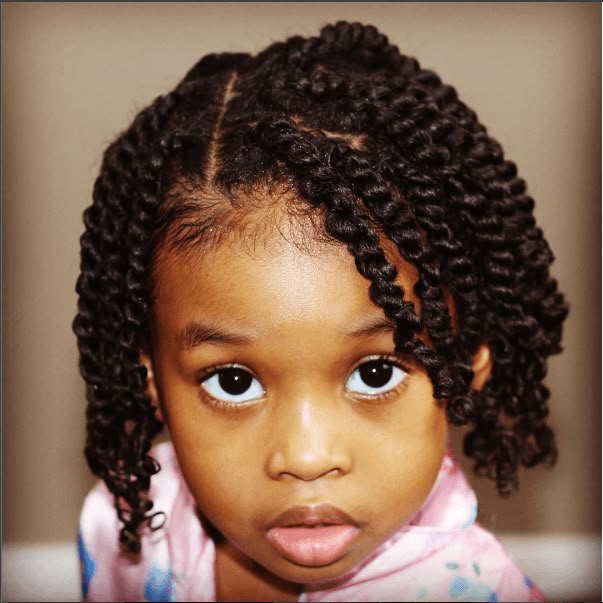
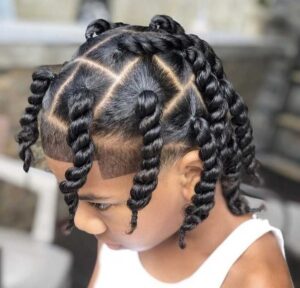
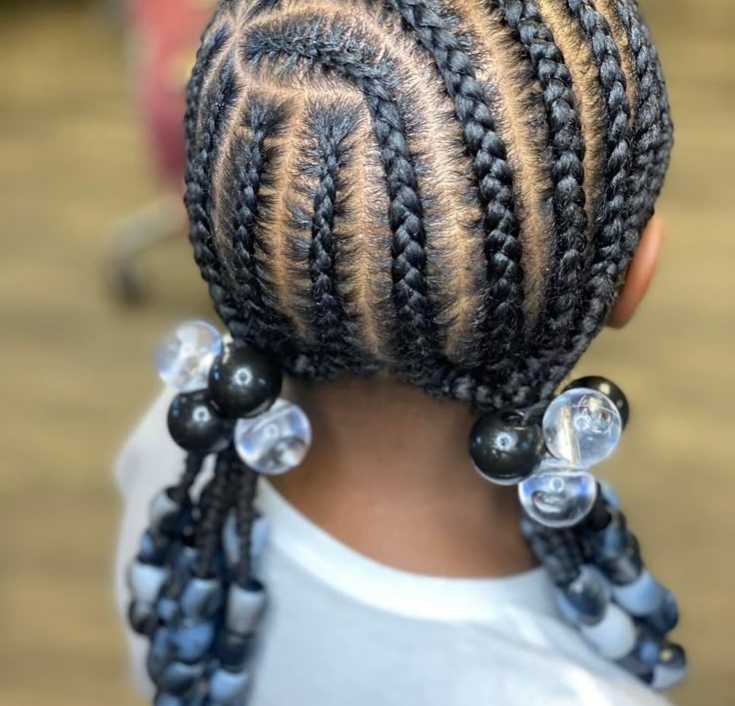
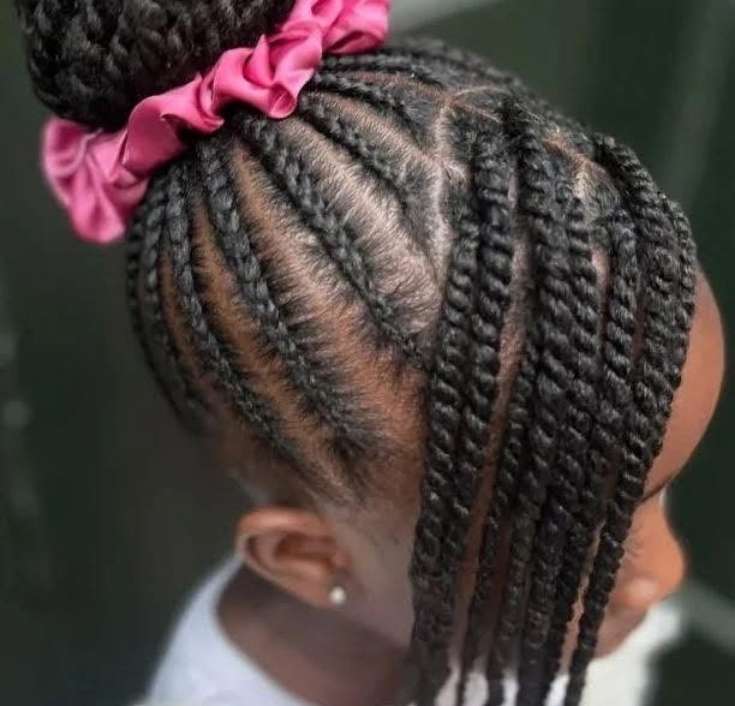
Protective styles reduce daily manipulation, which gives hair more time to grow without being pulled, brushed, or restyled constantly.
17 protective hairstyles for active kids offers a range of options that hold up well through school and play.
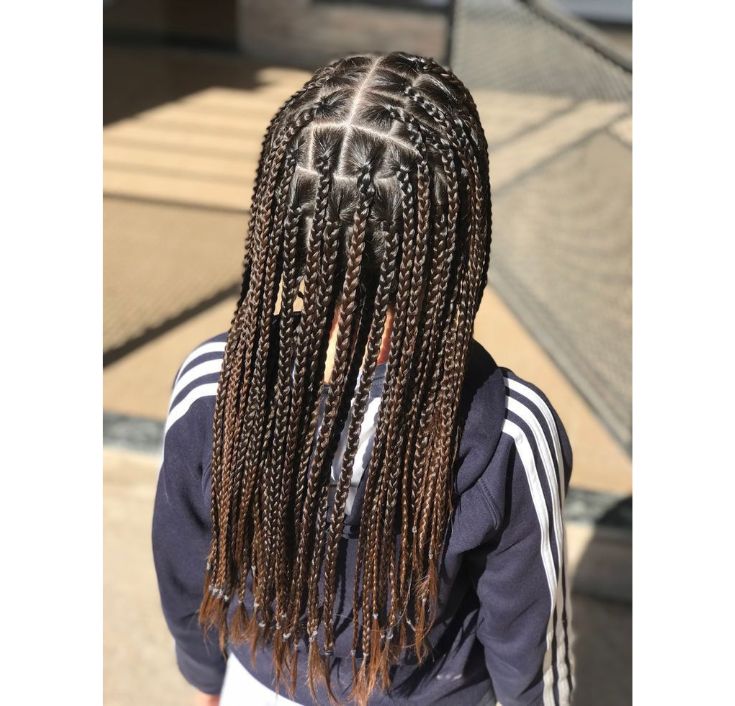
Styles like twists, braids, and cornrows tuck the ends away, protecting them from rubbing against clothes.
Twists for boys: everything parents should know and 35 cornrow styles for kids both cover specific techniques worth exploring.
Even so, protective styles still need gentle care, including light moisturizing and regular check-ins on tension.
Rotating styles every few weeks also gives the scalp a break and a chance to breathe.
Choosing a style that matches your child’s activity level, rather than just what looks trendy, makes it far more likely to actually last through busy weeks at school.
Step 5: Trim When Needed, Not on a Rigid Schedule
Split ends can travel up the hair shaft if left untrimmed, eventually causing more breakage than the trim itself would ever cause.
Should you trim your child’s hair regularly? explains how to judge timing based on how the ends actually look and feel.
How often should kids get haircuts? offers a general guide, though every child’s hair grows and wears differently.
A small trim every few months keeps the ends healthy without sacrificing length in any noticeable way.
Skipping trims entirely often backfires, since damaged ends tend to make hair look shorter and thinner over time.
Checking the ends every month or so, even just with a quick look and feel, helps you catch splitting before it spreads further up the strand and becomes harder to fix.

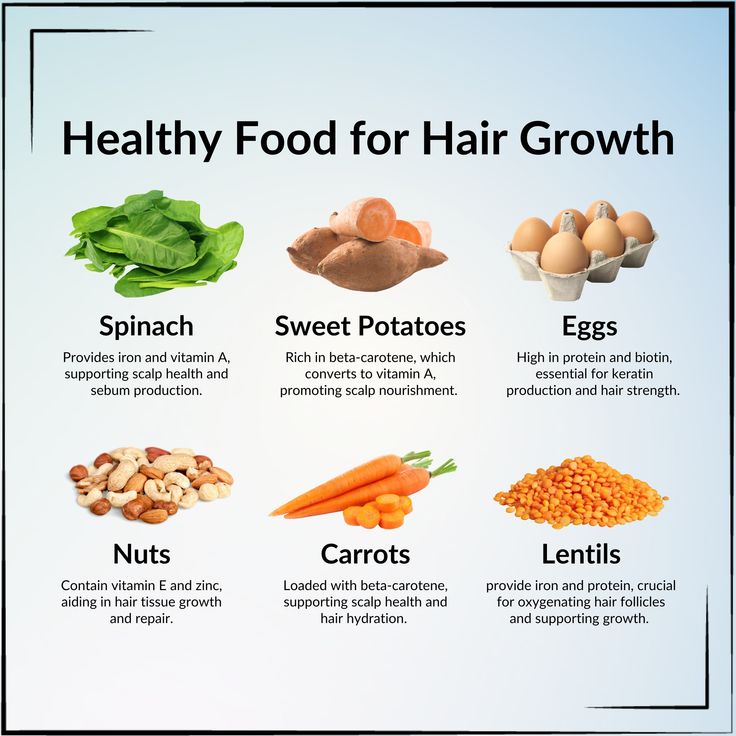
Step 6: Support Growth From the Inside Out
Hair health is not only about products applied from the outside, since nutrition and hydration play a role too.
A balanced diet with enough protein, iron, and healthy fats supports stronger hair growth over time.
Drinking enough water throughout the day also keeps both the scalp and hair strands properly hydrated.
Stress and lack of sleep can affect hair health in kids just as they do in adults, sometimes showing up as extra shedding.
While no single food guarantees faster growth, an overall healthy diet gives hair the best possible foundation to grow from.
This part of a healthy hair growth routine is easy to overlook, but it works alongside every product and styling habit on this list.
Simple changes, like adding more leafy greens or swapping sugary snacks for fruit, can support the whole body, hair included, without requiring a strict new meal plan.
Step 7: Handle Hair Gently Every Day
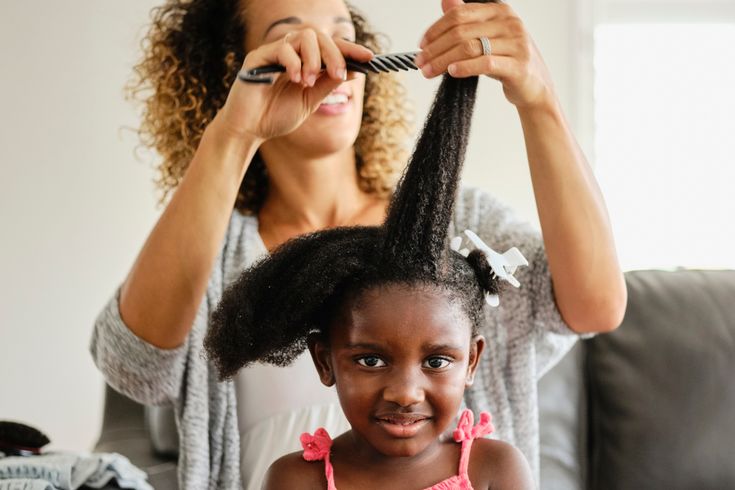
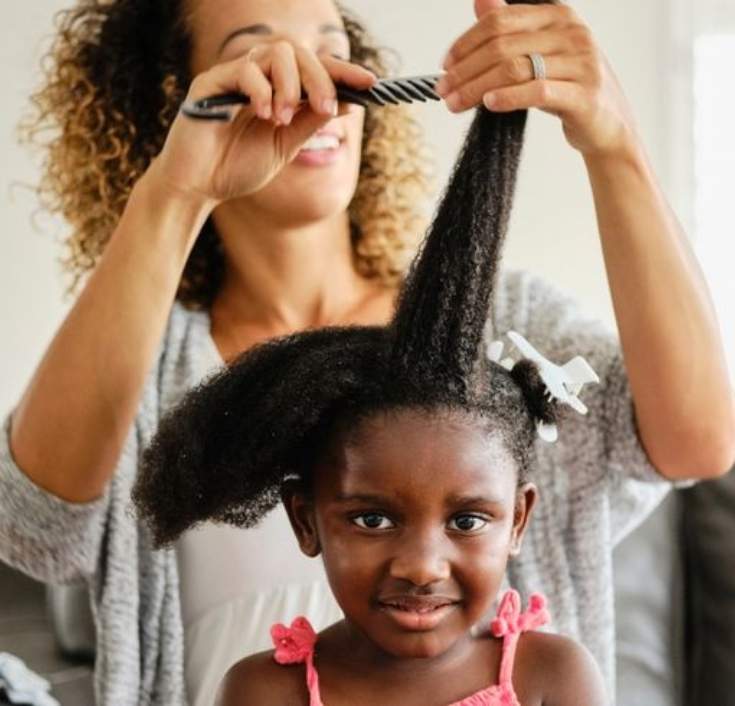
Rough detangling is one of the most common causes of unnecessary breakage in kids’ hair.
The secret to tear-free detangling covers finger detangling and other gentle techniques that reduce pulling.
Wide-tooth comb vs detangling brush compares two popular tools so you can pick the gentlest option for your child’s texture.
Detangling from the ends first, working upward in small sections, causes far less stress on the hair.
Daily gentle brushing or finger combing, rather than aggressive daily styling, also helps preserve length.
Small, patient habits practiced every day add up to noticeably healthier hair within a few months.
This step is often the simplest part of a healthy hair growth routine, yet it makes one of the biggest differences in how much length is retained over a year.
Common Mistakes That Slow Hair Growth
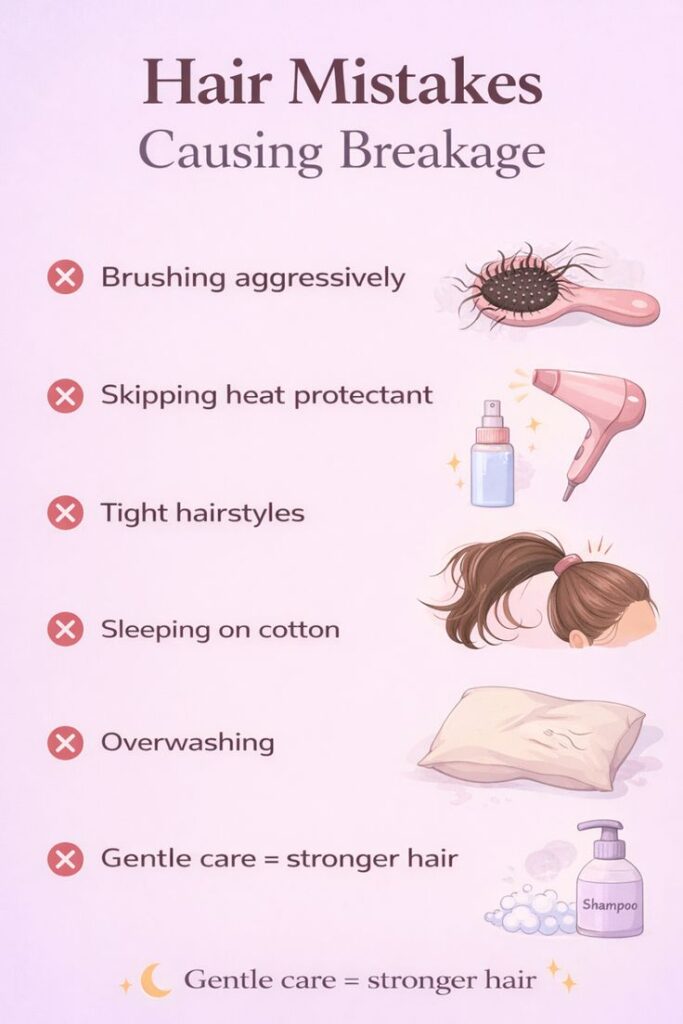
A handful of everyday habits can quietly undo all the progress a good healthy hair growth routine builds over time.
Recognizing these mistakes early makes it much easier to correct course before real damage sets in.
Most parents are not making these mistakes on purpose, since many of them look harmless on the surface.
Once you know what to watch for, small adjustments usually fix the problem within a week or two.
The good news is that none of these habits require expensive products or major routine changes to correct.
Overwashing or Underwashing
Washing too frequently strips natural oils, while washing too rarely allows buildup to weigh hair down.
Finding the right balance for your child’s specific hair type and lifestyle takes some trial and error.
The hair washing mistake many parents don’t realize they’re making covers this exact issue in more depth.
Watching how the scalp feels a day or two after washing is often the easiest way to judge if the current schedule is working.
Skipping Moisture Between Wash Days
Hair that only gets moisture on wash day tends to dry out fast, especially in curly and coily textures.
A quick daily or every-other-day moisture refresh keeps hair soft and far less prone to snapping.
The best hair oils for children’s hair can help you choose a light sealant for this step.
A small spray bottle kept in the bathroom makes this quick habit far easier to remember each morning.
Using Products With Harsh Ingredients
Some shampoos and stying products contain drying alcohols or heavy sulfates that damage hair over time.
How to choose the right shampoo for kids and the best conditioners for every hair type both walk through what ingredients to look for and avoid.
Reading labels regularly, rather than just once, helps you catch new formulas that change over time.
Why expensive hair products aren’t always better is worth a read too, since price rarely tells you much about how gentle a product actually is.
Styling Too Tightly
Tight ponytails, braids, or ballies can pull at the hairline and cause thinning near the edges.
The biggest braiding mistake that can lead to hair loss explains how to spot the warning signs before real damage happens.
Loosening styles at the first sign of tension protects the hairline for the long run.
A style should always feel snug and secure, never sharp or painful at the roots.
How Long It Takes to See Results
Hair grows at an average rate of about half an inch per month, though this varies from child to child.
A consistent healthy hair growth routine will not show dramatic results overnight, and that is completely normal.
Most parents start noticing less breakage and shedding within four to six weeks of steady care.
Visible length differences usually take a few months longer to become obvious, especially with curlier hair types.
Patience and consistency matter more than any single product during this waiting period.
Taking photos every month is a simple way to track progress that daily glances often miss.
It also helps to remember that a healthy hair growth routine is meant to be sustainable, not something that needs to feel perfect every single day to actually work.
Adjusting the Routine as Your Child Grows
A healthy hair growth routine that works for a toddler will not always fit a school-aged child in the same way.
Younger kids often have shorter attention spans, so shorter, simpler routines tend to work best at first.
Toddler hair care made simple offers age-appropriate tips for building good habits early without overwhelming a little one.
As kids get older, they can often take on small parts of the routine themselves, like applying leave-in conditioner.
Involving kids in their own hair care, even in small ways, tends to make the whole process smoother.
Adjusting expectations and steps as your child grows keeps the routine realistic instead of frustrating for everyone involved, parent and child alike.
Putting It All Together
Building a full healthy hair growth routine can feel like a lot at first, but most families find their rhythm within a few weeks.
Start with just one or two steps, such as a consistent wash day and nighttime protection, before adding more.
Once those habits feel automatic, layering in moisture routines, protective styles, and gentle detangling becomes much easier.
There is no need to get every step perfect right away, since small, steady improvements add up over time and matter far more than any single perfect day.
The goal is a routine that fits naturally into your family’s schedule, not one that adds extra stress to an already busy week.
Frequently Asked Questions
How often should I wash my child’s hair for healthy growth?
Most kids do well with washing once a week or every other week, depending on hair type and activity level.
Very active kids may need slightly more frequent washing to keep the scalp clean.
How to identify your child’s hair type can help you figure out the right washing frequency for your specific child.
What foods support healthy hair growth in kids?
Protein-rich foods, iron sources, and healthy fats all support stronger hair growth over time.
Fruits and vegetables with vitamins A and C also play a supporting role in scalp health.
A balanced overall diet matters more than any single food or supplement.
Offering a variety of foods across the week, rather than relying on one so-called superfood, tends to work best in practice.
How can I tell if my child’s routine is working?
Less breakage on the pillow, brush, or clothing is usually the first sign a routine is working well.
Softer, more manageable hair between wash days is another early indicator worth noticing.
Length changes tend to show up several months after the smaller signs appear.
Do protective styles actually help hair grow faster?
Protective styles do not speed up growth directly, but they reduce breakage that would otherwise shorten visible length.
Less daily manipulation means the hair that grows gets to stay on the head longer.
This makes protective styles a smart addition to any growth routine, especially for kids prone to tangling or dryness.
Is it normal for kids to shed hair every day?
Yes, losing some hair strands daily is a completely normal part of the natural growth cycle.
Excessive shedding, bald patches, or sudden hair loss are signs to check in with a pediatrician.
Signs your child’s hair is healthy covers what a normal, healthy pattern actually looks like.
Keeping a rough mental note of what is typical for your child makes it easier to spot real changes early.

Final Thoughts
A healthy hair growth routine comes down to consistency, gentle handling, and a few simple habits repeated week after week.
Wash day, moisture, nighttime protection, and thoughtful styling choices all work together to support stronger, longer hair.
Small mistakes are easy to fix once you know what to look for and adjust along the way.
Healthy habits that support kids hair growth is a great next read if you want even more practical tips.
With patience and consistency, most families start seeing real progress within just a couple of months.
Building a healthy hair growth routine is less about perfection and more about showing up for your child’s hair a little bit, week after week, all year round.

One Comment