
The Best Conditioners for Every Hair Type
Disclosure: Some of the links in this post are affiliate links. This means if you click on the link and purchase an item, I will receive an affiliate commission at no extra cost to you.
Conditioner is often treated as an afterthought, tucked in right after shampoo without much thought. For kids’ curls, though, it usually does more heavy lifting than the shampoo itself.
The right formula softens strands, closes the cuticle, and makes the whole rest of wash day easier.
Finding the best conditioners for every hair type starts with knowing your child’s texture. Fine, straight hair needs something completely different from thick, coily curls.
Checking how to identify your child’s hair type first can save you from a cabinet full of half-used bottles.
Once you understand what each hair type needs, choosing conditioners for every hair type gets much simpler. Pairing the right formula with the best wash day routine for kids rounds out a smoother, calmer routine.
A good conditioning routine can turn wash day from a struggle into a quiet bonding moment. Let’s go through what works best for each hair type and why.
Why Conditioner Matters So Much for Kids’ Hair
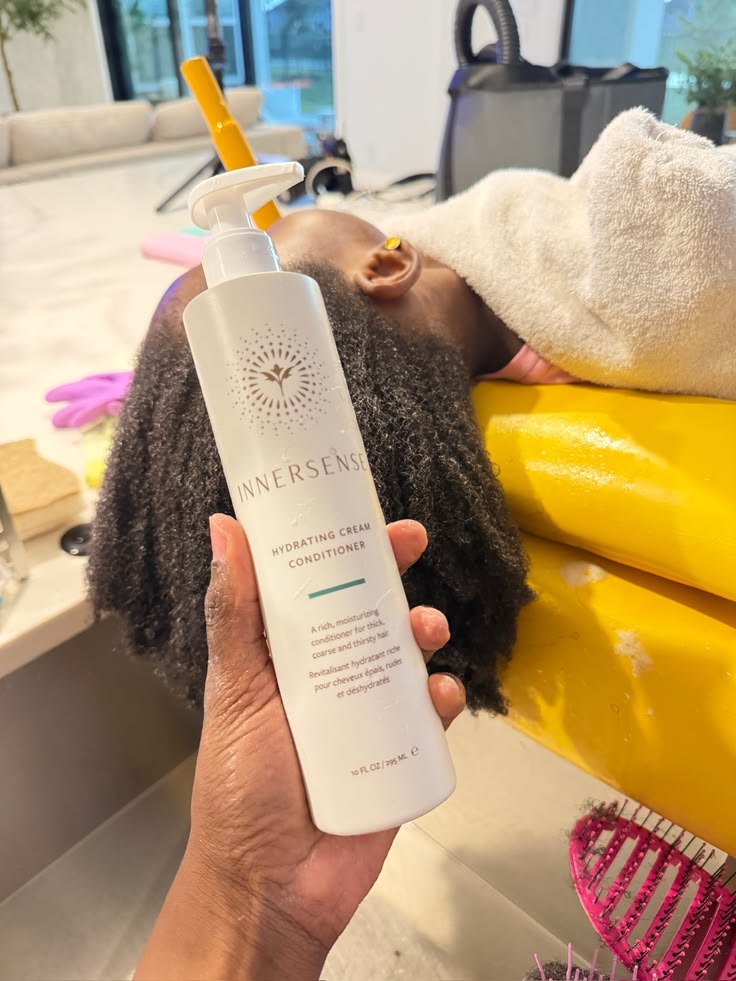
Shampoo cleanses, but it can also leave the hair cuticle rough and open.
Conditioner smooths that cuticle back down, which reduces frizz and tangling.
It also replaces some of the moisture and oils that washing removes.
This step matters even more for curly and coily hair, which loses moisture faster than straight hair.
Skipping conditioner regularly can lead to dryness and breakage over time.
Conditioner and Hair Porosity
Hair porosity affects how quickly a strand absorbs and holds moisture.
Low-porosity hair resists moisture and often needs lighter, water-based conditioners applied to damp hair.
High-porosity hair absorbs moisture quickly but loses it just as fast, so it usually needs richer, oil-sealed formulas.
Testing porosity at home is simple.
A strand that floats is usually low porosity, while one that sinks quickly is high porosity.
Matching conditioner weight to porosity, not just curl pattern, rounds out a fuller approach.
This is a key part of finding the best conditioners for every hair type.

Conditioner for Straight Hair
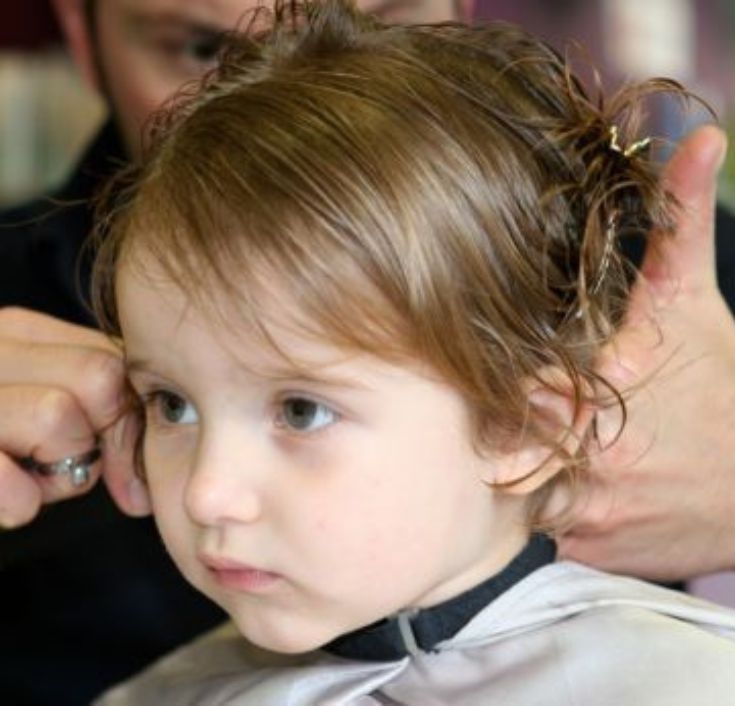
Straight hair usually needs the lightest conditioner on this list.
A heavy formula can leave fine, straight strands looking flat and greasy.
Look for lightweight conditioners with ingredients like aloe vera or light plant oils.
Focusing application mostly on the mid-lengths and ends prevents buildup at the roots.
A quick rinse afterward keeps straight hair from feeling weighed down.

Conditioner for Wavy Hair
Wavy hair sits between straight and curly, so it needs a slightly richer formula.
Ingredients like jojoba oil and shea butter add moisture without flattening the waves.
Applying conditioner while hair is soaking wet helps it spread evenly.
A wide-tooth comb can help distribute product through the length of the hair.
Rinsing with cooler water at the end helps waves hold their shape.

Conditioner for Curly Hair
Curly hair typically needs a richer, more hydrating conditioner than wavy hair.
Formulas with shea butter, coconut oil, or avocado oil work especially well.
Detangling with conditioner still in the hair makes the process much gentler.
Reviewing the secret to tear-free detangling can help you get the most out of this step.
Leaving a small amount of conditioner in, instead of rinsing completely, can add extra moisture for the day.

Conditioner for Coily Hair
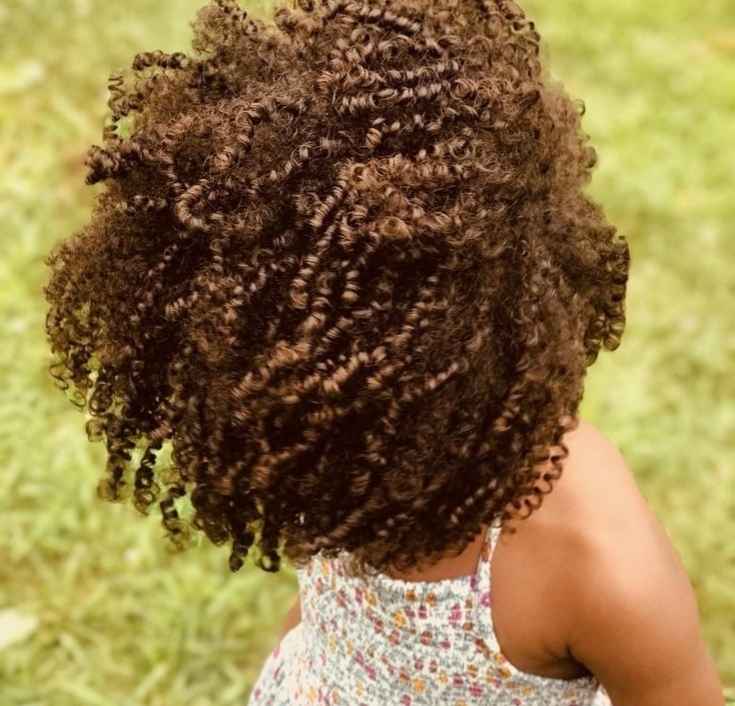
Coily hair usually needs the richest conditioner of all the hair types. Deep, hydrating formulas with butters and natural oils help combat dryness.
This hair type also benefits from conditioner left on for a few extra minutes before rinsing.
Sectioning hair before applying conditioner makes the process more thorough and less overwhelming.
Checking hair type 3: care guide for kids can help confirm where your child’s coils fall on the spectrum.

Conditioner and Protective Styles
Conditioner still plays a role while hair is styled in braids, twists, or another protective look.
A light rinse-out conditioner used sparingly at wash time keeps the scalp comfortable underneath a style.
Focusing conditioner mostly on the scalp, rather than saturating the whole style, helps it last longer.
A spray-on leave-in conditioner can refresh a protective style between full wash days.
Covering hair at night, as covered in satin bonnets for kids: do they helpSatin Bonnets For Kids: Do They Help??, helps that moisture stay put longer.
Rinse-Out vs Leave-In Conditioner
Rinse-out conditioner is applied after shampoo and washed out before styling.
Leave-in conditioner stays in the hair all day, adding ongoing moisture.
Many curly and coily hair routines benefit from using both in the same wash day.
Comparing leave-in conditioner vs hair milk for kids can help you decide which leave-in product fits best.

Conditioner and the LOC Method
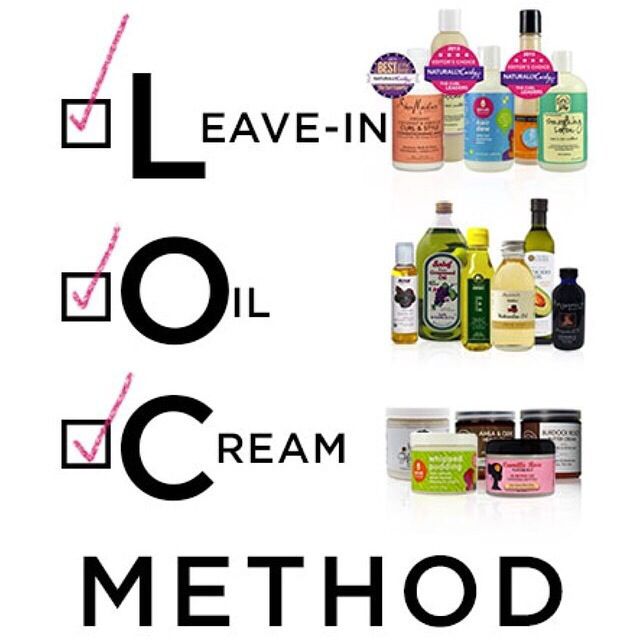
The LOC method stands for liquid, oil, and cream, applied right after conditioning.
A leave-in conditioner or water spray adds the first layer of moisture.
Oil seals that moisture into the strand before a cream locks everything in place.
This method works especially well for coily hair that dries out quickly after rinsing.
How to encourage healthy hair growth in kids supports a fuller, healthier-looking head of hair over time.
Deep Conditioning: When and How Often
Deep conditioning treatments go further than a regular rinse-out formula.
They usually stay on longer and penetrate the hair shaft more deeply.
Curly and coily hair often benefits from a deep treatment once a week.
Straight or wavy hair may only need one every few weeks.
Watching how hair responds is the best way to settle on the right frequency.
Heat and Deep Conditioning
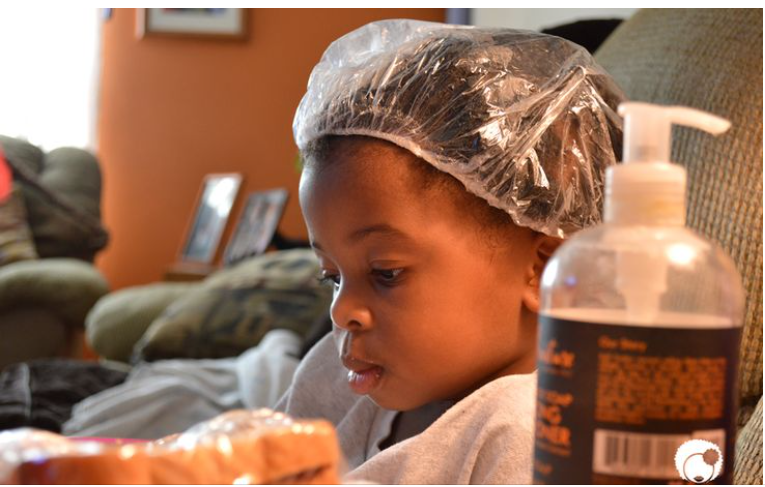
Adding gentle heat can help a deep conditioner penetrate the hair shaft more effectively.
A warm towel or shower cap can trap natural body heat during treatment.
This is not necessary every time, but it can boost results on especially dry weeks.
Always let the conditioner cool before rinsing to avoid any scalp discomfort.
This small step pairs well with the best hair oils for children’s hair for an even deeper moisture boost afterward.
Ingredients Worth Looking For
Shea butter, coconut oil, and aloe vera are common in high-quality kids’ conditioners.
Glycerin and panthenol both help draw and hold moisture in the hair shaft.
Natural proteins can strengthen strands without making them feel stiff or coated.
A conditioner with a few of these ingredients usually performs well across curl types.

Conditioner and Different Curl Patterns
Type 2 waves usually thrive with a lightweight, low-buildup conditioner.
Type 3 curls often need a moderate amount of richness to stay defined without looking flat.
Type 4 coils generally respond best to the heaviest, most hydrating formulas available.
Matching conditioner richness to curl pattern is a fast way to find the best conditioners for every hair type.
Checking the different kids hair textures explained can help pinpoint exactly where your child’s pattern falls.
Ingredients to Watch Out For
Heavy silicones can build up on hair over time and block moisture from getting in.
Sulfates in a conditioner are less common, but still worth avoiding when possible.
Artificial fragrances can irritate sensitive scalps, especially in babies and toddlers.
Checking why expensive hair products aren’t always better can help you focus on ingredients instead of price or packaging.
Conditioner for Multiple Kids in One Household
Families with more than one child often want a single conditioner that works across textures.
A moderately rich, all-purpose formula can cover a range of hair types reasonably well.
Keeping a second, richer conditioner on hand for a coilier sibling fills in any gaps.
This approach saves shelf space while still meeting each child’s needs.
How to choose the right shampoo for kids can help you pair a matching shampoo too.
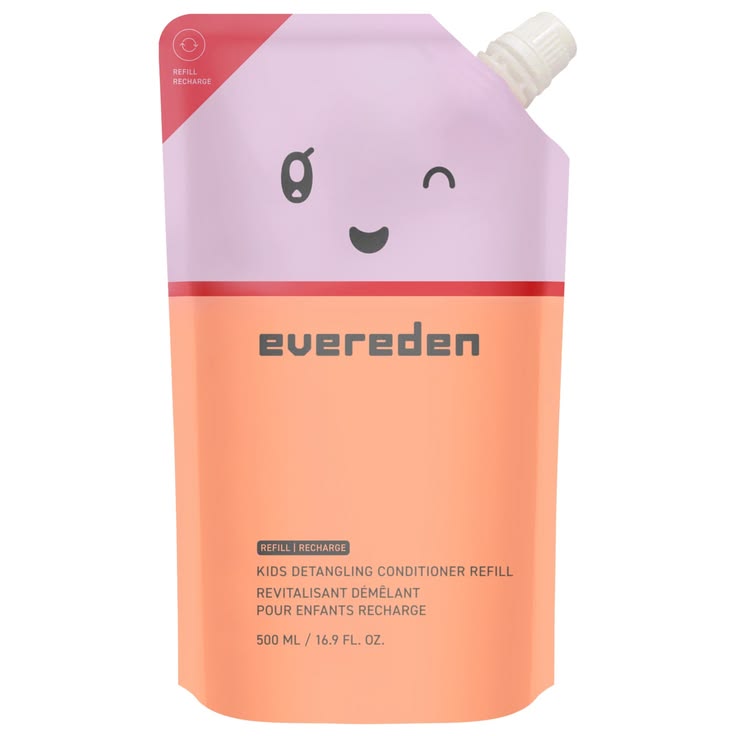
How to Apply Conditioner Correctly
Applying conditioner section by section helps ensure even coverage.
Starting at the ends and working upward prevents overloading the roots with product.
Using fingers to gently work through tangles is often gentler than combing right away.
Rinsing with lukewarm water helps seal the cuticle before styling begins.
Traveling With Conditioner
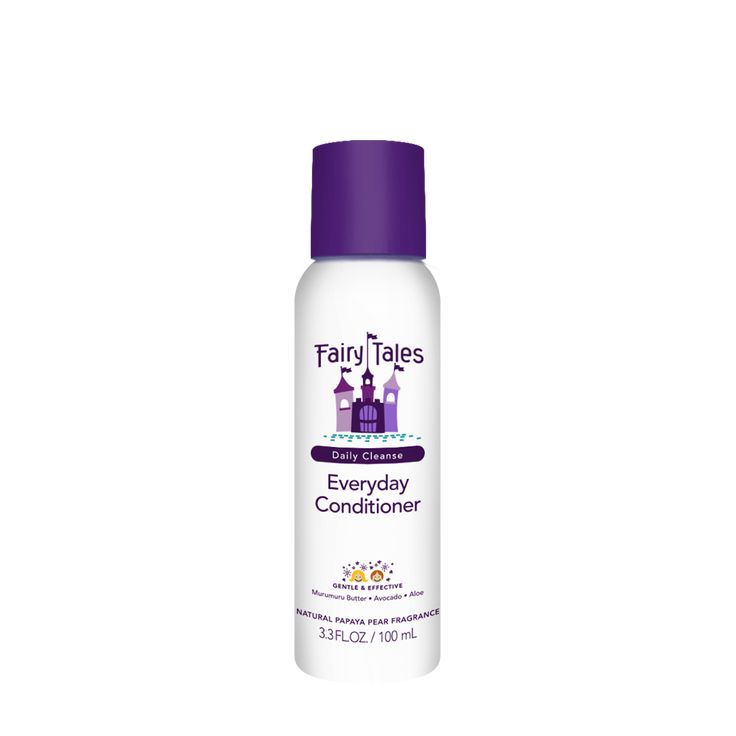
Packing conditioner for a trip usually means downsizing into a travel-friendly bottle.
TSA-approved sizes make it easy to bring a favorite formula on a flight.
Chlorine and salt water can both strip moisture faster than usual while traveling.
A deep conditioning treatment packed for vacation can undo some of that dryness after a beach day.
Keeping a light comb nearby, based on the best hair brushes for kids, rounds out a simple travel kit.
Co-Washing With Conditioner
Co-washing means using conditioner instead of shampoo to cleanse the hair and scalp.
This works well for very dry or coily hair that gets stripped easily by regular shampoo.
A gentle, sulfate-free conditioner designed for cleansing works best for this method.
A true shampoo is still needed occasionally to remove buildup that co-washing cannot fully clear.
Conditioner and Detangling
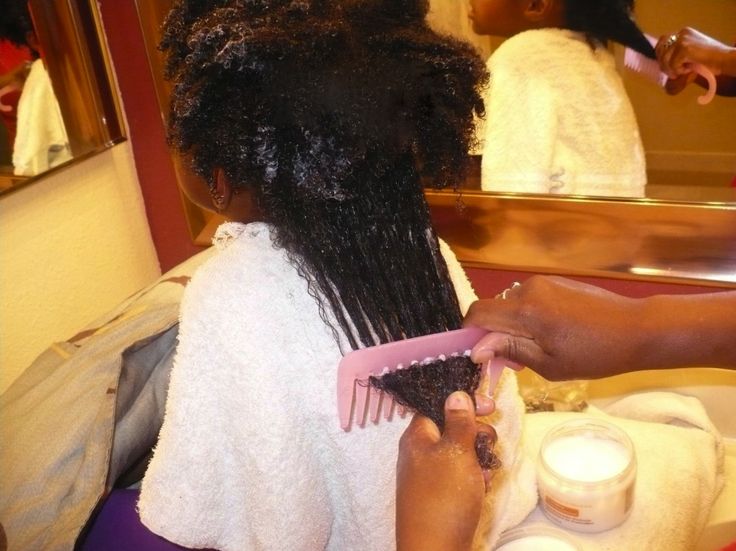
Detangling with conditioner still in the hair makes the whole process gentler.
The slip from conditioner reduces friction between the comb and the strands.
Starting at the ends and working upward in small sections prevents unnecessary breakage.
Following the best detangling sprays for kids can add even more slip on especially tangled days.
Conditioner for Babies and Toddlers
Very young hair usually needs only a small amount of a gentle, lightweight conditioner.
Fragrance-free formulas are the safest starting point for sensitive newborn skin.
Toddlers with thicker curls coming in may need a slightly richer formula sooner.
A small patch test is worth doing the first time you try a new product.

Common Conditioning Mistakes to Avoid
Using too little conditioner is one of the most common mistakes for curly and coily hair.
Rinsing too thoroughly can strip away the moisture the conditioner just added.
Skipping conditioner on non-wash days, even for a quick refresh, can leave curls feeling dry.
Ignoring how to keep kids’ scalp healthy while focusing only on the strands is another misstep worth avoiding.
Building Conditioner Into a Full Routine
Conditioner works best as one part of a full hair care routine.
Following it with a leave-in product locks in extra moisture for the day.
Adding a light oil afterward can seal everything in even further.
This layered approach pairs well with how to build a healthy hair routine for kids for lasting results.
Signs You Need a Different Conditioner
Hair that still feels tangled after conditioning may need a richer formula.
Curls that look flat or greasy might be getting a conditioner that is too heavy.
Persistent dryness despite regular use often means it is time to switch products.
Watching for signs your child’s hair is healthy can help confirm if the current conditioner is working.
Seasonal Conditioning Adjustments
Winter air can pull moisture from hair faster, calling for a richer conditioner.
Summer humidity and frequent swimming often mean hair needs more consistent conditioning.
Chlorine and salt water both strip moisture, so a deep conditioner after swim days helps.
Adjusting richness with the seasons keeps curls balanced throughout the year.
Conditioner and Scent Sensitivity
Fragrance can make a conditioner feel more luxurious, but it is not always the best sign of quality.
Some children have sensitive skin that reacts to strong scents, even in gentle formulas.
Fragrance-free options are widely available and work just as well from a moisture standpoint.
Testing a small amount before committing to a full-size bottle can catch a reaction early.
Choosing based on ingredients rather than scent keeps the focus on real performance.
Reading Conditioner Labels
Ingredient lists are ordered from highest to lowest concentration.
Water usually comes first, followed by the main conditioning agents.
A short, recognizable list is often a good sign of quality.
Comparing two labels side by side reveals more than front-of-bottle marketing claims.
This habit, paired with the hidden reason your child’s hair looks dull, helps you shop with more confidence over time.
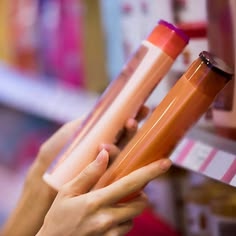
Conditioner for Active Kids
Kids who swim or play sports often need conditioner more frequently than less active kids.
Chlorine and sweat can both strip moisture and leave hair feeling rough.
A leave-in conditioner applied before swimming can create a light protective barrier.
A deeper conditioning treatment afterward helps replace what was lost during activity.
Building this into a routine keeps hair balanced despite a busy schedule.
How often should you wash your child’s hair? offers more timing guidance.
Storage and Shelf Life
Conditioner lasts longer when stored away from direct heat and sunlight.
A steamy bathroom shelf can shorten shelf life faster than a cool cabinet.
Keeping the cap tightly closed after each use also helps preserve the formula.
Most conditioners stay fresh for six months to a year once opened.
A change in smell, color, or texture is a clear sign it is time to replace the bottle.
Rotating through a few trusted options is another way to land on the best conditioners for every hair type.

Involving Your Child in Conditioning Time
Letting a child choose their own conditioner scent can make wash day feel more fun.
Giving them a small task, like squeezing the bottle themselves, builds a sense of independence.
Explaining in simple terms why the conditioning step matters helps them understand the routine.
A little involvement often turns a resistant wash day into a cooperative one.
Wide-tooth comb vs detangling brush is another good topic to explore together once conditioner is rinsed out.
Frequently Asked Questions
How much conditioner should I use on my child’s hair?
The right amount depends on hair length and thickness.
A coin-sized amount usually works for shorter hair, while longer curls may need a palmful.
Thicker, coilier hair typically needs more product than fine, straight hair.
Adjusting based on how hair feels after rinsing helps you find the right amount over time.
Can I skip shampoo and only use conditioner?
Yes, this is called co-washing and works well for some hair types.
It suits very dry or coily hair that gets stripped easily by shampoo.
A true shampoo is still needed occasionally to clear buildup that conditioner cannot remove.
Alternating between the two methods often works best for most families.
Should I use the same brand for shampoo and conditioner?
Using the same brand is not required, though it can simplify shopping.
Some parents mix and match based on which formulas work best for their child.
What matters most is the ingredient list, not the matching bottles.
Testing combinations from different brands can sometimes lead to better results.
How long should I leave conditioner in before rinsing?
A regular rinse-out conditioner usually needs only two to three minutes.
Deep conditioning treatments can stay in for fifteen to thirty minutes for best results.
Following the instructions on the specific product is the safest approach.
Longer is not always better, so avoid leaving product in far past the recommended time.
Is it normal for conditioner to make hair feel heavier at first?
Yes, this is common, especially when switching to a richer formula.
Hair often needs a wash or two to adjust to a new product.
If the heaviness does not improve after a few uses, the conditioner may be too rich.
Switching to a lighter formula usually resolves the issue.

Final Thoughts
Finding the best conditioners for every hair type takes a little patience and observation.
Pay close attention to how your child’s curls respond after each wash.
Lighter formulas suit straight and wavy hair, while richer ones suit curly and coily textures.
Hair needs can also shift with the seasons, growth spurts, and how active your child has been that week.
Pairing the right conditioner with the best scalp care routine for children rounds out a gentle, complete hair care routine.