
How Often Should You Wash Your Child’s Hair?
Disclosure: Some of the links in this post are affiliate links. This means if you click on the link and purchase an item, I will receive an affiliate commission at no extra cost to you.
Wash day can feel like a guessing game when nobody tells you the right answer. Some weeks your child’s curls look perfectly okay, other weeks you’re staring at the shampoo bottle wondering if it still works.
Here is the good news, there is no single rule that applies to every head of hair, and once you understand a few key factors, the confusion disappears fast
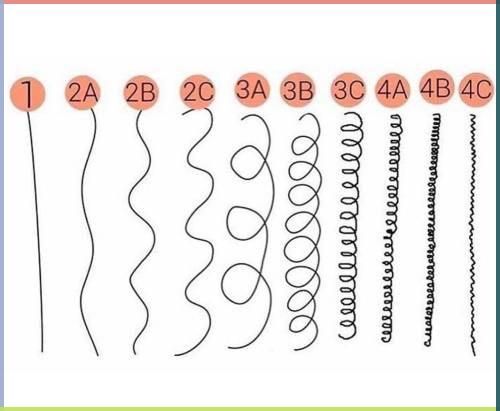
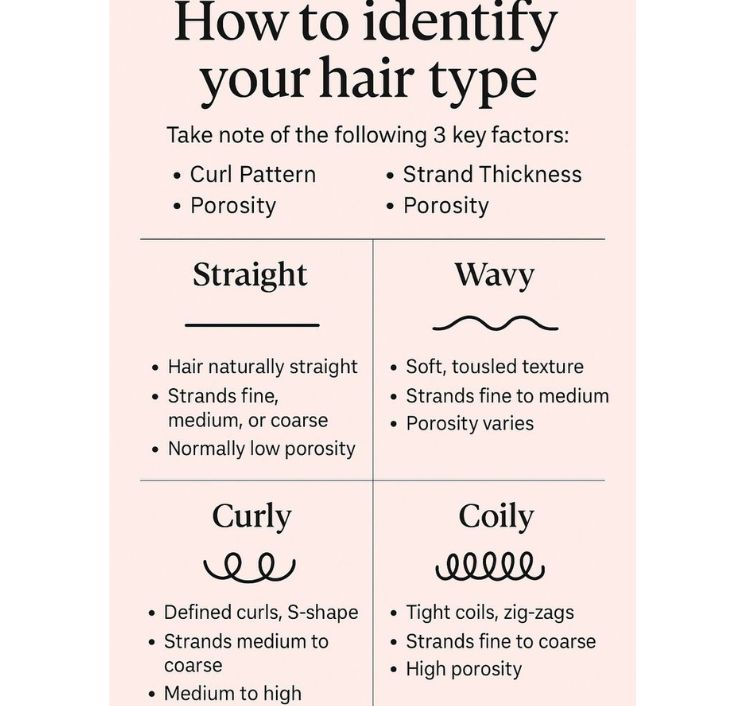
Getting this right starts with understanding your child’s hair type and how well it holds onto moisture. Curly and coily strands usually go longer between washes than straight hair, since natural oils take longer to travel down each strand.
If you haven’t pinned down which category your child falls into yet, learning your child’s hair type makes every decision after this one much easier.
Once you find the right rhythm, washing your child’s hair stops feeling like hard work and starts feeling like a routine you both actually enjoy.
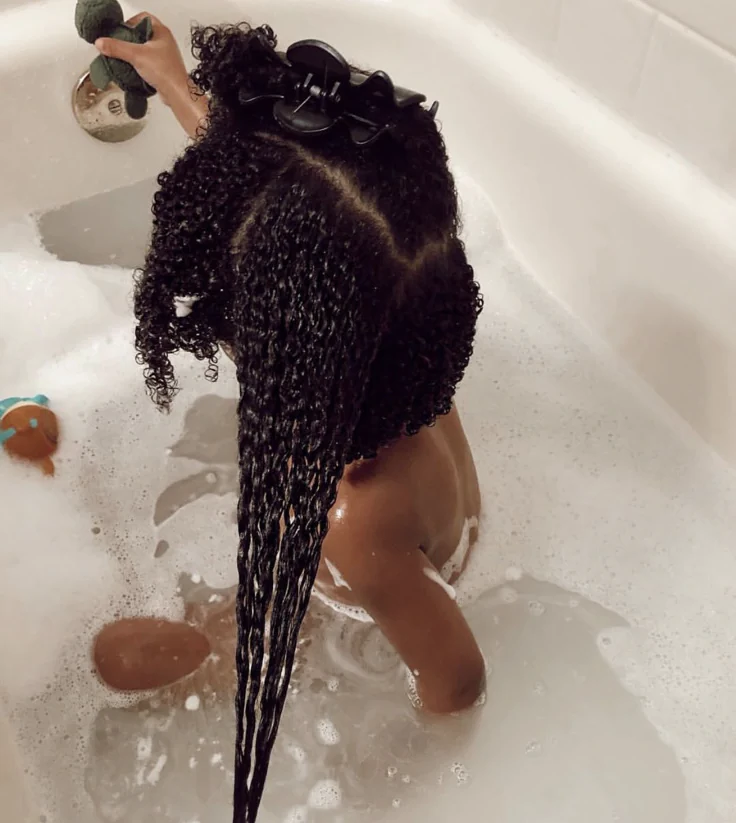
These small moments, working through tangles, splashing water, picking a favorite shampoo scent, often turn into the memories kids carry with them for years.
A steady wash day routine built around your child’s needs takes away most of the guesswork and makes the whole process feel calmer for everyone involved.
So let’s walk through exactly how often your child’s hair needs a wash, based on texture, age, and how active they are, so you can stop second-guessing and start enjoying this time together.
What Determines How Often You Should Wash
There’s no universal number because every child’s scalp and strands behave differently, and treating every kid the same way usually backfires.
A few factors matter more than others, and once you understand them, building a realistic schedule gets much simpler.
Genetics play a role too, since some kids naturally produce more scalp oil than their siblings even at the same age.
Diet and hydration can shift how quickly scalp oil builds up as well, though the effect tends to be smaller than texture or activity level.
Paying attention to these details early saves a lot of trial and error later on, and it means fewer surprise bad-hair days down the road.
Hair Type and Texture
Straight hair tends to get oily fastest since sebum travels down the shaft with ease.
Curly and coily hair holds onto moisture longer, so washing too often can leave it dry and brittle.
Understanding the different hair textures helps you match frequency to what your child actually has.
Age and Scalp Oil Production
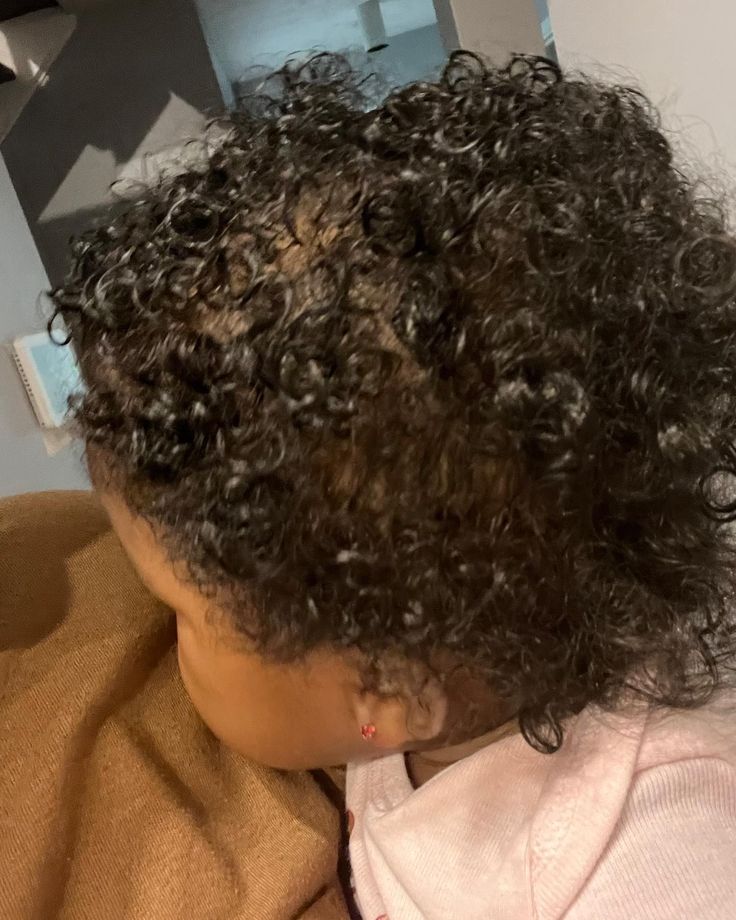
Babies and toddlers usually produce less scalp oil than older kids,
so their hair rarely needs frequent washing.
As children grow older, hormonal shifts and more outdoor play can change how quickly oil builds up.
Toddler hair care basics are worth revisiting anytime your child hits a new stage.
Activity Level and Lifestyle
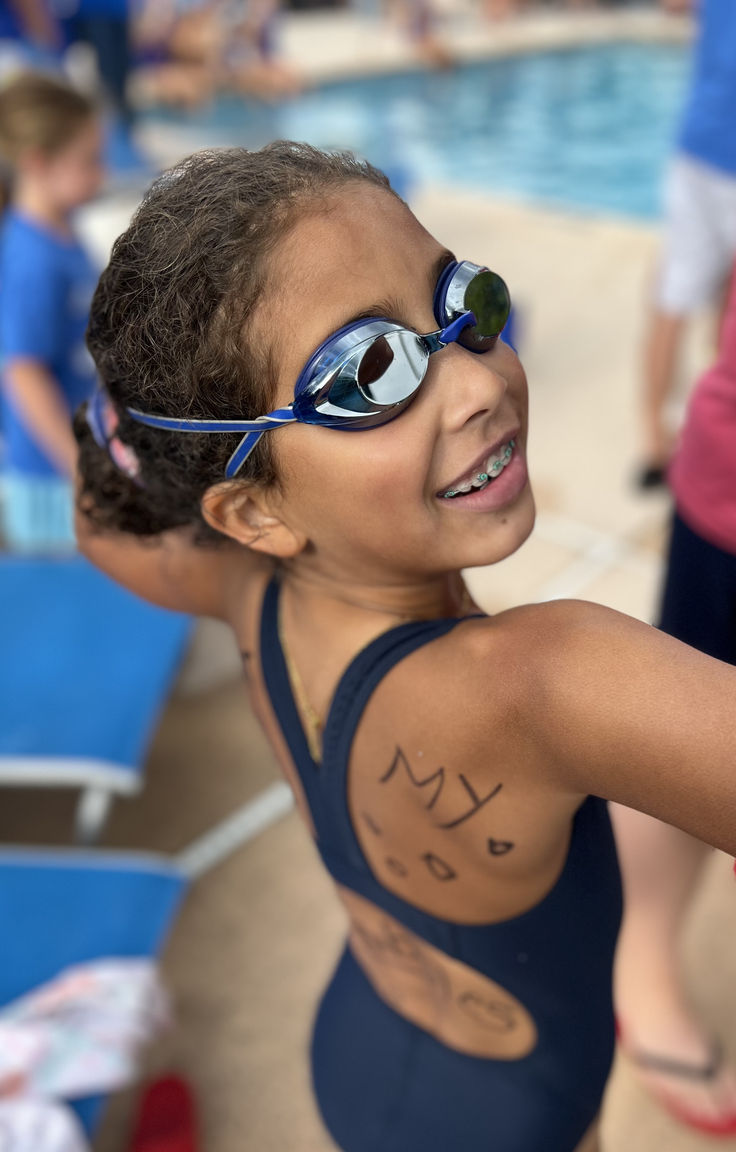
A child who swims often or plays outside daily will need more frequent washing than one who stays mostly indoors.
Sweat, chlorine, sunscreen, and dirt all build up faster than most parents expect.
Weather plays a role too, and how humidity affects hair explains why summer schedules often look different from winter ones.
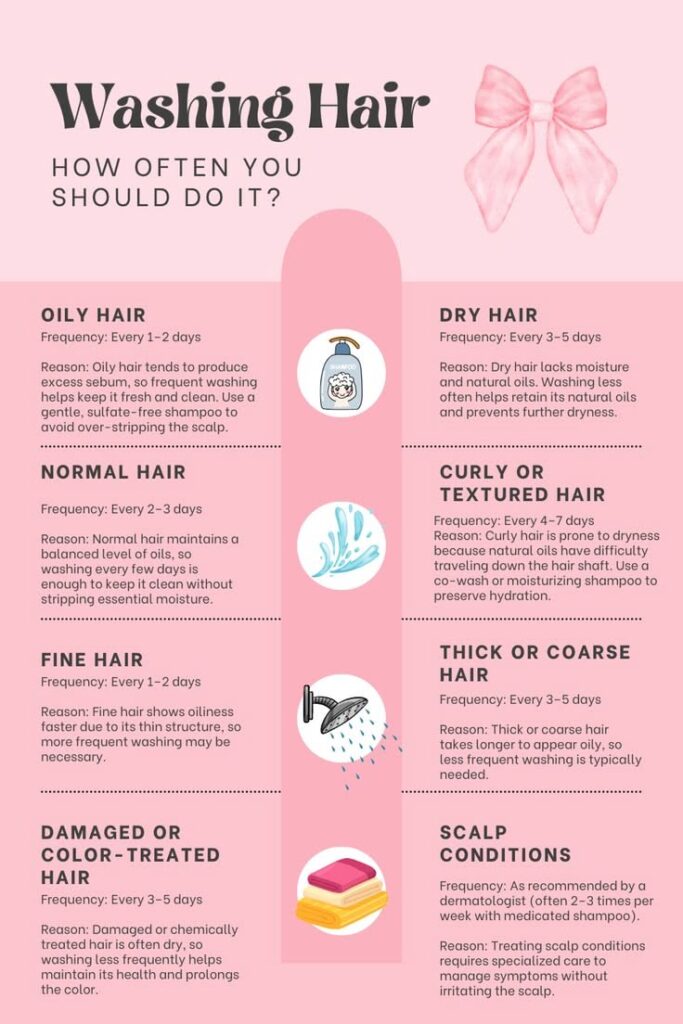
Wash Frequency Guide by Hair Texture
Once you know your child’s texture, matching it to a realistic schedule becomes far less complicated, and you can stop relying on guesswork every single week.
Each texture holds moisture differently, which changes how quickly oil reaches the ends and how soon buildup becomes noticeable.
Use these ranges as a starting point rather than a strict rule, then adjust based on the signs covered further down.
Straight and Fine Hair
Straight, fine strands usually need washing every two to three days.
Oil travels quickly along smooth hair shafts, so buildup shows up fast near the scalp.
Skipping too many days in a row can leave hair looking flat and greasy.
Wavy Hair
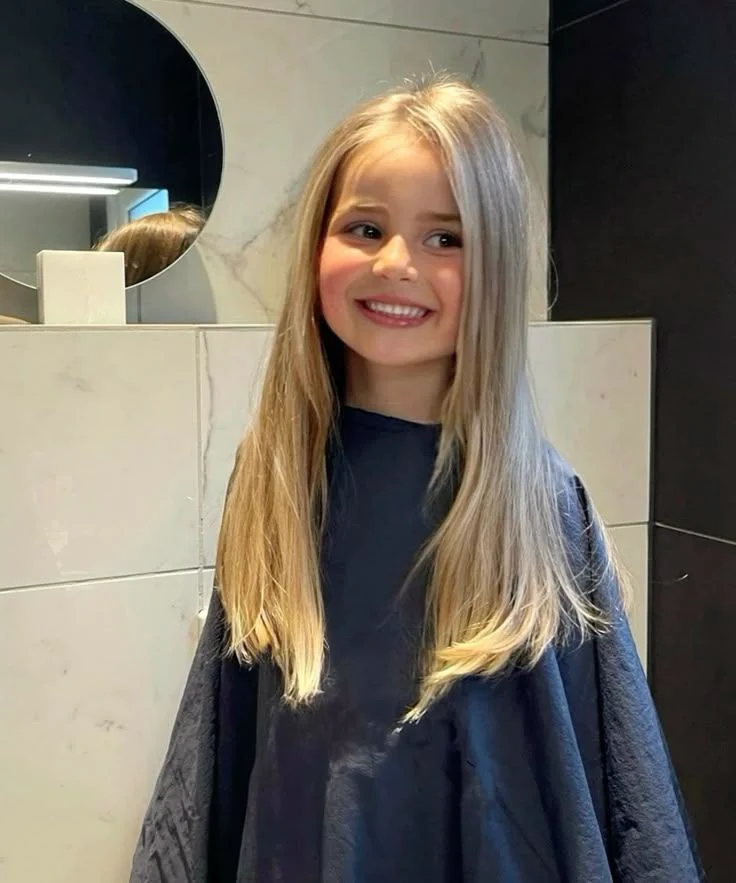
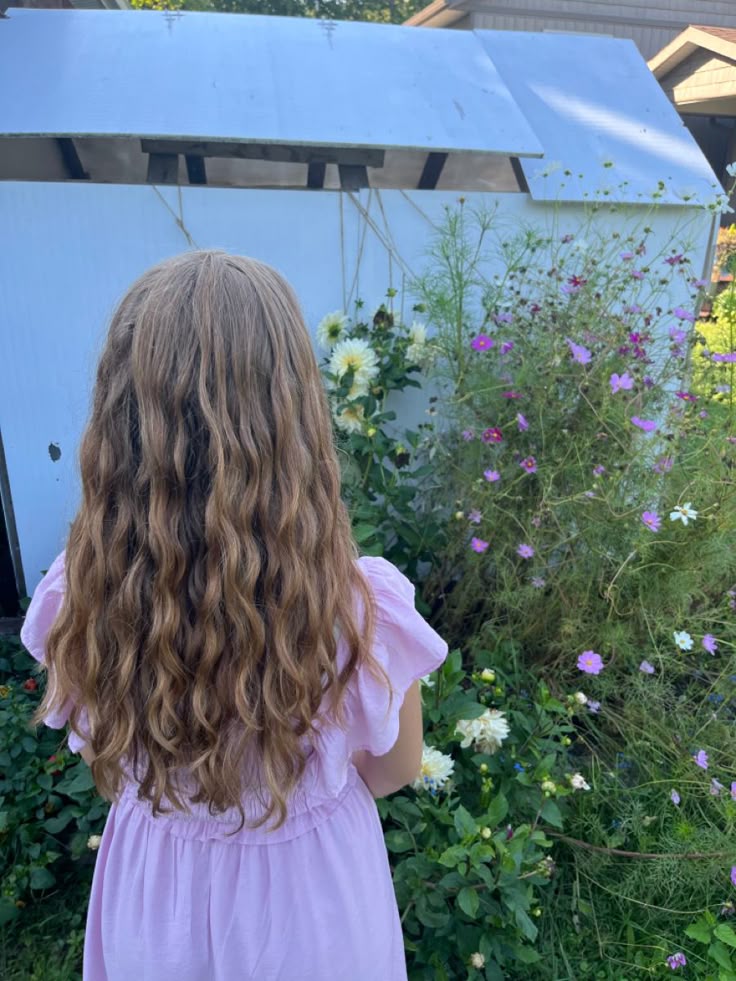
Wavy hair sits in a middle zone, usually needing a wash every three to four days.
It holds a bit more moisture than straight hair but still gets oily faster than curlier textures.
Light refreshing between washes keeps waves looking bouncy instead of weighed down.
Curly Hair
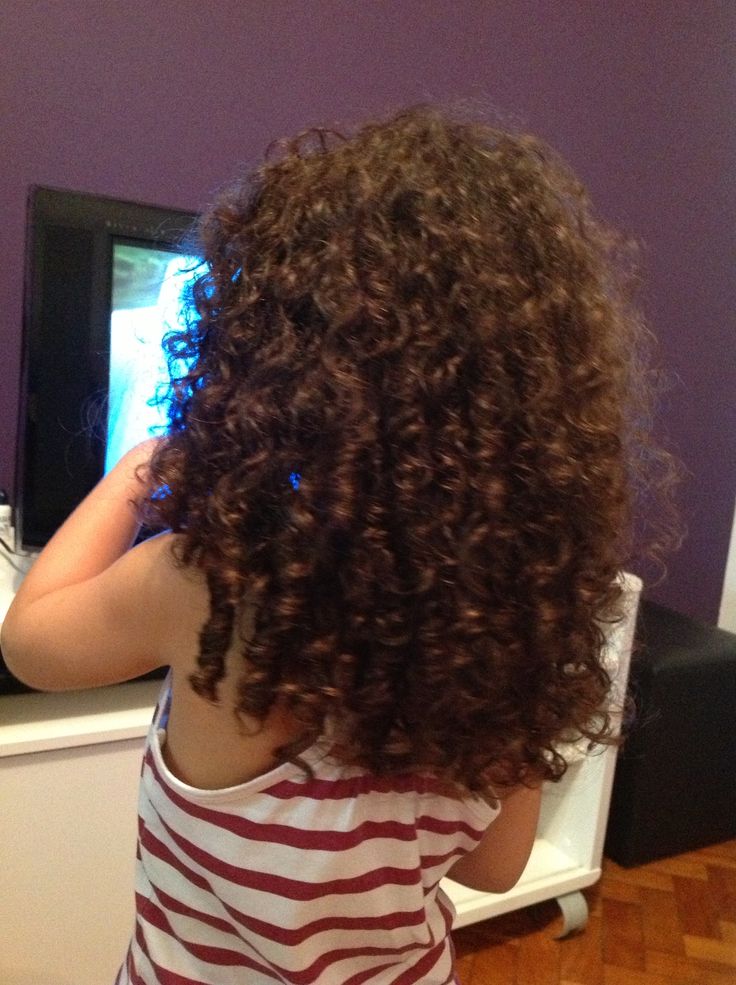
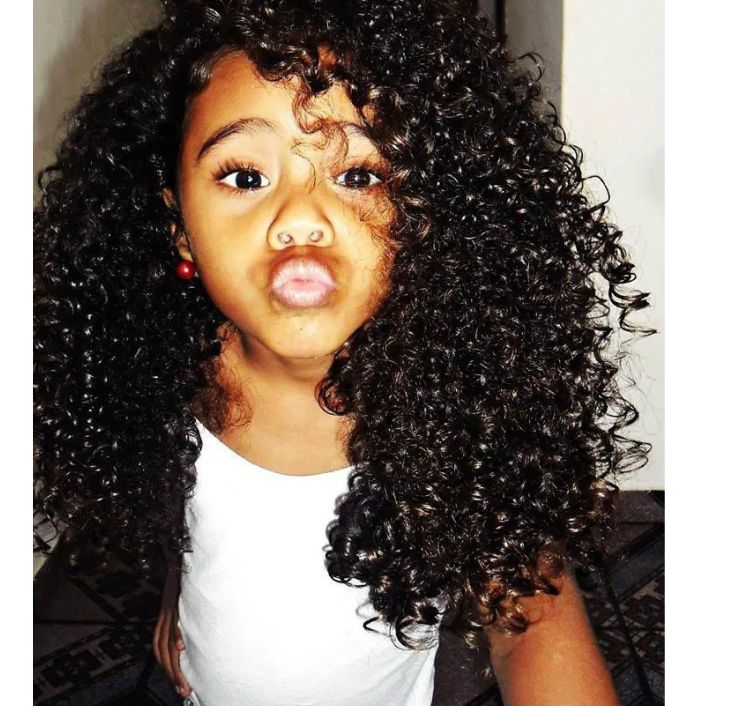
Curly hair generally does well with washing every five to seven days.
The curl pattern slows down oil distribution, so scalp oil takes longer to reach the ends.
Overwashing curly hair strips natural moisture and can leave curls frizzy and dull.
Coily and Very Curly Hair
Coily hair often thrives on a schedule stretching to seven or even ten days between washes.
This texture holds moisture the longest but also dries out fastest once it’s clean.
A gentle hair type care guide built for coily strands helps prevent overwashing mistakes.
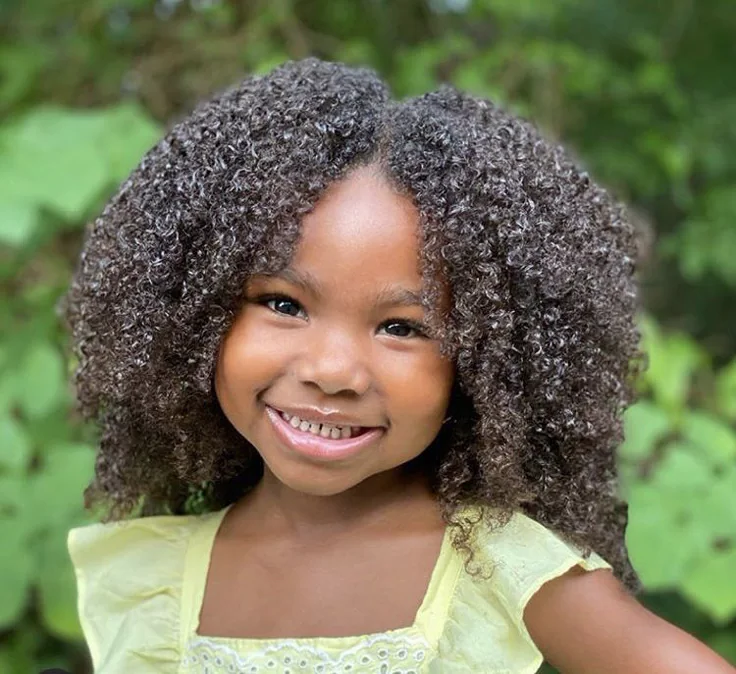
Signs Your Child’s Hair Needs a Wash Sooner
Sometimes the calendar isn’t the best guide, and your child’s hair will tell you what it actually needs long before the next scheduled wash day arrives.
Visible oil buildup near the roots is usually the clearest sign that wash day has arrived, especially if it looks slick or darker than usual by midday.
A noticeable odor, especially after swimming or heavy outdoor play, means it’s time to shampoo regardless of the schedule you had planned.
Flat, limp styles that won’t hold shape any longer often point to product and oil buildup weighing everything down at the roots.
Itchy scalp paired with visible flakes can also mean sweat and residue have built up past a comfortable point, and a proper scalp care routine can help you catch these signs early.
If your child keeps touching or scratching their head more than usual, that alone is often reason enough to move wash day up by a day or two.
Hair that suddenly feels heavier or looks visibly darker at the roots compared to the ends is also a reliable signal that oil has built up faster than expected this week.
Signs You Might Be Washing Too Often
Overwashing shows up just as clearly once you know what to look for, and catching it early prevents weeks of unnecessary dryness.
Dry, brittle ends that snap easily are often the first warning sign parents notice, especially after detangling sessions.
A scalp that feels tight, flaky, or unusually itchy right after washing can mean natural oils are being stripped away too fast for the skin to recover.
Hair that tangles more than usual, even right after a wash, often signals that moisture levels have dropped too low to protect each strand.
Dullness that doesn’t improve with conditioner is another clue, since healthy hair usually reflects light even when it’s a few days past due for a wash.
Keeping scalp health in check means paying attention to these patterns instead of sticking rigidly to a fixed schedule that may not fit your child anymore.
Static, flyaway strands that won’t settle down are another quiet clue that natural oils have been washed away one too many times this week.
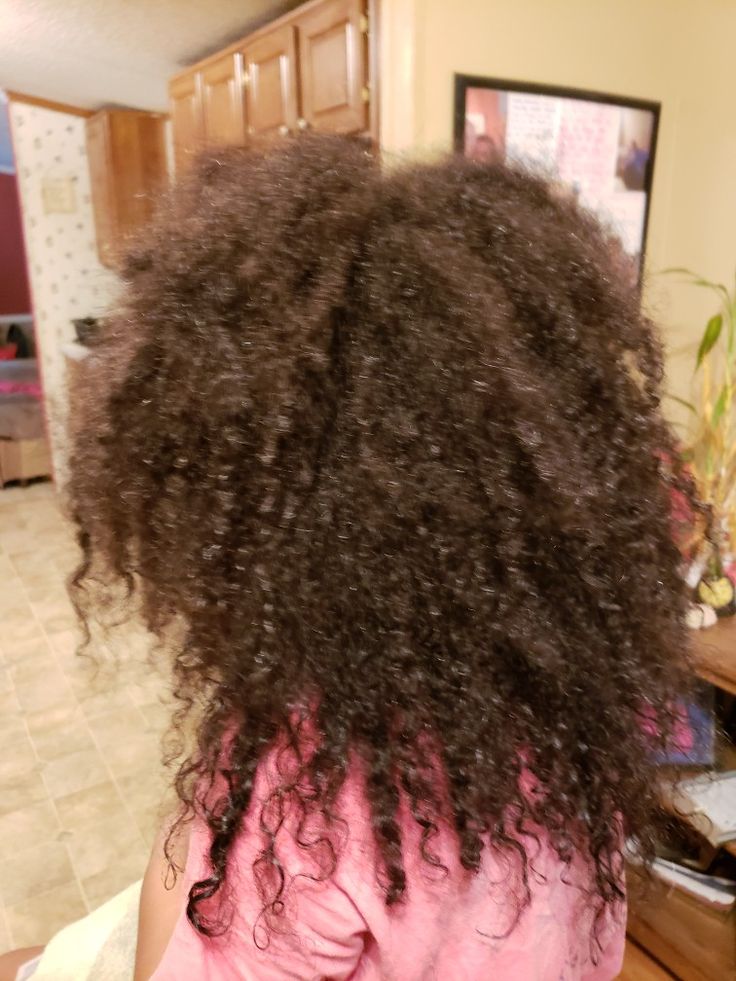
Building a Wash Day Routine That Actually Sticks
A predictable routine takes the stress out of wash day for both of you, and it doesn’t need to be complicated to work well.
Start by choosing a day that fits naturally into your week, since consistency matters more than the exact interval you pick.
Prep detangling tools and products ahead of time so you’re not scrambling mid-wash with a squirming toddler.
Picking the right shampoo for kids based on texture and scalp needs makes a bigger difference than most parents realize, since the wrong formula can undo good habits fast.
Follow shampoo with a nourishing conditioner suited to your child’s hair type, since this step restores moisture that washing naturally removes.
Comparing the best conditioners for every hair type can help you decide which formula actually suits your child’s texture and length.
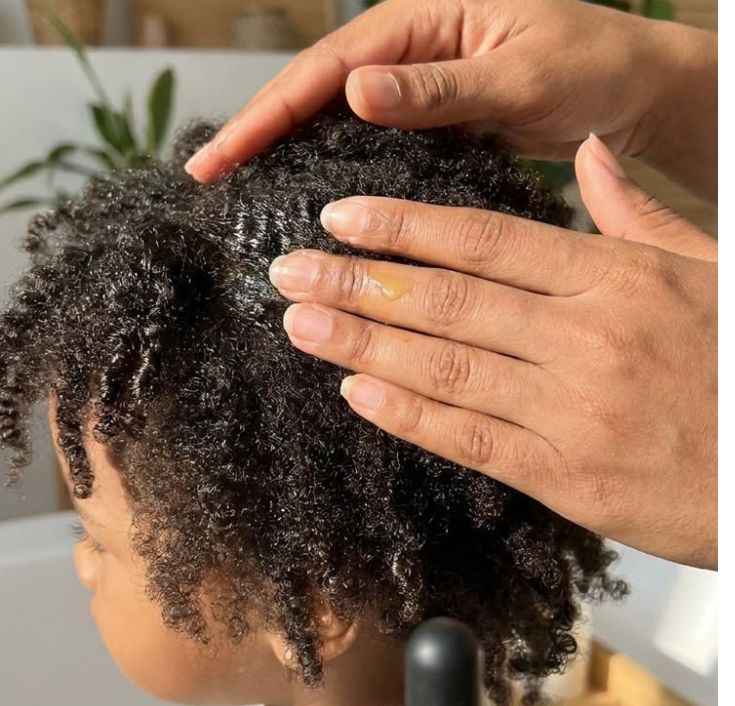
Adding a light application of nourishing hair oils afterward helps seal in moisture before styling begins, especially on curlier textures prone to dryness.
Finishing with wash day routine ideas built for families can turn the whole process into something everyone looks forward to instead of dreading.
Sticking with the same order each time, cleanse, condition, detangle, moisturize, also helps younger kids know exactly what to expect next.
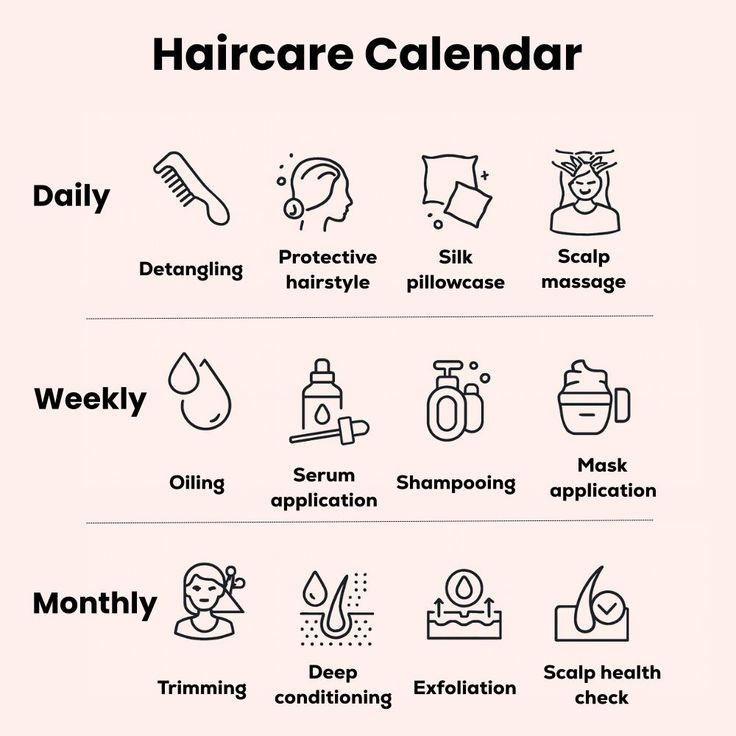
Practical Tips for Easier Wash Days
A few small adjustments can make wash day faster and far less stressful for everyone involved.
Detangle gently before shampooing rather than after, since pre-wash detangling reduces breakage caused by tugging on wet, fragile strands.
Choosing between a wide-tooth comb or a detangling brush depends on your child’s texture, so testing both helps you find what glides through knots with the least resistance.
Keep sessions short by breaking hair into sections, which makes the whole process feel less overwhelming for younger kids who get restless quickly.
Turning wash day into a small ritual, complete with a favorite song or a fun cup for rinsing, helps kids associate the routine with comfort rather than dread.
Investing in quality hair brushes made for kids also protects fragile strands better than adult tools ever could.
Letting your child hold the shower head or pick their own towel can give them a sense of control over a process that sometimes feels done to them rather than with them.
Small changes like these add up to a routine that feels less like a chore and more like a habit your child actually looks forward to.
Common Wash Day Mistakes to Avoid
Even well-meaning routines can go wrong in small ways that add up over time.
Using hot water instead of lukewarm can strip natural oils and leave hair drier than intended, especially during colder months.
Skipping conditioner to save time often backfires, leading to tangles that make every wash day harder than it needs to be.
Rough towel-drying instead of gentle patting can cause breakage, especially on curlier textures that tangle easily when wet.
Ignoring common causes of hair breakage is another mistake that quietly undoes progress over weeks and months without parents noticing right away.
Many parents also fall into a washing mistake that’s easy to miss, like overloading on product without rinsing thoroughly enough to prevent buildup.
Skipping a good detangling spray before brushing can turn a quick task into a tearful battle that neither of you enjoys.
Sleeping without satin bonnet protection afterward can undo a fresh wash by morning, since cotton pillowcases pull moisture straight out of the hair overnight.
Rushing through the whole process just to finish faster tends to cause more tangles and tears in the long run than taking a few extra calm minutes would.
Using the same amount of shampoo regardless of hair length is another common slip, since longer or thicker hair usually needs more product to cleanse evenly.
Forgetting to rinse thoroughly enough is easy to overlook too, and leftover residue near the scalp can cause the very itchiness parents are trying to wash away.
Frequently Asked Questions
How do I know if my child’s hair type has changed?
Hair texture can shift during growth spurts, especially between toddler years and early school age.
If curls suddenly look looser or tighter than before, it’s worth reassessing your wash schedule.
Testing a new routine for a few weeks usually reveals whether the change is temporary or lasting.
Can washing too often cause hair loss?
Overwashing itself rarely causes true hair loss, but it can lead to breakage that looks similar.
Stripped, dry strands snap more easily near the scalp, which can appear like thinning over time.
Adjusting frequency and adding moisture usually resolves the issue within a few weeks.
Should I wash my child’s hair before or after swimming?
Rinsing hair with clean water before swimming can reduce how much chlorine or salt water gets absorbed.
Washing again afterward with a gentle shampoo helps remove chemicals that dry out the scalp.
This two-step habit protects hair without requiring an extra full wash day.
Is it okay to co-wash instead of using shampoo every time?
Co-washing, or cleansing with conditioner alone, works well for curly and coily textures between full shampoo days.
It removes light buildup without stripping moisture the way shampoo can on back-to-back washes.
Alternating between the two methods often gives the best balance for drier hair types.
What water temperature is best for washing kids’ hair?
Lukewarm water is gentler on both the scalp and the hair shaft than hot water.
It cleanses effectively while helping the hair cuticle stay smoother and less prone to frizz.
A cooler final rinse can also help hair appear shinier once it dries.
Does hard water change how often I should wash?
Hard water leaves mineral deposits behind that can make hair feel dry and look dull faster than usual.
Kids in hard water areas sometimes need a clarifying wash every few weeks to clear that buildup completely.
A shower filter can also reduce mineral buildup between regular washes, stretching out the time hair stays looking fresh.
When to Adjust the Schedule As Your Child Grows
Wash frequency isn’t something you set once and forget, since your child’s hair and lifestyle keep changing as they get older.
A schedule that worked perfectly at age three might need tweaking by the time they start school and spend more hours outside.
Puberty brings its own shift too, as increased oil production often means moving from a weekly wash to something closer to every four or five days.
Keeping an eye on the signs that your child’s hair is healthy gives you a reliable check-in point every few months instead of relying purely on habit.
Seasonal changes matter just as much as age.
Summer heat and increased sweating usually call for slightly more frequent washing, while colder, drier months often stretch the interval out to protect against dryness.
A move to a new climate, a new swim class, or even a growth spurt can all be reasons to revisit the routine.
Supporting healthy hair growth habits alongside the right wash frequency keeps the whole system working together instead of fighting itself.
Checking in every season or so, rather than waiting for a problem to appear, keeps the whole routine feeling easy instead of reactive.
Final Thoughts
Figuring out how often to wash your child’s hair really comes down to texture, age, and lifestyle rather than a fixed number on a calendar.
Paying attention to the signs your child’s hair gives you will always beat guessing based on the day of the week.
A steady, gentle routine protects moisture, prevents breakage, and turns wash day into something calm instead of stressful.
Building a full healthy hair routine around these basics gives you a foundation that grows with your child for years to come, one wash day at a time.
Trust what you’re seeing and feeling more than any fixed schedule, and adjust as needed without second-guessing yourself.
Over time, wash day stops being a task on your list and turns into one more small moment you both actually enjoy.


10 Comments