
How to Care for Newborn Hair During the First Year
Disclosure: Some of the links in this post are affiliate links. This means if you click on the link and purchase an item, I will receive an affiliate commission at no extra cost to you.
Newborn hair care feels different from anything else in the early months. Some babies arrive with a full head of hair, others with almost none, and both are completely normal.
Whatever your baby’s hair looks like on day one, it will likely change more than once before the first birthday. This guide walks through what to expect and how to care for it gently along the way.
Newborn skin and hair are more delicate than they will be later on, so a lighter touch matters here. Baby Hair Care Routine for New Parents is a helpful companion to this guide if you want more detail on building a simple routine from the start.
Even small habits formed now tend to carry into toddlerhood without much extra effort.
Newborn hair care does not need to be complicated or product heavy. A soft brush, a mild wash, and a bit of patience cover most of what a baby’s hair needs in this first year.
These early months of gently caring for your baby often become some of the softest, most treasured memories of that first year together.
What to Expect From Newborn Hair Growth
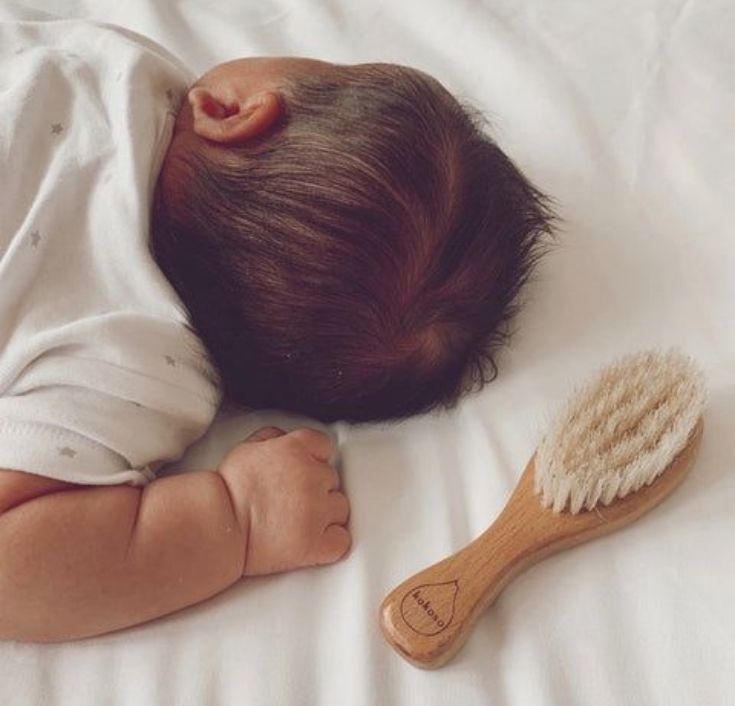
Hair growth in the first year rarely follows a straight line, and that surprises a lot of new parents.
Some babies are born with a thick head of hair that thins out within weeks, while others start nearly bald and grow a full head by their first birthday.
Hormones from pregnancy influence a baby’s hair at birth, and those hormone levels shift quickly after delivery.
This shift is part of why so much early hair loss happens in the first few months, even though nothing is actually wrong.
When Do Babies Start Growing Hair? goes deeper into the typical timeline if you are curious what comes next.
Texture can also shift more than once during the first year, sometimes changing from straight to wavy or from fine to thicker.
It is common for a baby’s true texture and pattern to not fully show until closer to age two or three.
Growth rate varies widely between babies and is rarely something to worry about on its own.
Genetics play the biggest role in both timing and texture, so comparing one baby’s hair to another rarely tells you much.
It can help to think of the first year as a preview rather than a final answer, since so much is still settling into place.

Newborn Hair Loss Is Usually Normal
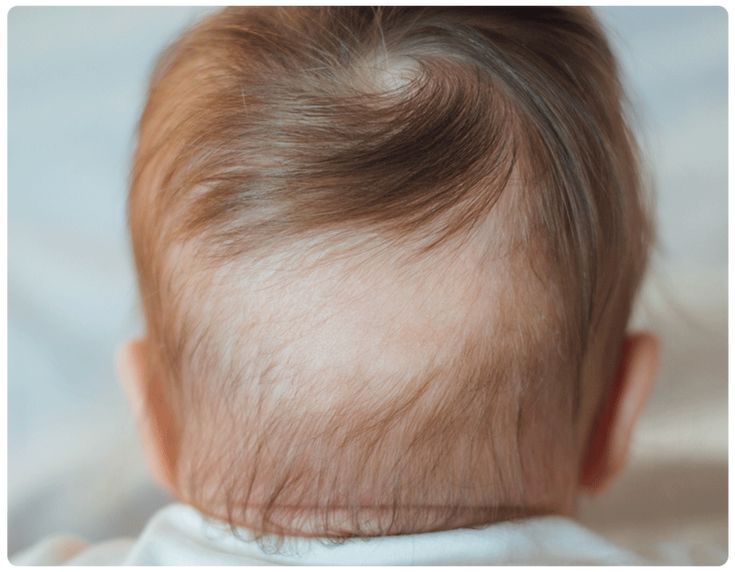
Many parents are caught off guard by clumps of hair appearing in the first few months, especially around three months old.
This shedding is driven by the same hormone shift mentioned earlier, and it is one of the most common newborn hair care questions new parents ask.
Hair often falls out first in the spot where a baby’s head rests most, simply from friction against the crib or car seat.
New hair typically starts growing back within a few months, though the color or texture may look slightly different at first.
Bald patches from this kind of shedding usually fill back in on their own without any special treatment.
Gentle handling during this stage helps avoid pulling out hair that is still growing in around the thinning areas.
If patches seem unusually shaped or hair loss continues well past six months, it is worth mentioning to your pediatrician at a regular visit.
Good newborn hair care during this shedding phase mostly means staying patient and avoiding harsh brushing over thinning spots.
Healthy Habits That Support Kids Hair Growth covers habits worth starting early, even before your baby has much hair to work with.
Regrowth usually looks a little different at first, sometimes finer or a slightly different shade, before settling into a more consistent pattern.
How Baby Hair Texture Changes Over the First Year
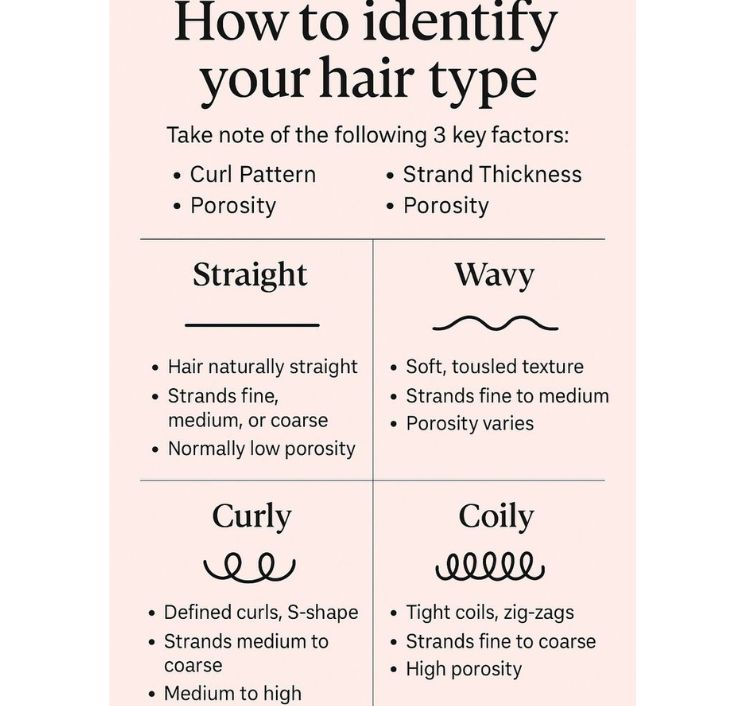
It is common for a newborn’s hair texture to shift more than once before the first birthday, and this is a normal part of newborn hair care to expect.
Straight hair at birth can loosen into waves or curls over the following months, and the reverse happens too.
The Different Kids Hair Textures Explained breaks down the range of textures your baby’s hair might settle into over time.
Genetics from both sides of the family play a bigger role in final texture than anything happening in these early months.
Because texture is still developing, it is best to avoid assuming too much about long term care routines this early.
Hair Type 2: Care Guide for Kids is worth bookmarking for later, once your child’s pattern becomes more consistent closer to their second or third birthday.
For now, gentle, simple newborn hair care covers what your baby actually needs.
When to Consider Baby’s First Haircut
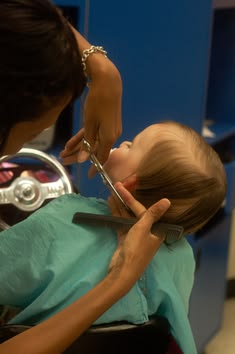
Most babies do not need their first haircut until closer to their first birthday, though this varies quite a bit based on how much hair they have.
The Best First Haircut Tips for your child covers what to expect and how to keep the experience calm for both of you.
There is no strict rule for timing, so following your baby’s hair growth rather than a set age usually works best.
If your baby has longer hair getting into their eyes well before their first birthday, a small trim around the face is perfectly fine.
How Often Should Kids Get Haircuts? offers general guidance once you are past the newborn stage and settling into a regular hair routine.
A gentle trim now and then is far less disruptive than most new parents expect.
Cradle Cap and Newborn Scalp Care
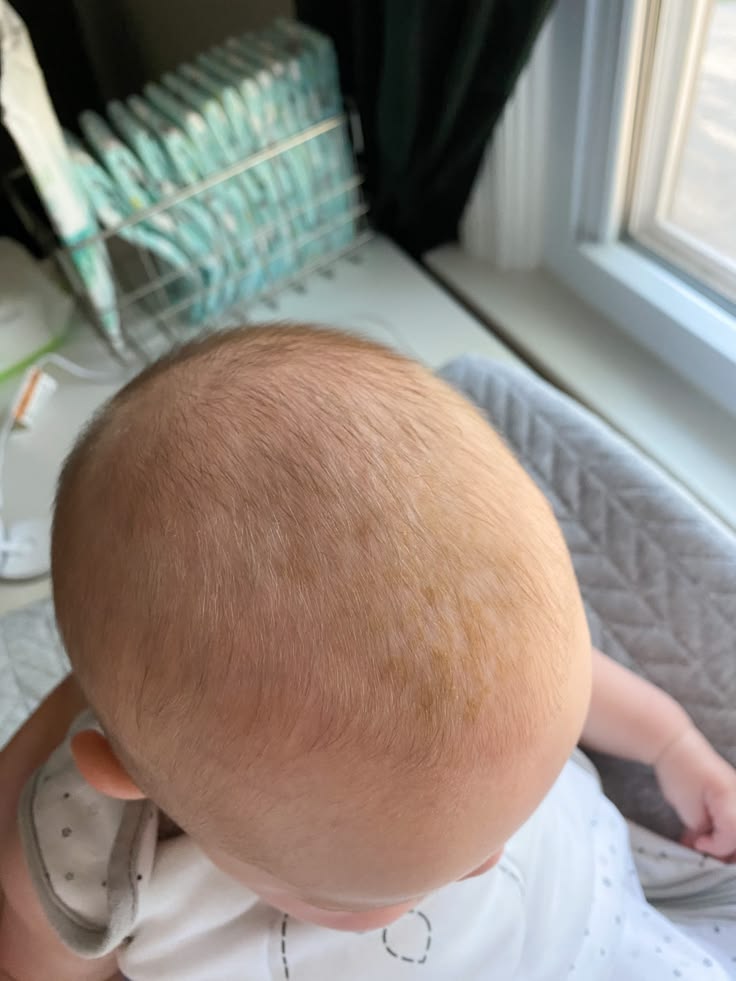
Cradle cap shows up as flaky, sometimes yellowish patches on a newborn’s scalp, and it is extremely common in the first few months.
It looks concerning to a lot of new parents, but it is not painful or itchy for most babies.
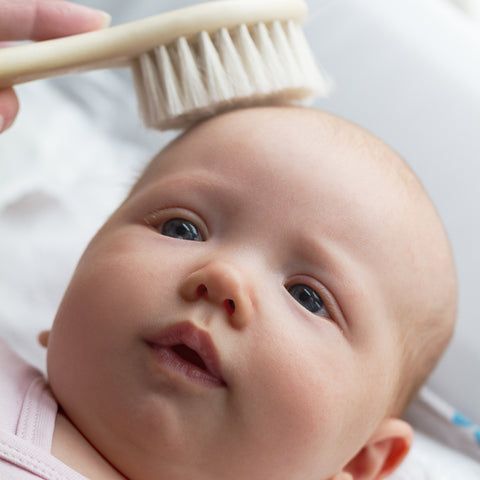
A soft brush used during bath time can gently loosen flakes without irritating the scalp underneath.
Massaging a small amount of baby safe oil into the scalp before washing can also help soften stubborn patches.
Gentle Steps for Managing Cradle Cap
Start by applying a small amount of baby oil or a mild, baby safe scalp oil to the affected area a few minutes before bath time.
Use a soft bristled brush in gentle circular motions to loosen flakes, being careful not to scratch the scalp.
Wash as usual with a mild baby shampoo, rinsing thoroughly to remove any loosened flakes and oil residue.
Most cases clear up on their own within a few months without any need for special treatment.
How to Wash a Newborn’s Hair Safely
Newborns do not need daily hair washing, since their scalp produces very little oil compared to older children.
How Often Should You Wash Your Child’s Hair? covers general washing frequency, though newborns typically need even less than the guidance there suggests.
Two to three times a week is usually plenty for most newborns during the first several months.
Use lukewarm water and a small amount of tear-free, baby specific shampoo to avoid irritating delicate skin and eyes.
Support your baby’s head and neck carefully throughout the wash, since newborns cannot yet support their own head weight.
Rinse gently and pat the scalp dry with a soft towel rather than rubbing, which can be rough on delicate newborn skin.
How to Choose the Right Shampoo for Kids can help you find a gentle option formulated for very young skin.
A short, calm bath routine also helps your baby associate hair washing with comfort rather than stress from the very start.

Gentle Detangling and Brushing
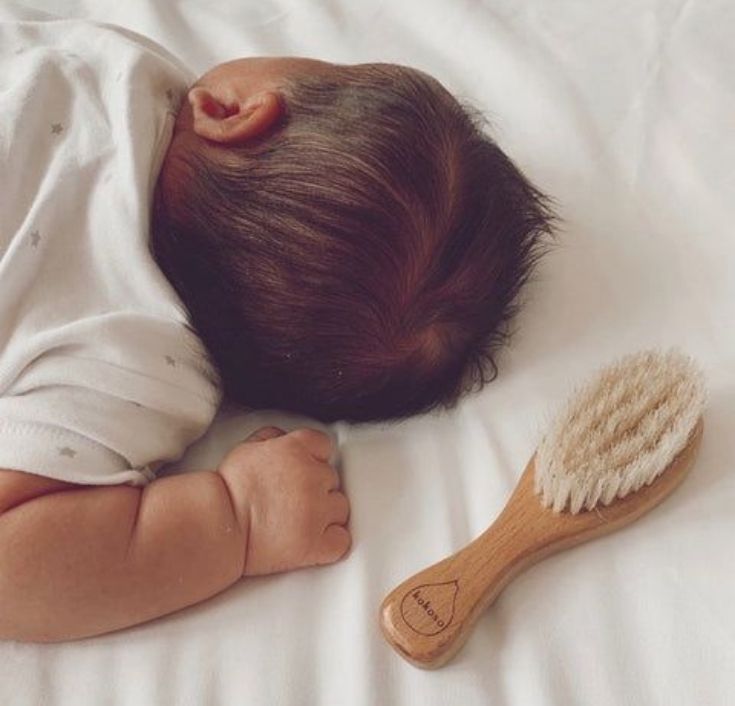
Even babies with very little hair benefit from regular gentle brushing, since it helps distribute natural oils and can soothe cradle cap over time.
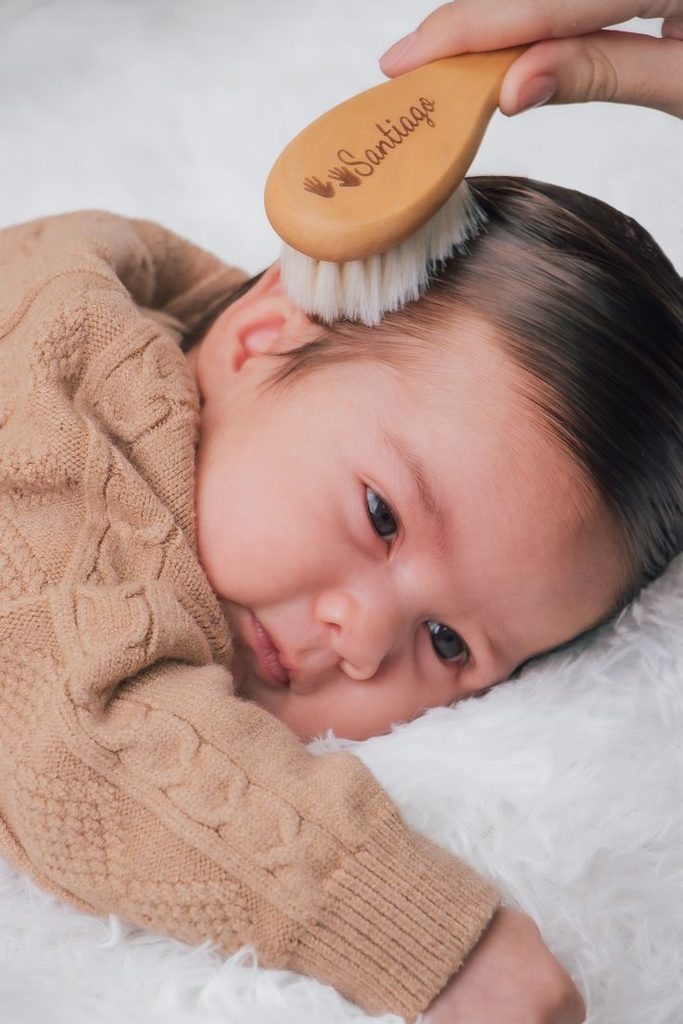
A soft bristled baby brush is the safest option for newborn hair, since firmer brushes can irritate delicate scalp skin.
The Best Hair Brushes for Kids includes gentle options suited for the youngest hair types.
Brush in short, gentle strokes rather than long pulls, especially around the soft spots on a newborn’s head.
For babies with more hair, light detangling with fingers or a soft brush before bath time can prevent small knots from building up.
There is rarely a need for detangling sprays or heavier products at this age, since newborn hair is naturally soft and fine.
A few gentle strokes once or twice a day is usually enough to keep things smooth.
If you do notice a small knot forming, gently work it apart with your fingers before reaching for a brush, since fingers are less likely to tug at tender skin.
Safe Styling for Newborn Hair
Styling a newborn’s hair should stay extremely simple, since their scalp and hair are still very fragile.
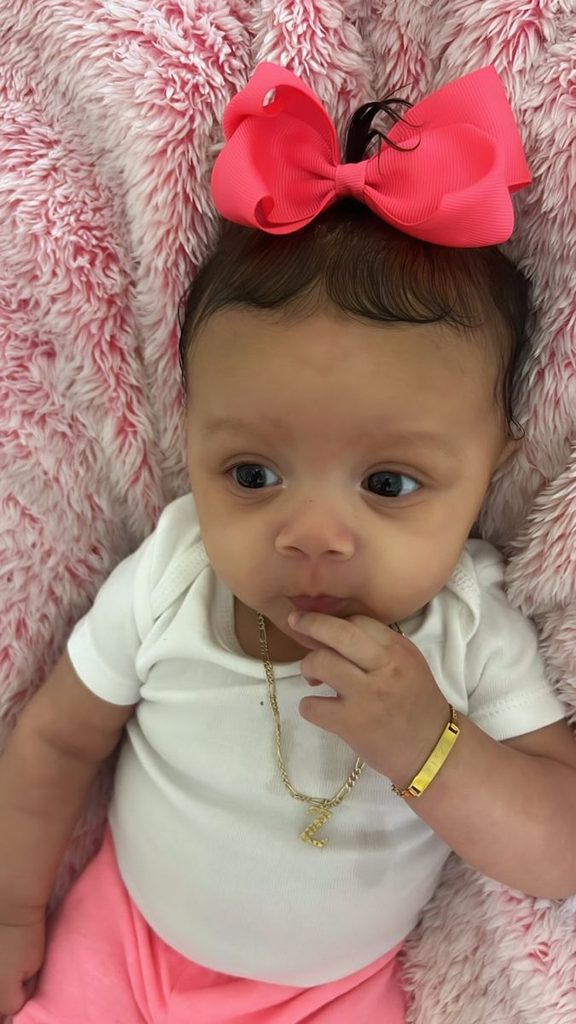
Small clips or soft headbands can work for babies with enough hair, but anything tight or heavy should be avoided completely.
The Best Hair Accessories for Kids has more guidance on choosing gentle, baby safe options once your child has more hair to work with.
Skip tight elastics, rubber bands, or anything that could pull on the scalp or hairline.
Sleep safety also matters more than styling at this age, so avoid leaving any accessories, bonnets, or clips on a sleeping newborn.
Satin Bonnets for Kids: Do They Help? explains why bonnets are usually better suited to slightly older babies and toddlers rather than very young infants.
For now, a satin crib sheet or swaddle offers a safer way to reduce friction on newborn hair overnight.
This is one area where following current safe sleep guidelines always takes priority over any styling goal.
Practical Tips for Newborn Hair Care
Keep products to a minimum during the first year, since newborn skin and scalp are sensitive to fragrances and heavier formulas.
The Best Hair Oils for Children’s Hair can help you choose a lightweight, baby safe option if your baby’s hair tends toward dryness.
A little goes a long way, and less is almost always better at this age.
Photograph the changes if you can, since newborn hair goes through more transformations in this first year than almost any other stage.
Baby Hair Milestones Every Parent Should Know is a helpful read if you want to know what changes typically happen and when.
These early photos often become favorites to look back on later.
Building even a simple newborn hair care habit now makes the toddler years easier, since your baby gets used to gentle handling early on.
Everything You Need to Know About Baby Hair Growth covers the bigger picture if you want to understand what drives growth beyond the first year.
Short, calm sessions work better than longer ones at this age.

Common Mistakes to Avoid
Washing too often is one of the most common newborn hair care mistakes, and it can actually dry out a baby’s delicate scalp.
The Hair Washing Mistake Many Parents Don’t Realize They’re Making covers this in more detail, including how water temperature plays a role.
Overwashing strips natural oils that newborn skin needs to stay healthy and comfortable.
Using adult hair products on a newborn is another common mistake, since fragrances and stronger ingredients can irritate sensitive skin.
Why Expensive Hair Products Aren’t Always Better explains why simple, baby specific formulas usually work better than heavily marketed options.
Sticking to a short list of gentle, baby safe products is almost always the safer choice in this first year.
Tight clips, tight bonnets, or anything pulling at a newborn’s delicate hairline is another mistake worth avoiding in these early months.
The Everyday Habit That Could Be Damaging Your Child’s Hair explains how tension adds up over time, even when it seems minor in the moment.
Loose and gentle is always the safer approach for newborn hair care.
Frequently Asked Questions
Is it normal for a newborn to lose most of their hair?
Yes, significant hair loss in the first few months is extremely common and driven by hormone shifts after birth.
Most babies regrow hair within a few months, sometimes with a slightly different texture or color.
This process rarely signals anything is wrong with your baby’s overall health.
If hair loss continues well past six months, mention it at your next pediatrician visit.
When should I start brushing my newborn’s hair?
Gentle brushing can start from birth, even for babies with very little hair, using a soft bristled brush.
Brushing helps distribute natural oils and can soothe mild cradle cap over time.
Keep strokes short and gentle, especially near the soft spots on top of the head.
A couple of minutes once or twice a day is plenty at this age.
Can I use regular baby shampoo on a newborn?
Most tear-free baby shampoos are formulated to be gentle enough for newborn use, but checking the label for fragrance-free options is still worth doing.
Washing two to three times a week is usually enough for most newborns during this stage of newborn hair care.
Always patch test a new product before using it fully for the first time.
Simpler formulas with fewer ingredients tend to be the safest choice.
How do I know if cradle cap needs medical attention?
Most cradle cap clears up on its own with gentle care and does not need medical treatment.
If the scalp looks red, swollen, or seems to bother your baby, it is worth mentioning to your pediatrician.
Spreading beyond the scalp to the face or body is also a sign to get it checked.
In most cases, patience and gentle brushing are all that is needed.
Should I use conditioner on my newborn’s hair?
Most newborns have very little hair and do not need conditioner as part of their early newborn hair care routine.
The Best Conditioners for Every Hair Type is worth revisiting once your baby has more hair to manage, usually closer to their first birthday.
Until then, a mild shampoo alone is typically enough.
Adding too many products too early can do more harm than good on delicate newborn skin.
Does a baby’s hair at birth predict their future hair type?
Not reliably, since hair at birth often looks very different from the texture a child eventually grows into.
Simple Hairstyles for Babies With Fine Hair offers ideas if your baby’s hair stays fine and sparse for a while.
Many babies born with straight hair develop curls or waves later, and the opposite happens too.
Patience is really the only approach that works here.

Final Thoughts
Newborn hair care in this first year is really about gentleness more than technique, since a baby’s hair and scalp are still developing.
Expect changes in texture, thickness, and even color as the months go by, and try not to read too much into any single stage.
When Should You Start Styling Your Baby’s Hair? is a helpful next read once your baby has enough hair to experiment with simple styles.
Every small routine you build now, from soft brushing to gentle washing, lays the groundwork for easier hair days ahead.
Toddler Hair Care Made Simple rounds things out nicely for when your baby moves past this earliest phase and into toddlerhood.
These first months pass quickly, and the gentle newborn hair care habits you build now will carry naturally into whatever comes next.
Trust your instincts along the way, since no two babies follow exactly the same timeline.