
When Do Babies Start Growing Hair?
Disclosure: Some of the links in this post are affiliate links. This means if you click on the link and purchase an item, I will receive an affiliate commission at no extra cost to you.
New parents check their baby’s scalp more often than they probably admit out loud.
Some babies show up with a surprising amount of hair. Others stay smooth and bald for what feels like forever.
If you are wondering when babies start growing hair, you are asking a common question in those early months.
It comes up constantly at pediatrician visits, baby groups, and late-night searches when everyone else is asleep.
The honest answer is that it depends entirely on the baby, and there is a wide range of normal. Some hair growth begins before birth.
While some kicks in during the first few months, and some does not show up in a noticeable way until closer to the first birthday. None of these timelines mean anything is wrong.
Watching this process unfold is one of those small, quiet joys of early parenthood. It often becomes one of those tiny details you find yourself photographing without even planning to.
Right alongside this topic sits everything you need to know about baby hair growth for even more detail.
Grab a few minutes to settle in. We are walking through the full timeline, what affects it, and how to support healthy growth along the way.
If your baby hair routine is getting started, baby hair care routine for new parents is a great next stop.
Hair Growth Before a Baby Is Born
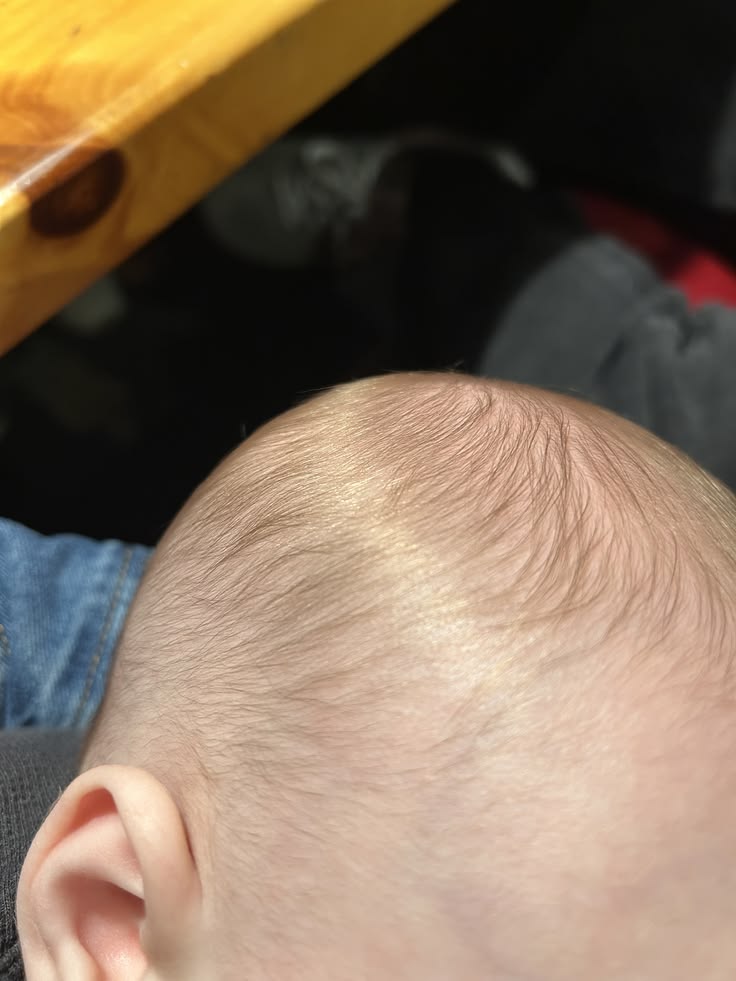
Hair follicles actually begin forming quite early in pregnancy, usually by around 14 to 16 weeks.
From there, growth continues steadily as the pregnancy progresses.
Many babies also grow a fine, soft layer of hair called lanugo while still in the womb.
Lanugo usually sheds before birth, though some babies arrive with a bit of it still visible.
This is completely normal and tends to disappear within the first couple of weeks.
By the third trimester, real scalp hair starts forming underneath that early layer.
This sets the stage for whatever a baby is born with.
Ultrasounds during the third trimester sometimes even pick up glimpses of this hair, which many parents find surprising.
It is one small reminder that hair growth is already well underway long before a baby’s first cry.
None of this predicts exactly how much hair will show up at delivery.
So much still depends on genetics and timing.
What Happens to Hair Right After Birth
Once a baby arrives, hair growth often slows down or pauses for a stretch.
Many babies also shed some or all of their birth hair during the first few months of life.
This shedding phase catches a lot of parents off guard. It is a completely normal part of infant hair development.
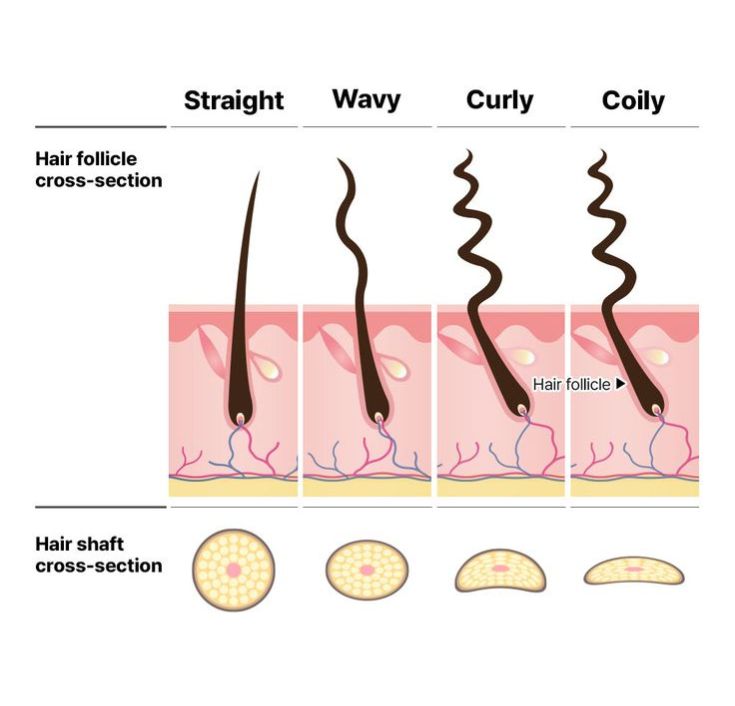
New hair usually grows back in a different texture or color than the original birth hair. It might come in straighter, curlier, thicker, or thinner than what showed up at birth.
The different kids hair textures explained is worth a read once this shift starts happening.
Some babies barely notice this shedding phase at all. Others seem to lose hair in visible clumps within just a few weeks.
Both patterns are considered normal, and neither one predicts how thick or full a baby’s hair will eventually become.
It simply reflects hormone levels evening out after the intensity of pregnancy and birth.
When Do Most Babies Start Growing More Hair?
There is no single date on the calendar when babies start growing hair in a noticeable way.
Instead, growth tends to follow a loose pattern across a few recognizable windows during the first year.
Some of this comes down to genetics, and some simply comes down to timing that varies from baby to baby.
Understanding these general windows helps take the guesswork out of tracking your own baby’s progress.
The First Three Months
This window often overlaps with the shedding of birth hair mentioned above.
Growth can feel painfully slow during these early weeks, and plenty of babies stay nearly bald the entire time.
Others grow steadily right from the start, especially if they were born with very little hair to begin with.
Whatever pattern shows up, the scalp is still adjusting and settling during this period.
Gentle handling matters far more than any specific product right now.
How to care for newborn hair during the first year covers exactly what that gentle care should look like.
Three to Six Months
Growth often picks up gradually for many babies somewhere in this window.
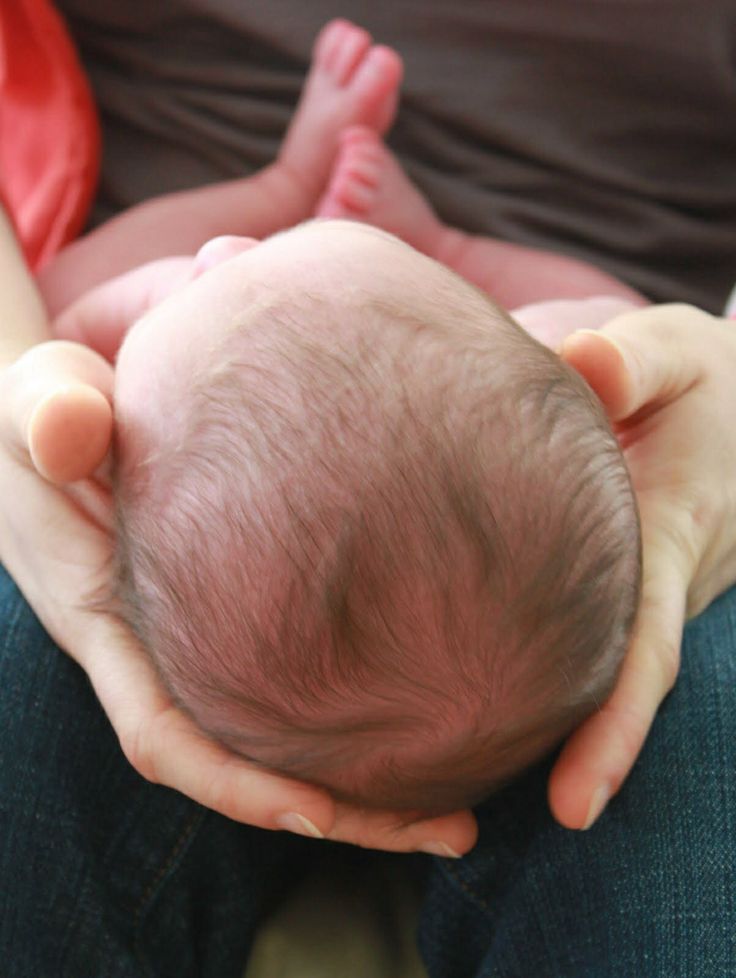
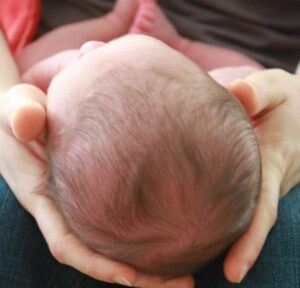
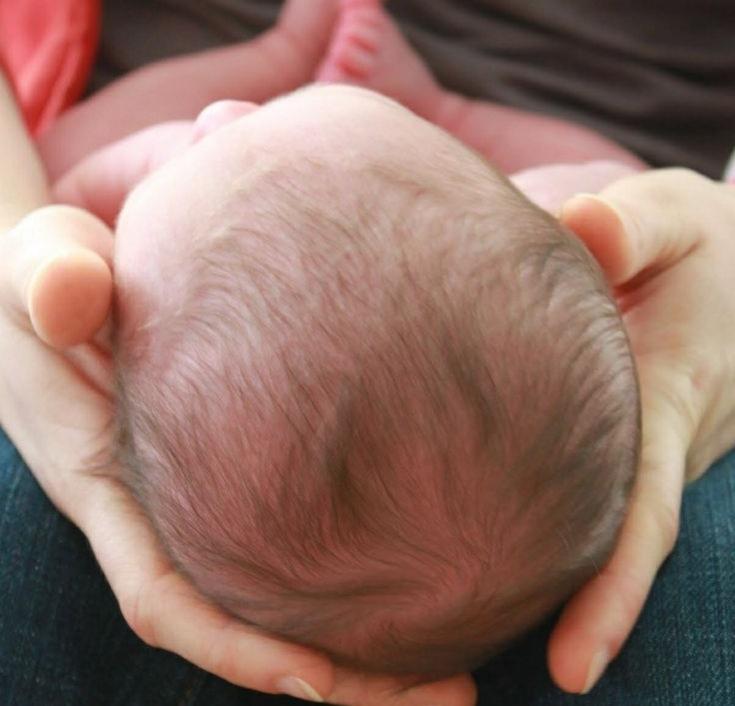
Fine, wispy strands may start filling in across the scalp, especially at the crown.
Some babies also develop a stubborn cowlick or a visible hair swirl for the first time.
This stage varies enormously between babies, so comparing timelines with other families rarely helps.
A baby who seems behind at four months can easily catch up within a matter of weeks.
Baby hair milestones every parent should know breaks down what tends to show up during this stretch.
Some babies also start showing a clearer hair pattern, like a part that naturally falls to one side.
Others develop a swirl at the crown that sticks around for years.
These patterns are mostly cosmetic and have no bearing on how healthy or fast the hair is growing underneath.
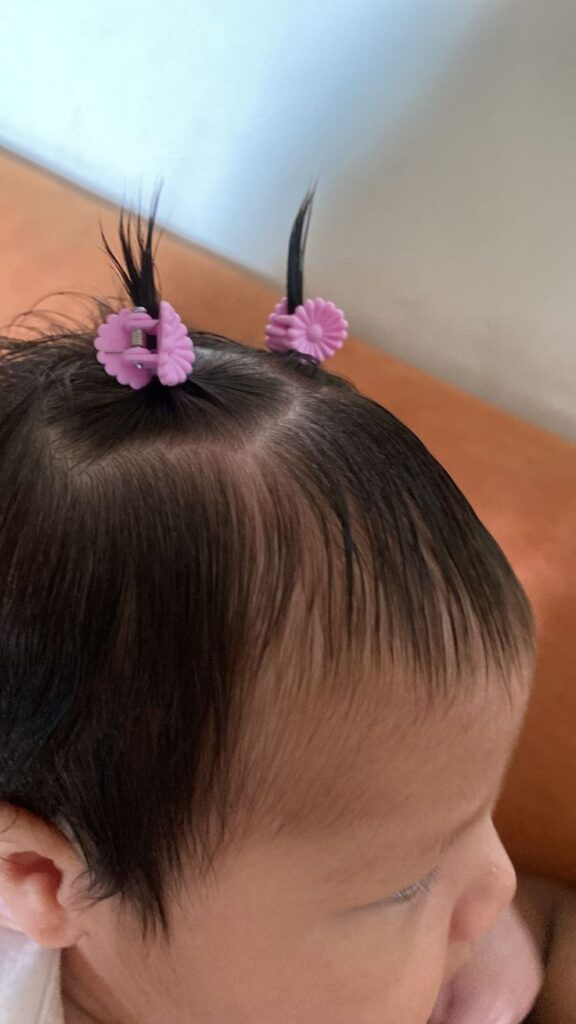
Six Months to One Year
This is usually when growth becomes much more noticeable for most babies.
Hair often thickens, and texture may start hinting at what will eventually stick around long term.
Some babies develop real curls or waves for the first time during this window.
This is also a common stage for parents to start thinking about a first haircut.
This is especially true if hair grows in unevenly or gets in a baby’s eyes.
There is no rush on this decision, and plenty of families wait well beyond the first birthday.
The best first haircut tips for your child walks through how to make that first trim smooth and low-stress.
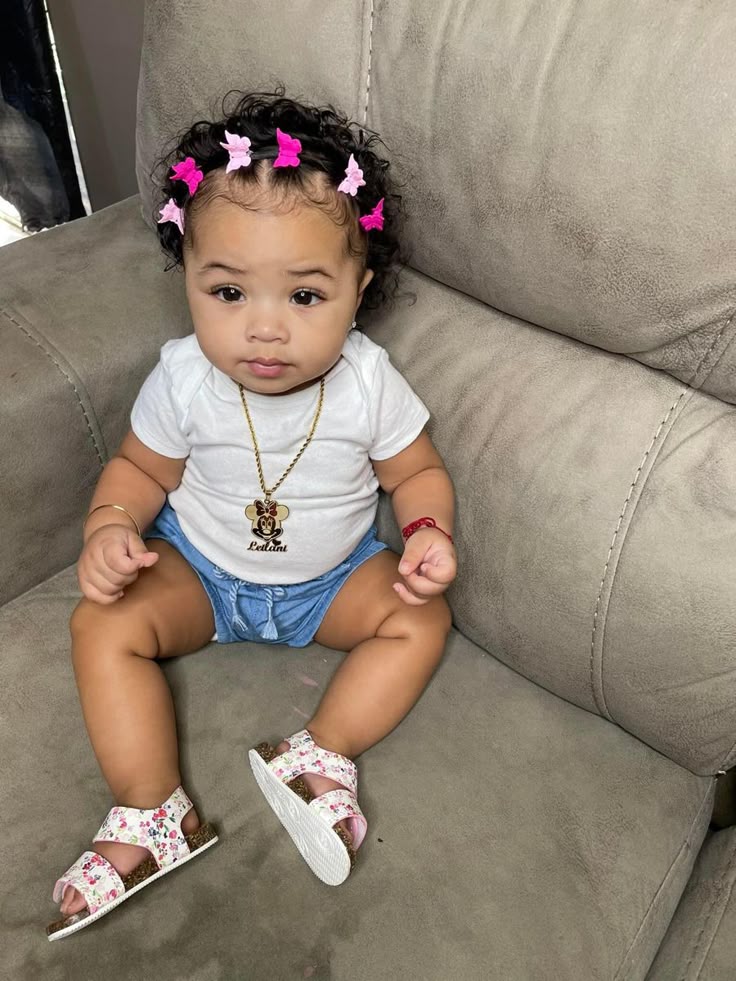
By the one-year mark, many babies have enough hair to start considering simple styles.
When should you start styling your baby’s hair? answers that question directly if now feels like the time.
For gentle first looks, simple hairstyles for babies with fine hair offers a good place to begin.
Why Some Babies Take Longer Than Others
Genetics sits at the very top of the list for hair growth speed.
Babies born to parents with fast-growing, thick hair tend to follow a similar pattern themselves.
This is not guaranteed, though, since plenty of variation shows up even within the same family.
Hormones also play a real role in timing and volume. High hormone levels near the end of pregnancy can boost hair growth in some babies before birth.
Once those hormones drop off after delivery, growth patterns can shift again. This can feel unpredictable to a tired parent.
Overall health and nutrition matter too, particularly once a baby starts eating solid foods.
A balanced diet supports healthy growth from the root level, though no single food will dramatically speed things along.
Illness or nutritional gaps can occasionally slow things down temporarily, though this usually resolves on its own.
Once the underlying issue clears up, growth typically returns to its usual pace within a few weeks.
Premature babies sometimes follow a slightly different timeline as well, since their hair follicles may still be maturing after birth.
This tends to catch up over the following months as overall development progresses.
There is no need to compare a premature baby’s hair growth to a full-term baby’s timeline.
The starting points are simply different.
Signs Your Baby’s Hair Growth Is on Track
Most babies are growing hair exactly the way they should, even if it does not feel that way some mornings.
A soft, healthy-looking scalp without redness or scaling is a great sign overall. Gradual, even growth across the scalp, even if slow, points to normal development.
Signs your child’s hair is healthy offers a broader checklist worth keeping in mind as your baby grows older. Patchy areas caused by friction from a crib or car seat are common.
These usually resolve as a baby starts sitting up and moving more.
A shiny, smooth appearance to the scalp, without excessive dryness or flaking, is another reassuring sign.
Hair that feels soft rather than brittle points toward healthy growth underneath, even if there is not much of it yet.
None of these signs require any special tools to check, just a bit of gentle observation during regular care.
What You Can Do to Support Healthy Growth
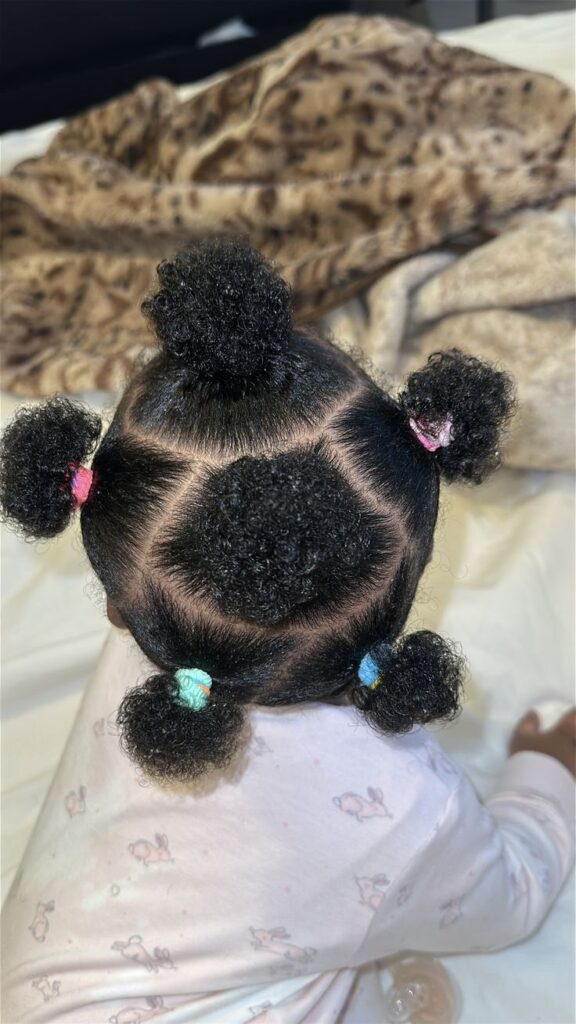
While genetics does most of the heavy lifting, a few simple habits still make a real difference.
None of these speed things up dramatically, but they do protect whatever hair is already growing in.
Small choices, like gentle handling and the right products, add up over weeks and months.
Sticking with a simple, consistent routine tends to matter far more than any single product on its own.
Gentle Scalp Care
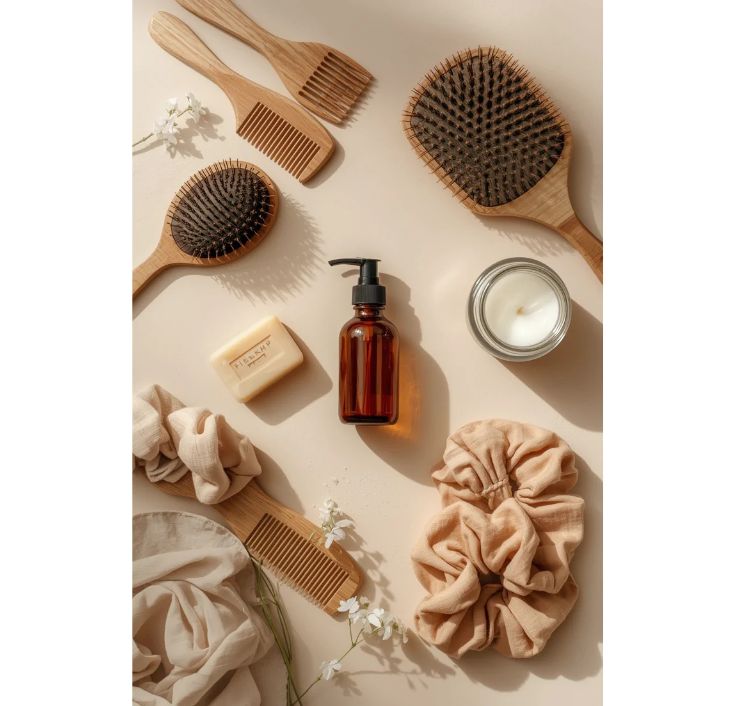
A soft baby brush used gently can help distribute natural oils across the scalp.
Overwashing should be avoided, since it can strip those oils and leave the scalp dry.
The best scalp care routine for children goes deeper into building this habit early.
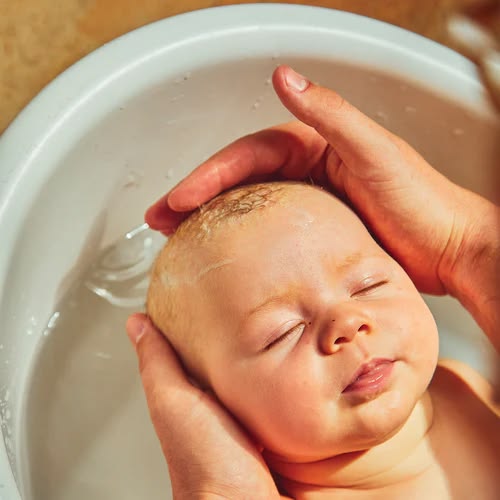
A gentle massage during bath time, using just fingertips rather than nails, can also feel soothing for a baby.
This is not about stimulating growth directly, but about keeping the scalp comfortable and free of buildup.
A calm, unhurried approach tends to work best. Babies pick up on stress during hair care just as easily as adults do.
Friction from sleeping can also affect a baby’s hair over time, much like it does for older kids.
Satin bonnets for kids: do they help? explains how this works once a baby is old enough to wear one.
Nutrition and Overall Health
Once solids are introduced, a varied diet supports healthy hair from the inside out. Iron, protein, and healthy fats all play a role in supporting steady growth.
How to encourage healthy hair growth in kids expands on these ideas well beyond the baby stage.
Hydration matters too, even for babies who are not yet eating much solid food.
A well-hydrated body supports healthy skin and scalp function, which indirectly supports hair growth as well. None of this needs to be complicated or tracked closely.
A generally balanced routine covers most of what a growing baby needs.
Routine checkups also help catch anything unusual early, even though most variation is completely normal.
Healthy habits that support kids hair growth rounds out a simple, sustainable approach for the years ahead.

How Baby Hair Texture Can Change Over Time
Hair texture at birth rarely stays exactly the same through the first year or two.
Follicles are still maturing during infancy, which means texture, color, and thickness can all shift along the way.
A baby born with straight hair might develop waves or curls later on, and the reverse can happen too.
This process can feel confusing if you are trying to plan ahead for styling or products.
How to identify your child’s hair type is worth revisiting every few months as changes show up.
As texture settles further, hair type 2: care guide for kids can help you plan routines that fit.
Color often shifts as well, sometimes quite dramatically between birth and the toddler years.
Pigment-producing cells are still developing during infancy, which explains why a baby born with dark hair might lighten considerably.
None of this is cause for concern. It simply reflects a system that is still settling into its long-term pattern.
Bald Spots and Uneven Patches: What They Actually Mean
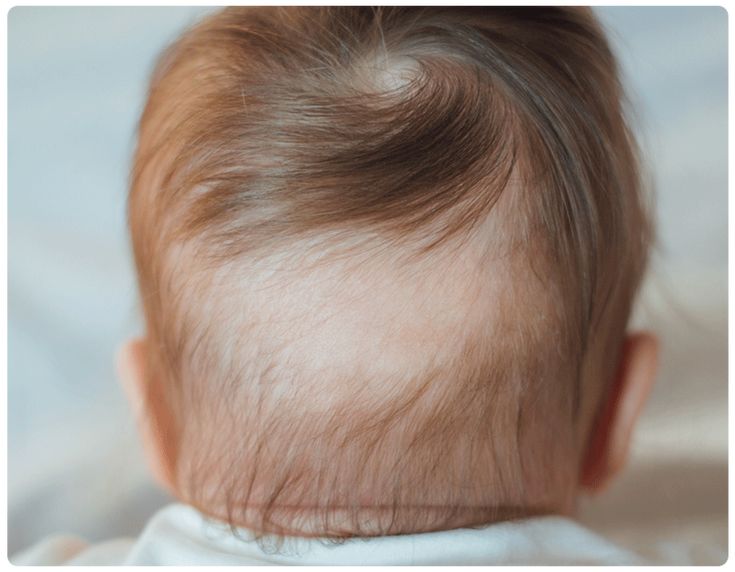
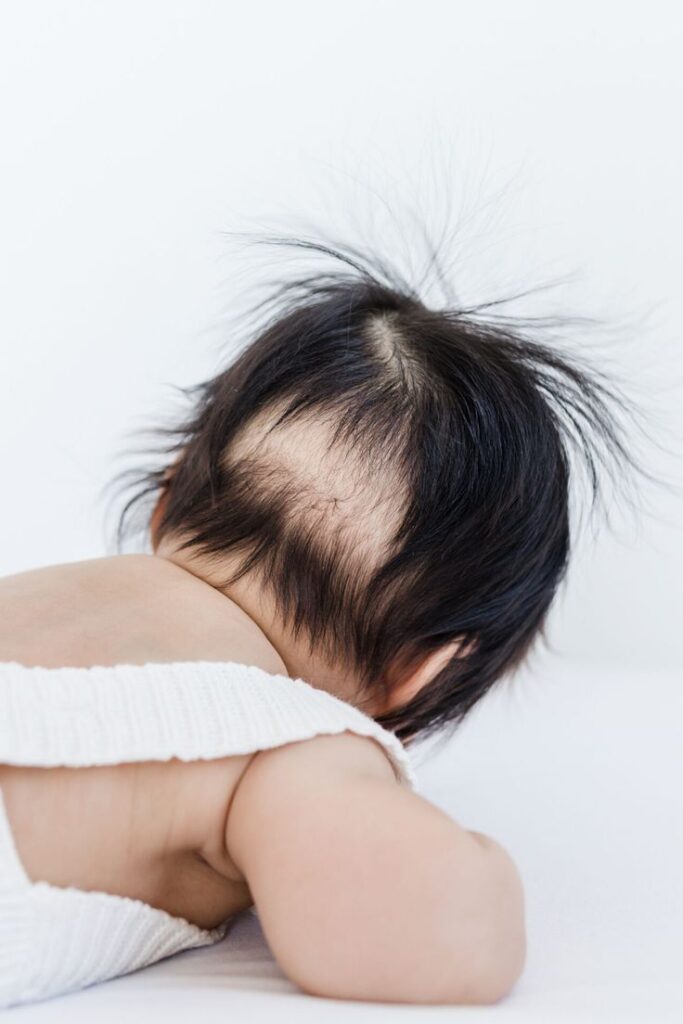
A lot of babies develop a bald patch at the back of the head sometime during the first few months.
This is almost always caused by simple friction from lying down often. It has nothing to do with anything wrong with hair growth itself.
Doctors sometimes call this positional or friction-related hair loss, and it tends to resolve on its own.
Once a baby starts sitting up, crawling, and spending less time on their back, this patch usually fills back in.
Rotating a baby’s head position during tummy time and supervised play can help reduce this friction sooner.
How to keep kids’ scalp healthy offers more detail on supporting a healthy scalp underneath any temporary bald spots.
Uneven patches elsewhere on the scalp are less common but still usually harmless.
A slower-growing area often just reflects normal variation in follicle timing across the scalp.
Genuine concern only comes up if a patch shows redness, scaling, or seems to be spreading over time.
Common Mistakes Parents Make While Waiting for Hair to Grow
Comparing a baby’s hair growth to a sibling’s or a friend’s baby is a common trap parents fall into.
Every baby follows their own timeline, and comparisons rarely offer anything but extra worry.
Trying harsh products or home remedies to speed things up is another mistake worth avoiding.
Pulling or tugging at slow-growing hair to check its length is also worth avoiding entirely.
This can cause unnecessary breakage on hair that is already delicate and still developing.
A light touch, paired with patience, protects whatever hair is already there while new growth continues underneath.
Why expensive hair products aren’t always better is worth a read if a big promise on a bottle has caught your eye.
Overwashing out of impatience is also common and tends to backfire by drying out the scalp.
15 reasons your child’s hair keeps breaking (and what to do about it) helps once hair is longer and breakage becomes a concern.
When to Talk to a Doctor
Most hair growth patterns, even unusual ones, turn out to be completely normal in the end.
A few signs are worth mentioning at a checkup just to be safe. Bald patches with redness, scaling, or visible irritation deserve a closer look.
A complete lack of any hair growth well past the first birthday is also worth mentioning.
So is hair loss that seems sudden, severe, or paired with other symptoms. In most cases, a quick check offers reassurance rather than uncovering anything serious.
It is always fine to bring up hair growth during a routine checkup, even without a specific worry in mind.
Pediatricians see a huge range of variation across babies and can offer quick, honest reassurance either way.
There is no such thing as an unimportant question about a baby’s health and development.
Frequently Asked Questions
When do babies usually start growing hair?
Some hair growth begins before birth, while more noticeable growth often shows up between six months and one year.
Every baby follows their own pace, and both early and late starters are considered normal.
Genetics plays the biggest role in determining the exact timeline.
Is it normal for a baby to be bald at six months?
Yes, plenty of healthy babies are still mostly bald at six months old.
Growth simply happens on a different schedule for each individual baby.
Most bald babies catch up steadily over the following months without any intervention needed.
Why did my baby lose their birth hair?
This is a normal shedding phase caused by hormone shifts that happen after delivery.
It typically occurs within the first three to four months of life.
New hair almost always grows back in in a different texture or color soon after.
Does anything speed up baby hair growth?
Gentle care, good nutrition, and patience are the most reliable tools available to parents.
No product can dramatically override genetics or speed up a baby’s natural timeline.
Protecting existing hair from breakage matters more than trying to force new growth.
When should I worry about slow hair growth?
A complete lack of hair growth well past the first birthday is worth mentioning to a doctor.
So is any redness, scaling, or irritation on the scalp itself.
Outside of those signs, slow growth on its own is rarely something to worry about.
Why does my baby have a bald spot at the back of their head?
This is usually caused by friction from lying down often during the early months.
It is one of the most common and harmless patterns in infant hair growth.
The spot typically fills back in once a baby starts sitting up and moving more.

Final Thoughts
Babies start growing hair on their own individual timeline, and there is a wide range of what counts as normal.
Some show up with a full head of hair, while others stay bald for the better part of a year.
Genetics plays the biggest role, and patience matters far more than any product on the shelf.
It helps to remember that hair growth says very little about a baby’s overall health or development.
Plenty of thriving, healthy babies stay nearly bald until well past their first birthday.
Focusing energy on gentle care rather than speeding things up tends to bring far more peace of mind.
Focusing on gentle, consistent care now sets a strong foundation for the years ahead.
Toddler hair care made simple is a natural next step once your baby moves past these earliest stages.
If wash day routines still feel like a guessing game, the best wash day routine for kids helps take the uncertainty out of it.
And for the bigger picture on daily care, how to moisturize kids hair properly rounds out a simple, sustainable routine for growing hair at any age.
One Comment