When Should You Start Styling Your Baby’s Hair?
Disclosure: Some of the links in this post are affiliate links. This means if you click on the link and purchase an item, I will receive an affiliate commission at no extra cost to you.
There is no official age when a baby’s hair officially becomes styleable, and that surprises a lot of new parents.
Some babies have enough hair for a tiny clip by six months, while others are still working with just a few wisps at their first birthday.
Figuring out the right time for styling your baby’s hair really comes down to length, texture, and a little bit of patience. This guide walks through what to look for and how to start gently.
Every baby reaches this point differently, so comparing timelines with another parent rarely tells you much.
Baby Hair Milestones Every Parent Should Know is a helpful companion to this guide if you want the bigger picture of how hair changes across the first few years.
Once you know roughly what stage your baby is in, deciding when to start styling gets a lot easier.
Some parents feel ready to try earlier than others, and that is completely fine too.
Styling your baby’s hair for the first time is a small milestone worth enjoying rather than rushing.
A simple clip, a soft puff, or even just a neatly brushed part can feel like a big moment the first time you try it.
These early styling sessions often turn into some of the sweetest routines you share together in that first year or two.
There is no wrong way to approach this stage as long as safety and comfort come first.
You don’t need to buy a full styling kit or follow a strict schedule to get started.
Let’s look at how to know your baby is ready and what to try first.

Signs Your Baby Is Ready for Simple Styles
Length is usually the first sign that styling your baby’s hair is worth trying, since most simple styles need at least an inch or two to work with.
Hair that starts falling into the eyes or curling at the nape of the neck is often long enough for a small clip or a short puff.
Everything You Need to Know About Baby Hair Growth covers how growth typically progresses if you are trying to gauge where your baby stands.
Comparing your baby’s length to a chart is less useful than simply checking hair is long enough to gather.
Another sign is simply your baby’s patience for sitting still, even briefly, which tends to improve gradually over the first year.
A baby who tolerates a quick face wipe or diaper change without much fuss is often ready for a thirty second styling session too.
There is no need to wait for a specific age if both the length and the patience are already there.
Trusting these two simple signs works better than following a strict timeline that may not fit your baby.
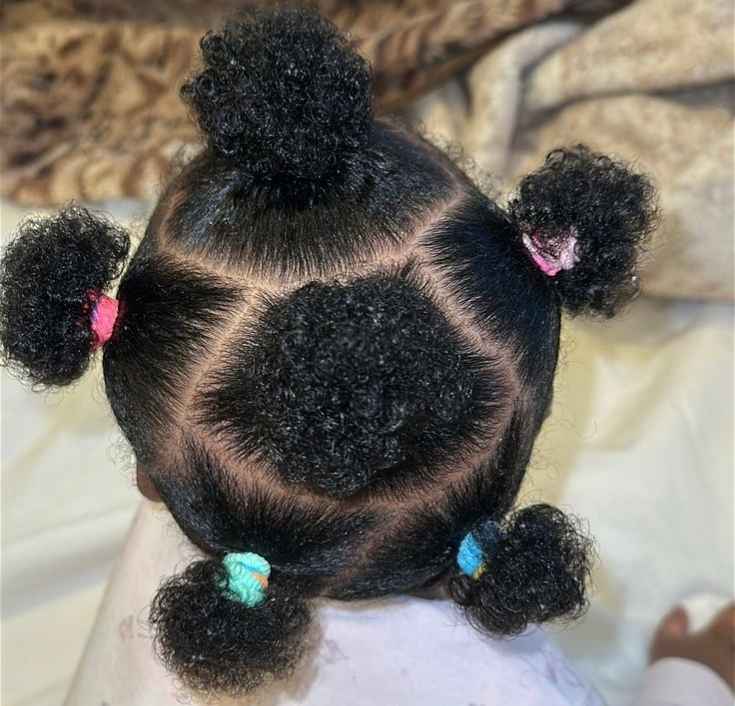
Safe First Styles by Age
The right style really depends on how much hair your baby has and how long they can comfortably sit still.
How to Build a Healthy Hair Routine for Kids offers a helpful framework for thinking about styling as part of a broader routine rather than a one time event.
Styles that work beautifully at eighteen months often are not realistic at six months, and that gap closes gradually as hair grows.
Use these rough age ranges as a starting point, then adjust based on what actually suits your baby, since no two babies grow at quite the same pace.
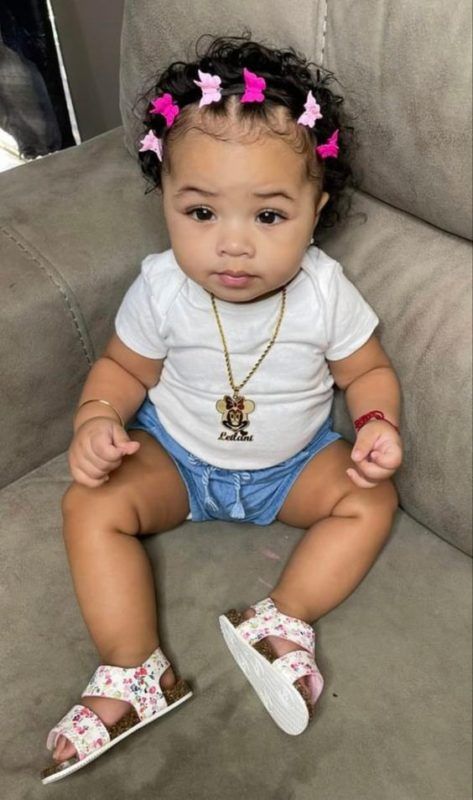
Newborn to Six Months
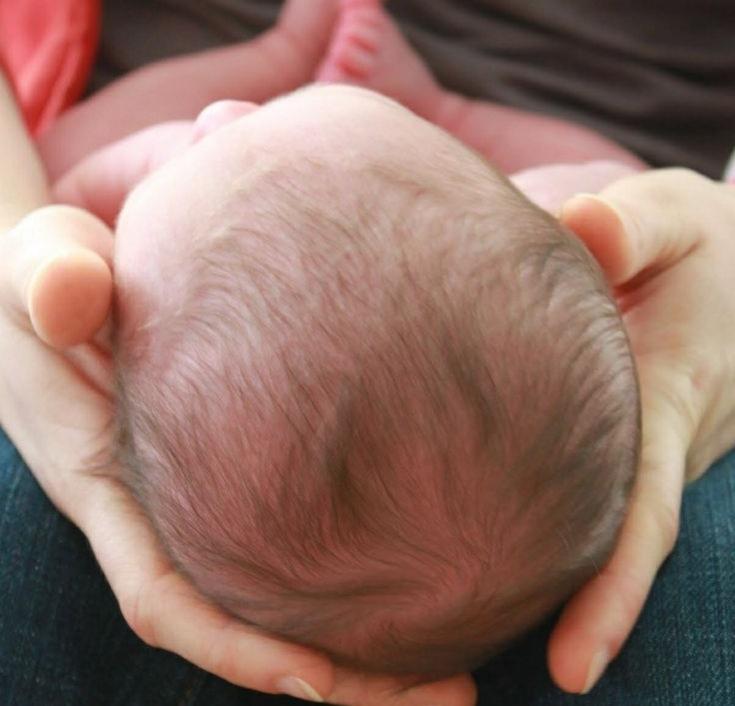
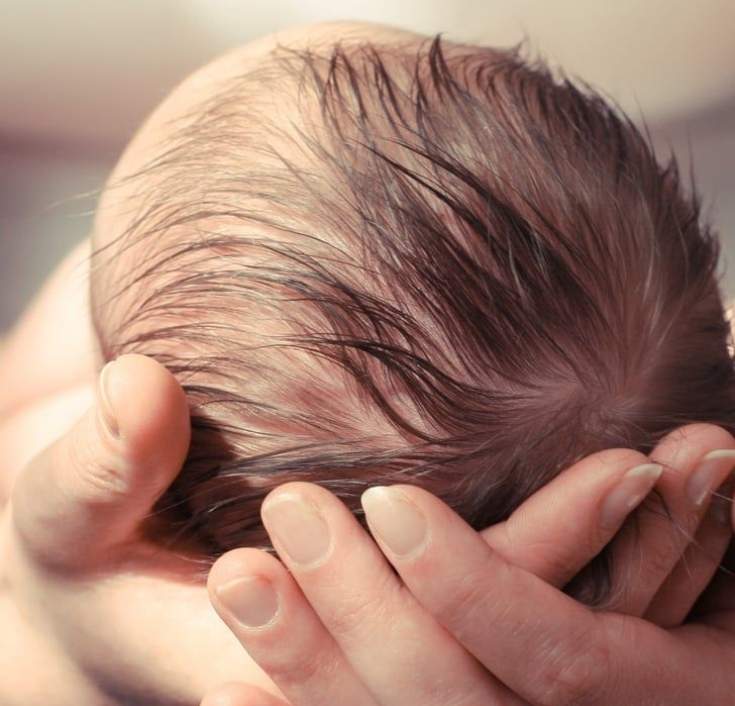
Most newborns have too little hair for real styling, so this stage is mostly about gentle scalp care rather than actual styles.
How to Care for Newborn Hair During the First Year covers what this earliest stage typically looks like.
If your baby does have more hair than average, a soft headband can work occasionally, though it should never be left on during sleep.
There is no rush at this stage, since most of what happens with newborn hair has nothing to do with styling.
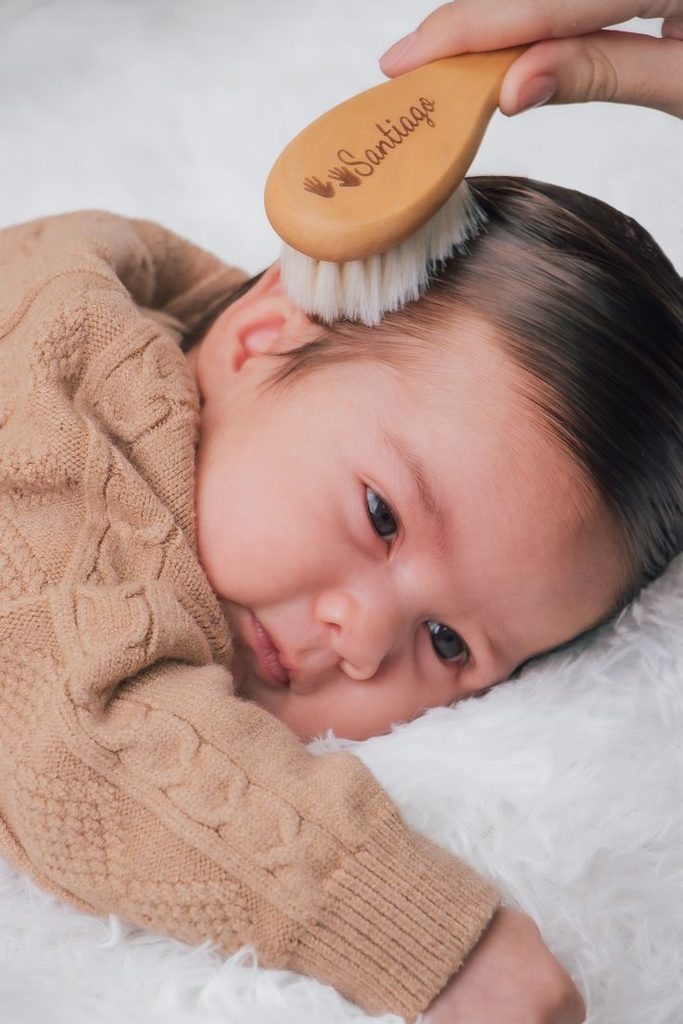
Six to Twelve Months
This is often when styling your baby’s hair first becomes realistic for many families, especially once hair reaches an inch or more in length.
A small, soft puff at the crown or a single tiny clip near the front are both gentle starting points.
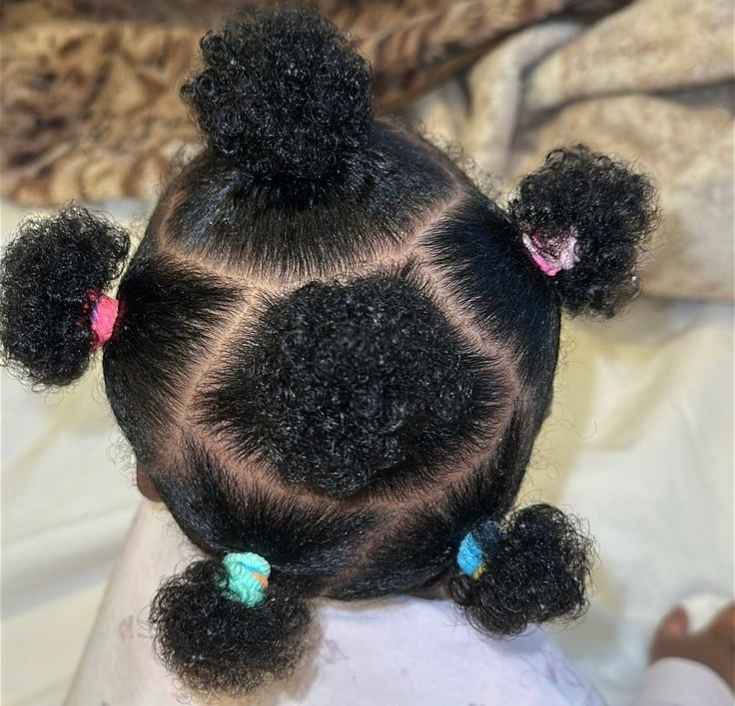
A rounded, loosely gathered puff works especially well here since it requires minimal tension on delicate hair.
Keep sessions short, since most babies this age still have limited patience for sitting still, and a quick, upbeat approach tends to work far better than a slow, careful one.
Twelve to Eighteen Months
By this stage, many toddlers have enough hair and patience for slightly more variety, like simple pigtails or a small half up style.
A puff dressed up with a small bow is a popular choice for this age since it adds a little flair without much added time.
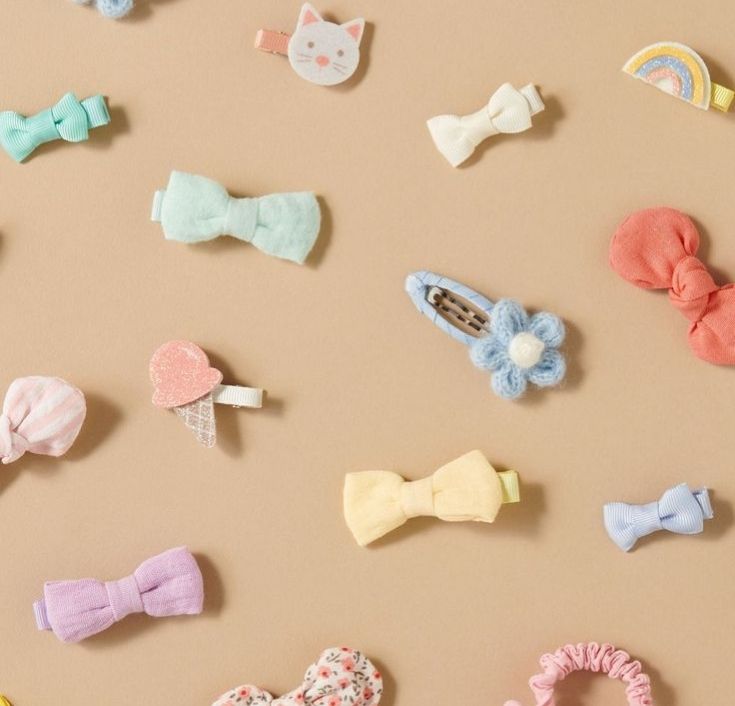
The Best Hair Accessories for Kids can help you choose bows and clips sized appropriately for a toddler this young.
A toddler’s growing mobility also means styles need to hold up through more movement than before.

Eighteen Months and Beyond
Around this age, most toddlers have enough hair length and sitting tolerance for a wider range of simple styles, including small twists or braids.
21 Cute Knotless Braids for Kids offers gentle options once your toddler’s hair and patience have both caught up.
This is also a good time to start involving your toddler in the process, letting them hold a clip or pick between two options.
Styling your baby’s hair at this stage often starts to feel more collaborative than something done entirely for them, which many parents find is part of the fun.

How Hair Type Affects Styling Timing
Curl pattern and texture also play a role in when certain styles become realistic, since some textures hold shape more easily than others.
The Different Kids Hair Textures Explained can help you understand how your baby’s specific pattern might affect styling options.
Finer, straighter hair often needs a bit more length before a puff holds its shape well, while curlier textures sometimes hold volume sooner.
This is one more reason comparing your baby to another child’s timeline rarely gives an accurate picture.
Thicker hair can also mean styles need a little more time to master, simply because there is more hair to work with in each section.
Hair Type 2, Hair type 3, Hair Type 4: Care Guide for Kids is worth a look as your toddler’s texture becomes more established.
There is no need to rush toward a specific style before both length and texture are ready to support it.
Letting texture guide the timeline, rather than age alone, usually leads to a smoother styling experience overall.

Tools and Products Appropriate for Early Styling
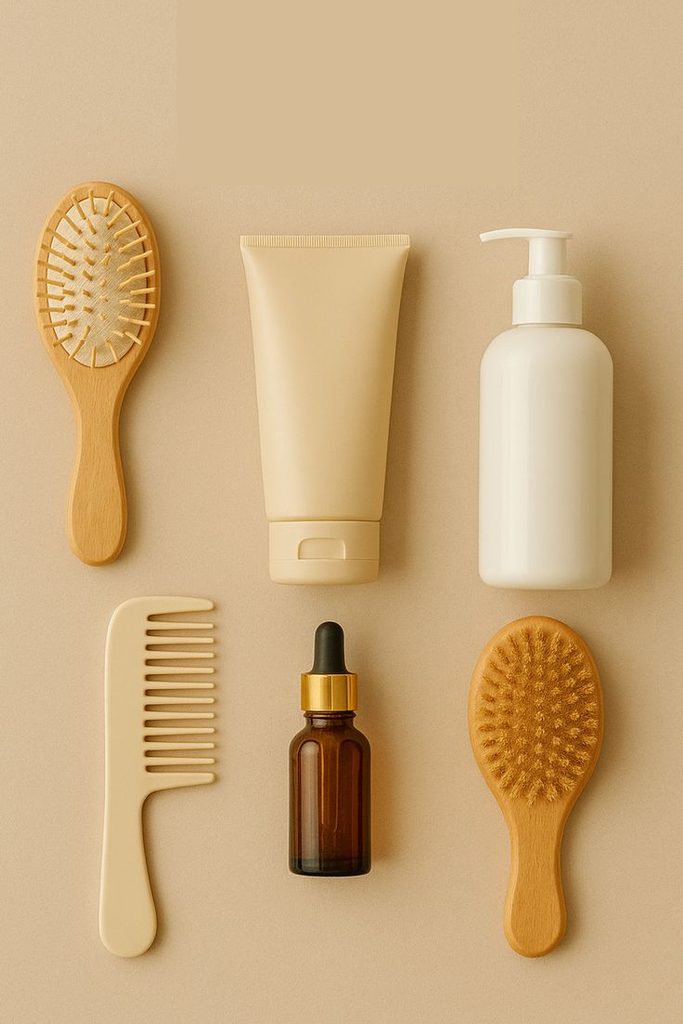
A soft bristled brush is really the only essential tool for styling a baby or young toddler’s hair, since firmer brushes can be rough on a delicate scalp.
The Best Hair Brushes for Kids includes gentle options suited to the youngest hair types.
Wide tooth combs work well too, especially once hair has enough length to tangle.
Keeping a small, dedicated set of tools just for your baby also helps avoid cross contamination from adult products.
Products should stay minimal at this stage, since a baby’s skin and scalp are still sensitive to fragrances and heavier formulas.
Leave-In Conditioner vs Hair Milk for Kids can help you choose a lightweight option if your baby’s hair tends toward dryness.
A small amount goes further than most parents expect, and less is almost always the safer choice early on.
Building a simple product routine now makes styling your baby’s hair feel less like a production and more like a quick, easy step in the day.
What to Avoid When Styling a Baby’s Hair
Tight elastics, rubber bands, or anything that pulls at the hairline should be avoided completely at this stage, since a baby’s scalp is still developing.
Could Your Child’s Hair Accessories Be Causing Breakage? explains how even small amounts of daily tension can add up over time.
Choosing soft, fabric covered accessories over hard plastic ones is a simple way to reduce this risk. This is one of the easiest ways to protect a hairline that is still forming.
Small parts like beads, tight clips, or anything that could come loose are also worth avoiding until your child is old enough not to put things in their mouth.
Choosing softer, larger accessories over anything tiny reduces this risk significantly.
Safety should always come before how a style looks, especially in this earliest stage.
Heat tools of any kind also have no place in styling your baby’s hair, since delicate strands and skin cannot handle that kind of exposure.

How Often You Should Style a Baby’s Hair
There is no set schedule for styling your baby’s hair, and daily styling is rarely necessary or even practical at this age.
A few times a week is plenty for most babies, especially since simple styles like puffs and clips do not need to be redone constantly.
How Often Should You Wash Your Child’s Hair? offers a related guide if you are also figuring out a wash schedule alongside styling.
Letting your baby’s mood and patience guide the schedule usually works better than sticking to a fixed routine.
Overnight styles are generally not recommended for babies and young toddlers, since anything left in during sleep can pose a safety risk.
Satin Bonnets for Kids: Do They Help? explains why loose, simple protection works better than styled looks left in overnight at this age.
Removing any clips or accessories before naps and bedtime is always the safer choice.
A quick check before sleep only takes a moment and can prevent real problems.
Practical Tips for First-Time Styling
Choose a calm moment for that first styling session, ideally right after a bath when hair is soft and your baby is relaxed.
How One Small Routine Change Can Make Hair Time Easier offers a simple approach worth trying from the very start.
Keeping early sessions short and positive helps set the tone for years of hair care ahead.
A relaxed baby almost always makes for an easier styling session than a rushed one.
Involve a favorite toy or a few minutes of a favorite song to keep your baby engaged during those first attempts.
Why Your Child Hates Hair Time (and How to Change It) has more ideas if styling sessions start to feel like a struggle as your child gets older.
Building positive associations early tends to pay off later. Starting small and staying consistent matters far more than getting every style perfect right away.
Common Mistakes to Avoid
Rushing to try more advanced styles before your baby’s hair or patience is ready is one of the most common early mistakes.
The Biggest Braiding Mistake That Can Lead to Hair Loss explains how starting too tight, too early, can cause more harm than good.
Simple styles are almost always the better choice in these first couple of years.
Wanting to try something more elaborate is understandable, but it is rarely worth the risk this early on.
Using tools or products made for adults or older kids is another common mistake, since a baby’s hair and skin need gentler formulas.
Why Expensive Hair Products Aren’t Always Better explains why simple, baby specific options usually outperform heavier, more complex ones.
Sticking to the basics works better than reaching for more advanced products too soon.
Simplicity really is the theme that runs through nearly every part of styling your baby’s hair well.
Frequently Asked Questions
What is the earliest age I can put a bow or clip in my baby’s hair?
Most babies can safely wear a small, soft clip once they have enough hair to hold it, often somewhere between six and twelve months.
Hair Bows for Kids That Stay in Place has tips for choosing accessories that stay put without adding extra tension.
Always remove any clip before naps or bedtime for safety. Length and hair thickness matter more here than any specific age cutoff.
Is it safe to put my baby’s hair in a ponytail?
A very loose, low ponytail can be safe for babies with enough hair, though it should be checked often to make sure it is not too tight.
Avoid pulling hair back for extended periods at this young age, since delicate hairlines are more prone to tension damage.
Removing the style for naps and overnight sleep is always the safer approach.
If in doubt, a soft puff is usually a gentler starting point than a pulled back ponytail.
How do I keep my baby from pulling out clips or accessories?
Choosing soft, lightweight accessories that sit close to the head tends to reduce how tempting they are to pull at.
Keeping sessions short and positive also helps redirect attention away from fussing with a new accessory.
Distraction with a toy or song usually works better than repeatedly telling a baby to leave it alone.
Most babies grow out of this phase naturally as they get used to wearing accessories.
When should I start using styling products on my baby’s hair?
Most babies do not need styling products until closer to their first birthday, when hair has enough length to benefit from a light leave-in or oil.
The Best Hair Oils for Children’s Hair covers gentle options once your baby reaches this stage.
Before that, a soft brush and a little water are usually all that is needed.
Simple is almost always better in these first several months.
Does it matter if I style my baby’s hair the same way every day?
Repeating a simple style day to day is generally fine, as long as accessories are not left in continuously and the hairline gets a break between sessions.
The One Hair Care Habit That Causes More Tangles Than You Think covers why some variety in how hair is handled can actually help reduce tangling over time.
Rotating between two or three gentle styles is an easy way to build in that variety.
There is no need to reinvent styling your baby’s hair every single day to keep things healthy.

Final Thoughts
There is no single right age for styling your baby’s hair, since every child reaches the right length and patience on their own timeline.
Start simple, keep sessions short, and let your baby’s actual hair and mood guide the pace rather than a set schedule.
Simple Hairstyles for Babies With Fine Hair is a helpful next read if your baby’s hair is still on the finer, sparser side.
These early styling moments pass quickly, so it is worth enjoying them rather than rushing toward something more elaborate.
Every small session you spend brushing, clipping, or gently gathering your baby’s hair is really building a habit that will carry into the toddler years and beyond.
Toddler Hair Care Made Simple is a good next stop once your child moves past this earliest styling stage.
Looking back, these first attempts at styling your baby’s hair often turn out to be some of the most memorable parts of this stage.