
Could Your Child’s Hair Accessories Be Causing Breakage?
Disclosure: Some of the links in this post are affiliate links. This means if you click on the link and purchase an item, I will receive an affiliate commission at no extra cost to you.
Cute bows, sparkly clips, and colorful headbands all feel like a completely harmless, purely decorative part of getting your child ready each morning.
But if you have genuinely noticed more breakage than usual lately, the accessories themselves might actually be a real part of the problem.
Hair accessories causing breakage is far more common than most parents realize, and it rarely has anything to do with the hair care routine itself.
Even careful, gentle hair care can be undone by a single problematic accessory used every day.
The issue usually comes down to material, tightness, or how long an accessory stays in the hair. 15 Reasons Your Child’s Hair Keeps Breaking (and What to Do About It) covers a wide range of causes, but accessories deserve their own closer look since they are so easy to overlook.
Once you start deliberately checking accessories specifically, the underlying pattern often becomes obvious fairly quickly and consistently.
A single elastic or clip used daily in the same spot can account for a surprising amount of breakage that seemed unexplainable before.
This post breaks down exactly which accessories tend to cause the most damage, why it happens, and what to choose instead.
How to Moisturize Kids Hair Properly matters, but even perfectly moisturized hair can suffer if the wrong accessory is working against it every single day.
You will also find simple swaps that keep styling fun without adding unnecessary risk to your child’s hair.

Why This Goes Overlooked
Accessories feel like the fun, decorative, purely cosmetic part of hair care, completely separate from anything that could cause real, lasting damage.
Parents pay close attention to shampoo, conditioner, and styling technique, but rarely think twice about the elastic holding a ponytail together.
This gap in attention means accessory-related breakage very often gets misattributed to dryness, rough handling, or genetics instead of the actual, much simpler cause.
Once you know what to look for, the connection becomes much easier to spot.
Stores also market accessories purely on appearance, with almost no attention paid to how gentle or harsh a given material is on hair.
A beautiful bow or clip can look completely harmless while quietly causing damage every time it goes in.
Packaging rarely mentions anything about hair safety, which leaves parents guessing based on looks alone.
The Real Culprits Behind Accessory Damage
A relatively small handful of specific, identifiable accessory issues account for the vast majority of breakage parents actually notice and end up worrying about.
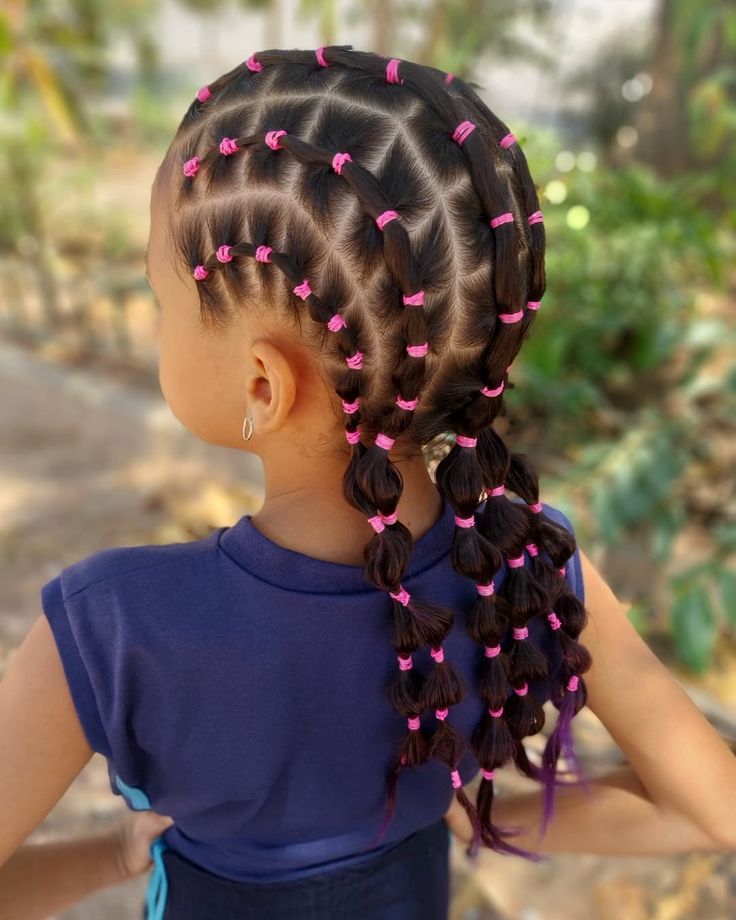
Tight elastics, exposed metal parts, and accessories left in too long all contribute in different ways.
Understanding exactly how each one causes damage makes it much easier to catch the problem before it gets worse.
The sections below walk through the most common offenders one at a time, starting with the accessory most families reach for every single day, plus a couple of clip styles that often go unnoticed until damage has already started.
Tight Elastics and Rubber Bands
Standard rubber bands and thin elastics grip hair tightly, and removing them often means pulling out several strands along with the band itself.
Over time, this repeated stress at the same point on the hair shaft leads to noticeable thinning and breakage.
This is usually the very first accessory worth examining if breakage has become a recurring concern. The One Hair Care Habit That Causes More Tangles Than You Think explains a related pattern where repeated friction compounds damage in a similar way.
Using the same elastic in nearly the exact same spot every day makes this worse, since the hair never gets a chance to recover before facing the same stress again.
Metal Clips and Snag Points
Metal barrettes, clips with exposed hinges, and hardware with sharp or rough edges catch on hair strands and pull them out during entirely normal wear and removal.
Sometimes without either of you even noticing until the damage has already added up considerably.
Even clips that look smooth can have small snag points that only become obvious once hair starts catching on them repeatedly.
Should You Trim Your Child’s Hair Regularly? covers how snagged, split ends often trace back to exactly this kind of repeated catching.

Heavy Embellishments
Large bows, thick headbands, and clips loaded down with beads or charms all add real, noticeable weight to the hair, especially when several pieces are worn at once.
This extra weight pulls steadily at the roots throughout the entire day, creating cumulative tension that can lead to real thinning near the hairline over time.
The Biggest Mistake Parents Make With Protective Styles covers a related issue where sustained pulling, from any source, causes similar long-term stress on the same areas of the scalp.
This is one more example of hair accessories causing breakage in a way that has nothing to do with the hair care routine itself.

Headbands and Hair Ties Worn Too Tight
A headband or ponytail holder that feels secure in the morning can create constant pressure on the same spots for hours.
What feels comfortable at nine in the morning can feel noticeably tighter by the afternoon as hair shifts and settles throughout the day.
Checking in partway through a long day and loosening anything that feels snug prevents hours of unnecessary tension.
17 Protective Hairstyles for Active Kids covers gentler ways to keep hair contained during play without relying on tight bands all day.
Plastic Snap Clips and Claw Clips
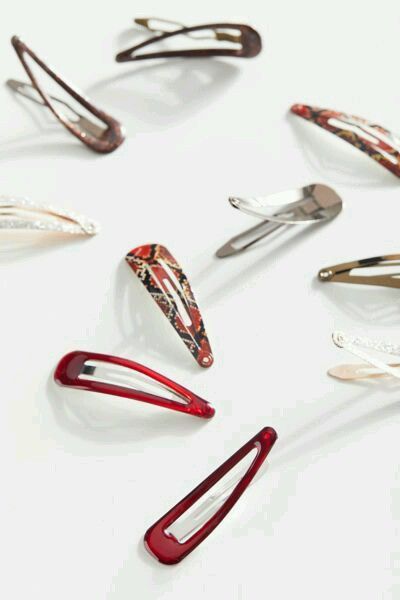
Snap clips and claw clips with tight, strong, spring-loaded jaws can pinch and pull hair sharply at the point of closure, especially on finer strands near the crown or hairline.
Testing the clip’s grip strength on a small section before using it on a larger area helps you gauge how much pressure it actually applies.
If it pinches uncomfortably on a small test section, it will likely do the same, or worse, once holding a full section of hair all day.
Accessories Left in Overnight
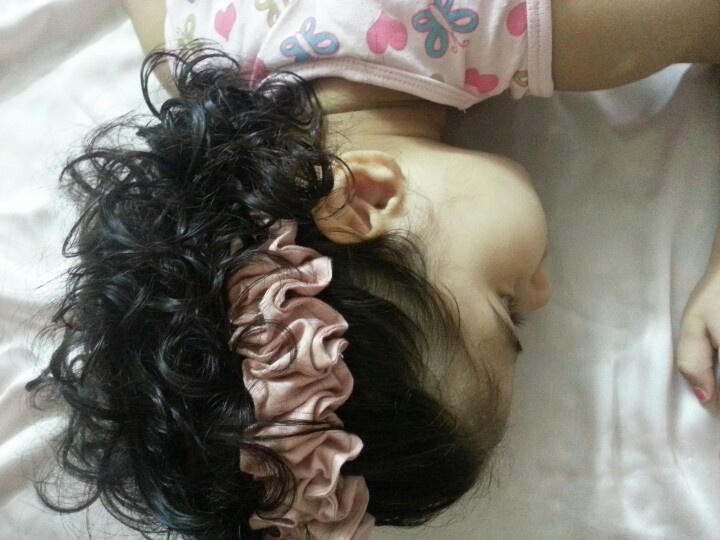
Sleeping in hair ties, clips, or headbands adds hours of extra tension and friction on top of an already long day of wear.
Satin Bonnets for Kids: Do They Help? explains why removing all accessories before bed matters just as much as protecting the hair itself overnight.
A tight elastic left in overnight essentially doubles the hours of tension it applies compared to daytime wear alone.
This is often the single easiest and most effective way to reduce hair accessories causing breakage without changing anything else about your existing routine.
How to Choose Safer Accessories
Switching over to gentler, genuinely safer accessories does not mean giving up cute, fun, or expressive styling options for your child at all.
A few small changes in material and design make a significant difference without sacrificing style.
Paying attention to these details when shopping prevents most accessory-related breakage before it starts.
The options below are worth prioritizing for everyday wear, with more elaborate pieces saved for special occasions instead.
Choose Fabric-Covered or Silicone Hair Ties
Fabric-wrapped elastics and silicone hair ties grip gently and evenly without pulling on individual strands the way exposed rubber tends to.
The Best Hair Accessories for Kids has specific options worth considering if you are ready to replace standard elastics.
This single swap alone addresses one of the most common sources of hair accessories causing breakage in the first place, and it typically costs very little to try.

Check Clips and Barrettes for Smooth Edges
Run a finger slowly along any metal or plastic accessory before using it regularly, feeling carefully for rough seams, hinges, or edges that could snag hair.
Accessories with a fully coated or rounded design tend to cause far less damage than exposed hardware.
How to Identify Your Child’s Hair Type can help you understand if your child’s specific texture is more prone to snagging on rough accessories than average.
Curlier and coilier textures in particular tend to catch on rough edges more easily than straighter hair,
which is one more reason hair accessories causing breakage shows up more often in certain households than others.
Limit How Many Accessories Go in at Once
A single, well-chosen accessory usually looks just as cute and put-together as several pieces stacked on top of each other, without adding any unnecessary weight or tension.
Save heavier or more elaborate pieces for special occasions rather than daily wear.
Why Your Child’s Hairstyles Never Last Until the End of the Day covers how too much accessory weight can also shorten how long a style holds up.
Sustained tension from heavy accessories affects the scalp just as much as the strands themselves.
How to Keep Kids’ Scalp Healthy is worth reading too, and fewer, lighter accessories almost always outperform a heavily decorated look in terms of both comfort and how well the style actually lasts.
Loosen Ponytails and Headbands Slightly
A style that looks neat does not need to feel tight to stay in place.
How to Build a Healthy Hair Routine for Kids can help you find styling techniques that hold well without relying on excessive tension.
A slightly looser style that lasts just as long is always the better trade for long-term hair health.
Remove Everything Before Bed
Make removing hair ties, clips, and headbands and replacing them with satin bonnet part of the nighttime routine, right alongside brushing teeth.
This one small habit alone prevents many hours of unnecessary, avoidable tension every single night while your child sleeps.
How to Encourage Healthy Hair Growth in Kids is a great next read once accessory habits feel more consistent and you are ready to focus on other parts of the routine.

Common Mistakes to Avoid
Assuming an accessory is automatically safe just because it looks soft or gentle on the surface is a genuinely common mistake.
Fabric-covered elastics can still cause damage if wound too tightly, and soft-looking clips sometimes hide rough edges underneath the surface.
Why Expensive Hair Products Aren’t Always Better makes a similar point about not judging safety purely by appearance or price.
This is exactly why hair accessories causing breakage often goes unnoticed for so long, since the culprit rarely looks dangerous.
Reusing the exact same few accessories every single day without ever checking their condition is another mistake genuinely worth avoiding.
Elastics stretch out and clips loosen over time, sometimes in ways that make them grip hair more aggressively rather than less.
A worn elastic can actually cause more damage than a new one, since fraying edges create additional friction points against the hair shaft with every single use.
The Best Wash Day Routine for Kids is a good moment to build in a quick check of your accessory collection, since you are already handling the hair anyway.
Ignoring or dismissing complaints about tightness or discomfort is a real mistake too, one that is easy to make without realizing it.
If your child mentions that a ponytail or clip hurts, take it seriously rather than assuming it will loosen up on its own throughout the day.
Why Your Child Hates Hair Time (and How to Change It) covers how ongoing discomfort, including from accessories, builds resistance to hair care over time.
Frequently Asked Questions
How do I know if an accessory is causing breakage?
Look closely for small broken hairs concentrated near where an accessory sits regularly, along with any noticeable thinning at that specific, repeated spot.
If breakage seems concentrated in one specific area rather than spread evenly across the whole head, hair accessories causing breakage in that exact spot is very often the underlying cause.
Removing that accessory for a few weeks and watching for improvement can confirm the connection.
The Hidden Reason Your Child’s Hair Looks Dull covers a different, more diffuse pattern worth ruling out if the breakage seems spread evenly instead.
Are silicone hair ties really better than rubber bands?
Yes, silicone ties grip gently through friction rather than pulling tightly and aggressively on the strands the way traditional rubber bands do.
This gentler grip significantly reduces the breakage that happens when removing a ponytail holder.
Many parents notice a real difference within just a few weeks of switching, especially around the crown where ponytail holders sit most often.
Can headbands cause hair loss?
A headband worn far too tight, especially over extended periods of time, can genuinely contribute to noticeable, tension-related thinning right along the hairline.
The Biggest Braiding Mistake That Can Lead to Hair Loss covers how sustained tension from any source, including accessories, can lead to more serious hair loss over time.
Catching the early signs and adjusting how tightly accessories fit usually prevents this outcome entirely.
How often should I replace my child’s hair accessories?
Check elastics and ties every few weeks for signs of stretching, fraying, or loss of shape, and replace them promptly once they no longer hold securely without needing extra tightening.
Clips and barrettes should be checked periodically for loose hinges or exposed edges that could develop over time with regular use.
The Different Kids Hair Textures Explained can help you understand if certain textures wear through accessories faster than others.
What accessories are safest for everyday wear?
Fabric-covered elastics, silicone hair ties, and smooth, fully coated clips all tend to be the gentlest, safest options for regular daily use.
Save embellished or heavier pieces for special occasions where the hair will not need to hold that particular style for a full, active day.
Rotating between a small collection of accessories also helps prevent overusing any single piece well before it gets properly checked for wear and tear.
Signs Your Child’s Hair Is Healthy can help you confirm your current accessory choices are working well over time.
Final Thought
Hair accessories aren’t the enemy here, the goal was never to stop using them. Clips, ties, and headbands are a normal, fun part of styling, and there’s no need to give up any of it.
The real pattern worth watching for is overuse: too many pieces at once, the same tight elastic left in for too many hours, or accessories that never come out before bed. It’s the accumulation that causes damage, not the accessories themselves.
Gentle detangling and consistent moisture still matter, but they work best alongside accessories that aren’t quietly adding constant tension on top of everything else.
A few simple habits make the biggest difference: choosing gentler materials when possible, giving hair a break between heavier styles, checking accessories now and then for wear, and removing everything before bed.
None of this means less styling, it just means being a little more mindful about how much is going in and for how long.
Once accessory habits feel more consistent, How to Encourage Healthy Hair Growth in Kids is a great next read.
And if you’re also curious whether your child’s specific hair texture makes them more prone to snagging or tension, How to Identify Your Child’s Hair Type is worth a look too.
Take a look at what’s currently in your child’s accessory collection, not to get rid of it, but to spot which pieces might be getting a bit too much daily use.
A small adjustment in frequency, more than any single swap, is usually what protects hair health in the long run.
2 Comments