

Why Your Child’s Hairstyles Never Last Until the End of the Day
Disclosure: Some of the links in this post are affiliate links. This means if you click on the link and purchase an item, I will receive an affiliate commission at no extra cost to you.
You spent twenty minutes this morning getting the braids just right. By the time pickup rolls around, half of them are frizzy, a few have slipped loose, and the style barely resembles what you started with.
If your child’s hairstyles never last through a full day no matter how carefully you do them, you are definitely not the only parent dealing with this.
It is easy to assume you are just doing something wrong with the technique itself. But most of the time, the real reason has very little to do with how neatly you parted or braided the hair.
It comes down to a handful of small factors happening before, during, and after the style goes in.
Understanding why your child’s hairstyles never last is often more about the setup than the actual styling session.
Once you see why your child’s hairstyles never last through a normal day, the pattern usually becomes very easy to spot.
A few overlooked steps before you even pick up a comb can make the difference between a style that survives recess and one that unravels before lunch.
This post breaks down exactly why your child’s hairstyles never last as long as they should, and what you can actually do about it.
None of these fixes require starting your whole routine over. Most of them are small adjustments you can make the very next time you sit down to style.
By the end, you should have a much clearer picture of what is working against your styles and how to give them a real fighting chance to hold up through an active, busy day.

Why This Happens More Than You’d Expect
Kids are active, they run, climb, nap, sweat, and rub their heads against pillows and car seats all day long.
A style that looks flawless in a still photo at eight in the morning is up against a lot by the time three o’clock rolls around.
On top of activity level, hair itself plays a big role.
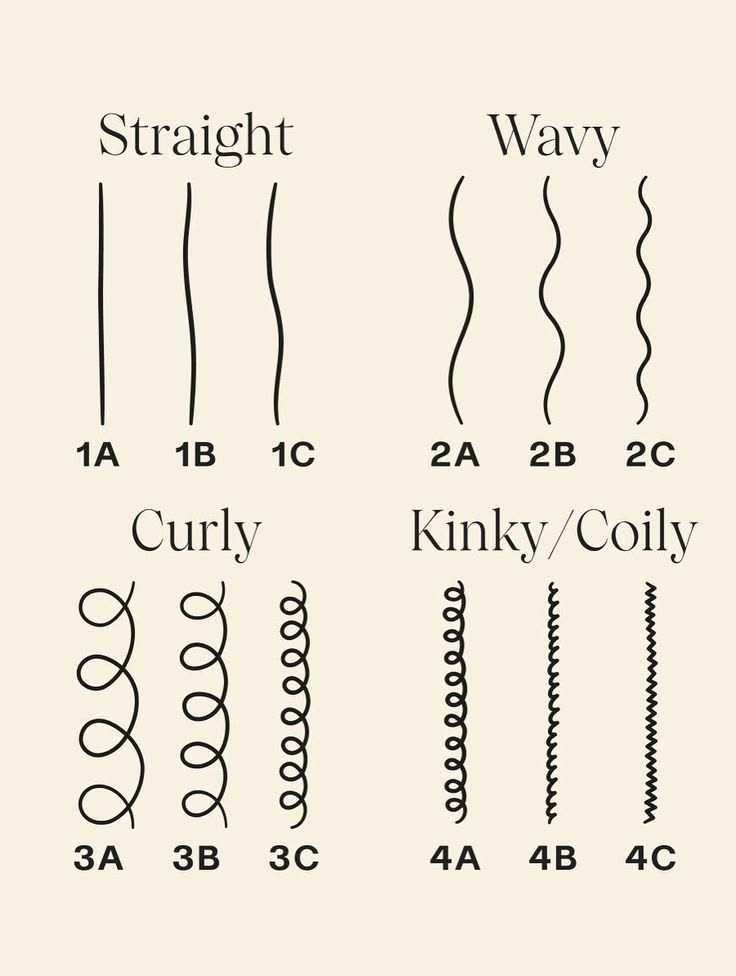
Curly and coily textures naturally want to revert back to their original shape, especially without the right prep.
How to Identify Your Child’s Hair Type can help you understand how your child’s specific texture behaves under everyday conditions.
Think about how many things a style has to survive in a single day.
Nap time on a couch cushion, a hat pulled on and off, a backpack strap brushing against the neck, and hands constantly touching and adjusting all add up.
None of these things are avoidable, which is exactly why the prep and product choice matter so much before the day even begins.
The Real Reasons Behind It
A few specific issues show up again and again when a hairstyle does not make it through the day.
Hair may become loose, frizzy, tangled, or uncomfortable for your child.
Sometimes the problem comes from the way the hair was styled, while other times daily activities are the main cause.
Once you know what to look for, you can usually pinpoint exactly which issue is affecting your child’s particular style.
That makes it much easier to adjust the routine and help the hairstyle stay neat, comfortable, and secure for longer.
The Hair Not Properly Prepped
Styling on hair that is not properly moisturized or detangled sets the style up to fail before it even starts.
Dry hair has less flexibility, which means braids, twists, and ponytails have nothing to hold onto and start slipping almost immediately.
Start every styling session on clean, moisturized, well-detangled hair.
How to Moisturize Kids Hair Properly walks through the layering technique that gives hair the flexibility it needs to actually hold a shape.
Skipping this step is one of the most common reasons styles unravel early.
Rushed detangling causes similar problems.
Sections that are not fully separated and smoothed before styling tend to loosen faster, since any remaining tangles create weak points the style can pull apart from.
The Secret to Tear-Free Detangling covers techniques that get hair fully prepped without turning the process into a battle.

The Wrong Product Was Used for the Style
Not every product is designed to hold a style in place.
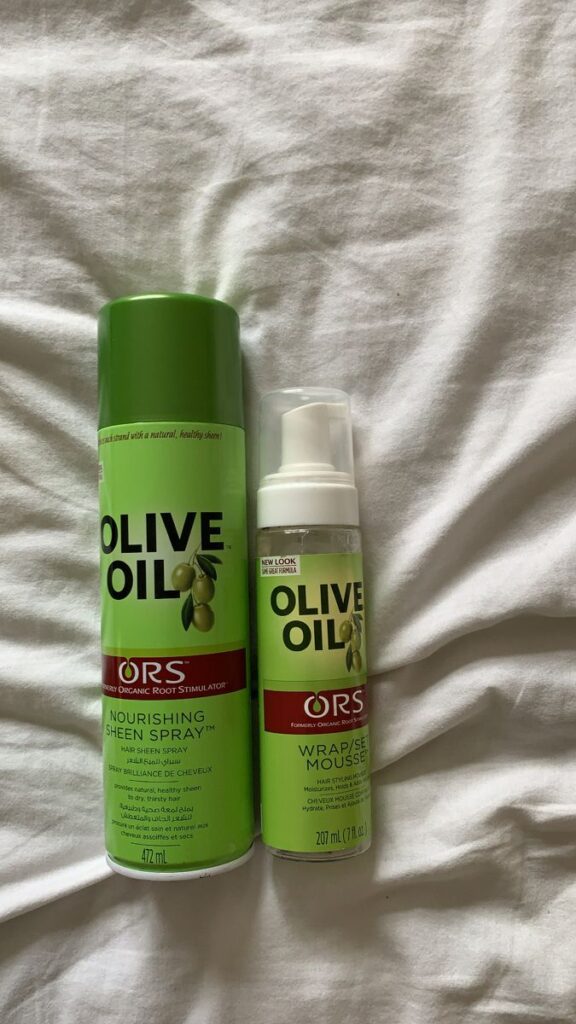
A heavy moisturizing cream might feel great on the hair but does very little to actually grip strands together.
Styles that need more structure, like braids or twists, usually need a product with some hold built in.
Gels, edge control, and styling creams formulated for hold work differently than everyday moisturizers.
The Best Hair Oils for Children’s Hair can help you understand which products are meant for moisture versus which ones are meant for structure, so you are not relying on the wrong one for the job.
Some parents also reach for a leave-in conditioner as a hold product, which usually is not what it is designed to do.
Leave-In Conditioner vs Hair Milk for Kids breaks down what each product actually accomplishes, so you can build a product lineup that covers both moisture and structure instead of relying on one product to do everything.
Hair Texture Not Accounted For
Every hair texture behaves differently under the same styling technique.
What holds beautifully on one child’s hair might slip within an hour on another child’s hair, even with the exact same product and method.
Assuming one approach works for every texture is a common reason styles do not last as expected.
The Different Kids Hair Textures Explained breaks down how texture affects styling longevity, so you can adjust technique and product choice based on what your child’s hair actually needs rather than a generic approach.
Hair porosity plays a role here too. Hair that absorbs moisture quickly but also loses it quickly often needs more frequent touch-ups to hold a style than hair with lower porosity, which tends to hold both moisture and shape for longer stretches.
Sweat and Activity Level
Kids move constantly, and sweat is one of the biggest style disruptors there is.
Moisture from sweat softens the hold products create, which causes braids to frizz and ponytails to loosen much faster on active days compared to quieter ones.
If your child has PE, recess, or an active activity planned, consider a slightly more secure style than usual, or plan touch-up time into the day.
17 Protective Hairstyles for Active Kids has options specifically chosen to hold up better under movement and play.
A light dusting of edge control along the hairline before an active day can also buy extra hours before frizz starts to show, especially around the edges where sweat tends to collect first.

Humidity and Weather Changes
Humidity is one of the sneakiest reasons a hairstyle falls apart early.
Moisture in the air causes hair to swell and frizz, which weakens the structure of braids, twists, and any style relying on smooth, controlled sections.
This effect is often stronger than people expect, especially for curly and coily textures.
Summer/Winter/Spring/Fall Hair Care Tips for Kids covers how to adjust products and technique depending on the weather, since a style that holds perfectly in dry winter air might not survive a humid summer afternoon at all.
An anti-humidity spray or a slightly heavier sealant during humid months can help hold up against moisture in the air.
How Humidity Affects Kids Hair goes further into why this happens and which adjustments make the biggest difference during particularly sticky or damp weather.

Accessories Adding Extra Weight or Tension
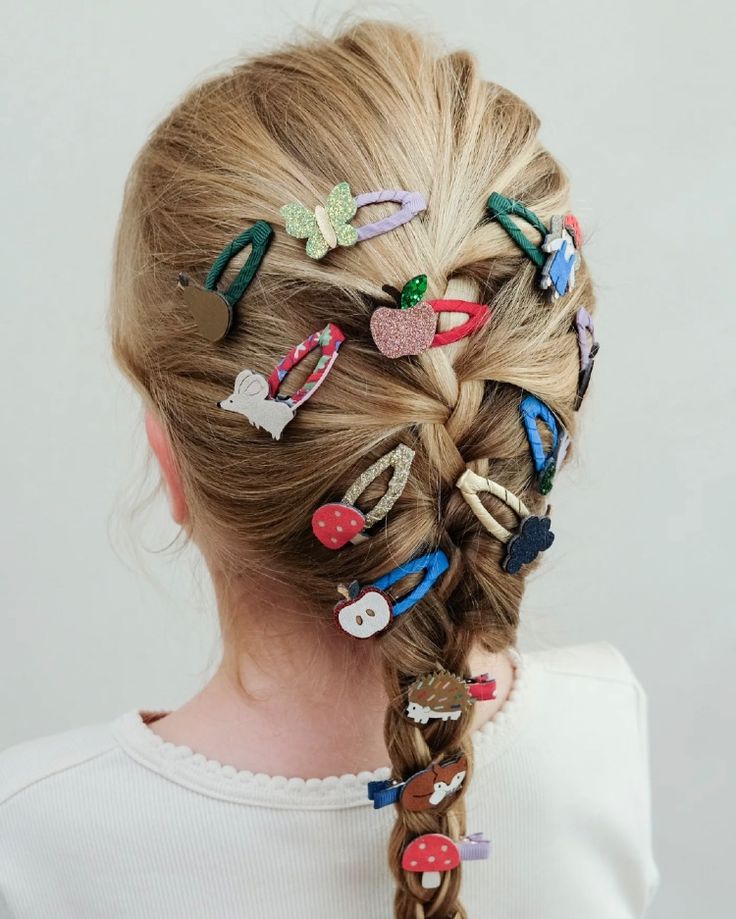
Heavy hair accessories, thick elastics, or too many clips in one spot can pull styles loose faster than expected.
The added weight tugs at the roots throughout the day, gradually working sections free even if you styled it carefully.”
Lightweight accessories designed specifically for kids tend to hold better without adding unnecessary strain. The Best Hair Accessories for Kids has options worth considering if accessories seem to be part of the problem.
Watch how your child interacts with accessories throughout the day too.
Kids often play with bows, clips, or headbands without realizing it, which can loosen a style faster than the accessory itself would on its own.
How to Make Hairstyles Last Longer
A few consistent habits can make a noticeable difference in how long a hairstyle holds up, even when your child’s hair has different needs.
Small changes in how you prepare, style, and protect the hair can help prevent the style from becoming loose too quickly.
These habits also reduce unnecessary pulling, tangling, and frizz throughout the day.
With regular care, your child’s hairstyles can stay neat, comfortable, and secure for much longer.
Style on Freshly Moisturized, Detangled Hair
This is the foundation every other tip builds on.
Hair that starts out properly prepped gives every technique and product a much better chance of actually working the way it should.
“How to Build a Healthy Hair Routine for Kids can help you set up a consistent moisturizing schedule so hair is always ready for styling, not just on wash day.

Choose the Right Product for the Job
Match the product to what the style actually needs. Structure-focused styles need hold.
Loose, flowing styles need moisture and shine instead.
Using the wrong type of product for the style you are creating is one of the fastest ways to end up disappointed by how quickly it falls apart.
How to Choose the Right Shampoo for Kids and the products that follow it in your routine work together, so starting with the right foundation matters even before styling begins.
Protect the Style Overnight
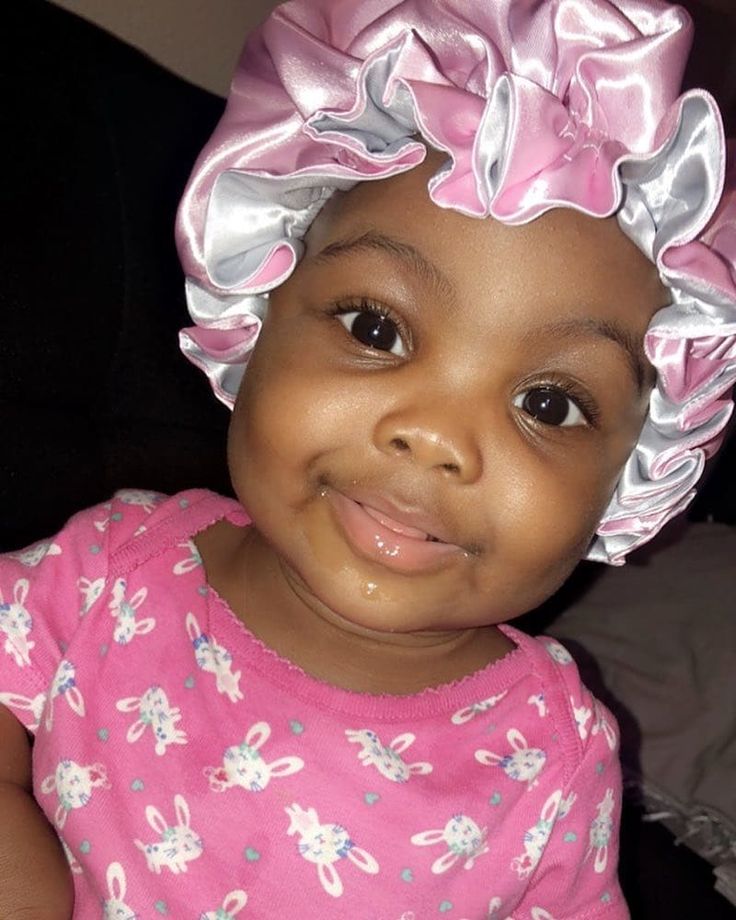
A satin bonnet or scarf reduces friction while your child sleeps, which helps styles last significantly longer between wash days.
Satin Bonnets for Kids: Do They Help? covers exactly how much of a difference this simple step can make.
Loosely wrapping the style rather than pulling it tight against the head also helps preserve the shape without adding extra tension overnight.
Choose Styles That Match the Day Ahead
A style built for a quiet day at home does not need to hold up the same way a style needs to for an active day at school or on the playground.
Matching the style to the activity level ahead of time prevents a lot of frustration later.
19 Cute Ponytail Hairstyles for Kids is a good place to browse lower-maintenance options for calmer days.
For more active days, styles with a bit more structure tend to hold up better under movement.
31 Best Braided Hairstyles for Kids has plenty of secure options worth keeping in your back pocket for busier days.
Build In Touch-Up Time
Even the most secure styles benefit from a quick refresh partway through a long day.
A small spray bottle of water mixed with a little leave-in conditioner can smooth flyaways and re-set loose sections without needing to redo the whole style from scratch.
Keeping a small kit in a backpack or with the school office is a simple way to catch a child’s hairstyles never lasting the way you hoped before it turns into a bigger frustration by pickup time.
Common Mistakes to Avoid
A few habits tend to shorten a hairstyle’s lifespan more than people realize.
Rushing the prep stage is one of the biggest culprits, since a style built on dry or tangled hair rarely holds as long as one built on properly moisturized hair.
The One Hair Care Habit That Causes More Tangles Than You Think is worth a read if tangling seems to be part of why your child’s hairstyles never last as long as you would like.
Using too much product is another common mistake. More product does not always mean more hold, and in some cases it actually weighs the hair down and causes styles to slip faster.
Why Expensive Hair Products Aren’t Always Better explains why the right amount often matters more than the amount itself.
Ignoring the day’s activities when choosing a style is another factor worth paying attention to.
A style that would hold perfectly on a calm day at home might not be the right choice for a day packed with recess, gym class, and an afternoon at the park.
How One Small Routine Change Can Make Hair Time Easier offers a broader look at simplifying styling decisions so this kind of mismatch happens less often.
Frequently Asked Questions
Why do braids frizz out so quickly on my child?
Frizz usually points to a moisture or humidity issue rather than a technique problem.
Hair that is not properly moisturized before styling tends to frizz faster, and humid weather can speed this up even further.
Using a lightweight gel or edge control on the edges can help smooth frizz and extend how long the style looks neat.
How can I make a ponytail last all day?
Start with detangled, moisturized hair and use a product with enough hold for the style.
Secure the ponytail with a gentle, non-damaging hair tie rather than a thin rubber band, which slips more easily.
A little edge control around the hairline helps keep flyaways under control throughout the day.
Does hair texture really affect how long a style lasts?
Yes, significantly, curlier and coilier textures tend to revert to their natural shape faster than straighter textures.
Especially without proper moisture and hold products.
Understanding your child’s specific texture helps you choose techniques and products that actually work with the hair instead of against it.
Should I style hair the night before school?
Styling the night before often works better than rushing in the morning, since it gives the style time to fully set overnight.
Protecting it with a satin bonnet or scarf while sleeping also helps preserve the style.
This often results in a neater, longer-lasting style than one squeezed into a rushed morning routine.
What is the biggest reason kids’ hairstyles fall apart early?
Improper hair prep is usually the single biggest factor behind why a child’s hairstyles never last as long as expected.
Styling on hair that is not moisturized and detangled sets a style up to fail no matter how much time or skill goes into the technique itself.
Fixing the prep stage often solves more of the problem than switching products or techniques ever could.

Final Thoughts
If your child’s hairstyles never last until the end of the day, the good news is that the fix is usually simpler than starting over with a completely new approach.
Most of the time, it comes down to a few small factors working against you, not a lack of skill on your part.
Why Your Child Hates Hair Time (and How to Change It) is worth a read too, since a smoother styling process often leads to better results on both ends.
Focus on proper prep first, since this makes the biggest difference of anything on this list.
From there, match your products and styles to the day ahead, and build in a little protection overnight to help styles hold longer between wash days.
Small adjustments really do add up here.
Once you know what is actually causing the slippage, frizz, or early unraveling, keeping a style looking fresh all day becomes a lot more manageable than it probably feels right now.


One Comment