
The Hair Washing Mistake Many Parents Don’t Realize They’re Making
Disclosure: Some of the links in this post are affiliate links. This means if you click on the link and purchase an item, I will receive an affiliate commission at no extra cost to you.
Wash day already takes real time and genuine effort, so it feels perfectly reasonable to just use whatever water temperature happens to come out of the tap that day.
But this particular hair washing mistake shows up in nearly every single household, and it has nothing to do with which products you use, your general technique, or how often you actually wash.
It comes down to something as simple as water temperature.
Washing with water that runs too hot strips more moisture than most parents realize. How to Moisturize Kids Hair Properly matters, but even the richest leave-in cannot fully undo the damage hot water causes during the wash step itself.
Once you know what to look for, spotting this hair washing mistake in your own routine becomes surprisingly easy. Most families are genuinely surprised at how much of a difference a small temperature adjustment actually makes.
This post explains exactly why hot water causes so much trouble, and what a simple temperature adjustment can do for your child’s hair.
The Best Wash Day Routine for Kids can help you build this small change into a routine you already know well.
You will also find a few other washing habits worth reconsidering, along with answers to the questions parents ask most about this exact topic.

Why This Mistake Goes Unnoticed
Hot water feels genuinely comforting, especially during the colder months of the year, and it seems intuitively like it should clean more effectively and thoroughly than lukewarm water would.
Nobody really thinks twice about turning up the temperature dial, since nothing about a hot, steamy shower feels obviously harmful in the moment it is happening.
The damage from this hair washing mistake builds slowly, showing up as dryness or frizz weeks later rather than anything immediate.
Once you understand what heat actually does to the hair shaft, the connection becomes much easier to see.
Most families associate hot water with getting truly clean, a habit carried over from how adults often shower themselves.
Applying that same logic to a child’s hair, without adjusting for how much gentler kids’ strands actually need the water to be, is where this pattern usually starts.
The Mistake: Washing With Water That’s Too Hot
This particular hair washing mistake happens because hot water opens up the outer cuticle layer of each individual strand far more than warm or cool water ever does.
Once that cuticle layer opens, moisture escapes much more easily, and the natural oils that would normally protect the hair rinse away right along with the shampoo suds.
Over time, this repeated exposure leaves hair drier, more prone to tangling, and noticeably less shiny than it should be.
The sections below explain exactly how this plays out on a wash-by-wash basis and why kids in particular tend to feel the effects sooner than adults do.

How Hot Water Damages the Hair Shaft
How Hot Water Damages the Hair Shaft
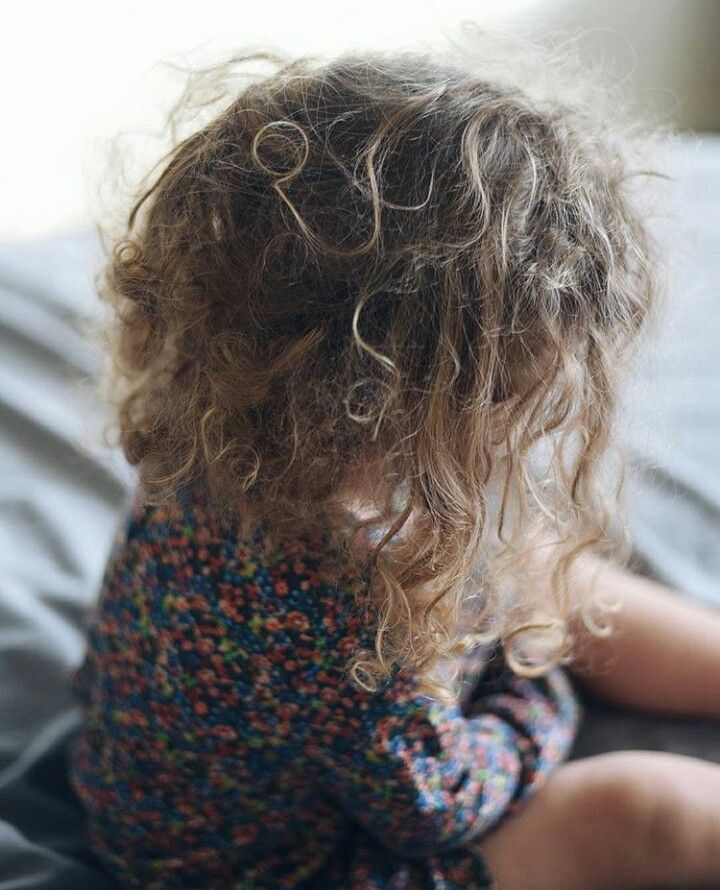
Each strand of hair is covered in tiny overlapping scales that make up the cuticle layer. When these scales lie flat, they reflect light evenly and lock moisture inside the strand.
Hot water causes these scales to lift and separate, similar to what happens with certain chemical treatments.
The higher the temperature, the more forcefully this happens, and the more strands are affected with each wash.
The Hidden Reason Your Child’s Hair Looks Dull covers a related issue where a rough, lifted cuticle prevents light from reflecting properly, leaving hair looking flat instead of shiny.
Once the cuticle stays lifted often enough, it becomes harder for the hair to hold onto moisture between wash days too.
Over time, this repeated lifting can leave hair feeling drier and more fragile than it would with gentler water temperatures.
Why Kids’ Scalps Are Especially Sensitive
Children’s skin is generally quite a bit thinner and more sensitive overall than adult skin, which makes their scalps noticeably more reactive to heat exposure than most parents realistically expect.
How to Keep Kids’ Scalp Healthy explains how a stressed, irritated scalp can affect the quality of hair growing from it over time.
A scalp that stays irritated for long stretches can also make regular hair care sessions feel less comfortable for your child overall.
How to Fix This Hair Washing Mistake
None of the fixes described below require purchasing any new products or spending any extra time standing in the shower.
They simply involve adjusting the temperature dial and paying closer attention to how the water actually feels.
A few consistent changes usually show noticeable results within just a couple of wash cycles.
The steps below walk through exactly how to make the adjustment stick, even on busy mornings when it feels easier to reach straight for the hot water tap.
Wash With Lukewarm Water Instead
Lukewarm water cleanses just as effectively as hot water.
It doesn’t strip away natural moisture the way hot water does.
It also helps keep the cuticle smooth, which supports shine.
How to Choose the Right Shampoo for Kids can help you pick a formula that works well at this temperature.

Finish With a Cool Water Rinse
A quick, refreshing blast of cooler water right at the very end of the wash helps close the cuticle back down firmly, effectively sealing in moisture and boosting overall shine noticeably.
This step only takes a few seconds and pairs well with any existing wash day routine you already follow.
The Secret to Tear-Free Detangling covers gentle techniques worth pairing with this final step for an even smoother finish.

image credit
Test the Water on Your Hand First
Your hand is a simple way to check water temperature.
Run it under the water before it touches your child’s scalp.
This lets you catch water that’s too hot before washing starts.
If it feels noticeably warm, it’s likely too hot for regular washing.

Adjust Your Water Heater If Needed
If your home’s hot water runs uniformly high no matter how you adjust the shower dial.
Consider lowering the water heater setting slightly throughout the house.
This adjustment benefits everyone using the shower, not just whoever is washing your child’s hair that day.
Communicate the Change to Everyone Who Helps With Wash Day
If more than one person helps with hair washing, a partner, grandparent, or babysitter.
Make sure everyone understands why lukewarm water matters.
Consistency across every single wash day, regardless of who is running it, is what actually produces visible results over time.
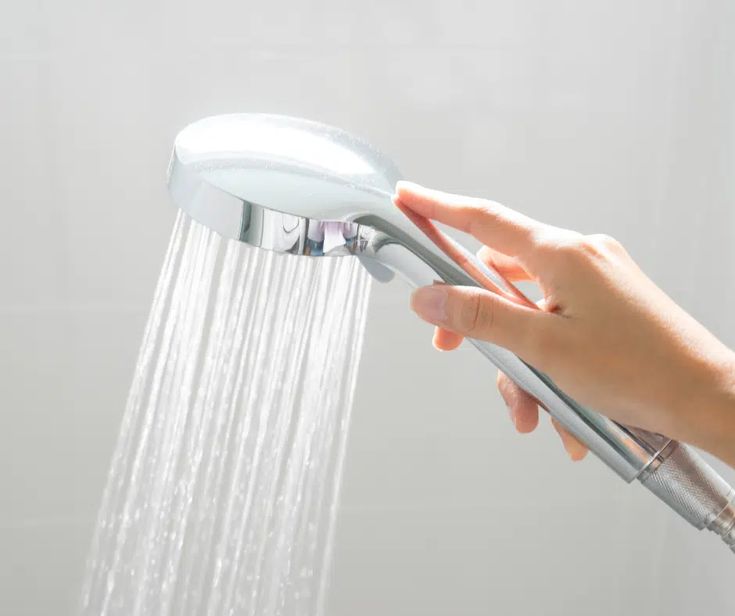
Using a Handheld Sprayer Instead of Direct Faucet Flow
Direct faucet flow can feel hotter and more intense than the same temperature through a gentler sprayer.
A handheld sprayer or cup gives you more control over pressure and direction.
That makes managing temperature easier throughout the wash.
How This Connects to Overall Wash Day Comfort
A comfortable scalp makes wash day go more smoothly for everyone, not just the hair.
Kids who associate wash day with discomfort, from heat or rough handling, often become resistant over time.
That resistance makes every future wash day harder than it needs to be.
Other Washing Habits Worth Reconsidering
Water temperature is by far the biggest single factor, but a handful of other everyday washing habits can meaningfully compound the damage alongside it.
Scrubbing too roughly, over-shampooing the length instead of focusing on the scalp, and skipping regular conditioning all add up over time.
Addressing water temperature first usually makes the most noticeable difference, but these other habits are genuinely worth adjusting too.
None of them require anything beyond a small, easy shift in everyday technique.
Scrubbing Too Roughly
Aggressive scrubbing motions create friction that roughens the cuticle in a similar way to heat, compounding whatever damage hot water has already caused.
Wide-Tooth Comb vs Detangling Brush covers gentle detangling tools worth pairing with softer washing technique.
Using fingertips instead of nails, and massaging gently rather than scrubbing hard, protects the cuticle during every single wash.
Applying Shampoo to the Full Length Instead of the Scalp
Shampoo is formulated to cleanse the scalp, where oil and buildup actually accumulate, not the full length of the hair.
How to Identify Your Child’s Hair Type can help you understand how much shampoo your child’s specific texture genuinely needs.
Concentrating cleansing at the roots and letting the suds rinse naturally through the ends prevents unnecessary stripping further down the strand.

Skipping Conditioner After Every Wash
Conditioner helps replace some of the moisture that washing removes, which becomes even more important if water temperature has been an issue for a while.
The Best Conditioners for Every Hair Type can help you find a formula suited to repairing this specific kind of moisture loss.
Skipping this step regularly leaves hair with no chance to recover between wash days.

Rinsing Too Quickly With Hot Water
Even a brief hot final rinse can undo much of the benefit gained earlier.
Consistency matters from start to finish, not just during the main wash.
How Often Should You Wash Your Child’s Hair? can help you plan a schedule that stays gentle throughout.
Not Adjusting for Seasonal Changes
Water heaters often run hotter in winter to compensate for colder incoming water.
That shift can quietly undo careful temperature habits without anyone noticing.
Summer/Winter/Spring/Fall Hair Care Tips for Kids covers other seasonal adjustments worth making alongside this one.
Assuming Kids Will Complain If Water Is Too Hot
Many children can’t clearly express that water feels too hot, especially younger kids.
They’re still learning to describe sensations like that.
Testing the temperature yourself, rather than relying on them to speak up, closes that gap.
Common Mistakes to Avoid
Assuming hotter water automatically means cleaner hair is a common mistake worth letting go of entirely.
Lukewarm water cleanses just as thoroughly and completely without the added moisture loss that comes with unnecessarily higher temperatures.
The Hidden Mistake That Could Be Drying Out Your Child’s Hair covers another commonly overlooked source of dryness worth ruling out alongside this one.
Forgetting to check water temperature during colder months is another mistake, since the instinct to run the water hotter for comfort tends to increase noticeably during winter.
Small seasonal shifts like this often go completely unnoticed until the cumulative effects finally add up and become visible.
Ignoring complaints about a scalp feeling tight or uncomfortable after washing is a mistake too.
This is often one of the clearest early signs that this hair washing mistake is actively affecting your child, and it is worth addressing right away rather than assuming it will simply resolve on its own over time.
Why Your Child Hates Hair Time (and How to Change It) covers how ongoing physical discomfort during hair care builds resistance that lasts well beyond wash day itself.
Do Bath Toys or Long Baths Make This Worse?
Extended time in warm bathwater, even without direct hair washing, can have a mild drying effect similar to a longer hot shower.
Signs Your Child’s Hair Is Healthy can help you recognize when extra moisture might be needed on days with especially long bath times.
One more thing worth mentioning: this adjustment costs nothing and takes zero extra time once it becomes habit.
There is no product to buy, no new technique to master, and no schedule change required, just a dial turned slightly differently than before.
A Simple Way to Test This Yourself
Try washing with lukewarm water for the next three wash days in a row.
Pay attention to how the hair feels afterward compared to before.
Most parents notice a difference in softness before the third wash, making it an easy, low-risk experiment to try.
Frequently Asked Questions
How can I tell if my water is too hot for washing hair?
If the water feels noticeably warm or uncomfortable on your wrist, it is likely too hot for regular hair washing.
Hair that feels rough or a scalp that feels tight after washing are both signs worth paying close attention to.
Lowering the temperature slightly and watching for improvement over the following few washes helps confirm the connection for certain.
Will lukewarm water clean my child’s hair as well as hot water?
Yes, lukewarm water removes dirt, oil, and product buildup just as effectively and thoroughly as hot water does.
The actual cleansing power comes from the shampoo formula itself, not from how hot the water happens to be.
Switching to lukewarm water sacrifices absolutely nothing in terms of genuine cleanliness.
Does this hair washing mistake affect all hair textures equally?
Curly and coily textures tend to show the effects more visibly, since these textures already have less natural shine and a greater tendency toward dryness overall.
The Different Kids Hair Textures Explained covers how texture specifically influences sensitivity to factors like water temperature.
Straighter hair types are still affected, just often less dramatically and less quickly.
How long before I see results after switching to lukewarm water?
Many families notice softer, shinier hair within just a couple of wash cycles after making the switch.
More significant improvement, especially if dryness has been an ongoing issue for a while, may take three to four weeks of consistent lukewarm washing.
Patience during this adjustment period genuinely pays off in the long run.
Is a cool water rinse really necessary, or is lukewarm enough on its own?
Lukewarm water alone makes a real difference, but a cool rinse at the end adds an extra boost by helping the cuticle close completely.
This final step takes only a few seconds and enhances shine noticeably.
It is a small addition worth trying once lukewarm washing already feels like a habit.

Final Thoughts
If your child’s hair has felt dry, dull, or prone to tangling despite a solid routine, water temperature is worth checking before anything else.
This hair washing mistake is easy to overlook, since nothing about a warm shower feels obviously damaging in the moment.
How to Encourage Healthy Hair Growth in Kids is a great next read once temperature is under control and you are ready to focus on other parts of the routine.
Switching to lukewarm water, finishing with a quick cool rinse, and paying attention to how everyone in the household washes your child’s hair all help address this issue without adding a single new product to your shelf.
Most families notice a genuinely visible difference within just a few wash cycles once the temperature adjustment becomes a normal, unremarkable part of the routine.
Healthy Habits That Support Kids Hair Growth ties in well here too, since gentle washing supports growth alongside everything else.
Check the water temperature the next time wash day rolls around, and pay close attention to how your child’s hair genuinely responds over the following few weeks.
A change this small rarely feels significant in the moment, but the visible results ten d to speak for themselves fairly quickly.
17 Protective Hairstyles for Active Kids can also help protect the progress you make between wash days once temperature stops working against you.