

The Hidden Reason Your Child’s Hair Looks Dull
Disclosure: Some of the links in this post are affiliate links. This means if you click on the link and purchase an item, I will receive an affiliate commission at no extra cost to you.
Healthy hair should have a natural shine to it, but lately your child’s curls or coils look flat, dull, and lifeless no matter what you try, even on days you feel like you did everything right.
You’ve moisturized, deep conditioned, and sealed with oil, yet the dullness stays. If this sounds familiar, product buildup is very likely the hidden reason, and it has nothing to do with how much moisture you’re applying.
Buildup happens gradually, which makes it easy to miss.
How to Moisturize Kids Hair Properly matters, but even the best routine can’t shine through product sitting on the hair shaft instead of soaking in.
Once you know what buildup actually looks and feels like, spotting it in your own routine becomes much easier.
Most parents are surprised how quickly natural shine returns once the real cause finally gets addressed.
This post explains how buildup causes dullness, why it’s easy to overlook, and how to bring shine back for good.
How to Build a Healthy Hair Routine for Kids can help prevent buildup from accumulating in the first place.
You’ll also find a few less common causes of dullness worth ruling out if buildup isn’t the complete answer.
Why This Goes Unnoticed
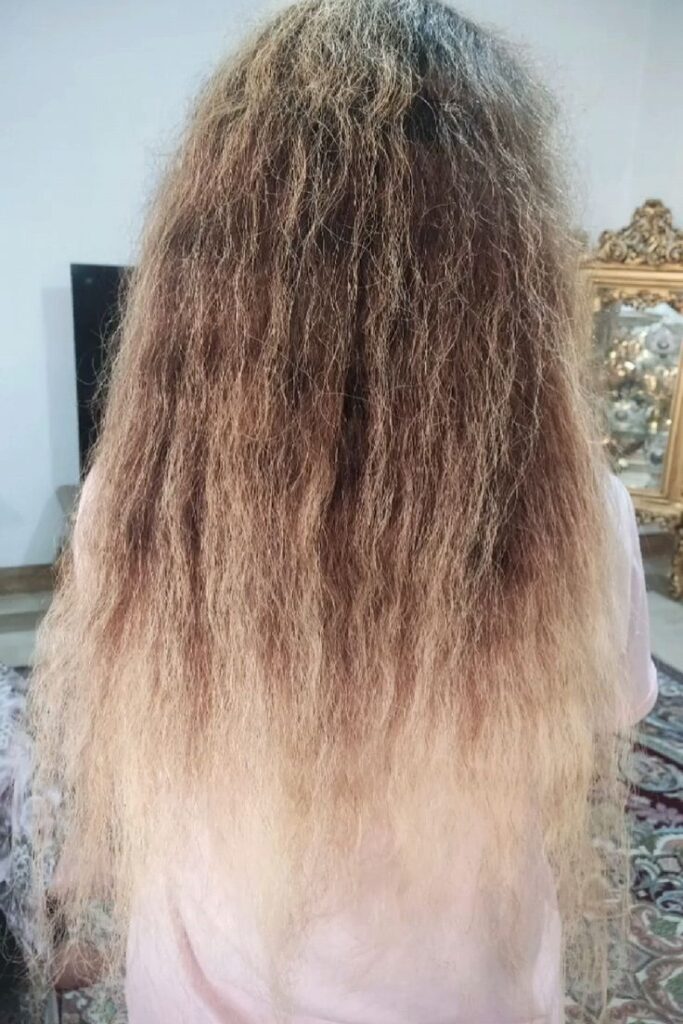
Parents naturally assume dull hair needs more moisture, since dryness is the most common cause of a lackluster appearance.
More product feels like the logical fix, but if buildup is the real cause, it only makes dullness worse.
This mismatch keeps hair looking dull for weeks or months before anyone questions the products themselves, not moisture levels.
Recognizing the difference between dry hair and buildup-covered hair is the key to finally fixing it.
The two conditions can actually look surprisingly similar on the surface, which adds to the confusion. Dry hair often looks dull too, so it takes a closer look to tell which one is really going on.
The Hidden Reason: Product Buildup
Your child’s hair looks dull because layers of oil, butter, and styling cream sit on the strand instead of absorbing into it.
Over time, this buildup thickens into a coating that blocks light from reflecting off the hair, and stops new products from penetrating too.
The sections below break down what causes this buildup and which habits make it worse.
Heavy Oils and Butters Used Too Often
The Best Hair Oils for Children’s Hair can help you choose lighter options that seal moisture without leaving buildup behind.
Heavy Oils and Butters Used Too Often
Thick oils and rich butters feel great going on and often smell wonderful, but using them daily without balancing them with proper regular cleansing leaves a heavy residue that dulls shine over time.
The Best Hair Oils for Children’s Hair can help you choose lighter options that seal moisture without leaving heavy buildup behind.
A little goes a long way with heavier oils, and using less at each application reduces how quickly residue accumulates.

Silicone-Based Products
Many popular styling creams and shine serums contain silicones that coat the hair shaft smoothly at first but build up steadily with repeated use, since most regular everyday shampoos cannot fully remove them.
This coating creates a false sense of softness while actually blocking real moisture and shine underneath.
Checking ingredient labels for words ending in “cone” can help you spot these ingredients before they become part of your routine.
Skipping Regular Clarifying Washes
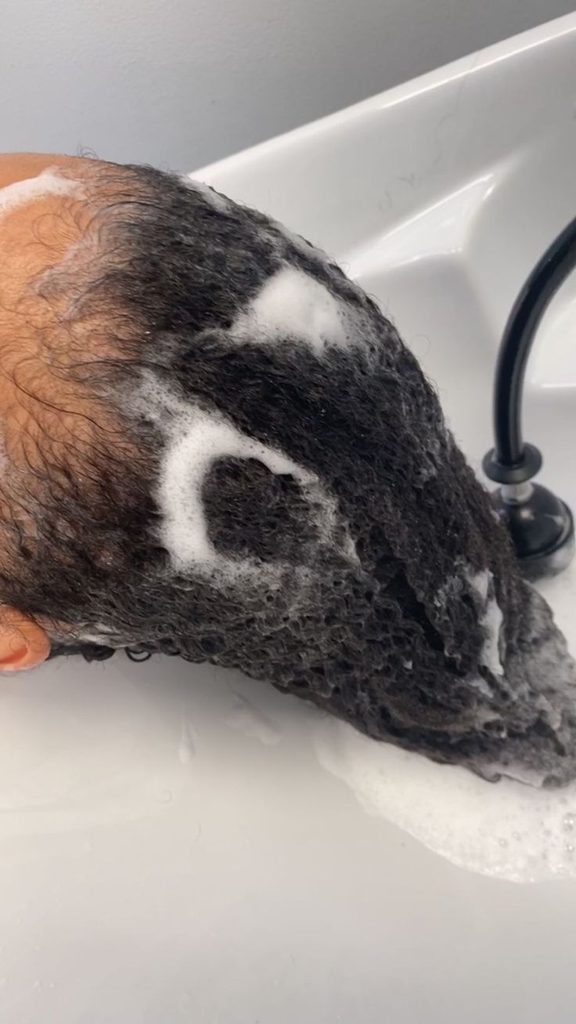
Without a proper clarifying shampoo built into the routine, everyday leave-ins and styling products have no real, reliable way to fully wash out over time.
How Often Should You Wash Your Child’s Hair? covers how often washing should happen, but clarifying specifically needs its own separate schedule to prevent buildup between regular washes.
Regular shampoo alone, even used consistently, often is not strong enough to fully break through weeks of accumulated product.
Layering Too Many Products at Once
Applying a leave-in, several different oils, and a heavier styling cream all in one single sitting adds up very quickly, even if each individual product feels light and harmless on its own.
Why Expensive Hair Products Aren’t Always Better explains why more product rarely means better results, especially when buildup is already part of the problem.
Simplifying this stack is often one of the fastest ways to see your child’s hair looks dull less often over time.
Not Rinsing Long Enough
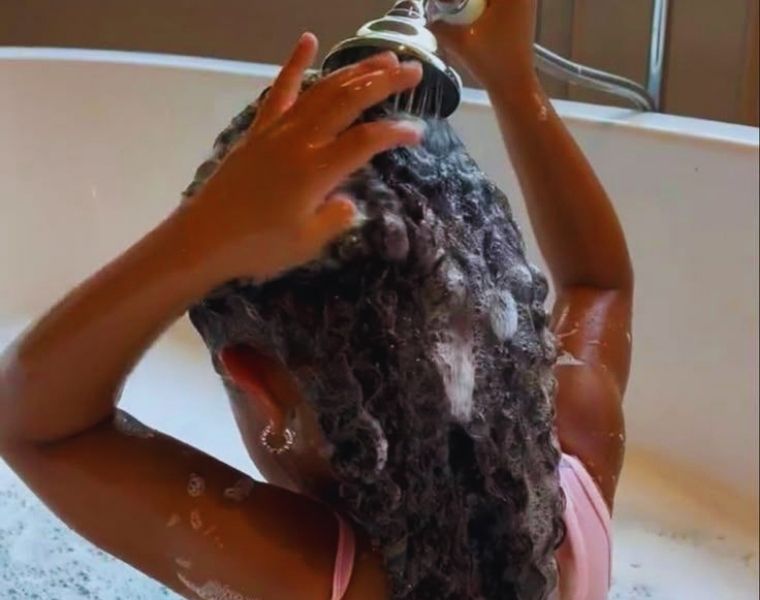
Rushing through the rinse step, especially with thicker conditioners or leave-in products, leaves a filmy residue behind even when the water itself already runs completely clear.
Rinsing for a full extra minute beyond when the water looks clean helps ensure product is actually gone rather than just diluted on the surface.
Wide-Tooth Comb vs Detangling Brush is worth reading too, since detangling gently during the rinse helps water reach every section evenly.
How to Bring the Shine Back
None of the fixes below require throwing out or replacing your entire product collection all at once.
This isn’t about starting over, it’s about adjusting what’s already working for you.
They mostly involve adjusting how often you clarify and how much product goes on at once, small tweaks rather than a full routine change.
A few small, consistent changes usually restore visible shine within just a couple of wash cycles, sometimes even sooner, so results tend to show up quickly once buildup is actually being addressed.
The steps below work well together as a complete reset, but even doing just one or two of them can make a noticeable difference.
Add a Clarifying Wash to Your Routine
A clarifying shampoo removes built-up oils, silicones, and residue that regular shampoo leaves behind.
The Best Wash Day Routine for Kids shows exactly where clarifying fits into a full wash day without adding unnecessary extra steps.
Always follow a clarifying wash with a deep conditioner, since clarifying formulas can be more drying than everyday shampoo.
Switch to Lighter, Water-Based Products
Water-based leave-ins and genuinely lightweight creams absorb properly into the hair strand instead of simply sitting on top of it uselessly.
Leave-In Conditioner vs Hair Milk for Kids can help you find an option that hydrates without leaving heavy residue behind.
Checking that water appears near the top of the ingredient list is a quick way to identify genuinely lightweight formulas.

Rinse Thoroughly After Every Wash
Leftover conditioner or shampoo residue contributes to buildup just as much as leave-in products do.
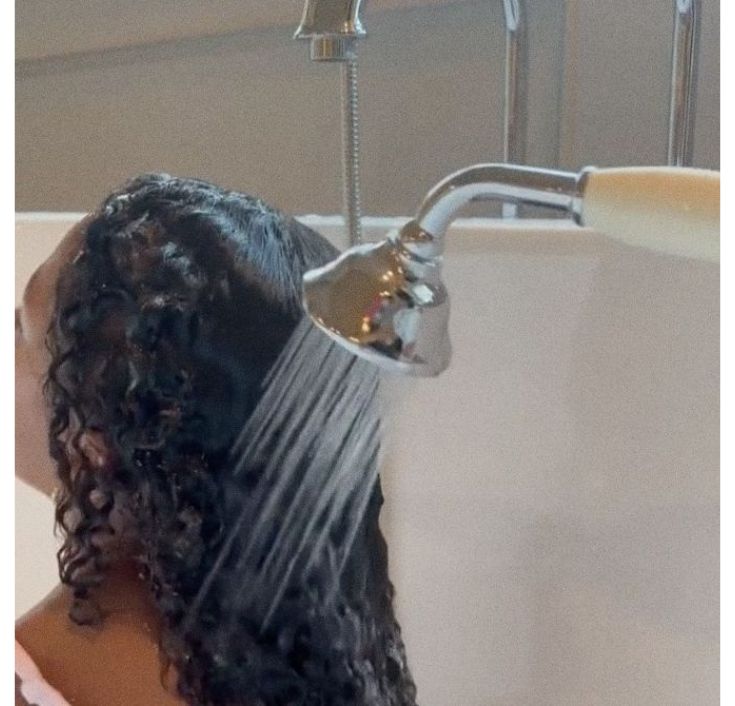
Take an extra minute during rinsing to make sure the scalp and strands feel completely clean, not just rinsed on the surface, running your fingers through several times to check.
How to Keep Kids’ Scalp Healthy covers how residue near the scalp specifically can also affect overall hair health beyond just shine.

Simplify Your Product Routine
Cut back to using just two or three well-chosen products per session instead of layering five, six, or more all at the same time.
A simpler stack reduces how often heavy product needs reapplying between washes.
Figuring out which products are actually doing the most work makes it easier to drop the ones that are not.

Give New Products a Real Test Run
Introduce just one new product at a time into the routine and watch closely how the hair responds over the following couple of weeks.
This makes it much easier to identify exactly which product might be contributing to buildup if dullness returns later.
Signs Your Child’s Hair Is Healthy can help you recognize what genuine improvement actually looks like as you test new products.
Other Factors That Can Dull Hair
Buildup is by far the most common hidden cause, but a few other factors can also contribute to dullness alongside it in certain situations.
Hard water, protein overload, chlorine exposure, and too much sun all affect how light reflects off the hair shaft in slightly different ways.
Addressing buildup first usually makes the biggest difference, but these other factors are worth ruling out if your child’s hair looks dull even after a thorough clarifying routine.
None of them require a complicated fix once you know what to look for.
Hard Water Mineral Deposits
Minerals in hard water settle onto the hair shaft in a similar way to product buildup, creating a dulling film of their own.
The Hidden Mistake That Could Be Drying Out Your Child’s Hair covers this specific issue in much more depth if hard water seems like a likely factor.
A shower filter or occasional clarifying rinse designed for hard water can help address this specific cause.
Chlorine From Swimming
Regular exposure to chlorinated pool water throughout the summer months can leave a mineral-like residue on the hair shaft similar to hard water, gradually dulling shine over time.
Rinsing hair thoroughly with fresh water before and after swimming, along with an occasional clarifying wash during swim season, helps prevent this buildup from accumulating.
17 Protective Hairstyles for Active Kids has options that also help minimize how much chlorinated water reaches the hair in the first place.

Too Much Protein
Overusing protein treatments too frequently can leave hair feeling stiff, brittle, and looking dull instead of naturally shiny and flexible.
Balancing protein with regular moisture keeps hair looking healthy rather than brittle.
The Best Conditioners for Every Hair Type can help you find the right moisture-to-protein balance for your child’s specific texture.
Sun and Heat Exposure
Extended time spent in direct sun, along with frequent heat styling sessions, can roughen the outer hair cuticle and reduce natural shine considerably over time.
35 No-Heat Hairstyles for Kids offers styling options that protect shine without relying on heat tools.
A hat or protective style during long days outdoors can also help shield hair from prolonged sun exposure.

Skipping Deep Conditioning Between Clarifying Washes
Clarifying removes buildup, but it can leave hair feeling slightly stripped afterward if not followed by real moisture.
A deep conditioning treatment right after clarifying restores softness and helps the hair reflect light properly again.
Completing the shine-restoring process from start to finish and giving the best possible chance for lasting shine.

Common Mistakes to Avoid
Adding more moisturizing product when hair looks dull is a common mistake, since this often makes buildup worse rather than better.
Check carefully for buildup first before automatically assuming the answer is simply another oil or cream.
How to Identify Your Child’s Hair Type can help you understand how your child’s specific texture responds to different product levels.
Clarifying too infrequently is another mistake worth avoiding.
Waiting months between clarifying washes allows buildup to accumulate far more than a simple monthly or twice-monthly schedule would.
15 Reasons Your Child’s Hair Keeps Breaking (and What to Do About It) covers how the same buildup that dulls hair can also contribute to breakage over time, giving you two good reasons to stay consistent with clarifying.
Ignoring product labels is a mistake too.
Checking for silicones and heavy oils near the top of an ingredient list helps you catch potential buildup culprits before they even make it into your routine.
How to Choose the Right Shampoo for Kids covers label-reading skills that apply just as well to leave-ins and styling products.
Give the full process, clarifying, switching products, and rinsing more thoroughly, at least two to three wash cycles before judging the results.
Buildup that took months to accumulate rarely disappears after a single wash, even a very thorough one.
Frequently Asked Questions
How can I tell if buildup is causing the dullness?
Hair affected by buildup often feels coated or slightly waxy to the touch, even right after washing.
It may also resist absorbing new products, since the surface is already blocked.
A clarifying wash that restores shine within a day or two strongly suggests buildup was the cause, confirming your child’s hair looks dull because of residue rather than dryness.
How often should I clarify to prevent buildup?
Most kids do perfectly well with a clarifying wash once or twice a month, depending largely on how many products your family uses regularly throughout the week.
Clarifying too often can dry out the hair, so balance is more important than frequency alone.
Watching how the hair responds helps you fine-tune the right schedule over the following few wash cycles.
Can natural oils cause buildup too?
Yes, natural oils and butters can build up just as easily as synthetic ingredients if used too heavily or too often.
Applying a smaller amount and choosing lighter natural options both help prevent this kind of buildup from forming.
Using just enough to seal in moisture, without piling on more than necessary, gets you the benefits without the residue.
Will switching products fix dull hair immediately?
Not immediately, since existing buildup still needs to be removed through clarifying first.
Switching to lighter products going forward prevents new buildup from accumulating, but a clarifying wash speeds up seeing results considerably.
Should You Trim Your Child’s Hair Regularly? is also worth reading if dullness seems concentrated mostly at the ends rather than throughout.
Is dull hair always a sign of a problem?
Not necessarily, since hair can look temporarily less shiny after certain styles or products without any lasting issue.
Persistent dullness that does not improve with normal care is the stronger signal that buildup or another factor needs attention.
How to Encourage Healthy Hair Growth in Kids is worth reading too, since shine and growth often improve together once you address the underlying cause.

Final Thoughts
If your child’s hair looks dull despite a solid moisturizing routine, product buildup is worth checking before adding anything new.
This hidden cause is easy to miss, since the instinct is almost always to add more product rather than remove what is already sitting on the hair.
Buildup happens gradually, so it rarely feels like an obvious problem day to day.
A little extra oil here, a rich leave-in there, none of it seems like much on its own
Over time these products layer on top of each other and start dulling the very shine they were meant to protect.
Healthy Habits That Support Kids Hair Growth ties in well here too, since a hair care routine that supports growth also tends to support shine.
The two are more connected than they might seem, healthy hair naturally reflects light better, and buildup interferes with both growth and shine at the same time.
Adding a clarifying wash, switching to lighter products, and rinsing thoroughly all help restore natural shine without requiring a complete routine overhaul.
These are small, manageable changes, not a complete reset, so there is no need to throw out an entire product collection or start from scratch.
Most families notice a visible difference within just a couple of wash cycles once they address the buildup.
Once that shine returns, your child’s hair looks dull far less often, even without changing much else about the surrounding routine.
Pay attention to how new products affect shine over time, not just how they feel going on.
Why Your Child’s Hairstyles Never Last Until the End of the Day covers another way product choice quietly affects results beyond just shine.



5 Comments