
The Best Wash Day Routine for Kids
Disclosure: Some of the links in this post are affiliate links. This means if you click on the link and purchase an item, I will receive an affiliate commission at no extra cost to you.
Wash day doesn’t have to feel like war, even on the mornings when your child would rather do anything else.
With the correct order of steps and a little rhythm, it turns into one of those small routines that actually runs itself. The trick isn’t working harder, it’s following a sequence that fits your child’s hair from start to finish.
A great wash day routine built around your child’s needs takes away most of the second-guessing that comes with figuring out what to do first.
Once you know the order, from detangling through to the final moisturizer, the whole process gets faster and far less stressful for both of you.
Matching each step to your child’s specific hair texture makes a bigger difference than most parents realize, since a routine built for straight hair rarely works for coily or curly strands.
These wash day moments, picking a shampoo scent, taking turns rinsing, laughing through a tangle or two, tend to stick with kids longer than parents expect.
A calm, predictable routine turns something that could feel like a chore into one of those small rituals that quietly becomes a memory.
Getting your child’s hair type identified early on makes every step after this one click into place much faster.
So here’s a full wash day routine, broken down step by step, that you can adjust to fit your child’s hair and your own schedule.
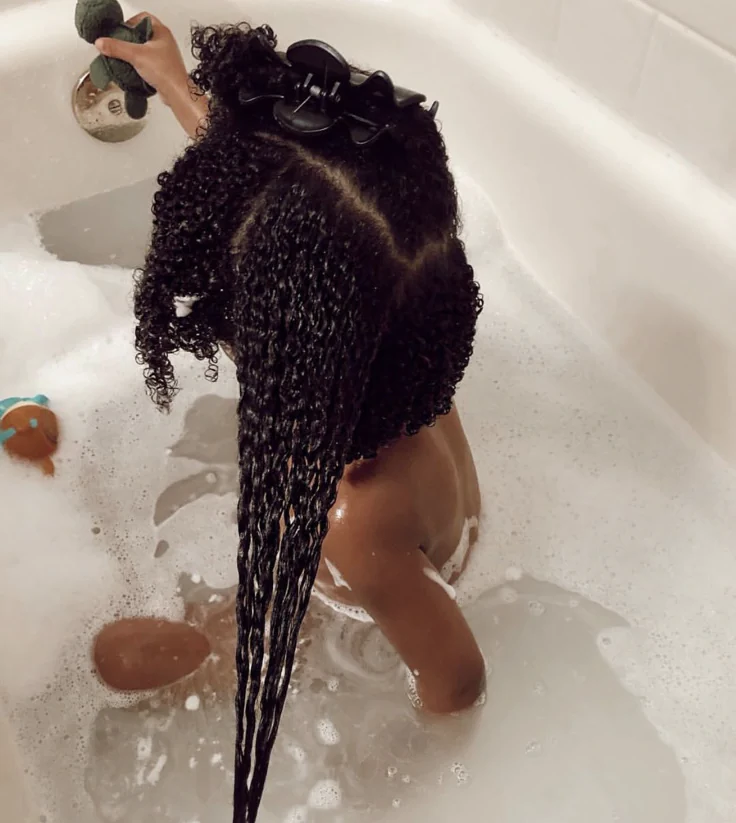
Before You Start: Prepping for Wash Day
A little prep work before you even turn on the water saves a lot of frustration once wash day actually begins.
Gather everything you’ll need first, since searching for a comb mid-wash with a wet, wiggly kid with shampoo foam everywhere rarely ever goes well.
Having a plan for the order of products also keeps things moving instead of pausing to decide what comes next.
A few extra minutes of setup at the start almost always pays off in a smoother, faster wash overall.
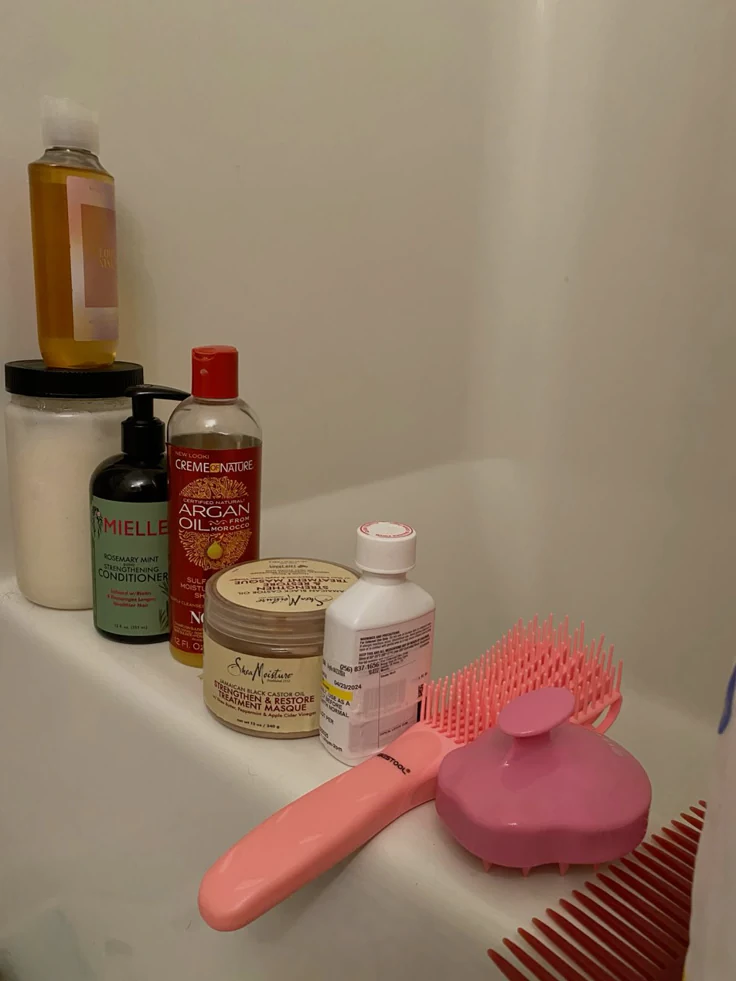
Gather Your Supplies
Set out shampoo, conditioner, a wide-tooth comb, clips, and towels before starting.
Having everything within reach keeps the process moving and cuts down on frustration.
A detangling spray on hand also helps if knots show up mid-wash.
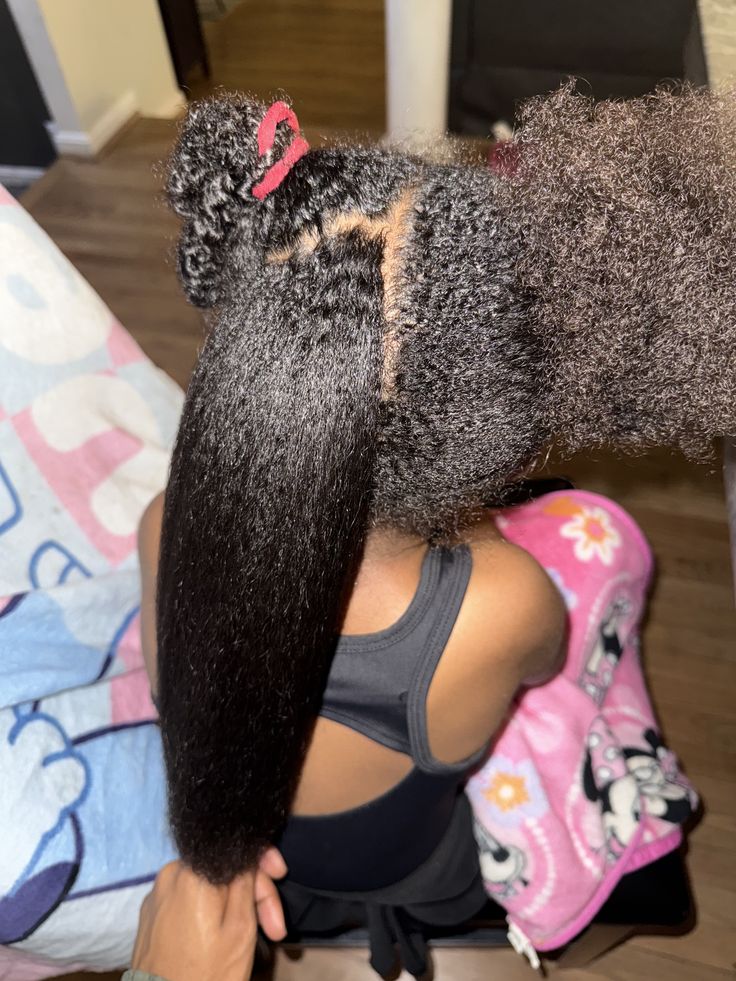
Detangle Before Wetting
Working through knots on dry hair first prevents extra breakage once hair is wet and fragile.
Start at the ends and work upward in small sections rather than pulling from the root down.
This single step alone prevents most of the tears that come with wash day.
Choose the Right Products
Not every shampoo is for every hair texture, so picking the right shampoo for kids matters more than brand loyalty.
Look for gentle, sulfate-free formulas that won’t strip natural oils too aggressively.
Pairing it with a suitable leave-in conditioner or hair milk sets up the rest of the routine to succeed.
Your Step-by-Step Wash Day Guide
So here’s a full wash day routine, broken down step by step, that you can adjust to fit your child’s hair and your own schedule.
Following these steps in order matters more than rushing through them, since each one sets up the next for better results.
You don’t need any fancy products or a long list of tools, just a little patience and the right sequence.
Whether your child has straight hair or coily curls, this same framework adapts to fit what their hair actually needs.
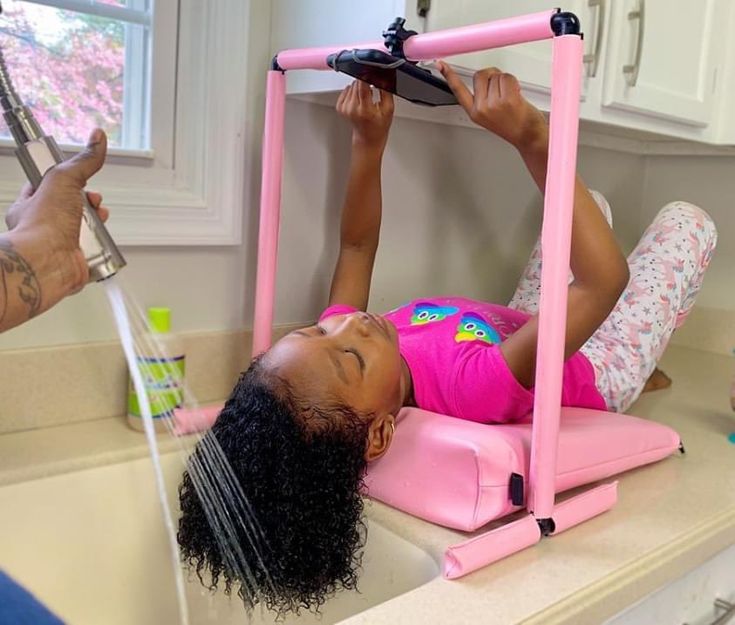
Step One: The Pre-Wash Rinse
Starting with a plain water rinse loosens dirt, product buildup, and light tangles before shampoo even enters the picture.
This short step also gives you a chance to check the scalp for any dryness or irritation before cleansing begins.
Warm, not hot, water is gentler on both scalp and strands right from the very first step.
A minute or two under the water is usually enough to prep hair for the next stage without wasting time.
Running fingers gently through the hair during this rinse also helps loosen any remaining knots before shampoo makes hair slippery.
Step Two: Shampooing With Care
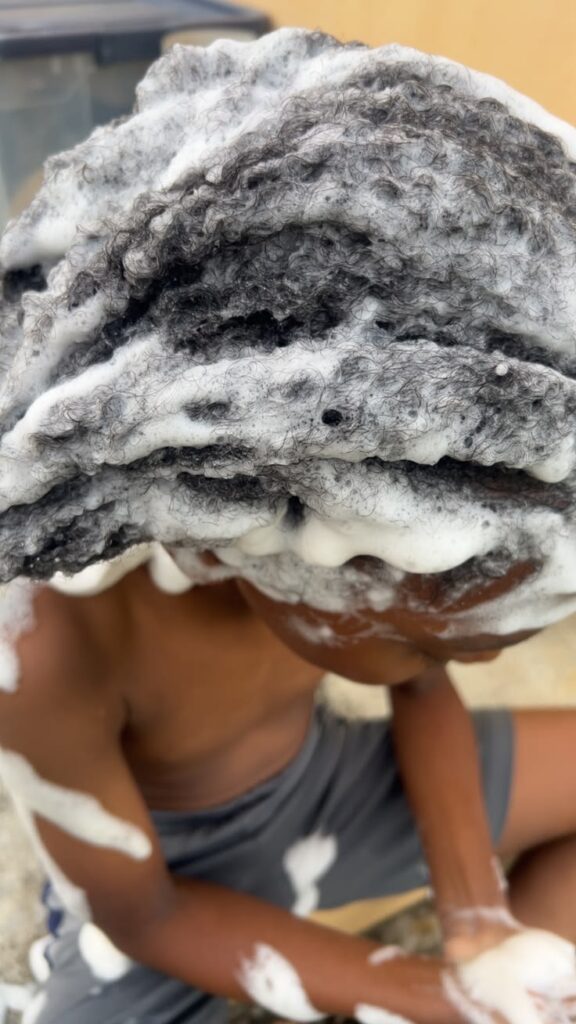
Apply shampoo directly to the scalp rather than dragging it down the length of the hair, since that’s where oil and buildup actually collect.
Gently massage using fingertips, never nails, to cleanse without causing unnecessary friction on the scalp.
Let the suds naturally run down the length of the hair as you rinse rather than scrubbing the ends directly.
Rinsing thoroughly matters just as much as the wash itself, since leftover shampoo residue can cause itching later on.
Two shorter shampoo sessions sometimes work better than one long scrub, especially for kids who don’t like sitting still for too long.
Step Three: Conditioning for Moisture
Conditioner restores what shampoo takes away, so skipping this step almost always leads to tangles later.
Comparing the best conditioners for every hair type helps you choose a formula suited to your child’s specific texture and length.
Apply generously from mid-length to ends, focusing less on the scalp where oil naturally protects hair already.
Leaving conditioner in for a few extra minutes before rinsing gives thicker or curlier hair time to absorb the moisture fully.
A wide-tooth comb pass while the conditioner sits can help distribute product evenly through every section of hair.
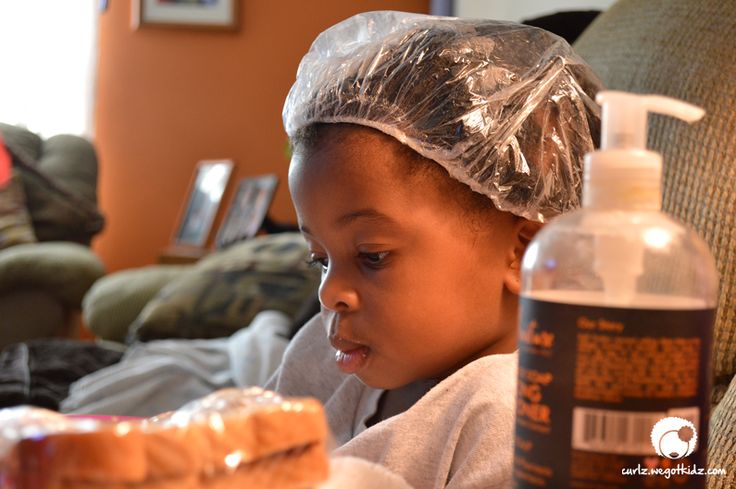
Detangle Again While Conditioned
Wet hair coated in conditioner detangles far more easily than dry or freshly rinsed hair.
Work through any remaining knots section by section while the slip from the conditioner is still there.
This step often prevents the tears that come later during brushing and styling.
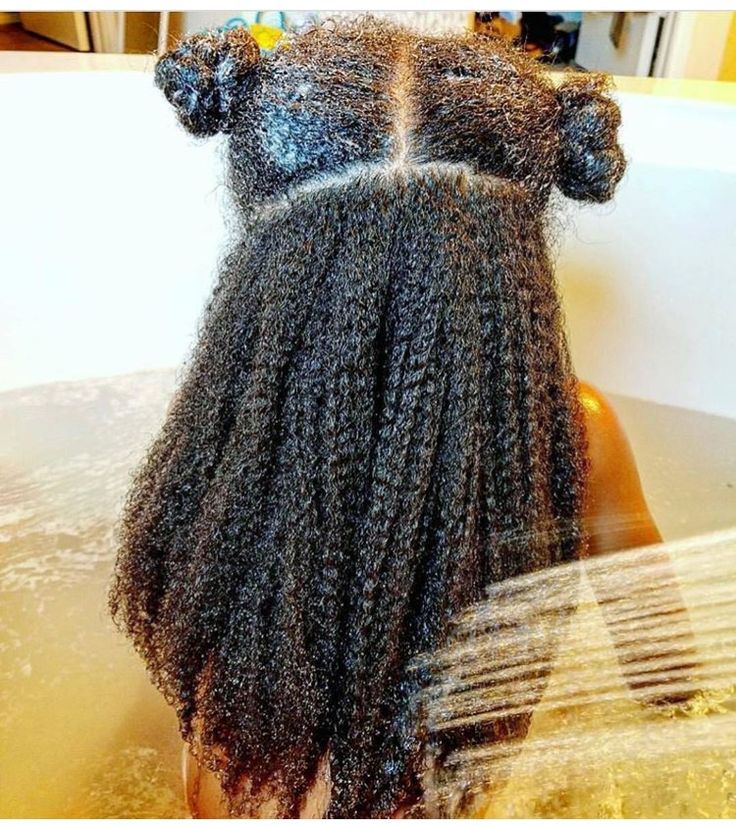
Step Four: Rinsing Without Stripping
Rinse most of the conditioner out but consider leaving a small amount in for curlier or drier textures.
Cooler water for this final rinse can help hair appear shinier and smoother once it’s dry.
Avoid over-rinsing to the point where hair squeaks, since that often means moisture has been stripped away.
This balance between clean and moisturized is exactly what makes wash day results last longer between washes.
Step Five: Applying Leave-In Products
Once hair is towel-blotted, not rubbed, apply a leave-in conditioner or hair milk to lock in moisture.
Following with nourishing hair oils helps seal everything in and adds shine without leaving hair greasy.
Applying products to damp rather than fully dry hair helps ingredients absorb more evenly throughout each strand.
This step matters most for curly and coily textures, which dry out fastest once cleansed.
Layering a small amount of each product rather than one heavy application tends to leave hair feeling lighter and less weighed down.
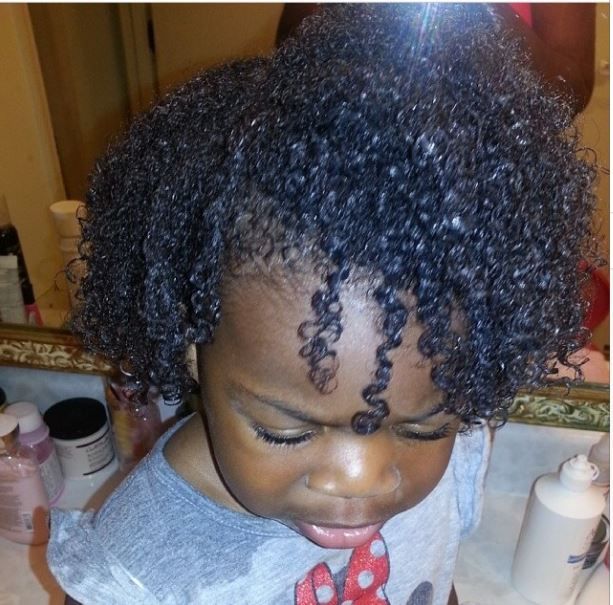
Step Six: Gentle Drying and Detangling
Pat hair with a microfiber towel or soft cotton shirt instead of rubbing with a regular towel, since rubbing causes frizz and breakage.
A final gentle detangling session, once products are applied, sets hair up for smoother styling afterward.
Choosing between a wide-tooth comb or a detangling brush depends on texture, so it’s worth testing both to see what glides through with the least resistance. A
ir-drying when time allows is gentler than heat, though a low, cool setting works fine when you’re in a hurry.
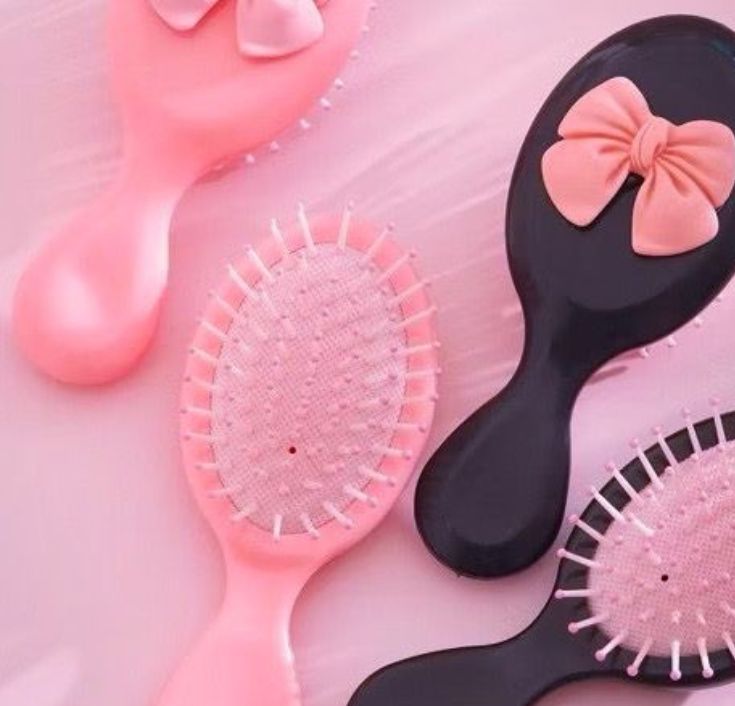
Having quality hair brushes made for kids ready once hair is dry makes the final styling step go much faster.

Step Seven: Protecting Hair Overnight
Everything accomplished during wash day can undo itself overnight without the right protection in place.
Switching to a satin bonnet or pillowcase prevents cotton from pulling moisture out of hair while your child sleeps.
Loosely braiding or twisting hair before bed also helps prevent tangles from forming by morning.
This final step is often the one parents skip, yet it makes the biggest difference in how long results actually last.

Building Wash Day Into a Routine Kids Enjoy
Turning these steps into an actual habit means thinking beyond just the products and into the experience itself.
Kids respond well to predictability, so doing wash day around the same time each week helps them know what to expect.
Adding a favorite song, a fun cup for rinsing, or letting them pick their own towel gives them a sense of ownership over the process.
Wash day routine ideas built for families can help you find small touches that make the whole thing feel less like a task and more like something you both look forward to.
Breaking hair into sections during longer steps, like conditioning or detangling, also keeps younger kids from getting restless halfway through.
Explaining each step simply as you go, in a calm, matter-of-fact way, helps take the mystery and anxiety out of the process for both of you.
Praising patience during the harder steps, like detangling, also builds positive associations that make future wash days easier.
Common Mistakes That Undo a Good Routine
Even a solid routine can fall apart with a few small missteps that add up over time.
Skipping the pre-wash detangling step often leads to more knots and more pulling once shampoo enters the mix.
Using water that’s too hot strips natural oils and leaves hair feeling drier than intended by the end of the wash.
Rushing through the rinse and leaving shampoo or conditioner residue behind is another common slip that leads to itching days later.
Ignoring common causes of hair breakage during the drying and detangling stage quietly undoes progress that took weeks to build.
Skipping the overnight protection step is one of the most common wash day mistakes many parents don’t realize they’re making, since it can undo an otherwise perfect wash within a single night.
Rough towel-drying instead of gentle patting remains one of the most avoidable mistakes in the entire routine.
Applying leave-in products to fully dry hair instead of damp hair is another easy fix that many parents overlook entirely.
How to Adjust the Routine by Hair Type
This same seven-step routine works for every hair type, but small adjustments make a real difference in how well it performs.
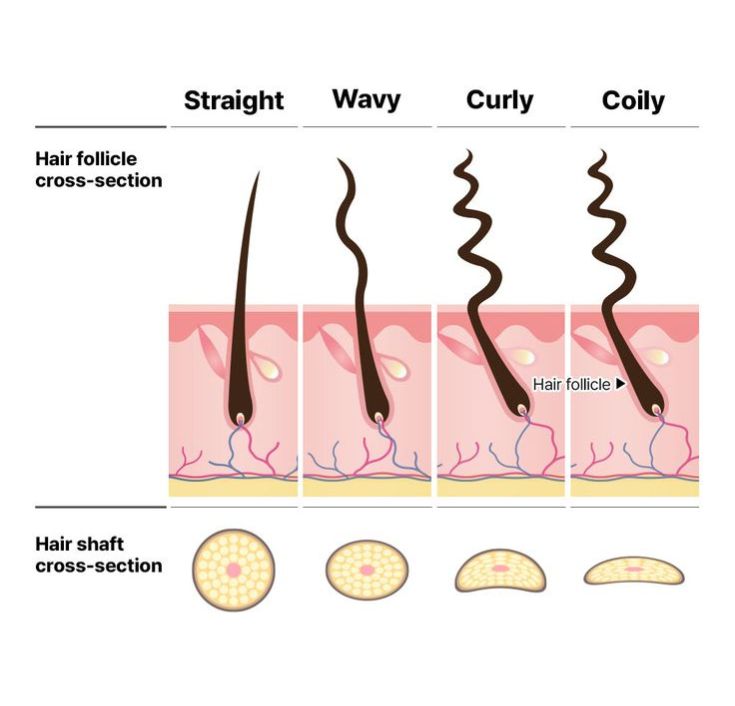
Knowing where your child’s hair falls on the texture spectrum helps you decide where to add extra time and where you can move a little faster.
Straight and Fine Hair
Straight, fine hair generally needs lighter products and a shorter conditioning time, since it absorbs moisture quickly and can get weighed down easily.
A little conditioner goes a long way here, so heavy leave-ins or oils often leave this texture looking greasy rather than nourished.
Detangling tends to be quick, since straight strands don’t tangle as easily as curlier textures.
Sticking to light, water-based formulas keeps this hair type looking clean and full instead of flat.
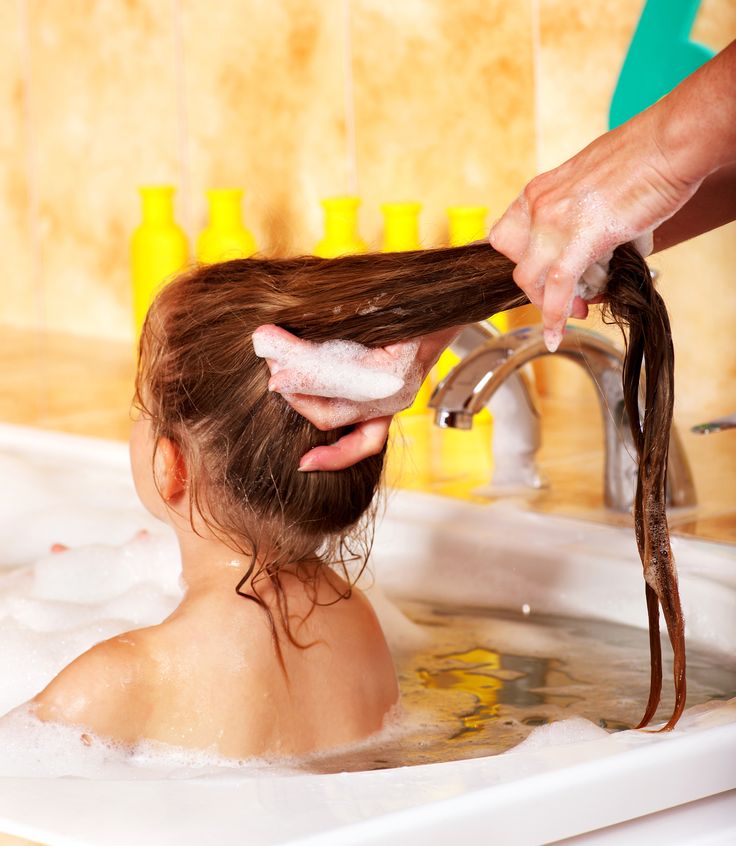
Wavy Hair
Wavy hair benefits from slightly longer conditioning and gentle scrunching while damp to encourage natural definition.
It sits in a middle zone, holding a bit more product than straight hair without needing the richness that curlier textures require.
Detangling is usually straightforward, though a light leave-in helps prevent frizz from forming as the hair dries.
Air-drying works especially well for this texture, since heat can disrupt the natural wave pattern.
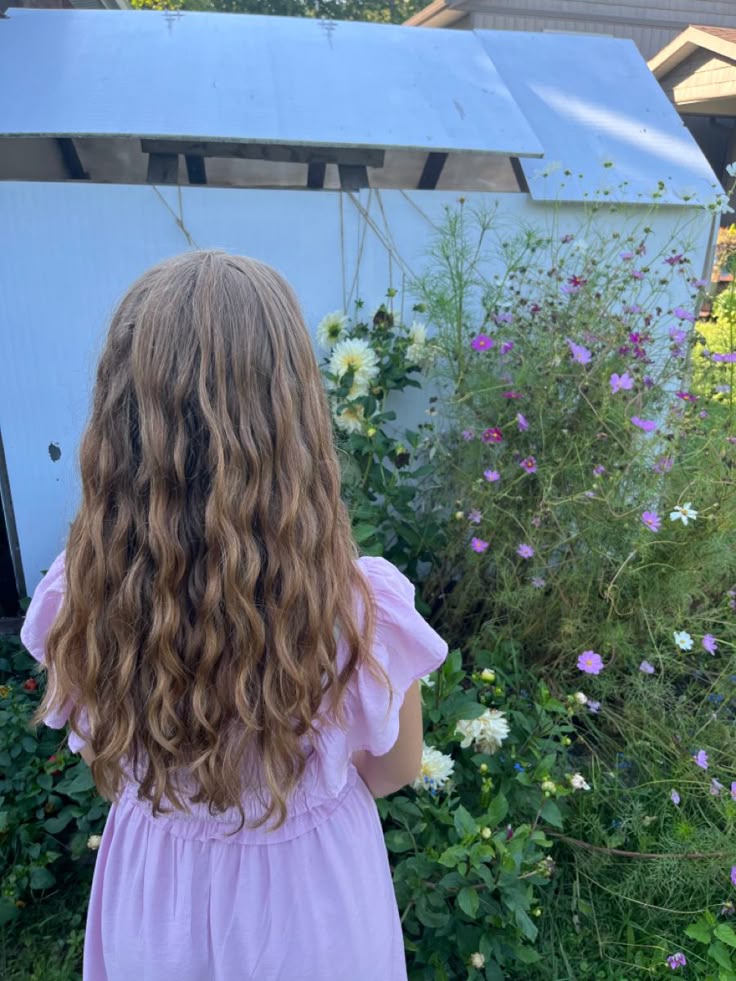
Curly Hair
Curly hair does well with extra leave-in product and a longer detangling session, since curls tangle more easily than looser textures.
Applying products in sections rather than all at once helps distribute moisture evenly through thicker curl patterns.
This texture also benefits from a slightly longer conditioning time, giving each curl a chance to absorb moisture fully.
Skipping the leave-in step tends to show up fast here, usually as frizz or undefined curls by the next day.
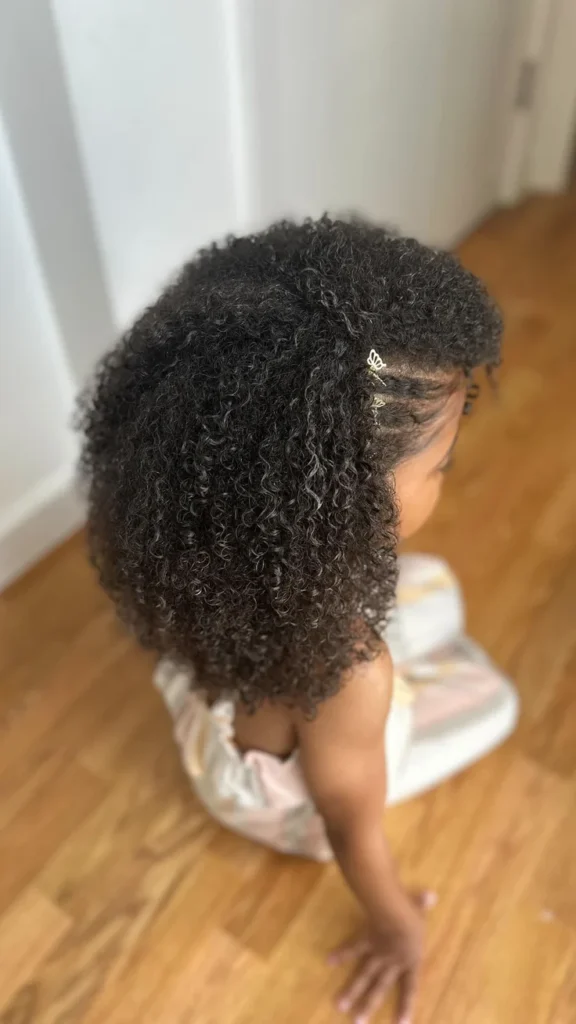
Coily and Kinky Hair
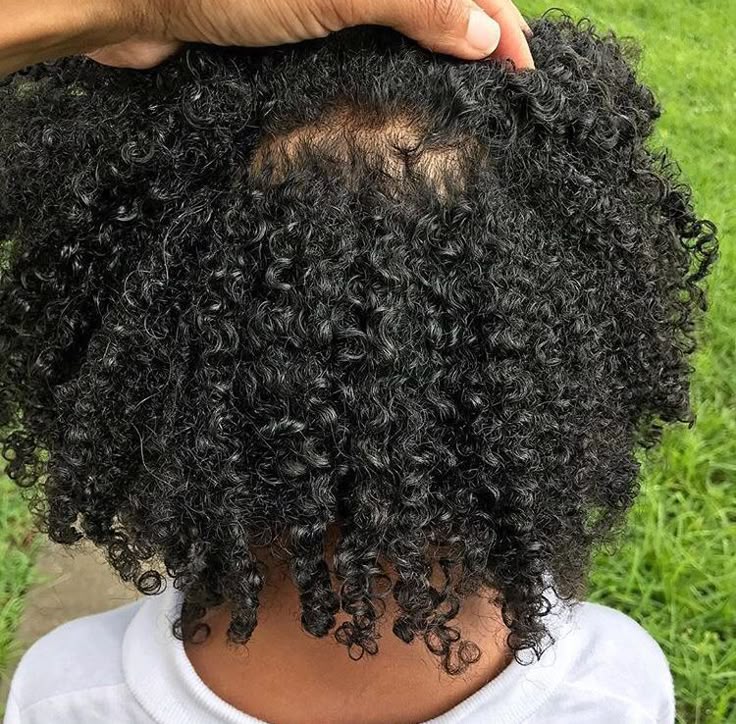
Coily hair typically needs the richest products, the longest conditioning time, and the most patience during detangling and drying.
This texture holds the least moisture naturally, so skipping any step in the routine shows up quickly as dryness or breakage.
Detangling in small sections, rather than all at once, protects fragile strands and makes the whole process far less stressful.
Reviewing the different hair textures side by side can help you fine-tune exactly where your child’s hair fits and what it needs most.
No matter the texture, the same seven steps still apply, only the amount of product and time spent on each one changes.
Frequently Asked Questions
How long should a full wash day routine take?
A complete routine usually takes thirty to sixty minutes depending on hair length and texture.
Curlier and longer hair naturally takes more time for detangling and product application.
Breaking the process into sections can make it feel shorter for restless kids.
Can I skip conditioner if I’m short on time?
Skipping conditioner isn’t recommended, since it’s the step most responsible for preventing tangles and dryness.
A quick leave-in spray can work in a pinch if a full conditioning session isn’t possible.
Building in a little extra time for this step usually saves time later during detangling.
What if my child hates having their hair washed?
Turning wash day into something predictable and low-pressure often reduces resistance over time.
Letting your child help with small parts, like choosing the shampoo or holding the showerhead, can build cooperation.
Short, calm sessions tend to work better than rushing through an anxious child’s routine.
Should I use the same routine every single wash day?
Sticking to the same basic order helps kids know what to expect and reduces resistance overall.
Small adjustments, like extra conditioning time after a swim day, are perfectly fine within that consistent structure.
The goal is a reliable rhythm, not a rigid, unchangeable process.
Do I need different products for summer and winter?
Hair often needs lighter products in humid summer months and richer, more moisturizing ones in dry winter weather.
Adjusting the amount of oil or leave-in conditioner based on the season helps keep hair balanced year-round.
Paying attention to how hair feels after each wash is the easiest way to know when it’s time to switch.

Choosing the Best Time for Wash Day
Picking the right moment for wash day matters just as much as the steps themselves.
Weekend mornings tend to work well for most families, since there’s no rush to get out the door afterward.
Avoiding wash day right before bedtime gives hair enough time to dry naturally instead of going to sleep damp.
Scheduling it a day or two before school pictures or events also gives styles time to settle into their best shape.
Some families prefer splitting the routine across two sessions, washing one evening and detangling or styling the next morning.
This approach works particularly well for longer or thicker hair that takes more time to fully dry.
Whatever timing you choose, keeping it consistent from week to week helps your child know what to expect and reduces resistance over time.
Final Thoughts
A great wash day routine comes down to the right order of steps, matched to your child’s specific hair type and needs.
Detangling first, cleansing gently, conditioning generously, and protecting hair overnight all work together to keep results lasting longer.
Building a full healthy hair routine around these steps gives your child’s hair a foundation that holds up between washes.
Over time, this process stops feeling like a task and turns into one more small ritual you both actually look forward to.
Stick with the sequence, adjust it as your child’s hair changes, and trust that consistency matters more than perfection.



14 Comments