

The Real Reason Wash Day Feels So Difficult
Disclosure: Some of the links in this post are affiliate links. This means if you click on the link and purchase an item, I will receive an affiliate commission at no extra cost to you.
You block off the whole afternoon. You gather every product you own. Somehow, by the halfway point, everyone feels frustrated, tired, and ready to be done.
If wash day feels difficult no matter how much you prepare, one specific habit usually explains why, and it has nothing to do with your products or your technique.
This pattern shows up in nearly every household, regardless of hair type or how organized the routine otherwise is, and it is exactly why wash day feels difficult even for parents who do everything else right.
The real reason wash day feels difficult for so many families comes down to trying to fit the entire process into one single sitting.
Washing, conditioning, detangling, moisturizing, and styling all crammed into one long session puts a lot of pressure on both you and your child at once.
Once you see wash day as several smaller tasks instead of one giant one, the whole picture starts to shift. The individual steps rarely feel overwhelming on their own. It is the accumulation of all of them, back to back, that wears everyone down and explains why wash day feels difficult even when each task individually seems manageable.
This post breaks down exactly why cramming everything into one sitting makes wash day feel so difficult, and what a simple shift in approach can do to change that.
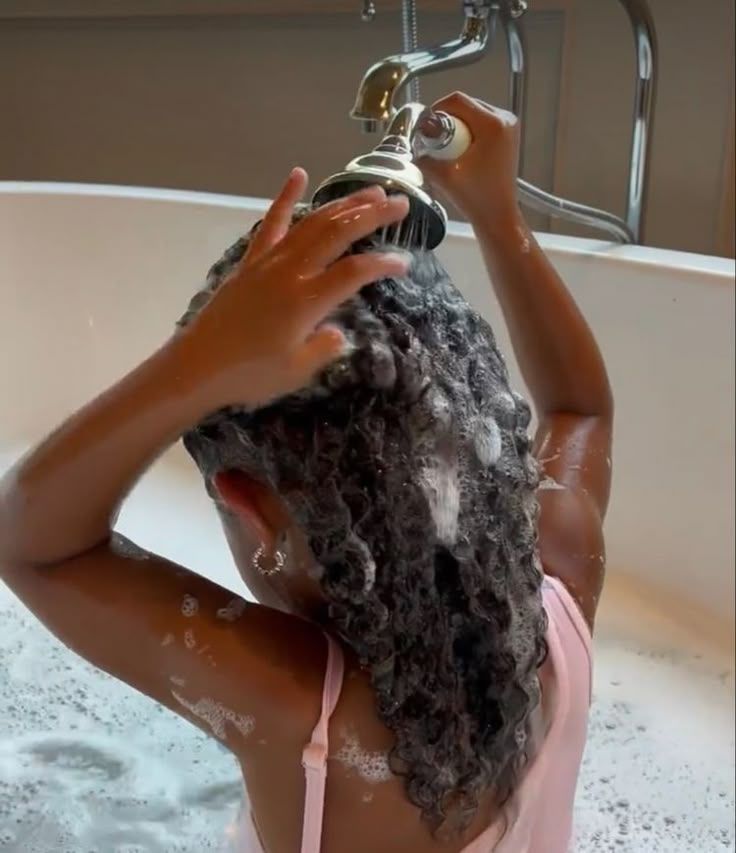
Why This Goes Unnoticed
Most people assume wash day has to happen in one block of time because that is how tutorials and product instructions present it.
Step one, step two, step three, all the way through styling, presented as a single continuous session.
Nobody tells you that you can pause. Nobody tells you that spreading these steps across a day or two often works better for both you and your child.
So families push through one long session, wondering why it feels harder every single week instead of questioning the format itself.
This assumption gets passed down almost without anyone noticing.
You watched someone else do wash day this way, so you do it this way too, never stopping to ask if there is a gentler structure available.
Questioning that one-session tradition is often the first real step toward making the whole experience feel lighter.
The Real Reason: Trying to Do It All in One Sitting
Wash day feels difficult because attention spans, patience, and physical comfort all wear thin the longer a session drags on.
A child who starts out cooperative after twenty minutes often struggles to sit still after an hour, no matter how gentle you are being.
This is not about your child being difficult or your technique being wrong.
It is about asking a young child to sit through a process that genuinely takes real time when done thoroughly, all at once, without a break.
This alone explains why wash day feels difficult for so many families who are otherwise doing everything right.
Adults feel this fatigue too, even if it shows up differently.
Your patience, focus, and physical comfort also decline the longer a single session stretches, which affects how carefully you handle detangling and styling by the later steps.
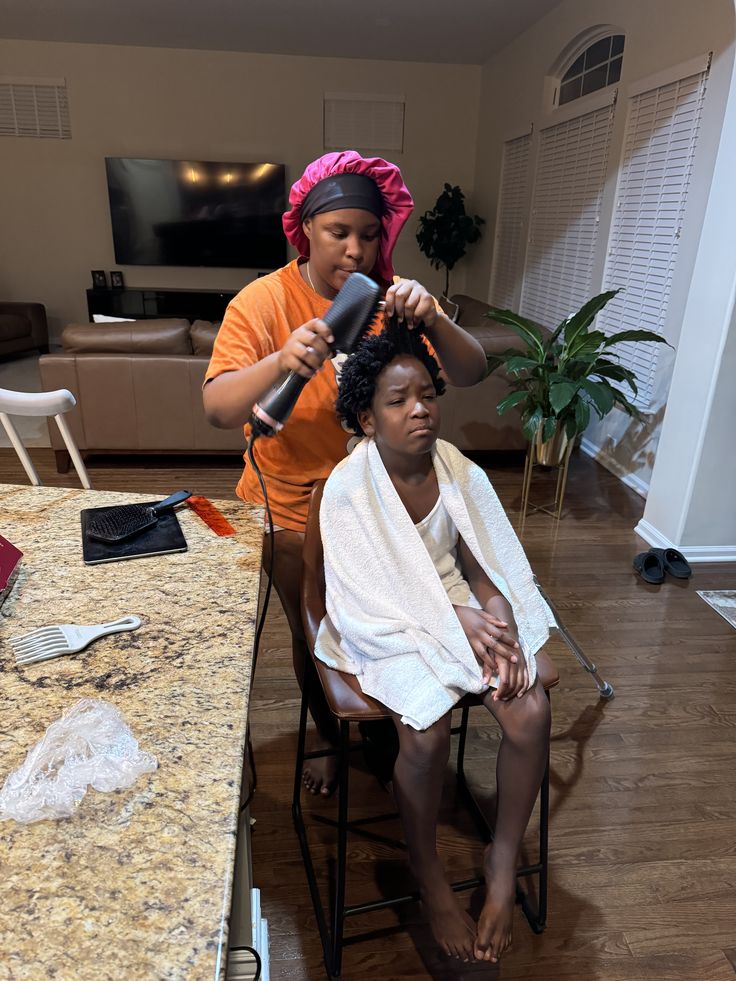
What Happens as the Session Drags On
Early in a wash day session, your child is usually patient and hair is easier to work with.
As time passes, fidgeting increases, patience decreases, and hair that started detangled can tangle again from constant movement and repositioning.
The One Hair Care Habit That Causes More Tangles Than You Think covers how movement and friction reintroduce tangles even mid-session.
By the time you reach styling, both of you are running on less patience than you started with.
Mistakes happen more easily, technique suffers, and the whole process starts to feel like a battle instead of a routine task.
This pattern repeats week after week, and it slowly builds a negative association with wash day for both of you.
Dread builds before the session even starts, which makes each week feel harder than it actually needs to be.
How One Small Routine Change Can Make Hair Time Easier looks at a few more ways small structural shifts improve the whole experience over time.
Why This Affects Curly and Coily Hair Even More
Curly and coily textures generally take longer to detangle, moisturize, and style than straighter hair types.
This means families with these textures often face longer single sessions to begin with, which makes the fatigue factor even more pronounced.
The Different Kids Hair Textures Explained breaks down why some textures naturally require more hands-on time than others.
Trying to compress a naturally longer process into one uninterrupted session sets everyone up for frustration well before the session even ends.
How to Identify Your Child’s Hair Type can help you get a realistic sense of how much time your child’s specific texture genuinely needs, so you can plan accordingly instead of guessing.

How to Fix This
None of these changes require buying anything new.
They simply involve restructuring when and how each step happens, which is usually all it takes to stop wash day from feeling difficult in the first place.
Most families can start applying these shifts during the very next wash day, without waiting to order a product or research a new technique first.
Each change below tackles a different piece of the timing problem, so you can pick the ones that make the most sense for your family’s schedule.”
Break Wash Day Into Stages Across Hours
Instead of doing everything in one sitting, split the process.
Wash and deep condition in the morning , then detangle and style in the evening
This gives both you and your child a real break between the more physically demanding steps and the more detailed styling work.
The Best Wash Day Routine for Kids walks through exactly how to structure a two-day approach so nothing feels rushed and nothing gets skipped.
Even a shortest gap makes a real difference.
Hair that sits, properly moisturized, for a while is often easier to work with than hair rushed straight from washing into a detailed style.
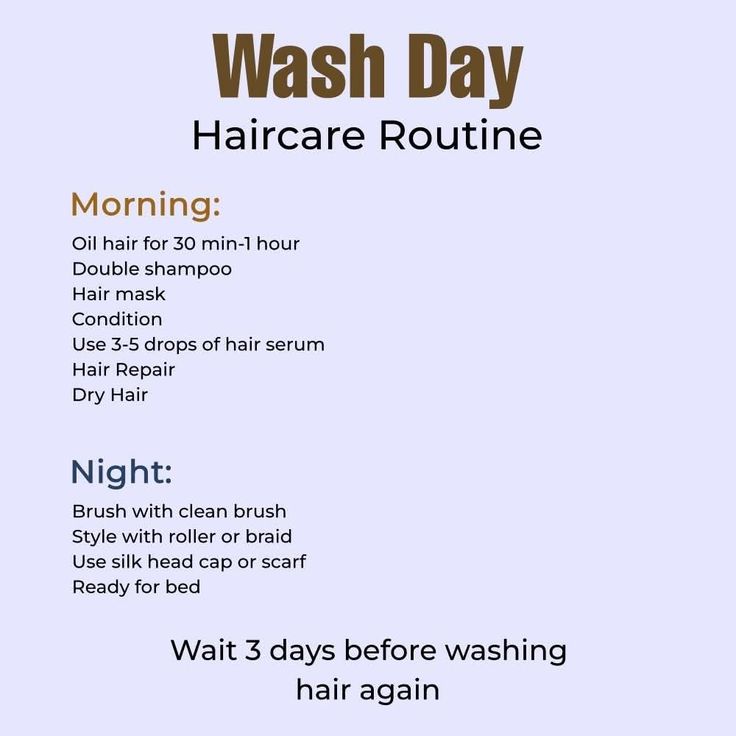
Detangle Before Washing , Not During It
Handling detangling as its own separate session, before washing, removes one of the most time-consuming steps from the wash day process itself.
The Secret to Tear-Free Detangling covers gentle techniques for this kind of standalone detangling session.
This alone can cut a significant amount of time off washing itself, since the hair going into the shampoo step is already smooth and manageable.
Removing this one bottleneck is often enough on its own to stop wash day from feeling difficult by the time you reach styling.
The Best Detangling Sprays for Kids can help you find a product suited specifically for this kind of standalone session.
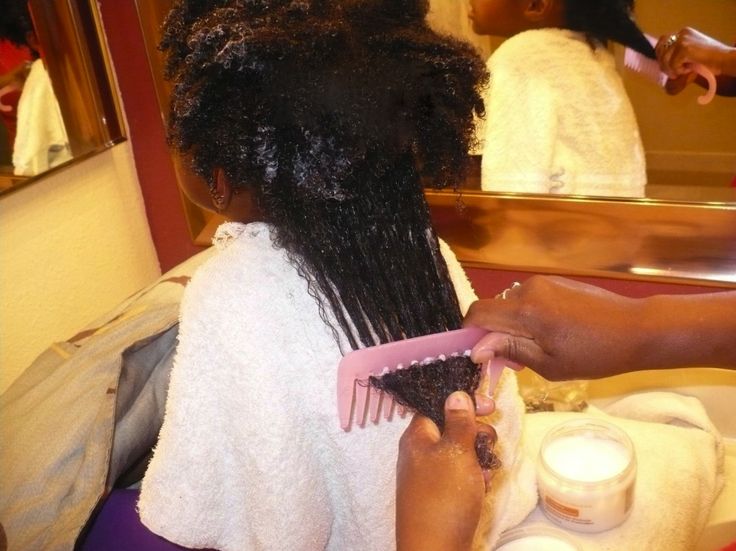
Prep Everything Before You Start
Gather every product, tool, and towel before you begin any step.
Searching for a missing comb or a spray bottle mid-session breaks concentration and adds unnecessary time to a process that already feels long.
Having a simple checklist ready before you start makes a real difference in how smoothly the session goes.
How to Keep Kids’ Scalp Healthy is worth keeping in mind too, since a rushed scalp routine is one of the first things to get skipped when time runs short.
Lay everything out in the order you will need it.
This small habit removes a surprising amount of friction from the process, since you never have to pause and search for anything mid-step.

Give Yourself Permission to Pause
If your child needs a break partway through, take one.
A snack break, a short video, or even stopping entirely and finishing later is completely fine.
There is no rule that says wash day has to happen in one continuous stretch.
Giving yourself this flexibility often eliminates most of what makes wash day feel difficult in the first place.
Style on a Separate day If Possible
Styling, especially detailed styles like braids or twists, often takes longer than washing and conditioning combined.
Handling styling as its own session, separate from the wash itself, keeps each individual task shorter and more manageable.
31 Best Braided Hairstyles for Kids has plenty of options that work well when styled fresh the day after washing.
For quieter days at home, a lower-maintenance style can also cut styling time significantly. 19 Cute Ponytail Hairstyles for Kids has options that come together quickly without sacrificing a neat finished look.

Other Factors That Make Wash Day Harder
Splitting the process into stages solves a lot, but a few other factors tend to compound the difficulty alongside timing.
Mood, product choice, and how sectioned the hair is all play a role too, even after you fix the timing problem.
Addressing these alongside the two-day approach makes wash day feel even more manageable.
None of them require major changes, just a bit more attention during the process itself.”
Not Making the Time Enjoyable
Wash day does not have to feel like a chore for your child.
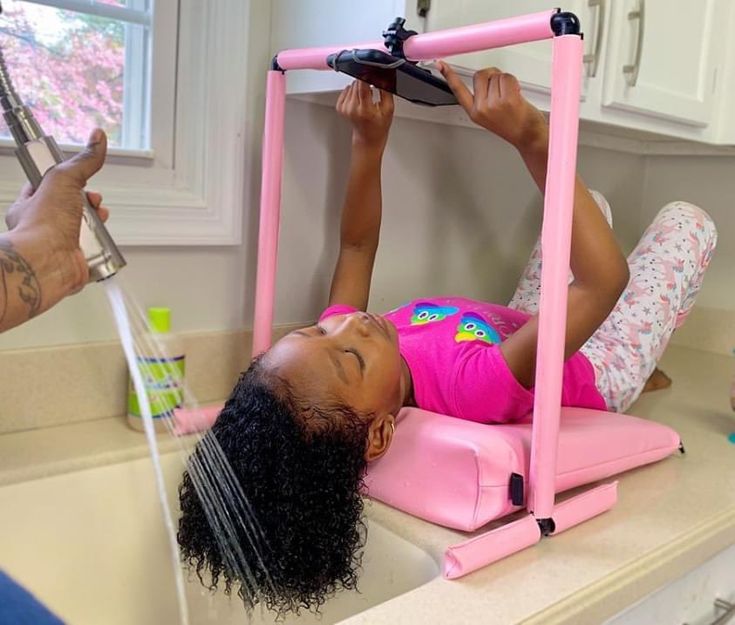
Music, a favorite show, or a special snack reserved just for this time can shift the entire mood of the session.
Why Your Child Hates Hair Time (and How to Change It) offers more ideas for making the process something your child looks forward to rather than dreads.
Involving your child in small decisions, like which detangling spray scent to use or which show to watch, gives them a sense of control over a process that otherwise happens entirely to them.
This small shift often improves cooperation noticeably.
Rushing Through Detangling
Rushing this step, especially when hair is already tangled from a long week, tends to backfire.
Moving slowly and gently through detangling actually takes less time overall than fighting through
knots quickly, since gentle technique causes fewer new tangles along the way.
How to Moisturize Kids Hair Properly can help you add enough slip beforehand so detangling itself moves smoothly instead of feeling like a fight.
Using the Wrong Products for the Job
Heavy, hard-to-rinse products slow down washing, and products without enough slip make detangling take longer than it needs to.
Why Expensive Hair Products Aren’t Always Better explains how the right product, not necessarily the most expensive one, speeds up the whole process.
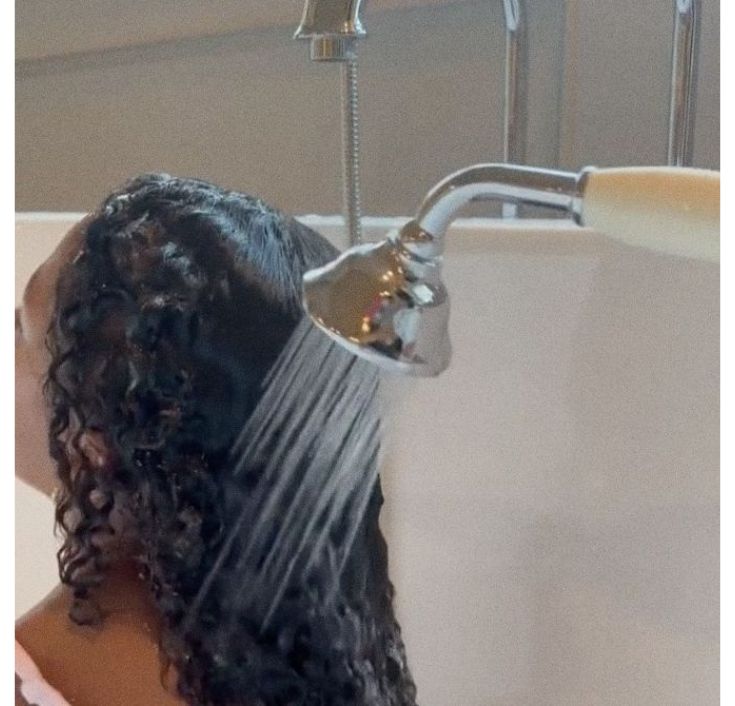
Picking a shampoo that rinses cleanly also saves real time.
How to Choose the Right Shampoo for Kids can help you pick a formula that cleanses well without adding unnecessary time to the rinsing step.

Skipping Sectioning
Working through hair as one large mass instead of sections makes every step take longer and increases how tangled hair gets during washing.
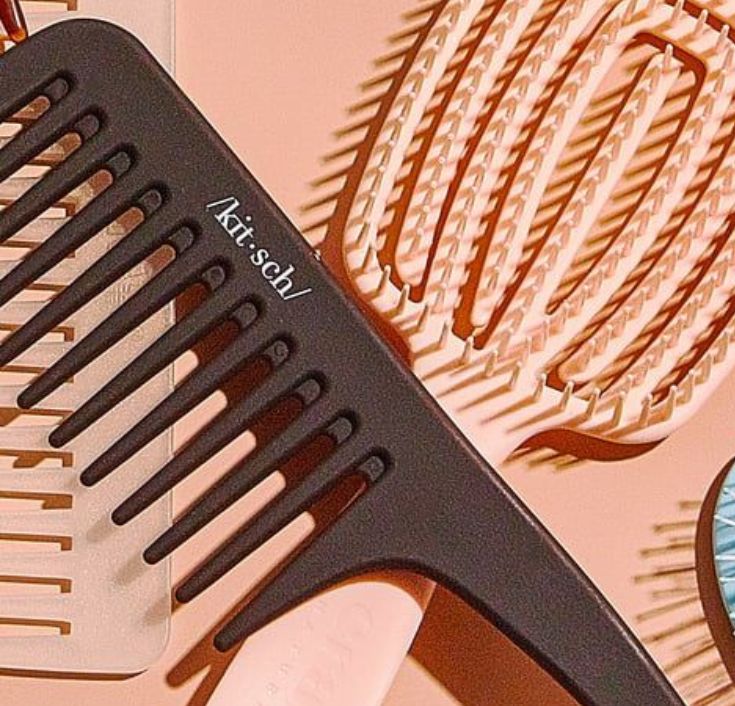
Wide-Tooth Comb vs Detangling Brush can help you choose the right tool for sectioning and detangling efficiently.
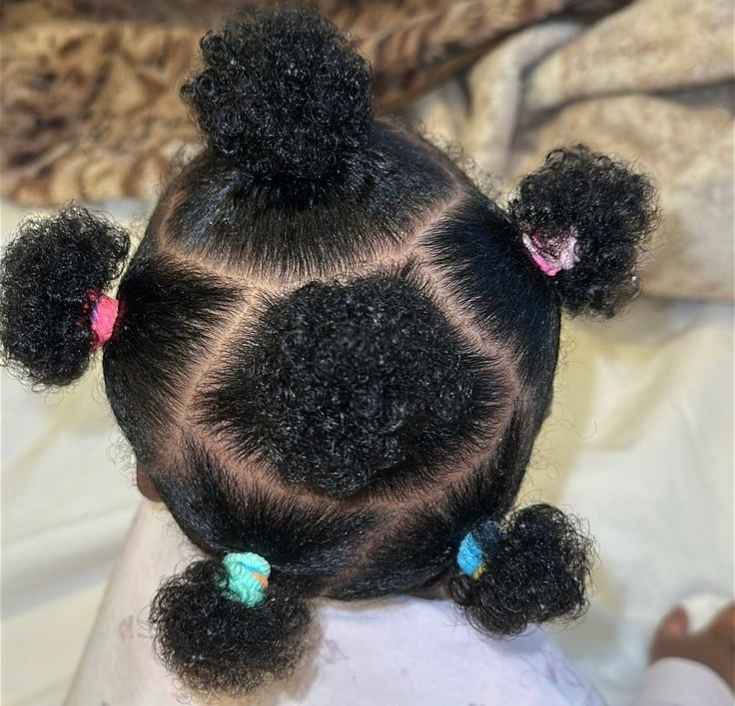
Four to six sections is usually enough to keep hair contained without adding extra complexity to the process.

Common Mistakes to Avoid
The biggest mistake is treating wash day as a single event that has to happen from start to finish without stopping.
This mindset creates unnecessary pressure and makes the whole process feel much bigger than it needs to, and it is usually the real reason wash day feels difficult even when every individual step is done correctly.
Avoid scheduling wash day when you or your child are already tired or short on time.
Starting a long process at the end of a busy day sets everyone up for frustration before you even begin.
How Often Should You Wash Your Child’s Hair? can help you plan a schedule that fits naturally into your family’s actual routine instead of squeezing it in wherever there happens to be a gap.
A weekend morning, when both of you feel rested and there is no rush to be somewhere else, tends to work far better than a weeknight squeezed between dinner and bedtime.
Do not assume every wash day has to look identical. Some weeks call for a full, detailed session. Other weeks might only need a quick refresh.
Flexibility here makes a big difference in how sustainable the whole process feels over time.
The Best Hair Oils for Children’s Hair can help you put together a quick refresh routine for lighter weeks when a full wash day is not realistic.
Frequently Asked Questions
How long should wash day actually take?
This depends heavily on hair length, texture, and the style you plan to create afterward.
A full session including washing, conditioning, detangling, and styling can easily take two to four hours for longer or thicker hair.
Splitting the process across two days often makes this time feel far more manageable than tackling it all at once.
Is it okay to spread wash day across multiple days?
Yes, and many families find this approach works much better than a single long session.
Washing and conditioning on one day, then detangling and styling on another, reduces fatigue for both you and your child.
There is no rule requiring everything to happen at once, and spreading tasks out tends to produce a calmer session overall.
Why does my child get so restless during wash day?
Young children naturally have limited attention spans, and sitting still for an extended styling session asks a lot of them.
Breaks, entertainment, and shorter individual sessions all help reduce restlessness significantly.
This is a normal response to a long process, not a sign that anything is wrong with your routine or your child’s behavior.
Does hair texture affect how difficult wash day feels?
Yes, texture plays a real role.
Curlier and coilier hair generally takes more time to detangle and style than straighter hair, which naturally extends how long a full wash day session takes.
15 Reasons Your Child’s Hair Keeps Breaking (and What to Do About It) covers how rushing through a longer process on tired, impatient hair can lead to more breakage too.
What is the single biggest change I can make to improve wash day?
Splitting the process across two days, rather than doing everything in one sitting, tends to make the biggest difference for most families.
This one change reduces fatigue, improves patience, and often results in a neater finished style since nobody is rushing through the final steps.
How to Encourage Healthy Hair Growth in Kids is a great next read once wash day feels more manageable and you are ready to focus on other parts of the routine.

Final Thoughts
If wash day consistently feels difficult, the format of your routine is very likely playing a bigger role than your technique or your products.
Trying to fit washing, detangling, and styling into one long sitting puts unnecessary pressure on both you and your child.
Breaking the process into stages, prepping ahead of time, and giving yourself permission to pause can transform wash day from something everyone dreads into something far more manageable.
None of these changes cost anything or take extra overall time.
They just spread the same work across a format that works with your child’s patience instead of against it.
How to Build a Healthy Hair Routine for Kids ties all of these ideas together into one sustainable weekly rhythm.
Give a two-day approach a try the next time wash day rolls around.
You might find that the same routine you have always done finally starts to feel doable instead of exhausting




One Comment