
Why Your Child Hates Hair Time (and How to Change It)
Disclosure: Some of the links in this post are affiliate links. This means if you click on the link and purchase an item, I will receive an affiliate commission at no extra cost to you.
The moment you reach for a comb, your child tenses up. Maybe there are tears. Maybe there is a full protest before you even touch a single strand.
If your child hates hair time no matter how gentle you try to be, you are far from alone, and the good news is that this reaction almost always has a real, fixable cause behind it.
This pattern shows up across households of every hair type, and it rarely means anything is genuinely wrong with your routine or your child.
Kids rarely dislike hair care for no reason at all. Something about the experience, like discomfort, boredom, or feeling out of control, creates a negative association that builds up over time.
How to Moisturize Kids Hair Properly can help you reduce one common source of discomfort right from the start.
Once you understand why your child hates hair time, the pattern becomes much easier to interrupt. Most families find that a few targeted changes shift the whole dynamic within just a couple of weeks.
This post breaks down exactly why kids develop this dread, and what you can do to turn hair time into something calmer for both of you.
Why Expensive Hair Products Aren’t Always Better shows that the fix rarely comes down to buying something new. You will find several practical, low-effort changes below, along with answers to the questions parents ask most about this exact struggle.
It almost always comes down to how the experience feels from your child’s point of view.
Why Hair Time Feels Like a Battle
Hair care asks a lot of a young child. It asks them to sit still, tolerate touching and pulling on their scalp, and stay patient through a process that can take a long time depending on the style.
For a child with a short attention span or sensitive scalp, this combination creates real, understandable resistance.
Once a session or two goes badly, the dread often builds before the comb even comes out again. Understanding this cycle is the first step toward breaking it.
Adults sometimes forget how unfamiliar and overwhelming this experience can feel to a young child, especially one who has not yet developed the patience to sit through a longer session calmly.
What feels routine to you can feel genuinely stressful to them, and recognizing that gap in perspective changes how you approach the whole process.
The Main Reasons Behind the Dread
A few specific factors show up again and again when a child hates hair time.
Once you know what to look for, you can usually trace the resistance back to one or two of these causes rather than assuming your child is simply being difficult.
Most families discover it is a combination of two or three of these factors rather than just one. Working through each one below helps you figure out exactly where to focus your energy first.
Physical Discomfort and Tension
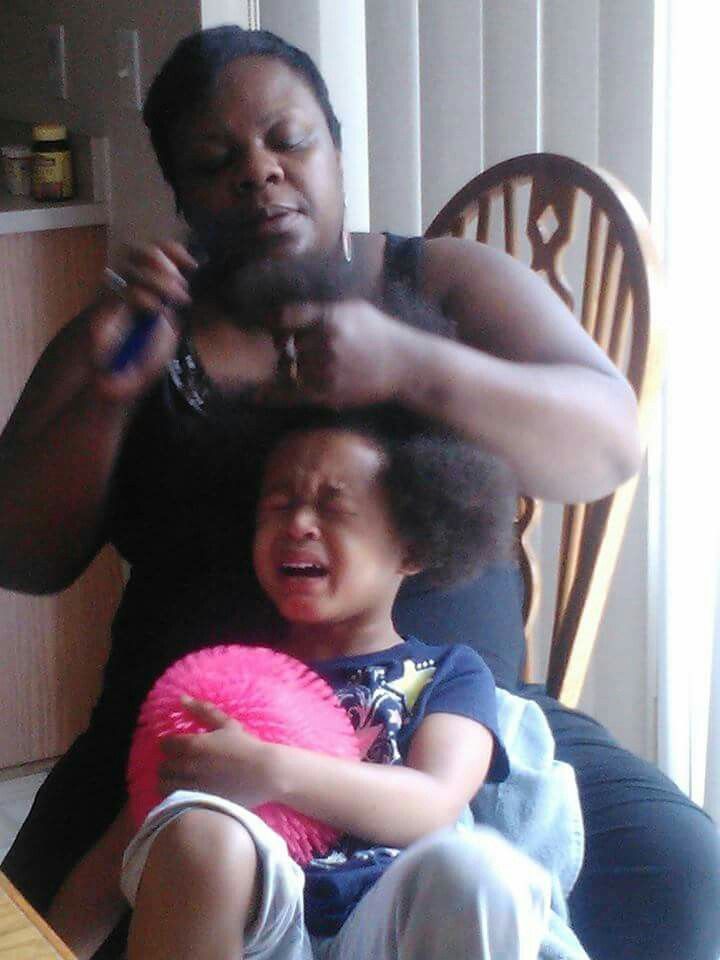
Rough detangling, tight styles, or pulling at the scalp genuinely hurts, and pain is the fastest way to build dread around any activity.
Children remember discomfort vividly, and even a single painful session can shape how they feel about every session that follows.
The Secret to Tear-Free Detangling covers gentler techniques that remove much of this discomfort from the process entirely.
Dry, tangled hair makes this worse, since detangling without enough slip pulls much harder on the scalp than necessary.
Starting every session on properly moisturized hair alone can eliminate a significant portion of the physical discomfort your child associates with this time and makes every following step feel considerably easier for both of you.
Boredom and Long Sitting Times
Sitting still for an extended period is genuinely hard for young children.
A session that feels reasonable to an adult can feel endless to a child with limited patience.
The Real Reason Wash Day Feels So Difficult looks at how session length alone contributes heavily to resistance, separate from technique or products.
Younger children in particular struggle with any activity that requires stillness for more than a few minutes at a stretch.
Giving the child something to entertain themselves with can reduce the boredom and give you more time on the hair instead of fighting against it.
35 No-Heat Hairstyles for Kids includes several quick, low-effort styles that shorten sitting time significantly.

Feeling Like They Have No Control
Sometimes the problem is not the comb, the products, or even the hairstyle. Your child may simply be tired of having every part of hair time decided for them.
They may not get to choose the hairstyle, where they sit, what they watch, or when they take a short break. After a while, that can make the whole routine feel like something they have to endure.
You do not need to let your child run the entire session. Give them a few simple choices instead. Let them pick between two hairstyles, choose a hair accessory, or decide what to watch while you work.
These small choices can make hair time feel less like something being done to them and more like something they are taking part in.
For some children, that little bit of involvement can make a noticeable difference in how willing they are to cooperate.
A History of Negative Experiences
Once a child associates hair time with pain or boredom, that association tends to stick.
Even gentle sessions afterward can trigger the same dread, since the anticipation itself becomes the problem rather than what is actually happening in the moment.
This is often the biggest reason a child hates hair time long after you have already addressed the original cause.
15 Reasons Your Child’s Hair Keeps Breaking (and What to Do About It) covers how rough handling during these negative sessions can also damage the hair itself over time.
This is one of the trickier factors to address, since it requires rebuilding trust rather than just fixing a technique issue.
It usually takes several genuinely calm, gentle sessions before a child starts to let their guard down again.
The Complete Beginner’s Guide to Kids Hair Care is a solid refresher if you feel like the fundamentals need revisiting alongside the emotional side of things.
Rushed, Stressful Sessions
A parent who feels rushed or frustrated often transmits that tension to their child without meaning to.
Kids pick up on stress quickly, and a session that starts with sighing or impatience rarely ends calmly.
Rushing compounds nearly every other factor on this list, often without the parent even realizing it is happening.
Even a calm, well-intentioned parent can accidentally rush through a session when the schedule feels tight.
Building in extra time before you start makes it much easier to stay patient throughout, which your child will pick up on immediately.
How to Make Hair Time Something They Look Forward To
None of the fixes below require new products or a completely different routine.
They mostly involve small shifts in pacing, technique, and how much say your child gets during the process.
Small changes here tend to compound quickly, since a few good sessions in a row can start reversing months of built-up dread.
Pick one or two to start with rather than trying to change everything at once.
Focus on Gentle Technique First
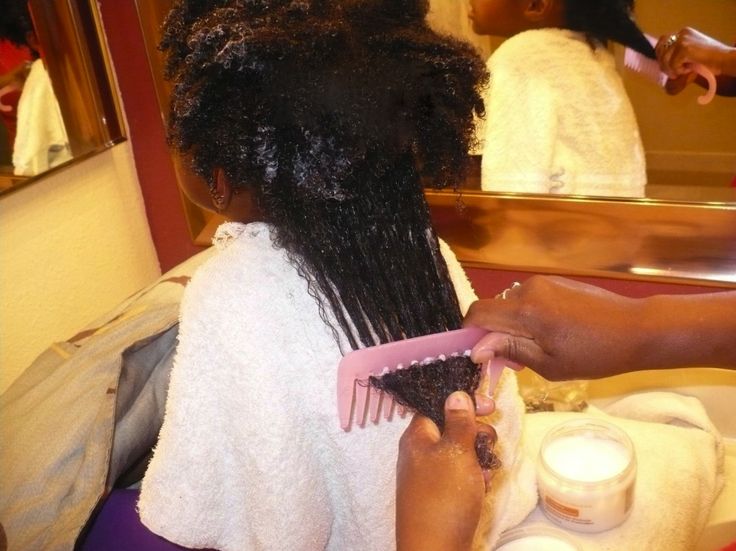
Detangling on damp, moisturized hair with the right tool removes most of the physical discomfort that builds resistance in the first place.
Wide-Tooth Comb vs Detangling Brush can help you choose a tool suited to your child’s specific texture, since the wrong tool alone can turn a calm session into a painful one.
Timing the detangling step matters too. The One Hair Care Habit That Causes More Tangles Than You Think covers an additional technique shift that reduces knots before they ever become painful in the first place.
Give Your Child Some Control
Let your child choose between two style options, pick a hair accessory, or decide which show to watch during the session.
Small choices like these restore a sense of agency without slowing down the actual process. The Best Hair Accessories for Kids has plenty of fun options your child can help pick out.
Even offering a choice between two very similar options works well. The goal is not to hand over full control of the routine, just to give your child a genuine say in a few small decisions along the way.

Make the Time Enjoyable
Music, a favorite show, or a special snack or toy reserved just for hair time can shift the entire mood of a session.
How One Small Routine Change Can Make Hair Time Easier covers a few more ways to make this time feel less like a chore and more like something to look forward to.
Consistency matters here too. Using the same special activity every session, rather than switching it up constantly, helps your child build a reliable positive association they can count on before the session even starts.

Keep Sessions Shorter When Possible
Breaking a long process into shorter sessions across hours reduces how much sitting still your child has to tolerate at once.
The Best Wash Day Routine for Kids walks through exactly how to split up a longer process without losing progress along the way.
Knowing how long your child’s hair genuinely takes helps you plan session length realistically instead of guessing.
How to Identify Your Child’s Hair Type can help you get a clearer sense of what to expect.
Stay Calm, Even When You Feel Rushed
A calm parent tends to produce a calmer child, even during a naturally tricky part of the routine.
How to Build a Healthy Hair Routine for Kids can help you build a schedule with enough breathing room that rushing rarely becomes necessary.
Scheduling hair time for a moment when neither of you is rushing to be somewhere else makes a bigger difference than most people expect.

Build in Positive Rewards
A small reward at the end, like a sticker, a favorite activity, or even a simple high five and positive remarks , gives your child something positive to associate with getting through the session.
Over time, this helps rebuild a more positive connection to hair time overall.
Healthy Habits That Support Kids Hair Growth is worth reading too, since a positive routine tends to support consistency, which matters just as much as any single technique.

Common Mistakes to Avoid
Forcing a child to sit through a painful session without adjusting technique tends to deepen dread rather than resolve it.
If a session is going badly, pausing and trying again later almost always works better than pushing through.
Switching products rarely fixes a problem rooted in technique or pacing instead, which is exactly why a child hates hair time despite parents trying product after product.
Ignoring your child’s cues is another common mistake.
If they are pulling away, crying, or clearly overwhelmed, continuing anyway usually makes the next session harder, not easier.
Recognizing these signs early and adjusting in the moment protects the progress you are trying to build.
Pausing for a few minutes and returning once your child feels calmer costs very little time compared to what it saves in the long run.
Ignoring their input entirely is a mistake too. Even young children can express preferences about pace, product, or style, and dismissing these preferences removes one of the easiest tools you have for reducing resistance.
The Best Hair Brushes for Kids has gentle options worth involving your child in choosing.
Expecting instant results is a mistake as well. A child who has built up months of dread will not necessarily love hair time after one improved session.
Why Your Child’s Hairstyles Never Last Until the End of the Day is a good next read once the emotional side of hair time feels more settled and you are ready to focus on styling longevity.
Frequently Asked Questions
Why does my child cry every single time we do their hair?
This usually points to either physical discomfort during detangling or styling, or a buildup of negative associations from past sessions.
Gentle technique on properly moisturized hair removes much of the physical discomfort.
Addressing both the technique and the emotional pattern together tends to produce the fastest improvement.
How long does it take to change a child’s attitude toward hair time?
This varies by child, but many families see improvement within a few weeks of consistently gentler sessions.
Building positive associations takes repeated good experiences, so consistency matters more than any single change.
Patience during this transition period pays off significantly over time, even on days when progress feels slow.
Is it normal for kids to dislike getting their hair done?
Yes, this is extremely common, especially for children with sensitive scalps or shorter attention spans.
Most resistance comes down to identifiable, fixable factors rather than anything unusual about your specific child.
The Different Kids Hair Textures Explained can help you understand if texture-related discomfort is part of what is happening.
Knowing this is normal often takes some of the pressure off parents who worry they are doing something wrong.
Should I let my child skip hair care if they hate it that much?
Skipping entirely usually is not a sustainable long-term solution, since hair still needs regular care regardless of how a child feels about the process.
Instead, focus on making sessions shorter, gentler, and more enjoyable so resistance decreases over time rather than avoiding the routine altogether.
Avoidance tends to make the eventual session feel even bigger and more overwhelming than it needs to be.
What if nothing seems to be working?
If you have tried gentler technique, shorter sessions, and more involvement from your child without improvement, consider that an underlying scalp issue could be contributing to the discomfort.
How to Keep Kids’ Scalp Healthy covers signs of scalp problems worth ruling out before assuming the issue is purely behavioral.
Sometimes a child hates hair time for a physical reason that has nothing to do with technique or emotional patterns at all, and ruling this out can save a lot of guesswork.

Final Thoughts
If your child hates hair time, the resistance almost always traces back to a specific, fixable cause rather than a personality trait you cannot change.
Physical discomfort, boredom, feeling out of control, and past negative experiences are the most common culprits behind the dread.
How to Encourage Healthy Hair Growth in Kids is a great next read once these sessions feel calmer and you are ready to focus on other parts of the routine.
Small shifts, gentler technique, shorter sessions, a bit more control handed back to your child, tend to make a real difference over time.
None of these changes require a complete overhaul of your routine.
They just ask you to pay closer attention to how the experience feels from your child’s side of things.
Most parents find that once they start looking for the specific cause, the fix becomes much clearer than it seemed at first.
Give these changes time to work.
A few genuinely good sessions in a row can start shifting the association your child has built up, turning hair time from something dreaded into something that eventually feels like just another normal part of the day.
The dread that built up over months does not need to take months to undo, especially once you know exactly why your child hates hair time in the first place.