
How to Keep Kids’ Scalp Healthy
Disclosure: Some of the links in this post are affiliate links. This means if you click on the link and purchase an item, I will receive an affiliate commission at no extra cost to you.
Most hair conversations focus on the strands themselves, but the scalp is really where healthy hair starts and where good care matters most.
A healthy scalp for kids creates the right conditions for hair to grow strong, without extra breakage or irritation getting in the way.
It is easy to overlook the scalp completely, especially once a hairstyle is in place and looking neat.
The complete beginner’s guide to kids hair care covers the basics of the whole routine, while this guide focuses specifically on the scalp itself.
None of the habits covered here require anything fancy or expensive, just a bit of regular attention.
Many parents find that a few minutes of scalp care becomes a relaxed, easy part of the week rather than a chore, especially once it’s built into an existing routine.
This guide walks through what a healthy scalp actually looks like, along with simple steps to keep it that way.
By the end, you will have a clear routine for supporting a healthy scalp for kids at any age, without needing any special tools or training.
Why Scalp Health Matters for Hair Growth
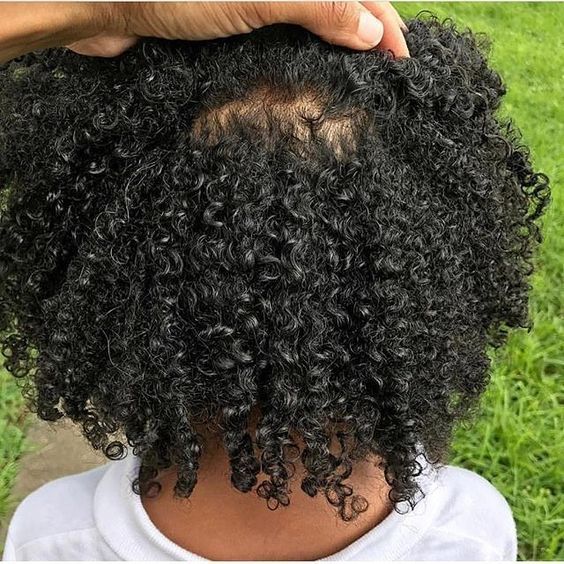
Hair grows directly from follicles in the scalp, so the condition of the scalp affects the hair growing out of it.
A calm, balanced scalp supports steady growth, while an irritated or clogged scalp can slow things down.
Dryness, buildup, and inflammation can all interfere with how well hair grows and how strong it feels. Many hair problems that seem to start at the strands actually begin at the scalp level.
Paying attention here first often solves issues that product changes alone cannot fix. A healthy scalp for kids is really the foundation everything else in a hair routine is built on.
Once the scalp is in good shape, the rest of the routine tends to work much better too, with less trial and error along the way.
Signs of a Healthy Scalp
A healthy scalp is not overly oily, flaky, red, or itchy, and it stays fairly comfortable between wash days.
Some natural oil production is normal and does not need to be scrubbed away constantly or every single day. Signs your child’s hair is healthy covers related indicators worth checking alongside scalp condition.
Mild, occasional itchiness is usually nothing to worry about, especially after sweating or during dry weather.
Persistent redness, flaking, or tenderness are the signs worth paying closer attention to.
Knowing what is normal for your child’s scalp makes it much easier to notice real changes early, before they turn into bigger issues.
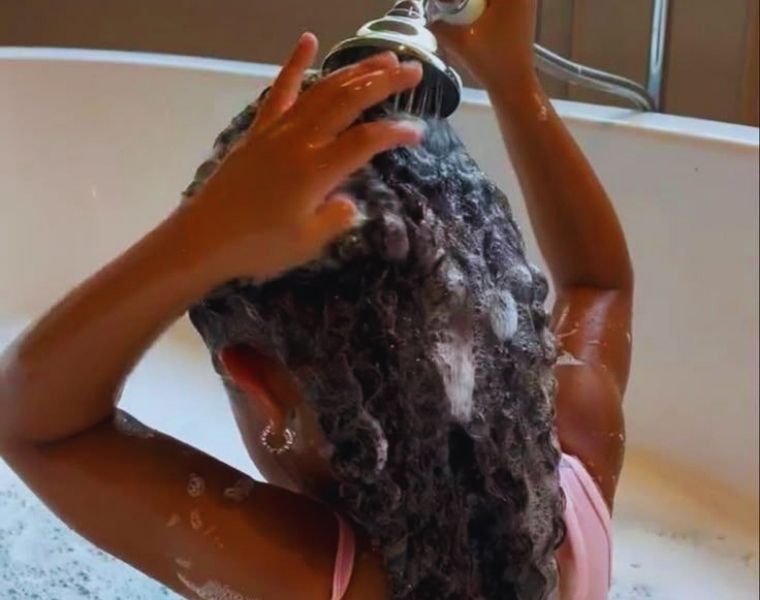
Step 1: Wash Regularly But Not Too Often
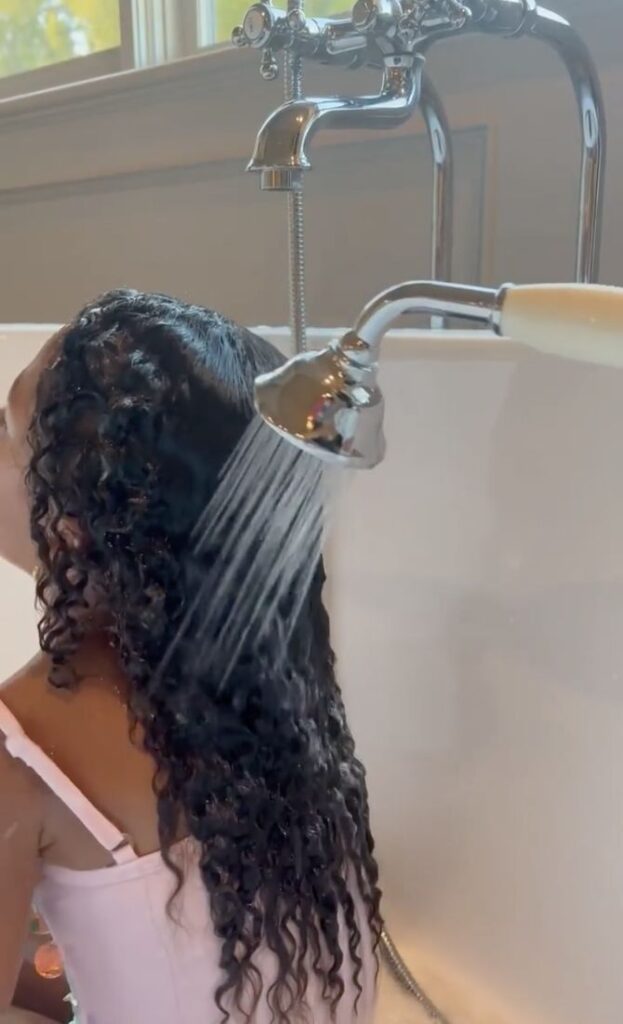
Washing too often can strip the scalp of natural oils, leaving it dry and prone to irritation. Washing too rarely allows sweat, product, and dead skin to build up, which can clog follicles over time.
How often should you wash your child’s hair? breaks down a schedule based on hair type and activity level.
The best wash day routine for kids walks through each step, from pre-detangling to a gentle final rinse.
A gentle, sulfate-free shampoo cleans the scalp without being overly harsh. Finding the right balance for your child’s specific scalp takes a bit of observation over the first few weeks.
Once you land on a rhythm that works, sticking to it consistently supports a healthy scalp for kids over the long run, even as the seasons change.
Step 2: Moisturize the Scalp, Not Just the Hair
Many routines focus entirely on moisturizing the hair strands while skipping the scalp underneath.
How to moisturize kids hair properly explains how to layer products so both the scalp and hair benefit.
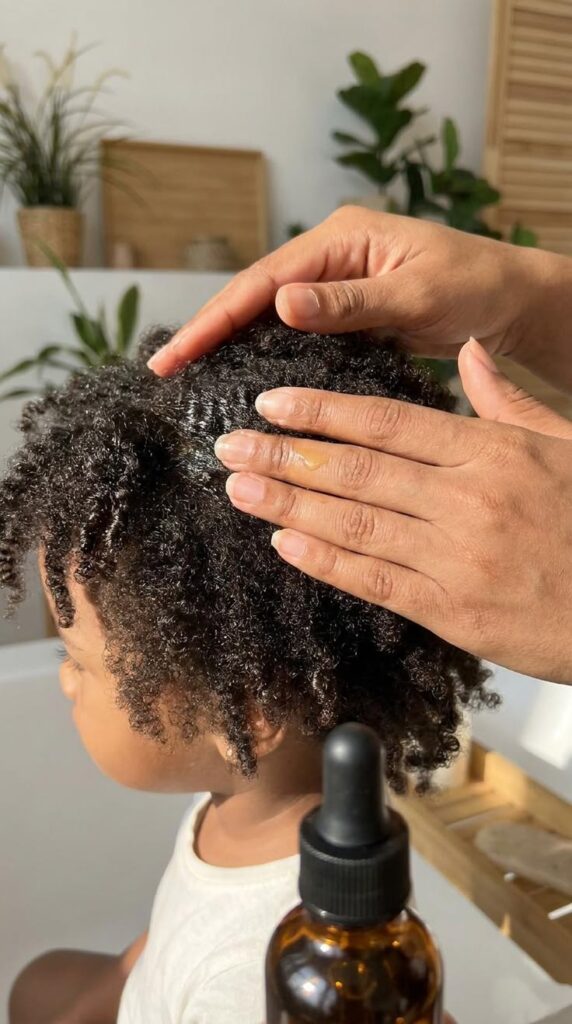
A lightweight, non-greasy oil applied directly to the scalp can help prevent dryness and flaking.
Heavy products can clog the scalp instead of helping it, so less is often more here.
Massaging the product in gently, rather than just applying it on top, helps it actually reach the skin.
A well-moisturized healthy scalp for kids feels comfortable rather than tight, dry, or itchy.
Doing this a few times a week, rather than only on wash day, keeps the scalp consistently comfortable.
Step 3: Massage the Scalp Regularly
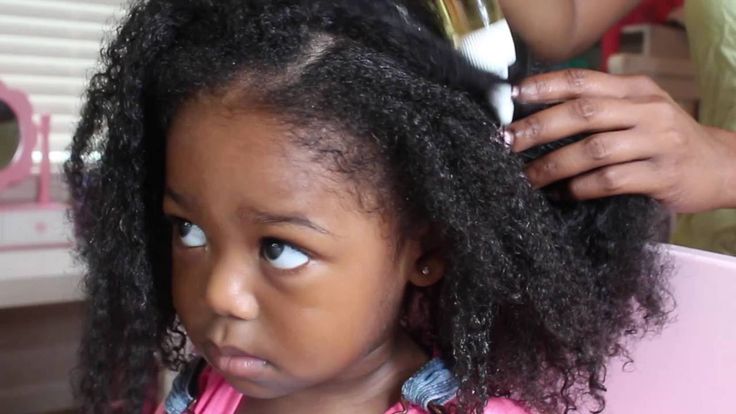
A gentle scalp massage increases blood flow to the area, which may support a healthier environment for hair growth.
This step also feels relaxing for most kids, making hair time a bit more enjoyable.
Using the pads of the fingers, rather than nails, avoids scratching or irritating the skin.
A few minutes during moisturizing or right before a wash is enough to make this a regular habit.
Massaging also gives you a chance to notice any changes in the scalp up close.
This simple step costs nothing and takes very little extra time to build into an existing routine.
Many kids come to look forward to this part of hair time once it becomes familiar, especially when it turns into a relaxed, calm moment together.
Step 4: Avoid Product Buildup
Buildup from oils, creams, and styling products can sit on the scalp and block healthy function over time, especially with frequent styling.
The hidden reason your child’s hair looks dull covers how buildup affects more than just shine. A
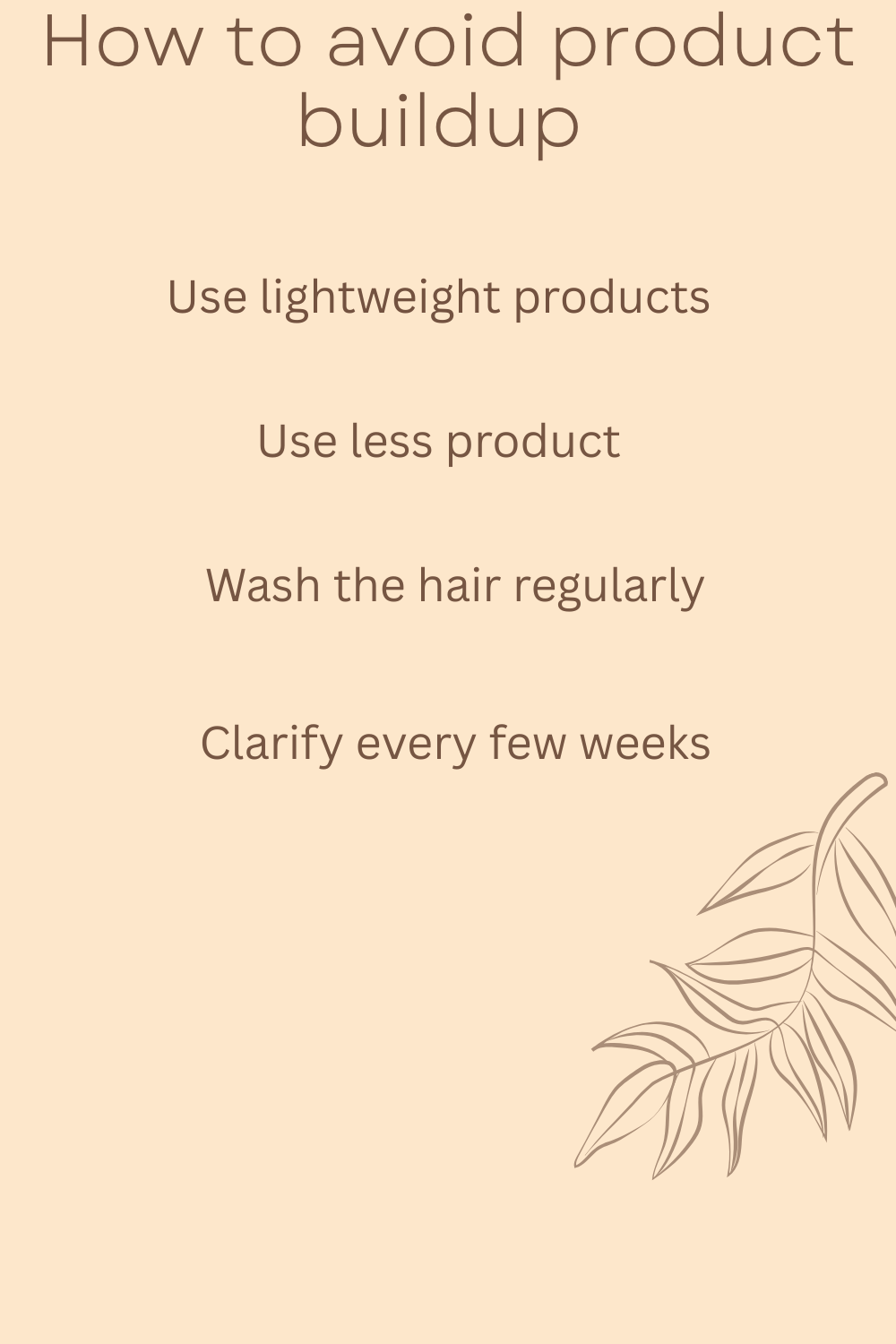
clarifying wash every few weeks helps reset the scalp without overdoing regular washing.
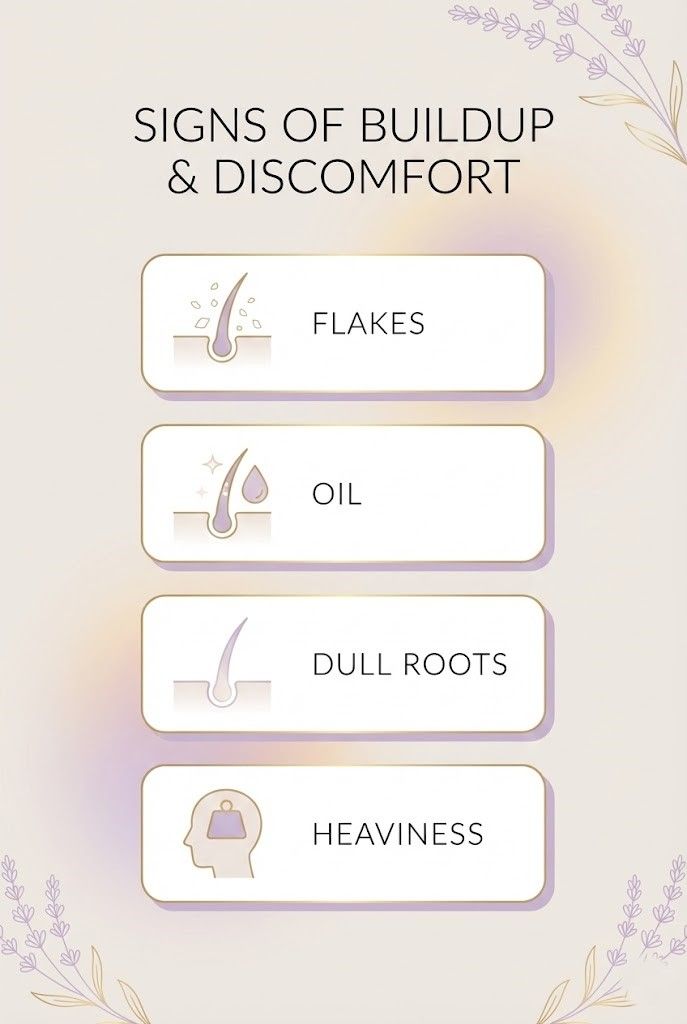
Signs of buildup include a dull appearance, a slightly waxy feel, or products that no longer seem to absorb well.
Why expensive hair products aren’t always better is worth a read, since heavier or richer products are not always gentler.
Choosing lighter products in the first place can help prevent buildup from becoming a recurring issue.
Reading ingredient labels, rather than relying on marketing claims, is a reliable way to spot heavier formulas early.
Step 5: Protect the Scalp From Sun and Weather
The scalp is skin, and like any other skin, it can be affected by sun exposure and harsh weather.
A hat or scarf during especially long periods outside helps protect the scalp on sunny days.
Cold, dry winter air can also leave the scalp feeling quite tight and flaky, similar to dry skin elsewhere on the body.
Summer/winter hair care tips for kids and how humidity affects kids hair both cover seasonal adjustments worth making.
Switching up moisture routines slightly with the seasons often keeps the scalp more comfortable year-round.
A little extra protection during extreme weather goes a long way for scalp comfort.
Keeping an eye on how the scalp responds each season helps you adjust the routine before problems start.
Step 6: Choose Gentle Styling
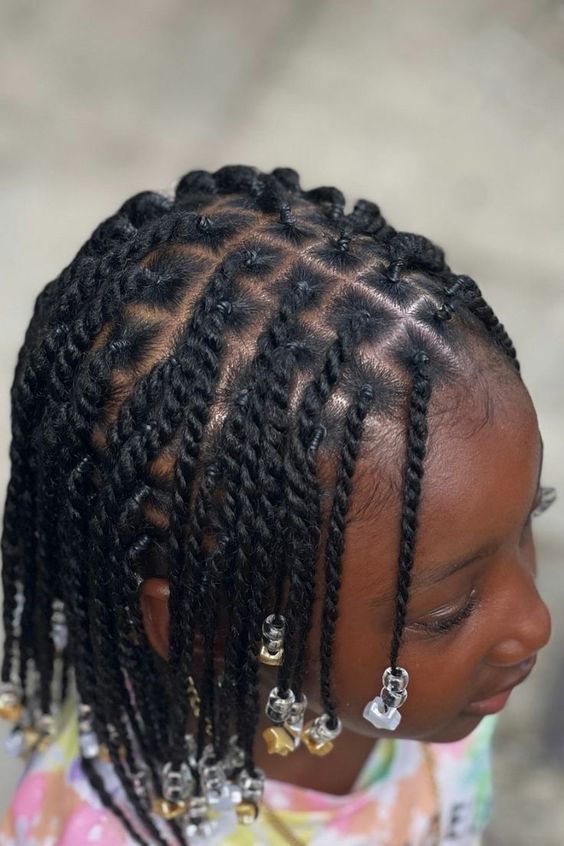
Tight hairstyles pull on the scalp and hair follicles, which can lead to irritation or even hair loss over time.
The biggest braiding mistake that can lead to hair loss explains how to spot warning signs of styles that are too tight.
17 protective hairstyles for active kids offers style ideas that hold up well without excessive tension.
A style should always feel secure, never sharp or painful at the roots.
Rotating styles regularly also gives the scalp a well-earned break from repeated pulling in the same spots.
Gentle styling choices protect both the hair and the healthy scalp underneath it.
Checking in with your child during and after styling helps catch discomfort before it becomes a bigger, harder to notice and fix problem down the road.
How Scalp Care Differs by Hair Texture
Scalp care is not one-size-fits-all, since different hair textures interact with the scalp in different ways.
How to identify your child’s hair type and the different kids hair textures explained both cover how texture affects moisture needs and washing frequency.
Curly and coily hair types often need more frequent scalp moisturizing, since oils travel more slowly down a curved hair shaft.
Straighter hair types tend to show oil buildup faster, since natural oils spread more easily along a straight strand.
Adjusting your approach based on texture helps you build a healthy scalp for kids routine that actually fits their specific hair, rather than following generic advice.
Building Scalp Care Into an Existing Routine
Adding scalp care does not have to mean adding an entirely new step to an already busy week.
Massaging in a light oil during regular moisturizing sessions folds this new habit into something you are already doing anyway.
Checking the scalp during detangling or parting for a style is another easy, natural moment to build this in.
How to build a healthy hair growth routine for kids covers how scalp care fits into a fuller hair care routine.
Starting small, with just one or two scalp-focused habits, makes the whole approach feel manageable rather than overwhelming.
Over time, these small additions become just another normal part of caring for a healthy scalp for kids, without ever feeling like extra work.
Common Scalp Issues in Kids
A few scalp issues come up often enough in kids that they are worth knowing how to recognize.
Most are manageable at home with small routine adjustments, though a few warrant a doctor’s opinion.
None of these issues mean something is seriously wrong on their own, but catching them early makes them easier to resolve.
Knowing what each one typically looks like takes some of the guesswork out of scalp care.
A little familiarity with these common issues makes it much easier to respond calmly when one comes up.
Dandruff and Flaking
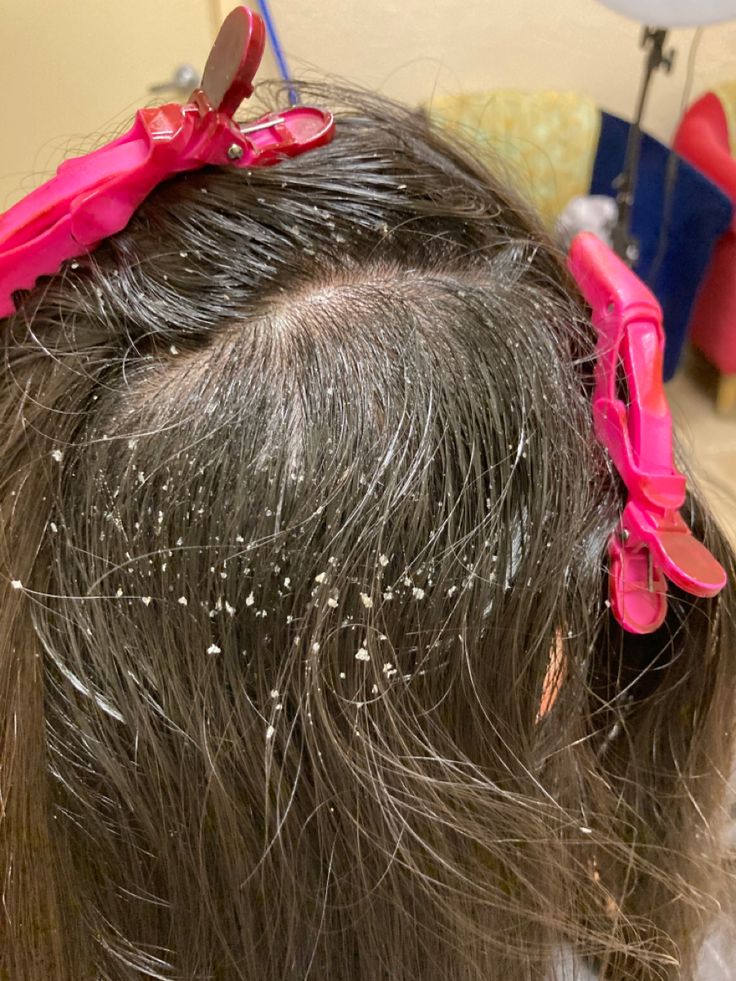
Dandruff shows up as small white or yellowish flakes, often paired with mild itching.
The hair washing mistake many parents don’t realize they’re making covers habits that can make flaking worse.
A gentle, regular wash routine combined with light moisturizing often improves mild flaking within a few weeks.
Switching to a milder shampoo can also help if flaking seems to worsen after a product change, especially one with stronger cleansing agents.
Dry, Tight-Feeling Scalp
A dry scalp can feel tight, itchy, or slightly rough to the touch, especially in colder months.
Adding a lightweight oil or scalp-specific moisturizer usually helps within a short period of consistent use.
Avoiding overly hot water during washes can also help prevent the scalp from drying out further.
A healthy scalp for kids should feel comfortable, not tight or uncomfortable, between wash days, even during the driest stretches of winter.

Product Buildup
Buildup can make the scalp feel coated or slightly sticky, even shortly after washing.
Switching to lighter products and adding a clarifying wash every few weeks usually resolves this.
How to choose the right shampoo for kids can help you find a formula suited to your child’s needs.
Paying attention to how much product is used, not just which product, also helps prevent this issue from building up again quickly.
Redness or Irritation
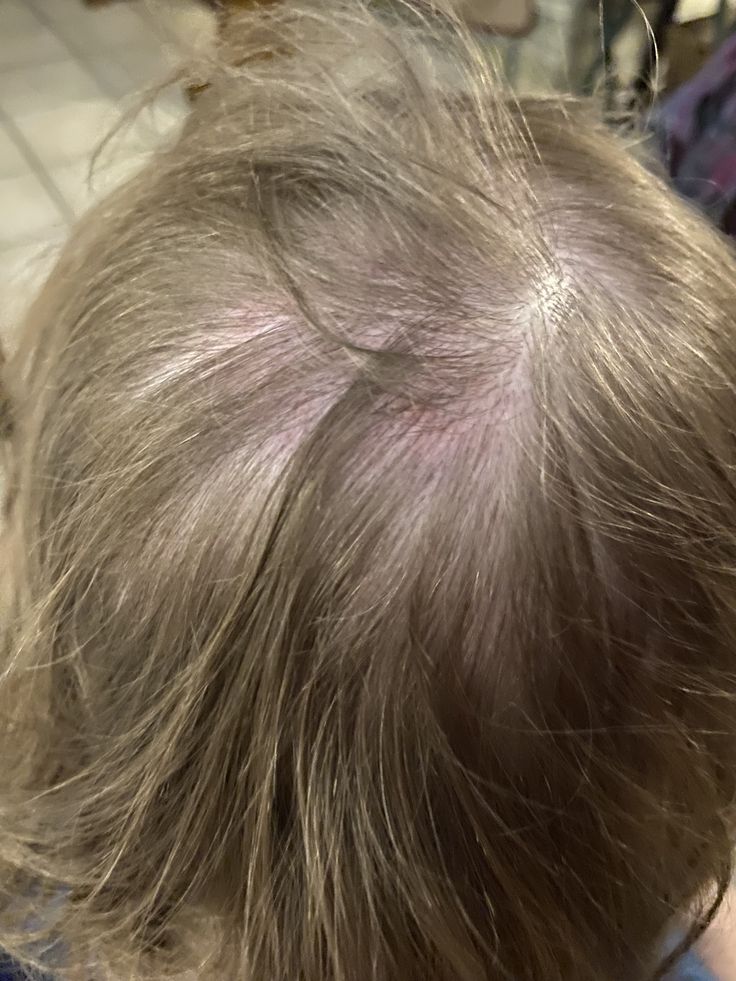
Mild redness after a new product or a tight style is often temporary and resolves once the cause is removed.
Persistent redness, swelling, or discomfort that does not improve is worth mentioning to a pediatrician.
Ruling out simple causes first, like a new product, is a reasonable and sensible first step before assuming something more serious.
Keeping track of any new products introduced around the same time can help identify a likely cause, especially if several were tried close together.
What Ingredients to Look for in Scalp Products
Not every product marketed for scalp care is actually gentle enough for everyday use on kids.
Lightweight oils like jojoba or grapeseed tend to absorb well without leaving a heavy residue behind.
Ingredients like tea tree, peppermint or rosemary can feel soothing in small amounts, though they are worth introducing slowly.
Avoiding heavy waxes, silicones, and strong fragrances helps reduce the chance of buildup or irritation.
The best hair oils for children’s hair covers specific product recommendations suited to different scalp needs.
Reading the first few ingredients on a label often tells you more than the marketing claims on the front of the bottle.
Choosing simpler formulas generally supports a healthy scalp for kids better than products with long, complicated ingredient lists, and it also tends to be easier on the wallet.

A Simple Weekly Scalp Care Checklist
Building scalp care into a predictable weekly rhythm makes it much easier to stay consistent.
On wash day, use a gentle shampoo and take a moment to notice how the scalp looks and feels.
A few times during the week, add a light scalp massage while applying moisturizer or oil.
Check in on the hairline and part areas after any new style, since these spots see the most tension.
Once a month, consider a clarifying wash if buildup has been an issue, or skip it if things feel balanced.
Keeping this checklist loose and flexible, rather than rigid, makes it easier to stick with over time.
A simple, repeatable rhythm like this does more for a healthy scalp for kids than any single product ever could, no matter how expensive it is.
When to See a Doctor
Most scalp issues respond well to small adjustments at home and do not need medical attention.
A few signs, however, are worth a conversation with a pediatrician or dermatologist.
Persistent, worsening redness or swelling that does not improve with gentle care should be checked.
Bald or thinning patches that appear suddenly, especially without an obvious cause like tight styling, are worth mentioning too.
Ongoing itching that disrupts sleep or daily comfort is another sign worth bringing up.
Trusting your instincts as a parent matters here, since you know your child’s normal baseline best.
When in doubt, a quick conversation with a doctor can offer peace of mind either way, even if the issue turns out to be minor and easily managed at home.
Scalp Care for Babies and Toddlers
Younger kids often need a slightly gentler approach to scalp care than older children do.
Baby hair care routine for new parents and Baby hair care routine for new parents both cover age-appropriate first steps worth starting with.
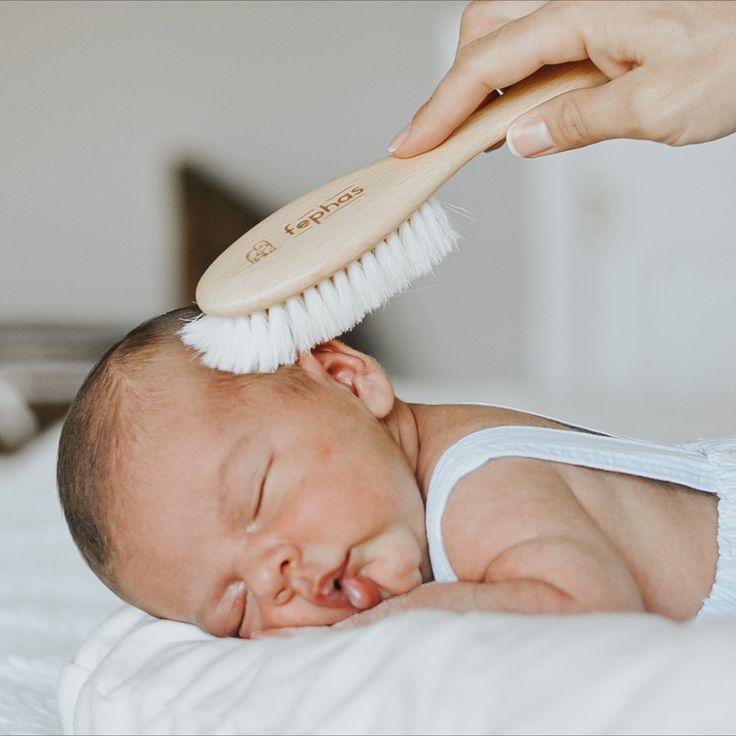
Cradle cap, a common flaky condition in babies, usually clears up with gentle brushing and light moisturizing over time.
Avoiding strong fragrances or active ingredients on very young scalps helps reduce the chance of irritation.
As kids grow, their scalp needs may shift, so revisiting your routine occasionally keeps it appropriate for their current age.
Starting good habits early makes a healthy scalp for kids feel like a normal, expected part of life rather than something new to introduce later, which tends to make the whole process easier for everyone involved.
Frequently Asked Questions
How often should I check my child’s scalp?
A quick check during wash day or moisturizing sessions is usually enough to stay on top of things.
This gives you a regular, low-effort way to notice changes before they become bigger issues.
There is no need for a separate, formal scalp inspection routine, since these small moments already give you a good view of how things are going.
Can a dry scalp affect hair growth?
A dry, irritated scalp is not an ideal environment for healthy hair growth over time.
Addressing dryness early with gentle moisture usually helps improve overall scalp comfort and condition.
This makes scalp moisture just as important as moisturizing the hair strands themselves, if not slightly more so.
Is it normal for kids to have some dandruff?
Mild, occasional flaking is fairly common and often responds well to a gentler routine.
Persistent or heavy flaking paired with redness or itching is worth watching more closely.
The best conditioners for every hair type covers gentler formulas worth trying if flaking continues.
What causes scalp buildup in kids?
Buildup usually comes from a combination of heavier products, natural oils, and sweat accumulating over time.
Washing on a consistent schedule and choosing lighter products both help prevent this from becoming a recurring issue.
A clarifying wash every few weeks can reset things if buildup does happen, especially after a stretch of heavier styling products.
Should I use special products for scalp care?
Not necessarily, since many gentle, lightweight products already on hand can support scalp health well.
Leave-in conditioner vs hair milk for kids covers a few gentle options worth trying if you want to add a dedicated step.
The technique, like gentle massage and regular washing, often matters more than the specific product used.

Final Thoughts
A healthy scalp for kids does not require a complicated routine, just a few consistent, gentle habits.
Regular washing, proper moisturizing, gentle styling, and the occasional scalp massage all work together toward the same goal.
Most issues are minor and respond well to small adjustments made early.
Healthy habits that support kids hair growth is a helpful next read if you want to build scalp care into a fuller routine.
With a bit of regular attention, a healthy scalp becomes an easy habit rather than something to worry about.

3 Comments