
Winter Hair Care Routine for Children
Disclosure: Some of the links in this post are affiliate links. This means if you click on the link and purchase an item, I will receive an affiliate commission at no extra cost to you.
Cold air, dry indoor heat, and scratchy winter hats all take a toll on kids’ hair. Without the right precautions, winter months can leave strands feeling brittle and hard to manage.
A simple winter hair care for kids routine keeps curls, coils, and waves soft even when the temperature drops.
Cold outdoor air holds very little moisture, and it pulls what little moisture hair has right out of the strands. Indoor heating makes the problem worse by drying out the air inside your home too.
Between the two, hair barely gets a chance to recover before facing another round of dryness. A steady The Best Wash Day Routine for Kids adjusted for winter solves most of this.
Bundling kids up for winter walks and cozy nights by the fire often becomes one of those small seasonal traditions families hold onto.
Taking a few extra minutes to care for hair during this season can become one more treasured childhood memory tied to winter itself.
A quick read through How to Identify Your Child’s Hair Type helps you know exactly what your child’s hair needs most once the weather turns cold.
This guide walks through practical, gentle steps that protect moisture, prevent breakage, and keep hair healthy from the first frost through the last snow.
Each section covers a real winter situation, from dry indoor air to itchy wool hats, along with simple fixes you can use right away.
Why Winter Weather Is Hard on Kids’ Hair
Cold air outside carries far less humidity than warmer months do.
Low humidity pulls moisture straight out of hair strands, leaving them dry, dull, and prone to breakage.
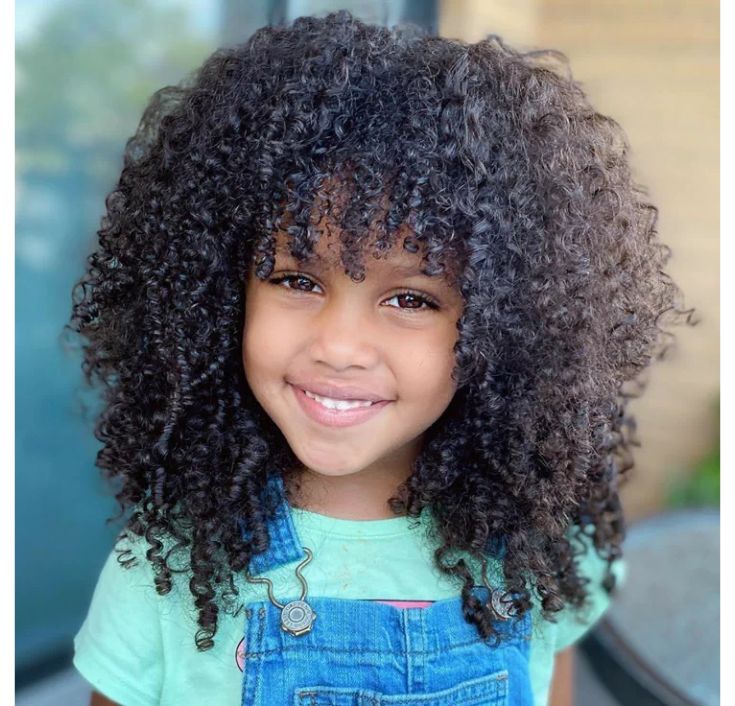
Curly and coily hair types often struggle most, since their natural shape already makes it harder for oils to travel down the length of each strand.
Indoor heating compounds the problem in a big way.
Furnaces and heaters dry out indoor air significantly, which means hair loses moisture indoors just as fast as it does outside.
The Hidden Mistake That Could Be Drying Out Your Child’s Hair covers hard water, another common winter culprit that often gets overlooked.
Winter accessories add friction that summer months rarely involve.
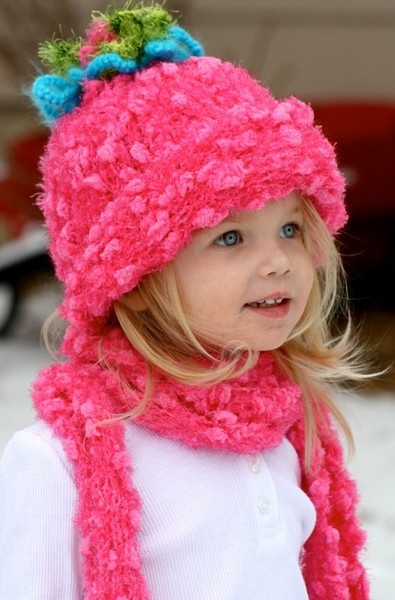
Wool hats, scarves, and heavy coat collars rub against hair constantly throughout the day.
This friction roughens the hair cuticle and can lead to noticeable frizz and tangling by the end of a long winter afternoon.
Static electricity becomes far more common once the air turns dry and cold.
Strands with less moisture hold a stronger static charge, which is why winter hair sometimes seems to have a mind of its own.
Understanding these root causes makes every other tip in this guide easier to apply consistently.
Protecting Hair From Cold and Dry Air
Winter hair care calls for a layered approach that covers two different problems at once.
Outdoor cold pulls moisture from hair with every step outside, while dry indoor air keeps up the damage once kids get home.
Each environment needs its own small adjustments to keep strands from drying out.
The two sections below cover both sides of this layered approach.
Outdoor Cold Protection
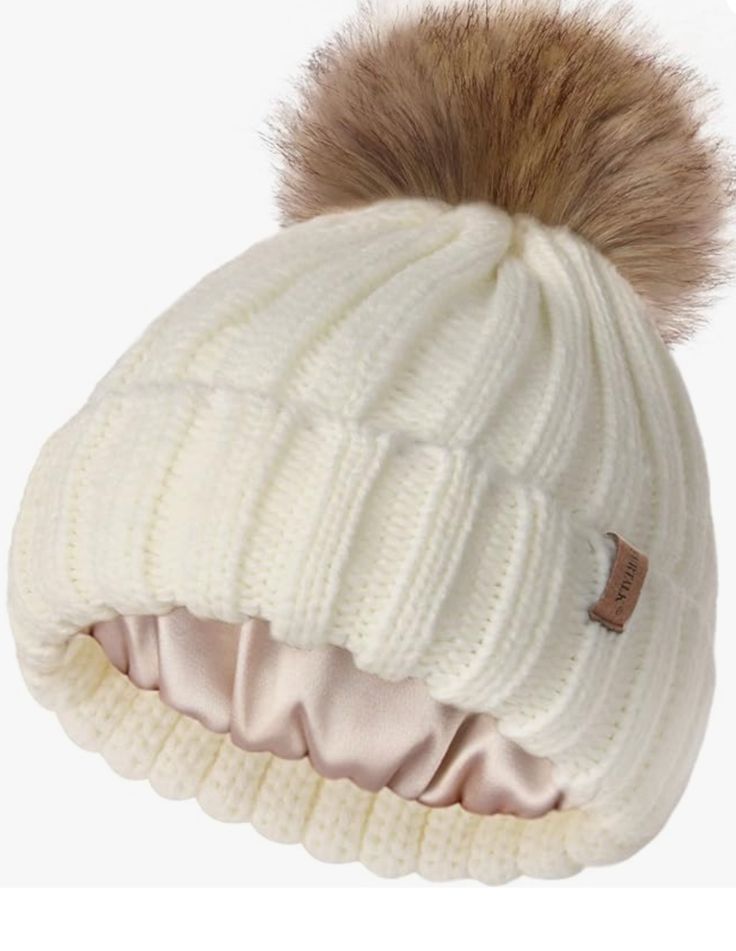
A satin-lined hat or hood makes a real difference during winter walks.
Regular wool or cotton linings pull moisture from hair and create friction with every step outside.
Satin Bonnets for Kids: Do They Help? applies just as well to hat linings as it does to nighttime coverings.
Applying a light oil or leave-in product before heading outside adds a protective barrier.
The Best Hair Oils for Children’s Hair seals in existing moisture so cold air has less of a chance to strip it away.
A few extra seconds before bundling up in the morning pays off by the end of the school day.
Combating Indoor Heating Dryness
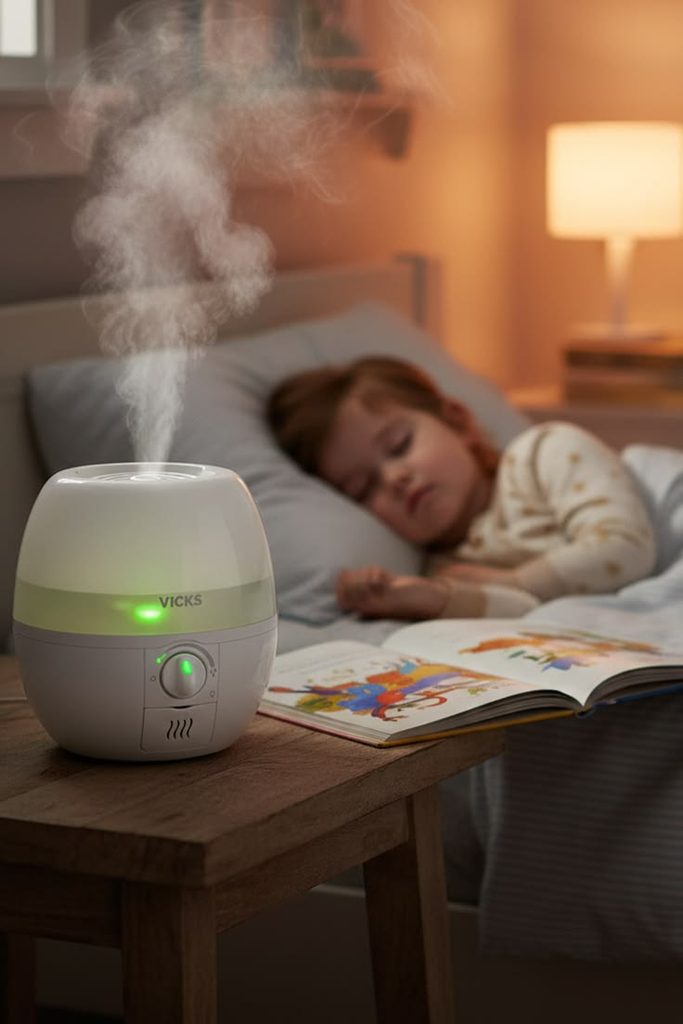
A humidifier in your child’s bedroom can offset some of the dryness caused by indoor heating.
Adding moisture back into the air helps hair retain its own moisture overnight, which matters just as much as any product applied directly to the strands.
Deep conditioning more often during winter months also helps counter indoor dryness.
How to Moisturize Kids Hair Properly explains how to layer products for lasting hydration, starting with a water-based leave-in and finishing with a light sealing oil.
The Best Winter Wash Day Routine
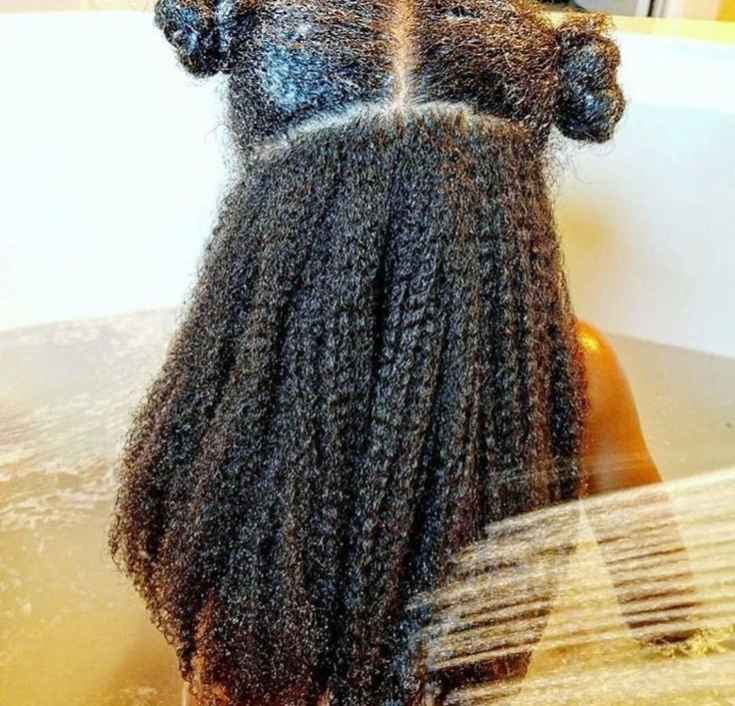
Winter hair often needs washing less frequently than summer hair, since sweat and chlorine are less of a factor.
How Often Should You Wash Your Child’s Hair? offers general guidance, though many families stretch wash day out slightly longer during colder months.
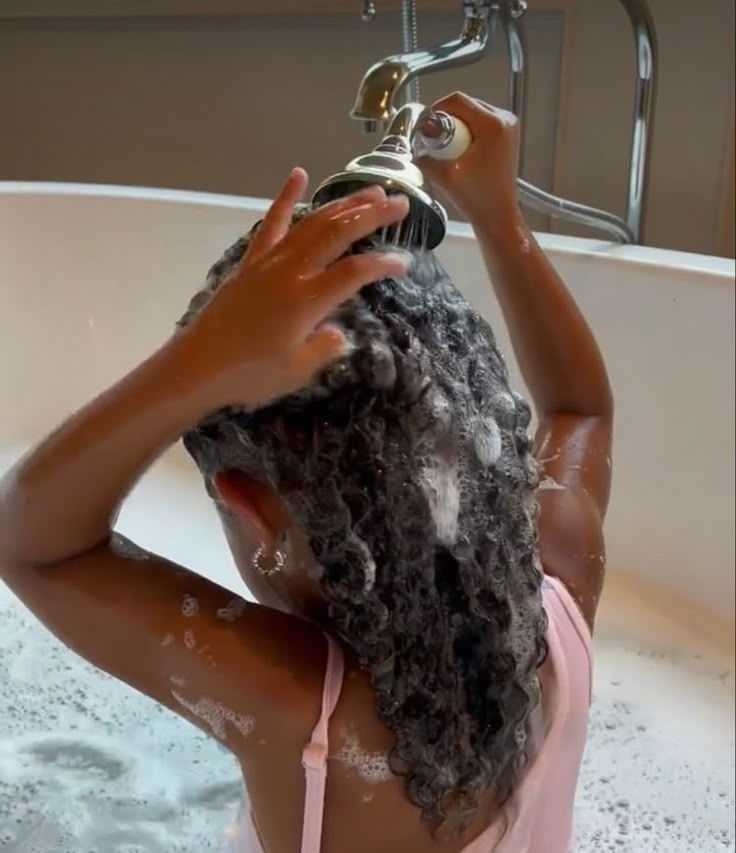
Start with a gentle, moisturizing shampoo rather than a clarifying one.
Winter hair care for kids depends on preserving natural oils, so a harsh shampoo can undo a week’s worth of careful moisturizing in a single wash.
How to Choose the Right Shampoo for Kids covers ingredients that cleanse gently without stripping strands.
Follow shampoo immediately with a rich, creamy conditioner.
The Best Conditioners for Every Hair Type helps match a product to your child’s specific texture, since winter dryness affects every hair type a little differently.
Let conditioner sit for a few extra minutes during winter months to allow deeper absorption.
Finish with a leave-in conditioner while hair is still damp, followed by a light oil to seal everything in.
Avoid going outside with fully wet hair in freezing temperatures, since damp strands can become brittle in extreme cold.
Let hair dry most of the way indoors first whenever the schedule allows it.
Protective Styles for Winter Months
Protective styles offer real benefits during winter, cutting down on the friction caused by hats, scarves, and heavy coats.
Less daily manipulation means less breakage by the time spring finally arrives.
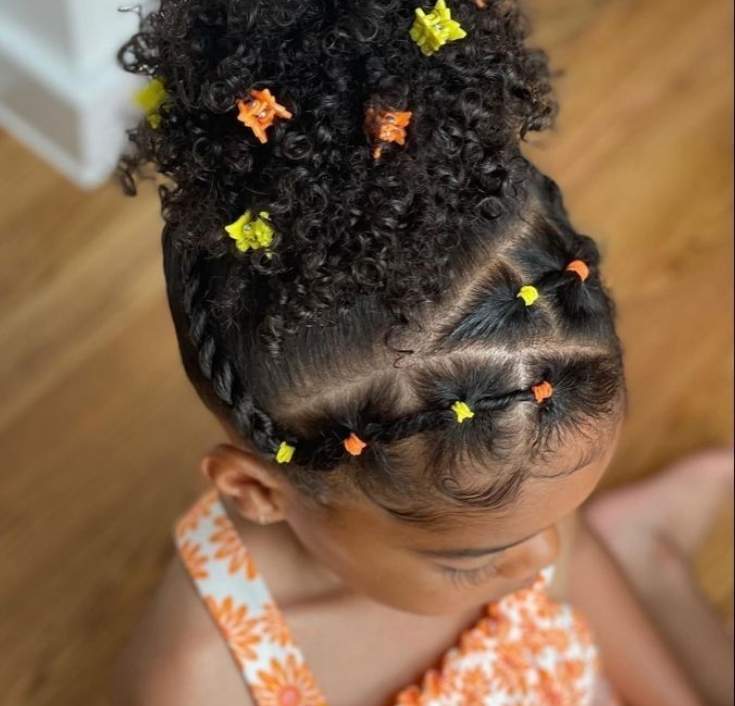
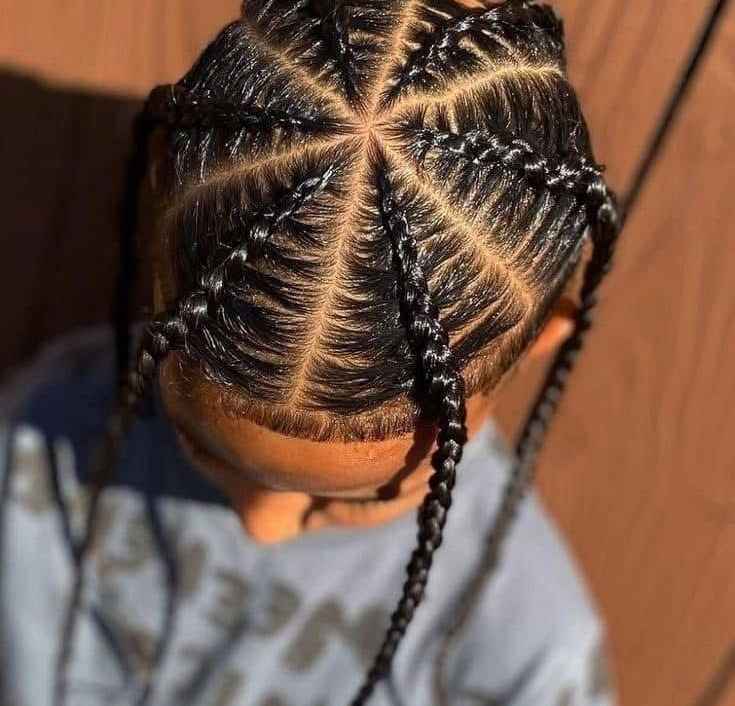
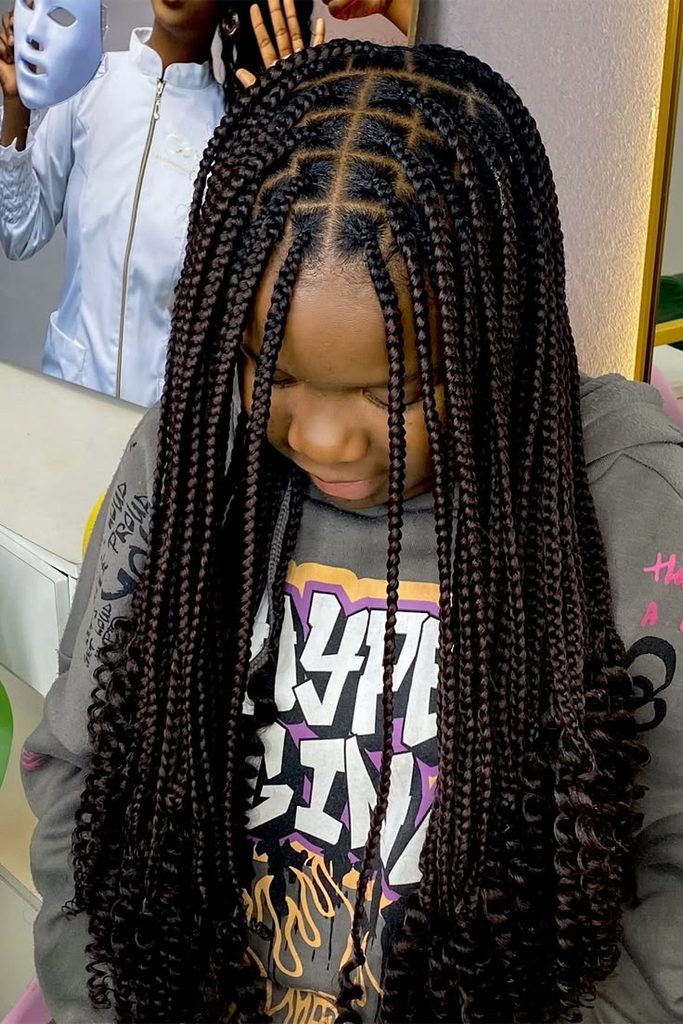
Braided styles hold up especially well against hat friction and cold, dry air.
31 Best Braided Hairstyles for Kids offers plenty of options suited to the season, many of which tuck neatly under a winter hat without unraveling.
Box braids are a sturdy choice for the colder months ahead.
Box Braids for Kids: Everything Parents Should Know explains sizing, installation time, and care between wash days, all useful details when planning around a busy holiday season.
Whatever style you land on, remember that The Biggest Mistake Parents Make With Protective Styles is leaving a style in too long.
The same four to six week guideline applies in winter, even though styles often feel more convenient during the colder, busier months.
Common Winter Hair Care Mistakes
Skipping moisture after every wash is a common misstep during winter.
Dry winter air pulls moisture back out quickly, so a lightweight leave-in should follow every single wash without exception.
Wearing rough hat linings without a barrier underneath causes unnecessary breakage.
A satin cap worn under a favorite winter hat solves this problem without giving up any warmth.
15 Reasons Your Child’s Hair Keeps Breaking (and What to Do About It) covers this friction issue alongside several other common winter culprits.
Brushing hair when it is completely dry leads to more breakage during winter especially.
Dry winter strands snap more easily than strands with some moisture in them.
The Secret to Tear-Free Detangling explains why working through hair with a little water or leave-in first protects against this kind of damage.
Using the wrong tool for detangling makes matters worse.
Wide-Tooth Comb vs Detangling Brush breaks down which option suits different textures, a decision that matters even more once winter dryness sets in and tangles increase.
Neglecting scalp care is another frequent oversight.
Dry, flaky scalps become more common in winter, and ignoring them can lead to discomfort and even more breakage.
The Best Scalp Care Routine for Children offers simple, consistent habits that keep the scalp balanced all season.
Best Products for Winter Hair Care
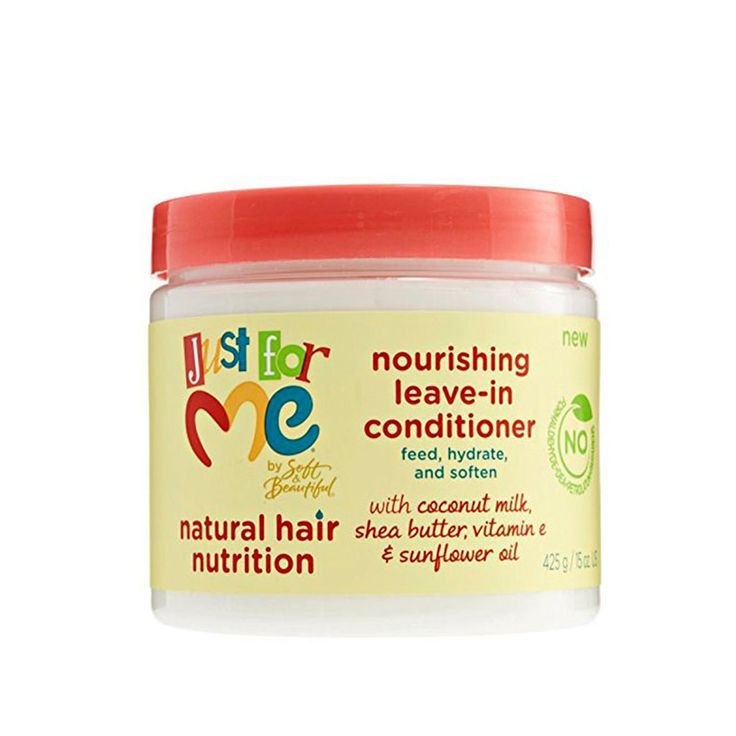
A rich leave-in conditioner is the backbone of any winter routine.
Leave-In Conditioner vs Hair Milk for Kids compares two strong options so you can choose the one that suits your child’s texture and typical winter activity level.
A heavier sealing oil or butter helps lock moisture in through long, cold days.
Products with shea butter or natural oils create a barrier that slows down moisture loss better than lighter summer formulas.
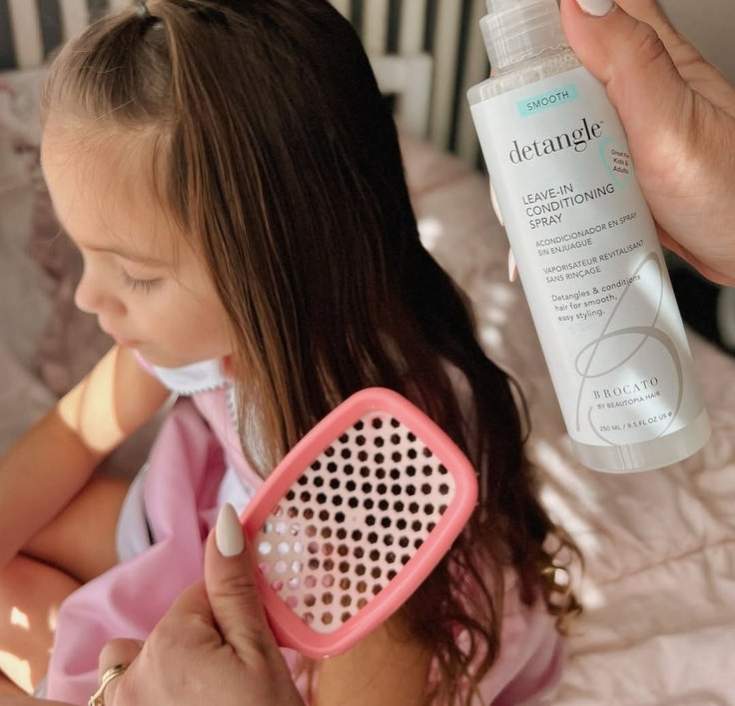
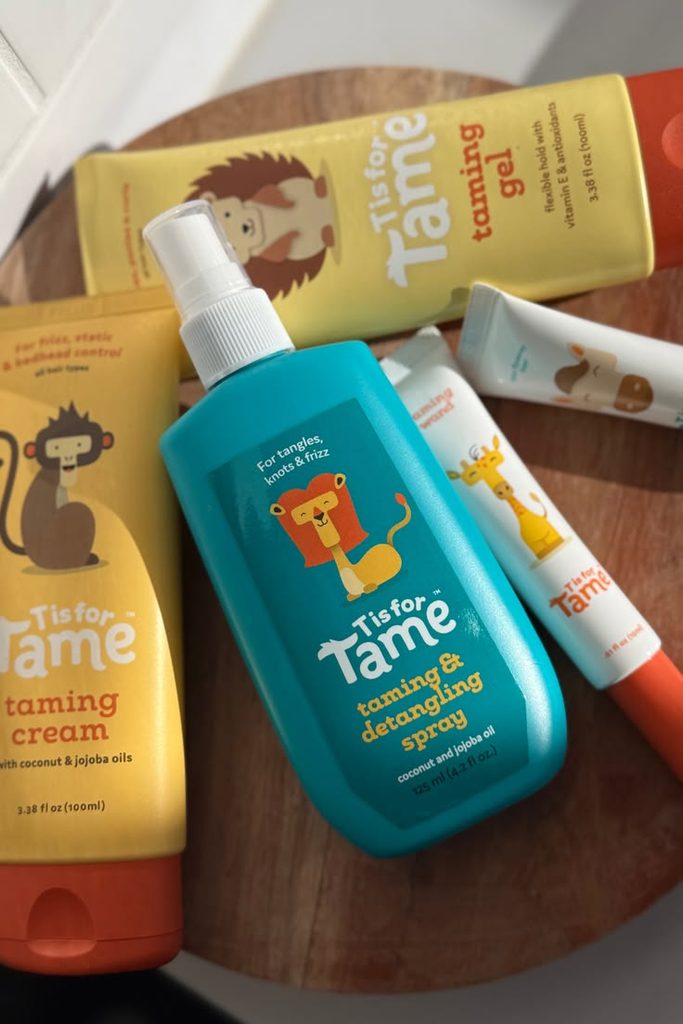
A gentle detangling spray makes daily upkeep easier through the driest months.
The Best Detangling Sprays for Kids lists options that add slip without weighing curls down, which is especially helpful before school mornings.
A soft brush rounds out the winter product lineup nicely.
The Best Hair Brushes for Kids covers picks gentle enough for dry, more fragile winter strands, reducing the risk of snapping or splitting.
Managing Static and Frizz
Static happens when dry hair loses electrons through constant friction with hats, scarves, and dry indoor air.
The result is strands that stand up, cling together oddly, or seem to fly in every direction at once.
A dryer sheet lightly rubbed over a hairbrush can help reduce static in a pinch.
This trick works by neutralizing the electric charge that builds up on individual strands throughout a dry winter day.
Regular moisture is still the best long-term solution to winter static.
Well-moisturized hair holds less of a static charge overall, which means a consistent winter hair care for kids routine solves this problem far better than any single quick fix ever could.
A light leave-in spray or oil applied midday can calm flyaways caused by hats and scarves.
Keeping a small bottle in a school bag or car makes touch ups simple between the morning routine and bedtime.
Nighttime Winter Hair Routine
Protecting hair overnight matters as much in winter as it does in any other season, maybe even more given how dry indoor air becomes once the heat kicks on.
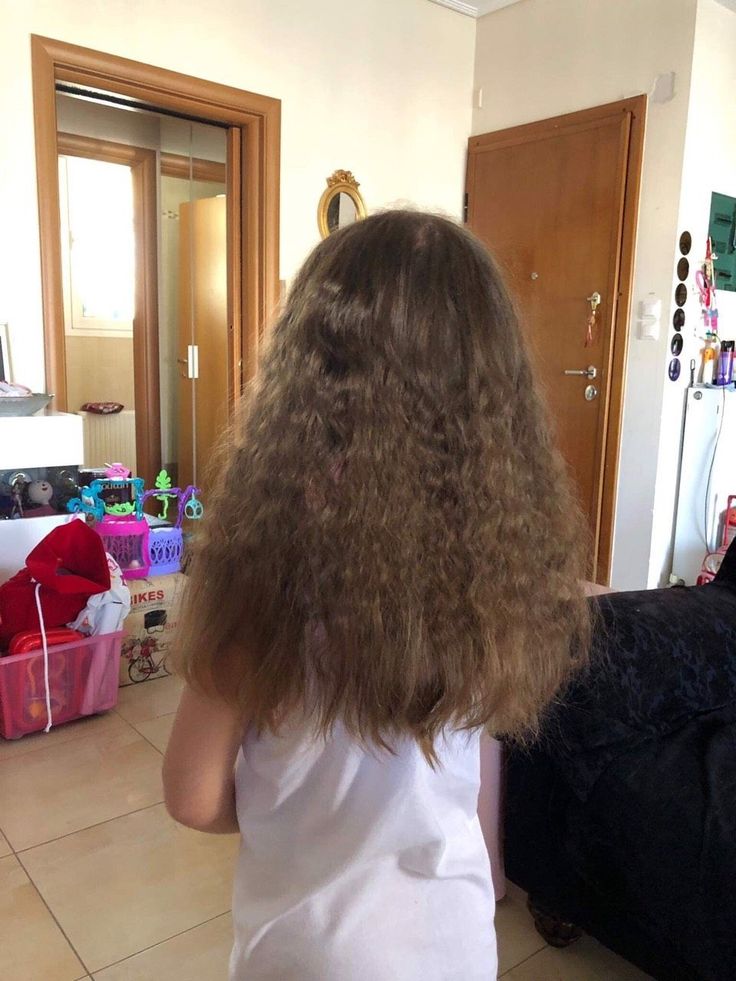
Loosely braiding or twisting hair before bed helps prevent knots from forming overnight, especially after a day spent under a hat.
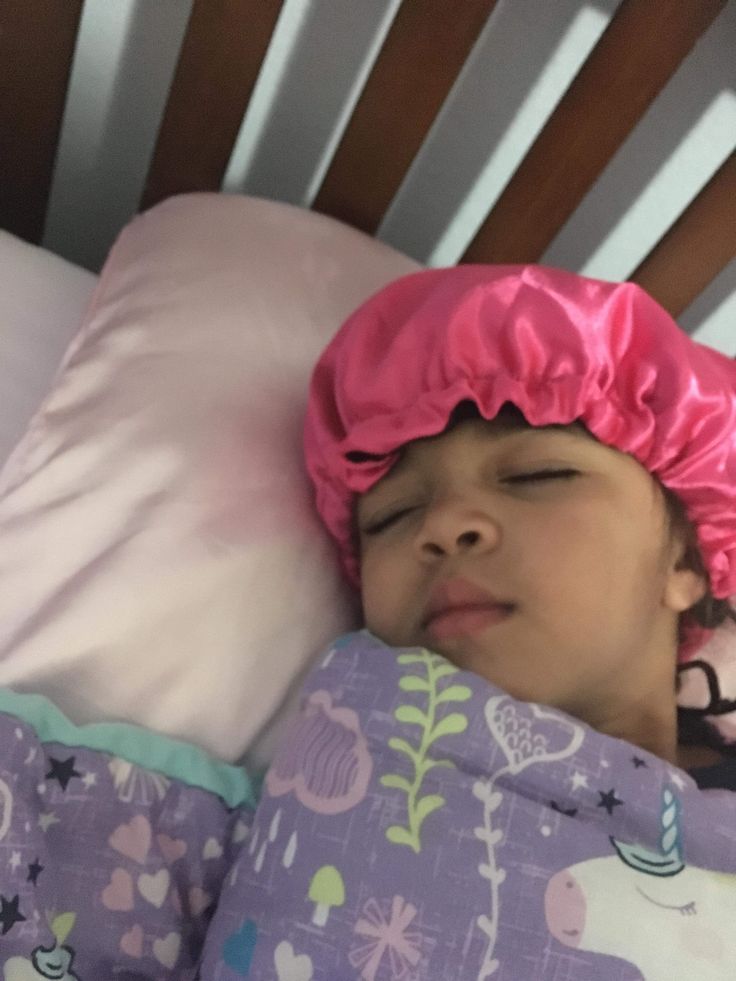
A satin bonnet or pillowcase reduces the friction that causes breakage and frizz by morning.
Applying a small amount of leave-in conditioner or oil before bed replaces moisture lost throughout a dry winter day.
This one small habit, repeated consistently, makes morning detangling sessions noticeably shorter and less frustrating for everyone involved.
Holiday and Travel Considerations
Winter often brings holiday gatherings, family photos, and travel to visit relatives.
Planning hair care around these events keeps the season a little less stressful for busy families.
A protective style installed a few days before a big holiday event can save real time on the morning of.
How to Encourage Healthy Hair Growth in Kids is worth a read before the season gets busy, since healthy habits started now pay off well beyond winter itself.
Packing a small travel kit with leave-in conditioner, a light oil, and a satin bonnet keeps the routine consistent during trips to visit family.
Signs Your Child’s Hair Is Healthy helps you spot early warning signs before a busy travel schedule makes them harder to catch and address.
Diet and Hydration for Winter Hair
Healthy hair starts from the inside just as much as it does from the outside.
Kids who drink enough water during winter, even when they feel less thirsty than in summer, often have hair that holds moisture better overall.
Central heating dries out the body along with the air around it.
Foods rich in healthy fats and vitamins support hair strength through the driest months of the year.
Fish, nuts, and colorful fruits and vegetables all contribute to hair that resists breakage more effectively.
A balanced diet will not replace a good moisturizing routine, but it does support the results of one.
Warm drinks and humidified indoor spaces both help counter the drying effects of winter heating systems.
Small daily habits like these work quietly in the background, supporting every other step of a winter hair care for kids routine.

Choosing Winter-Friendly Hair Accessories
Hair accessories deserve a second look once winter arrives.
Metal clips and rough elastic bands can snag dry, more fragile winter hair much more easily than they would during other seasons.
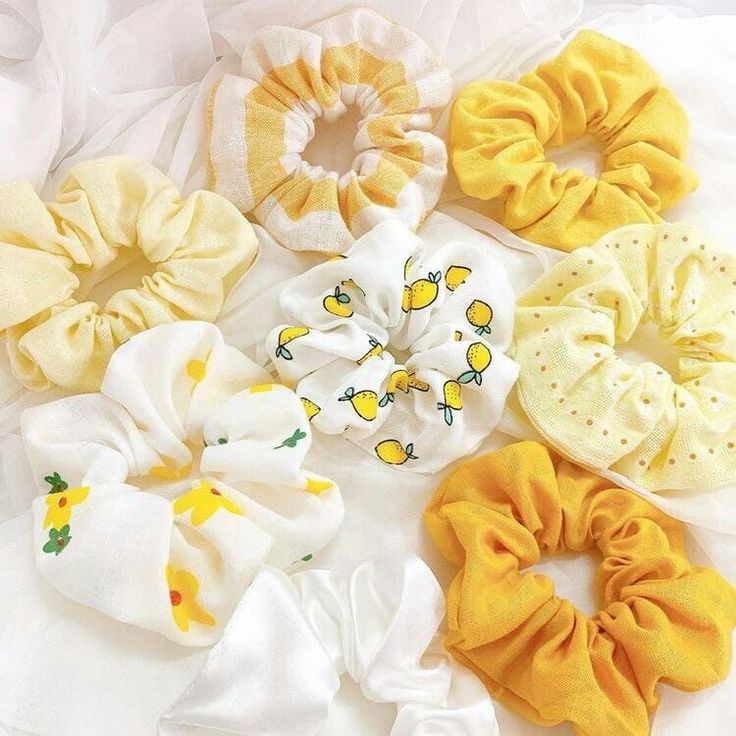
Fabric-covered hair ties reduce the risk of snagging and breakage.
Choosing accessories designed with gentler materials makes a noticeable difference by the end of a long winter.
The Best Hair Accessories for Kids covers a range of options gentle enough for daily winter use.
Loose styles, rather than tight ponytails or buns, also help reduce strain on the hairline during winter months.
Cold weather already adds enough stress to hair, so keeping tension low wherever possible gives strands one less challenge to handle.
Swapping accessories out for the season is a small step, but one that pays off across every school morning and weekend outing alike.
Frequently Asked Questions
How often should kids wash their hair in winter?
Most kids do well washing once a week during winter months.
Overwashing can strip away oils that are already harder to replace in dry, cold weather.
Adjust based on activity level and how the scalp looks and feels.
Why does my child’s hair feel drier in winter?
Cold outdoor air and dry indoor heating both pull moisture from hair strands.
This combination makes winter one of the driest seasons for hair overall.
A consistent moisturizing routine helps counter both factors at once.
Does wearing a hat damage kids’ hair?
Hats themselves are not harmful, but rough linings can cause friction and breakage.
A satin-lined hat or a satin cap worn underneath solves most of this problem.
Protective styles also help minimize hat-related friction.
What causes static in winter hair?
Dry air and constant friction from hats and scarves both contribute to static buildup.
Well-moisturized hair holds a smaller static charge than dry hair does.
Regular leave-in products help prevent static before it starts.
Should protective styles stay in longer during winter?
Protective styles should still follow the same four to six week guideline in winter.
Leaving a style in longer risks matting and buildup, regardless of the season.
Regular scalp checks help you know when it is time for a refresh.
Is a humidifier really necessary for winter hair care?
A humidifier is not strictly necessary, but it does help noticeably.
Adding moisture back into dry indoor air supports healthier hair and skin alike.
It is a simple, low-effort addition to any winter routine, and many families notice a difference within just a week or two of consistent use.

Final Thoughts
Winter hair care for kids comes down to consistent moisture and a little extra protection against cold, dry air.
Small habits, like sealing in moisture after every wash and adding a satin layer under winter hats, add up to healthier hair by the time spring arrives.
The goal is simple, comfortable hair care that fits easily into an already busy winter season.
With the right winter hair care for kids routine in place, cold air, indoor heat, and scratchy hats become far smaller obstacles.
Every family’s winter looks a little different, so adjust these habits to fit your own routine rather than following every step exactly.
Even a few small, consistent changes protect hair far better than an occasional deep treatment ever could.
By the time spring rolls around, a little extra attention now means your child’s hair will look and feel just as healthy as it did before the first cold snap.
Building these habits early in the season makes them second nature by the time the coldest weeks arrive.
A little consistency goes a long way toward strong, resilient hair all winter long.