
Baby Hair Care Routine for New Parents
Disclosure: Some of the links in this post are affiliate links. This means if you click on the link and purchase an item, I will receive an affiliate commission at no extra cost to you.
Bringing a baby home comes with an overwhelming list of new routines to figure out. Hair care is easy to push to the bottom of that list.
Between feedings, naps, and just trying to sleep yourself, a baby hair care routine can feel like one more task. The good news is that it does not need to take much time at all.
A baby hair care routine can be as simple as a few gentle steps repeated consistently. Babies do not need elaborate products or long styling sessions, just the right basics done with care.
Getting a baby hair care routine started early makes it much easier to build on as hair grows longer. There is no need to overthink it or feel behind if you have not started yet.
These quiet moments of washing and caring for your baby’s hair often turn into calm parts of a hectic day. Many parents look back fondly on this small routine long after their baby has grown.
Right alongside this topic sits everything you need to know about baby hair growth, which fills in more detail on what to expect.
Settle in for a few minutes, because we are covering washing, moisturizing, and protecting your baby’s hair from day one.
If you are curious about when hair actually grows in, when do babies start growing hair? is a great companion read.
Why Baby Hair Needs a Gentler Approach
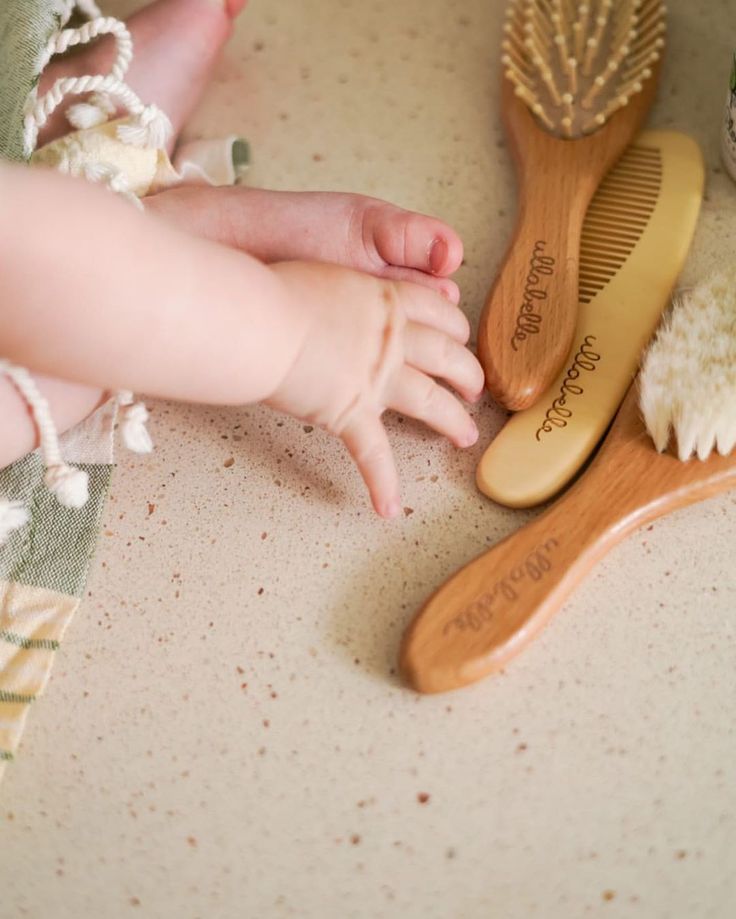
A baby’s scalp is far more delicate than an older child’s or an adult’s. It is still developing protective barriers, which means it can dry out or irritate more easily.
This is exactly why baby hair care looks so different from routines used for older kids.
This sensitivity means it is worth taking things slowly, especially in those first few weeks after birth.
A baby’s skin and scalp are still adjusting to life outside the womb, and gentle handling helps that transition go smoothly.
Baby hair itself also behaves differently. It is often finer, thinner, and less predictable than hair that comes in later.
The different kids hair textures explained is worth a read if you want to understand what to expect as hair develops.
Building a Simple Baby Hair Routine
A baby hair routine only needs a few simple steps to stay effective.
Keeping the routine gentle helps protect delicate skin and soft hair from unnecessary irritation.
Sticking to a few basic habits also saves time while keeping your baby’s hair clean, healthy, and easy to manage
Washing Baby Hair
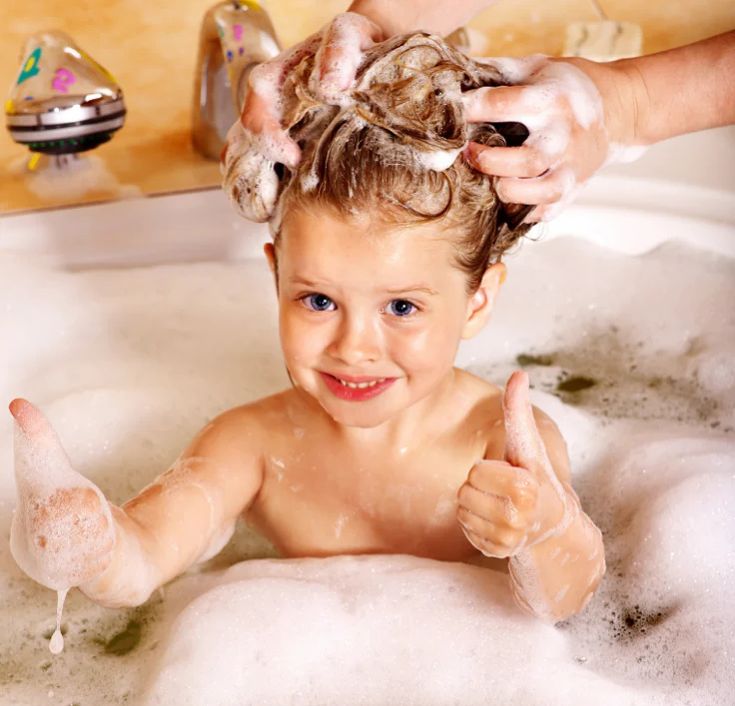
Baby hair and scalp do not need frequent washing, even once real hair starts coming in.
Overwashing can strip natural oils that a baby’s scalp needs to stay healthy.
How often should you wash your child’s hair? offers guidance that applies well to babies too.
A gentle, tear-free shampoo made specifically for babies is usually all that is needed.
How to choose the right shampoo for kids breaks down what ingredients to look for at this early stage.
A small amount goes a long way, since babies need very little product to get clean.
Moisturizing and Scalp Care
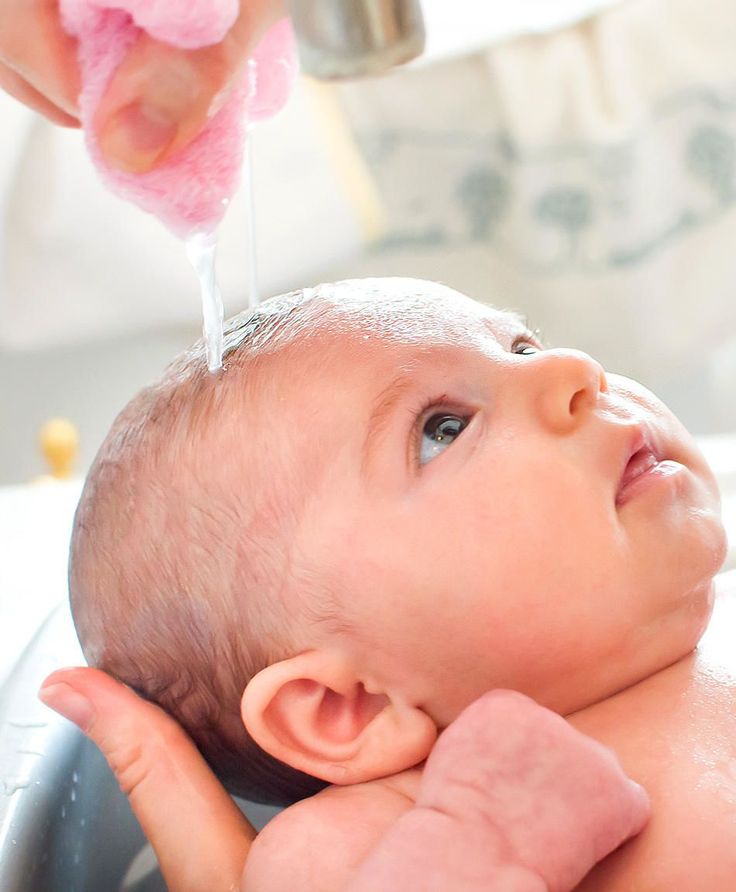
Even babies with very little hair benefit from a bit of scalp moisture.
A light, baby-safe oil can help prevent dryness and flaking on the scalp.
The best hair oils for children’s hair covers a few gentle options suited to sensitive baby skin.
For babies with more hair, a light leave-in product can help keep strands soft between washes.
Leave-in conditioner vs hair milk for kids compares two common options if you are deciding what to try first.
Brushing and Detangling
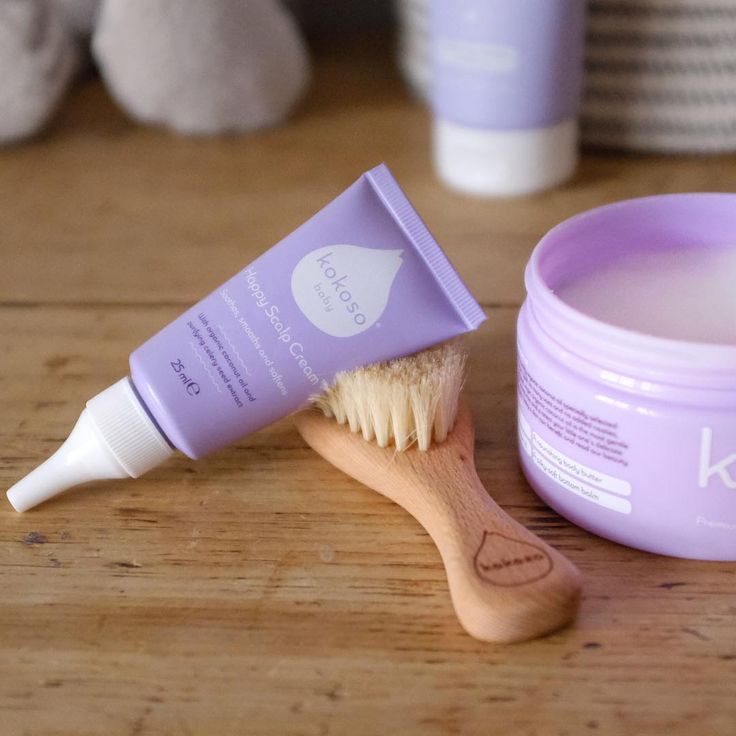
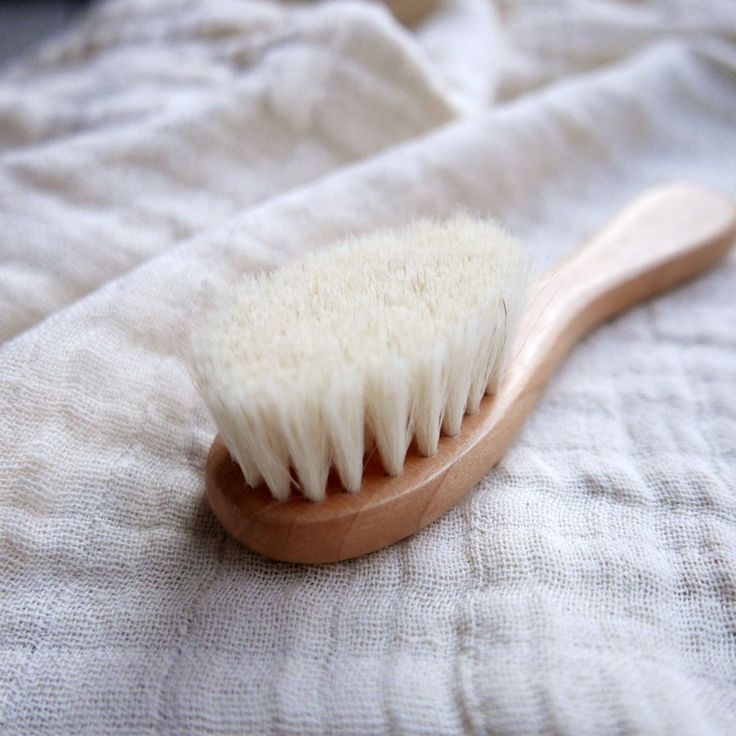
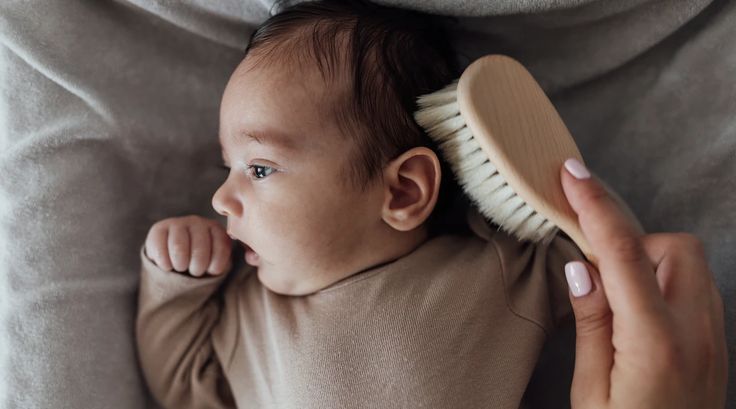
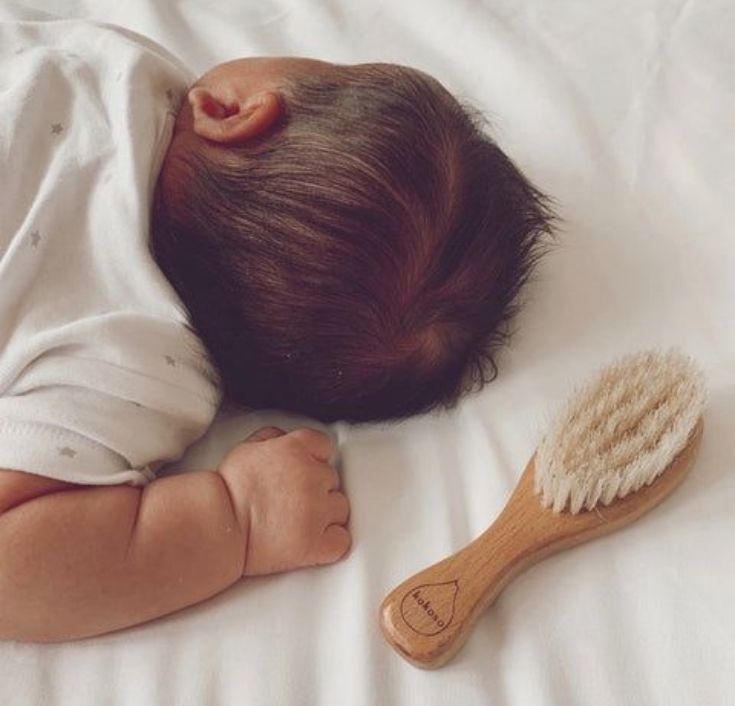
A soft baby brush, used gently, helps distribute natural oils and can feel soothing during a calm moment.
Even babies with very little hair benefit from this light brushing habit.
The best hair brushes for kids includes options suited to the softest, most delicate baby brushes available.
As hair gets longer, gentle detangling becomes more important to prevent tangles from forming overnight.
The secret to tear-free detangling walks through a simple method that works well even for a baby’s fine hair.
How Often Should You Wash a Baby’s Hair?
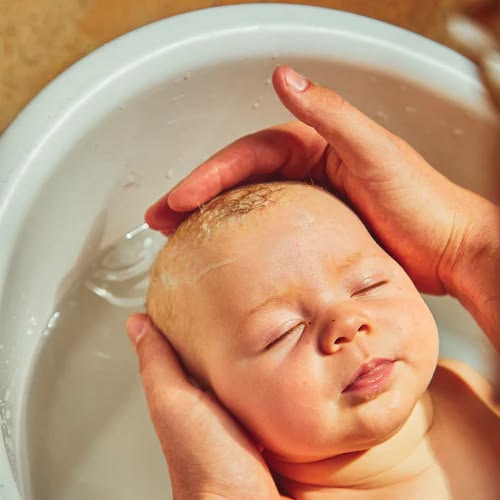
Most babies need washing only once or twice a week, even less in the earliest months.
Daily washing can dry out a baby’s scalp and disrupt its natural balance.
The best wash day routine for kids can be scaled down easily to fit a baby’s shorter, simpler needs.
Bath time itself does not need to happen only when hair needs washing.
A quick rinse without shampoo works fine on days in between, especially for very young babies with little hair.
This keeps bath time enjoyable without turning every session into a full hair care routine.
Common Mistakes New Parents Make
Using adult shampoo or soap on a baby’s hair is one of the most common early mistakes.
These products are often too harsh and can dry out a baby’s sensitive scalp quickly.
Sticking with products made specifically for babies avoids this issue entirely.
Overwashing out of an abundance of caution is another frequent misstep. It feels responsible, but it can actually work against healthy scalp balance.
Signs your child’s hair is healthy offers a helpful way to check that a routine is working as intended.
Skipping scalp care because a baby has little or no hair is also a common gap.
The scalp still needs gentle attention even without visible hair, since healthy skin supports whatever growth comes next.
The best scalp care routine for children goes deeper into why this step matters from the very beginning.
Rubbing too hard while washing or drying is another mistake worth avoiding.
A baby’s scalp bruises and irritates easily, so a light touch always works better than vigorous scrubbing.
The everyday habit that could be damaging your child’s hair covers a few other small habits worth adjusting early.
None of these mistakes cause lasting harm if caught and corrected quickly.
Most new parents make at least one of them without realizing it, simply because baby hair care is unfamiliar territory at first.
Caring for a Baby’s Hair During the Newborn Stage
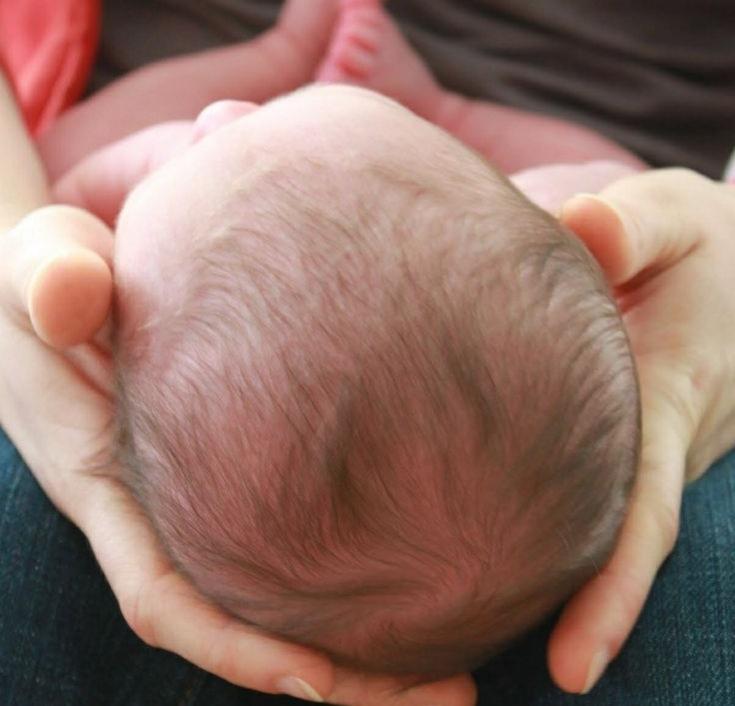
The newborn stage comes with its own particular hair care questions, especially around shedding and cradle cap.
How to care for newborn hair during the first year walks through exactly what to expect during these earliest weeks.
Cradle cap, a common flaky scalp condition, often worries new parents unnecessarily.
It is harmless and usually clears up on its own with gentle care and time.
A soft brush and a small amount of baby-safe oil before a wash can help loosen flakes gently.
Hair shedding is another common newborn surprise, often catching new parents off guard within the first few months.
This happens because hormone levels shift after birth, not because of anything a parent did or did not do.
New hair typically grows back in within a few months, sometimes in a completely different texture or color.
Protecting Baby Hair While Sleeping
Friction from sleeping can affect a baby’s hair just as much as it affects older kids.
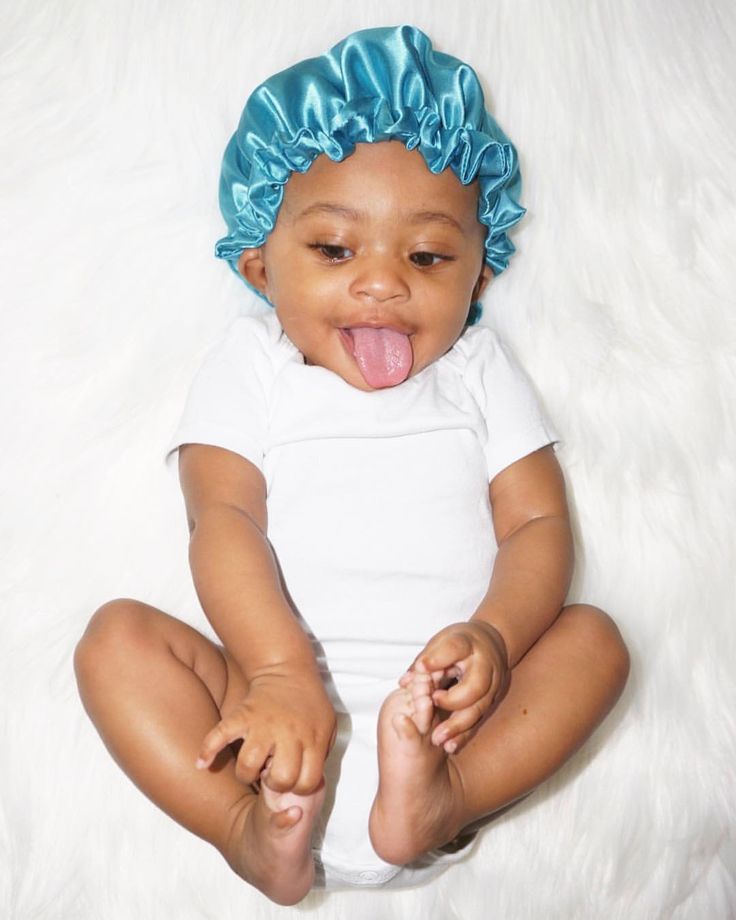
A soft, breathable cap or a satin-lined crib sheet can help reduce this friction.
Satin bonnets for kids: do they help? explains how this works once a baby is old enough to wear one.
For babies too young for a bonnet, a satin crib sheet offers a gentler alternative that needs no cooperation.
It reduces friction without needing anything worn directly on a baby’s head.
Rotating a baby’s head position during supervised tummy time can also help reduce friction-related thinning at the back of the head.
This is a small, easy habit to build into an already existing part of the day.
Products to Avoid for Baby Hair
Products with strong fragrances or added dyes are worth avoiding on a baby’s sensitive scalp.
These ingredients can cause irritation even when a product is marketed as gentle.
Reading labels carefully helps catch these additions before they cause a reaction.
Products meant for adults or older kids should also stay off a baby’s hair entirely.
Why expensive hair products aren’t always better is a helpful read if a pricier option has caught your eye.
Simpler, baby-specific formulas almost always serve a young scalp better than anything marketed as advanced.
Trial and error is normal when figuring out what works for your baby’s specific hair and skin.
What works well for one baby may cause a mild reaction in another.
Introducing one new product at a time makes it easier to spot what is actually causing an issue.
Building Baby Hair Care Into Daily Life
Hair care does not need its own separate slot in an already packed baby schedule.
Folding it into bath time or a calm moment before bed tends to work better than treating it as an extra task.
How to build a healthy hair routine for kids offers ideas that scale down easily for a baby’s simpler needs.
A consistent time and place also helps a baby start associating hair care with calm rather than stress.
Many parents find that pairing it with a lullaby or a favorite blanket makes the whole process smoother for everyone involved.
Involving other caregivers in the routine early on also helps keep things consistent when parents need a break.
A grandparent, partner, or babysitter following the same basic steps means a baby experiences less disruption in their routine.
Signs Your Baby’s Hair Care Routine Is Working
A working routine usually shows up in small, steady signs rather than dramatic changes overnight.
A soft, non-flaky scalp is one clear indicator that moisture levels are on track.
Hair that feels smooth rather than dry or brittle points to a routine that fits your baby’s needs.
The hidden reason your child’s hair looks dull is worth a read if hair seems flat despite a consistent routine.
If tangles seem to build up quickly between washes, the one hair care habit that causes more tangles than you think may point to a small fix.
It also helps to check in occasionally rather than assuming a routine will work forever without changes.
A baby’s hair and scalp needs shift as they grow, so revisiting the basics every few months keeps things on track.
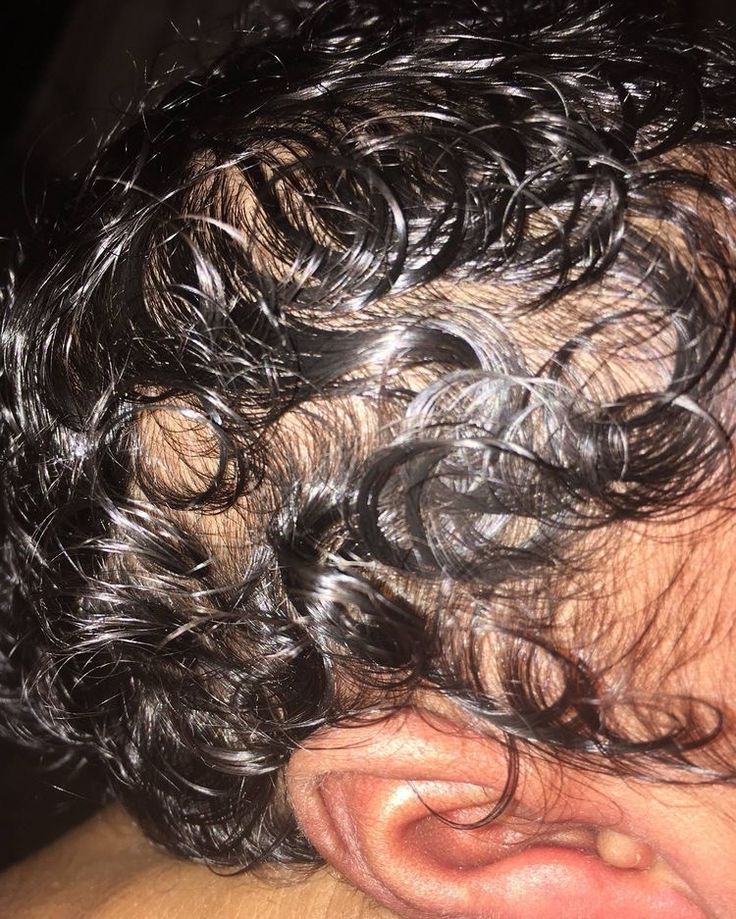
Caring for Accessories and Small Details
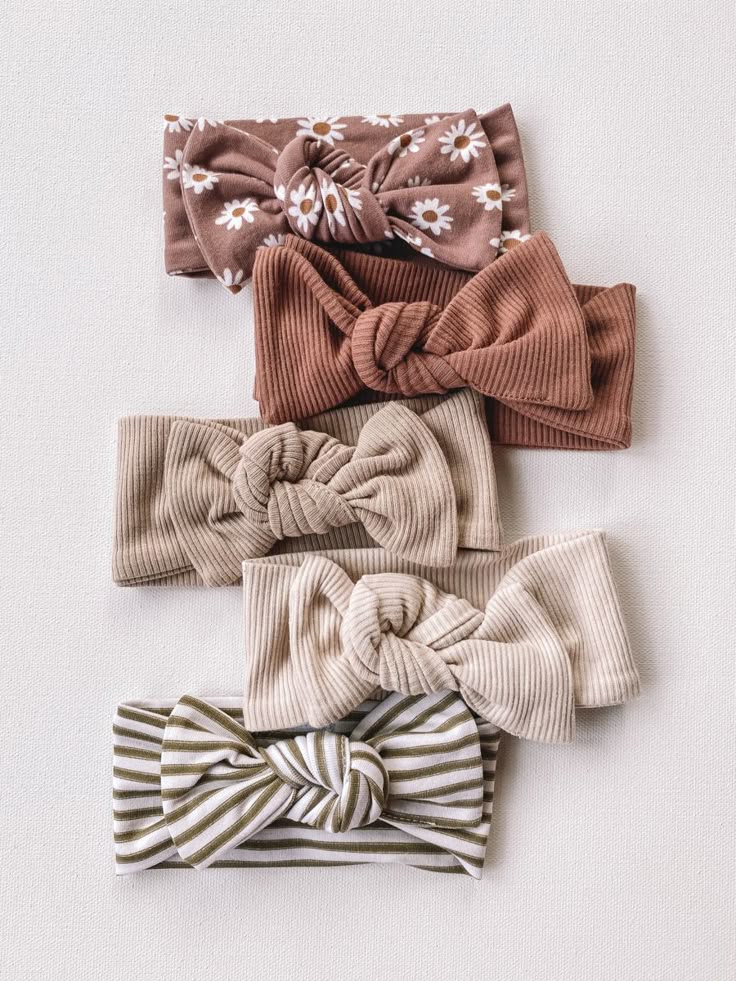
Even the smallest hair accessories deserve some thought once a baby has enough hair for a clip or a soft headband.
Could your child’s hair accessories be causing breakage? covers what to watch for, even at this early, simple stage.
Soft, seamless accessories tend to work best for delicate baby hair.
Anything that pulls, pinches, or leaves a mark should be swapped out right away for something gentler.
Checking accessories for wear and tear regularly also helps catch small snags before they cause bigger problems down the road.
When to Start Adding More to the Routine
As a baby grows into the toddler years, hair care naturally becomes a bit more involved.
Toddler hair care made simple picks up right where this routine leaves off.
Simple styling can also start once there is enough hair to work with.
When should you start styling your baby’s hair? answers that question if now feels like the time.
For gentle first looks, simple hairstyles for babies with fine hair offers an easy place to begin.
As hair grows fuller, more styling options open up naturally. There is no need to rush toward anything elaborate before your baby is ready.
Supporting Healthy Growth Alongside Your Routine
A hair care routine handles the outside, but a few other habits support healthy growth from the inside as well.
Once solids are introduced, a varied diet with iron, protein, and healthy fats plays a role in supporting steady hair growth.
How to encourage healthy hair growth in kids goes deeper into these ideas well beyond the earliest months.
Gentle handling matters just as much as any product. Rough brushing or tight accessories can cause breakage that undoes the benefits of a good routine.
Protecting whatever hair is already growing in tends to matter more than trying to speed growth up artificially.
Regular checkups also offer a good opportunity to bring up any hair or scalp questions, even small ones.
Pediatricians see a wide range of variation across babies and can offer quick reassurance if anything seems off.
Sleep, hydration, and overall wellbeing also play a supporting role, even though they are rarely thought of as hair care steps.
A well-rested, healthy baby tends to show steadier growth than one dealing with frequent illness or disrupted sleep. This connection is indirect rather than a guarantee.
A Few Extra Tips Worth Knowing
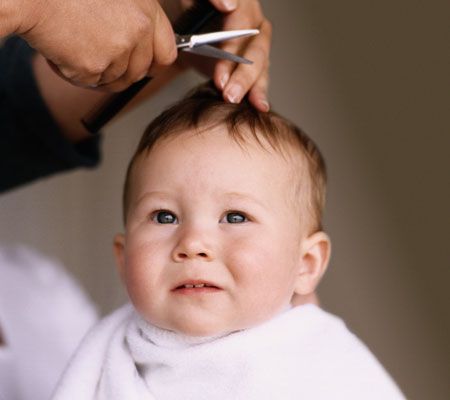
Trimming a baby’s hair is not something most families need to think about early on.
Some babies do grow uneven or wispy strands that catch attention.
Should you trim your child’s hair regularly? covers when a light trim might actually help.
Once a first haircut does become relevant, usually well into the toddler years, the best first haircut tips for your child walks through how to make it smooth and low-stress.
Many parents choose to wait for a calm, well-rested moment rather than forcing a first trim during a fussy stretch.
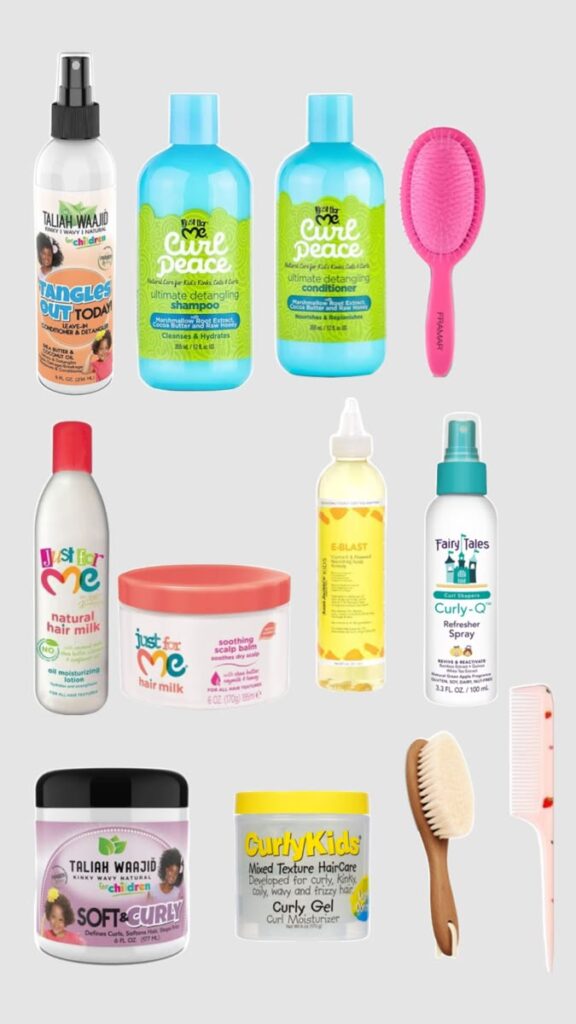
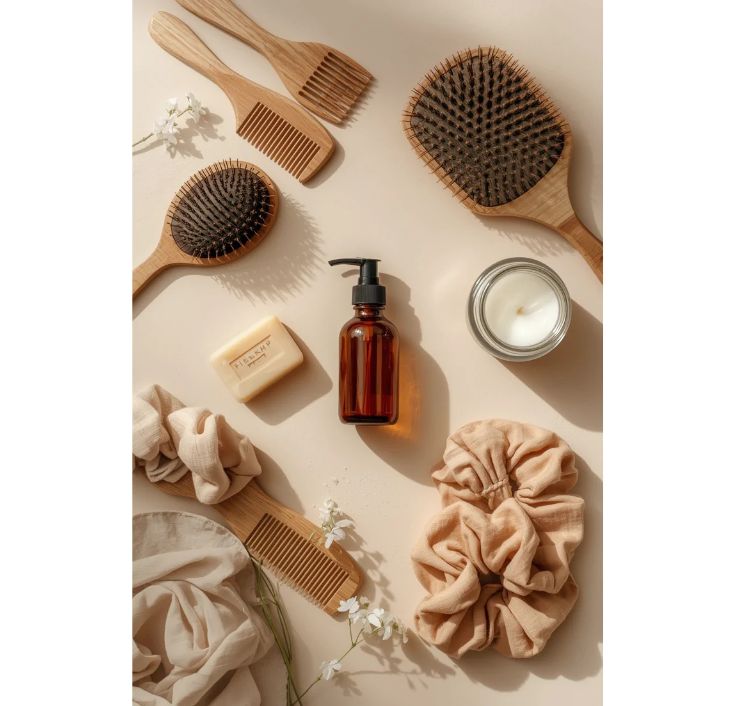
A wide-tooth comb tends to work better than a fine-tooth one for a baby’s first detangling sessions.
Wide-tooth comb vs detangling brushWide Tooth Comb Vs Detangling Brush compares the two if you are deciding what to add to your baby hair care kit.
A light detangling spray can also help on days when hair feels a bit more knotted than usual.
The best detangling sprays for kids covers a few gentle options suited to even the youngest hair types.
Frequently Asked Questions
How often should I wash my baby’s hair?
Once or twice a week is usually enough for most babies, even less in the earliest months.
Overwashing can dry out a delicate scalp and disrupt its natural oil balance.
A quick water rinse works fine on days when a full wash is not needed.
Does my baby need special shampoo?
Yes, a gentle, tear-free formula made specifically for babies is the safest choice.
Adult shampoos often contain ingredients too harsh for a baby’s developing scalp.
Sticking with baby-specific products avoids unnecessary irritation during these early months.
Is cradle cap something to worry about?
No, cradle cap is a common and harmless scalp condition in babies.
It usually clears up on its own with gentle care over the first year.
A soft brush and a bit of baby-safe oil can help loosen flakes if needed.
When can I start using leave-in products on my baby’s hair?
Leave-in products can be introduced once a baby has enough hair to benefit from them.
A light, baby-safe formula works best at this early stage.
Starting simple and adjusting as hair grows in tends to work well for most families.
What is the biggest mistake new parents make with baby hair care?
Using adult products or washing too often are the two most common early mistakes.
Both can dry out or irritate a baby’s sensitive scalp over time.
Sticking with gentle, baby-specific basics avoids most early hair care problems.
When should I introduce a hair care routine for my baby?
There is no need to wait, since gentle scalp care can start from the very first bath.
Even babies with no visible hair benefit from a soft touch during washing.
Building the habit early makes it easier to expand the routine as hair grows in.

Final Thoughts
A baby hair care routine does not need to be complicated to work well.
A few gentle steps, done consistently, protect a delicate scalp and support whatever hair growth comes next.
Patience and simplicity matter far more than any specific product on the shelf.
It helps to remember that every baby’s hair journey looks a little different, and there is no single right pace for any of it.
Some babies need very little intervention, while others benefit from a bit more attention to moisture and detangling early on.
Trusting your own observations, alongside the basics covered here, tends to work better than following a rigid plan.
If you are curious about the bigger picture of hair development, healthy habits that support kids hair growth rounds out what to expect.
For families managing a bit more hair already, how to moisturize kids hair properly offers a natural next step.
And once your baby moves into toddlerhood, baby hair milestones every parent should know helps you track what comes next.

One Comment