The Different Kids Hair Textures Explained
Disclosure: Some of the links in this post are affiliate links. This means if you click on the link and purchase an item, I will receive an affiliate commission at no extra cost to you.
Every child’s head of hair has its own personality. Some kids wake up with hair that falls flat and smooth. Others have springy curls that bounce with every step.
A few have coils so tight they seem to defy gravity altogether. None of these textures are better or worse than the others, just different.
Once you understand the different kids hair textures, styling and wash day stop feeling like a mystery. You start to notice patterns.
You learn what makes one child’s strands soak up moisture in seconds while another child’s hair stays dry no matter how much product you use.
That knowledge changes everything about how you approach hair time.
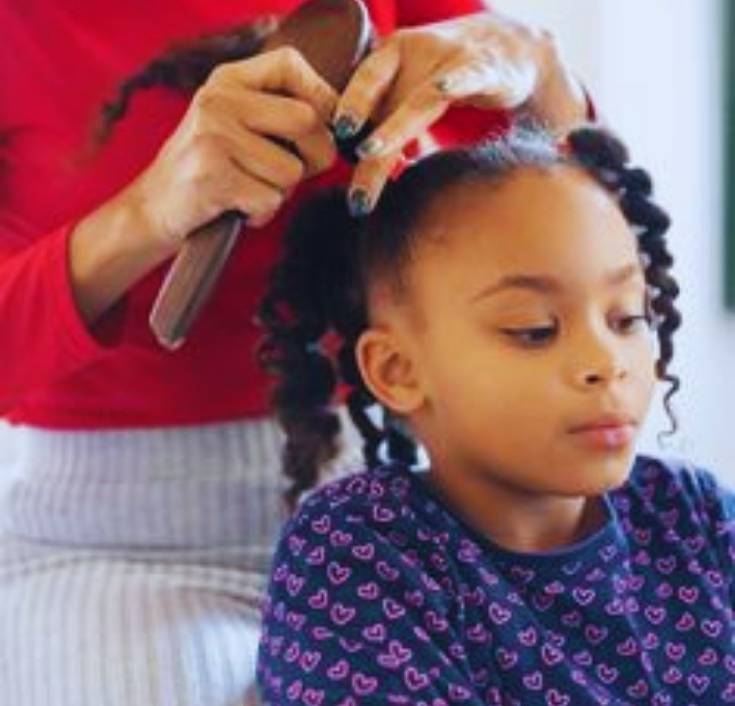
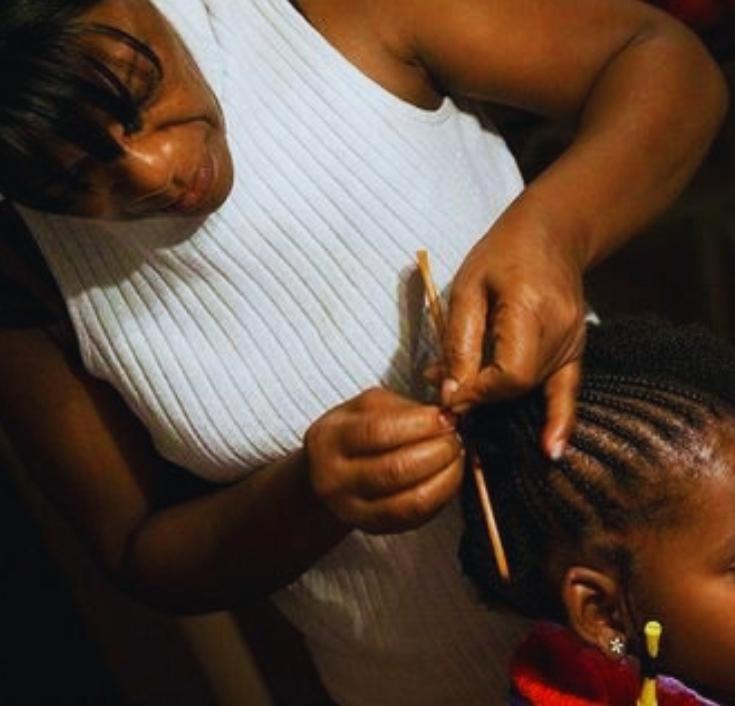
Hair texture also connects to something bigger than curl patterns. Brushing, braiding, and styling sessions often turn into some of the sweetest moments between a child and the person doing their hair.
Learning how to identify your child’s hair type is the first step toward making those moments smoother and more enjoyable for everyone involved.
This guide breaks down each texture type in simple terms, so you can spot what your child has and start caring for it the right way. Grab a comb and get comfortable.
What Determines Hair Texture
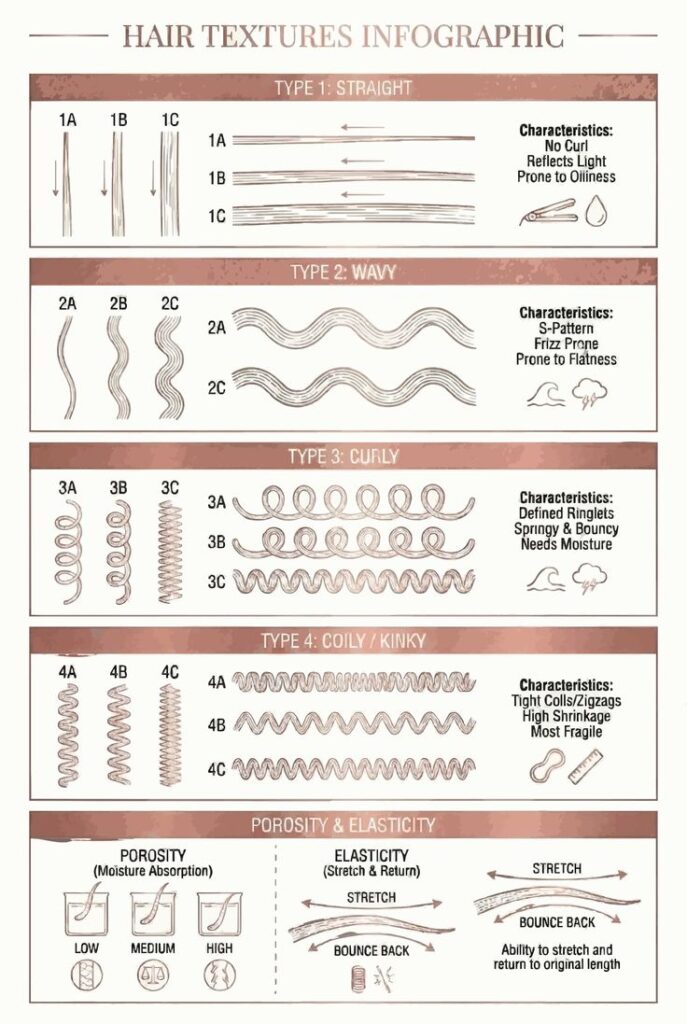
Hair texture comes down to the shape of the hair follicle.
A round follicle produces straight strands.
An oval follicle creates a wave or curl. A flattened, asymmetrical follicle produces the tightest coils.
Genetics decide this shape, so texture often runs in families, though siblings can still end up with completely different patterns.
Texture is not the same thing as hair type, even though people use the words interchangeably.
Type refers to the numbered system, like Type 3 or Type 4, while texture describes how fine, medium, or coarse each individual strand feels.
A child can have tight coils that are also fine in texture, or loose waves that feel thick and coarse.
Both factors matter when choosing products and routines.
Porosity plays a role too. Some hair strands have raised cuticles that let moisture escape quickly, while others have tightly packed cuticles that resist moisture altogether.
Curlier textures tend to be more porous and prone to dryness, which is part of why coily hair often needs richer products than straight hair.
Understanding these basics makes the rest of this guide click into place.
Once you know why texture forms the way it does, the differences between each type start to make a lot more sense.
Straight Hair (Type 1)
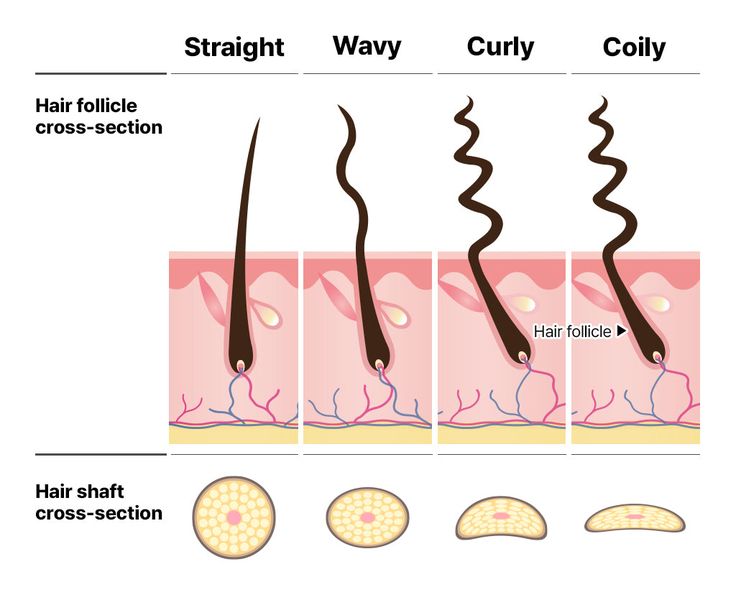
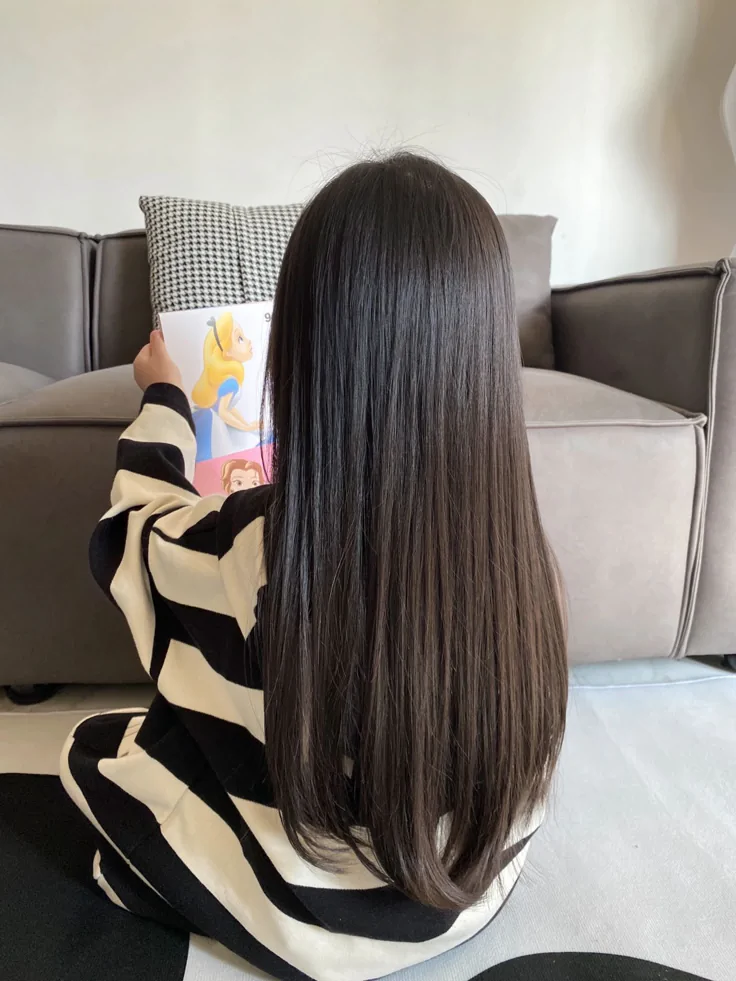
Straight hair, known as Type 1, hangs flat from root to tip with little to no bend.
It tends to look shiny because natural oils travel down the hair shaft easily.
Straight hair can still vary in thickness, from fine strands that tangle easily to coarser strands that hold styles well.
Straight hair also shows the least amount of shrinkage of any texture, so length is usually easy to measure and track over time.
Kids with this texture usually need lighter products, since heavier creams and butters can weigh down the strands.
A light leave-in spray or a small amount of oil is often enough to keep things smooth. Leave-in conditioner vs hair milk for kids is worth reading if you’re unsure which product fits your child’s strand thickness.
Styling straight hair is usually quick, which makes it a great starting point for kids who are new to sitting still for hair time.
Wavy Hair (Type 2)
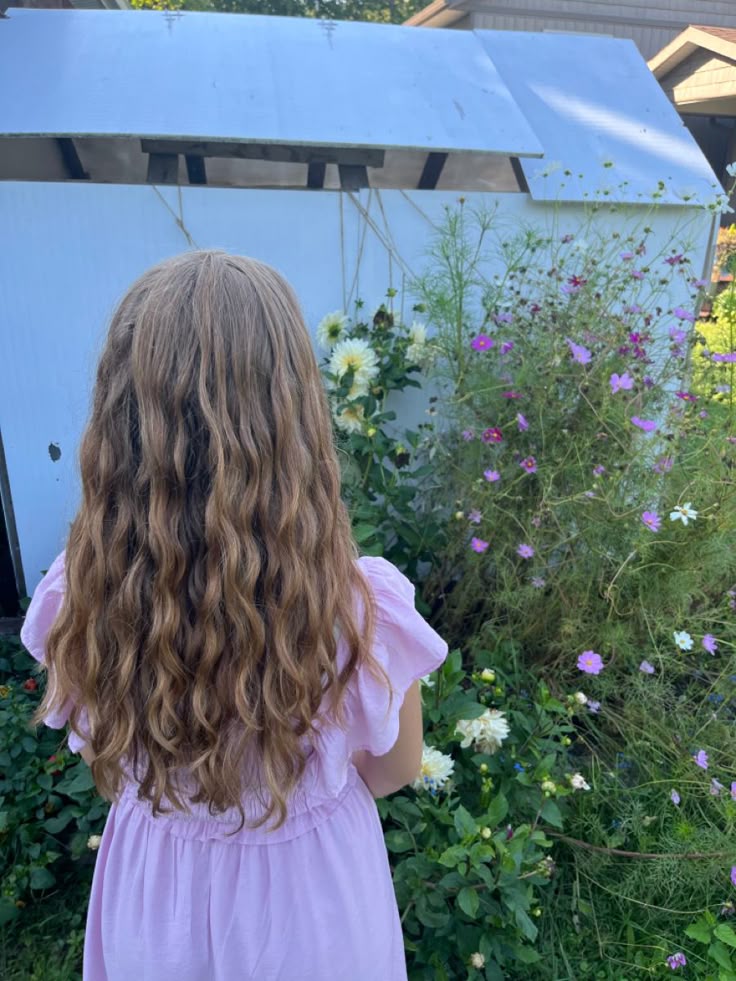
Wavy hair, known as Type 2, forms a loose S-shape. It sits between straight and curly, often looking straight near the roots and developing a slight bend toward the ends.
Humidity affects wavy hair more than straight hair, which can cause frizz on damp days.
Some wavy patterns are barely noticeable, while others form defined, beachy waves that hold their shape well.
This texture also does best with lighter products, since heavy creams can flatten the natural wave pattern.
A small amount of curl cream or a lightweight mousse helps define waves without weighing them down.
Simple braids, half-up styles, or a loose ponytail work well for wavy hair and hold up nicely throughout the day.
Wavy hair tends to dry faster than curlier textures, which makes it easy to style quickly before school.
Curly Textures (Type 3)
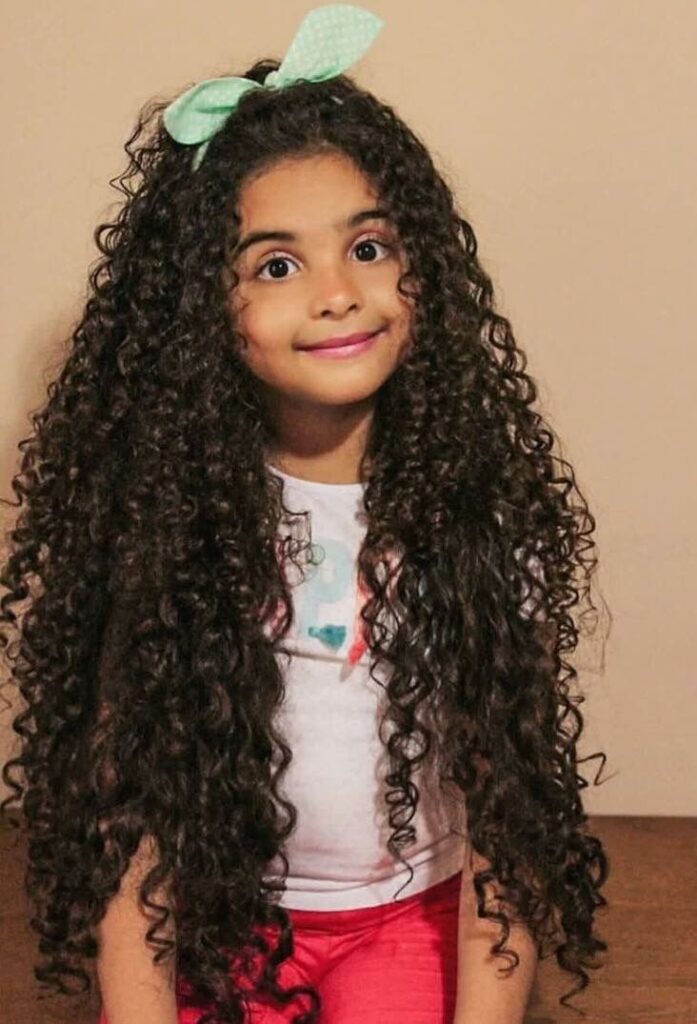
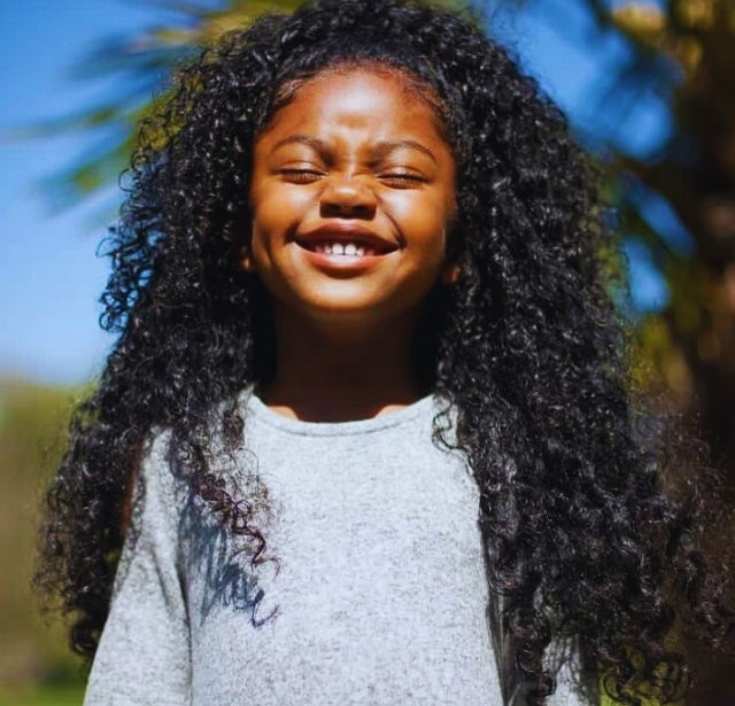
Curly hair, known as Type 3, forms defined loops or spirals ranging from loose curls to tight corkscrews.
This texture often shrinks when dry, so a curl that looks short at rest can stretch out much longer when pulled.
Curly hair also tends to be drier than straight or wavy hair, since natural oils have a harder time traveling down the twists and turns of each strand.
Frizz is one of the biggest challenges with curly textures, especially in humid weather or after sleeping on cotton pillowcases.
Moisture-rich products help curls stay defined instead of puffing up.
How to moisturize kids hair properly covers layering techniques that lock hydration into each curl.
Detangling curly hair takes a little more patience than straighter textures, since curls tend to knot together more easily.
Working in sections and starting from the ends helps prevent unnecessary breakage.
The secret to tear-free detangling walks through a gentle method that keeps kids comfortable during the process.
Curly hair also responds beautifully to styles that show off its natural shape, like twist-outs, puffs, or loose braids.
50 curly hairstyle ideas for kids offers plenty of inspiration for showing off this texture.
Coily Textures (Type 4)
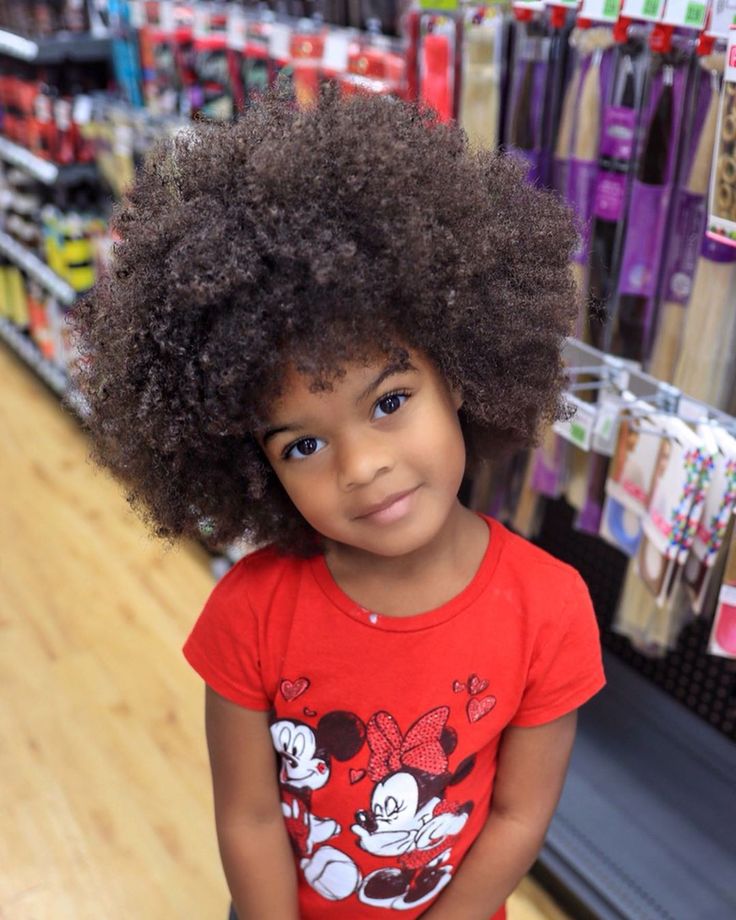
Coily hair, known as Type 4, forms tight zigzag patterns or small springs that range from soft coils to a cotton-like texture.
This is often the driest hair type, since natural oils rarely make it past the first few inches of hair without help.
Coily hair also shrinks the most dramatically, sometimes appearing several inches shorter than its actual length once fully dry.
Because coily strands bend at so many points along their length, they are more prone to breakage than any other texture.
Gentle handling matters enormously here, from the products used to the tools chosen for detangling and styling.
Wide-tooth comb vs detangling brush breaks down which tool causes less stress on tightly coiled strands.
Moisture is the single most important factor for coily hair health.
A routine built around the LOC or LCO method, layering liquid, oil, and cream, keeps coils soft and less prone to snapping.
The best hair oils for children’s hair highlights oils that seal in moisture without leaving hair greasy.
Protective styles work especially well for coily textures, since they reduce daily manipulation and help retain length over time.
45 natural hairstyles every parent should save shows how coily hair can be styled in ways that protect it while still looking adorable.
How to Care for Each Texture Differently
No single routine works for every texture, which is why building a plan around your child’s specific hair matters so much.
What works beautifully for one child’s curls might leave another child’s waves looking flat and greasy, and a routine built for coily hair could actually dry out finer, straighter strands instead of helping them.
Even siblings raised in the same household, using the same water and living in the same climate, often need completely different products and wash schedules once their individual textures are factored in.
Taking the time to understand what a specific texture actually needs, rather than copying a routine that worked for someone else’s child, saves a lot of trial and error down the line and helps hair stay healthier in the long run.
Caring for Straight Hair
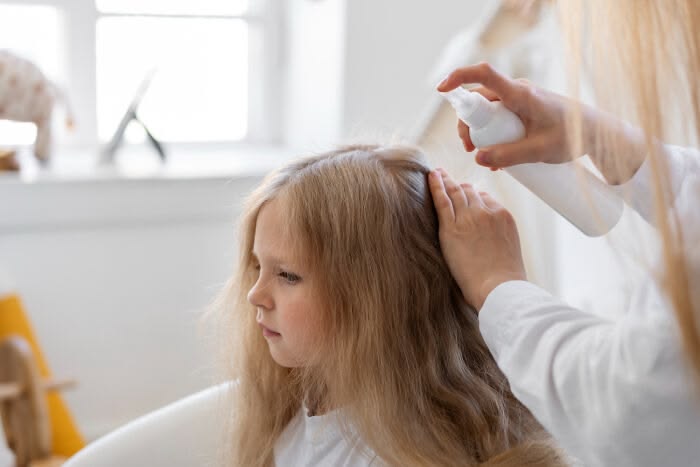
Straight hair usually does best with lightweight products and frequent washing, since oils build up faster on this texture.
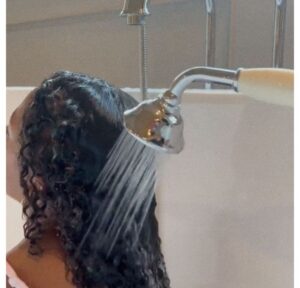
The best wash day routine for kids offers a great starting template that can be adjusted based on texture.
Lightweight leave-ins and light oils work well here without weighing the strands down.
Washing every two to three days usually keeps this texture looking fresh without stripping away too much natural oil.
Caring for Wavy Hair
Wavy hair also does well with lightweight products, though it can handle slightly less frequent washing than straight hair.
A small amount of curl cream or lightweight mousse helps define waves without flattening the pattern.
Washing every three to four days tends to work well, since wavy hair holds a bit more natural texture between washes.
Skipping heavy butters and creams keeps this texture from looking greasy or weighed down.
Caring for Curly Hair
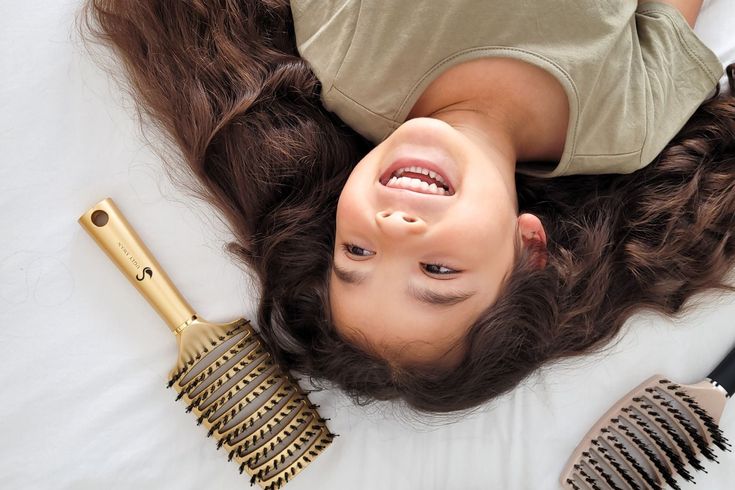
Curly hair needs a different approach altogether, since it tends to be drier than straight or wavy textures.
Richer conditioners and moisture-focused products help keep curls defined and frizz-free.
Washing once a week, paired with a mid-week co-wash if needed, usually keeps curls hydrated without overdoing it.
Skipping harsh shampoos with sulfates helps preserve the natural oils this texture needs to stay soft.
Caring for Coily Hair
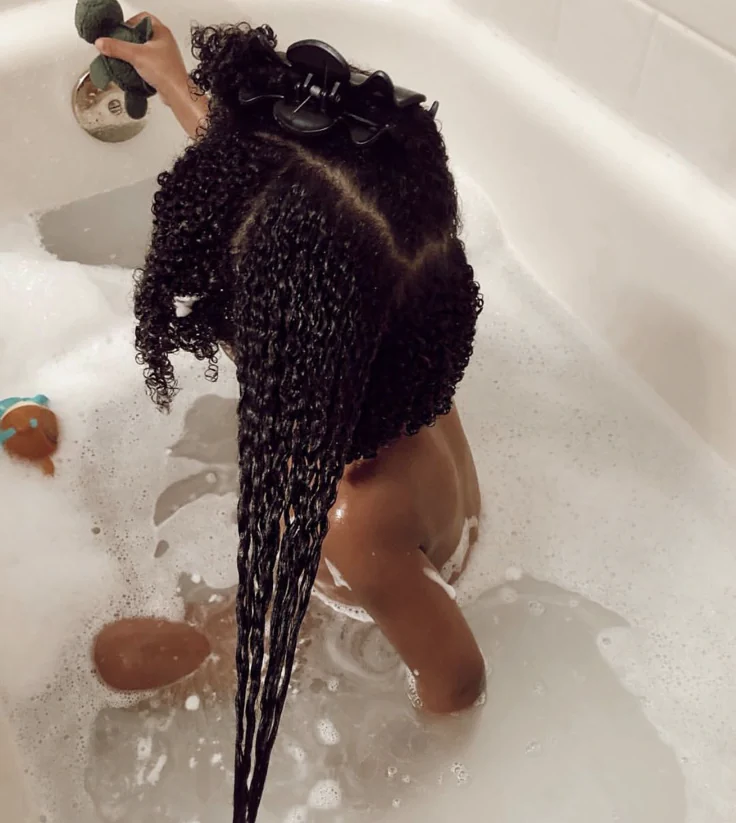
Coily hair needs the most moisture and the gentlest handling of all the textures.
Deep conditioning treatments help restore hydration that this texture loses faster than any other.
Stretching out wash days to once a week, or even every ten days, gives coils time to hold onto moisture between sessions.
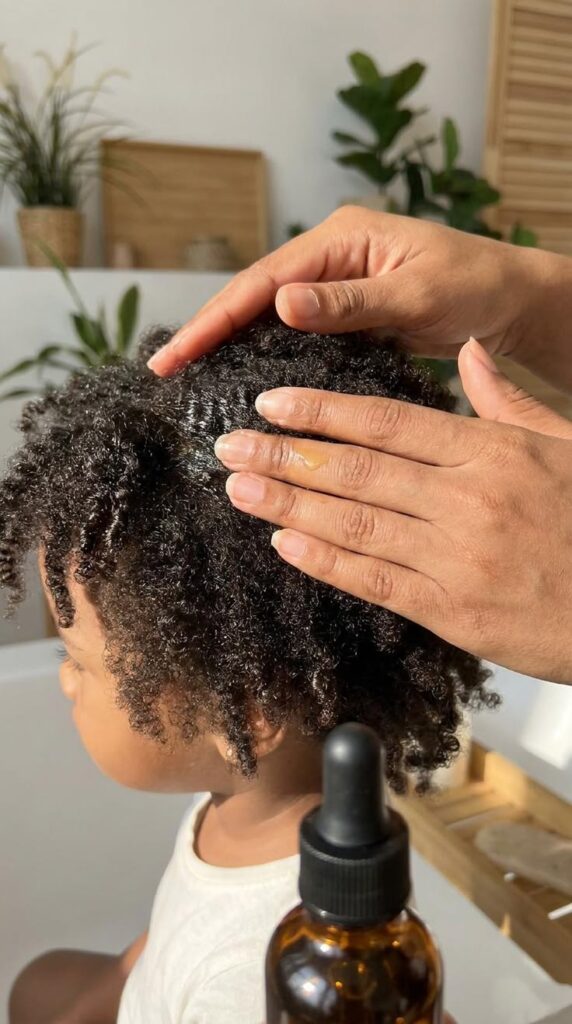
Rich butters and oils, applied in layers, work best for keeping coily strands soft and less prone to breakage.
Common Mistakes to Avoid
One common mistake is assuming all curly or coily hair needs the exact same products.
Texture varies so much within these categories that a routine built for loose curls might not hydrate tighter coils enough, and a heavy cream made for coily hair might weigh down looser curls completely.
Another mistake is brushing curly or coily hair when it’s dry.
Dry brushing breaks up curl definition and causes frizz, while also increasing the risk of snapped strands.
Detangling during the conditioner step, when hair is slippery and pliable, causes far less damage.
Overwashing is a mistake that trips up a lot of families with curlier textures.
Washing coily hair every day or two strips away the oils it desperately needs, leading to dryness and breakage over time.
Spacing out wash days actually helps these textures thrive.
Skipping regular trims is another issue that crosses all texture types.
Should you trim your child’s hair regularly? explains why split ends can travel up the hair shaft if left unchecked, no matter how tight or loose the curl pattern is.
Frequently Asked Questions
Can hair texture change over time?
Hair texture isn’t fixed forever, and plenty of kids experience shifts as they grow.
Puberty and illness are common triggers for these changes, and length plays a role too, since longer hair often loosens the curl pattern under its own weight simply from the added pull of gravity.
Hormonal shifts during growth spurts can also affect how tightly or loosely hair coils, which is why a toddler’s curl pattern sometimes looks completely different by the time they start school.
None of these shifts mean something is wrong, they’re simply part of how hair naturally evolves alongside a growing child.
Can one child have more than one texture?
It’s completely normal for one child to have more than one texture on their head.
Looser curls often show up near the crown while tighter coils form at the nape, and this simply means different sections may need slightly different care during styling and detangling.
Some kids also notice their hair is curlier at the ends and straighter near the roots, especially if the ends are older and have been through more manipulation over time.
Mixed textures like this aren’t a sign of damage, they’re just part of natural variation across the scalp.
Does texture determine hair health?
Texture has nothing to do with how healthy a child’s hair actually is.
Signs your child’s hair is healthy apply across every texture type, so a child with tight coils can have thriving hair just as easily as a child with straight strands, and either texture can experience dryness or damage without the right care behind it.
Shine, elasticity, and minimal breakage are good indicators of healthy hair no matter the curl pattern, while dullness and excessive shedding can show up regardless of texture too.
It’s easy to assume coilier hair is automatically more fragile, but with the right moisture and gentle handling, it can be just as strong and resilient as any other texture.
What’s the best way to figure out my child’s exact texture?
Figuring out an exact texture is easiest when the hair is clean and completely dry, since wet strands often look different than they do in their natural state.
Comparing a child’s curl pattern to reference charts can help, and hair type 2/3/4: care guide for kids offers a simpler breakdown for everyday use.
It also helps to look at more than one strand, since texture can vary across different parts of the head, as mentioned above.
Taking a photo of a single dry, undisturbed curl and comparing it to reference images tends to give a clearer answer than trying to judge the whole head at once.
Once the general texture is identified, adjusting products and routines becomes much easier over time.

Final Thoughts
Learning the different kids hair textures takes some of the guesswork out of hair care.
Once you know what you’re working with, choosing products, tools, and styles becomes so much easier.
How to build a healthy hair routine for kids is a great next step for turning this texture knowledge into a routine that actually works day to day.
Every texture has its own quirks and its own beauty.
The goal isn’t to change what your child was born with, but to work with it in a way that keeps their hair strong, healthy, and easy to manage.
That understanding turns hair time from a chore into something both of you can actually enjoy.
Want me to verify the exact word count with the tool, or move straight on to the wash day routine post next in your queue?

10 Comments