
The Best Hair Oils for Children’s Hair
Disclosure: Some of the links in this post are affiliate links. This means if you click on the link and purchase an item, I will receive an affiliate commission at no extra cost to you.
Every parent with a curly-haired kid ends up staring at a shelf of oils at some point. Some bottles promise growth.
Others promise shine or softness. Sorting through them to find the best hair oils for kids can feel like its own research project.
The truth is simpler than the labels make it seem. Hair oils mostly help seal in moisture your child’s hair already has.
Pairing the right oil with how to moisturize kids hair properly makes a bigger difference than any single miracle bottle.
Picking the best hair oils for kids also depends on your child’s texture. A quick look at how to identify your child’s hair type can point you toward the right oil weight.
Rubbing a little oil into your child’s scalp can turn into a small, quiet ritual you both enjoy. Let’s go through the oils worth trying and how to use each one well.

How to Choose the Right Hair Oil for Your Child
Not every oil works for every hair type. This is where the search for the best hair oils for kids really begins.
Fine, wavy hair usually needs a lighter oil that will not weigh curls down.
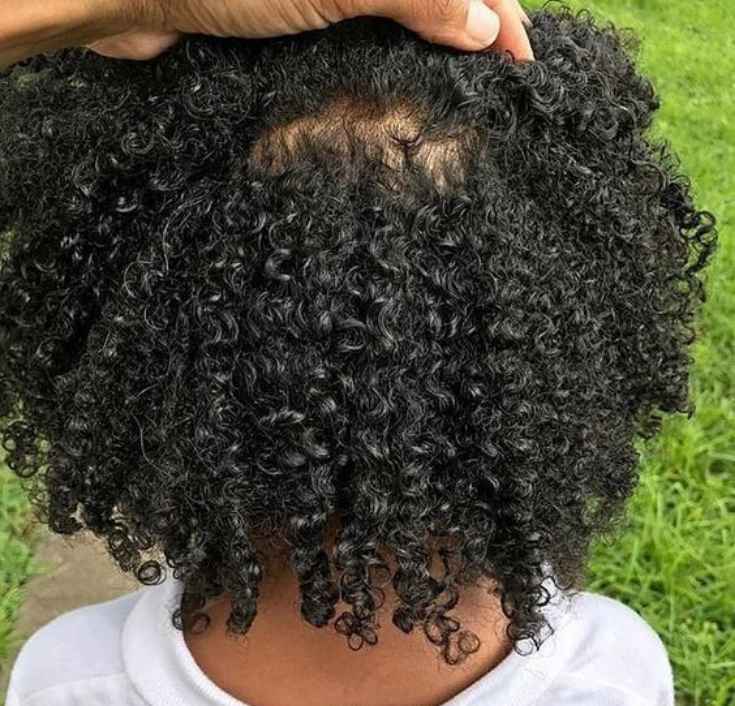
Thick, coily hair can often handle a heavier oil without looking greasy.
Scalp sensitivity also matters, so a patch test is smart before using anything new.
Checking the different kids hair textures explained first can save you a few wasted bottles.
The Best Hair Oils for Children’s Hair
Coconut Oil
Coconut oil is one of the most popular oils for curly and coily hair.
It penetrates the hair shaft better than many other oils.
This helps reduce protein loss from daily washing and styling.
Coconut oil works well for most hair types, though very fine hair may find it slightly heavy.
A small amount rubbed between the palms goes a long way on damp or dry hair.

Jojoba Oil
Jojoba oil closely resembles the natural oil your child’s scalp already produces.
This makes it gentle and easy for the scalp to absorb. It works well for balancing an oily or dry scalp.
Jojoba oil suits nearly every hair type, including fine and wavy textures.
A few drops massaged into the scalp can help calm dryness and flaking.
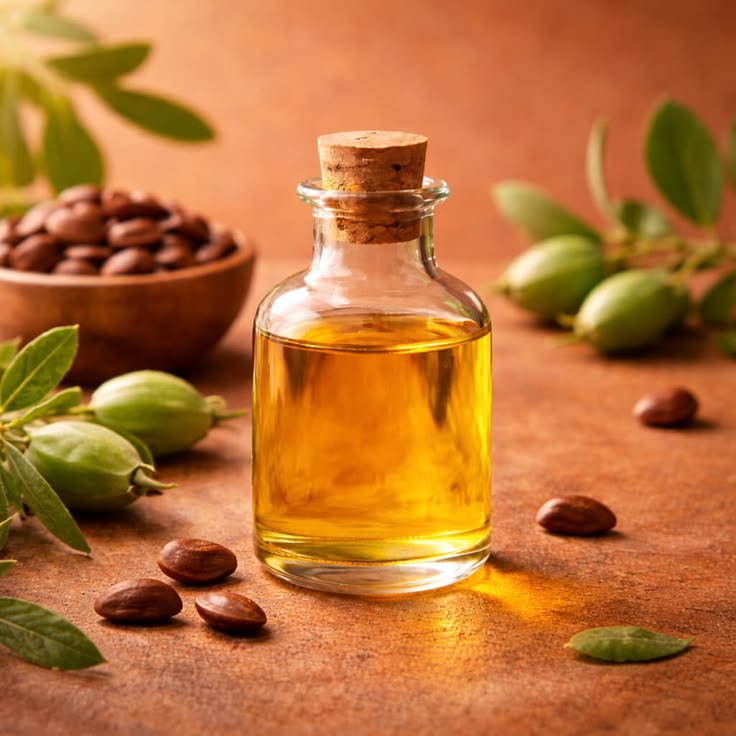
Argan Oil
Argan oil is lightweight and absorbs quickly without leaving residue.
It adds shine and helps tame frizz, especially in humid weather.
Curly and wavy hair types tend to respond especially well to argan oil. It also carries antioxidants that support overall hair health.
A small drop smoothed over the ends can finish off any style nicely.

Sweet Almond Oil
Sweet almond oil is rich in vitamin E and healthy fatty acids. It absorbs quickly and rarely leaves a greasy feel behind.
This oil works well for children with fine to medium curls. It also adds a soft, natural shine without much effort.
Warming a few drops between the hands before applying helps it spread evenly.

Castor Oil
Castor oil is thick and often used to support hair growth and thickness.
It works especially well along the hairline and edges, where breakage is common.
Coarser, drier hair types tend to benefit most from castor oil.
It should be used sparingly, since a little goes a long way.
Mixing it with a lighter oil like jojoba can make it easier to spread through thicker curls.
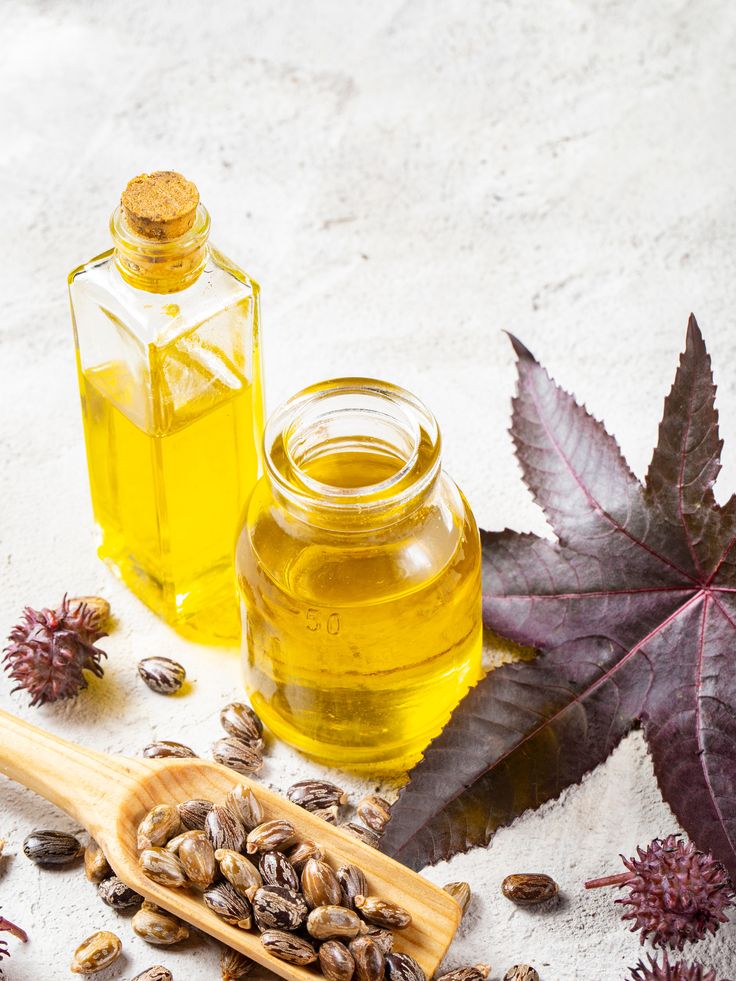
Avocado Oil
Avocado oil is packed with vitamins and healthy fats that nourish the scalp.
It works well for dry, brittle hair that needs extra conditioning.
This oil pairs nicely with hair type 2: care guide for kids since it suits a wide range of curl patterns.
A light layer applied after washing helps seal in moisture from the start.
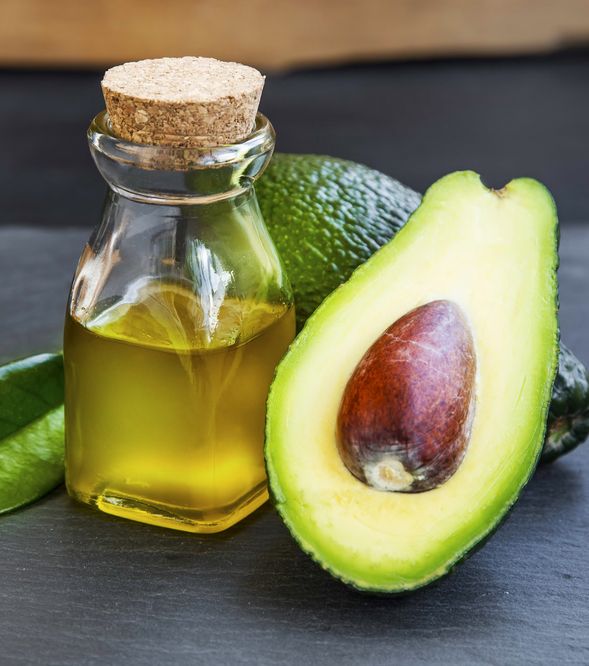
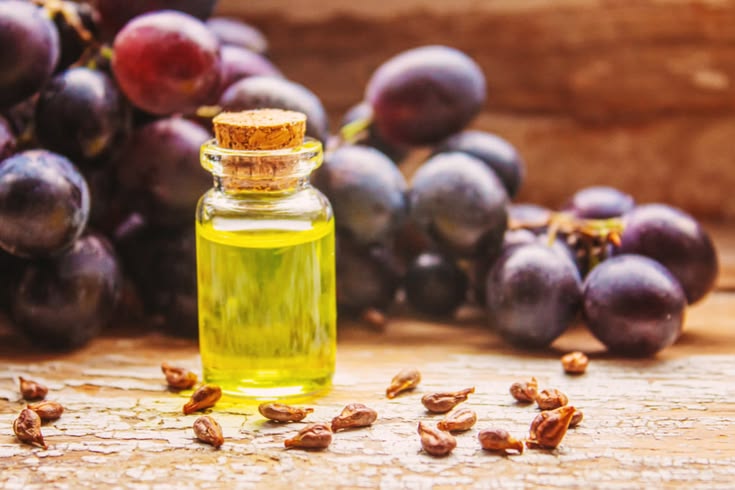
Grapeseed Oil
Grapeseed oil is one of the lightest options on this list.
It absorbs almost instantly and leaves virtually no residue behind.
Looser curls and wavy hair types that get weighed down easily do best with grapeseed oil.
It also carries antioxidants that support a healthy scalp.
A quick smoothing over the top layer of hair adds shine without any heaviness.
Sunflower Oil
Sunflower oil is light and rich in vitamin E and linoleic acid. It absorbs quickly, making it a good choice for fine or low-porosity hair.
This oil helps smooth the hair cuticle without adding heaviness.
Children with sensitive scalps often tolerate it well.
A few drops can be mixed with a heavier oil for a lighter, everyday blend.

How to Apply Hair Oil the Right Way
Applying oil the right way affects how well the best hair oils for kids actually perform.
Oil works best on damp hair, since it helps trap in water rather than just sitting on the surface.
Warming the oil slightly between your palms helps it spread more evenly.
Focusing on the ends first prevents overloading the roots with product.
Following up with the best wash day routine for kids keeps the whole process consistent from week to week.

Scalp Massage Benefits
A gentle scalp massage does more than just spread the oil around.
It can boost circulation to the scalp, which supports healthy hair follicles.
Massage also helps loosen flaky buildup before it turns into stubborn dandruff.
Many kids find the routine calming, which makes hair time feel less like a chore.
Pairing a short massage with healthy habits that support kids hair growth builds a strong foundation early on.
Oil for Detangling Support
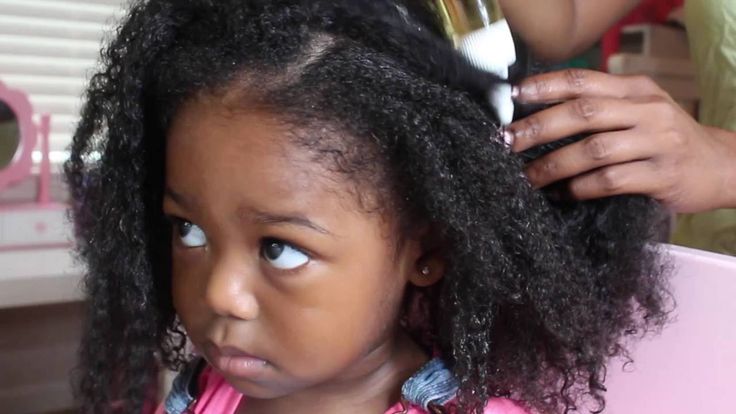
Oil alone will not replace a good detangling spray, but it can help.
A light coat on the ends softens strands before you reach for a comb.
This makes the secret to tear-free detangling easier to put into practice.
Combining oil with a proper detangling tool cuts down on breakage during the process.
Always start detangling at the ends and work upward in small sections.
The LOC Method Explained
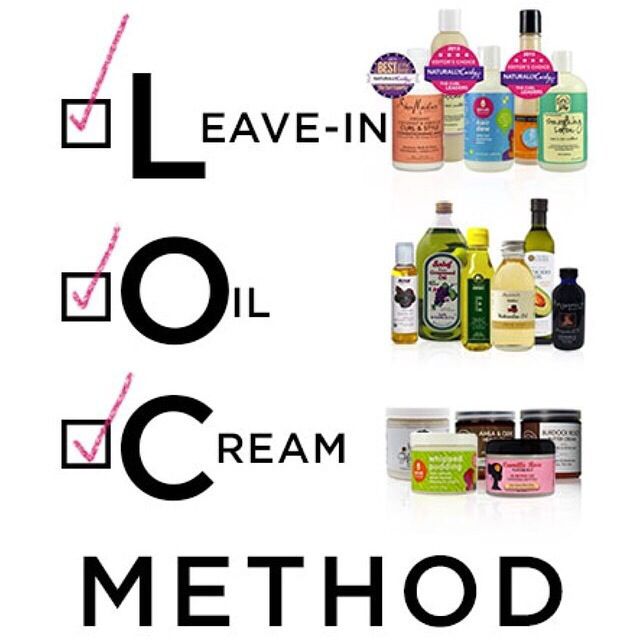
The LOC method stands for liquid, oil, and cream, applied in that order.
Water or a leave-in spray comes first to add moisture to the hair. Oil goes on next to seal that moisture into each strand.
A cream or butter finishes the process by locking everything in place.
This method works especially well for dry, coily hair that struggles to hold moisture.
Pairing it with leave-in conditioner vs hair milk for kids helps you pick the right liquid step.
Oil and Protective Styles
Oil plays a useful role before and after protective styling.
Applying a light layer to the scalp before braiding or twisting can ease tension.
It also helps keep the scalp from feeling dry while a style stays in for days or weeks.
A light refresh along the parts can revive a style that starts looking dull.
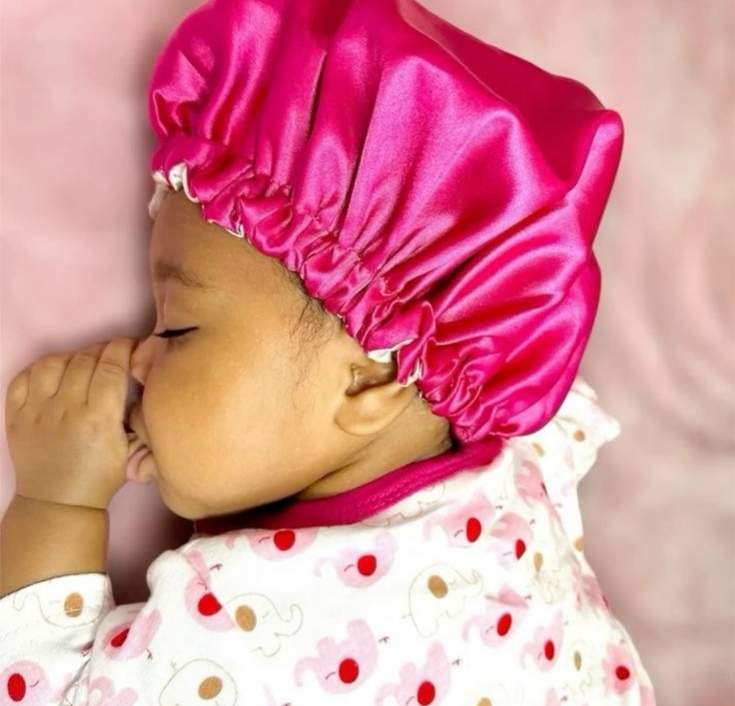
Covering hair at night helps the oil last longer between applications.
Satin bonnets for kids: do they help? covers this in more detail.

How Often to Oil Your Child’s Hair
Most children do well with the best hair oils for kids applied two to three times a week.
Very dry or coarse hair may need a light application daily.
Fine or looser curls often only need oil once or twice a week.
Watching how hair responds is the best way to find the right frequency.
Following how often should you wash your child’s hair? can also help you time oiling around wash days.
Common Mistakes to Avoid
Using too much oil at once is one of the most common mistakes parents make.
This can leave hair looking greasy instead of shiny and healthy.
Applying oil to bone-dry hair also limits how well it absorbs.
Skipping the scalp entirely and only oiling the strands misses out on real benefits.
Ignoring how to keep kids’ scalp healthy can also let buildup accumulate unnoticed over time.
Reading Ingredient Labels
Checking the ingredient list matters just as much as picking a popular oil.
Cold-pressed or unrefined oils usually keep more of their natural nutrients intact.
Ingredient lists with added fragrance or dye are worth a second look.
A short, simple ingredient list is often a sign of a higher-quality product.
Comparing a few labels side by side helps you shop smarter.
The best conditioners for every hair type covers this same idea for other products.
Oils to Avoid or Use With Caution
Mineral oil sits on top of the hair rather than absorbing into it.
This can trap dirt and product buildup close to the scalp.
Heavily fragranced oils can also irritate sensitive young skin.
Oils with added alcohol may dry hair out instead of moisturizing it.
Reading labels carefully helps you avoid formulas that do more harm than good.
Why expensive hair products aren’t always better explains this in more depth.
Signs Your Child’s Hair Is Getting Enough Oil
Soft, bouncy curls are usually a sign the oil routine is working well.
Reduced frizz throughout the day is another good indicator. Hair that detangles more easily also points to healthy moisture levels.
Checking signs your child’s hair is healthy can help confirm the routine is on track.
Dry, dull, or straw-like texture usually means it is time to adjust the amount or type of oil.
Choosing an Oil by Hairstyle
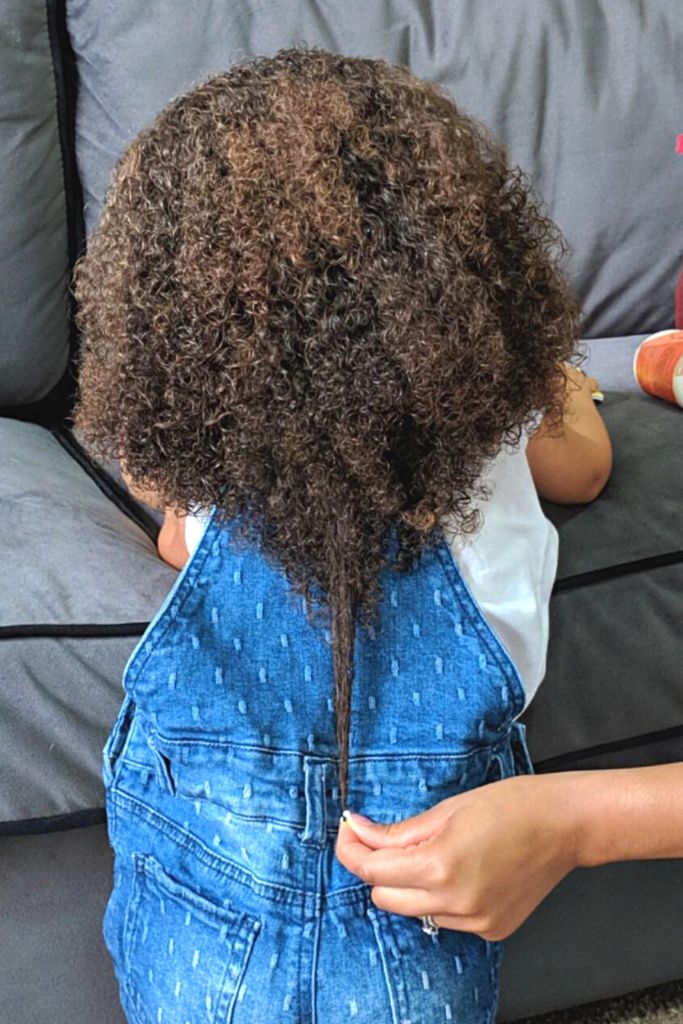
Loose curls and twist-outs usually look best with a lightweight oil like argan or grapeseed.
Braided or cornrowed styles hold up well with a slightly richer oil along the scalp.
Puffs and ponytails benefit from a small amount smoothed over the top for shine. Matching the oil to the style helps everything stay neat for longer.
The best hair brushes for kids can also help you choose the right tool to pair with oiling.
Special Considerations for Babies and Toddlers
Babies have delicate scalps that need gentler, lighter oils.
Coconut oil and jojoba oil are usually safe starting points for very young hair.
A tiny amount applied during a gentle scalp massage can also soothe cradle cap.
Toddlers with thicker curls coming in may need slightly richer oils sooner.
Always patch test a new oil on a small area first, just to be safe.
Storage and Freshness Tips
Natural oils last longer when stored away from direct sunlight and heat.
A cool cabinet works better than a steamy bathroom shelf.
Tightly sealing the cap after each use also helps prevent the oil from turning rancid.
Most oils stay fresh for six months to a year once opened.
A change in smell or color is a clear sign it is time to replace the bottle.
Building Oiling Into Your Weekly Routine
A simple weekly rhythm makes oiling feel less like a chore.
Wash day is a natural time to apply oil, since hair is clean and ready to absorb moisture.
A lighter midweek touch-up can refresh curls that start feeling dry.
Weekend scalp massages add a calming, bonding moment on top of the hair benefits.
Pairing this rhythm with how to build a healthy hair routine for kids keeps everything consistent.

Travel Tips for Oiling on the Go
Packing hair oil for a trip is easy since most bottles are small and spill-proof when capped tightly.
A tiny travel bottle decanted from a larger one saves space in a bag. Sun, wind, and chlorine can all dry hair out faster while traveling.
A quick oil touch-up after a pool day helps curls bounce back.
Keeping a small comb nearby rounds out a simple travel kit.
Wide-tooth comb vs detangling brush compares the two if you need help choosing.

Signs You’re Using the Wrong Oil
Hair that feels greasy within an hour usually means too much oil, or an oil that is too heavy.
Flat, weighed-down curls point to the same problem.
Persistent dryness despite regular oiling can mean the oil is too light for that hair type.
Switching to a different weight or blend often solves the issue quickly.
Testing a small amount on a section of hair first can prevent a full bottle from going to waste.
Combining Oils With Other Products
Oil works well alongside other steps in a full hair care routine.
It can follow a leave-in conditioner or hair milk to seal in extra moisture.
It also pairs naturally with how to encourage healthy hair growth in kids for a more complete approach.
Layering products from lightest to heaviest keeps curls from feeling weighed down or greasy.
Finding the best hair oils for kids often means testing how they interact with the rest of the routine.
It is not just about the oil alone.
Checking the hidden reason your child’s hair looks dull can round out that fuller picture.
Frequently Asked Questions
Can I mix two different hair oils together?
Yes, blending oils is common and often works well.
Mixing a lighter oil with a heavier one, like jojoba and castor oil, balances texture and absorption.
Start with a small batch to test how your child’s hair responds.
Adjust the ratio over time based on how curls look and feel.
Is it safe to use hair oil every day?
Daily use is safe for most children, as long as the amount stays light.
Very dry or coarse hair often benefits from daily oiling the most.
Fine or looser curls may only need oil a few times a week.
Watching for greasy buildup is the best way to know if it is too much.
What oil works best for a dry, itchy scalp?
Jojoba oil is often the gentlest choice for a dry, itchy scalp.
Its similarity to natural scalp oil makes it easy to tolerate.
Coconut oil can also help, though a patch test is smart first.
Persistent itching or flaking is worth mentioning to a pediatrician.
Can hair oil help with hair growth?
Hair oil supports a healthy scalp, which can help hair grow to its full potential.
No oil can force hair to grow faster than its natural rate.
Castor oil is popular for this purpose, thanks to its thick, nourishing texture.
Consistency matters more than any single product for real growth.
Do I need different oils for different seasons?
Many parents do switch oils slightly with the seasons.
Richer oils like castor or avocado oil help in dry winter months.
Lighter oils like grapeseed or argan work well in humid summer weather.
Adjusting based on how hair feels each week is the simplest approach.
Should I oil my child’s hair before or after brushing?
Applying a small amount of oil before brushing often makes the process gentler.
The oil adds slip, which helps the brush glide through curls more easily.
Brushing dry, unoiled hair can cause more breakage and frizz.
A light oil layer beforehand protects strands from unnecessary stress.
Oil and Hair Growth: Setting Realistic Expectations
Many oils are marketed with big promises about faster, thicker hair growth. In reality, oil supports the scalp environment where healthy growth happens.
It cannot change the genetic pace at which your child’s hair grows.
What it can do is reduce breakage, which helps hair look and feel longer over time.
Setting realistic expectations helps avoid disappointment and constant product-switching.
Patience, consistency, and a gentle routine matter more than any single bottle on the shelf.

Final Thoughts
Finding the best hair oils for kids usually takes a little trial and error.
Pay attention to how your child’s curls respond after each use.
Lighter oils suit fine or wavy hair, while richer oils suit thicker, coarser curls.
Revisiting the best scalp care routine for children alongside oiling rounds out a complete approach to healthy hair.
With the right oil in hand, moisture stays locked in and curls stay soft between wash days.


4 Comments