
Summer Hair Care Tips for Kids
Disclosure: Some of the links in this post are affiliate links. This means if you click on the link and purchase an item, I will receive an affiliate commission at no extra cost to you.
Summer means pool days, sprinkler runs, and sandy toes at the beach. It also means extra sun, chlorine, and sweat for your child’s hair.
Getting ahead of these summer conditions with the right summer hair care for kids keeps curls soft and strong all season.
Sun rays dry out strands and fade their natural shine. Chlorine strips moisture fast and leaves hair feeling rough by the end of a swim.
Sweaty scalps from outdoor play add another layer to think about on wash day. A steady The Best Wash Day Routine for Kids built for summer solves most of these problems.
Caring for your child’s hair through summer often turns into one of those small traditions families remember fondly, and thoughtful summer hair care for kids makes it even more enjoyable.
Those quiet minutes spent detangling curls after a swim can become treasured childhood memories long after summer ends.
A quick read through How to Identify Your Child’s Hair Type makes every summer product choice easier.
This guide walks through practical, gentle steps that protect moisture, prevent breakage, and keep styles fresh from June through August.
Each section covers a real summer situation, from pool days to humid nights, along with simple fixes you can start using right away.
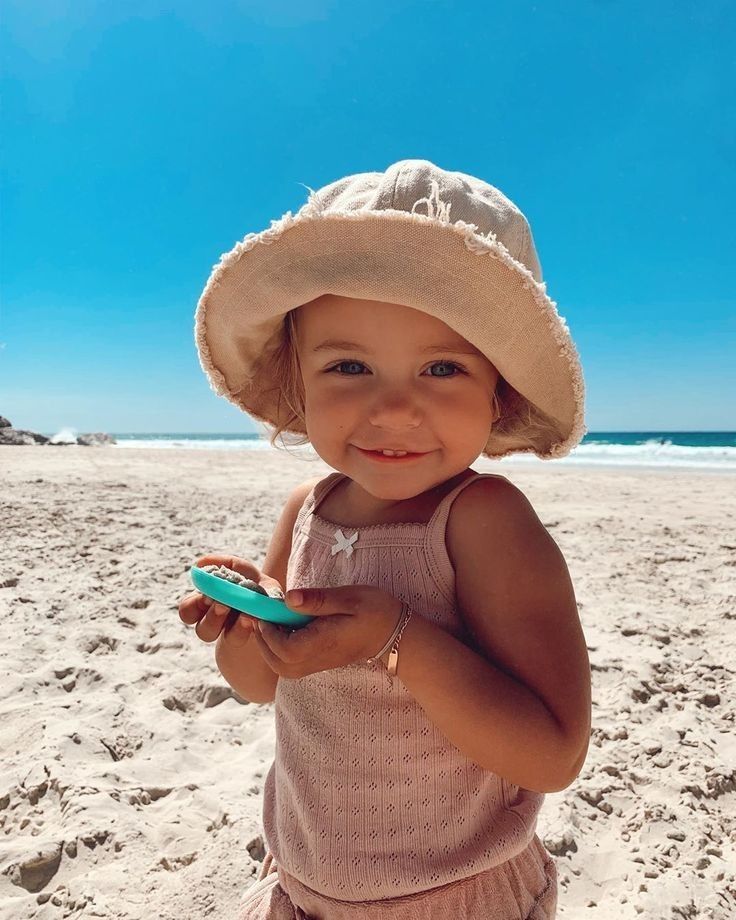
Why Summer Weather Is Hard on Kids’ Hair
Heat and humidity change how hair behaves.
Curly and coily strands soak up extra moisture from the air, which can cause frizz and undo a style in hours.
Straighter hair types can get weighed down by sweat at the scalp. Every hair type reacts differently, so summer hair care for kids should never be one size fits all.
Long days outside also mean more sun exposure than any other season.
UV rays break down the proteins that keep hair strong, leading to dryness and dullness over time.
How Humidity Affects Kids Hair in even more detail, since the two problems often show up together and compound one another.
Chlorine and saltwater bring their own challenges. Both pull natural oils from the hair and scalp, leaving strands feeling stripped.
Without a plan, kids can head into fall with dry, brittle hair from a summer of fun in the water. Small daily habits protect against most of this damage.
Heat styling tools also get used less in summer, which is a small win.
Natural texture gets more time to shine, though it still needs proper moisture to look its healthiest.
Understanding The Different Kids Hair Textures Explained helps you know exactly what your child’s hair needs most during these warmer months.
Protecting Hair From Sun and Chlorine
A little prep before heading outside makes a real difference.
Sun and chlorine are the toughest summer elements on kids’ hair.
These two habits work together to shield against both, and neither takes much extra time.
Swim-Day Hair Prep
Wet hair with clean water before a pool visit.
Hair that is already soaked absorbs less chlorine, since the strands are already full of water.
Follow with a light leave-in conditioner or The Best Hair Oils for Children’s Hair to add a protective layer.
A swim cap helps too, though many kids find it uncomfortable for long sessions.
Rinse hair right after swimming, ideally within a few minutes.
Chlorine left on the scalp and strands keeps drying hair out long after the pool visit ends.
A clarifying rinse once a week during heavy swim season removes any buildup that regular rinsing misses.
Braided styles also cut down on tangles that form during active pool play.
Sun Protection Tips
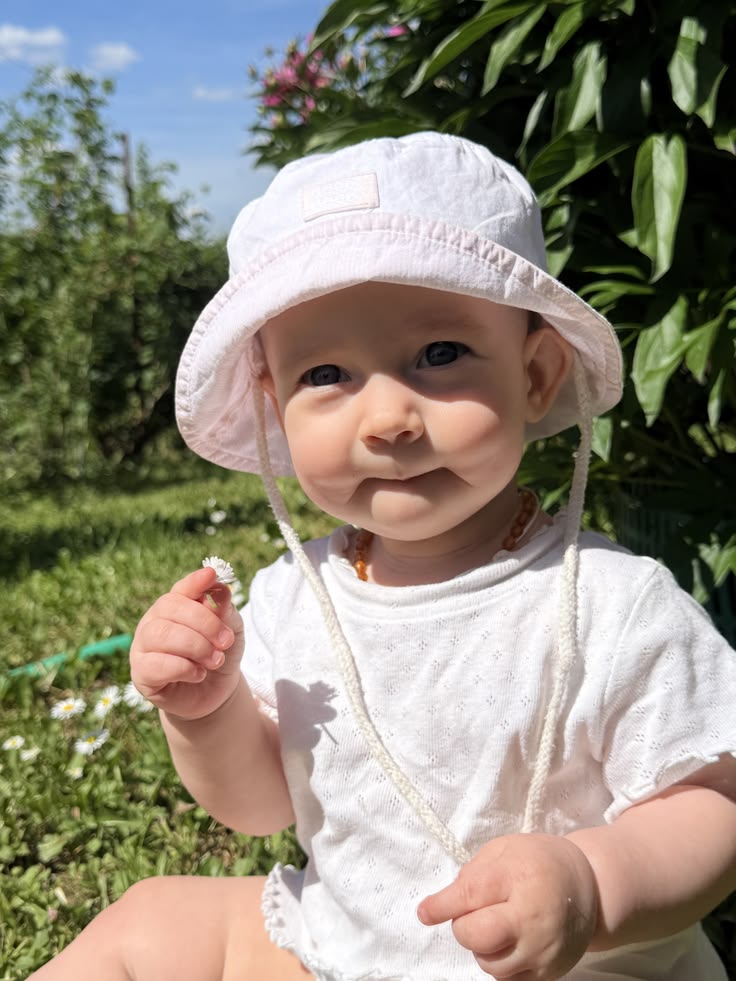
A hat is the simplest sun protection tool available.
Wide-brim hats shield the scalp and strands from direct UV exposure during long outdoor days.
Look for options in The Best Hair Accessories for Kids guide for styles kids actually want to wear.
Leave-in products with UV filters offer another layer of defense.
These sprays and creams sit on the hair shaft and help block some sun damage before it happens.
Applying one each morning before outdoor play takes only a few seconds and becomes an easy habit fast.
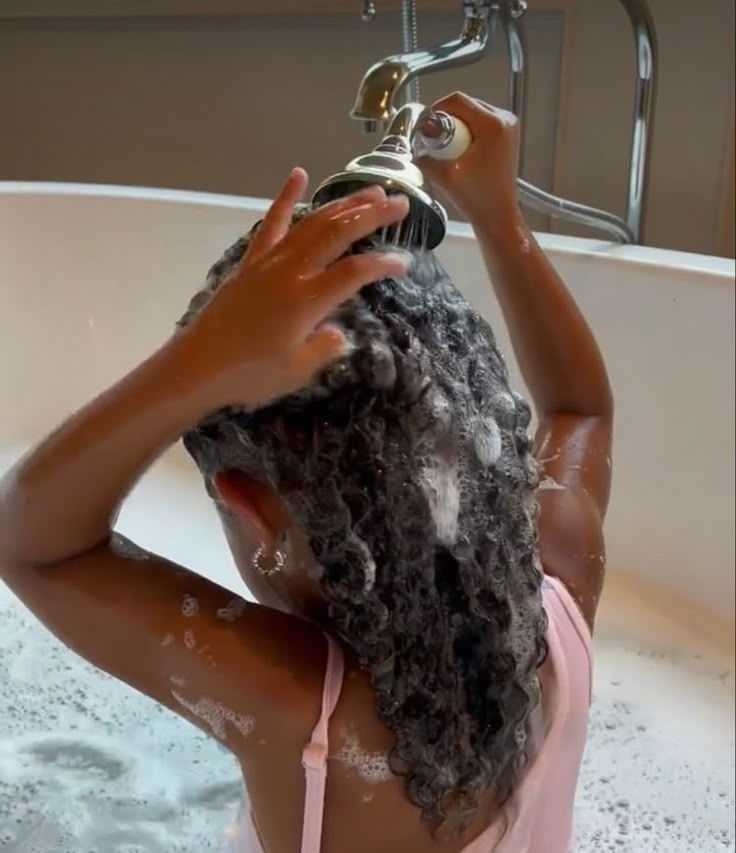
The Best Summer Wash Day Routine
Summer often calls for washing hair more often than usual, thanks to sweat, sunscreen, and pool time.
How Often Should You Wash Your Child’s Hair? covers the general rules, but summer months may need small adjustments to keep up with extra outdoor activity.
Start with a gentle, sulfate-free shampoo that clears buildup without stripping natural oils.
Focus shampoo mainly on the scalp, where sweat and product buildup tend to collect.
Follow immediately with a rich conditioner, since summer hair care for kids depends heavily on replacing lost moisture.
Focus the conditioner on the ends, where dryness shows up first and lingers longest.
Finish wash day with a leave-in product while hair is still damp. This locks in moisture before the sun and heat have a chance to pull it back out.
How to Moisturize Kids Hair Properly for a full breakdown of layering products the right way, from lightest to heaviest.
A cool water rinse at the end helps seal the hair cuticle.
Smoother cuticles reflect more light, giving strands a healthier shine even after a long day outside.
Gently pat hair dry with a soft towel instead of rubbing, which helps prevent frizz and breakage.
Protective Styles That Beat the Heat
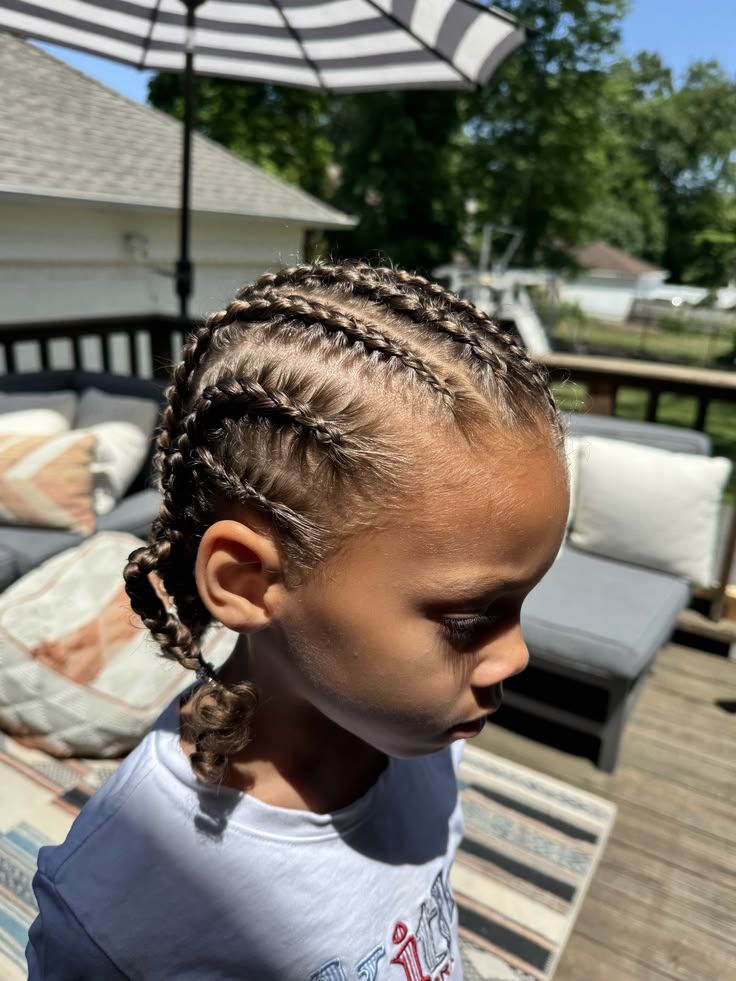
Protective styles are one of the easiest summer hair care for kids tools available.
They reduce daily manipulation, which means less breakage from sun, sweat, and constant hair touching throughout the day.
Braids stay neat through pool days and playground time alike.
31 Best Braided Hairstyles for Kids offers plenty of options that hold up well in heat and humidity.
Knotless braids are a lighter choice for younger kids or first-time protective styles, since they put less tension on the scalp.
21 Cute Knotless Braids for Kids shows styles that feel gentler on tender scalps than traditional braiding methods.
For active summers full of swimming and sports, 17 Protective Hairstyles for Active Kids covers styles built to stay neat through constant movement.
Box braids are another sturdy option for longer summer stretches.
Box Braids for Kids: Everything Parents Should Know explains sizing, timing, and care between wash days.
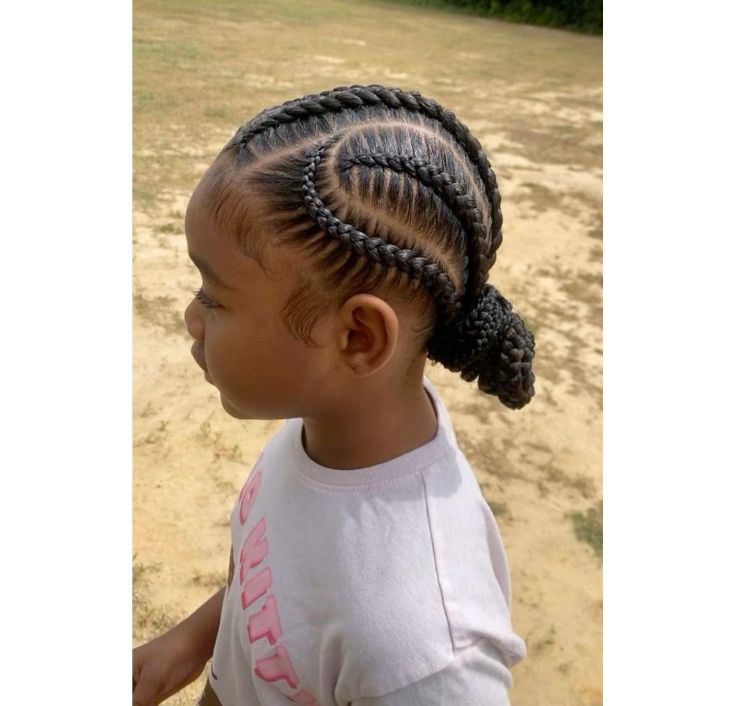
Cornrows work well too, especially for kids who spend most of their day in water.
Whatever style you choose, remember that The Biggest Mistake Parents Make With Protective Styles is leaving them in too long, which applies just as much in summer as any other season.
A four to six week window keeps the scalp healthy and the style looking fresh.
Common Summer Hair Care Mistakes
Skipping the pre-swim wet down is a common misstep.
Dry hair soaks up chlorinated or salty water fast, which speeds up damage.
That quick rinse before jumping in takes less than a minute and protects strands significantly over an entire summer of swimming.
Overwashing is another frequent mistake during hot months.
Washing daily to deal with sweat can strip natural oils faster than they can be replaced.
The Best Scalp Care Routine for Children explains how to balance a clean scalp with healthy moisture levels through the warmer months.
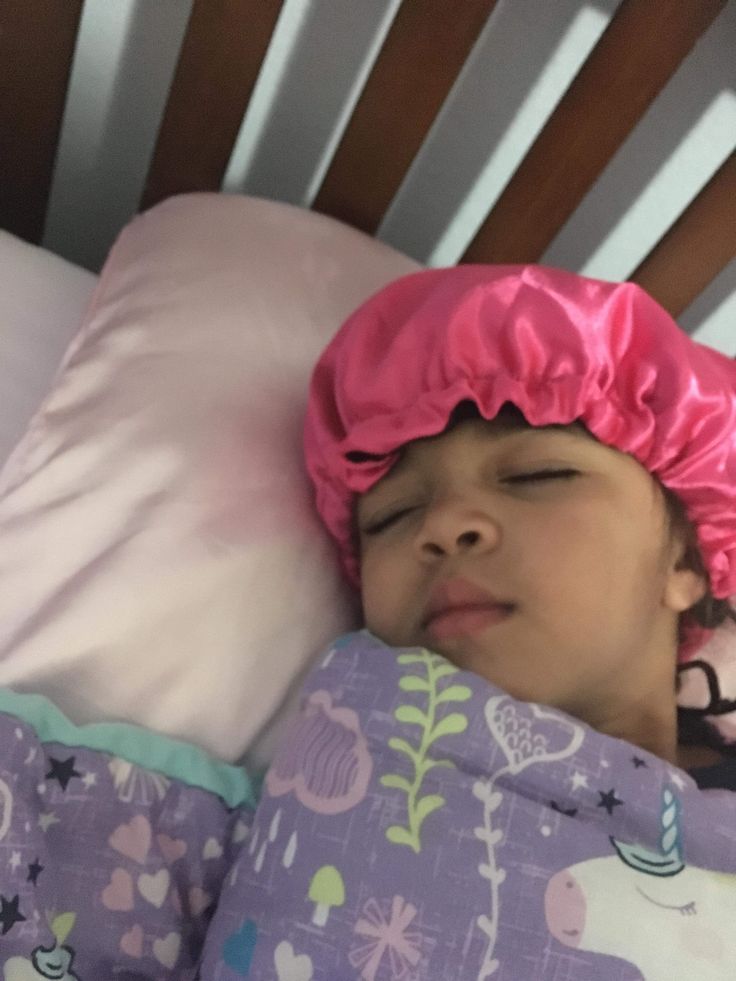
Skipping satin protection at night undoes a lot of the day’s good work.
Satin Bonnets for Kids: Do They Help? answers this question directly, and the short version is yes, especially during humid summer nights.
Cotton pillowcases pull moisture from hair while a child sleeps and add unwanted friction.
Using the wrong detangling tool causes unnecessary breakage too.
Wide-Tooth Comb vs Detangling Brush breaks down which option works best for different hair textures during the tangle-prone summer months.
Rushing through detangling only makes tangles worse, so patience matters more than speed.
Forgetting sunscreen for the scalp is a mistake many parents overlook. Parted sections and thin hairlines can burn just like skin does.
A light layer of sunscreen along the part line offers simple, effective protection.
Best Products for Summer Hair Care
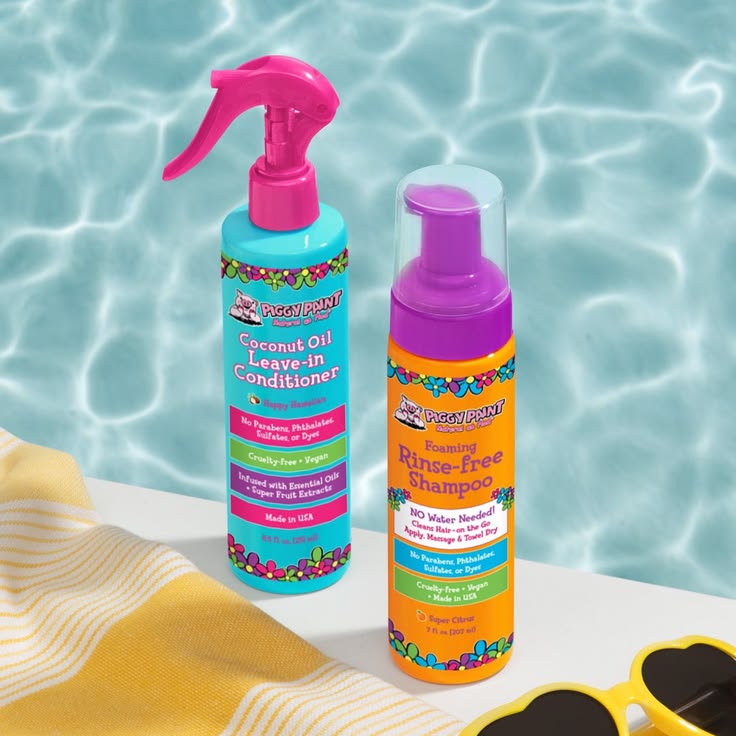
A lightweight leave-in conditioner is a summer essential.
Leave-In Conditioner vs Hair Milk for Kids compares two popular options so you can pick the one that suits your child’s hair type and summer activity level.
A gentle, clarifying shampoo handles chlorine and sunscreen buildup without being harsh.
How to Choose the Right Shampoo for Kids walks through ingredients to look for and ones to avoid during peak swim season, including which sulfates to skip.
A rich, deep conditioner earns its place in any summer routine.
The Best Conditioners for Every Hair Type helps match a product to your child’s specific curl pattern or texture, which matters even more once the weather heats up.
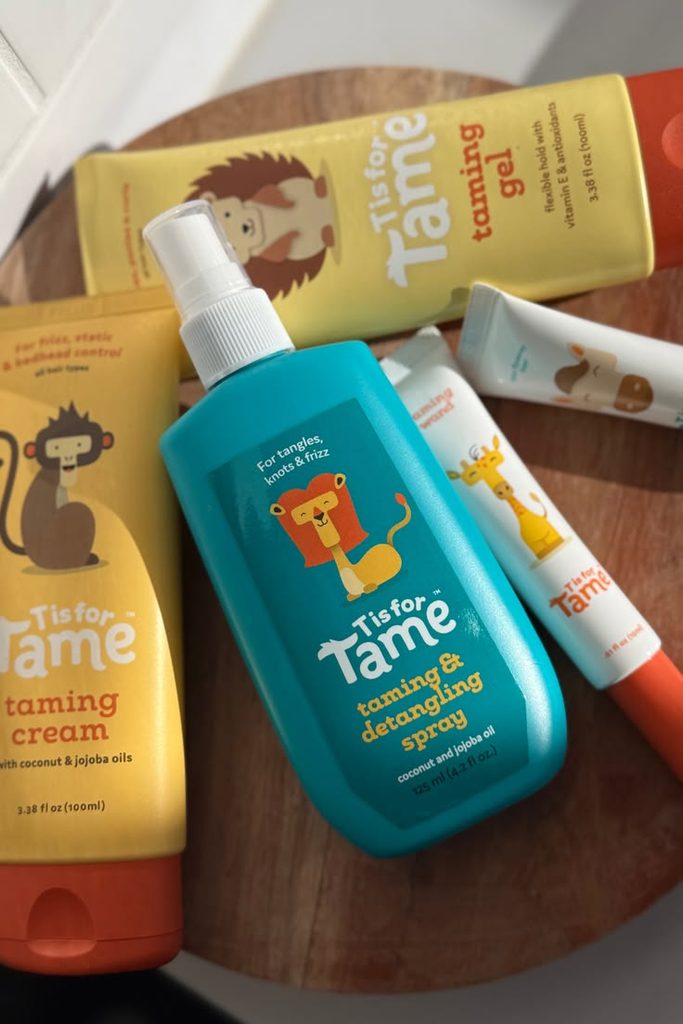
A detangling spray rounds out the routine nicely. The Best Detangling Sprays for Kids lists gentle options that make post-swim detangling sessions far less stressful for everyone involved.
Keep one in a beach bag for on-the-go touch ups.
A soft brush finishes the summer product lineup. The Best Hair Brushes for Kids covers picks that work well on wet, tangled hair without pulling or snagging fragile strands.
Diet and Hydration Matter Too
Healthy hair starts from the inside as much as the outside.
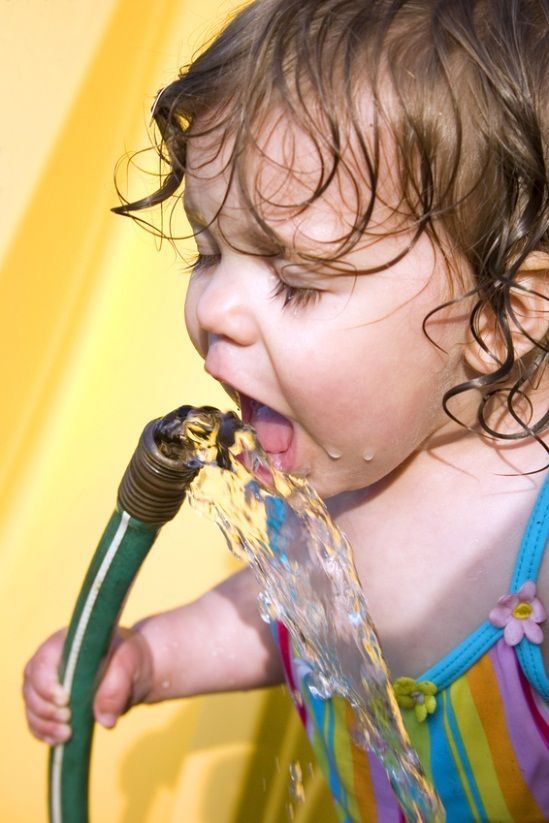
Kids who drink plenty of water through hot summer days often have less brittle, less frizzy hair overall.
Dehydration shows up in hair the same way it shows up in skin, through dryness and dullness.
Foods rich in vitamins and healthy fats support strong hair growth.
Fruits, vegetables, and foods with omega-3s all play a part in keeping strands resilient against sun and heat damage.
How to Encourage Healthy Hair Growth in Kids covers nutrition alongside other supportive habits worth building into a summer routine.
Sunscreen, water, and a light hat make a simple daily trio.
Together they protect skin and hair at the same time, without adding much to an already busy summer schedule.
Handling Frizz and Humidity
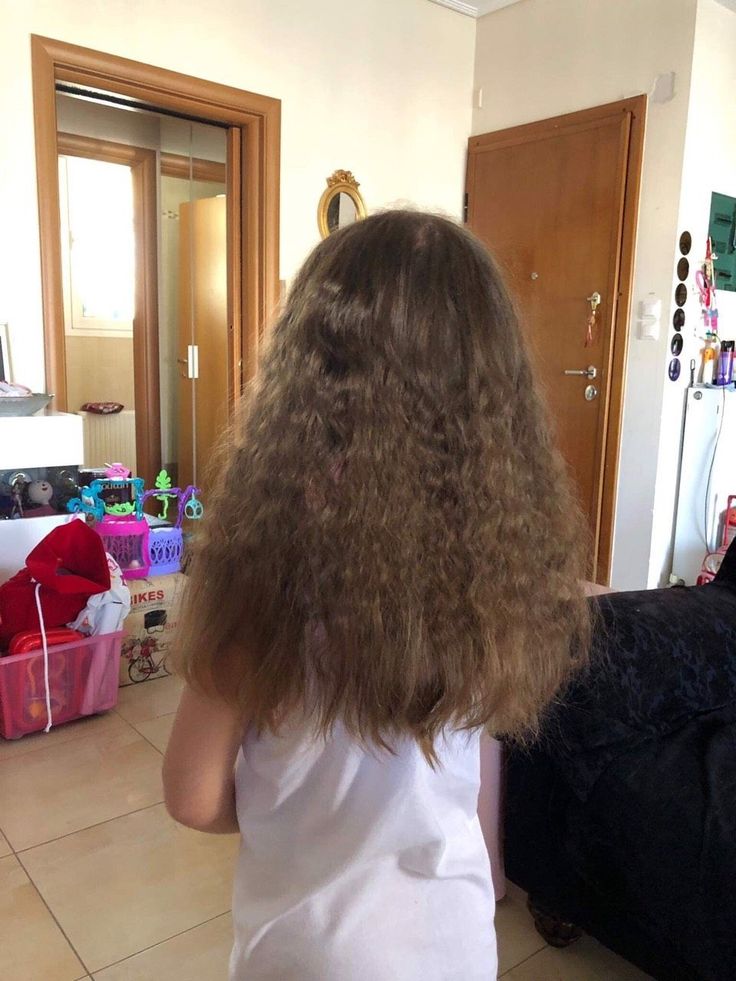
Humidity is one of the biggest summer hair challenges for curly and coily hair types.
Moisture in the air causes hair strands to swell slightly, which raises the outer cuticle layer.
A raised cuticle catches more light unevenly, and that is what shows up as frizz.
Anti-humectant products can help on especially sticky days.
These products create a light seal over the hair shaft, which keeps outside moisture from getting in and disrupting a style.
Light oils work well for this purpose without weighing curls down.
Protective styles solve much of the frizz problem naturally.
Braided styles and twists keep individual strands bundled together, so humidity has less loose hair to affect.
This is one more reason protective styles pair so well with summer hair care for kids overall.
Refreshing a style between wash days keeps frizz under control too.
A light misting of water mixed with leave-in conditioner revives curls without requiring a full wash.
Focus the spray on roots and mid-lengths, where frizz tends to show up first.
Nighttime Routine for Summer Hair
A good nighttime routine matters just as much as daytime care.
Hair that gets properly protected overnight starts each new day in better shape, especially after a full afternoon outside.
Loosely braiding or twisting hair before bed helps prevent tangles from forming overnight.
This is especially useful after a swim day, when strands are more likely to knot together.
A satin bonnet or scarf adds another layer of protection against friction.
Applying a small amount of leave-in conditioner or oil before bed replaces moisture lost during the day.
Summer heat pulls moisture out of hair faster than cooler months do, so this extra step matters more between June and August.
A consistent nighttime routine makes morning detangling sessions shorter and far less stressful.
Keeping a small basket of nighttime supplies right by the bed makes this step easy to remember even on the busiest summer evenings.
Frequently Asked Questions
How often should kids wash their hair in summer?
Most kids benefit from washing two to three times a week during summer.
Heavy swimmers may need a rinse after every pool visit.
Balance frequency with moisture replacement to avoid dryness.
Does chlorine really damage kids’ hair?
Yes, chlorine strips natural oils and can leave hair feeling rough.
Wetting hair before swimming and rinsing right after limits most of this damage.
A weekly clarifying wash removes any leftover buildup.
What is the best protective style for summer?
Braids and knotless braids work well for most summer activities.
They reduce daily manipulation while standing up to sweat, sun, and swimming.
Choose a style suited to your child’s comfort and hair length.
Can sun really damage a child’s hair?
Yes, prolonged UV exposure breaks down hair proteins over time.
This leads to dryness, fading, and reduced shine.
Hats and UV-protective leave-in products both help minimize the effect.
Should hairstyles change for summer specifically?
Lighter, breathable styles often feel more comfortable in summer heat.
Protective styles still work well as long as they allow airflow to the scalp.
Comfort should guide the final choice as much as style.
Is saltwater better or worse than chlorine for hair?
Both saltwater and chlorine pull moisture from hair, though in slightly different ways.
Saltwater tends to leave hair feeling stiff and crunchy once it dries.
Rinsing with fresh water after either type of swim helps protect strands.
What signs mean a child’s hair needs extra summer care?
Dryness, dullness, and increased tangling are common warning signs.
Rough texture after swimming or excessive frizz can also point to moisture loss.
Signs Your Child’s Hair Is Healthy helps parents compare what typical, well cared for hair looks like against these warning signs.

Traveling With Summer Hair Care Essentials
Family trips and vacations add another layer of planning to summer hair care for kids.
Packing a small travel kit keeps the routine consistent, even when the usual bathroom shelf of products is not available.
A travel-sized leave-in conditioner, a light oil, and a soft brush cover most situations away from home.
A satin bonnet or scarf takes up very little space and protects hair through hotel stays or nights at a relative’s house.
Packing a wide-brim hat also saves a stressful shopping trip once you arrive somewhere sunny.
Planning a protective style before a trip can save real time once you are there.
Braids or twists installed a day or two before travel mean less daily upkeep during busy vacation schedules.
That extra bit of prep lets everyone spend more time enjoying the trip and less time managing tangles.
Final Thoughts
Summer hair care for kids does not need to be complicated.
A few consistent habits, like rinsing before swimming and moisturizing after wash day, protect hair through the season’s toughest conditions.
Small routines built now carry over easily into every summer that follows.
The goal is healthy, happy hair paired with just as much time enjoying the season.
With the right summer hair care for kids routine in place, sun, chlorine, and sweat become much smaller obstacles.
Your child gets to keep playing outside while their hair stays strong underneath every style, ready for whatever the next adventure brings.
Every family’s summer looks a little different, from daily pool trips to weekend hikes and everything in between.
Adjust these habits to fit your own schedule rather than following every step perfectly.
Even a few small changes, kept up consistently, protect hair far better than an occasional deep treatment ever could.
By the time fall arrives, your child’s hair can stay just as healthy as it was on the very first day of summer.