
Why Expensive Hair Products Aren’t Always Better
Disclosure: Some of the links in this post are affiliate links. This means if you click on the link and purchase an item, I will receive an affiliate commission at no extra cost to you.
Standing in the hair care aisle, it is easy to assume the pricier bottle must work better than the one sitting right next to it for half the cost.
Sleek packaging and a higher price tag feel like proof of genuine quality.
But expensive hair products aren’t better, and plenty of budget-friendly options genuinely outperform the fancy jars sitting right beside them on the shelf.
The truth is that price often reflects marketing and packaging costs more than it reflects what is actually inside the bottle.
How to Moisturize Kids Hair Properly depends far more on ingredients and technique than on how much you spent at checkout.
Once you truly understand what actually drives the price difference between similar products, shopping for your child’s hair becomes a lot less overwhelming, a lot less stressful, and often a lot less expensive too.
This post breaks down exactly why cost and quality do not always line up, and how to actually judge if a product is genuinely worth buying.
How to Choose the Right Shampoo for Kids can help you apply these same principles the next time you are standing in that aisle trying to decide.
You will also find a few practical habits worth building into every shopping trip, along with answers to the questions parents ask most about this exact topic.
Why This Myth Persists
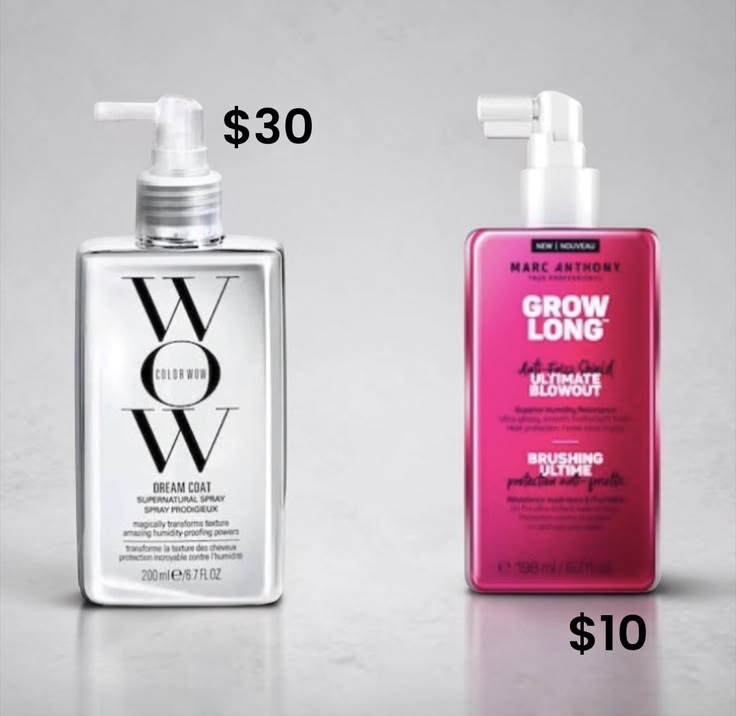
Higher prices feel like an easy shortcut to quality, since paying significantly more naturally suggests the brand invested heavily in making a genuinely better, more effective product.
Marketing reinforces this assumption constantly and consistently, with premium packaging, celebrity endorsements, and elegant boutique branding all signaling luxury regardless of what the underlying formula actually contains.
Parents also genuinely want the very best possible outcome for their kids, which makes an expensive option feel like the safer, more responsible, and more caring choice to make.
Once you understand what is actually driving the price tag, this assumption becomes much easier to question.
Social media adds yet another layer to this pattern, since beautifully packaged, expensive products photograph exceptionally well and get shared often online, which further reinforces the idea that they must somehow be superior.
Seeing the exact same premium brands recommended repeatedly across different platforms online makes them feel like the obvious, trustworthy default choice, even when the actual underlying formulas are not necessarily any better at all.
The Real Reasons Price Doesn’t Equal Quality
Expensive hair products aren’t better because price reflects a lot of factors that have nothing to do with how well a product actually performs on your child’s hair.
Packaging, marketing, and brand positioning all add cost without necessarily adding effectiveness.
Meanwhile, many affordable products use the same core ingredients found in far pricier alternatives, sometimes manufactured in the very same facilities.
The sections below break down exactly where that price difference tends to come from, one factor at a time.
Marketing and Packaging Costs
A significant portion of what you pay for a premium product goes toward advertising campaigns, influencer partnerships, and elegant packaging design rather than the actual formula itself, which is exactly why expensive hair products aren’t better just because the box looks impressive.
Why Your Child’s Hairstyles Never Last Until the End of the Day has nothing to do with which brand you bought, since packaging cannot influence how a style holds up throughout the day.
A heavy glass jar, embossed lettering, and elaborate gold foil packaging all add real, tangible cost to a product without adding a single meaningful benefit to the actual hair inside the bottle.
Many Products Share the Same Core Ingredients
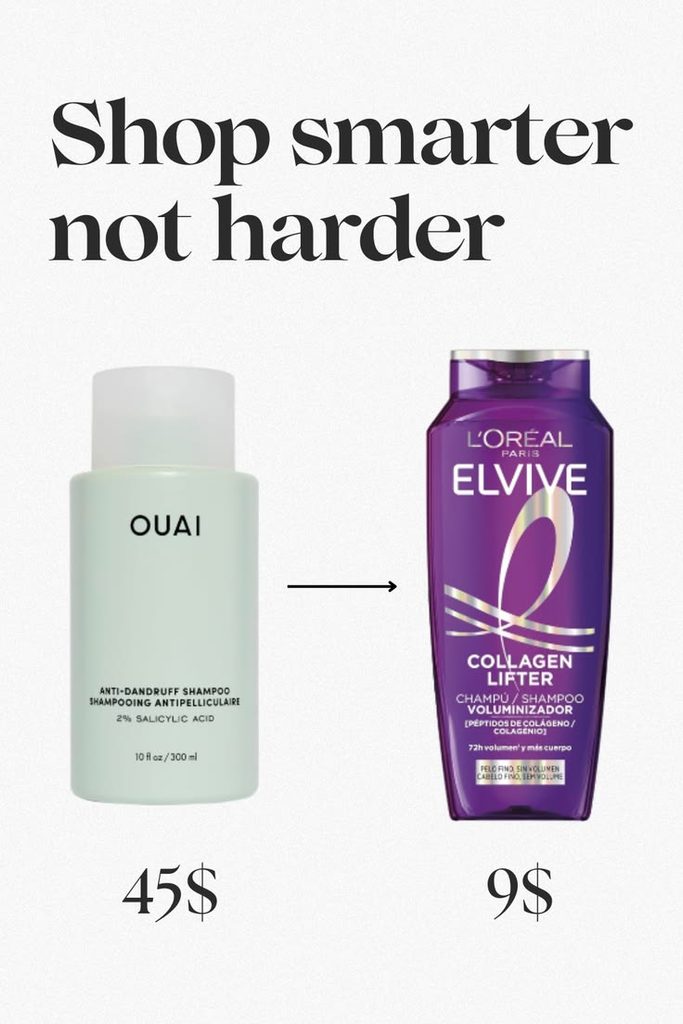
Look closely at ingredient lists across different price points, and you will very often find the exact same key moisturizing or cleansing agents appearing in both budget and premium formulas.
How to Keep Kids’ Scalp Healthy covers exactly which scalp-friendly ingredients to look for regardless of what the bottle costs.
The Best Hair Oils for Children’s Hair covers several affordable oils that perform just as well as pricier versions containing the same base ingredient.
Many manufacturers even produce both their budget and premium product lines using nearly identical base formulas behind the scenes, adjusting only the fragrance, coloring, and outer packaging between the two versions.

Price Does Not Guarantee the Right Fit for Your Child’s Hair
An expensive product formulated for a completely different hair texture or need will not outperform a cheaper product that is actually properly matched to what your child’s specific hair requires.
How to Identify Your Child’s Hair Type can help you figure out what your child’s hair genuinely needs before price even enters the decision.
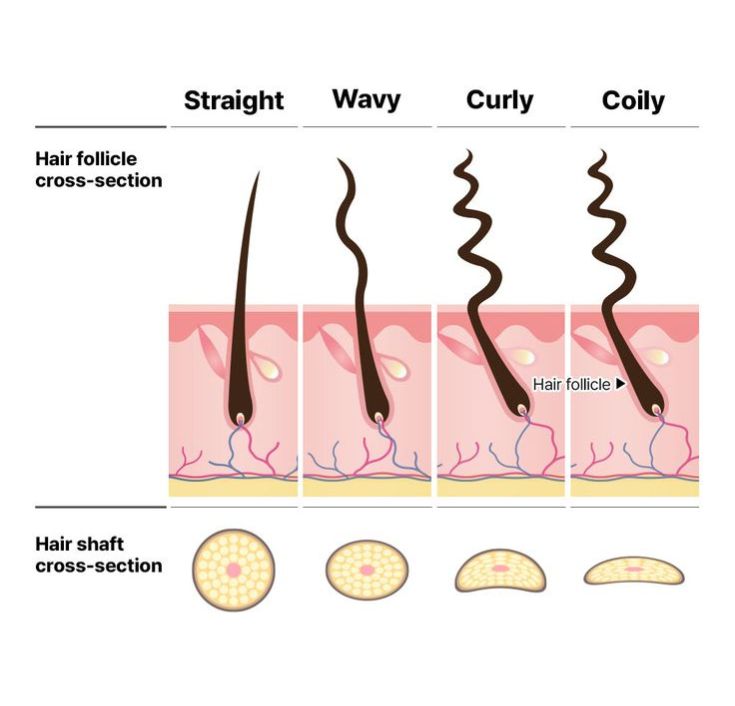
A premium product specifically built and formulated for fine, straight hair will not magically transform to work well on thick, coily strands, no matter how large or impressive the price tag attached to it happens to be.
More Expensive Does Not Mean More Effective Per Use
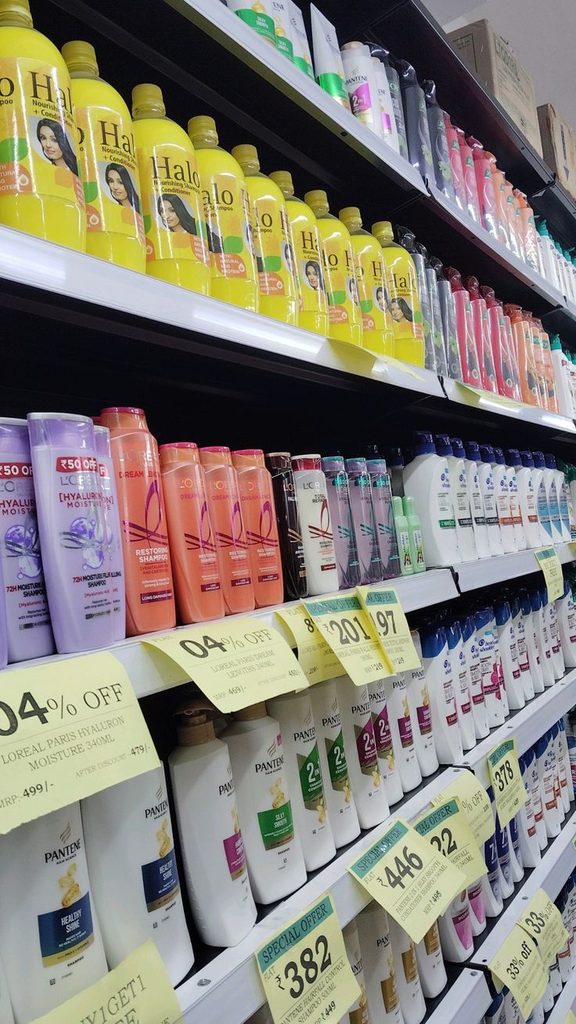
Some premium products require noticeably larger amounts per single application to work as advertised, which can make them significantly less cost-effective overall despite the higher price listed per bottle.
A cheaper product used correctly often delivers better results than an expensive one used sparingly to stretch the cost.
Checking the recommended amount per use before comparing prices gives a much more accurate picture of true value.
Brand Loyalty Can Cloud Judgment
Once a family commits to a specific premium brand for long enough, it becomes surprisingly easy to justify repurchasing out of pure habit or loyalty rather than because the product is genuinely outperforming more affordable available alternatives.
Reassessing periodically, even with a brand you have trusted for years, keeps the ongoing choice grounded in real results rather than habit or sentiment alone.
Signs Your Child’s Hair Is Healthy can help you evaluate objectively if a long-trusted product is still actually earning its place in your routine.
A Real-World Comparison Worth Trying
Next time you go shopping, pick one expensive product and one much more affordable alternative that claims to do the exact same job, then compare their full ingredient lists side by side carefully before buying either one.
This simple exercise alone often reveals just how frequently expensive hair products aren’t better than their far more affordable budget counterparts.
Since the overlap in key active ingredients tends to be much larger than most people initially expect.

What Actually Matters When Choosing Products
Instead of relying purely on price as a mental shortcut, a few very concrete, checkable factors actually predict how well a given product will genuinely work.
Checking the full ingredient list carefully, matching the formula to your child’s specific hair needs, and always testing before committing all matter far, far more than the number printed on the price tag.
These habits take a little more effort upfront but save both money and frustration over time.
The steps below walk through exactly how to apply each one to your own shopping decisions.
Read the Ingredient List Closely
Look for the specific ingredients your child’s hair actually needs, such as added moisture, lightweight hold, or gentle cleansing.
Regardless of price point or how the brand markets the bottle.
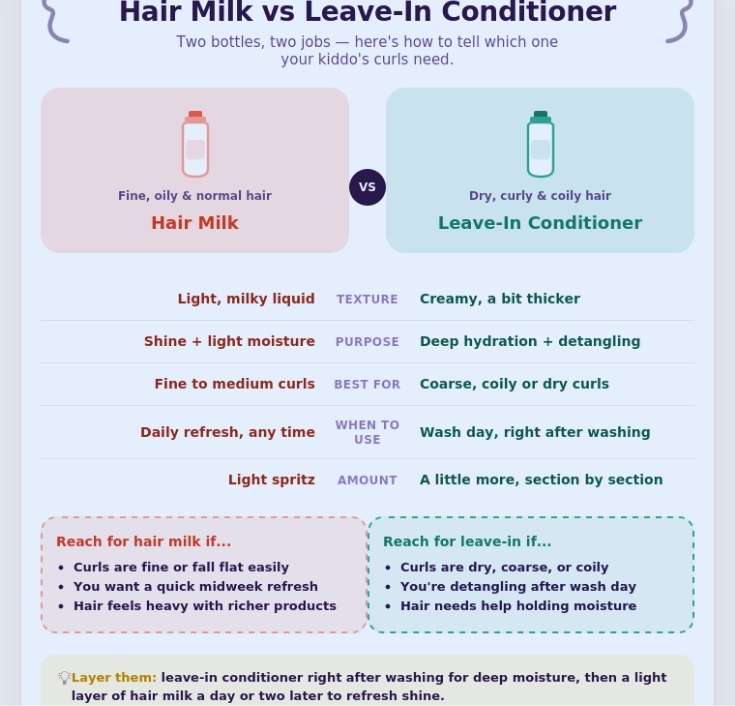
Leave-In Conditioner vs Hair Milk for Kids explains which ingredients genuinely support hydration, so you know exactly what to look for on any label.

Match the Product to Your Child’s Specific Needs
A product designed for fine, straight hair will not necessarily work well on thick, coily hair, no matter how much it costs.
The Different Kids Hair Textures Explained can help you narrow down which formulas are actually built for your child’s texture.
This single step alone often matters more than expensive hair products aren’t better arguments in general, since fit trumps price almost every time.
Test Before Committing to a Full-Size Bottle
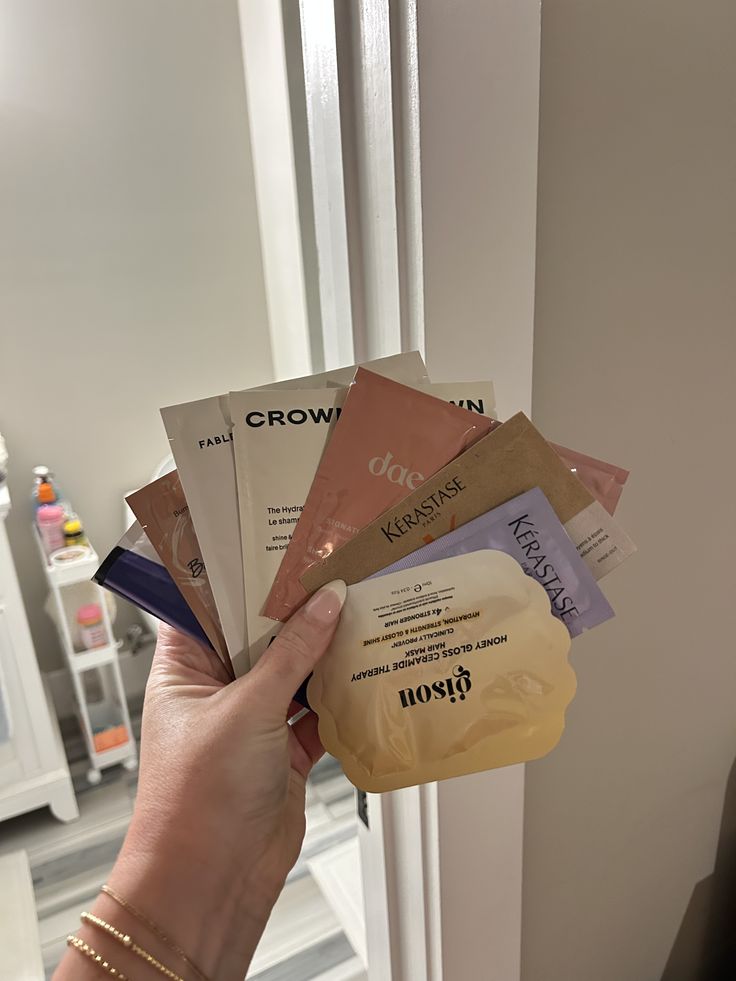
Many brands now offer travel-size or sample versions, which let you genuinely test how a product performs on your child’s specific hair before investing in the full-size bottle.
This approach works especially well for pricier products, since a poor fit costs far less to discover in a small size.
The Best Wash Day Routine for Kids can help you build a sample-testing step into your existing wash day schedule.
Compare Cost Per Use, Not Just Sticker Price
A cheaper product that requires far more frequent reapplication throughout the week might actually end up costing more over time than a slightly pricier one that lasts longer per use.
Doing quick math on cost per use gives a clearer picture than comparing sticker prices alone.
How Often Should You Wash Your Child’s Hair? can help you estimate how quickly a given product actually gets used up in your household.
Read Reviews From Parents With Similar Hair Types
Reviews from parents whose children have a similar hair texture tend to be more useful than generic star ratings.
Check whether the results they describe reflect genuine hair health, not just shine or scent.
That gives you a more reliable picture before trying a product yourself.

Watch for Repackaged or Rebranded Formulas
Some premium brands sell nearly identical formulas under several different product names at multiple price points within their own product lineup.
35 No-Heat Hairstyles for Kids is a good reminder that a smart technique, not a premium bottle, is often what actually makes the visible difference.
Comparing ingredient lists side by side across a single brand’s product range can reveal when you are paying extra purely for a fancier name or updated packaging.
Consider the Full Routine Cost, Not Just One Bottle
A single expensive product might seem reasonable on its own, but the real cost adds up once you factor in every step of a full routine.
Shampoo to leave-in to styling cream.
Evaluating the total cost of an entire routine, not just one bottle, gives a much clearer sense of how worthwhile the investment genuinely is.
Ask What Problem You Are Actually Trying to Solve
Before reaching for a premium product, get specific about the actual issue.
Is it dryness, frizz, tangling, or lack of hold?
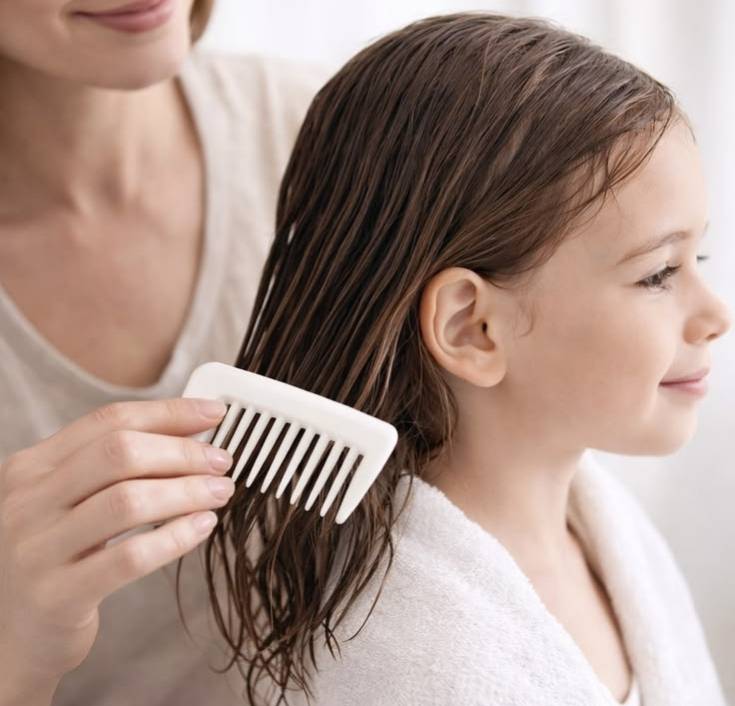
Wide-Tooth Comb vs Detangling Brush shows how the right tool, not an expensive product, sometimes solves it entirely.
Ask a Trusted Stylist or Community for Honest Input
Experienced stylists who work with a wide variety of hair textures daily often have candid opinions on what actually performs.
They can tell the difference between products that work and products that just market themselves well.
Online communities built around your child’s specific hair type can offer similarly honest, unfiltered feedback.

Common Mistakes to Avoid
Assuming a higher price automatically means a safer, gentler, or more effective formula is a genuinely common mistake many well-meaning parents make.
Premium products can contain the exact same potentially irritating ingredients as cheaper ones, so checking the label matters regardless of cost.
The Hidden Mistake That Could Be Drying Out Your Child’s Hair is a good reminder that the real culprit behind a hair issue is often unrelated to price entirely.
This mistake is exactly why expensive hair products aren’t better on their own merit alone, without a closer look at what is actually sitting inside the bottle itself.
Sticking with an expensive product purely out of brand loyalty, even after noticing it is not working well, is another mistake worth avoiding.
Results should drive the decision, not how much the bottle costs or how long you have been buying it.
The Hidden Reason Your Child’s Hair Looks Dull covers how sticking with the wrong product, regardless of price, can quietly cause ongoing issues.
Assuming a cheap product must be low quality is a mistake in the other direction too.
15 Reasons Your Child’s Hair Keeps Breaking (and What to Do About It) covers causes of breakage that have nothing to do with product price, which is a good reminder that budget options can absolutely support healthy hair when chosen thoughtfully.
Dismissing a perfectly good affordable option without ever bothering to read its actual label means potentially missing out on genuinely effective, well-formulated, and thoughtfully made products.
Watch Out for Trendy Ingredient Marketing
Buzzwords like exotic oils, rare botanicals, ancient remedies, or proprietary blends often drive up price without improving results.
Well-studied, common ingredients frequently work just as well for less.
Why Your Child Hates Hair Time (and How to Change It) is a good reminder that a smoother experience rarely comes down to one trendy ingredient.
Frequently Asked Questions
Are drugstore hair products safe for kids?
Yes, many drugstore products are perfectly safe and genuinely effective for kids, as long as the ingredients actually suit your child’s specific hair needs and texture.
Checking the label matters more than the price point or where you purchased it.
Plenty of affordable options work just as well as premium alternatives, sometimes using nearly identical core ingredients.
How do I know if an expensive product is actually worth the cost?
Look at the ingredient list and compare it to more affordable alternatives with similar key ingredients.
If the formulas are nearly identical, the extra cost is likely going toward packaging and marketing rather than actual performance.
Testing a sample size before committing to the full-size bottle also helps confirm if the results genuinely justify the higher price.
Why do some premium products still feel worth it?
Some premium products genuinely offer better formulations or targeted benefits that justify the higher cost for certain hair needs.
The key is evaluating each product case by case, not assuming price always signals quality.
The Best Conditioners for Every Hair Type can help you spot which premium options genuinely stand out.
What should I prioritize over brand name when shopping?
Prioritize ingredients genuinely suited to your child’s specific hair type and needs, along with honest reviews from parents whose kids have similar hair textures.
These two factors matter far more than brand name and prove once again that expensive hair products aren’t better on reputation alone.
How to Build a Healthy Hair Routine for Kids can help you figure out exactly what your routine actually requires before you start comparing specific products side by side.
How Much Should I Expect to Spend on a Full Routine?
A complete, effective hair care routine can often be built for a modest monthly cost when you prioritize ingredients over branding.
Mapping out exactly which products a full routine actually requires, before shopping, helps you avoid paying for anything genuinely unnecessary.
Most families find that three or four well-chosen products cover everything a solid routine actually needs.

Final Thoughts
Expensive hair products aren’t better, and the price tag alone tells you very little about how well a product will actually work for your child’s hair.
Marketing, packaging, and brand positioning all drive up cost without necessarily improving performance in any measurable way.
Reading ingredient lists, matching products to your child’s specific hair type, and testing before committing to full-size bottles all matter far more than how much money you actually spend on any given bottle.
A thoughtfully chosen, well-matched budget product can easily outperform an expensive one that simply is not suited to your child’s specific hair type, proving once again that expensive hair products aren’t better without the right fit behind them.
How to Encourage Healthy Hair Growth in Kids is a great next read once you have a routine built on genuinely effective, well-matched products rather than price alone.
Next time you are standing in the aisle trying to decide, skip the assumption that pricier automatically means better.
Focus on what the ingredients actually do and how well they match what your child’s hair genuinely needs, and let the results speak for themselves.
2 Comments