
How Humidity Affects Kids Hair
Disclosure: Some of the links in this post are affiliate links. This means if you click on the link and purchase an item, I will receive an affiliate commission at no extra cost to you.
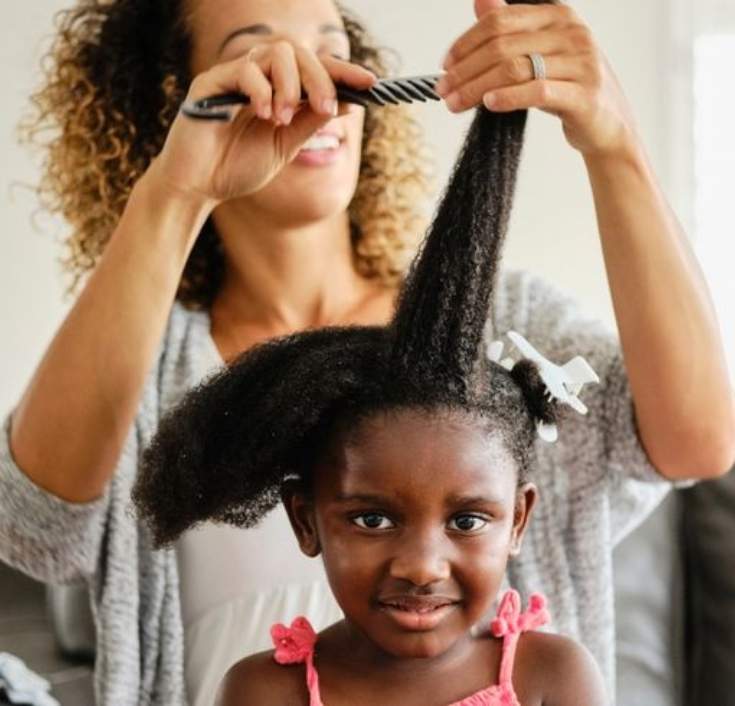
Some mornings a style holds perfectly, and by afternoon it looks like a completely different hairstyle. Humidity is usually the reason behind that change, even on days that do not feel especially muggy outside.
Understanding how humidity affects kids hair helps explain the frizz, shrinkage, and unpredictable curls that seem to show up out of nowhere.
Hair strands react to moisture in the air no matter the season. On humid days, curls and coils often swell and pull tighter, while straighter hair can turn flat or frizzy within hours.
Knowing what is happening beneath the surface makes it much easier to choose the right The Best Wash Day Routine for Kids for the weather your child actually faces that day.
Humidity affects every hair type a little differently, which is why one child’s hair might thrive on a muggy afternoon while another child’s hair struggles the moment they step outside.
Learning to read these small daily changes can turn into one of those quiet, treasured childhood memories built around hair time together.
A quick read through How to Identify Your Child’s Hair Type helps you understand exactly why your child’s hair reacts the way it does.
This guide breaks down the science behind humidity, how it affects different textures, and practical steps that keep hair looking its best no matter what the weather has planned.
What Happens to Hair in High Humidity
Hair strands are naturally porous, meaning they absorb moisture from the surrounding air.
In humid conditions, extra water molecules work their way into the hair shaft and cause it to swell slightly.
This swelling is what leads to frizz, since the outer cuticle layer lifts and scatters light unevenly instead of lying smooth.
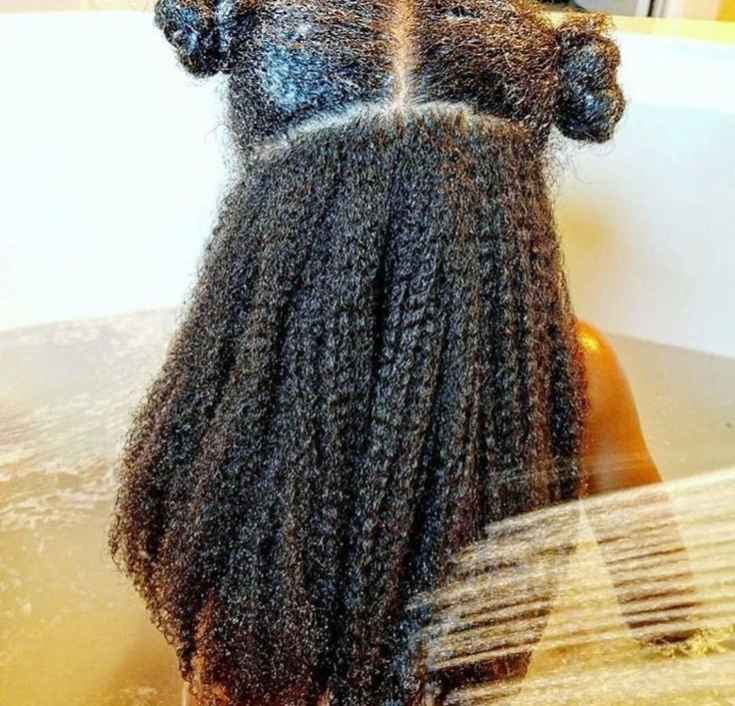
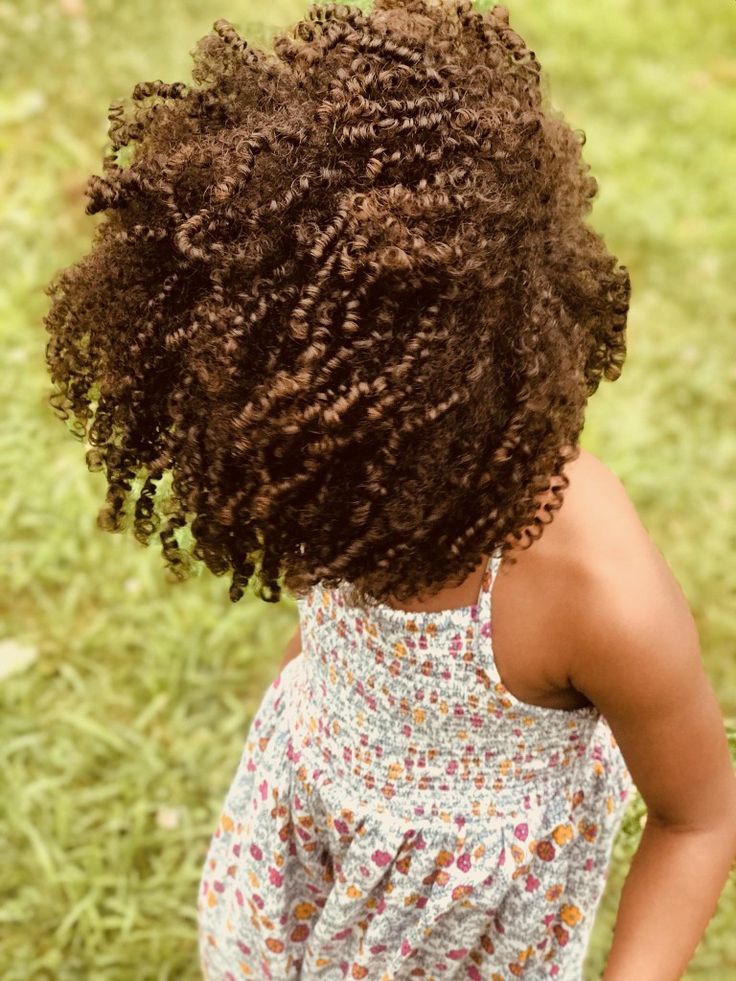
For curly and coily hair, this same swelling often causes shrinkage.
Each curl pulls tighter as it absorbs moisture, making hair appear shorter than it actually is.
This is a normal, harmless reaction, though it can look dramatic compared to how the same hair appears on a dry day.
Low porosity hair tends to resist humidity a bit longer, since the tightly closed cuticle makes it harder for moisture to get in quickly.
High porosity hair reacts almost immediately, absorbing humidity fast and losing a set style within minutes of stepping outside.
Knowing your child’s porosity level helps set realistic expectations for how long a style will actually last.
How Humidity Affects Different Hair Textures
Every hair texture responds to humidity in its own way, and understanding these differences helps you plan styles that actually hold up.
The two sections below cover how curlier and straighter textures each react.
Both extremes deal with the same root cause, just in opposite directions.
Matching your approach to your child’s specific texture makes humidity far easier to manage.
Curly and Coily Hair in Humidity
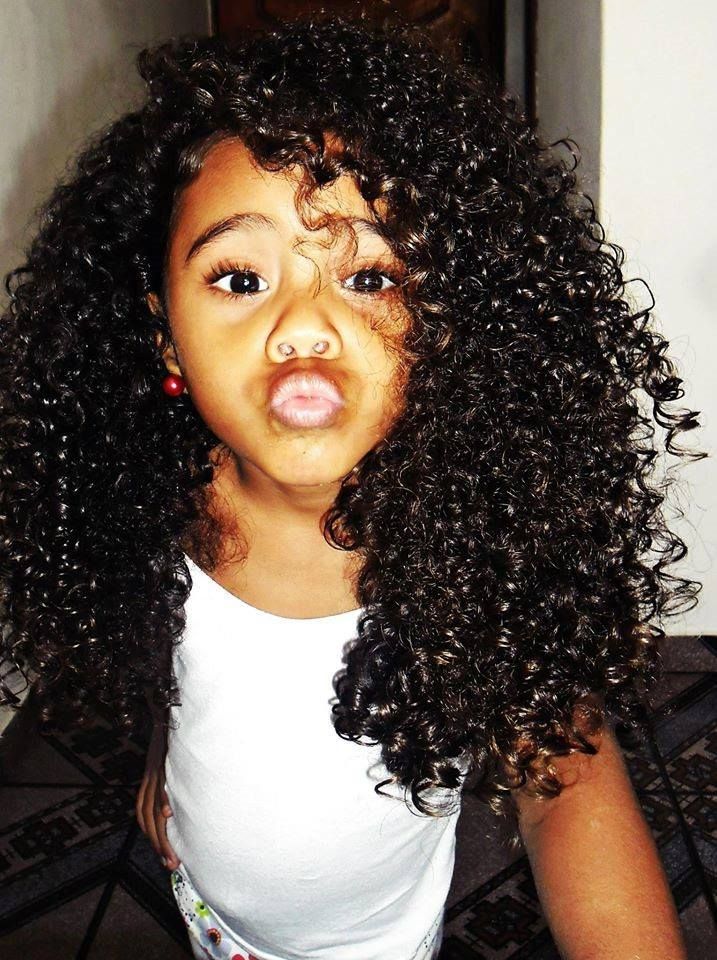
Curly and coily hair typically becomes more defined in moderate humidity, since a little extra moisture actually helps curls form and hold their shape.
Too much humidity, though, pushes past that sweet spot and leads to frizz, shrinkage, and curls that clump together unevenly.
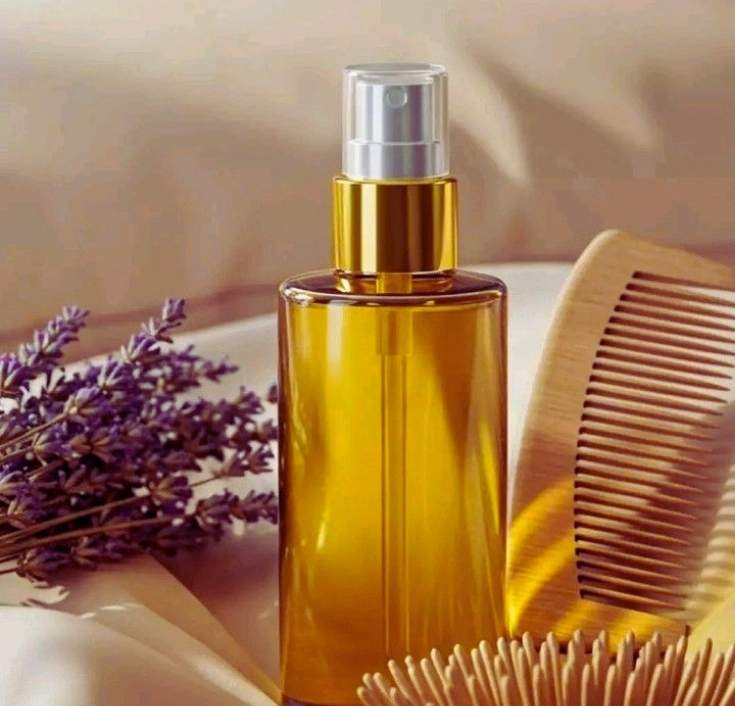
The Best Hair Oils for Children’s Hair can help seal in a healthy amount of moisture without letting too much extra humidity in.
A light gel or cream applied on damp hair often helps curls hold their pattern even as humidity rises throughout the day.
Straight and Wavy Hair in Humidity
Straight and wavy hair generally holds a smooth style well in normal humidity, staying flat and settled without much extra effort.
Too much humidity pushes past that balance and often turns hair flat, limp, or unexpectedly frizzy instead.
Extra moisture in the air can disrupt a smooth style fast, especially around the hairline and part.
Lightweight anti-humidity products work well for these textures, since heavier creams and oils can weigh hair down without solving the frizz problem.
A quick touch up with a small amount of leave-in product usually restores a style better than starting over completely.
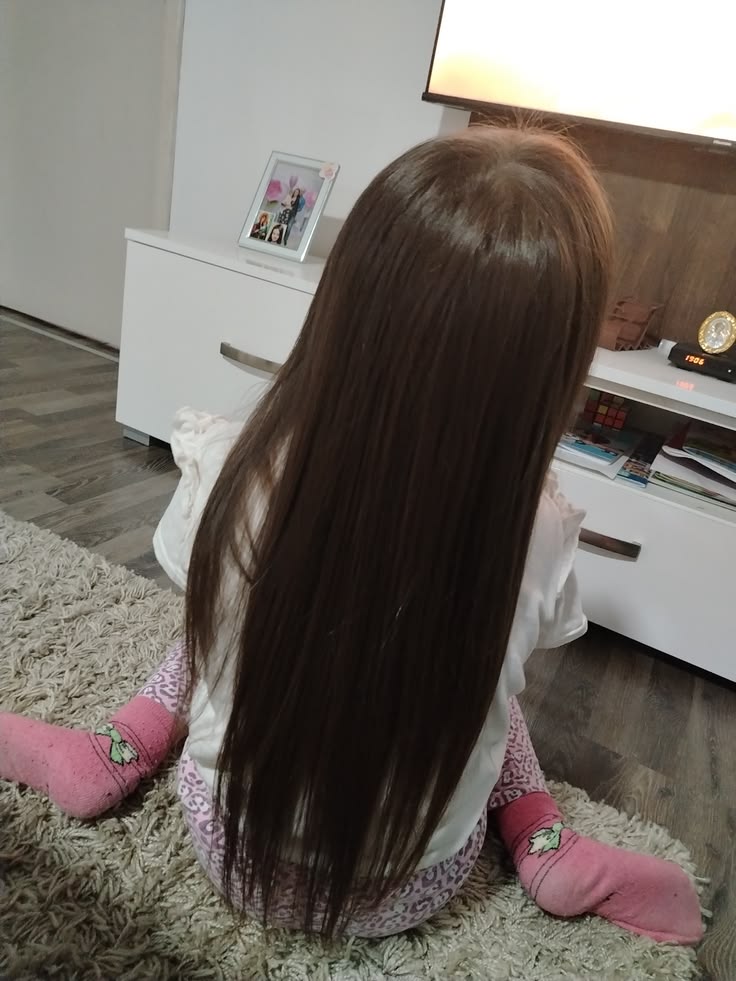
Signs Your Child’s Hair Is Reacting to Humidity
Frizz around the hairline is often the first visible sign of humidity at work.
Fine, baby hairs are usually the most porous strands on the head, so they tend to react to moisture in the air before the rest of the hair does.
Sudden shrinkage is another common sign, especially for curly and coily textures.
A style that looked long and stretched in the morning can appear noticeably shorter by afternoon, purely because of how much moisture the curls absorbed throughout the day.
Increased tangling can also point to humidity, since swollen strands catch on each other more easily than smooth, dry hair does.
Signs Your Child’s Hair Is Healthy is worth a read if tangling seems excessive, since it helps rule out other causes beyond humidity alone.
A style unraveling faster than expected, particularly braids or twists near the roots, often comes down to humidity working against the hold of the style.
This is common and does not usually mean anything went wrong with how the style was installed.
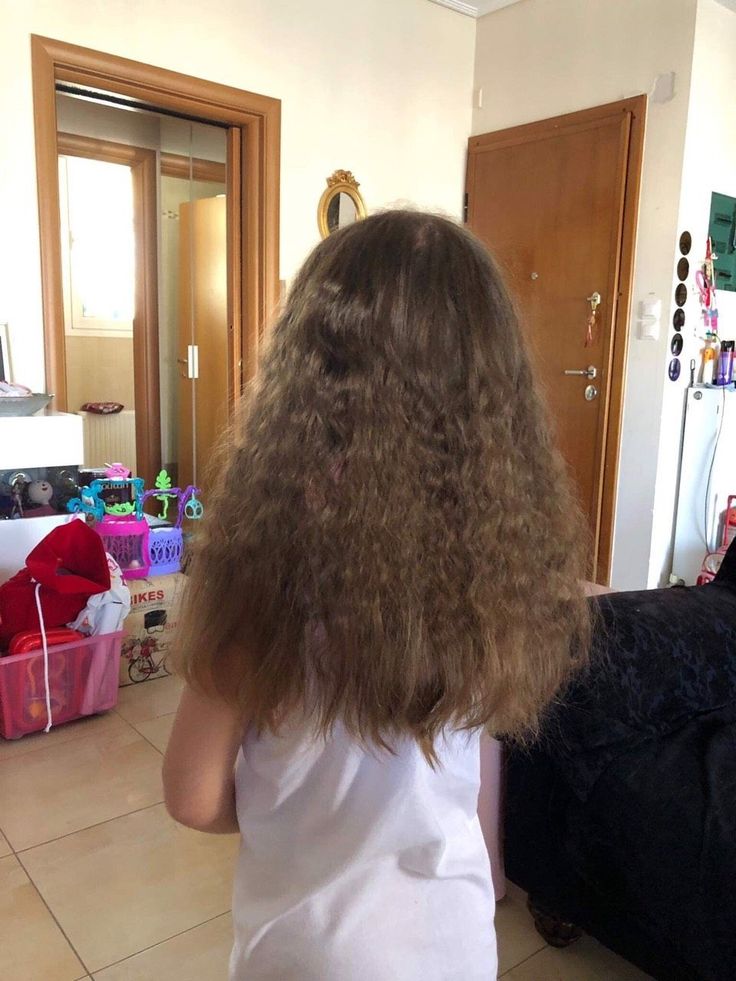
Best Products to Manage Humidity
A lightweight leave-in conditioner is one of the most useful tools for managing humidity.
Leave-In Conditioner vs Hair Milk for Kids compares two popular options so you can pick the one suited to your child’s texture and how their hair typically reacts to moisture in the air.
Anti-humidity sprays and creams create a light barrier that slows down how quickly outside moisture affects the hair.
These products work best applied to damp hair right after washing, before the natural drying process locks a style into place.
A good sealing oil helps hold moisture in on curly and coily textures specifically.
The Best Conditioners for Every Hair Type covers rich options that pair well with a light oil for extra protection on especially humid days.
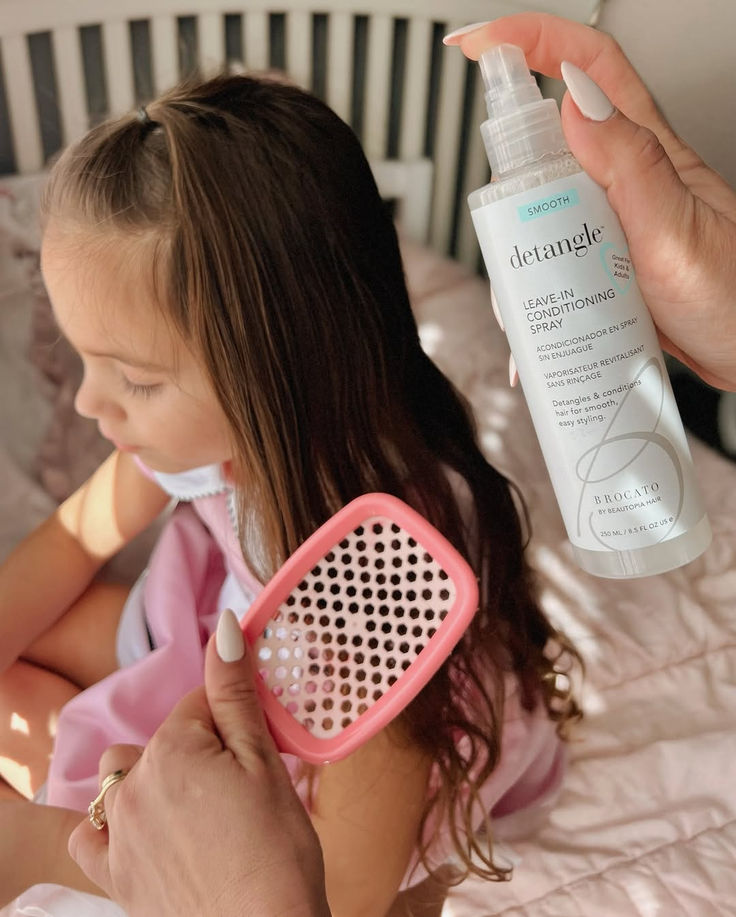
A gentle detangling spray also earns a spot in a humidity-focused routine.
The Best Detangling Sprays for Kids lists options that add slip without weighing curls down, useful for the extra tangling humid weather often brings.
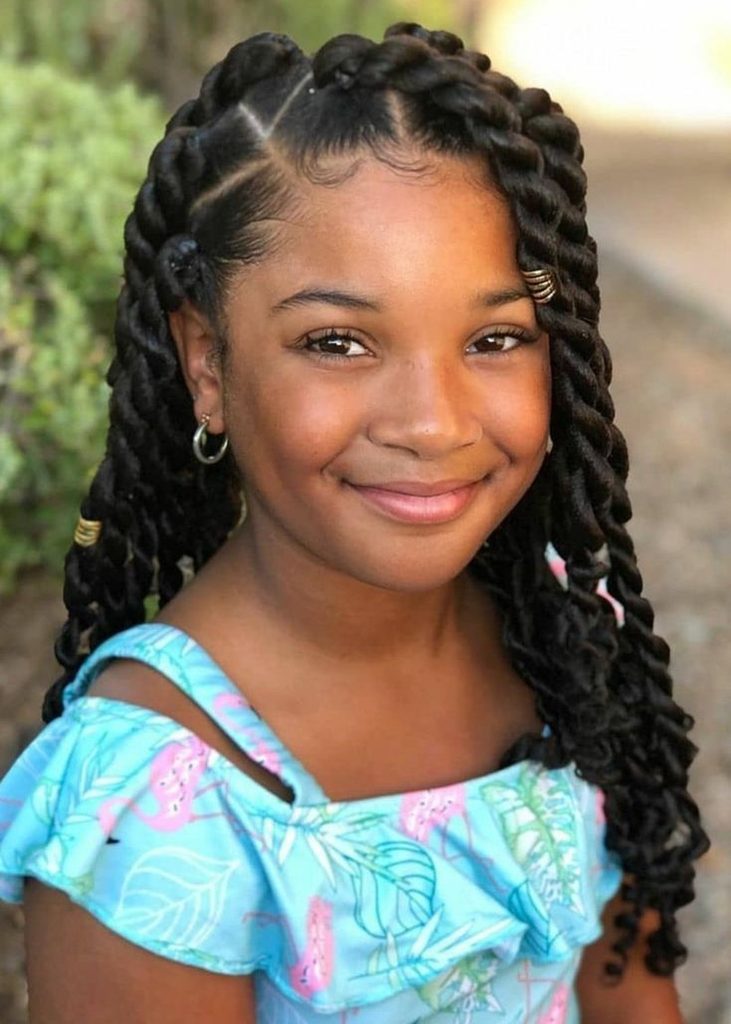
Protective Styles That Help With Humidity
Protective styles reduce how much hair is exposed to humidity throughout the day, which often means styles last longer with less daily upkeep.
Braided and twisted styles in particular hold up well against sudden changes in moisture.
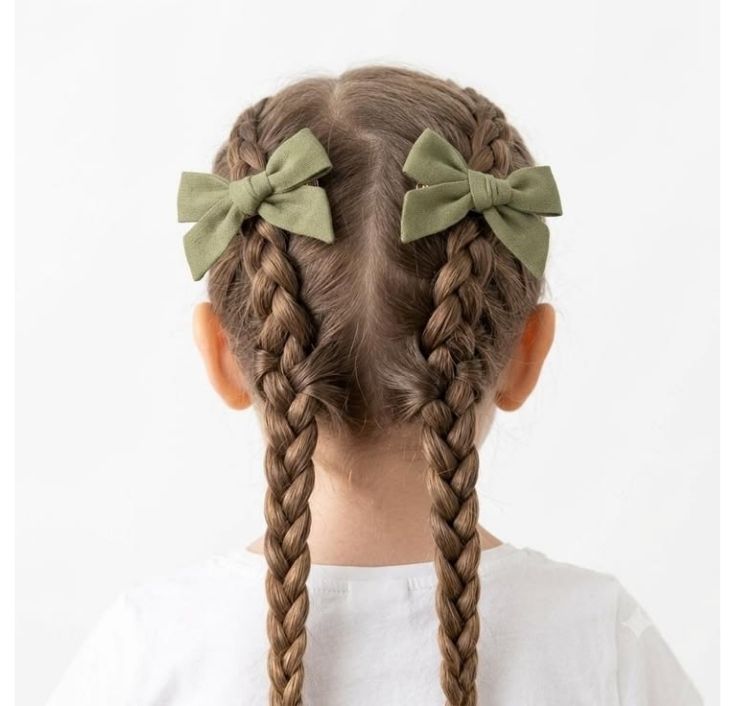
31 Best Braided Hairstyles for Kids offers plenty of options that resist humidity better than loose, unstyled hair. Knotless braids are a gentle choice too.
21 Cute Knotless Braids for Kids shows styles comfortable enough for all-day wear regardless of the weather outside.
For especially humid climates or seasons, 17 Protective Hairstyles for Active Kids covers sturdier options built to handle sweat and moisture together.
Braids and protective styles remain a reliable choice as well, and Box Braids for Kids: Everything Parents Should Know covers sizing, installation, and care between wash days.
Whatever style you choose, remember that The Biggest Mistake Parents Make With Protective Styles is leaving it in too long.
The usual four to six week guideline still applies, no matter how well a style happens to be holding up against humidity.
Common Mistakes When Dealing With Humidity
Overloading hair with heavy products is a common misstep once frizz starts to show up.
Piling on more oil or cream rarely solves humidity-related frizz and can leave hair looking greasy instead of defined.
Skipping moisture altogether is just as much of a mistake.
How to Moisturize Kids Hair Properly explains why well-hydrated hair actually resists humidity better than dry hair does, since dry strands absorb outside moisture even faster.
Using the wrong detangling tool adds unnecessary stress to hair that is already swollen from humidity.
Wide-Tooth Comb vs Detangling Brush breaks down which option causes the least damage on humid, more tangle-prone days.
Ignoring scalp care during humid stretches is another frequent oversight.
The Best Scalp Care Routine for Children explains how to keep the scalp balanced even as humidity levels shift throughout the week.
Choosing the wrong shampoo can also work against you in humid weather.
How to Choose the Right Shampoo for Kids covers ingredients that cleanse without stripping the moisture balance hair needs to handle humidity well.
Low Humidity Versus High Humidity Care
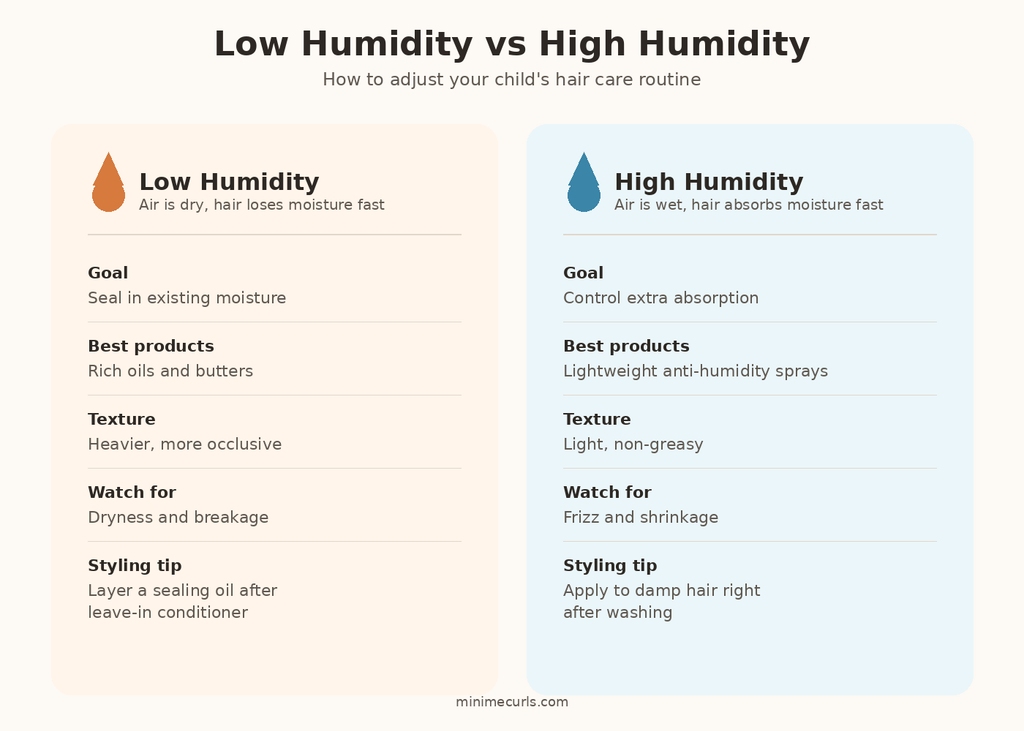
Hair care needs shift significantly depending on the air’s moisture level, and knowing the difference helps you adjust products before problems start.
Low humidity tends to dry hair out, while high humidity adds too much moisture too fast.
Both extremes call for different strategies, even though the end goal of healthy, balanced hair stays the same. The next two points break down what changes between these two conditions.
In low humidity, richer oils and butters help seal in whatever moisture hair already has.
The Different Kids Hair Textures Explained covers how texture affects the exact balance of products needed as conditions shift from dry to humid throughout the year.
In high humidity, lighter products and anti-frizz sprays work better than heavy sealants.
The goal shifts from locking moisture in to controlling how much extra moisture gets absorbed from the surrounding air.
Climate and Regional Differences
Where a family lives plays a big role in how often humidity becomes a daily hair care concern.
Coastal areas and tropical climates deal with high humidity for much of the year, while dry, inland regions rarely face this issue at all.
Knowing your local climate patterns helps set realistic expectations for daily styling.
Families who travel between climates often notice how humidity affects kids hair most clearly, since the same hair can behave completely differently within a single trip.
A style that holds perfectly at home might frizz out within an hour after landing somewhere more humid, and the reverse can happen just as easily.
Seasonal humidity shifts matter too, even within the same region.
Summer months typically bring higher humidity in most climates, while winter air tends to be drier almost everywhere.
How Often Should You Wash Your Child’s Hair? offers guidance that may need small adjustments depending on which end of this spectrum your family is currently experiencing.
Diet and Hydration’s Role in Humidity Response
Healthy hair starts from the inside as much as the outside, and this holds true for managing humidity too.
Well-hydrated hair, supported by a body that gets enough water, tends to have a more balanced moisture level overall, which can make humidity’s effects feel less extreme.
Foods rich in healthy fats and vitamins support the kind of hair strength that resists damage from constant swelling and shrinking caused by humidity swings.
A body that is properly nourished generally produces healthier oils at the scalp, which help protect hair from the outside in.
While diet will not stop humidity from affecting hair entirely, it does support every other step of a solid routine.
Pairing good nutrition with the right products gives hair the best possible chance of handling whatever the weather brings.

Traveling Between Different Humidity Levels
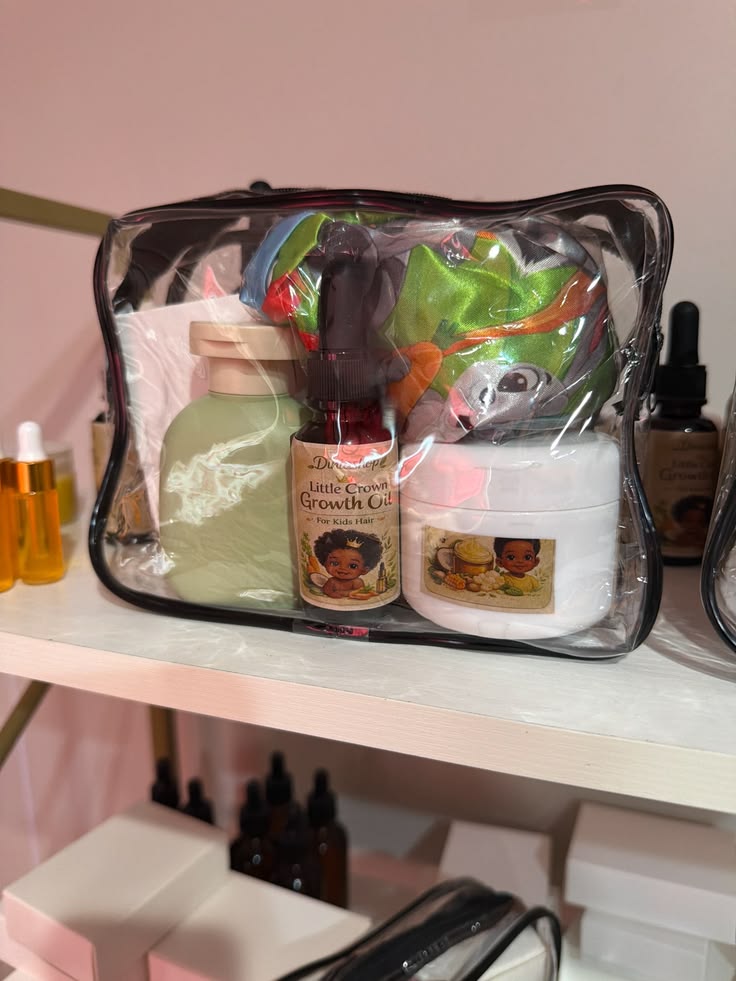
Family trips often mean moving between very different humidity levels within a short amount of time, and packing the right products makes a real difference.
A travel kit with both a lightweight leave-in and a richer sealing option covers most situations, no matter if the destination turns out to be humid or dry.
Planning a protective style before travel can help minimize how much hair reacts to a new climate.
A secure braided style is worth considering before a trip to a much more humid destination than home, since it holds up far better than loose hair during sudden climate changes.
Packing a satin bonnet or scarf is especially useful while traveling, since hotel pillowcases rarely offer the same protection as one from home.
This small step helps preserve a style regardless of how humid or dry the new location turns out to be.
Choosing Accessories for Humid Weather
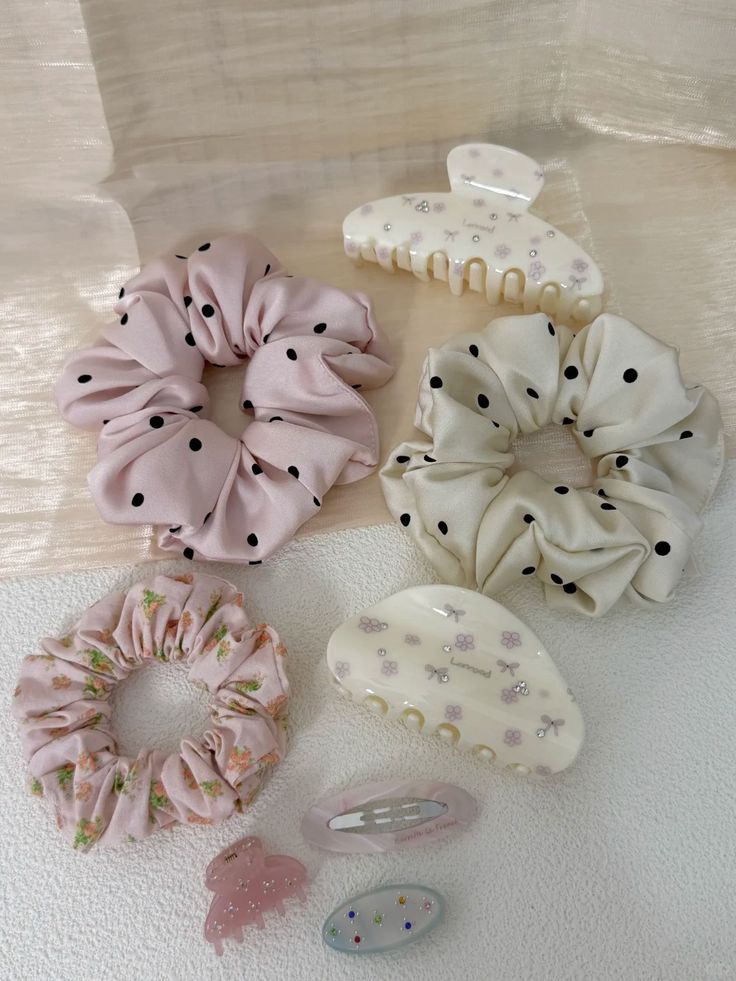
Certain hair accessories hold up better than others once humidity becomes a factor.
Metal clips and tight elastic bands can trap moisture against the scalp, which sometimes leads to more irritation on already swollen, humidity-affected hair.
The Best Hair Accessories for Kids covers gentler options that work well even as humidity levels shift throughout the day.
Fabric-covered ties like scrunchies and looser clips tend to hold up better without adding extra strain to hair that is already reacting to the weather.
Choosing breathable accessories also helps prevent the kind of buildup that heavier metal pieces sometimes cause in humid conditions.
A small swap in materials can make daily styling noticeably more comfortable during the most humid stretches of the year.
Nighttime Routine for Humid Weather
Protecting hair overnight matters just as much during humid stretches as it does any other time of year.
Hair left uncovered overnight is exposed to whatever humidity level the bedroom happens to hold.
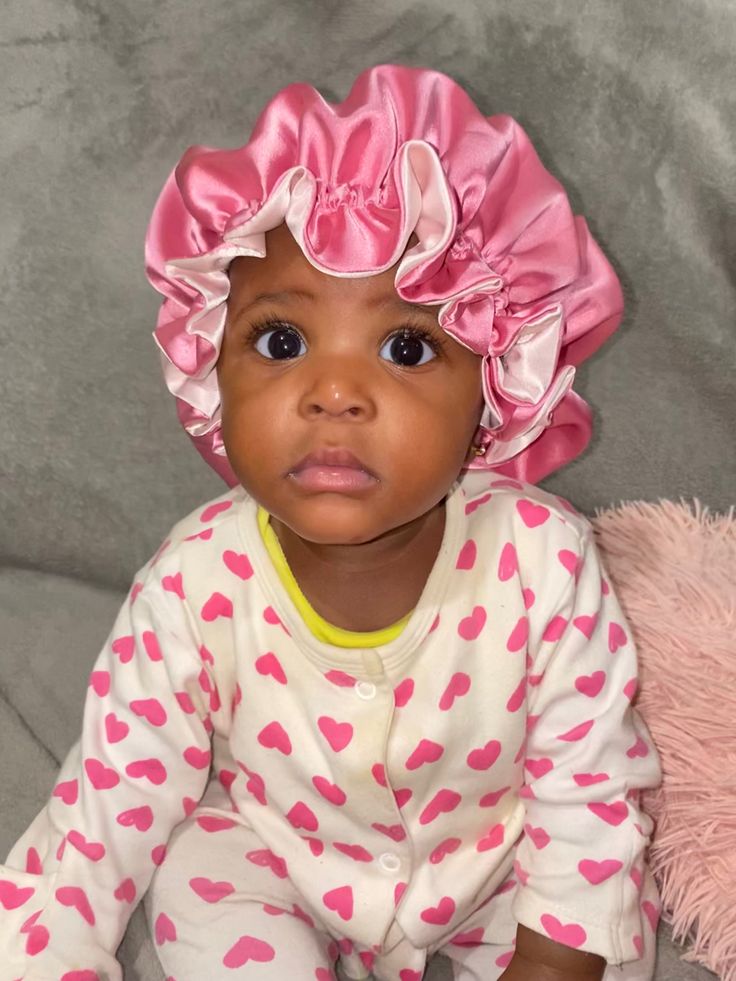
A satin bonnet or pillowcase helps preserve a style overnight, regardless of the season.
Satin Bonnets for Kids: Do They Help? covers why this small habit protects against both friction and humidity at the same time.
Loosely braiding or twisting hair before bed also helps manage humidity’s effects on a set style.
A style protected overnight tends to hold its shape noticeably longer than one left completely loose.
When to Talk to a Professional
Most humidity-related hair changes are completely normal and nothing to worry about.
Frizz, shrinkage, and a style that does not last as long as hoped are simply part of how hair responds to moisture in the air.
If hair seems unusually dry, brittle, or prone to breakage regardless of humidity levels, it may be worth looking into other causes.
The Hidden Reason Your Child’s Hair Looks Dull covers buildup as one possibility worth ruling out before assuming humidity is the only factor at play.
A stylist familiar with natural hair textures can also offer guidance specific to your child’s exact curl pattern and porosity level.
Sometimes a small adjustment to products or technique makes a bigger difference than expected once you understand how humidity affects kids hair in your child’s particular case.
Frequently Asked Questions
Why does humidity make curly hair frizzy?
Humidity causes the hair cuticle to swell and lift slightly, which scatters light unevenly across the strand.
This uneven surface is what shows up as frizz.
Well-moisturized hair generally resists this effect better than dry hair does.
Does humidity really cause hair shrinkage?
Yes, curls absorb extra moisture from humid air and pull tighter as a result.
This is a normal reaction and not a sign of damage.
Stretching techniques or protective styles can help manage shrinkage when needed.
What products work best in high humidity?
Lightweight leave-in conditioners and anti-humidity sprays tend to work best in high humidity.
Heavy oils and butters can sometimes make frizz worse rather than better.
Testing a few options helps identify what suits your child’s specific hair type.
Can protective styles help with humidity?
Yes, protective styles reduce how much loose hair is exposed to humid air throughout the day.
Braids and twists generally hold up better than an unstyled look.
They also cut down on daily manipulation, which helps overall hair health too.
Does humidity affect all hair types the same way?
No, different textures react differently to humidity.
Curly and coily hair often shrinks and frizzes, while straight hair can go flat or frizzy in its own way.
Porosity also plays a role in how quickly any hair type reacts.
Is there a way to prevent humidity frizz completely?
Complete prevention is difficult, since humidity is simply part of the weather.
A consistent moisturizing routine and the right styling products can minimize frizz significantly.
Protective styles also offer a reliable option on especially humid days.

Final Thoughts
Understanding how humidity affects kids hair takes a lot of the guesswork out of frustrating hair days.
Once you know why frizz, shrinkage, or a flattened style is happening, it becomes much easier to plan around it instead of feeling caught off guard.
The right products and a few protective styles go a long way toward keeping hair manageable no matter what the weather brings.
With a solid grasp of how humidity affects kids hair, those sudden midday changes stop feeling like a mystery and start feeling like something you already know how to handle, season after season.