
How to Encourage Healthy Hair Growth in Kids
Disclosure: Some of the links in this post are affiliate links. This means if you click on the link and purchase an item, I will receive an affiliate commission at no extra cost to you.
Every parent wants to see their child’s hair grow long, thick, and healthy. It is easy to feel like you are doing something wrong when growth feels slow.
The truth is that healthy hair growth in kids depends on a mix of genetics, gentle care, and patience. It is not about any single miracle product. Once you understand what actually helps, the whole process feels a lot less mysterious.
Supporting healthy hair growth in kids really comes down to protecting the hair that is already there. At the same time, the scalp needs the right care to keep producing more.
Growth itself happens under the scalp, out of sight. What you can control is mostly about preventing breakage and supporting overall health.
Small, consistent habits tend to matter far more than expensive treatments or dramatic changes.
Watching hair slowly get longer and thicker over the months is a quiet, satisfying part of raising a child.
It is easy to miss the progress day to day. Looking back at old photos often reveals just how much has changed. How to build a healthy hair routine for kids pairs well with this list for the bigger daily-care picture.
Settle in for a few minutes. We are covering nutrition, gentle handling, scalp care, and the mistakes that quietly slow growth down.
If breakage has been a recurring issue, 15 reasons your child’s hair keeps breaking (and what to do about it) is worth reading too.
Understanding How Kids’ Hair Actually Grows
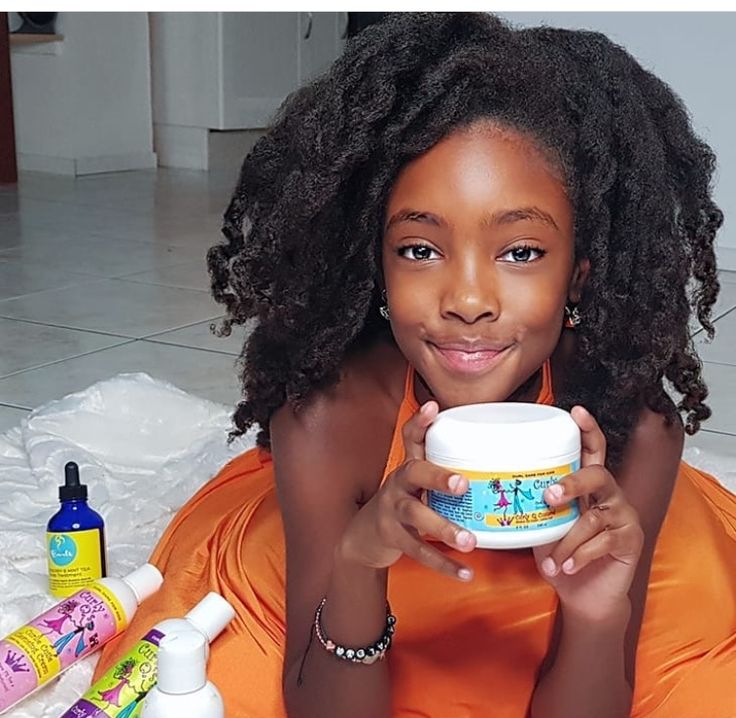
Hair grows from follicles under the scalp, and each strand goes through cycles of growth, rest, and shedding.
At any given time, most follicles are actively growing, while a smaller portion are resting or preparing to shed.
This cycle is completely normal and happens continuously throughout childhood.
Genetics plays the single biggest role in how fast hair grows and how thick it eventually becomes.
The different kids hair textures explained covers how genetics also shapes texture. That texture affects how hair behaves and how it should be cared for.
Nothing you do can override genetics entirely. Gentle care can help hair reach its full potential rather than being cut short by breakage.
Nutrition That Supports Hair Growth
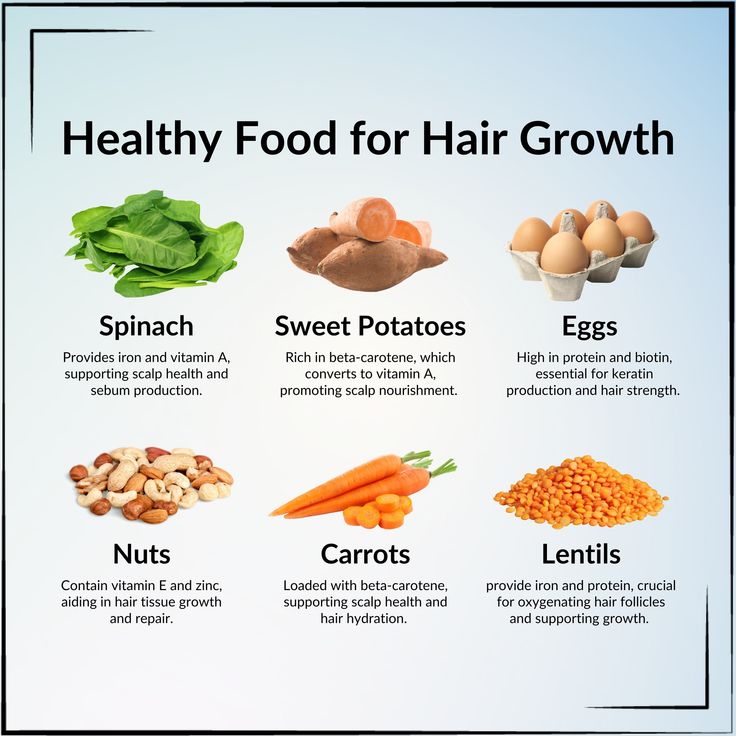
Hair is made mostly of protein, so a diet with enough protein plays a real role in supporting healthy growth.
Lean meats, eggs, beans, and dairy all provide the building blocks hair needs to grow strong.
Kids who eat a varied diet typically get enough protein without any special supplementation.
Iron and zinc also support healthy hair growth. Deficiencies in either can sometimes show up as thinning or slower growth.
Leafy greens, beans, and fortified cereals are good sources worth including regularly.
Baby hair care routine for new parents touches on nutrition basics for a younger child just starting solids.
Healthy fats, like those found in fish, avocado, and nuts, support scalp health and hair shine. Vitamin C helps the body absorb iron more efficiently.
Pairing iron-rich foods with a source of vitamin C can help. None of this requires a complicated meal plan, just a reasonably varied diet most families already lean toward.
Picky eating is common at this age, and it does not mean a child is missing out entirely on nutrients that support hair growth.
Offering a variety of foods over time, rather than expecting a perfectly balanced plate every meal, tends to work better for most families.
A pediatrician can help assess if a supplement is worth considering if picky eating becomes a longer-term pattern.
Gentle Handling Protects Length
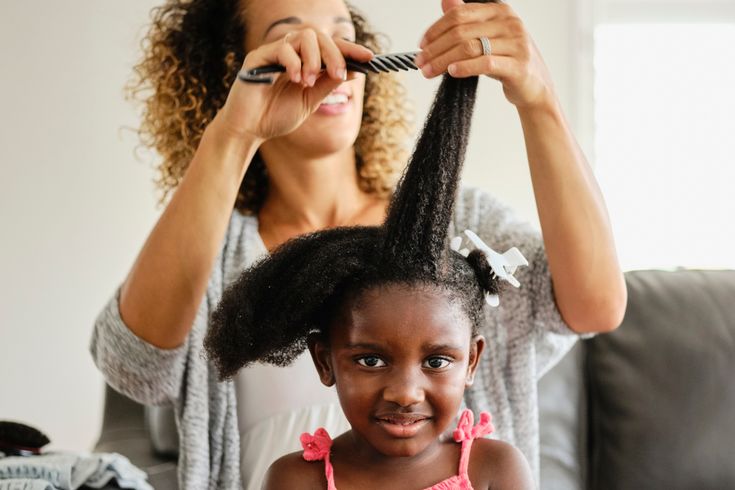
Breakage is often the biggest reason hair seems stuck at one length, even when growth itself is happening normally.
Reducing breakage protects the length already achieved, which matters just as much as encouraging new growth.
The everyday habit that could be damaging your child’s hair covers common handling mistakes worth avoiding.
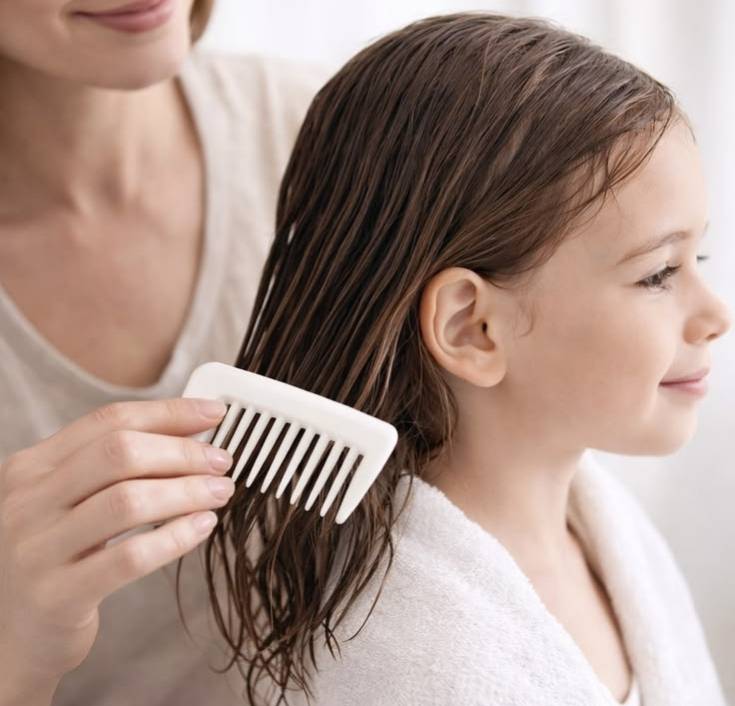
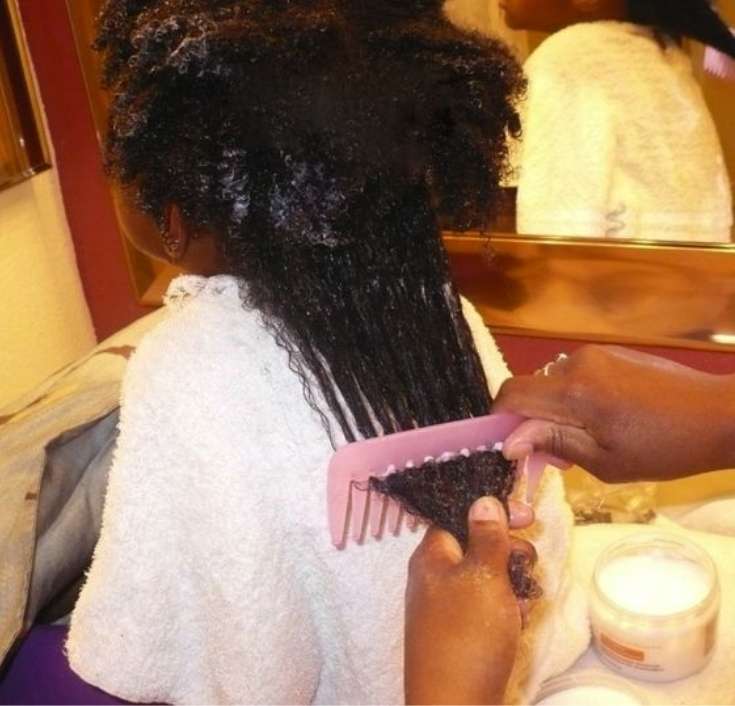
Brushing from the ends upward, rather than starting at the roots, reduces pulling and prevents unnecessary breakage.
The secret to tear-free detangling walks through this method in more detail for kids who resist hair care.
A wide-tooth comb also tends to cause less damage than a fine-tooth comb or a stiff brush.
Tight hairstyles worn too often or left in too long can also cause breakage along the hairline.
The biggest braiding mistake that can lead to hair loss explains how tension at the roots leads to thinning.
Giving hair a break between tight styles helps prevent this kind of damage from building up.
Rough towel drying is another common source of unnecessary breakage that many parents overlook.
Rubbing hair vigorously with a regular towel creates friction similar to what happens on a rough pillowcase overnight.
Gently squeezing water out, or switching to a soft microfiber towel, reduces this kind of daily wear and tear.
Keeping the Scalp Healthy
A healthy scalp supports steady hair growth, since hair grows directly from follicles in the skin.
How to keep kids’ scalp healthy goes deeper into building a scalp care habit into your child’s routine.
Flaking, redness, or excessive dryness are all signs the scalp needs a bit more attention.
Gentle scalp massage, using just fingertips, can help increase blood flow to the area during a bath or before bed.
This is not a guaranteed way to speed up growth, but it does feel soothing and supports overall scalp comfort.
The best scalp care routine for children covers a simple, repeatable approach worth trying.
Overwashing can strip natural oils that a healthy scalp relies on, so finding the right washing frequency matters.
How often should you wash your child’s hair? breaks this down further based on hair type and activity level.
Underwashing, on the other hand, can lead to buildup that clogs follicles and affects the scalp environment.
Signs of an unhealthy scalp include persistent itching, unusual redness, or flakes that do not improve with regular washing.
These signs are worth mentioning to a pediatrician or dermatologist if they persist beyond a few weeks.
Most scalp issues in kids are minor and resolve with a gentler routine, but it is worth ruling out anything more significant.
Moisture Prevents Breakage
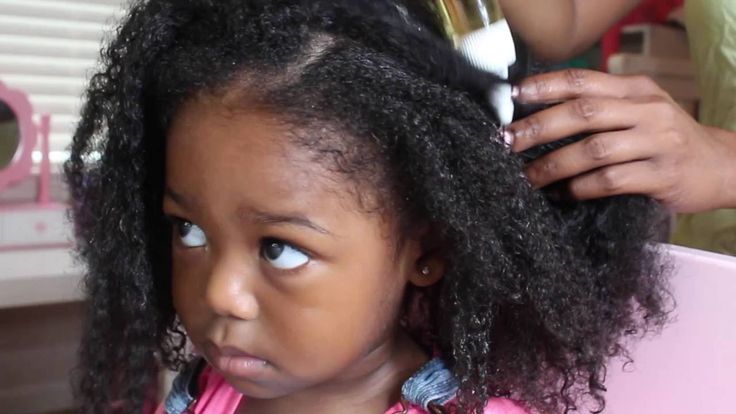
Dry hair is more prone to breaking, which directly slows down visible length retention over time.
How to moisturize kids hair properly walks through building a moisture routine that fits your child’s specific hair type.
Consistent moisture, rather than occasional deep treatments, tends to make the biggest difference.
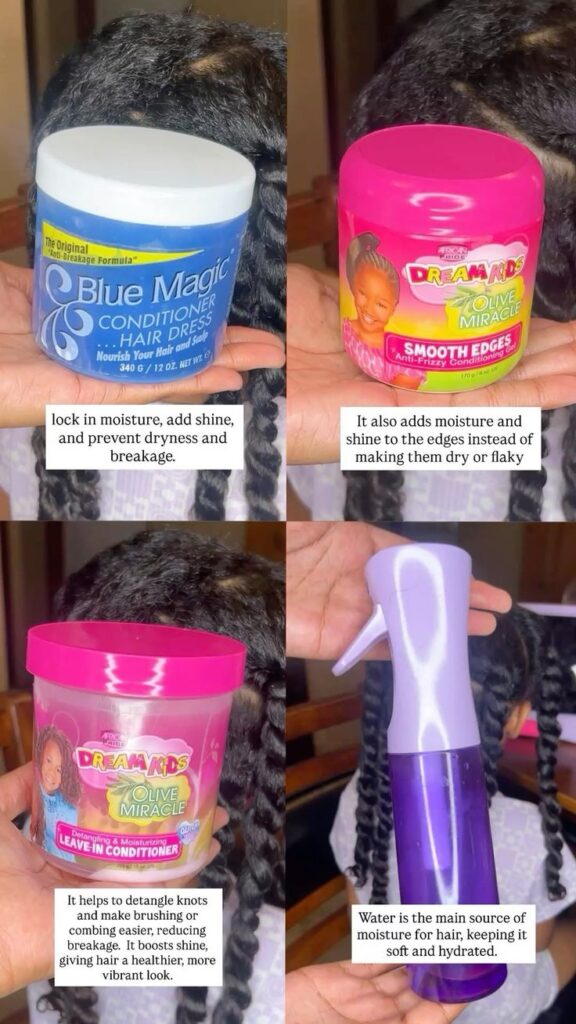
Sealing in moisture with a light oil after applying a leave-in product helps hair hold onto hydration longer.
The best hair oils for children’s hair covers a few gentle options suited to different hair types and needs.
Dry, brittle ends are often the first sign that a moisture routine needs adjusting.
Climate and season also affect how much moisture hair needs at any given time.
Dry winter air or frequent swimming during summer months can both pull moisture out of hair faster than usual.
Adjusting product amounts or washing frequency slightly during these periods helps keep hair from drying out unexpectedly.
Protective Styles Support Length Retention
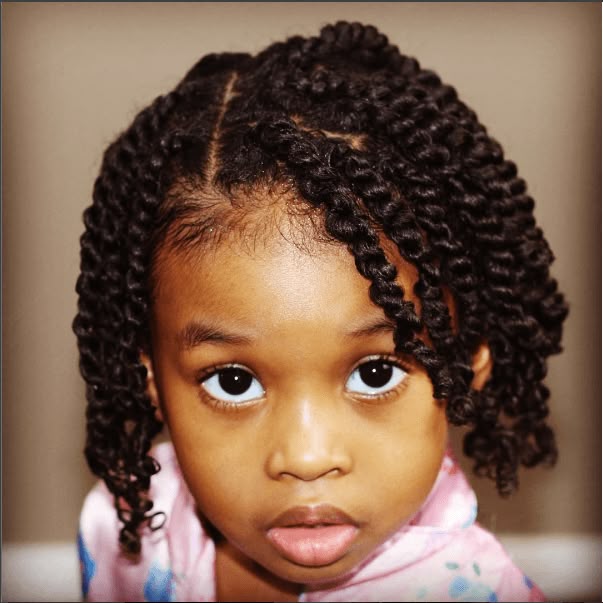
Protective styles reduce daily manipulation, which means less handling and less opportunity for breakage.
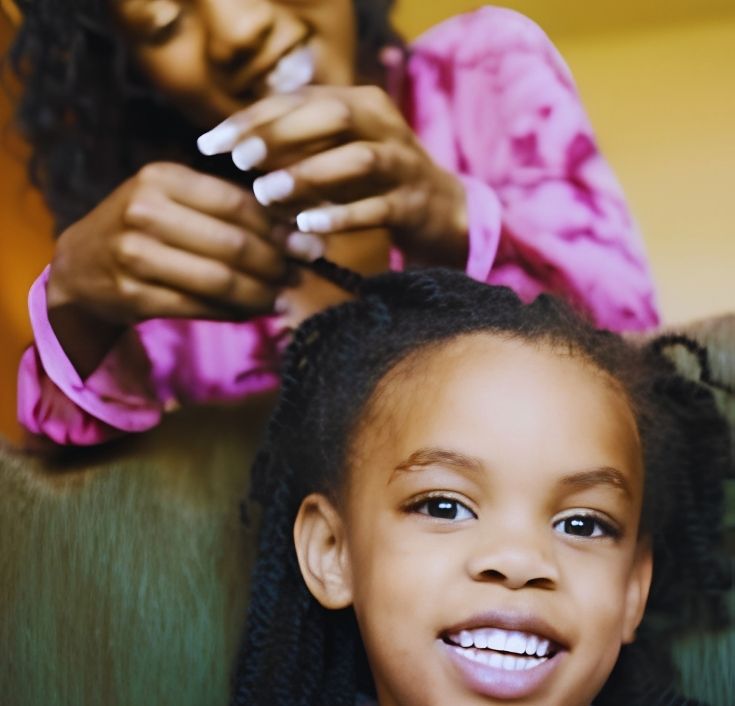
31 best braided hairstyles for kids includes styles that can last several days without needing much daily upkeep.
Rotating through a few reliable protective styles tends to work better than styling hair from scratch every single day.
That said, protective styles are not a free pass to skip moisture or scalp care underneath them.
The biggest mistake parents make with protective styles explains why checking in on hair still matters even while it is styled.
Leaving a style in for too long, or too tightly, can cause the breakage protective styles are meant to prevent.
A good rule of thumb is to check in on a protective style every few days, moisturizing the scalp lightly even without taking the whole style down.
This keeps the scalp from drying out during a stretch when it is getting less direct attention than usual.
Protecting Hair Overnight
Friction from a regular pillowcase can undo a lot of the careful daytime care put into a child’s hair overnight.
Satin bonnets for kids: do they help? explains how a smooth fabric barrier reduces this friction significantly.
A satin or silk pillowcase works as a simple alternative for kids who resist wearing a bonnet.
This single habit, repeated nightly, adds up to a meaningful difference over weeks and months.
Hair that is protected overnight tends to stay smoother, retain moisture better, and show less breakage at the ends.
It is one of the easiest habits to build into an existing bedtime routine.
Kids who move a lot in their sleep tend to benefit the most from this kind of overnight protection, since more movement means more friction against the pillow.
Even on nights when a bonnet feels like a battle, a satin pillowcase underneath still offers some protection without any cooperation required.

Common Mistakes That Slow Down Growth
Overwashing and underwashing both cause problems, just in different directions.
Finding the right balance matters more than following a strict rule.
The best wash day routine for kids can help you settle into a rhythm that fits your child’s hair type.
Washing too often strips oils, while washing too rarely leads to buildup that affects scalp health.
Using harsh products marketed for adults on a child’s more delicate hair and scalp is another common misstep.
Why expensive hair products aren’t always better explains why gentler, kid-specific formulas often work just as well or better.
Reading ingredient labels carefully helps catch products that could do more harm than good.
Rushing through hair care, especially detangling, leads to more breakage than most parents realize.
Slowing down, even by just a few extra minutes, protects length that has already grown in.
Why your child hates hair time (and how to change it) offers ways to make the process calmer for everyone.
Skipping regular trims entirely, out of fear of losing length, often backfires by allowing split ends to travel further up the hair shaft.
A small, consistent trim schedule tends to protect length better than avoiding the scissors altogether.
Hydration and Overall Wellbeing Matter Too
Hair growth does not happen in isolation from the rest of a child’s health, even though it can feel like a separate topic.
Staying well hydrated supports healthy skin and scalp function, which indirectly supports the environment hair grows in.
Kids who drink enough water throughout the day tend to have fewer issues with a dry, flaky scalp.
Sleep also plays a supporting role, since the body repairs and regenerates tissue, including skin and hair follicles, during rest.
A consistent bedtime and enough hours of sleep support overall health in ways that show up in hair, skin, and energy levels alike.
None of this guarantees faster growth on its own, but it removes obstacles that could otherwise slow things down.
Stress and illness can also temporarily affect hair growth cycles, sometimes causing a bit of extra shedding a few months later.
This is usually temporary and resolves once a child recovers or a stressful period passes.
If shedding seems unusually heavy or persistent, a conversation with a pediatrician can rule out anything more serious.
Regular physical activity supports healthy circulation throughout the body, including the scalp, though this connection is more indirect than a guaranteed growth booster.
Encouraging active play, alongside good nutrition and sleep, supports the kind of overall health that makes it easier for hair to grow the way it naturally should.

How Often Should You Trim for Growth
Trimming does not make hair grow faster, since growth happens at the scalp, not the ends.
What a trim does is remove split ends before they travel further up the strand and cause more damage.
Should you trim your child’s hair regularly?Should You Trim Your Child’s Hair Regularly? covers how often this actually needs to happen for most kids.
Skipping trims entirely can sometimes backfire, since split ends left unchecked tend to split further and cause more breakage over time.
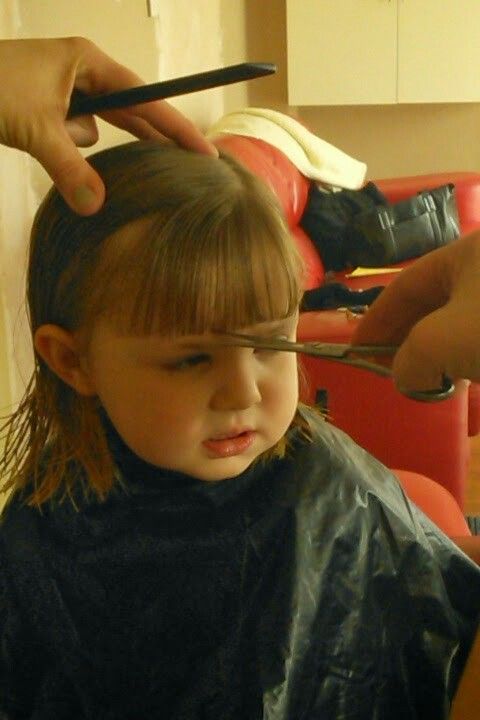
A light trim every few months, focused only on damaged ends, tends to support length retention rather than working against it.
This is different from a full haircut, which removes much more length than is usually necessary.
Many parents worry that any trim means losing hard-earned length, but a small, targeted trim usually removes far less than the damage it prevents down the road.
Thinking of trims as damage control, rather than a step backward, can make the whole idea feel less intimidating.
Building These Habits Into a Daily Routine
None of these habits need to happen all at once, and trying to overhaul everything overnight tends to backfire.
Picking one or two changes to focus on first, like improving moisture or protecting hair overnight, makes the whole process more manageable.
Once those become routine, adding another habit feels much less overwhelming.
These habits work best when they become second nature rather than a checklist to think through every day.
Involving your child in the process, even in small ways like choosing their own leave-in product, can help build cooperation over time.
Consistency across weeks and months matters far more than any single perfect day of hair care.
Signs Your Efforts Are Working
Growth itself can be hard to notice day to day. It helps to look for other signs that a routine is working well.
Signs your child’s hair is healthy offers a helpful checklist covering scalp condition, shine, and overall texture.
Softer ends and fewer split ends over time are good early indicators.
Length retention means hair holds onto its length rather than seeming to break off as fast as it grows.
This is often a better sign of progress than growth speed alone. Tracking length every few months with photos can help you notice slow, steady progress that is easy to miss.
Fewer knots and less time spent detangling can also signal that a routine is working, since healthier hair tends to tangle less overall.
If wash day and detangling both feel easier than they used to, that is often a sign the underlying hair health has improved, even before any visible length change shows up.
Frequently Asked Questions
How can I make my child’s hair grow faster?
Genetics sets the pace for hair growth, and no product can dramatically speed that up.
Gentle handling, good nutrition, and consistent moisture help protect the length already growing in.
Over time, less breakage means hair appears to grow faster simply because less is lost along the way.
Does trimming hair help it grow?
Trimming does not speed up growth, since hair grows from the scalp rather than the ends.
It does remove split ends before they travel further up the strand and cause more damage.
The best first haircut tips for your child is worth a read too if trims still feel unfamiliar territory.
Are there vitamins that help kids’ hair grow?
A generally balanced diet with enough protein, iron, and healthy fats supports hair growth from the inside.
Supplements are rarely necessary unless a doctor identifies a specific deficiency.
Whole foods almost always work better than relying on a specific vitamin or supplement alone.
Why does my child’s hair seem stuck at the same length?
This usually means breakage is happening at roughly the same rate as new growth, canceling it out visually.
Reducing friction, tight styling, and dryness tends to shift that balance toward visible length gain.
Patience is key, since this kind of progress often takes several months to become noticeable.

Final Thoughts
Encouraging healthy hair growth in kids comes down to a handful of consistent, gentle habits rather than any single fix.
Good nutrition, careful handling, scalp care, and nighttime protection all work together to support the hair a child already has.
Genetics sets the baseline, but everyday care determines how much of that potential actually shows.
It helps to remember that progress in this area is slow and often invisible week to week.
Trusting the process, rather than looking for dramatic results within days, tends to lead to better outcomes and far less frustration along the way.
If wash day still feels difficult, the real reason wash day feels so difficult digs into what might be slowing things down.
Toddler hair care made simple is a great next read if you want to build these habits into a routine that sticks.


4 Comments