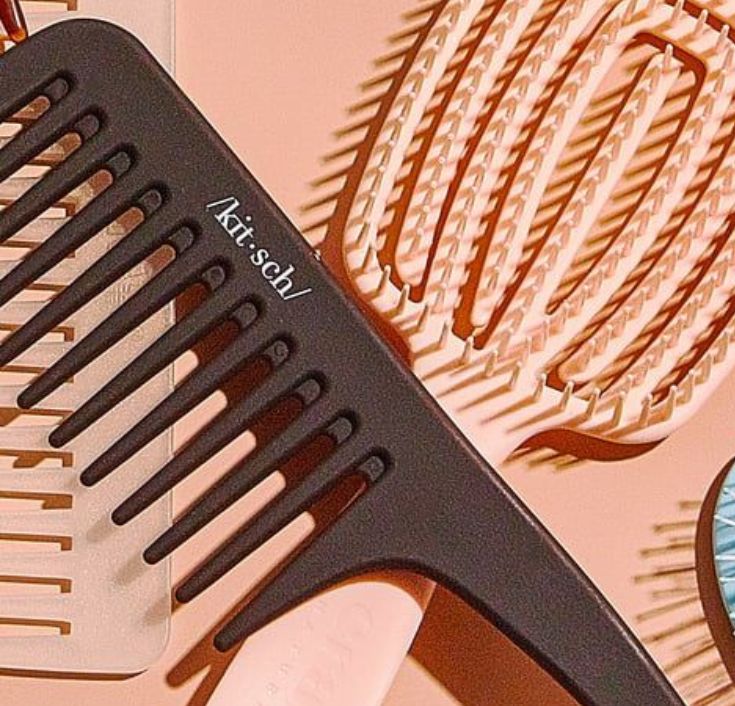

How One Small Routine Change Can Make Hair Time Easier
Disclosure: Some of the links in this post are affiliate links. This means if you click on the link and purchase an item, I will receive an affiliate commission at no extra cost to you.
Some routines feel harder than they need to be, and hair time is often one of them. Wiggling, tears, and a clock that keeps ticking toward bedtime or the school bus can turn a simple task into a daily struggle.
The truth is, a small shift can make hair time easier without adding a single extra product or tool.
Most families try to detangle and style dry hair, right after a long day, when everyone is already tired.
Switching that timing, along with a few small habits from How to Build a Healthy Hair Routine for Kids, changes the entire experience.
The fix is not about working harder. It is about working smarter with the moment you already have, and that one shift is enough to make hair time easier almost overnight.
This one shift works because it lines up with how hair actually behaves, not against it. Damp, freshly washed hair moves and separates more easily than dry hair that has been through a full day of play.
Pairing that timing with How to Moisturize Kids Hair Properly gives strands the slip they need to detangle without a fight.
Hair time, even on a tricky night, is still one of those small routines that becomes a treasured memory later.
A little shift in timing can turn a stressful nightly task into something calmer for both of you, and that calm tends to carry over into the rest of the evening as well.
The Routine Change That Makes the Biggest Difference
Most parents style hair whenever it is convenient, without thinking much about the state of the hair itself.
Dry hair right before bed or right before school tends to be tangled, stiff, and harder to work with.
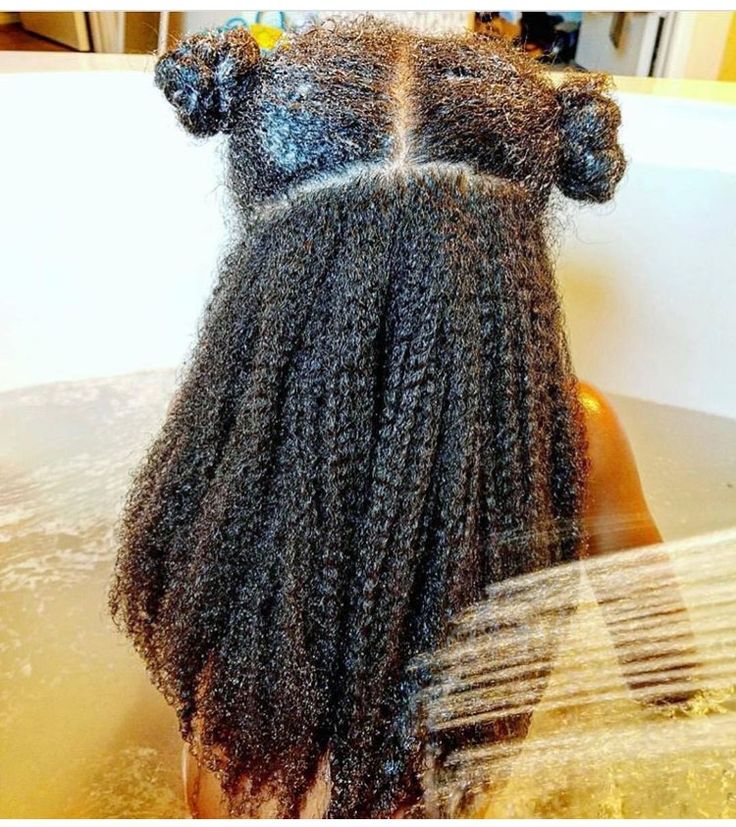
Shifting styling to right after bath time, while hair is still damp, changes almost everything about how the session goes.
This single adjustment is often the one small change that ends up doing the most to make hair time easier for the whole family.
Why Timing Matters More Than People Realize
Hair fibers are more flexible when they hold some moisture.
Dry strands resist stretching and detangling, which leads to more snapping and more tears from a squirmy child.
Damp hair, especially right after a wash, bends and separates instead of fighting back.
This is one reason The Real Reason Wash Day Feels So Difficult points to timing as much as technique.
What Happens When Hair Time Comes Right After Bath Time
Warm water opens the hair cuticle slightly, allowing product to absorb more easily right afterward.
Detangling in this window takes noticeably less effort, even on coilier textures.
Styling also holds better because the hair is already clean and evenly coated with product.
Many families find that combining bath time and hair time removes an entire separate battle from the evening, since there is no second sit-down session to negotiate later.
This also means less time spent hunting for a quiet moment between dinner and bedtime, which is often the hardest part of fitting hair care into a busy weekday.
Why This Feels Like a Small Change but Works Like a Big One
Nothing about this shift requires new products, tools, or extra time in the schedule.
It simply repositions an existing task to a moment when hair is naturally easier to manage.
Because it fits into a routine that already exists, it sticks far better than habits that require extra effort.
Small shifts like this one are often what actually make hair time easier for good.
Setting Up the New Routine Step by Step
Making this change does not require an overhaul of your entire evening.
A few adjustments to the order of operations are usually all it takes.
Browsing through 50 Wash Day Routine Ideas for Families can offer extra structure if you want more guidance on the bigger picture.
Thinking through each piece ahead of time helps the new routine stick, and here is how to put it into practice.
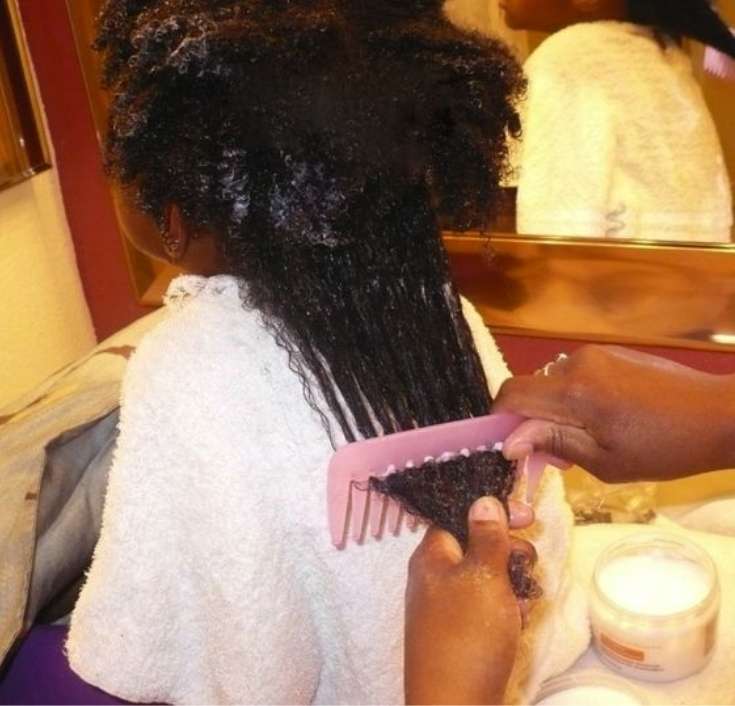
Detangle in Sections, Not All at Once
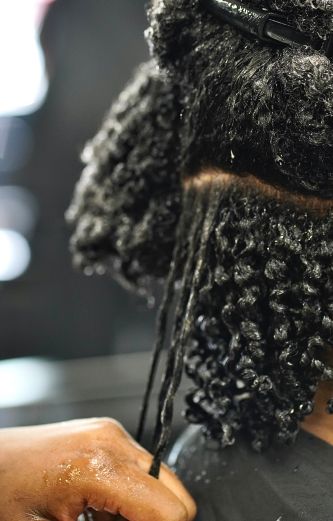
Working through hair in smaller sections keeps each area manageable and less overwhelming.
Clip away the rest of the hair while focusing on one section at a time.
Reading through The Secret to Tear-Free Detangling offers a full walkthrough of this sectioning method.
Sectioned detangling right after bath time is far gentler than tackling a full head of dry, tangled hair, and it gives a child a natural break between sections instead of one long stretch of sitting still.
Use a Tool Built for Wet, Detangling Work
Not every brush or comb is designed for damp hair.
Reaching for Wide-Tooth Comb vs Detangling Brush helps you choose a tool that glides through wet strands instead of snagging them.
The right tool paired with the right timing makes this new routine feel almost effortless.
A mismatched tool can undo the benefit of switching the timing in the first place, so it is worth keeping the right comb within easy reach right by the tub instead of searching for it later.
Add Product While Hair Is Still Damp
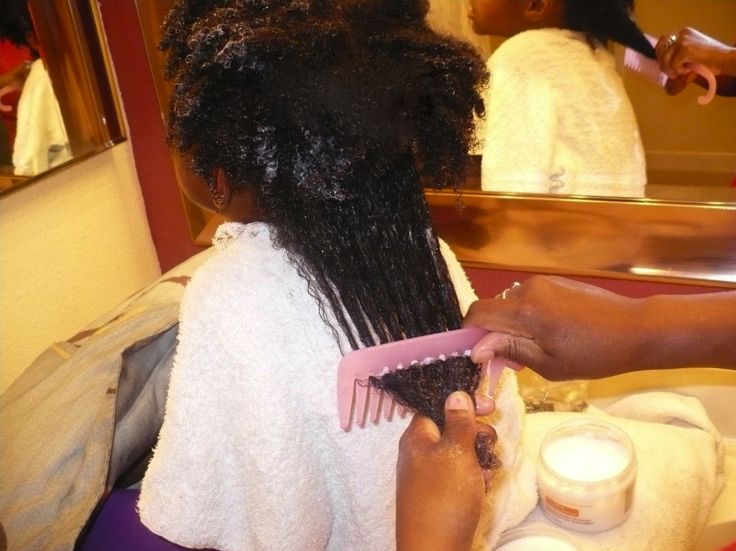
Leave-in products absorb better into damp hair than into hair that has already dried.
Applying product at this stage, guided by Leave-In Conditioner vs Hair Milk for Kids, locks in moisture before styling even begins.
This step is quick, since hair is already sectioned and manageable. Skipping this step is one of the easiest ways to lose the benefit of the whole routine change.
Style While Hair Is Still Cooperative
Damp hair holds shape more easily than dry hair pulled straight from a busy day.
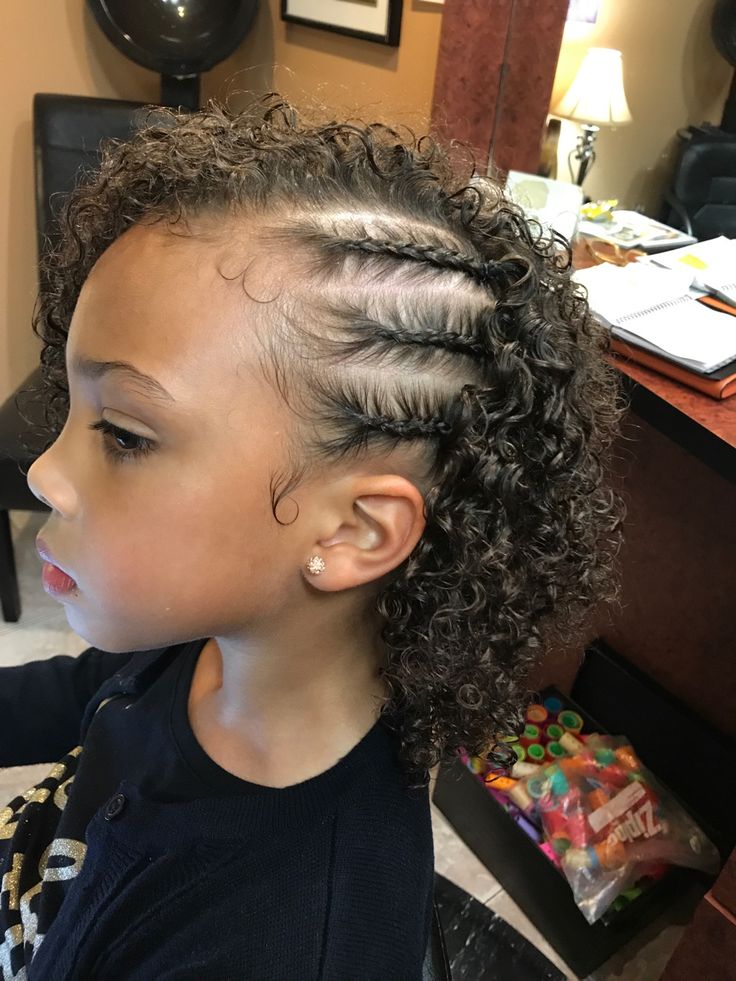
This is a great moment for styles from 30 Quick Kids Hairstyles That Take Less Than 10 Minutes, since damp hair moves quickly under the comb.
Styling in this window also means less pulling to smooth flyaways.
Everything from puffs to simple ponytails goes faster in this state.
Why This Fits Naturally Into an Evening That Already Happens
The evening bath already has a rhythm to it, and this shift just adds one more small step into an existing flow.
Nothing about it requires buying new equipment or setting aside extra time on the calendar.
The right products, used at the right moment, make the biggest difference here.
A few thoughtful choices at this stage set up everything that follows.
Start With the Right Shampoo
The wash itself sets the tone for how manageable hair will feel afterward.
A harsh or drying shampoo can undo some of the benefit of this new timing before detangling even starts.
Comparing options in How to Choose the Right Shampoo for Kids helps you pick a formula suited to your child’s texture.
A gentler wash means less resistance during every step that follows.

Follow Up With the Right Conditioner
Conditioner plays a big role in how easily damp hair separates and detangles.
A formula that is too light may not provide enough slip for coilier textures.
Reading through The Best Conditioners for Every Hair Type helps match the product to your child’s specific needs.
The right conditioner can make the difference between a smooth session and a frustrating one.

Pick an Oil That Supports This Timing
A light oil applied to damp hair seals in moisture before it has a chance to evaporate.
Looking through The Best Hair Oils for Children’s Hair can help you find an option that feels light rather than heavy or greasy.
Applying oil at this exact moment, right after washing, gets more benefit than applying it later on dry hair.
This small addition supports everything that happens next in the routine, and a little goes a long way, so there is no need to reach for a heavy amount to see the benefit.
Choosing Styles That Fit This New Routine
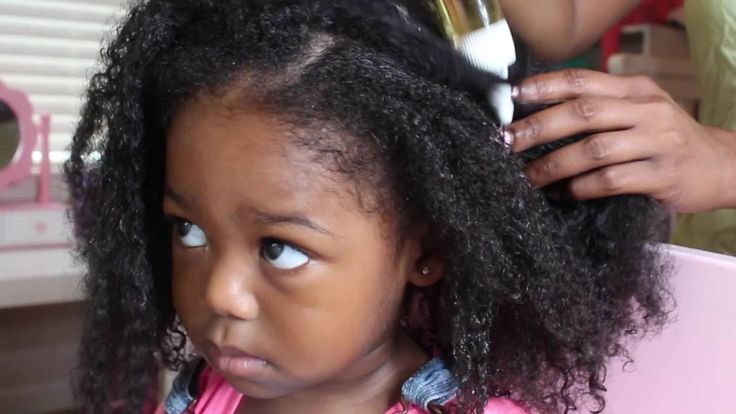
Not every style is suited to damp hair, so it helps to know which ones work well right after bath time.
Some styles actually set better while damp, holding their shape as hair finishes drying.
Others are better saved for a day or two later, once hair is fully dry.
Matching the style to the moment is what really helps make hair time easier without adding extra decisions to an already busy evening.
Protective Styles Worth Building In Right After a Bath
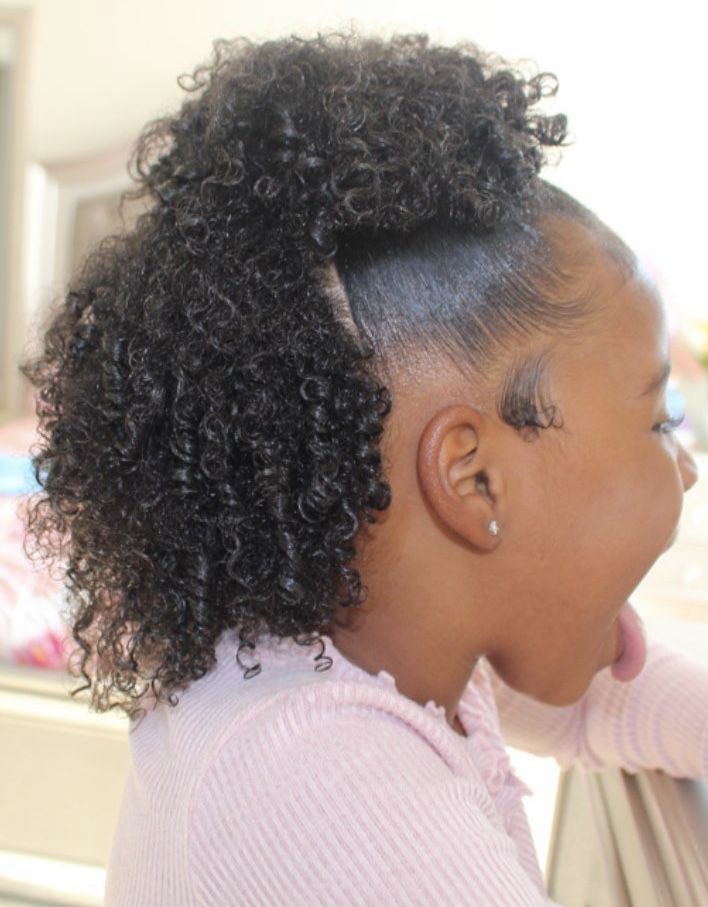
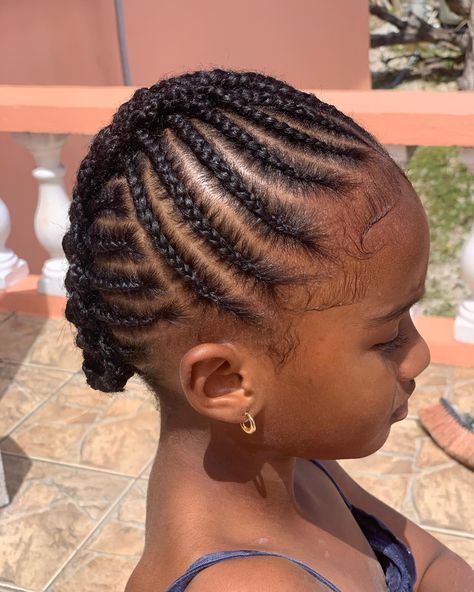
Right after a bath is also a good time to start longer-lasting protective styles.
Beginning a look from 60 Protective Styles That Last All Week while hair is clean and damp helps the style set more evenly.
Starting fresh means less buildup trapped under the style once it is finished.
This timing gives protective styles a stronger, cleaner foundation from day one, so the style tends to look fresher for longer and holds up better through an active week of school and play.
Save More Detailed Styles for Fully Dry Hair
Intricate braided styles or anything requiring precise, dry sectioning often works better a day after washing.
Looking through 75 Braided Hairstyles for Kids can help you plan which looks to save for a calmer, non-bath-night evening.
Fully dry hair holds tighter, more defined parts than damp hair does.
Spacing out styling this way keeps any single evening from feeling rushed and gives you room to plan a more detailed style for a weekend or a quieter weeknight instead.
Common Mistakes When Switching to This New Timing
Even a simple change can go sideways if a few details get missed.
Rushing bath time itself defeats the purpose, since a hurried wash leaves hair only partly clean and unevenly damp.
Skipping a proper rinse can also leave product buildup that makes the next detangling session harder, which is covered in more depth in The Hidden Reason Your Child’s Hair Looks Dull.
Another common mistake is letting hair air dry completely before starting any styling at all, which cancels out the benefit of working with damp strands.
Some parents also skip moisturizing altogether, assuming bath time alone is enough, though understanding.
The Best Wash Day Routine for Kids shows why a follow-up moisture step still matters.
Trying to do too much in one bath-night session is another frequent misstep. Attempting a full, detailed protective style right after a bath can turn a quick win into a long, frustrating night.
It usually works better to keep bath-night styles simple and save anything detailed for a separate day.
Forgetting to check in with how your child is feeling partway through is easy to overlook. A tired or overstimulated child will struggle with any routine, no matter how well timed it is.
Watching for those cues and pausing when needed keeps this new habit sustainable long term.
It also helps to avoid comparing this new routine to someone else’s version of it.
Every household has a different bath time schedule, a different child’s temperament, and a different amount of hair to work through.
What actually helps make hair time easier looks a little different in every home, and that is perfectly fine.
The goal is a calmer evening, not a routine that matches anyone else’s exactly.
Signs the New Routine Is Working
It usually takes a couple of weeks to notice the full benefit of this shift.
Some signs show up almost right away, while others take a little longer to become obvious.
Watching for these changes helps confirm the new habit is worth sticking with.
Adjusting slightly along the way keeps it working well for your specific child.
What to Look For in the First Few Weeks
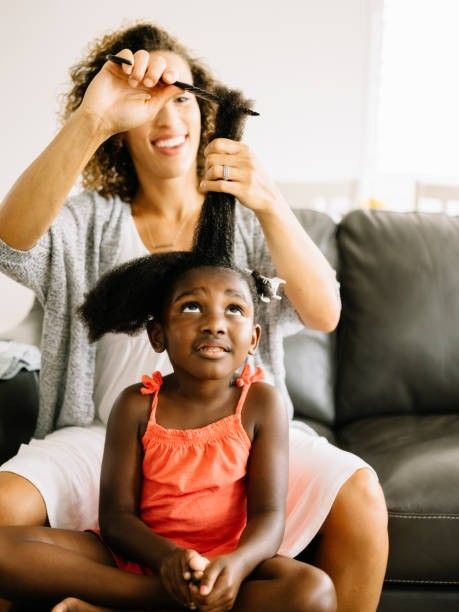
Less crying or squirming during detangling is usually the first sign this is working.
Sessions that once took twenty minutes often shrink down noticeably once timing lines up with damp hair.
Guidance from Toddler Hair Care Made Simple can help you track other small wins along the way.
Fewer tangles the next morning is another good early indicator.
Adjusting the Routine Based on Hair Type
Not every child needs the exact same amount of dampness or product to get good results.
Spending time with How to Identify Your Child’s Hair Type helps you fine-tune timing and product amounts for your child specifically.
Finer textures may need less product, while coilier textures often need a bit more.
Small adjustments like this help the routine keep working as hair changes with age and season.
Supporting Long-Term Growth Alongside This Habit
This routine change supports more than just an easier evening.
Consistent, gentle detangling paired with the habits in Healthy Habits That Support Kids Hair Growth protects hair from unnecessary breakage over time.
Less breakage during daily care means more length retained over months and years.
A calmer routine and healthier growth tend to go hand in hand, which is one more reason this small shift is worth sticking with long after it starts to make hair time easier.

Frequently Asked Questions
Does this routine change work for all hair types?
Yes, though the exact timing may need small adjustments for different textures.
Coilier hair often benefits most from styling while still damp.
Straighter or finer hair types may only need a few extra minutes to reach the ideal dampness, and testing it for a week usually shows pretty quickly if the timing needs a small tweak.
What if bath time happens in the morning instead of at night?
The same principle still applies, just shifted to fit the new schedule.
Detangle and style right after the morning bath while hair is still damp.
The goal is pairing hair time with washing, not a specific time of day.
Will this new routine take longer than the old one?
Most families find it takes about the same amount of time, just spent more efficiently.
Less fighting with tangles usually balances out any extra minutes spent right after bath time.
Over a few weeks, many parents notice the whole process feels shorter, largely because there is far less back-and-forth negotiating with a squirmy child along the way.
Can this routine change really make hair time easier for an anxious child?
It often helps, since damp hair causes less pulling and discomfort during detangling.
Less pain during the process tends to reduce anxiety around hair time overall.
Pairing this timing with a calm environment gives the best results.
What if there is no time for a bath every single night?
This routine change still works with a shorter rinse or a damp washcloth refresh on busy nights.
The goal is simply pairing detangling with some moisture, not requiring a full bath every time.
Even a quick spritz of water before styling can bring some of the same benefit, and keeping a small spray bottle nearby makes this easy to do on nights when a full bath just is not happening.
Does this replace a regular wash day routine?
No, this shift is about daily or every-other-day maintenance, not a full wash day.
A dedicated wash day still matters for deeper cleansing and moisture.
Think of this routine change as what happens on the days in between.

Final Thoughts
A small shift in timing, from dry and rushed to damp and unhurried, can make hair time easier for the whole household.
Pairing bath time with detangling and styling works with the natural behavior of hair instead of against it.
None of this requires new products or extra effort, just a different order to an evening that already happens.
Giving this one change a try for a couple of weeks, alongside consistent care from How to Keep Kids’ Scalp Healthy, often turns a dreaded routine into one of the calmer parts of the day.