
The Biggest Mistake Parents Make With Protective Styles
Disclosure: Some of the links in this post are affiliate links. This means if you click on the link and purchase an item, I will receive an affiliate commission at no extra cost to you.
Protective styles feel like a win the moment they go in. Less daily fuss, fewer tangles, and a break from constant styling.
But weeks later, when the style finally comes out, something looks off. Thinning edges, more shedding than expected, or hair that seems shorter than before.
If this sounds familiar, one specific mistake causes more damage from protective styles than anything else, and it has nothing to do with the style itself.
This pattern shows up across nearly every hair texture and every skill level, regardless of how carefully the style was originally installed in the first place.
The biggest mistake parents make with protective styles is leaving them in for too long. 17 Protective Hairstyles for Active Kids covers plenty of great style options, but even the gentlest style can cause real damage if it stays in past the point it should come out.
Once you understand why timing matters so much more than the style itself, protective styling becomes a much more reliable tool for healthy hair rather than a source of hidden damage.
This post explains exactly why overstaying a protective style causes so much harm, and how to know when it is time to take one down.
How to Build a Healthy Hair Routine for Kids can help you build takedown timing into your regular routine instead of treating it as an afterthought.
You will also find the specific signs that signal a takedown is overdue, plus a few habits that help styles stay healthy throughout the entire wear period.
Why This Mistake Happens So Easily
Protective styles are, by design, meant to reduce daily manipulation, which makes it tempting to leave them in as long as possible.
The less you touch the hair, the less work it feels like, so extending a style a few extra weeks seems harmless on the surface.
Parents often wait until a style looks visibly messy before considering a takedown, but by that point, damage has usually already been happening for a while.
Understanding what happens underneath the style, out of sight, is the key to avoiding this mistake.
Busy schedules make this even easier to fall into.
Between school, activities, and everyday life, finding time for a full takedown and reinstall often gets pushed back week after week, even when a parent already senses the style has been in long enough.
Building this reminder into an existing calendar or app you already check daily removes the last excuse for letting a style slide past its window.
What Actually Happens When a Style Stays in Too Long
Hair continues to shed naturally every single day, in a protective style or not.
Normally, that shed hair falls away during regular brushing and washing. Inside a protective style, shed strands have nowhere to go, so they tangle together with the hair still attached to the scalp.
The longer the style stays in, the more this hidden accumulation quietly builds up beneath the surface, completely invisible from the outside until takedown day arrives.
Matting and Tangling Beneath the Surface
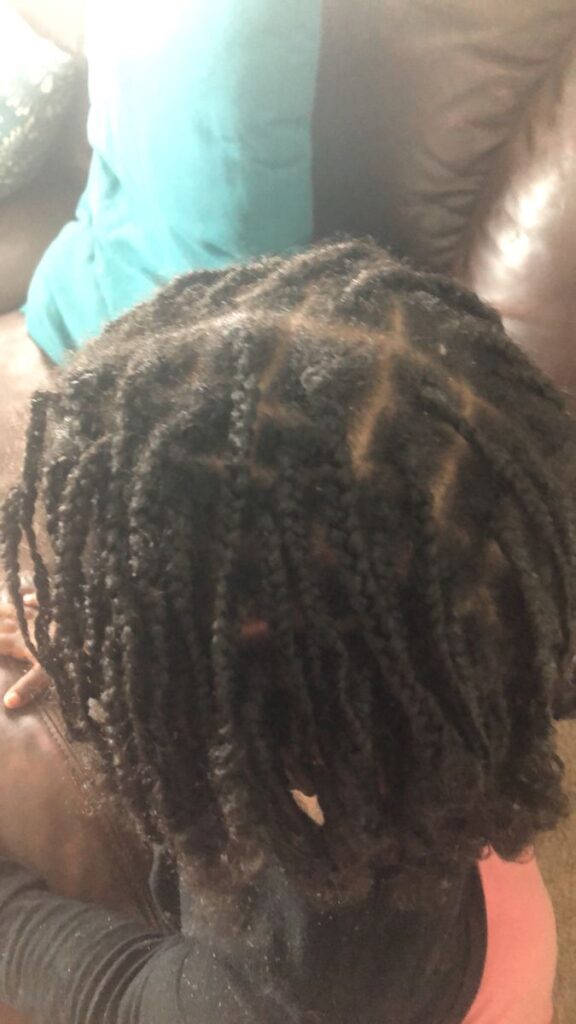
The longer a style stays in, the more shed hair accumulates and tangles at the roots.
The One Hair Care Habit That Causes More Tangles Than You Think explains how tangling compounds over time, and a protective style left in too long is one of the most extreme versions of this same problem.
By the time takedown happens, this buildup often requires aggressive detangling to work through, which causes far more breakage than gentle, regular detangling ever would.
The Secret to Tear-Free Detangling covers techniques specifically suited to this kind of heavier post-style detangling session, which requires more patience and a lighter hand than a typical wash day.
Tension Building Around the Hairline
Even a style you install with the right amount of tension on day one can start pulling more as hair grows and shifts underneath it.
Over several weeks, this creates sustained tension around the hairline and nape, the two areas most vulnerable to traction alopecia.
The Biggest Braiding Mistake That Can Lead to Hair Loss covers this exact issue in more detail.
This tension often builds so gradually that neither you nor your child notices it happening day to day. It usually only becomes obvious once thinning or tenderness shows up, at which point some of the damage has already occurred.
This slow buildup is part of why the biggest mistake parents make with protective styles is so easy to fall into without realizing it.
Could Your Child’s Hair Accessories Be Causing Breakage? covers a related source of hidden tension worth ruling out too.
Dryness From Reduced Access to the Scalp
Protective styles make it harder to moisturize the scalp directly, and many parents skip this step entirely once they finish installing a style.
The Hidden Reason Your Child’s Hair Looks Dull looks at how reduced moisture access during extended wear affects both scalp health and overall shine once the style comes out.
A dry scalp underneath a protective style also tends to itch more, which leads to scratching that can loosen the style and stress the hairline even further, sometimes creating small bald patches that take months to grow back fully
How Long Is Too Long?
Most protective styles last between four and six weeks, though the exact window varies quite a bit depending on the specific style and how fast your child’s individual hair grows.
Styles with more tension, like tight braids or twists, generally need to come out on the earlier end of that range.
Looser, lower-tension styles can sometimes stretch slightly longer, but pushing past six weeks rarely benefits the hair in any meaningful way.
Watching for specific signs matters more than counting exact weeks alone, since every child’s hair grows and reacts a little differently.
Signs It Is Time for a Takedown
Excessive itching, visible new growth at the roots, and a style that looks noticeably fuzzy, frizzy, or loose are all signs a takedown is genuinely overdue.
If your child complains of tenderness at the hairline or you notice thinning edges, these are stronger signals that the style has already stayed in too long.
Signs Your Child’s Hair Is Healthy can help you compare what healthy versus stressed hair and scalp actually look like.
Trust your child’s own feedback here too. If they mention discomfort even without any visible reason, it is worth taking the complaint seriously right away rather than waiting for a visual sign to confirm it.
How to Identify Your Child’s Hair Type can also help you set more realistic expectations from the start, since some textures show wear signs earlier than others.
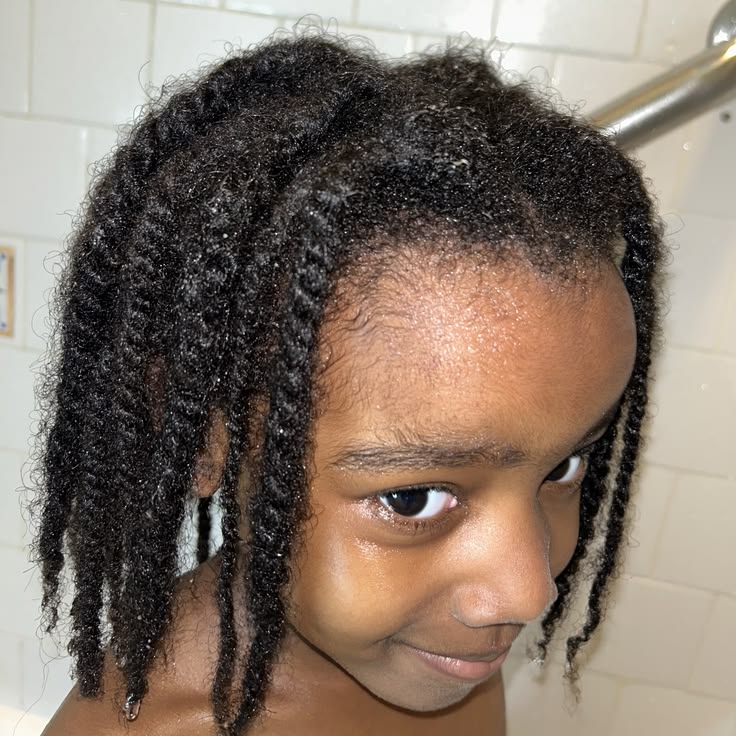
How to Avoid This Mistake Going Forward
None of the fixes here require giving up protective styles altogether.
They just require paying closer attention to timing and scalp care throughout the process.
Marking a calendar reminder for takedown day, right when you install the style, removes the guesswork that often leads to overstaying.
This one simple habit alone addresses the biggest mistake parents make with protective styles far more effectively than any product swap or new technique ever could on its own.
Set a Firm Takedown Date
Choose a specific date within the four to six week range as soon as you install the style, and treat it as a real, firm deadline rather than a loose guideline you can push back.
The Best Wash Day Routine for Kids can help you plan the takedown to align naturally with your next full wash day.
Setting the reminder on the very same day you install the style, rather than trying to remember the exact date weeks later, makes this step almost effortless to stick with consistently.
Writing the date directly on the calendar your family already checks daily works better than relying on memory alone, especially during a busy season with school events, activities, and everything else competing for your attention.

Moisturize the Scalp During Wear
Even with a protective style in, apply a light oil to the scalp every few days using a spray bottle or applicator tip.
How to Keep Kids’ Scalp Healthy covers gentle ways to reach the scalp without disturbing the style itself.
The Best Hair Oils for Children’s Hair has lightweight options that absorb well without leaving heavy buildup along the parts, which matters even more during weeks of extended wear.

Protect the Style at Night
Friction from a regular pillowcase speeds up frizzing and loosening, which can tempt parents to leave a style in even longer to avoid redoing it.
Satin Bonnets for Kids: Do They Help? explains how nighttime protection extends how neat a style looks throughout its wear time.
A neater-looking style is also much easier to judge honestly at a glance, rather than mistaking heavy frizz for a style that genuinely still has plenty of life left in it.

Take Down at the First Sign of Trouble
If tension, itching, or shedding become noticeable before your planned date, do not wait it out.
Taking a style down a week or two earlier than planned is always better for the hair than pushing through discomfort just to hit an arbitrary date.
The Different Kids Hair Textures Explained can help you understand if your child’s specific texture tends to signal trouble earlier or later than average.
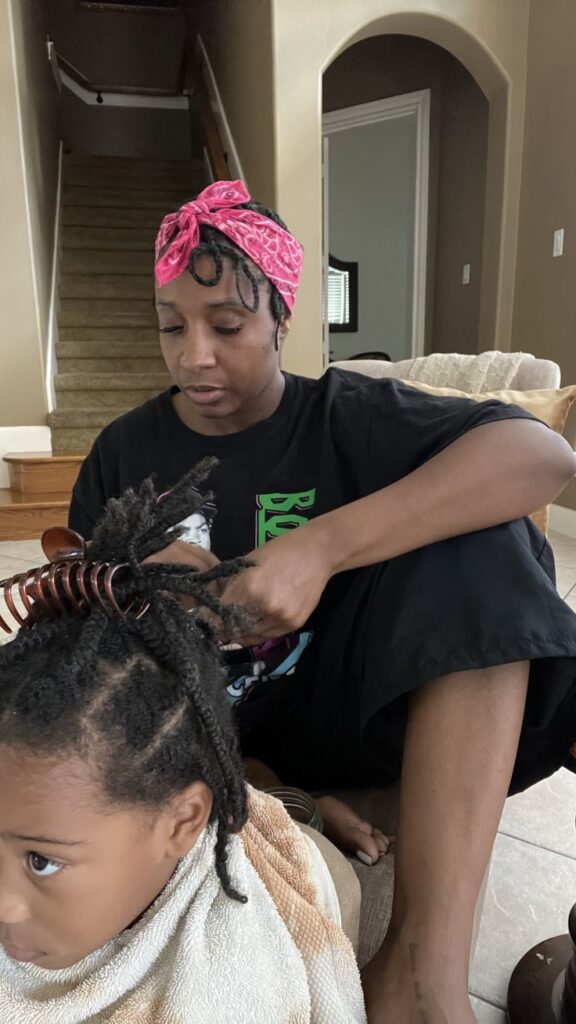
Common Mistakes to Avoid
Reinstalling a new protective style immediately after taking one down is a common mistake worth avoiding.
Hair needs a short break between styles to recover, especially around the hairline, even if the new style feels gentler than the last one.
How to Encourage Healthy Hair Growth in Kids covers why rest periods between styles genuinely matter for long-term growth.
Rushing straight into the next style right after taking one down is really just a variation of the same biggest mistake parents make with protective styles: not giving the hair enough time and space to recover.
Assuming a protective style is fine simply because it still looks neat from the outside is another mistake worth watching for.
Damage often happens beneath the surface long before it becomes visible from the outside, which is exactly why relying on appearance alone leads so many parents to leave styles in too long.
A style can look perfectly neat right up until takedown, at which point the tangling and tension become obvious all at once.
Skipping scalp care because it feels inconvenient with a style in is a mistake too.
Healthy Habits That Support Kids Hair Growth explains why consistent scalp attention matters just as much during protective styling as it does at any other time.
Building a quick, simple scalp routine into your schedule during wear time prevents this step from feeling like extra work.
Frequently Asked Questions
How do I know if my child’s protective style has been in too long?
Watch for visible new growth at the roots, excessive itching, tenderness around the hairline, or a style that looks noticeably fuzzy and loose.
Thinning edges or unusual shedding during takedown are also strong indicators.
If several of these signs show up together, it is a clear signal the style has overstayed its welcome.
Checking weekly rather than waiting for obvious signs helps you catch the earliest, most subtle changes before they progress and before you fall into the biggest mistake parents make with protective styles without realizing it.
Can protective styles cause permanent hair loss?
Yes, if tension continues for long enough without relief, the resulting traction alopecia can become permanent in some cases.
Catching the signs early and taking styles down on time prevents this outcome in the vast majority of situations.
This is exactly why the biggest mistake parents make with protective styles deserves so much attention, since the consequences of getting this wrong can outlast the actual style itself by months or even years.
How often can my child get protective styles?
Most hair benefits from a short rest period, roughly one to two weeks, between protective styles.
Back-to-back styling without any break increases the risk of cumulative tension damage, even if you install each individual style gently.
Building rest periods into your styling schedule protects the hair over the long run, even when it feels tempting to move straight into the next style.
Is it okay to moisturize hair while it is in a protective style?
Yes, and it is actually important to do so.
Focus on the scalp specifically using a lightweight oil applied with a spray bottle or applicator tip, since heavier products can build up and cause frizz inside the style.
Regular light moisturizing during wear time helps prevent the dryness that often develops when a style stays in for weeks.
How to Moisturize Kids Hair Properly applies to protective styles just as much as it does to loose, unstyled hair.
What should I do differently after a takedown that revealed damage?
Give the hair a longer than usual break before the next protective style, and focus heavily on moisture and gentle detangling during that recovery period, ideally two to three weeks before installing anything new.
The Best Conditioners for Every Hair Type can help you find a deep conditioner suited to rebuilding moisture and strength after weeks of extended wear.
If breakage from an overstayed style seems more serious than expected, it is worth a closer look.
15 Reasons Your Child’s Hair Keeps Breaking (and What to Do About It) covers several related causes worth ruling out.

Final Thoughts
Protective styles genuinely help reduce daily manipulation and breakage, but only within a reasonable wear window.
The biggest mistake parents make with protective styles is not choosing the wrong style at all.
It is leaving a perfectly good style in for far too long, well past the point where it stops protecting the hair and instead starts working against it.
How to Choose the Right Shampoo for Kids ties in well here too, once your timing habits feel more consistent and you are ready to focus on the rest of the wash day routine.
Setting a firm takedown date, moisturizing the scalp throughout wear time, and protecting the style at night all help you get the real benefits of protective styling without the hidden downsides.
A few extra weeks of caution and attention now can save months of recovery time later on.
Avoiding the biggest mistake parents make with protective styles really does come down to this one shift in mindset, treating timing as seriously as the style itself.
Pay attention to what your child’s hair and scalp are telling you during wear time, not just how the style looks on the surface.
Catching the early signs of tension or dryness makes all the difference between a protective style that genuinely protects and one that quietly causes the exact damage it was meant to prevent.
Small, consistent attention throughout the wear period protects months, and sometimes years, of hard-earned length and overall hair health.