
How Often Should Kids Get Haircuts?
Disclosure: Some of the links in this post are affiliate links. This means if you click on the link and purchase an item, I will receive an affiliate commission at no extra cost to you.
Watching your child’s hair grow past their shoulders or curl over their ears can feel like a milestone all on its own. At some point, though, most parents start wondering about a trim.
There’s no single, universal answer that fits every child, since how often kids get haircuts really depends on hair type, growth rate, and the specific style you’re going for.
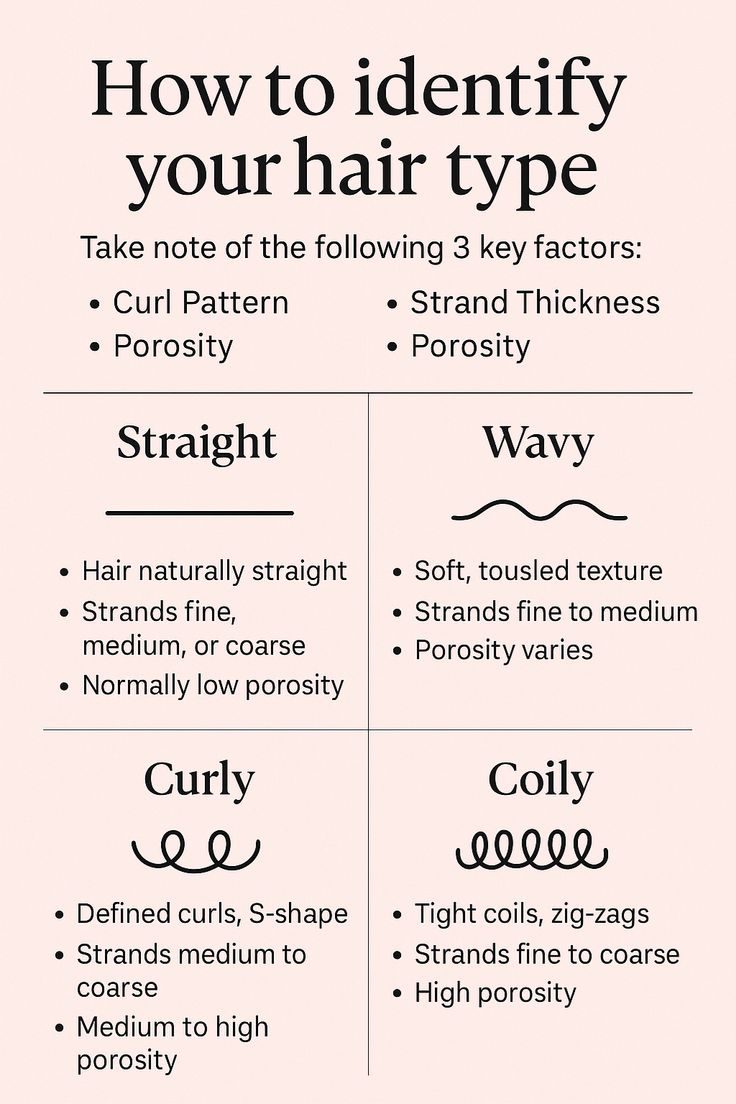
If you’re still working out your child’s hair type before deciding on a cutting schedule, How to Identify Your Child’s Hair Type is worth a quick read first.
The good news is that once you understand how often kids get haircuts based on their specific hair, the whole process becomes much less confusing.
You’ll stop guessing and start trimming with a plan. For extra guidance on the actual appointment itself, The Best First Haircut Tips for your child covers what to expect at that first big cut.
These little haircut appointments often turn into sweet memories too, especially the first one. Grab a cape, maybe a lollipop for afterward, and let’s walk through exactly how often your child’s hair actually needs a trim, along with a few signs that it might be time sooner than expected.
Why Haircut Frequency Varies So Much
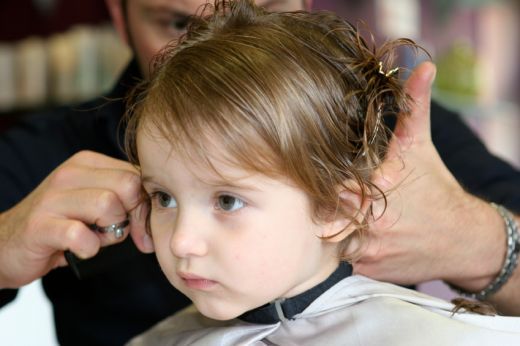
Every child’s hair grows and behaves differently, so it makes sense that there’s no universal answer here.
A few key factors decide how often kids get haircuts, and knowing them helps you set a realistic schedule instead of guessing.
Hair texture plays a huge role in this decision.
Straight hair tends to show split ends and raggedy edges faster than coily or curly hair, which naturally hides some wear and tear in its shape.
The Different Kids Hair Textures Explained covers these differences in more depth if you want a fuller picture.
Growth rate matters just as much. Some kids’ hair grows quickly and needs shape maintenance every few weeks, while others barely need a trim more than twice a year.
The style you’re maintaining also changes the math. A precise, blunt bob needs far more upkeep than a longer, more natural length that can go longer between visits.
Your child’s activity level factors in too. Kids who swim often or spend a lot of time outdoors may deal with more dryness and breakage, which can shorten the gap between trims.
Chlorine and sun exposure both take a toll on hair health over a season.
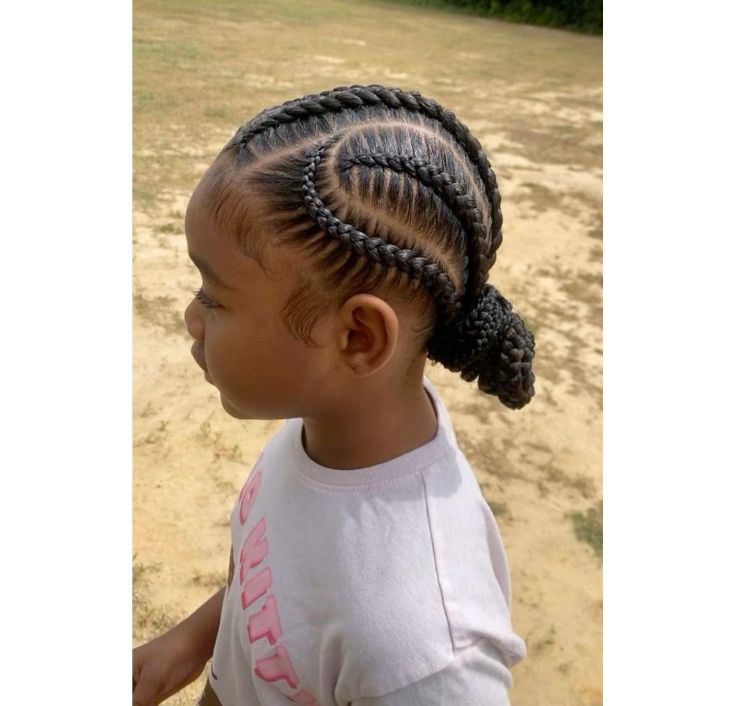
Product use and styling habits play a role as well. Kids who wear tight styles frequently, like the ones in 50 Curly Hairstyle Ideas for Kids, may notice more wear at the ends and benefit from slightly more frequent trims to stay ahead of damage.
Genetics also shape how quickly hair grows in the first place.
Some families simply have faster-growing hair across generations, which naturally shortens the time between necessary trims regardless of texture or style choice.
Haircut Frequency by Hair Type
Different hair types wear differently between trims, so a one-size-fits-all schedule rarely works.
Texture affects how quickly split ends and tangles show up, which changes how often a trim is really needed.
Here’s a general guide broken down by type.
Straight Hair
Straight hair typically needs a trim every six to eight weeks to keep the ends looking healthy and the style sharp.
Split ends show up faster on straight strands since there’s no curl pattern to disguise damage.
Shorter straight cuts, like bobs, may need even more frequent visits, and 13 Best Haircuts for Little Girls has good short-style examples to consider.
Wavy Hair
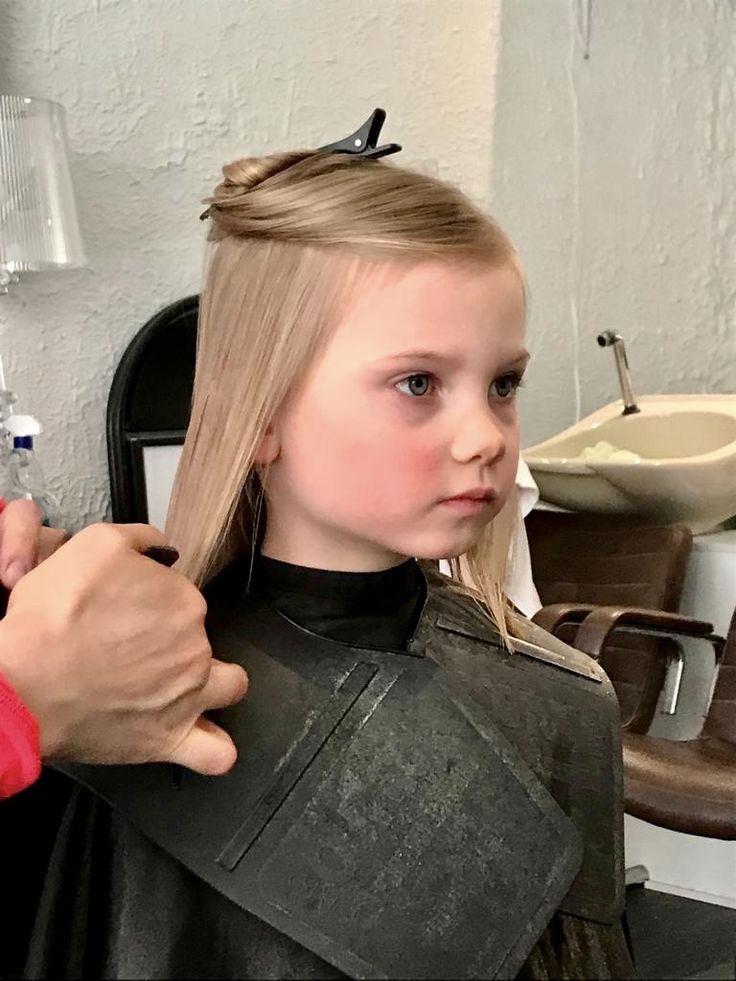
Wavy hair usually does well with a trim every eight to ten weeks.
The slight bend in the hair pattern hides minor split ends a bit longer than straight hair does.
Regular trims still help keep the wave pattern looking defined and healthy, especially alongside a routine from How to Build a Healthy Hair Routine for Kids.
Curly Hair
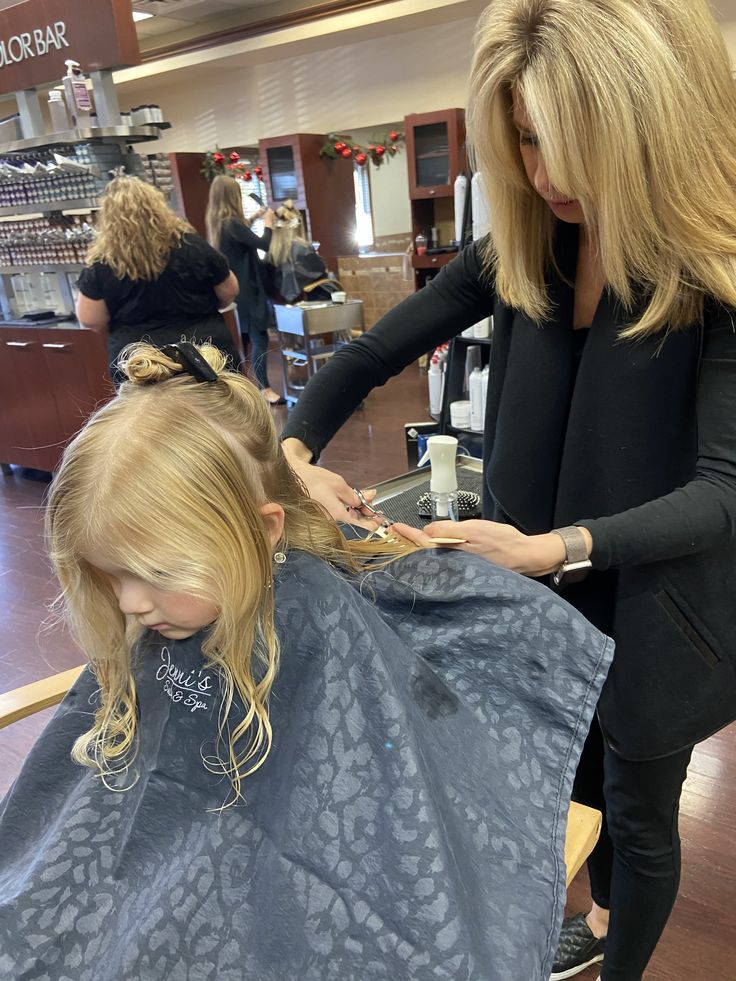
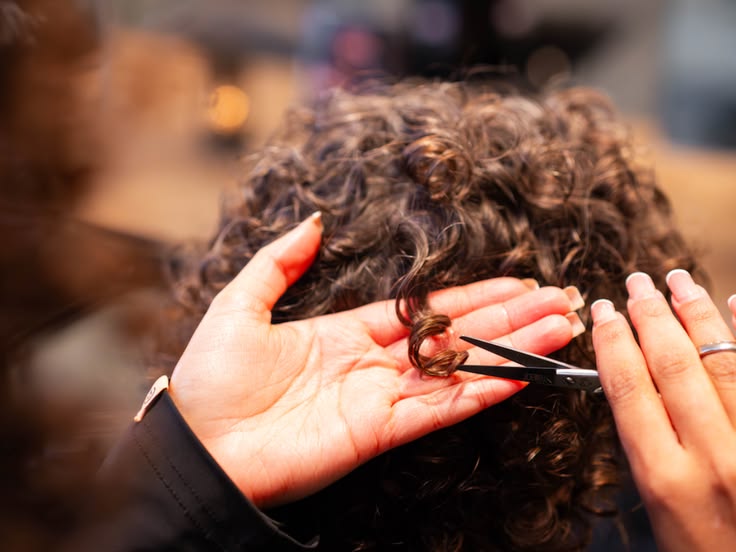
Curly hair can often stretch to ten or twelve weeks between trims, since the curl pattern naturally camouflages uneven ends.
That said, regular small trims prevent tangles from building into bigger knots over time.
For more on caring for this texture between trims.
Coily and Kinky Hair
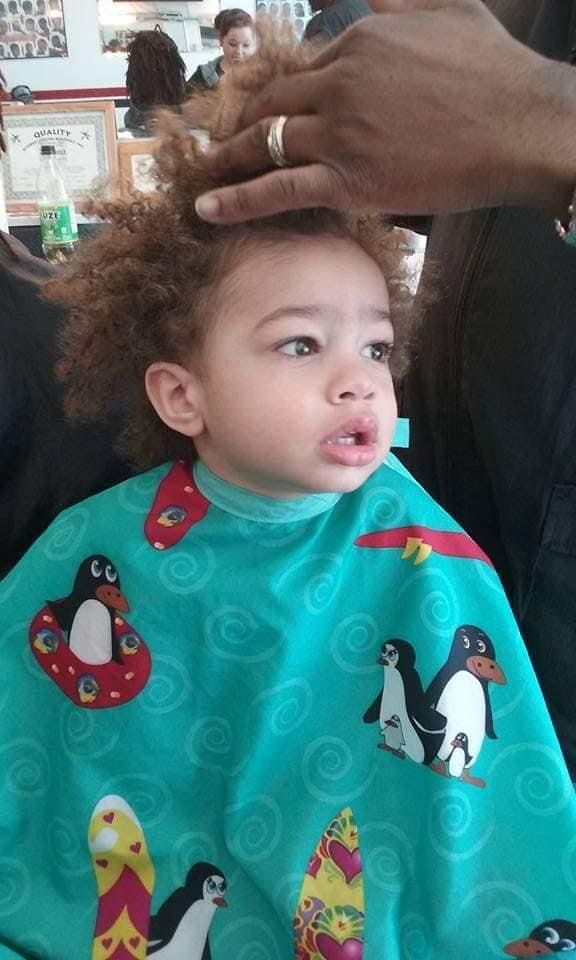
Coily and kinky textures often go the longest between trims, sometimes three to four months, since length is usually a priority and the tight curl pattern hides wear well.
Regular moisture and gentle detangling matter more here than frequent cutting.
How to Moisturize Kids Hair Properly pairs well with this stretched-out trim schedule.
Signs Your Child Needs a Haircut Sooner
Sometimes a schedule isn’t the best guide, and your child’s hair will tell you it’s time before the calendar does.
Growth rate, texture, and daily wear all affect timing more than any fixed number of weeks.
Watch for these signs between regular appointments.
Split or Frayed Ends
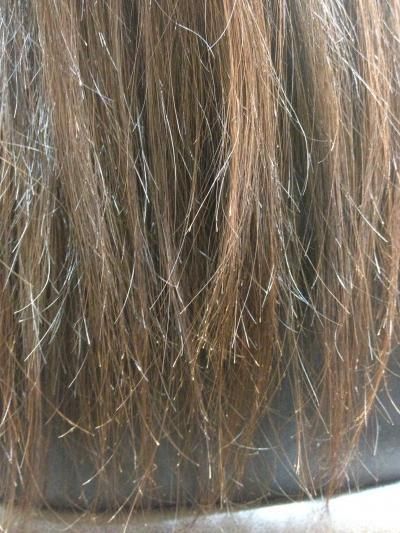
Split or frayed ends are one of the clearest signals.
Once ends start splitting, the damage can travel further up the strand if it isn’t trimmed away soon.
Running your fingers along a few strands is an easy way to check for this without needing a professional’s eye.
Constant Tangling
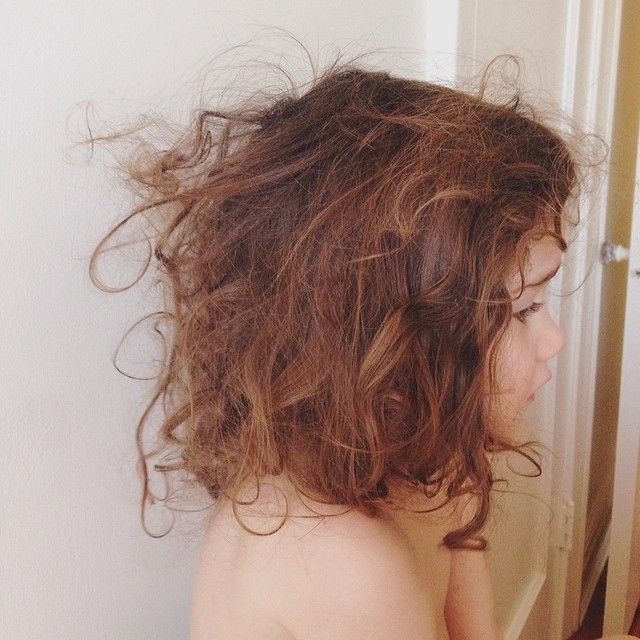
Tangles that seem to multiply overnight are another sign worth noticing.
Overly long or damaged ends often catch on themselves more easily, leading to knots that take longer to work through.
The Secret to Tear-Free Detangling offers helpful tips if this becomes a daily struggle.
Practical Tips for Managing Haircut Schedules
Set a reminder on your phone or calendar rather than relying on memory alone.
Hair maintenance is easy to forget between everything else on a family’s schedule, especially with multiple kids or a packed weekly routine.
Bundle haircuts with other routines your child already expects, like a seasonal wardrobe change or the start of a new school term.
This creates a predictable rhythm kids can anticipate rather than dread, similar to how How Often Should You Wash Your Child’s Hair? helps establish a predictable wash routine.
Ask your stylist directly what schedule they’d recommend based on your child’s specific texture and the style you’ve chosen.
A professional’s trained eye often catches small details a parent might easily miss, from early split ends to uneven growth patterns.
Keep a simple log of appointment dates, even a note on your phone works fine. This makes it much easier to notice patterns in how quickly your child’s hair actually grows.
Consider trimming at home between professional visits if your child’s hair grows quickly and appointments feel too frequent.
The Best Hair Brushes for Kids and a sharp pair of shears designed for hair can help with small touch-ups between salon visits.
Talk to your child ahead of time about what to expect at the appointment.
Explaining the sounds of scissors or clippers in simple, friendly terms can ease a lot of nervousness before you even arrive.
Bring a small comfort item, like a favorite toy or a tablet with headphones, for longer appointments.
A little distraction goes a long way toward keeping younger kids calm and still.
What to Expect During a Kids’ Haircut Appointment
Knowing the general flow of an appointment can make the whole experience feel less intimidating for both you and your child.
Most kid-friendly salons follow a similar, predictable pattern.
The stylist usually starts with a quick consultation, asking about the style you have in mind and checking the current condition of your child’s hair.
This is a good moment to mention how often kids get haircuts in your household so they can plan the right amount of length to remove.
Detangling comes next, often with a wide-tooth comb to avoid unnecessary tugging.
Wide-Tooth Comb vs Detangling Brush explains which tool tends to work best for different textures during this step.
The actual cutting is usually the shortest part of the visit for simple trims, sometimes taking only ten to fifteen minutes.
More detailed cuts or first haircuts may take a bit longer, especially if your child needs a few breaks.
Many salons finish with a small treat, a certificate for a first haircut, or even a lock of hair saved as a keepsake.
These small touches often turn a routine appointment into a memory worth keeping for years to come, especially for a first cut.

How to Choose a Kid-Friendly Stylist
Finding the right stylist makes a real difference in how often kids get haircuts without dreading the appointment.
A patient, experienced children’s stylist can turn a stressful visit into a quick, comfortable one.
Look for a salon that specializes in children or at least has staff experienced with younger clients.
These stylists usually know how to work quickly and keep kids distracted and comfortable throughout the cut.
Ask friends or family for recommendations rather than picking a salon at random. A personal referral often means the stylist already has a track record with anxious or wiggly children.
Bring your child in for a simple trim first before committing to anything more dramatic, like a big length change.
This lets both of you get comfortable with a new stylist before trying something bigger.
Consider timing appointments around naps or meals so your child isn’t tired or hungry during the visit. A well-rested, well-fed child usually sits still much more easily.
The Best First Haircut Tips for Your Child gives amore detailed explanation.
Seasonal and Lifestyle Factors to Consider
The time of year can shift how often kids get haircuts too.
Summer months often mean more swimming, sun exposure, and humidity, all of which affect how hair holds its shape and how quickly ends start to look worn.
Back-to-school season is a popular time for many families to schedule a fresh cut.
A new style can help kids feel confident heading into a new grade, and it’s an easy date to remember year after year.
Winter dryness from indoor heating can also affect hair health and may call for slightly more frequent trims to manage brittle ends.
Pairing trims with The Best Conditioners for Every Hair Type helps combat seasonal dryness between cuts.
Special events like recitals, family photos, or holiday gatherings are another natural checkpoint for scheduling a trim.
Planning a cut two to three weeks ahead of a big event gives hair time to settle into its new shape.
Common Mistakes Parents Make
Waiting until hair looks visibly damaged before booking a trim is one of the most frequent mistakes.
By that point, more length usually needs to be cut away than if the appointment had happened sooner.
Assuming all hair types need the same schedule is another common misstep.
What works for a straight-haired sibling may not fit a curly-haired one in the same family at all.
Skipping trims entirely out of fear of losing length can backfire.
Regular small trims actually support length retention by removing damage before it travels up the hair shaft.
Overcorrecting with too-frequent trims is possible too. Cutting more often than a child’s hair type needs can slow down the length your child may be trying to grow.
For more on habits that affect growth, Healthy Habits That Support Kids Hair Growth is a helpful companion piece.
Not communicating clearly with the stylist is another mistake worth avoiding.
Bringing a reference photo or describing exactly how much length to remove helps prevent a bigger change than you wanted.
Forgetting to factor in your child’s own preferences can also cause friction.
Involving your child in small decisions, like choosing between two lengths, often makes the whole process feel less stressful for everyone involved.
Ignoring signs of scalp irritation between cuts is a mistake too.
How to Keep Kids’ Scalp Healthy covers warning signs worth watching for regardless of your trim schedule.
Frequently Asked Questions
How often should you cut a toddler’s hair?
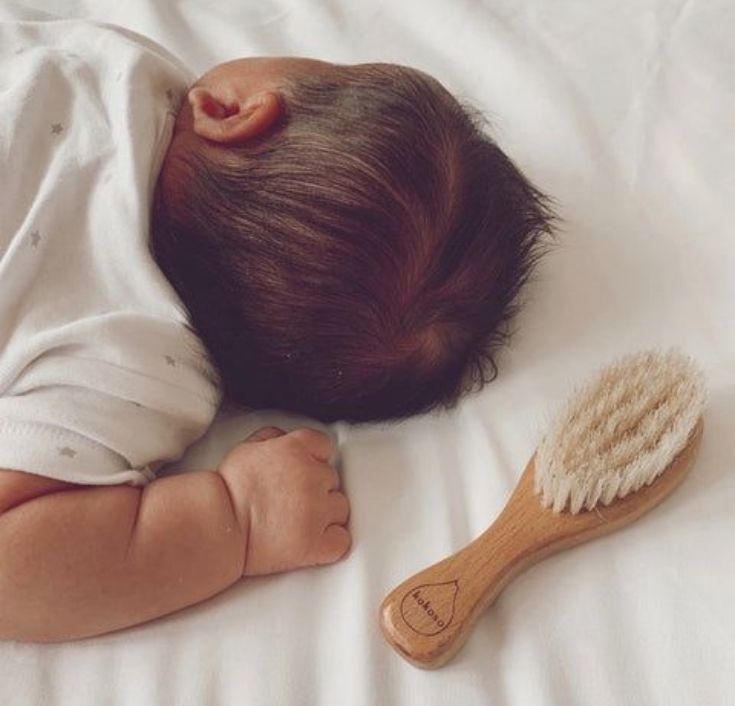
Toddlers with fine, slow-growing hair often need trims only every few months, mainly to clean up uneven ends rather than maintain a specific style.
This slower pace is completely normal and doesn’t mean anything is being neglected.
Toddler Hair Care Made Simple covers more toddler-specific guidance for this stage.
Does cutting hair make it grow faster?
Cutting hair does not speed up growth from the scalp, since growth happens at the root, not the ends.
Regular trims do support healthier-looking length by removing split ends before they travel further up the strand.
This is why trims are called length “retention,” not length “growth.”
Should curly hair be cut wet or dry?
Many stylists prefer cutting curly hair dry so they can see the true curl pattern and shape before removing any length.
This helps avoid cutting off more length than intended.
Wet curls stretch out and can spring back shorter than expected once they dry.
What happens if you wait too long between haircuts?
Waiting too long often means dealing with more significant split ends, tangles, and an uneven silhouette by the time a trim finally happens.
It can also mean losing more length overall than with regular, smaller trims.
A trim you keep putting off tends to cost more length in the end, not less.
Is it normal for kids to hate getting haircuts?
Yes, many kids feel nervous about haircuts, especially younger children unfamiliar with the sounds and sensations involved.
Choosing a patient stylist and keeping appointments short and positive usually helps over time.
Should you trim your child’s hair at home or at a salon?
Both options work well depending on your comfort level and your child’s hair needs.
Simple shape maintenance can often be done at home, while more precise cuts or first-time trims are usually better left to a professional.
Should You Trim Your Child’s Hair Regularly? goes deeper into this comparison.
Do bangs need more frequent trims than the rest of the hair?
Yes, bangs typically grow into the eyes faster than they affect the rest of a haircut’s shape.
They often need attention every three to four weeks even if the rest of the style can wait longer.
Many parents learn to trim bangs at home between full salon visits.
Does the season change how often kids need haircuts?
Yes, many families find that summer humidity and swimming call for slightly more frequent trims.
Colder months tend to suit a longer, low-maintenance length instead.
The Best Wash Day Routine for Kids pairs well with either seasonal schedule.

Final Thoughts
Figuring out how often kids get haircuts comes down to understanding your child’s specific hair type, growth rate, and preferred style rather than following one fixed rule.
Straight hair typically needs more frequent trims, while curly and coily textures can usually stretch a bit longer.
Pay attention to the signs your child’s hair gives you between appointments, and don’t be afraid to ask your stylist for a personalized recommendation based on what they see in person.
Over time, these regular little rituals become part of the rhythm of raising your child, one trim at a time.
If you’re planning a bigger style change alongside your next trim, browsing 101 Cute Hairstyles for Little Girls beforehand can help you and your stylist land on a length and shape that works well together.



One Comment