

The One Hair Care Habit That Causes More Tangles Than You Think
Disclosure: Some of the links in this post are affiliate links. This means if you click on the link and purchase an item, I will receive an affiliate commission at no extra cost to you.
You brush before bed, use a good conditioner, you even bought a silk pillowcase. Still, wash day turns into a wrestling match every single week.
If tangles keep piling up no matter what products you try, one specific habit causes more tangles than almost anything else parents do, and most people never even think to question it.
The pattern shows up in nearly every household that struggles with wash day, regardless of hair texture or routine otherwise.
The habit is simple: detangling only after you shampoo, instead of before. Most routines go straight from wet hair to shampoo to conditioner to detangling at the very end.
That order feels natural, but it sets the hair up for a much rougher ride than it needs to have.
Once you understand why this habit causes more tangles than almost any other single factor, the fix becomes obvious. It is not about buying new products or spending more time overall. It is about moving one step earlier in your routine.
This post explains exactly why this one habit causes more tangles than people expect, why it is so easy to fall into without realizing it, and how a small change in your order of operations can make wash day dramatically easier.
You will also find a few related habits worth adjusting, plus answers to the questions parents ask most about fixing this pattern for good. None of this requires new products or extra time. It just means shifting when detangling happens.
Why This Habit Goes Unnoticed
Nobody teaches you to detangle before shampooing.
Most tutorials, product labels, and even salon routines follow the same order: wash, condition, then detangle.
It looks logical on the surface, since conditioner makes hair slippery and easier to comb through.
The problem is what happens before that point.
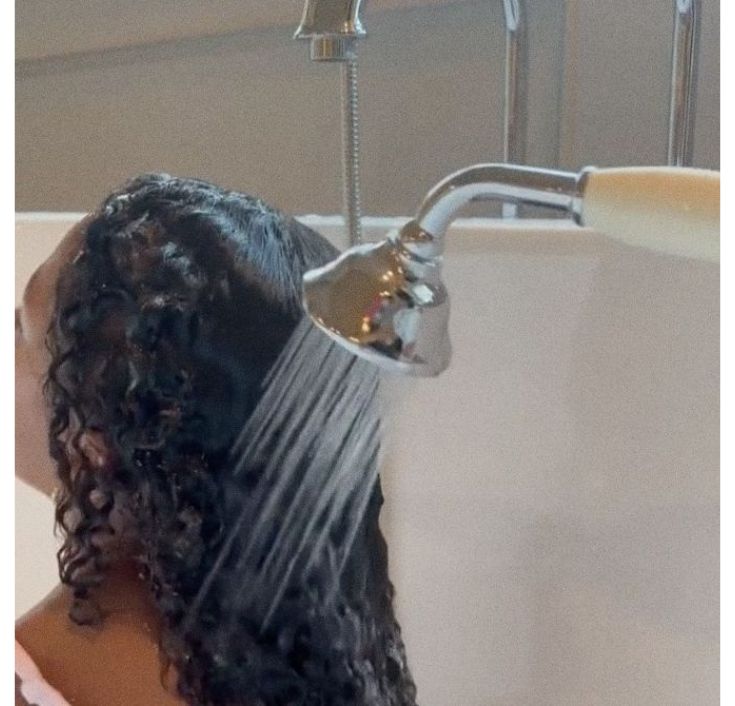
Shampoo strips moisture and creates friction, and when hair goes into the shampoo step already tangled, those tangles tighten and knot further during washing.
By the time you reach for a comb, you are untangling knots that just got worse instead of starting from a manageable point.
This is exactly why so many parents feel like they are fighting an uphill battle every wash day, even when they are doing everything else right.
The habit hides in plain sight because it feels like the standard, expected order of a wash day routine, not something worth questioning, even though it quietly causes more tangles every single week.
The Habit: Skipping Pre-Wash Detangling
This habit causes more tangles because of what happens at the structural level of the hair strand during washing.
Water causes each strand to swell slightly, and the outer cuticle layer lifts. When hair is already knotted going into this process, the swelling and lifting locks those tangles in even tighter.
Add the physical agitation of shampooing, scrubbing, and rinsing, and hair that started out slightly tangled often comes out matted.
This is especially true for curly and coily textures, where strands naturally wrap around each other more easily than straighter hair types.
Think of it like trying to untie a knot in a wet shoelace after you have already pulled it tight.
The knot that would have taken seconds to loosen beforehand becomes a genuine struggle once water and pressure have set it. Hair behaves in much the same way during a wash cycle.
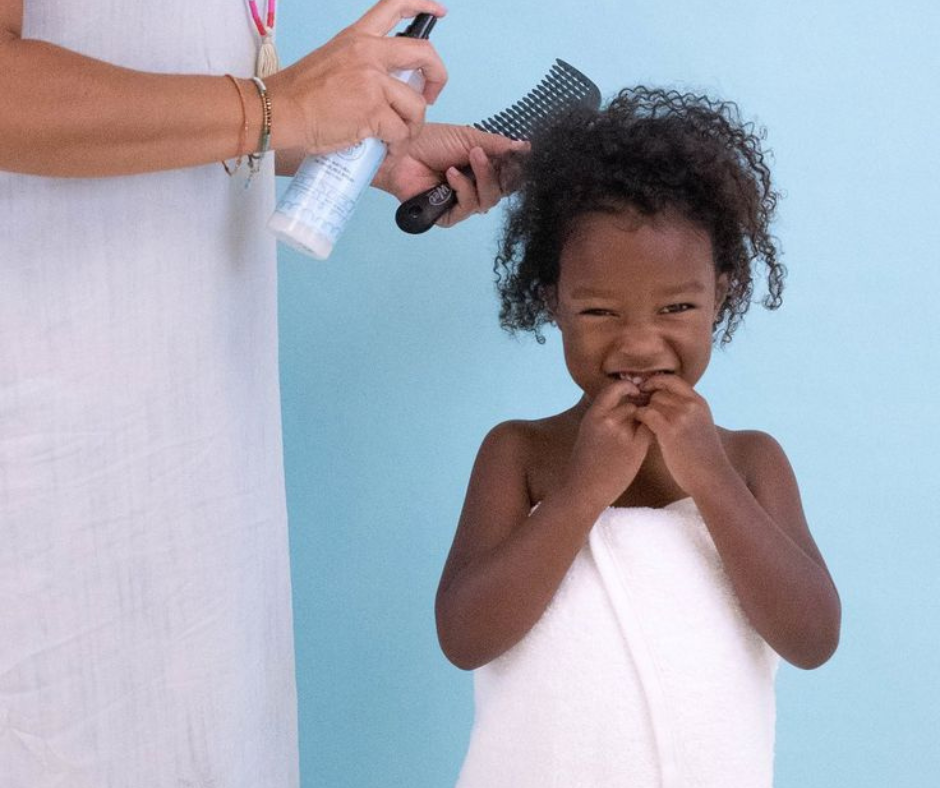
How This Shows Up on Wash Day
You will usually notice detangling takes much longer than it should, even with a good conditioner working through the hair.
Knots feel tighter and more resistant than they did before washing started.
Hair sheds more than usual during detangling, since matted strands pull out more broken and shed hairs than strands you separated beforehand.
If wash day regularly turns into tears, frustration, or a session that drags on far longer than it needs to, this habit is very likely part of the reason.
The Real Reason Wash Day Feels So Difficult looks at several other factors that compound this same problem.
Parents often assume their child simply has particularly difficult hair, when the real explanation is much simpler.
The routine itself, not the hair texture, is often the bigger factor in how hard wash day feels week after week.
Why Curly and Coily Hair Is Especially Affected
Curly and coily hair textures have more surface area for strands to catch on each other compared to straighter textures.
Each curl or coil acts almost like a tiny hook, grabbing onto neighboring strands throughout the day from sleeping, playing, and normal movement.
By wash day, those small everyday tangles have usually multiplied.
Sending this hair straight into shampoo without addressing tangles first means the washing process compounds an already tangled starting point.
The Different Kids Hair Textures Explained breaks down how texture affects tangling specifically, since some patterns knot more easily than others.
This does not mean curly and coily hair is destined for constant tangling.
It just means pre-wash detangling matters more for these textures than for straighter hair, which tends to tangle less to begin with and can sometimes get away with skipping this step occasionally without major consequences.
How to Fix This Habit
The fix does not require buying anything new. It simply means adding one gentle step before shampooing.
Lightly detangling the hair first can loosen knots and reduce the pulling that happens during washing.
This gives the shampoo a cleaner path through the hair without forcing you to work through every tangle at the end.
Instead of relying entirely on conditioner to handle all the detangling, you can make the washing process easier from the start.
Finger Detangle Before You Wet the Hair
Start by gently separating the hair with your fingers , working in sections.
This breaks up the biggest knots before water and shampoo ever touch the hair, which means the washing process has far less tangling to fight against.
Finger detangling might feel slower at first, but it prevents the kind of deep matting that takes much longer to work through later.
How to Identify Your Child’s Hair Type can help you understand how much pre-detangling your child’s specific texture typically needs.
Work from the ends toward the roots rather than starting at the scalp.
This approach breaks up smaller knots first, which prevents you from pushing tangles further down the strand and creating one large knot out of several small ones.
The Secret to Tear-Free Detangling pairs well with this technique, since slightly damp, moisturized ends detangle more easily than completely dry ones.
Apply a Detangling Product Before Shampoo
A lightweight detangling spray or a small amount of conditioner applied before shampooing gives your fingers or a comb something to glide through.
This step, sometimes called pre-pooing, softens the hair enough to work through knots gently before the shampoo step begins.
The Best Detangling Sprays for Kids has options specifically designed for this pre-wash step, which are usually lighter than a full deep conditioner so they rinse out easily before shampooing.
You do not need to soak the hair for this to work. A light, even coating across each section is enough to add the slip needed for gentle detangling, without leaving so much product behind that it interferes with how well shampoo cleanses the scalp afterward.
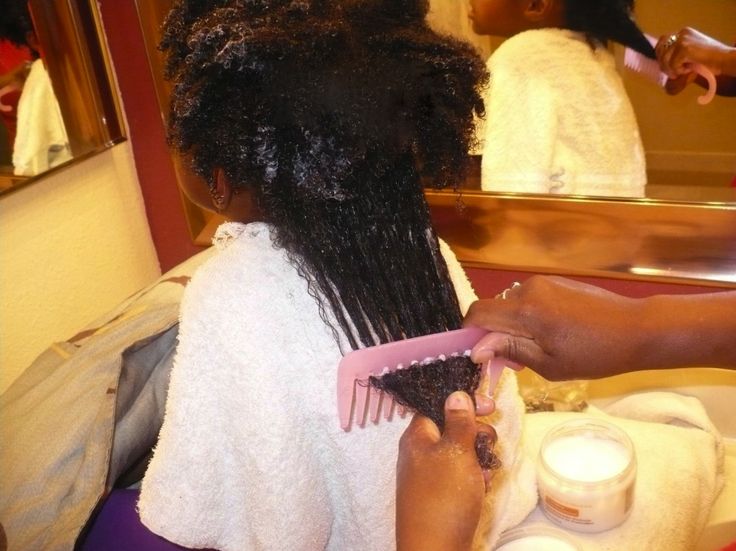
Section the Hair Before Washing
Washing hair in one giant mass makes it very easy for strands from different areas of the head to tangle together.
Dividing hair into four to six sections before wetting it keeps strands more contained and prevents cross-section tangling during shampooing and rinsing.
Clip or twist each section loosely, wash and condition one section at a time if possible, and keep the others secured until you get to them.
The Best Wash Day Routine for Kids walks through exactly how sectioning fits into a full wash day routine.
This approach takes a little more time upfront, but it dramatically reduces how tangled hair feels by the time you reach the detangling stage.
Many parents who add sectioning to their routine find that detangling afterward takes half the time it used to.

Use a Wide-Tooth Comb for Pre-Detangling
Fingers work well for smaller knots, but a wide-tooth comb helps with larger sections once the hair has some slip from a pre-wash detangling product.
Wide-Tooth Comb vs Detangling Brush compares tools specifically so you can pick the right one for pre-wash detangling versus post-wash styling.
Move the comb slowly and hold the section above where you are combing to reduce tension on the scalp.
This small adjustment protects both comfort and the hair itself while you work through larger knots.

Other Habits That Make Tangling Worse
Skipping pre-wash detangling rarely acts alone. A few other everyday habits can make the problem worse over time.
Rough detangling, dry brushing, tight hairstyles, and too much manipulation can all place extra stress on fragile strands.
Washing without gently separating the hair first can also leave knots tighter after wash day.
Once several of these habits happen together, the hair faces more pulling and friction than it can handle.
Simple changes to the routine can help reduce that stress and make detangling much easier.
Rubbing Hair Dry With a Towel
Rough towel drying after washing creates friction that tangles strands together all over again, even if you carefully detangled before and during the wash.
How to Moisturize Kids Hair Properly covers gentler drying methods that protect the progress you already made during detangling.
A microfiber towel or an old cotton t-shirt causes far less friction than a regular bath towel.

Sleeping Without Protection
Cotton pillowcases create friction overnight that reintroduces tangles even on hair that was smooth and detangled the night before.
Satin Bonnets for Kids: Do They Help? explains how this simple nighttime habit protects detangling work from unraveling while your child sleeps.
Loosely braiding or twisting hair before bed adds another layer of protection against overnight tangling.

Playing and Moving Throughout the Day
Kids run, play, and rub their heads against things constantly, which naturally reintroduces small tangles between wash days.
This is unavoidable, but a quick daily finger detangling session, even just thirty seconds, prevents those small tangles from building into bigger knots by the next wash day.
17 Protective Hairstyles for Active Kids can also help by keeping hair contained during play, which reduces how much daily tangling happens in the first place.

Not Moisturizing Between Washes
Dry hair tangles more easily than well-moisturized hair, since dry strands catch and snag on each other more than hair with adequate slip.
How to Build a Healthy Hair Routine for Kids can help you build a moisturizing schedule that keeps hair tangle-resistant between washes, not just on wash day itself.
The Hidden Mistake That Could Be Drying Out Your Child’s Hair is worth checking too if dryness seems to be a bigger factor than the washing order itself.
Common Mistakes to Avoid
The biggest mistake is assuming a good conditioner alone can undo tangling that already happened during shampooing.
Conditioner helps, but it works best on hair that started the wash process already reasonably detangled, not hair that matted further during shampooing.
This misunderstanding is exactly why this one hair care habit causes more tangles for so many families without them ever realizing where the real problem started.
Rushing through pre-wash detangling defeats the purpose too.
Taking shortcuts here to save five minutes often costs you far more time later once the hair is wet and tangles have tightened.
Why Expensive Hair Products Aren’t Always Better explains why the order of your routine often matters more than which specific products you use.
Avoid detangling aggressively when hair is fully dry without any product to add slip.
Dry detangling with no assistance pulls on strands and increases breakage.
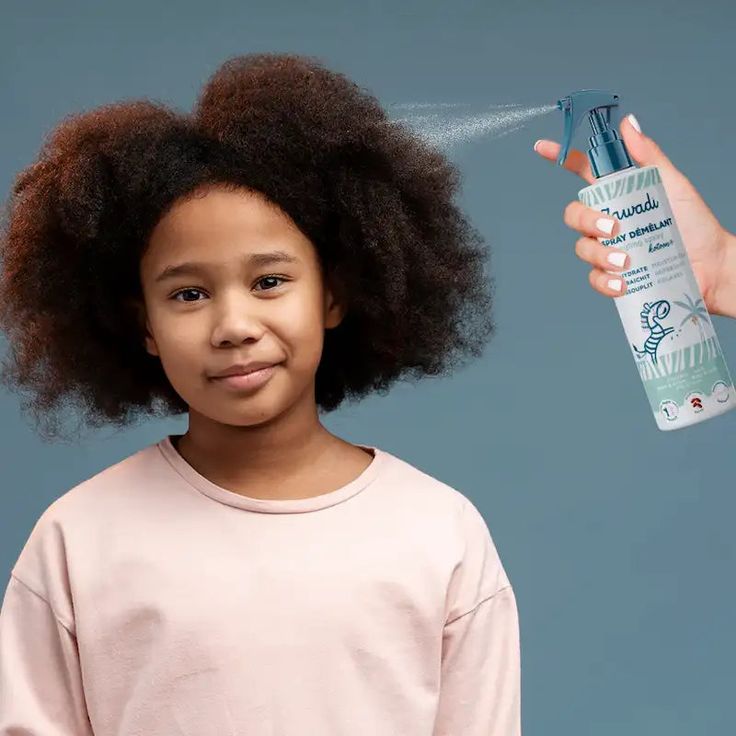
A light mist of water or detangling spray gives just enough slip to make dry detangling gentler and more effective.
Another mistake worth avoiding is detangling only once a week, right before washing.
Hair that gets touched and detangled a little each day builds up far fewer knots than hair that sits untouched for a full week between sessions.
How Often Should You Wash Your Child’s Hair? can help you figure out a schedule that includes light daily maintenance alongside your regular wash days.
Frequently Asked Questions
Why does my child’s hair tangle so much during washing specifically?
Washing causes hair strands to swell and the outer cuticle to lift, which locks in any existing tangles even tighter. If hair goes into the shampoo step already knotted, the washing process itself makes those tangles worse rather than better.
How long should pre-wash detangling take?
This depends on hair texture and how tangled the hair already is, but most sessions take between five and fifteen minutes.
Curlier and coilier textures typically need more time than straighter hair.
Breaking the process into sections makes it feel much more manageable than trying to detangle the whole head at once.
Can I skip pre-wash detangling if I use a good conditioner?
You can, but you will likely spend much more time detangling after washing than you would have spent detangling before.
Conditioner adds slip, but it cannot undo tangles that tightened during the shampoo step.
Pre-wash detangling almost always saves time overall, even though it adds a step at the start.
Should You Trim Your Child’s Hair Regularly? is also worth reading if you are dealing with severe matting, since split ends can sometimes contribute to persistent knotting near the tips.
What if my child’s hair tangles no matter what I try?
Persistent tangling despite a good routine often points to dryness, since dry strands catch on each other more easily than well-moisturized hair.
15 Reasons Your Child’s Hair Keeps Breaking (and What to Do About It) covers several dryness-related causes that also contribute heavily to excessive tangling.
If pre-wash detangling, moisture, and sectioning are all in place and tangling still feels excessive, scalp condition is worth a look too.
How to Keep Kids’ Scalp Healthy covers how scalp health affects overall hair manageability.
Is finger detangling really better than using a comb first?
For the initial pass on very tangled hair, fingers give you much more control and sensitivity than a comb, which helps you feel exactly where knots are before applying any pulling force.
Once you work out the biggest knots by hand, a wide-tooth comb can smooth through the rest more efficiently.
Many parents find that combining both tools this way, fingers first and a comb second, gives the gentlest and most thorough result overall.

Final Thoughts
If wash day feels like a battle every single time, the order of your routine might be working against you more than any product on your shelf.
Detangling before you shampoo, instead of only after, gives hair a real chance to come through washing smooth instead of matted.
This one habit causes more tangles quietly, week after week, until you finally trace the problem back to where it actually starts.
This one change costs a few extra minutes at the start of your routine, but it often saves far more time and frustration by the end.
Add finger detangling and a light pre-wash product to your next wash day and see how much of a difference it makes.
How to Encourage Healthy Hair Growth in Kids is a great next read once tangling is under better control and you are ready to focus on other parts of the routine.
Small shifts like this rarely feel dramatic in the moment, but they add up.
Once pre-wash detangling becomes a normal part of your routine, wash day stops feeling like something to dread and starts feeling like just another step in taking care of your child’s hair.
Why Your Child Hates Hair Time (and How to Change It) covers more ways to make the whole process feel calmer for both of you.



2 Comments