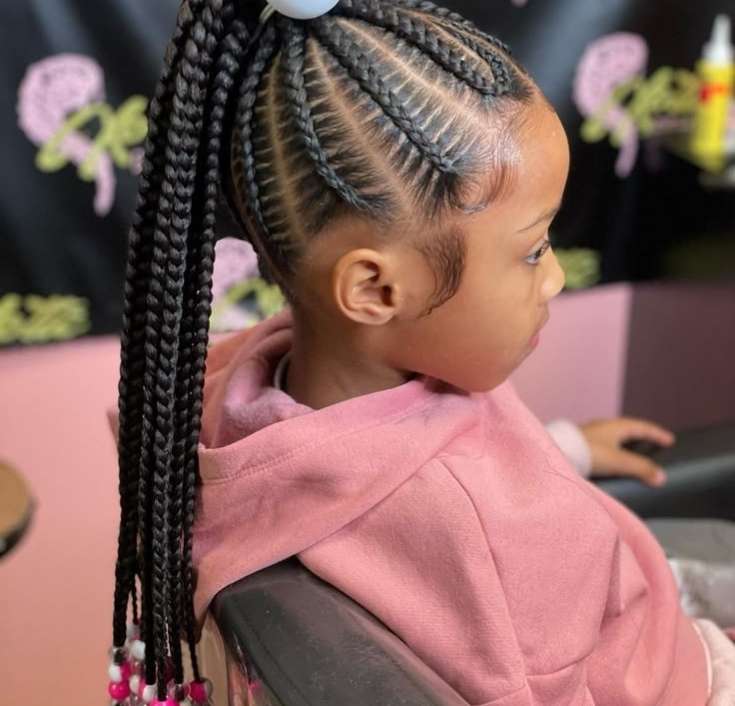

27 Protective School Hairstyles That Last All Week
Some mornings need more than a quick fix. A style that lasts the whole week means less time detangling and more time doing everything else.
That is exactly what protective hairstyles for school are built for.
This list covers cornrows, twists, and braided updos that hold up through recess, gym class, and everything in between.
Many of these styles can be refreshed with a bit of oil rather than redone from scratch each morning. For more everyday styling ideas, 75 Cute Kids Hairstyles You’ll Want to Save is worth a browse too.
Choosing a protective style together and checking in on it through the week often becomes one of those small routines that ends up meaning more than expected. For a full plan on caring for hair between styles, The Complete Beginner’s Guide to Kids Hair Care covers the basics.
Below are 27 protective hairstyles for school, sorted into six easy categories, so you can find the right one for your child’s hair type and schedule.
Classic Protective Braids
These three styles are the foundation most protective hairstyles for school build on.
They use small, sectioned braids that stay neat for a week or longer with the right care.
All three suit coily and curly textures especially well, though they work on other textures too.
Each one balances durability with a look that still feels fresh by Friday.
Starting with clean, well-moisturized hair makes any of these three easier to install.
1. Box Braids
Box braids section hair into small, even squares before braiding each one, often with added extensions for length.
This style can last one to two weeks and suits active kids who need low-maintenance hair.
For a full breakdown of the process, Box Braids for Kids: Everything Parents Should Know covers what to expect.

2. Knotless Braids
Knotless braids use a feed-in technique that skips the tight knot at the root found in traditional box braids.
This makes them gentler on the scalp for all-day wear at school.
For style variations within this category, 21 Cute Knotless Braids for Kids offers a closer look.
They also tend to look more natural since the braid grows from the actual hairline.

3. Stitch Braids
Stitch braids are cornrows braided with a technique that creates a raised, stitched appearance along each row.
This style is neat and long-lasting, suiting kids who want a sleek look without much daily upkeep.
A simple straight-back pattern makes maintenance easier between salon visits.
A light gel along the part keeps the rows looking crisp for days.

Cornrow Styles
Cornrows are one of the most reliable protective hairstyles for school, since the rows sit close to the scalp and stay out of the way all day.
This category covers several parting patterns, from the simplest straight rows to more detailed designs.
All of them share the same low-maintenance appeal. For a wider look at this category, 35 Cornrow Styles for Kids covers even more patterns.
4. Cornrow Mohawk
Cornrow Mohawk creates a bold look by braiding the sides of the hair toward a raised centre section.
Start with clean sections, then braid each side toward the middle while keeping the rows neat and secure.
This protective style keeps the hair contained and can stay neat throughout the school week..
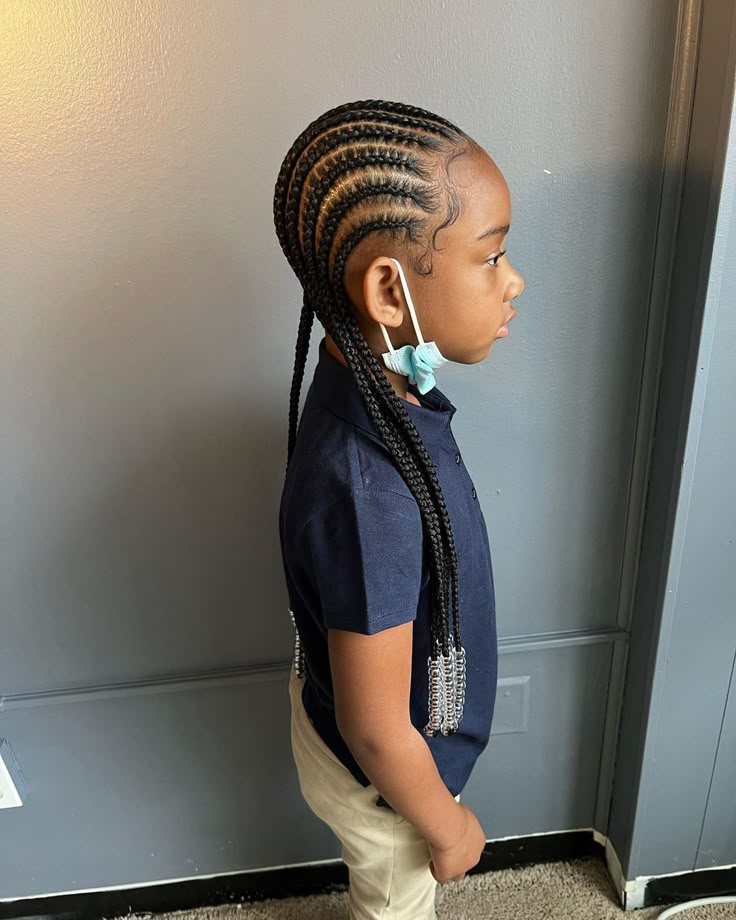
5. Straight-Back Cornrows
Straight-back cornrows run in simple parallel rows from the front hairline to the nape.
This classic pattern suits every hair length and works well for kids who want the simplest, quickest option.
It also pairs easily with beads or a low bun.
Even, consistent spacing between rows gives this style its clean, polished look.
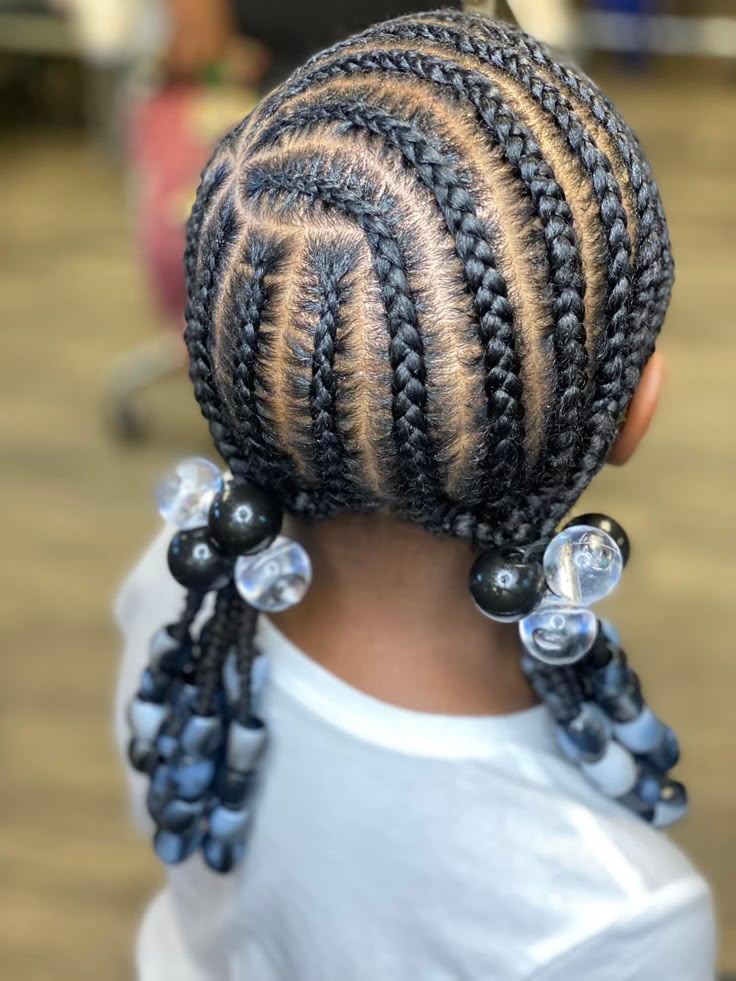
6. Zigzag Cornrows
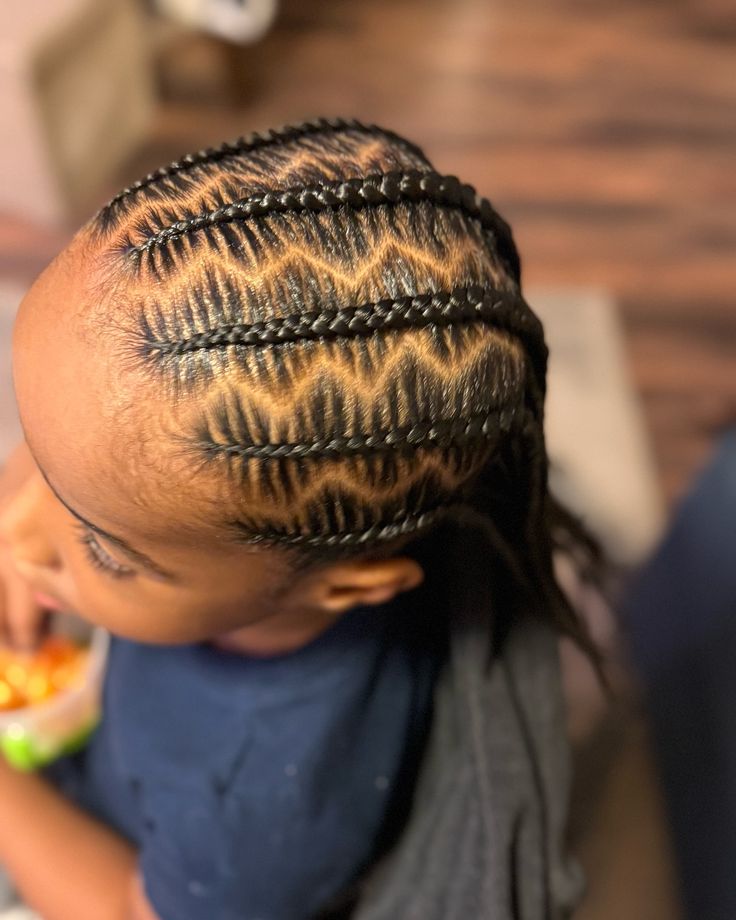
Zigzag cornrows use a jagged, angled parting pattern instead of straight lines.
This style adds visual interest while keeping the same durability as traditional cornrows.
It suits kids who want something a bit different for school pictures or events.
A rat-tail comb helps keep each zigzag section sharp and even.
7. Curved Cornrows
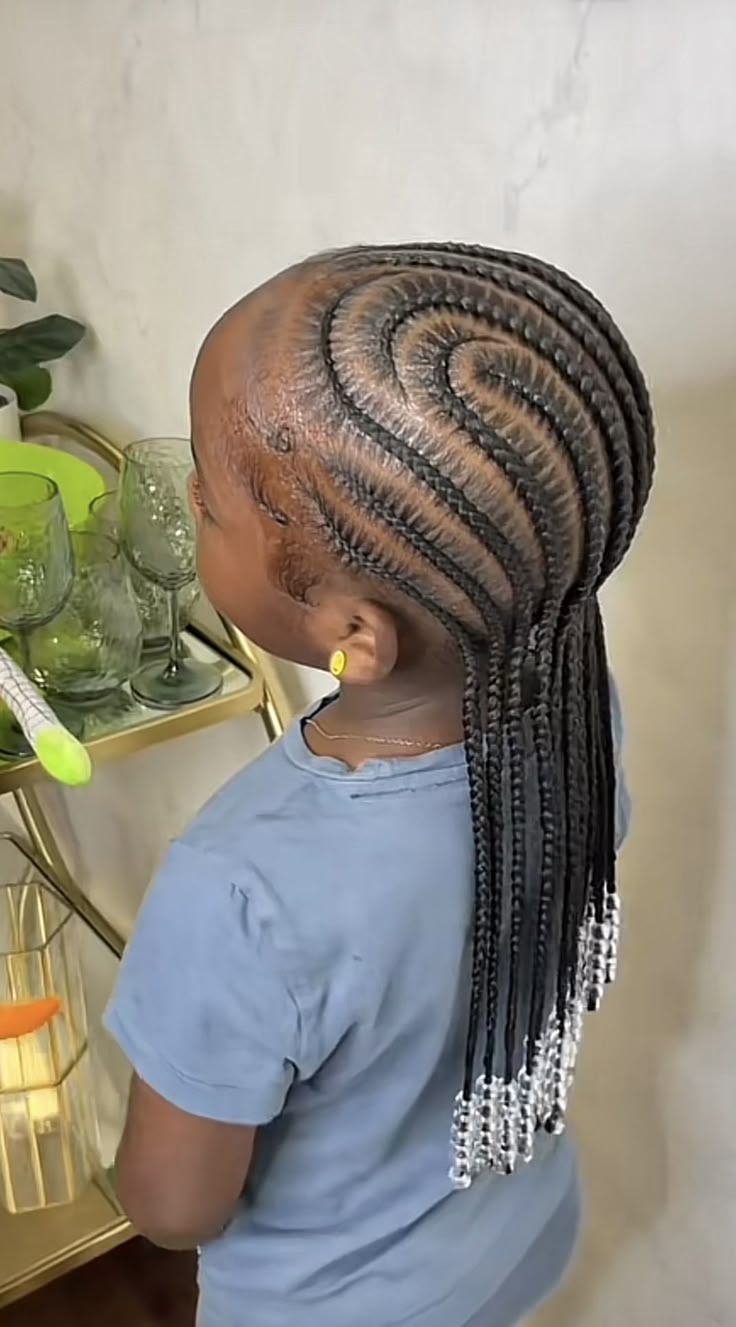
Curved cornrows follow soft, sweeping lines across the scalp rather than straight or angled ones.
This style gives a softer, more feminine look and works well for round or oval face shapes.
It holds up just as long as any other cornrow pattern.
Sketching the curve pattern lightly before parting helps keep both sides symmetrical.
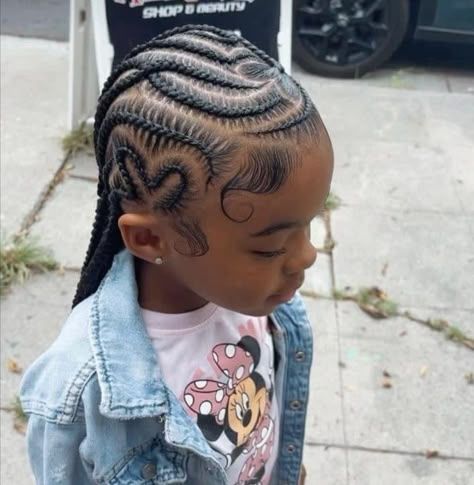
8. Heart Cornrows
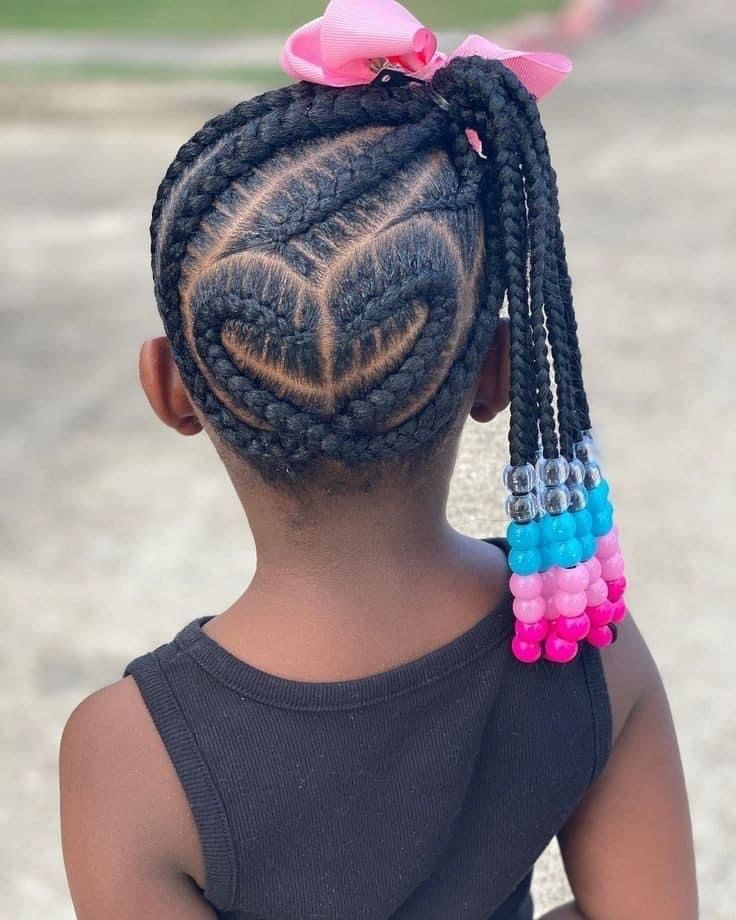
Heart cornrows shape the parting into a heart design, usually centered at the crown, back or front of the head.
This style is a fun choice for Valentine’s Day or picture day and suits medium to long hair best.
Planning the heart shape before braiding makes the pattern much cleaner.
Adding a few small beads at the center draws extra attention to the design.
Feed-In and Pattern Braids
This category covers braids that use a feed-in technique, adding small amounts of extra hair as the braid moves along the scalp.
The result is a fuller, longer-lasting braid that holds its shape better than a standard braid.
These styles suit coily and curly textures especially well and often last two weeks or more.
Choosing a lightweight braiding hair keeps these styles comfortable for all-day school wear.
9. Fulani Braids
Fulani braids combine cornrows along the front with braids left hanging or gathered toward the back, often decorated with beads.
This style blends tradition with a distinctive look and stays secure for school as long as the beads are lightweight.
30 Feed-In Braids for Little Girls covers several related styles.
Keeping the front cornrows tighter than the back braids helps the whole look hold its shape.

10. Tribal Braids
Tribal braids feature bold, curved parts that create a striking geometric pattern across the scalp.
This style takes more time to create but lasts several weeks once finished.
It suits kids with natural hair who want strong visual impact for school.
Mapping out the curved sections ahead of time makes the pattern much easier to follow.

11. Lemonade Braids
Lemonade braids are cornrows styled to sweep to one side, often in a diagonal or curved pattern.
This style adds visual interest while keeping the durability of traditional cornrows.
A few colorful beads at the ends add a playful touch.
Securing the ends with small rubber bands keeps them from slipping loose.

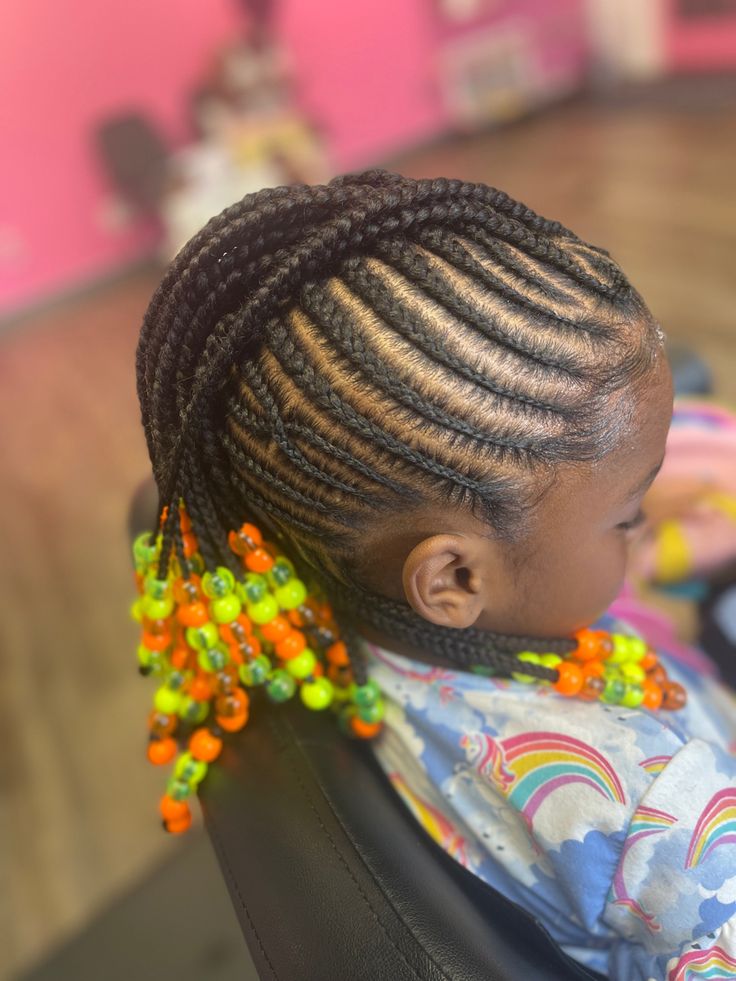
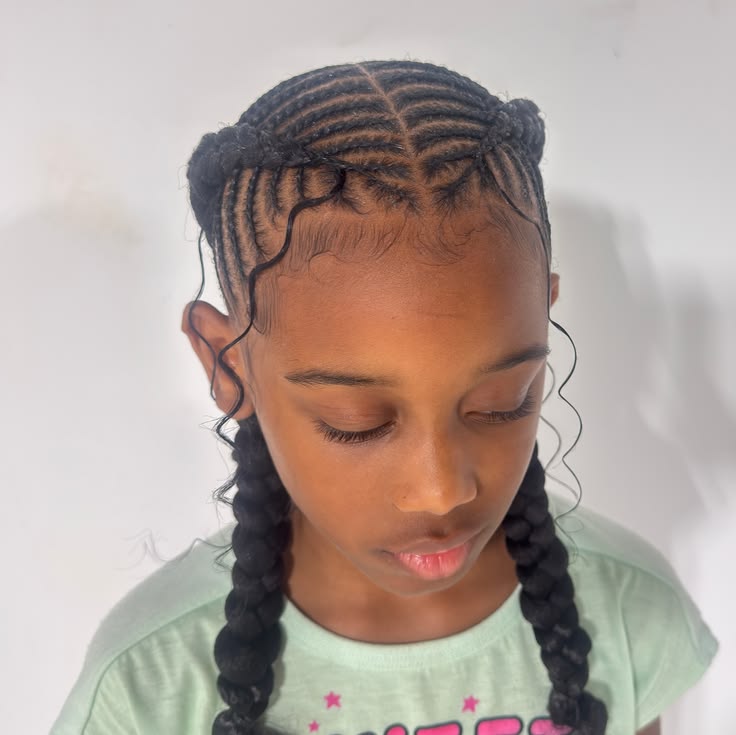
12. Fishbone Braids
Fishbone braids use a feed-in cornrow pattern with small, closely spaced rows that create a rib-like texture.
This style suits kids who want a detailed, textured look without added length.
It holds up well through a full week of school activities.
Keeping each row thin is what gives this style its signature ribbed effect.
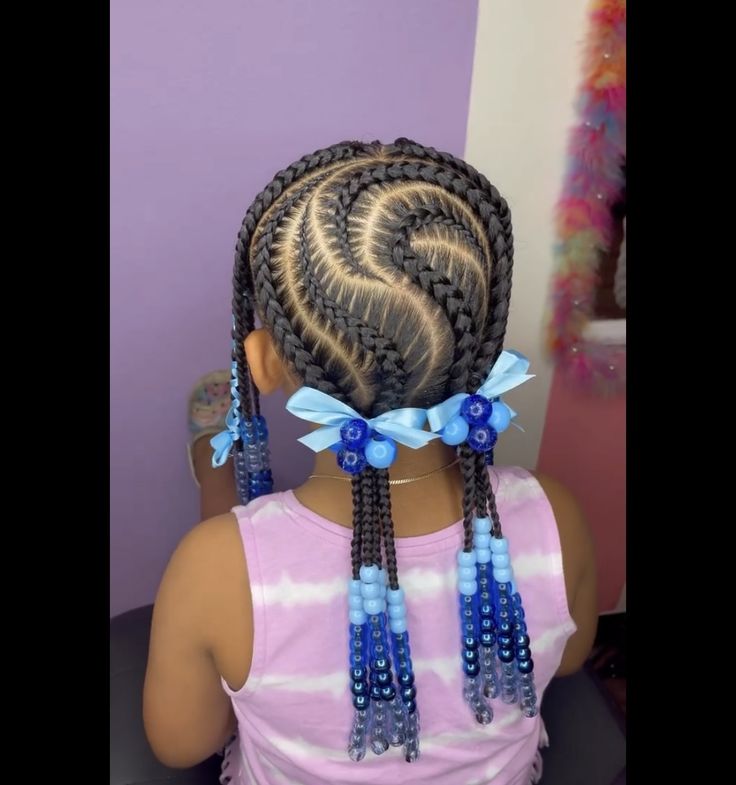
13. S-Curve Braids
S-curve braids follow a winding, wave-like part instead of straight or angled rows.
This style softens the overall look while keeping the same long-lasting structure as other feed-in braids.
It suits most face shapes and hair lengths.
Drawing the wave lightly with a comb before braiding keeps the curves consistent.
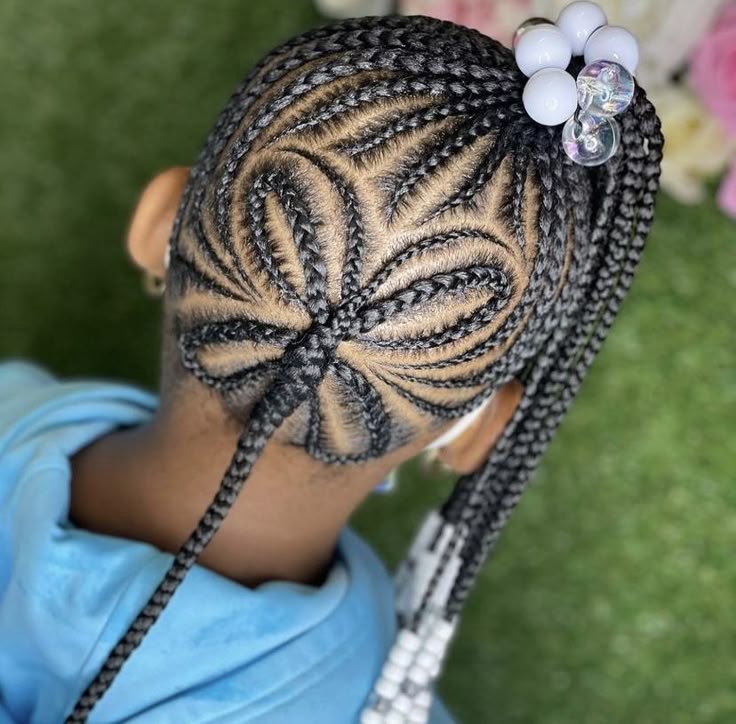
14. Butterfly Braids
Butterfly braids use a looping technique that creates a layered, wing-like pattern along the part.
This style stands out for special school events while still holding up through daily wear.
It suits medium to long natural hair especially well.
Working slowly through each loop keeps the wing shapes even on both sides.
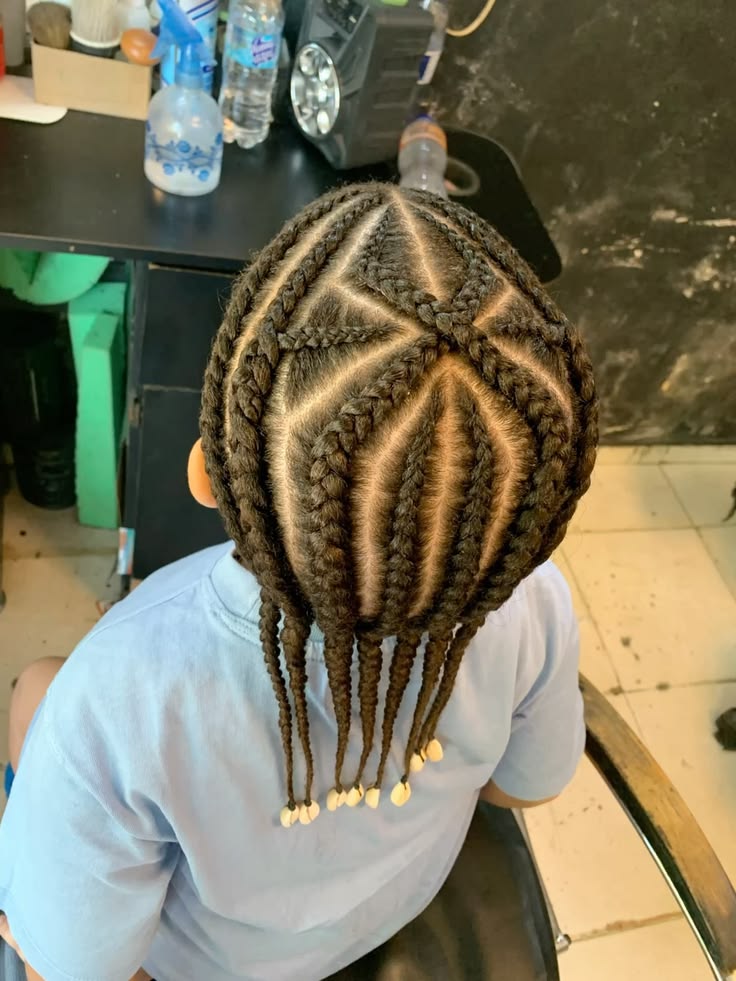
15. Spider Braids
Spider braids radiate outward from a central point in thin, evenly spaced sections.
This style creates a bold, symmetrical look that suits kids who want something eye-catching for school.
It works best on medium to long hair for the fullest effect.
Starting the sections from one clear center point keeps the radiating pattern balanced.
Braids into Updos
Gathering braids or cornrows into an updo adds an extra layer of protection by keeping the ends tucked away from friction.
This category works especially well for kids who are rough on their hair during recess or sports.
Most of these styles start with one of the braid patterns above and simply finish differently.
Tucking the ends underneath rather than leaving them exposed helps these styles last even longer.
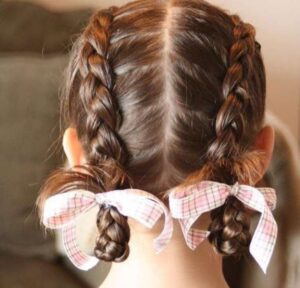
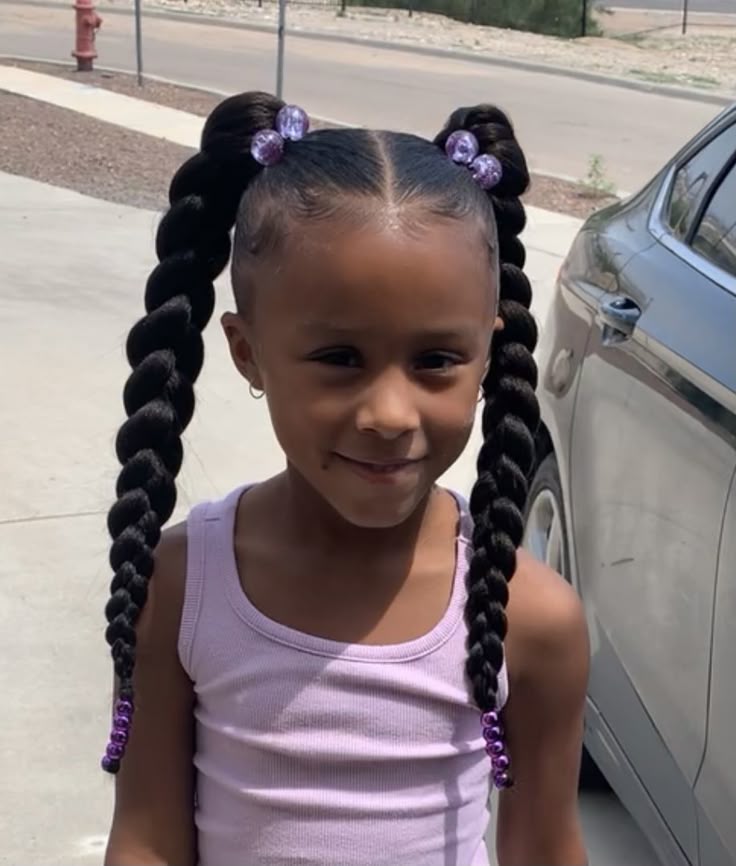
16. Braided Pigtails
Braided pigtails combine two simple braids with a playful, youthful look.
This style suits younger kids and those with shorter hair who cannot yet manage tighter styles.
Matching bows on each braid make this a favorite for school photo days.
Braiding both sides at the same pace keeps the part looking centered.
17. Braids into Double Buns
This style gathers braids into two buns instead of one, positioned at the crown or on either side of the head.
It works well for kids who want a dressier finish while keeping their protective style intact.
Soft, seamless elastics help prevent breakage at the base of each bun.
Wrapping a small section of braid around each base hides the elastic for a cleaner look.

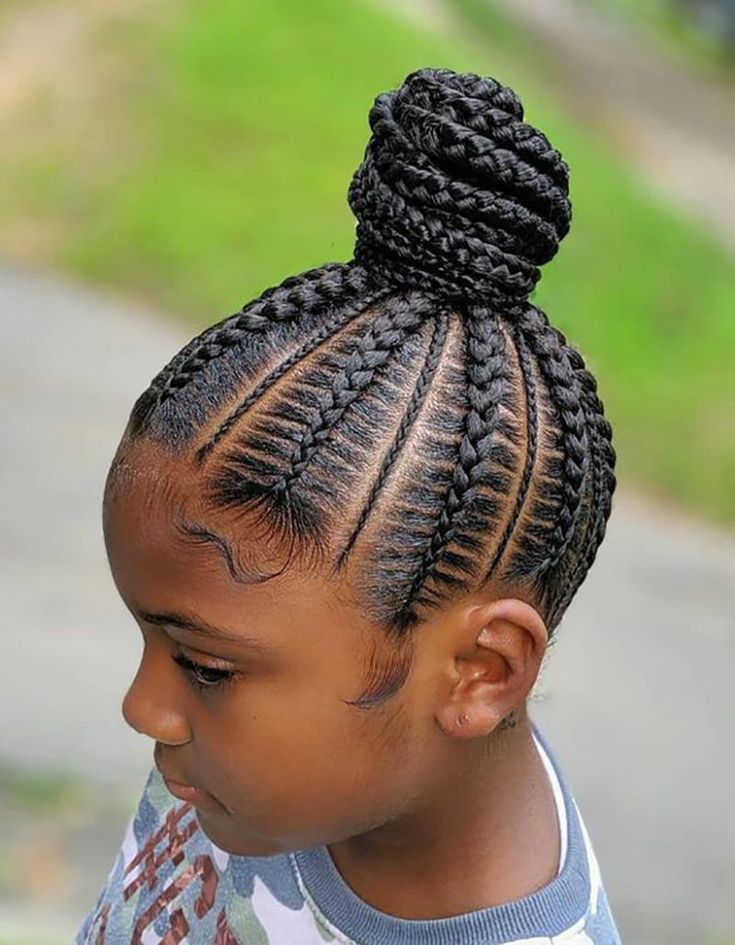
18. Braided Bun
This style gathers braids into a single neat bun once braiding is complete, offering a polished finish for school mornings.
It suits kids who want their protective style to look a bit dressier.
For more bun-specific ideas, 40 Braided Bun Hairstyles for School is worth browsing.
Securing the bun with bobby pins rather than a tight elastic keeps tension off the scalp.
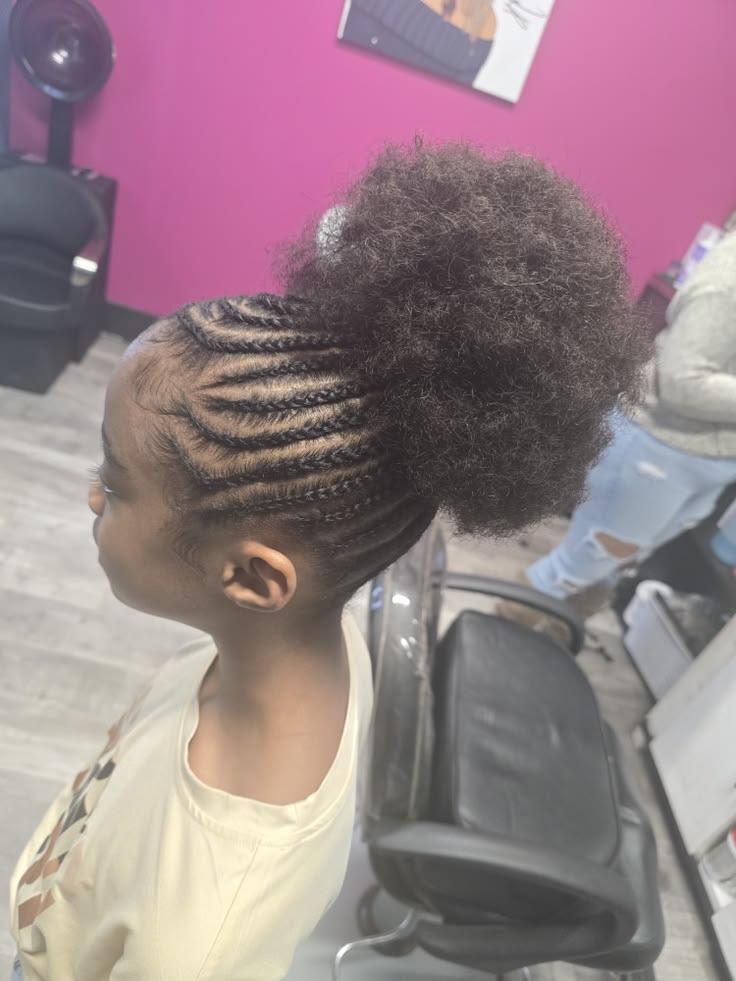
19. Braided High Puff
A braided high puff combines cornrows or braids leading up to a full puff at the crown.
This keeps hair fully secured and off the face, which many kids prefer for gym and recess.
It suits shorter natural hair especially well.
A satin scrunchie at the base helps protect the hair from breakage.
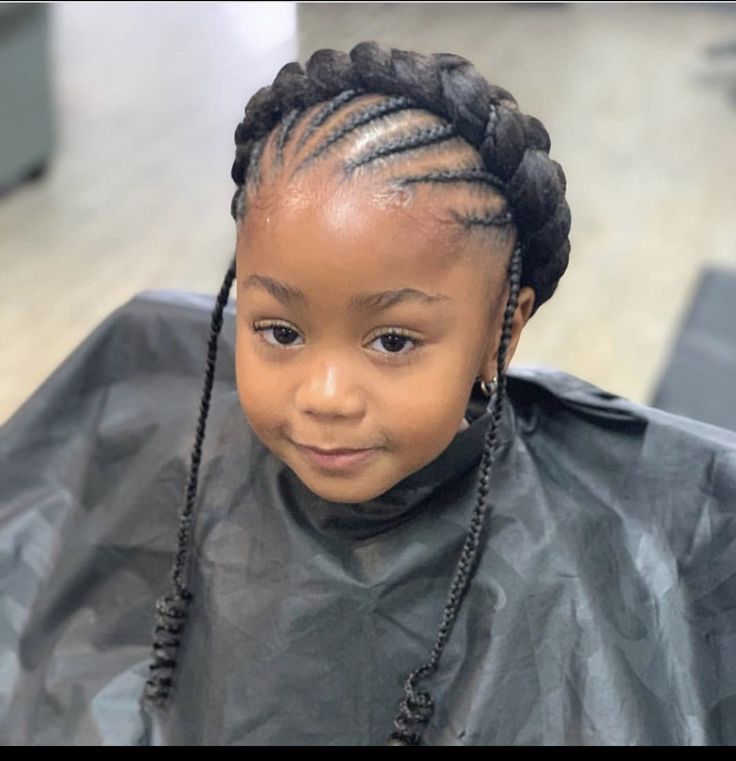
20. Braided Crown Updo
The braided crown updo feeds thin cornrows into one thick braid that wraps around the front of the head like a headband.
This style suits medium to long hair and holds up beautifully for school performances or picture day.
Leaving two braided tails hanging in front adds a soft, face-framing finish.
Twist Styles
Twists offer another gentle, long-lasting option for protective hairstyles for school, using a two-strand wrapping technique instead of a three-strand braid.
They tend to be quicker to install than braids and put less tension on the scalp.
This category suits coily and curly hair types especially well.
A curl-defining cream before twisting helps the finished style look smooth.
21. Flat Twists
Flat twists lie close to the scalp in neat rows, similar to cornrows but using a twisting motion instead of braiding.
This style is gentle on the hairline and suits kids with sensitive scalps.
It holds up well for a full week with light nightly care.
Keeping even tension across each twist helps the rows stay uniform.

22. Two-Strand Twists
Two-strand twists wrap two sections of hair around each other from root to tip.
This style works on natural hair of nearly any length and gives a soft, defined texture.
For more on caring for twisted styles between wash days, How to Moisturize Kids Hair Properly is a helpful read.
Twisting in the same direction throughout keeps the pattern looking consistent.
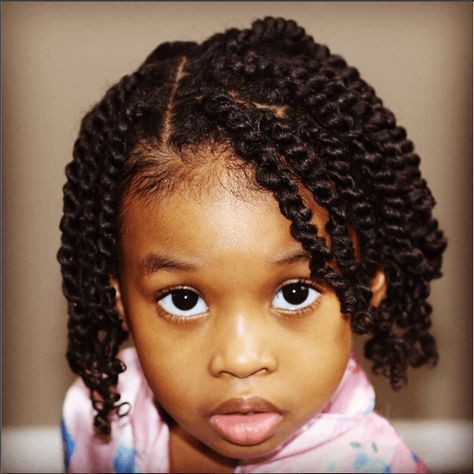
23. Mini Twists
Mini twists use smaller sections than standard two-strand twists, creating a fuller, more detailed look.
This style takes longer to install but lasts noticeably longer once finished.
It suits kids with shorter or medium-length natural hair especially well.
Gathering the twists into a half-up style helps keep them out of the face during the day.
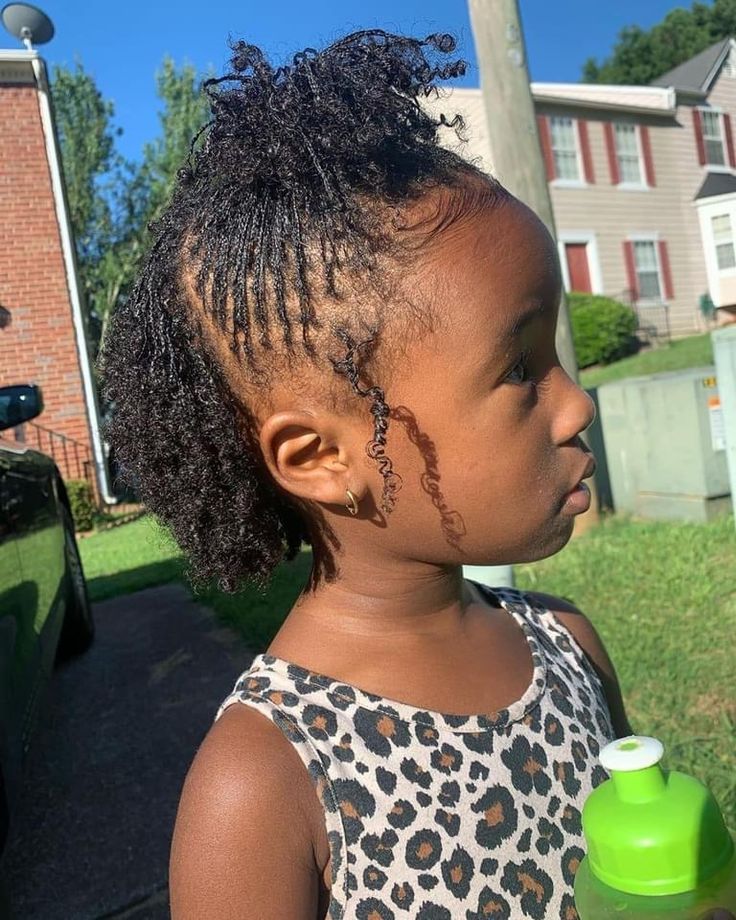
24. Twist Updo
A twist updo gathers finished twists into a bun, puff, or half-up style rather than leaving them hanging loose.
This adds an extra layer of protection for the ends during active school days.
It suits medium to long twisted hair best.
Securing loose twists with a few bobby pins keeps everything in place through recess.

More Cornrow Patterns Worth Trying
These last few cornrow styles round out the list with a few more advanced parting options.
They work well for kids who already have a favorite cornrow style and want to try something new.
All three hold up just as long as the earlier cornrow patterns in this list.
Trying a new pattern every few weeks keeps protective styling from feeling repetitive.
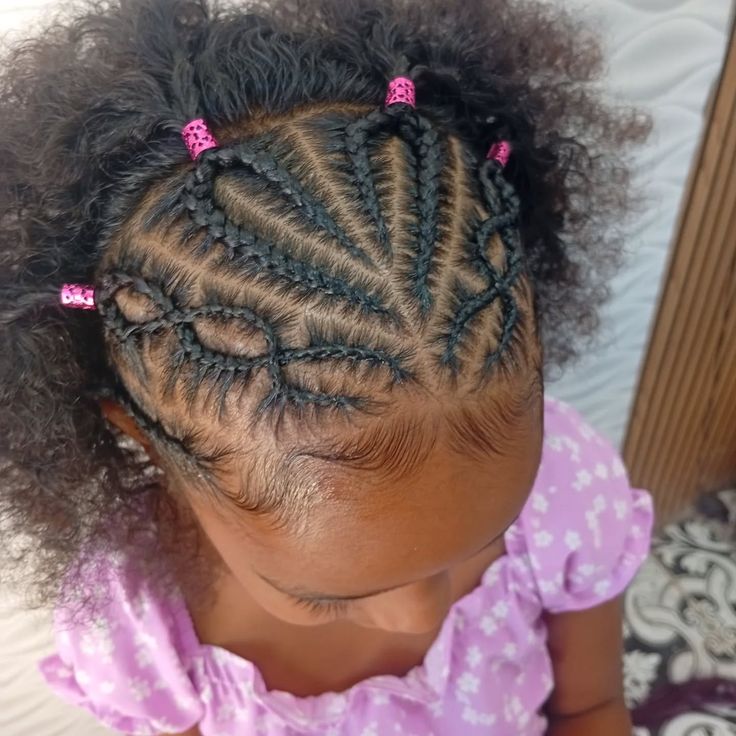
25. Cross-Over Cornrows
Cross-over cornrows use rows that intersect at angles rather than running in straight parallel lines.
This style creates a woven, basket-like effect across the scalp.
It suits kids who want a more advanced pattern without switching to a different braid type.
Planning where each row crosses ahead of time makes the weave much easier to follow.
26. Side-Part Cornrows
Side-part cornrows shift the main part to one side instead of the center, giving the rows an asymmetrical flow.
This style suits most face shapes and pairs well with beads or a side bun.
It holds up just as long as a center-part version. A deep side part adds a bit more drama to the finished look.
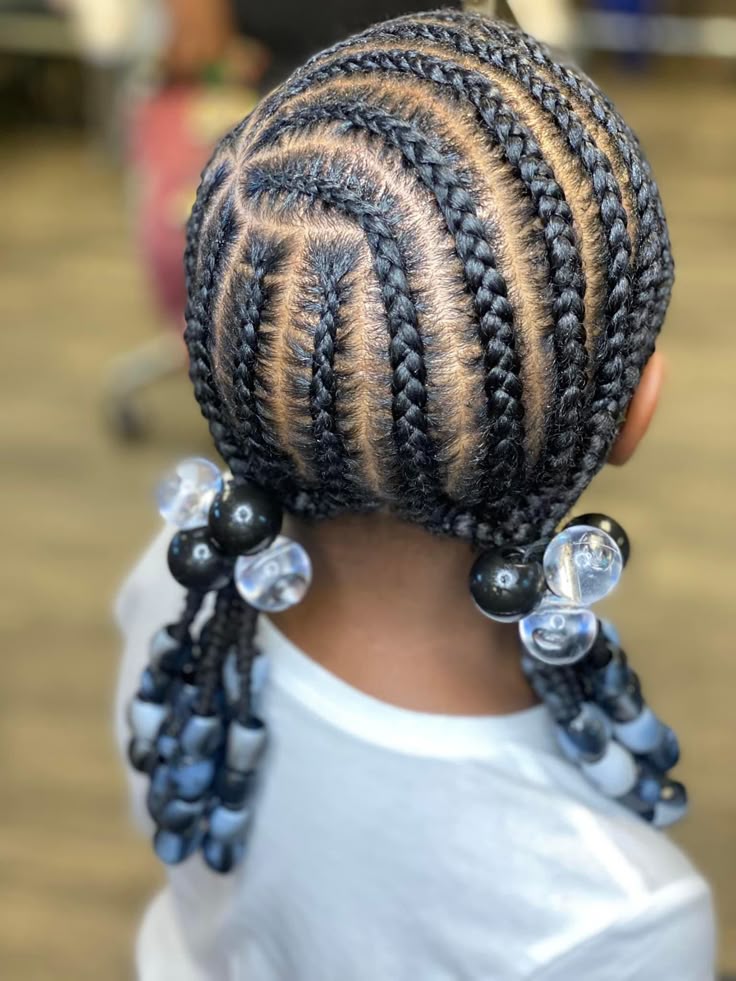
27. Freestyle Cornrows
Freestyle cornrows skip a set pattern entirely, letting the rows curve and swirl based on the stylist’s design.
This style is a favorite for special events since no two designs look quite the same.
It suits kids with natural hair who want something truly one of a kind.
60 Protective Styles That Last All Week has more freestyle inspiration to browse.
Common Mistakes to Avoid With Protective Styles
Braiding too tightly is one of the most common mistakes, especially with styles meant to last a week or longer.
Tight braids can cause headaches and, over time, may lead to breakage along the hairline.
A style that pulls should be loosened right away rather than left to settle.
The Biggest Braiding Mistake That Can Lead to Hair Loss covers how to avoid it.
Skipping moisture before styling is another frequent issue, since dry hair is more prone to breakage during the process.
A light leave-in conditioner or oil beforehand makes a real difference, and The Best Hair Oils for Children’s Hair covers a few good options.
Moisturizing the scalp between styles matters just as much as the hair itself.
Using the wrong tools can also cause problems, since a fine-tooth comb can snag curly or coily hair.
A wide-tooth comb or detangling brush works much better for sectioning before styling, as explained in Wide-Tooth Comb vs Detangling Brush.
The right tool makes the whole process faster and more comfortable.
Leaving a protective style in too long is another mistake worth avoiding, since even long-lasting styles need to come out eventually to let the scalp rest.
The Biggest Mistake Parents Make With Protective Styles covers how long different styles should realistically stay in.
Finally, skipping nighttime protection can undo a lot of the neatness a style started with. Satin Bonnets for Kids: Do They Help? covers how a bit of nightly care extends a style’s life.
A silk or satin scarf works just as well if a bonnet does not stay on well overnight.
Frequently Asked Questions
How long do protective hairstyles for school actually last?
Most protective styles like box braids, cornrows, or twists last one to two weeks with proper care.
How long a style holds up depends on hair texture, tightness, and how well it is protected at night.
Refreshing the edges partway through the week can also stretch a style a few extra days.
Are protective styles safe for young kids?
Protective styles can be safe as long as they are not installed too tightly and the hair is moisturized beforehand.
Checking in about any tightness during the process keeps the style comfortable throughout.
Shorter, simpler styles are often a good starting point for younger kids.
What is the best hair type for these styles?
Coily and curly hair types tend to hold protective hairstyles for school the longest since the natural texture helps braids and twists grip and stay in place.
Straight and wavy hair can still hold these styles with a bit more product.
A texturizing spray can help finer hair grip a braid or twist more easily.
How often should I moisturize hair between styles?
A light oil or leave-in spray a few times a week helps keep the scalp and hair from drying out.
Leave-In Conditioner vs Hair Milk for Kids breaks down which option might work best.
Focusing on the scalp and edges usually matters most between full wash days.
What is the difference between braids and twists?
Braids use three or more sections crossed over each other, while twists wrap two sections around one another.
Twists tend to be gentler and quicker to install, while braids often last a bit longer.
Both count as protective styles as long as they are not installed too tightly.
Can these styles work for shorter hair?
Yes, several styles here, including flat twists, mini twists, and straight-back cornrows, work well on shorter natural hair.
Styles needing more length may need to wait until hair grows out a bit more.
Adding extensions is another option for trying longer styles sooner.
Final Thoughts
With 27 protective hairstyles for school to choose from, the whole week can feel a little easier to plan around.
Whether the goal is a simple set of cornrows or a fuller style like tribal braids, there is an option here for nearly every hair type and schedule.
Trying a new pattern every so often keeps hair care feeling fresh rather than routine.
For more long-lasting styles to rotate through the school year, 100 Protective Hairstyles Every Parent Should Save and 75 Braided Hairstyles for Kids are both worth adding to the list.